

P0430 on 2014-2019 Chevrolet Corvette: Catalyst Efficiency Causes and Fixes
On a C7 Corvette, P0430 (Bank 2) is often caused by a failing passenger-side catalytic converter, but a known airbox sealing issue (TSB #16-NA-111) should be checked first. Before replacing the expensive converter, which may be covered by the 8-year/80,000-mile federal emissions warranty, also rule out faulty oxygen sensors and exhaust leaks.
- For a 2014-2019 Corvette, your first step for a P0430 code should be to inspect the engine air filter and airbox for a proper seal, as per TSB #16-NA-111.
- Do not immediately replace the catalytic converter. Rule out cheaper and simpler causes first, such as exhaust leaks and faulty oxygen sensors.
- Use a scan tool to watch live O2 sensor data. This is the best way to determine if the catalytic converter is truly inefficient or if a sensor is providing bad data.
- If you have any other codes, especially for engine misfires (P0300-P0308), they must be diagnosed and repaired before replacing the catalytic converter to prevent immediate failure of the new part.
What's Unique About the 2014-2019 Chevrolet Corvette
For the C7 Corvette, a unique and documented cause for P0430 is an improperly seated engine air filter box. GM issued Technical Service Bulletin #16-NA-111 🎬 Watch: How this TSB causes P0430 codes on the C7. because an unseated air filter can allow unmetered air and debris (like sand) to enter the engine. This debris can directly damage the oxygen sensors and physically block the passages within the catalytic converter, leading to an efficiency code where the root cause was actually the air intake. Always inspect the airbox for debris trails on the 'clean' side before proceeding with more expensive diagnostics.
Symptoms You May Notice
- Check Engine Light is on.
- Vehicle will fail an emissions test.
- A rotten egg or sulfur smell from the exhaust may be present, especially under heavy acceleration.
- Reduced engine power or sluggish acceleration, especially if the converter is clogged.
- Rattling noise from underneath the car if the internal catalyst material has broken apart.
- Replacing the oxygen sensor(s) when the catalytic converter is truly defective.
- Replacing the catalytic converter when the actual problem is an exhaust leak, a bad sensor, or the airbox sealing issue.
Most Likely Causes
- Improperly Sealed Air Filter Box 🔴 High Probability → Shop Air Cleaner Assembly A known issue documented in GM TSB #16-NA-111 where the air filter can become unseated, allowing sand and debris to damage downstream components like O2 sensors and the catalytic converter.
How to confirm: Visually inspect the engine air filter to ensure it is properly seated. Look for dirt or debris trails inside the 'clean' side of the airbox and intake tube, which is a clear sign of a bad seal.
Typical fix: Reseat or replace the air filter and clean the airbox. Clear the code and see if it returns. If sensors or cats were damaged by the debris, they will still need replacement.
Est. part cost: $0 - $60 - Failed Catalytic Converter (Bank 2) 🔴 High Probability → Shop Catalytic Converter Converters can become contaminated or clogged over time. Root causes like engine misfires or the airbox issue can accelerate failure. Note: This part may be covered under the federal emissions warranty (8 years/80,000 miles).
How to confirm: After ruling out leaks and sensor issues, use a scan tool to graph O2 sensor data. A bad converter shows a downstream reading that mimics the rapid switching of the upstream sensor. 🎬 See a pro technician demonstrate live data catalytic converter diagnostics. A non-contact infrared thermometer can also be used; the outlet of a working converter should be significantly hotter than the inlet. A clogged cat may show equal or cooler temps.
Typical fix: Replace the Bank 2 (passenger side) catalytic converter assembly.
Est. part cost: $500-$1500 - Faulty Downstream Oxygen Sensor (Bank 2, Sensor 2) 🟡 Medium Probability → Shop Oxygen Sensor O2 sensors are wear items. Contamination from the airbox issue (TSB #16-NA-111) or internal engine leaks can also cause premature failure.
How to confirm: Use a scan tool to monitor the sensor's voltage. A lazy or flatlined sensor is faulty. A definitive test is to swap the downstream sensors between Bank 1 and Bank 2. If the code changes to P0420 (Bank 1), the sensor is bad.
Typical fix: Replace the Bank 2 downstream oxygen sensor.
Est. part cost: $50-$150 - Exhaust Leak 🟡 Medium Probability Leaks from gaskets or cracked manifolds between the engine and the catalytic converter can introduce extra oxygen into the exhaust, confusing the O2 sensors and triggering a false code. Owners have found loose header-to-downpipe flange bolts to be the culprit.
How to confirm: Perform a visual inspection for soot trails (white powder on C7s) at flanges. Listen for hissing or ticking sounds. A highly effective DIY method is to use a shop-vac in reverse to pressurize the exhaust (from the tailpipe) and spray soapy water on joints and gaskets to look for bubbles.
Typical fix: Replace the leaking gasket or tighten the loose flange bolts.
Est. part cost: $20-$300
Rare But Worth Checking
- Engine Misfires or Rich/Lean Fuel Conditions: If you have other codes like P0300-P0308 (misfires) or P0171/P0174 (lean), these must be fixed first. Unburnt fuel from a misfire can quickly destroy a new catalytic converter.
- Faulty Upstream Oxygen Sensor (Bank 2, Sensor 1): → Shop Oxygen Sensor Less common, but a faulty upstream (pre-cat) sensor can send incorrect data, causing the ECM to misinterpret the converter's efficiency.
- Coil Pack Grounding Issue: → Shop Ignition Coil A known issue on some pre-2017 GM models with a bad ground crimp for the coil packs, which can cause intermittent misfires that lead to catalytic converter damage over time.
- Aftermarket Exhaust or Tune: Installing high-flow catalytic converters or long-tube headers can sometimes trigger P0420/P0430 codes because the change in flow characteristics is outside the expected range for the stock ECU. Sometimes this requires a custom tune or O2 sensor extenders to resolve.
Diagnosis Steps
- Scan for all stored trouble codes. Address any misfire (P030x) or fuel mixture (P017x, P209x) codes before diagnosing P0430, as they are the root cause.
- CRITICAL FOR C7 CORVETTE: Inspect the engine air filter and airbox. Per TSB #16-NA-111, remove the air filter cover and inspect for dirt/debris trails on the clean side of the housing. Ensure the filter is correctly seated and the housing is fully sealed.
- Inspect the exhaust system for leaks. Check for soot (often appears as white powder on the C7) at flanges and listen for ticks/hisses. For a definitive test, use a shop vac to blow air into the tailpipe and spray joints with soapy water, looking for bubbles.
- Use a scan tool with live data. Graph the voltage of the upstream (B2S1) and downstream (B2S2) oxygen sensors with the engine warm and at ~2000 RPM.
- Observe the sensor readings. The upstream sensor (B2S1) should switch rapidly (~0.1V-0.9V). The downstream sensor (B2S2) should show a much slower, steadier voltage (typically >0.6V, ideally 0.7V-0.8V).
- If the downstream sensor (B2S2) mirrors the upstream sensor's rapid switching, the catalytic converter has likely failed.
- If the downstream sensor's voltage is flat, stuck, or very slow to respond, the sensor itself may be faulty. To confirm, swap the downstream sensors from Bank 1 and Bank 2. Clear codes and drive. If the code returns as P0420, the sensor you moved is bad.
- If no leaks are found and the sensors test good, the catalytic converter is the most likely culprit. Check if your vehicle is still under the 8-year/80,000-mile federal emissions warranty, as replacement may be covered.
Parts You'll Likely Need
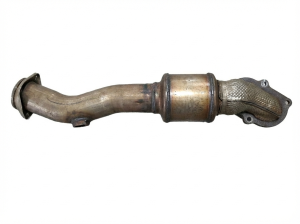
- Catalytic Converter (Bank 2, Passenger Side)
(OEM #12690917)— This is the most common ultimate fix for a confirmed P0430 code after other causes are ruled out.
Trusted brands: ACDelco (GM Genuine), MagnaFlow, Walker Exhaust
OEM price range: $800-$1500
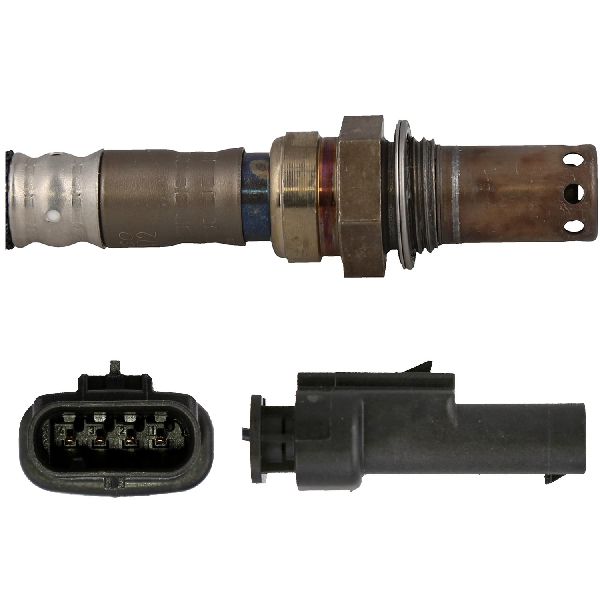
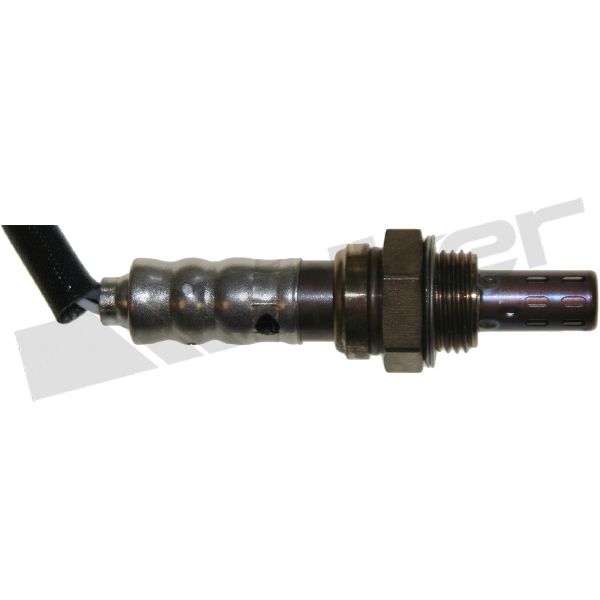
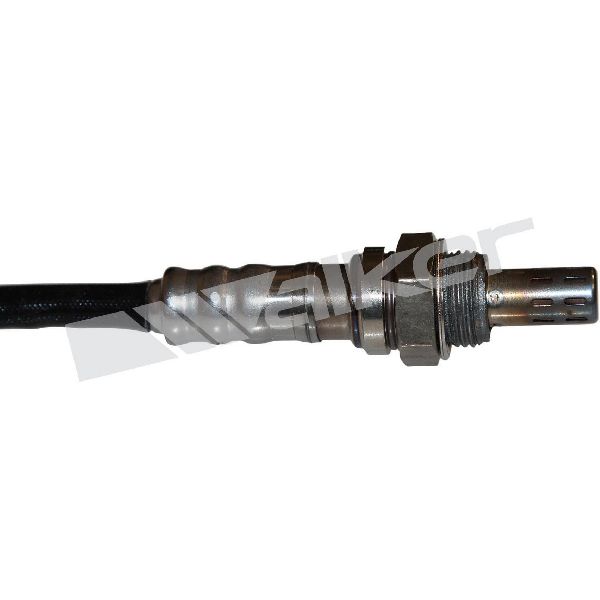
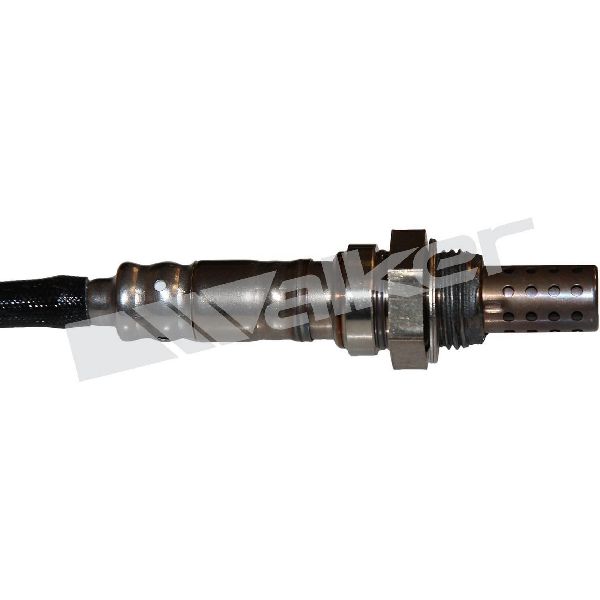
Aftermarket price range: $400-$800 - Downstream Oxygen Sensor (Bank 2, Sensor 2)
(OEM #ACDelco 213-4764 (GM 12663317))— A faulty sensor can send incorrect data, causing the code. It's a common failure point and a frequent misdiagnosis.
Trusted brands: ACDelco, Bosch, Denso, NTK
OEM price range: $80-$180
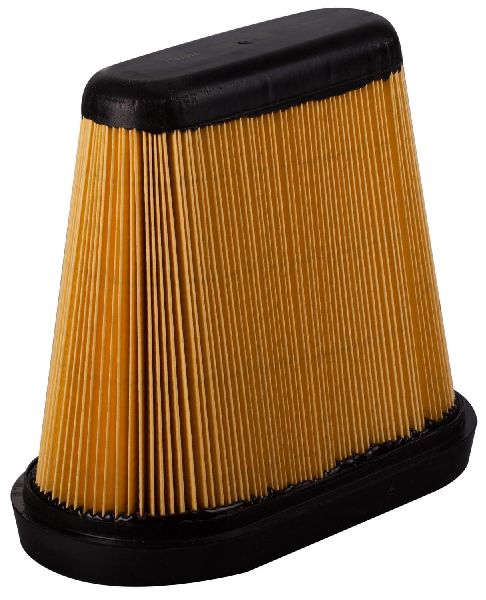
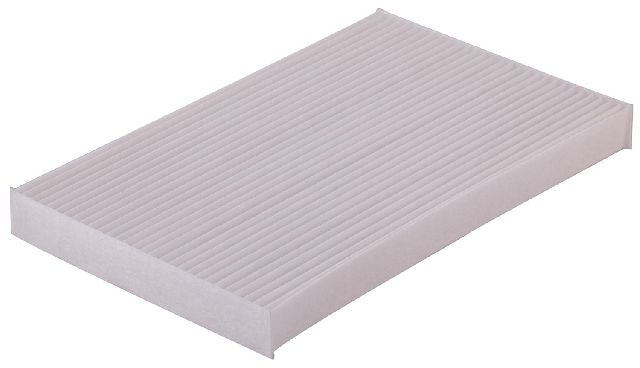
Aftermarket price range: $50-$100 - Engine Air Filter
(OEM #ACDelco A3181C (GM 23321606))— Related to TSB #16-NA-111. A damaged, dirty, or incorrect filter can contribute to the airbox sealing issue that causes this code on the C7 Corvette.
Trusted brands: ACDelco, K&N, aFe
OEM price range: $30-$60
Aftermarket price range: $20-$70
Related Codes That Often Appear With This One
- P0420 — This is the same efficiency code for Bank 1 (driver's side). If both appear, it could point to a systemic issue like the airbox problem, contaminated fuel, or severe engine wear affecting both banks.
- P0300-P0308 — These are misfire codes. An ongoing misfire dumps raw fuel into the exhaust, which overheats and destroys the catalytic converter, directly causing P0430.
- P2099 — This code for 'Post Catalyst Fuel Trim Too Rich Bank 2' indicates a rich fuel condition detected by the downstream O2 sensor. A long-term rich condition can damage the converter and lead to a P0430 code.
Technical Service Bulletins (TSBs) & Recalls
- 16-NA-111: Diagnostic Tip for P0171, P0174, P0420, P0430 - Check for an improperly seated engine
- Bulletin #16NA111: This informational bulletin provides diagnostic/inspection information for the air box and air filter seal to correct a MIL and DTCs P0420 and P0430 setting.
Platform-Specific Known Issues
- TSB #16-NA-111: An improperly seated engine air filter can allow sand and debris to be ingested by the engine. This debris can damage O2 sensors and clog the catalytic converter, directly causing P0420 and P0430 codes. This should be the first check on any C7 Corvette with these codes.
Mechanic-Grade Diagnostic Values
- Downstream O2 Sensor (B2S2) Voltage — expected: Relatively stable voltage, ideally between 0.7V and 0.8V, when the engine is warm and at a steady RPM (~2000-3000).. Failure: Voltage rapidly switching similar to the upstream sensor, or being stuck flat (e.g., at 0V or 1V).
- Upstream O2 Sensor (B2S1) Voltage — expected: Rapidly fluctuating between approximately 0.1V and 0.9V on a warm engine.. Failure: Slow, lazy, or flatlined voltage, which would likely set other codes but is important for comparison.
- Catalyst Monitor Test (Propane Injection) — expected: When propane is added pre-MAF, both upstream and downstream O2 sensors should show a rich condition (high voltage). When propane is cut, the upstream sensor should react instantly, while a good catalyst causes a significant delay (storage) before the downstream sensor reacts.. Failure: The downstream sensor reacts almost as quickly as the upstream sensor when the propane is cut, indicating poor oxygen storage capacity.
Scan Tool Commands That Help
- GDS2 (or equivalent professional scanner): Live Data Graphing — Essential for comparing the switching activity of the upstream (B2S1) and downstream (B2S2) oxygen sensors in real-time to visually confirm if the catalytic converter has lost its oxygen storage capacity.
- GDS2 (or equivalent professional scanner): Clear Codes / Reset Emissions Monitors — Used after a repair (e.g., tightening an exhaust leak, swapping O2 sensors) to see if the P0430 code returns, confirming or eliminating a potential cause.
Wiring & Ground Locations
- G102 — Typically located on the engine itself, responsible for grounding the 8 ignition coils.. A poor ground here can cause misfires (per TSB #16-NA-011 for pre-2017 models), which dumps raw fuel into the exhaust and destroys the catalytic converter, leading to P0430.
- ECM Ground — On the passenger side of the engine block, near the starter, there are two ground ring terminals; one is a critical ground for the Engine Control Module (ECM).. A faulty ECM ground can cause erratic sensor readings and incorrect calculations, potentially leading to a false P0430 code or poor engine operation that damages the converter.
- G106 — Located on the right side of the engine block above the starter on C5/C6, likely similar on C7. This point grounds the PCM, MAF, and receives the negative battery cable connection.. As a primary ground point for the engine management system, corrosion or looseness here can cause a wide range of issues, including those that trigger catalyst codes.
- Passenger Fender Well Ground Stud — A ground stud is located on the passenger side inner fender well, just to the rear of the air filter housing.. While primarily for accessories, it's a known, accessible ground point in the vicinity of Bank 2 components. A technician may use it for testing or need to ensure it's not compromised by corrosion.
Real Owner Repair Stories
- CorvetteForum user 'flyingillini' (C5 Corvette (logic applies to C7)) — Check Engine Light with P0430 appeared about a month and 400 miles after installing long tube headers and high-flow cats.
❌ Tried (didn't work) Checking for loose bolts and tight O2 sensors.
✅ What actually fixed it The issue is inherent to high-flow cats being less efficient than OEM. The accepted fixes are to either get a custom tune to disable the rear O2 sensor monitoring for this code or to install O2 sensor extenders (spacers) to pull the sensor out of the direct exhaust stream. - CorvetteForum user 'z06 bill' (2017 Corvette Z06 with 7,500 miles, had been sitting for a long time.) — P0430 code appeared, was cleared, and then returned.
❌ Tried (didn't work) Clearing the code and driving the car.
✅ What actually fixed it Upon inspection on a lift, the bolts connecting the exhaust manifold/header to the catalytic converter pipe were not fully tight. After tightening them about a half-turn, the problem was resolved. A visible white powder residue around the flange indicated a small exhaust leak was the true cause. - CorvetteForum user 'jimmyp' (C7 Corvette Z06) — Recurrent P0430 code on Bank 2, even after the catalytic converter was replaced by the dealer. Failure occurred again after only 1,000 miles.
❌ Tried (didn't work) Replacing the Bank 2 catalytic converter.
✅ What actually fixed it The owner frequently used Boostane, an MMT-based octane booster. The orange residue left by the additive was identified as the likely cause of poisoning the new catalytic converter. The implied fix was to cease using MMT-based fuel additives.
"I Checked Everything" — The Actual Cause
- A common scenario for a persistent P0430 is a hairline crack in the exhaust manifold. A standard smoke test performed on a cold engine may not reveal the leak. As the engine and manifold reach operating temperature, the metal expands, opening the crack enough to allow unmetered oxygen into the exhaust stream, which fools the O2 sensors. The actual cause is a thermally-induced exhaust leak that is missed during a cold test.
When the Usual Fixes Don't Work
- While replacing the catalytic converter is the ultimate fix for a confirmed failure, it should be the last step. A Corvette owner on CorvetteForum with a 2017 Z06 experienced a P0430 that returned after being cleared. Instead of replacing parts, an inspection revealed that the flange bolts connecting the header to the cat pipe were loose. Tightening these bolts, where a white powder indicated a leak, permanently resolved the code. This highlights that a simple mechanical check for exhaust leaks should always precede expensive parts replacement, even on a low-mileage vehicle.
OEM Part Supersession History
ACDelco GM OE→GM Genuine Parts— Branding Change
Heads up: Parts labeled as 'ACDelco GM Original Equipment' and 'GM Genuine Parts' are functionally identical. However, some vendors note that the replacement O2 sensor (213-4764) may require programming or special setup procedures, which is a critical labor step.
Model Year Variations Within This Range
- 2014 Only: The 2014 model year used the 6L80 6-speed automatic transmission from the C6 generation. All subsequent years (2015-2019) with an automatic transmission used the new 8L90 8-speed.
- 2014-2016: Models up to 2016 may be affected by a bad ground crimp for the ignition coil packs, as mentioned in some analyses of TSBs. This can cause misfires that lead to P0430. Models from 2017 onward are less likely to have this specific issue.
- 2016+: Starting in 2016, Corvettes received significant infotainment and convenience upgrades, including Apple CarPlay/Android Auto, front parking cameras, and a power-cinching hatch. These are not related to the P0430 code but are key differences when identifying a vehicle's features.
Diagnostic Flowchart
Other Known Issues on This Vehicle
Issues unrelated to this code that are worth knowing about as an owner of this generation:
- 8-Speed (A8) Automatic Transmission Shudder 🔴 High — Very common on 2015-2019 models with the 8L90 (M5U) automatic transmission. Typically occurs during light throttle at steady speeds. (Ref: TSB #18-NA-355)
- Cracked or Bent Wheels (Grand Sport & Z06) 🔴 High — A widespread issue affecting 2015-2019 Z06 and 2017-2019 Grand Sport models, leading to multiple class-action lawsuits. Wheels are prone to cracking or bending from normal road impacts. (Ref: No TSB, but a 'Limited Special Reimbursement Program' was later offered by GM.)
- Infotainment Screen Delamination / Failure 🟠 Medium — Common across 2014-2017 models. The screen can delaminate, causing 'ghost touches,' or may flicker or go black entirely. This can sometimes be traced to loose wiring behind the unit. (Ref: TSB #PI1149A)
- Torque Tube Coupler Failure 🟠 Medium — The rubber couplers inside the torque tube can disintegrate over time, causing significant drivetrain noise and vibration. This is a labor-intensive repair.
- Accessory Drive Belt Tensioner Failure 🟡 Low — The hydraulic belt tensioner can leak and fail, causing a rattling noise from the front of the engine. It is considered a common wear item that needs replacement.
Used vs. New Parts: Buying Guide for This Vehicle
When a used part is the smart pick: For the catalytic converter, sourcing a used OEM unit from a low-mileage (<50,000 miles) wrecked vehicle can be a cost-effective and reliable alternative to a new OEM part. This is often preferable to new aftermarket converters which can have efficiency issues.
Donor-vehicle mileage cap: roughly under 50000 miles for the part to have meaningful remaining life.
What to inspect on the donor part:
- Verify the OEM part number matches your vehicle's requirement.
- Shake the converter to ensure there is no rattling, which indicates a broken internal substrate.
- Inspect the inlet and outlet for signs of excessive oil burning (heavy, black, oily soot) or coolant contamination (white, crusty deposits).
- Check the donor vehicle's history if possible to ensure it didn't have a known engine problem that could have damaged the converter.
OEM-only on this vehicle (don't cheap out):
- Catalytic Converter: Strongly recommended to use OEM (new or used). Many aftermarket high-flow catalytic converters are not efficient enough to satisfy the C7's ECU monitoring and will repeatedly set P0420/P0430 codes, even when new.
Aftermarket brands forum-validated for this vehicle:
- O2 Sensors: Denso, NTK, Bosch
- Exhaust Systems (Headers/X-Pipes): Kooks, American Racing Headers (ARH), Corsa. Note that these often require a tune to prevent codes.
Brands owners have reported issues with on this vehicle:
- Unbranded, low-cost 'direct-fit' or 'high-flow' catalytic converters from online marketplaces are frequently reported by owners to fail within a short period or trigger efficiency codes immediately after installation.
Real Owner Stories
Aggregated from forums and TSBs cited above. Mileages and costs reflect what owners reported in those sources.
2017 Chevrolet Corvette Z06 — 7500 miles
Symptoms: Check engine light code P0430 appeared. The car had been sitting for a long period and was moved without being allowed to warm up.
What fixed it: Found and tightened loose bolts at an exhaust flange.
Source hint: CorvetteForum: Engine light code PO430
2014-2019 Chevrolet Corvette LT1
Symptoms: P0430 code; scan tool data showed a lazy O2 sensor.
What fixed it: Used a shop vac in reverse to pressurize the exhaust and sprayed soapy water on the joints, which revealed bubbles at the header-to-downpipe flange. The leak was repaired to fix the code.
Source hint: CorvetteForum: P0430 Question
2014-2019 Chevrolet Corvette LT1
Symptoms: Check engine light with P0430 error code appeared approximately three weeks after an exhaust modification.
What fixed it: The code was triggered by the installation of a Corsa Extreme aftermarket exhaust system.
Source hint: CorvetteForum: Check Engine Light! - P0430 Error Code! Corsa Extreme Exhaust
2016-2024 Chevrolet Camaro SS (6.2L LT1 V8)
Symptoms: Struggling with permanent P0420/P0430 codes after installing long tube headers and high-flow 'green' cats.
What fixed it: Confirmed that aftermarket high-flow cats can fail to meet ECU efficiency thresholds and identified exhaust leaks before the O2 sensor as a common culprit.
Source hint: CAMARO6: P0420/p0430 Permanent codes stumped
Related OBD-II Codes
Frequently Asked Questions
Does TSB #16-NA-111 apply to my 2014-2019 Chevrolet Corvette?
Will the federal emissions warranty cover a catalytic converter replacement on my C7 Corvette?
I just installed a Corsa Extreme exhaust and now have a P0430; is this common?
Can a loose bolt in the exhaust system cause a P0430 on a Corvette?
How can I tell if my P0430 is caused by a bad sensor or a bad converter without buying parts?
What does the 'white powder' on my C7 exhaust flanges mean?
Helpful Videos
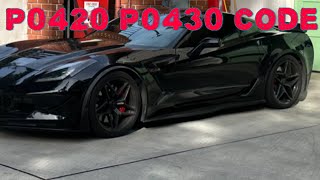
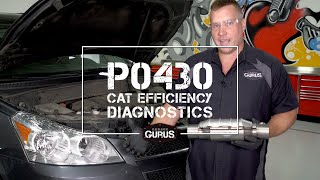
![How to Fix P0430 Error Code in 8 Minutes [7 DIY Methods / Only $5.97]](https://img.youtube.com/vi/KziSvVBjuEc/mqdefault.jpg)

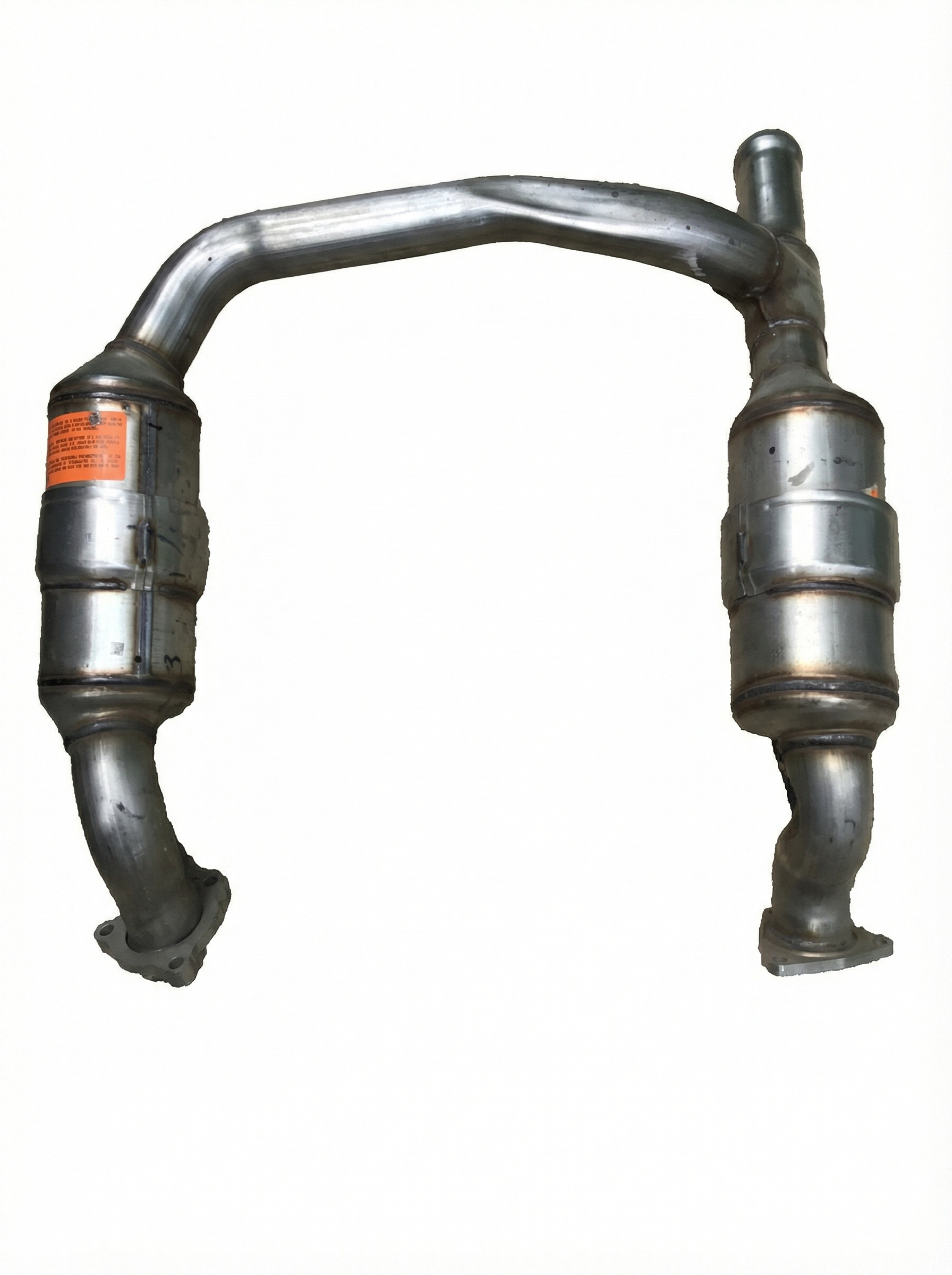
Used OEM Parts in Stock
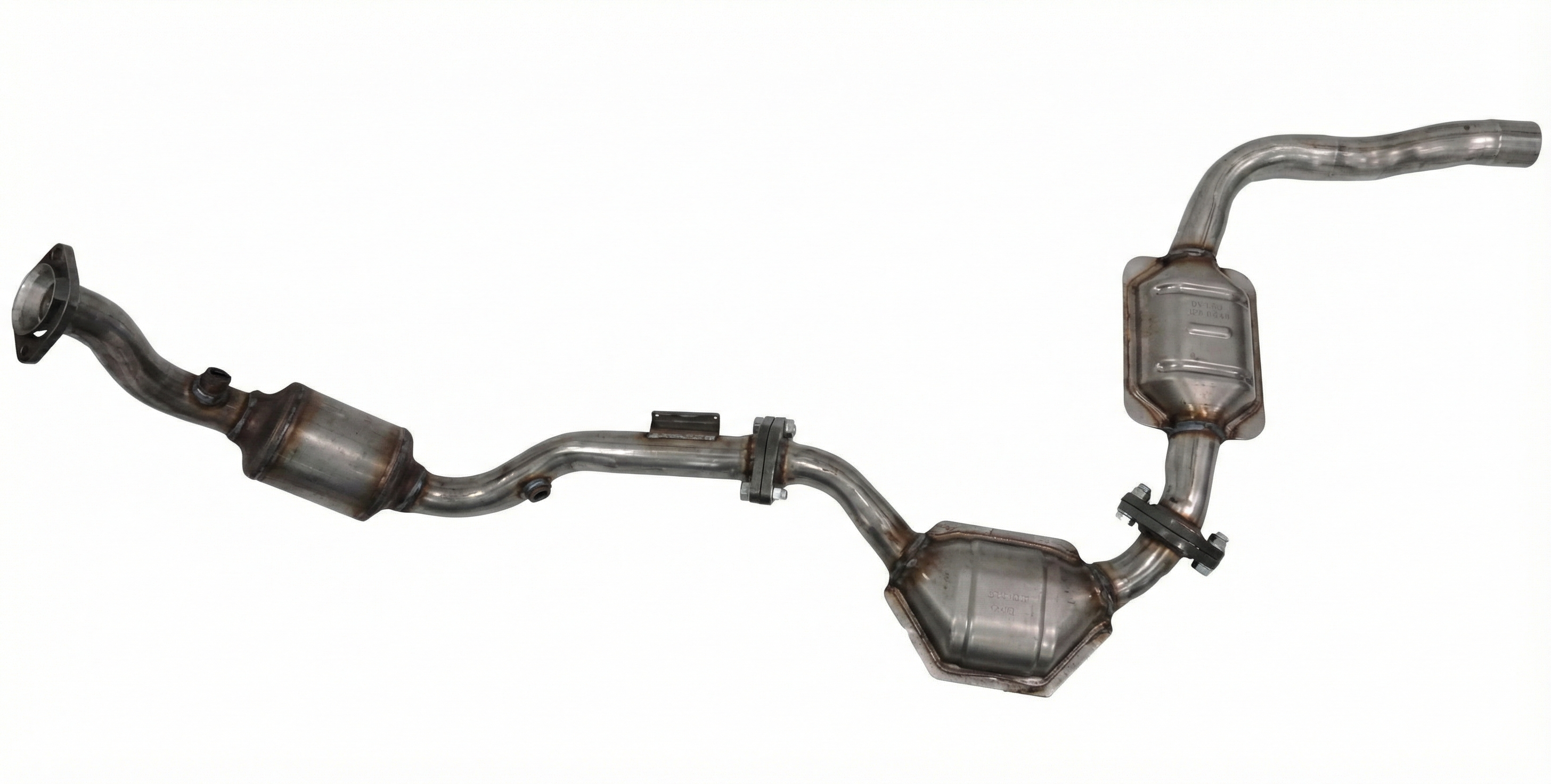
New Aftermarket Parts Available

The information in this article is provided for general reference and educational purposes only. Vehicle specifications, procedures, and part compatibility can vary by production date, trim level, and region. Always consult your vehicle's factory service manual and verify part numbers before purchasing or performing repairs. Safety-critical components such as airbags, seat belts, and braking systems should be installed by a qualified professional.
- Chevrolet Corvette:
- 🧭 Diagnostic Flowchart
- 🎬 Helpful Videos
- 🛍️ Shop This Part
- What's Unique About the 2014-2019 Chevrolet Corvette
- Symptoms You May Notice
- Most Likely Causes
- Rare But Worth Checking
- Diagnosis Steps
- Parts You'll Likely Need
- Related Codes That Often Appear With This One
- Technical Service Bulletins (TSBs) & Recalls
- Platform-Specific Known Issues
- Mechanic-Grade Diagnostic Values
- Scan Tool Commands That Help
- Wiring & Ground Locations
- Real Owner Repair Stories
- "I Checked Everything" — The Actual Cause
- When the Usual Fixes Don't Work
- OEM Part Supersession History
- Model Year Variations Within This Range
- Other Known Issues on This Vehicle
- Used vs. New Parts: Buying Guide for This Vehicle
- Real Owner Stories
- 2017 Chevrolet Corvette Z06 — 7500 miles
- 2014-2019 Chevrolet Corvette LT1
- 2014-2019 Chevrolet Corvette LT1
- 2016-2024 Chevrolet Camaro SS (6.2L LT1 V8)
- Related OBD-II Codes
- Frequently Asked Questions
- 🎟️ Get 5% Off