

P0430 on 2013-2014 Chevrolet Silverado 3500 6.0L: Catalyst Efficiency Causes and Fixes
P0430 on a 2013-2014 Silverado 3500 6.0L usually means the passenger-side (Bank 2) catalytic converter is failing. Before replacing this expensive part, always check for exhaust leaks from broken manifold bolts and test the downstream oxygen sensor, as these are common, cheaper-to-fix causes on this platform.
- P0430 points to the passenger-side (Bank 2) catalytic converter's inefficiency.
- Before spending money on a new converter, you MUST rule out an exhaust leak from broken manifold bolts, a very common issue on this truck.
- Do not replace the oxygen sensors unless diagnostic tests prove they are faulty; they are usually just doing their job.
- If you do replace the converter, ensure any engine misfires or fuel system problems are fixed first, or the new converter will be quickly damaged.
What's Unique About the 2013-2014 Chevrolet SILVERADO 3500
On these heavy-duty Vortec V8 engines, a P0430 code is very common with age and use. A frequent issue that can set a false P0430 code is an exhaust leak caused by broken exhaust manifold bolts, a well-known weak point on this platform. This allows unmetered oxygen into the exhaust, confusing the O2 sensors. Additionally, a GM Technical Service Bulletin (TSB) notes that the diagnostic test for this specific code may be intentionally disabled by the vehicle's software for the first hour of engine operation to prevent false readings at low mileage. This break-in period allows materials in a new converter to properly cure before being monitored.
Diagnostic Flowchart
Tap your situation to follow the diagnostic path that matches what you're seeing on this vehicle.
Symptoms You May Notice
- Check Engine Light is on
- Vehicle fails emissions testing
- Reduced engine power or sluggish acceleration if the converter is clogged
- A sulfur or "rotten egg" smell from the exhaust, especially under acceleration
- Increased exhaust noise, often a ticking or puffing sound from the engine bay (especially when cold), if a leak is the cause
- Replacing the oxygen sensors when they are correctly reporting a bad catalytic converter.
- Replacing the catalytic converter when the true cause is an inexpensive-to-fix exhaust leak from a broken manifold bolt.
- Using a cheap, low-quality aftermarket catalytic converter that isn't efficient enough to meet the PCM's standards, causing the code to return.
Most Likely Causes
- Failing Catalytic Converter (Bank 2) 🔴 High Probability → Shop Catalytic Converter Catalytic converters have a finite lifespan and fail due to age, high mileage, and contamination from engine byproducts like burned oil or coolant. On high-mileage trucks, this is the most common culprit once other issues are ruled out.
How to confirm: After confirming no exhaust leaks and that O2 sensors are working, this is the most likely cause. A mechanic can use a scan tool to watch O2 sensor data; if the downstream sensor (Bank 2, Sensor 2) switches rapidly like the upstream sensor, the converter has failed. A healthy downstream sensor should show a relatively steady voltage around 0.65V-0.75V. An infrared thermometer can also be used; the converter outlet should be at least 100°F hotter than the inlet on a warm engine.
Typical fix: Replace the Bank 2 catalytic converter. This often comes as part of a larger Y-pipe assembly. It is critical to fix any underlying engine issues (misfires, oil consumption) first, or the new converter will be quickly destroyed.
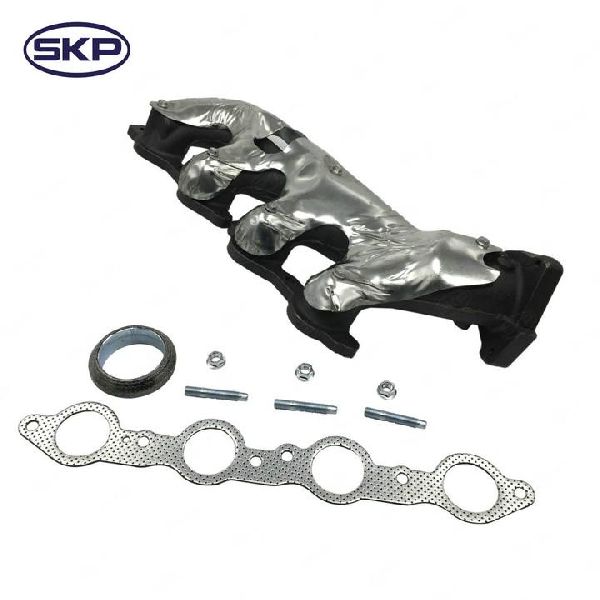
Est. part cost: $400-$1500 - Exhaust Leak (before the catalytic converter) 🟡 Medium Probability These 6.0L V8 engines are notorious for breaking exhaust manifold bolts due to heat cycles, especially the rearmost ones near the firewall. The steel bolts and iron manifold expand and contract at different rates, causing the bolts to snap.
How to confirm: Visually inspect the exhaust manifolds for broken bolt heads or black soot trails. Listen for a ticking or tapping sound from the engine bay, especially when the engine is cold, which lessens as the metal expands and seals the leak. A mechanic can use a smoke machine to pinpoint the leak.
Typical fix: Replace the broken exhaust manifold bolts and the manifold gasket. This may require drilling out the broken bolt. In many cases, an aftermarket exhaust manifold bolt repair clamp (like Dorman part #917-107) can be installed over the broken bolt to reseal the manifold without requiring difficult bolt extraction. 🎬 See how to remove broken manifold bolts without pulling the engine.
Est. part cost: $20-$100 - Faulty Downstream Oxygen Sensor (Bank 2, Sensor 2) ⚪ Low Probability → Shop Oxygen Sensor O2 sensors can degrade over time, becoming slow to respond or sending inaccurate voltage signals to the PCM. However, it's more common for the sensor to be correctly reporting a bad converter than for the sensor itself to be the sole cause of the code.
How to confirm: Use a scan tool to monitor the voltage of the Bank 2 Sensor 2. A healthy sensor on a warm engine with a good converter should show a relatively stable voltage. If the voltage is stuck, erratic, or mirrors the upstream sensor, it may be faulty. A good diagnostic step is to swap the downstream sensors from Bank 1 and Bank 2. If the code changes to P0420 (Bank 1), the sensor is confirmed bad. If P0430 returns, the problem is not the sensor. 🎬 Watch: A professional walkthrough of P0430 catalytic efficiency diagnostics.
Typical fix: Replace the Bank 2, Sensor 2 (downstream, passenger side) oxygen sensor.
Est. part cost: $50-$120
Rare But Worth Checking
- Underlying Engine Misfire or Fuel Mixture Issue: An engine misfire (P0300-P0308) or a persistent rich/lean condition (P0172/P0175 or P0171/P0174) will send unburned fuel into the exhaust, which superheats and rapidly destroys the catalytic converter. If you replace the converter without fixing the root cause, the new one will fail quickly.
Diagnosis Steps
- Scan for other DTCs. Address any misfire (P030x), fuel mixture (P017x), or O2 sensor circuit codes before proceeding, as they are often the root cause.
- Inspect for Exhaust Leaks. Carefully check the exhaust manifold on the passenger side (Bank 2) for signs of leaks, black soot trails, or broken bolt heads, especially near the firewall. Listen for a ticking noise when the engine is cold. This is a very common failure point.
- Analyze Oxygen Sensor Data. Using a scan tool, graph the upstream (B2S1) and downstream (B2S2) oxygen sensors. At a steady 2500 RPM, the upstream sensor should switch rapidly between ~0.1V and ~0.9V. The downstream sensor should hold a steady, high voltage (e.g., >0.65V). If the downstream sensor mimics the upstream sensor's rapid switching, the converter is not working.
- Test the Oxygen Sensor. If the downstream sensor's readings are suspect, swap it with the Bank 1 downstream sensor. Clear codes and drive. If a P0420 appears, the sensor is faulty. If P0430 returns, the sensor is good.
- Check Converter Temperature. Use an infrared thermometer to measure the temperature of the pipe entering and exiting the catalytic converter when the engine is hot. The outlet should be at least 100°F hotter than the inlet. If not, the catalyst is inactive. 🎬 Watch: How to replace your catalytic converter to clear the code.
- If all other tests pass, the catalytic converter has failed and needs replacement.
Parts You'll Likely Need
- Catalytic Converter (Bank 2)
(OEM #19420265 (Supersedes 23111625, 84362281))— This is the most common direct cause of a true P0430 code after high mileage, once leaks and sensor issues are ruled out. OEM part numbers are often superseded and part of a larger assembly; verify with VIN.
Trusted brands: ACDelco (GM Genuine), Walker Exhaust, MagnaFlow
OEM price range: $1800-$3000
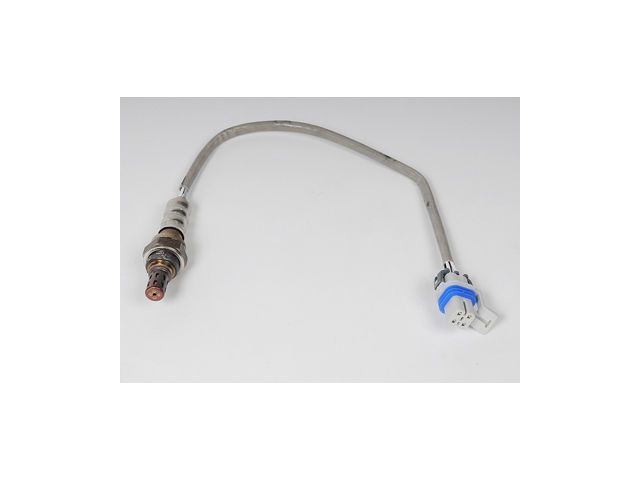
Aftermarket price range: $400-$1500 - Downstream Oxygen Sensor (Bank 2, Sensor 2)
(OEM #213-4229 (GM# 12609457))— This sensor is responsible for reporting the converter's efficiency and can fail, sending false data. It's a common diagnostic replacement before condemning the expensive converter.
Trusted brands: ACDelco, Denso, NGK/NTK
OEM price range: $100-$180
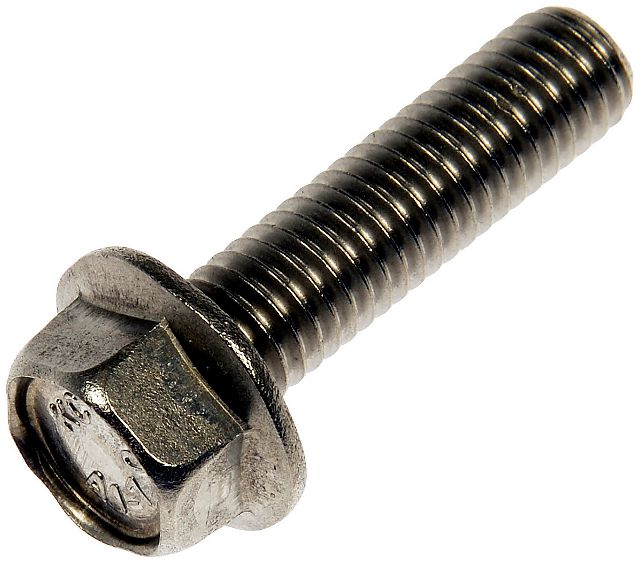
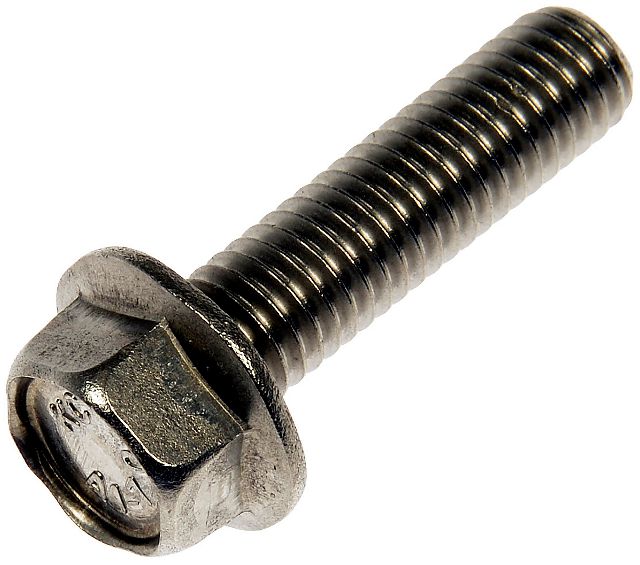
Aftermarket price range: $50-$120 - Exhaust Manifold Bolt and Gasket Kit — Fixing the very common exhaust leak from broken manifold bolts requires new bolts and a new gasket.
Trusted brands: ACDelco, Fel-Pro, Dorman
OEM price range: $40-$70
Aftermarket price range: $20-$50 - Exhaust Manifold Bolt Repair Clamp — A popular and time-saving alternative to extracting a broken manifold bolt. This bracket clamps the manifold to the head, sealing the leak without drilling. Dorman makes popular versions of this part.
Trusted brands: Dorman, APDTY
OEM price range: N/A
Aftermarket price range: $30-$80
Related Codes That Often Appear With This One
- P0420 — This is the identical code for Bank 1 (driver's side). If both codes are present, it may point to a systemic issue like contaminated fuel or an engine problem affecting both banks, such as an intake leak.
- P0300-P0308 — These are misfire codes. A misfire is a primary root cause of catalytic converter failure. This code must be fixed first to prevent destroying a new converter.
Technical Service Bulletins (TSBs) & Recalls
- PIP3119P: States that the Malfunction Indicator Lamp may come on for code P0430 at low mileage and provides a catalytic converter break-in procedure.
Platform-Specific Known Issues
- TSB #PIP3119P: GM issued a bulletin stating that on some vehicles, the diagnostic test that triggers code P0430 is disabled for the first hour of engine operation to prevent setting a false code at low mileage or immediately after a new converter is installed. This allows for a proper 'break-in' of the catalyst material. If the code appears on a very low-mileage truck, performing the prescribed drive cycle may resolve the issue.
Mechanic-Grade Diagnostic Values
- Downstream O2 Sensor (B2S2) Voltage — expected: Relatively stable voltage between 0.45V and 0.7V on a healthy, warm converter.. Failure: Voltage rapidly fluctuates between ~0.1V and ~0.9V, mimicking the upstream sensor, indicating the catalyst is not storing oxygen.
- Short-Term (STFT) & Long-Term (LTFT) Fuel Trims — expected: Within +/- 10% at idle and steady cruise.. Failure: Sustained positive values (e.g., +15% or higher) suggest an unmetered air leak, such as an exhaust manifold leak, is causing the PCM to add excess fuel.
- Catalytic Converter Temperature Differential — expected: The outlet pipe temperature should be at least 100°F hotter than the inlet pipe temperature on a fully warmed-up engine.. Failure: Outlet temperature is similar to or cooler than the inlet temperature, indicating the catalyst is chemically inactive.
Hidden / Shadow Codes Worth Checking
- Mode $06, TID $01-$0C, CID $60/$61: These are Test and Component IDs within the generic OBD-II Mode $06 data that correspond to the catalyst efficiency monitor. A professional scan tool can read these values to see the raw test results from the PCM's last catalyst check, often before a DTC is set. A value exceeding the manufacturer's limit indicates a failure. (see via A scan tool with Mode $06 capability. Many professional tools translate the hexadecimal values automatically.)
Scan Tool Commands That Help
- GDS2/Tech2 or equivalent professional scanner: Catalyst System Test / Catalyst Monitor Drive Cycle — After a repair (like replacing a converter or O2 sensor) to force the onboard monitor to run and verify the fix. The specific GM drive cycle involves holding a steady speed of 55 mph for five minutes after the engine is warm.
- GDS2/Tech2 or equivalent professional scanner: Graphing O2 Sensor Data (B2S1 vs B2S2) — This is the primary diagnostic step. By viewing both sensors' voltage graphs simultaneously, a technician can visually confirm if the downstream sensor is mimicking the upstream sensor, which is a definitive sign of a failed converter.
Wiring & Ground Locations
- Engine Control Module (ECM) — Located on the left front of the engine compartment, near the fan shroud.. The ECM is the source of the 5-volt reference and ground for the oxygen sensors and is what ultimately runs the catalyst monitor test and sets the P0430 code. A poor connection at the ECM can cause various sensor-related issues.
- G100 / G103 / G104 — These are primary engine/chassis grounds, typically found on the engine block, cylinder heads, or on the frame near the front of the engine bay.. The oxygen sensors and their heater circuits rely on a clean ground path to the ECM. A corroded or loose engine ground can create voltage offsets and electrical noise, leading to inaccurate sensor readings and a false P0430 code.
- Bank 2 Sensor 2 (Downstream) Connector — On the exhaust pipe, after the passenger-side catalytic converter.. This connector is the direct interface for the sensor that reports catalyst efficiency. It is exposed to heat and road debris, making it a potential point of failure for wiring (melting, corrosion, physical damage).
Real Owner Repair Stories
- YouTube video by 'Garage Gurus' (2012 Chevrolet Traverse (similar GM V6 architecture and P0430 diagnosis)) — Check Engine Light with code P0430.
❌ Tried (didn't work) Scan tool data showed fuel trims and O2 sensor activity were initially within spec, suggesting the converter might be bad.
✅ What actually fixed it A thorough visual inspection revealed a small pinhole leak in the exhaust Y-pipe. Replacing the Y-pipe assembly resolved the P0430 code without needing to replace the catalytic converter itself.
OEM Part Supersession History
23111625, 84362281→19420265— Standard part number consolidation and potential design updates by the manufacturer.
Heads up: Part number 19420265 is listed for 2015-2020 models by some vendors, but also supersedes the earlier numbers. It is critical to verify the correct Y-pipe assembly part number with the vehicle's VIN before ordering, as there can be variations based on wheelbase and specific emissions packages.
Model Year Variations Within This Range
- 2013-2014: The 2013 model is the final year of the GMT900 body style for the HD trucks. While the 2014 Silverado 1500 moved to the new K2XX platform, the 2500/3500 HD models remained on the GMT900 platform for the 2014 model year, with the major redesign happening for 2015. Therefore, the 6.0L L96 engine and exhaust components are mechanically identical for the 2013 and 2014 3500HD.
- 2013-2014: The 6.0L L96 V8 used in the Silverado HD trucks does not have Active Fuel Management (AFM), unlike many of the 5.3L and 6.2L engines in the half-ton trucks. This eliminates AFM-related lifter failure as a potential root cause for oil consumption that could lead to converter damage.
Helpful Videos
Used OEM Parts in Stock
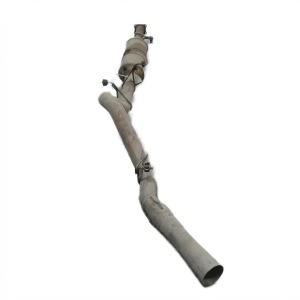
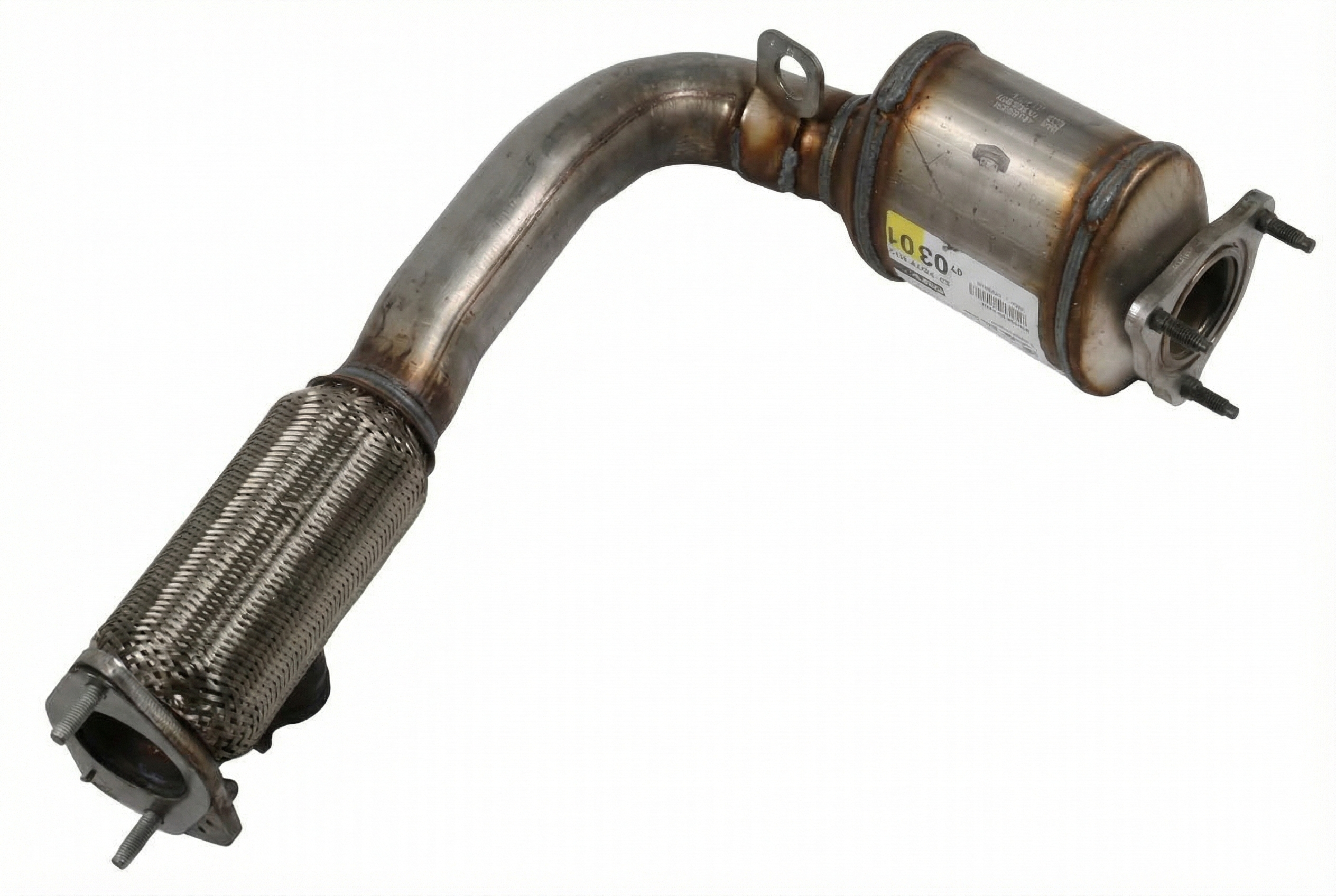
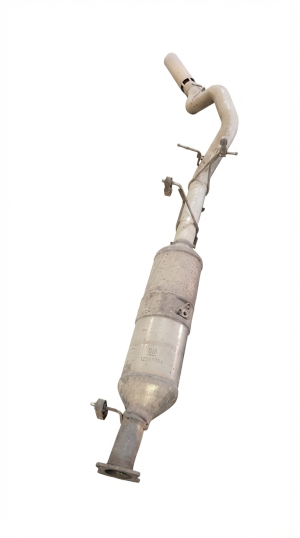
New Aftermarket Parts Available
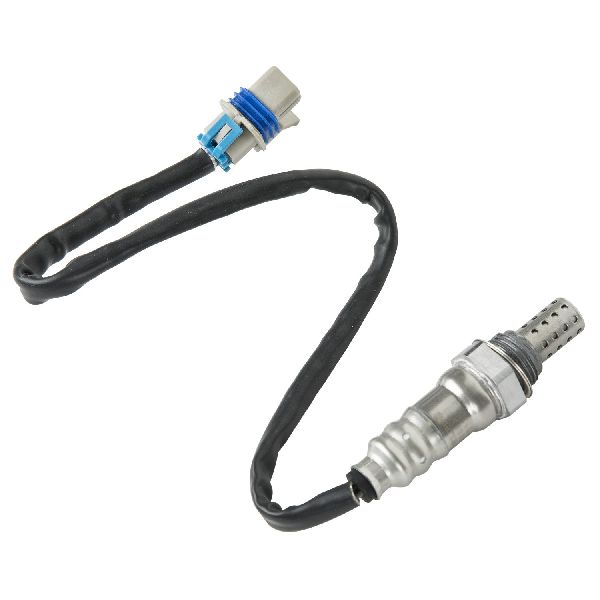


The information in this article is provided for general reference and educational purposes only. Vehicle specifications, procedures, and part compatibility can vary by production date, trim level, and region. Always consult your vehicle's factory service manual and verify part numbers before purchasing or performing repairs. Safety-critical components such as airbags, seat belts, and braking systems should be installed by a qualified professional.
- Chevrolet SILVERADO 3500:
- 🧭 Diagnostic Flowchart
- 🎬 Helpful Videos
- 🛍️ Shop This Part
- What's Unique About the 2013-2014 Chevrolet SILVERADO 3500
- Symptoms You May Notice
- Most Likely Causes
- Rare But Worth Checking
- Diagnosis Steps
- Parts You'll Likely Need
- Related Codes That Often Appear With This One
- Technical Service Bulletins (TSBs) & Recalls
- Platform-Specific Known Issues
- Mechanic-Grade Diagnostic Values
- Hidden / Shadow Codes Worth Checking
- Scan Tool Commands That Help
- Wiring & Ground Locations
- Real Owner Repair Stories
- OEM Part Supersession History
- Model Year Variations Within This Range
- 🎟️ Get 5% Off