

P0430 on 2012-2014 Chrysler 200 3.6L V6: Causes and Fixes for Catalyst Efficiency
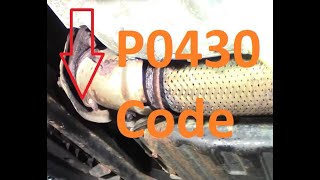
P0430 on a Chrysler 200 with the 3.6L V6 engine indicates that the catalytic converter on Bank 2 is failing or has failed. Bank 2 is the cylinder bank located against the firewall. While the converter itself is the most common fix, it's crucial to first rule out faulty oxygen sensors, exhaust leaks, or required PCM software updates to avoid a costly misdiagnosis.
- P0430 on a 2012-2014 Chrysler 200 applies only to the 3.6L V6 engine and refers to the catalytic converter on the firewall side (Bank 2).
- Before replacing the expensive catalytic converter, always rule out a bad downstream O2 sensor or an exhaust leak, which are cheaper and easier fixes.
- Check for other trouble codes. Misfires (P0300) or upstream O2 sensor issues (P0153) must be fixed first to prevent damaging the new converter.
- If you replace the converter, consider using an OEM or high-quality, emissions-compliant aftermarket part, as cheap alternatives are known to fail quickly on these vehicles.
What's Unique About the 2012-2014 Chrysler 200
This code is specific to the 3.6L Pentastar V6 engine, as the 2.4L 4-cylinder only has one bank and would show a P0420 code instead. While catalytic converter failure is common across many vehicles, Chrysler has issued software updates for other models with the 3.6L engine to address false P0420/P0430 codes, suggesting the PCM's sensitivity can sometimes be a factor. Owners should ensure their vehicle's software is up to date before replacing expensive hardware. The Bank 2 converter on this transverse-mounted engine is against the firewall, making access more difficult than for the Bank 1 converter.
Diagnostic Flowchart
Tap your situation to follow the diagnostic path that matches what you're seeing on this vehicle.
Symptoms You May Notice
- Check Engine Light is on
- Failed emissions test
- Potential for reduced engine performance or acceleration
- A sulfur or "rotten egg" smell from the exhaust, which indicates the converter is not breaking down hydrogen sulfide properly
- Increased exhaust noise if the converter is physically breaking apart or if there is an associated exhaust leak
- Immediately replacing the catalytic converter without checking for exhaust leaks or faulty O2 sensors first. An O2 sensor is much cheaper and easier to replace.
- Replacing the oxygen sensors when the catalytic converter is truly the part that has failed.
- Replacing the Bank 2 (firewall side) converter when the code was actually caused by an exhaust leak further down the system.
Most Likely Causes
- Failed Catalytic Converter (Bank 2) 🔴 High Probability → Shop Catalytic Converter Catalytic converters have a finite lifespan and can be damaged by other engine problems like misfires or a rich running condition, which are mentioned in TSBs for this powertrain. Unburnt fuel entering the exhaust can overheat and melt the converter's internal structure.
How to confirm: Use a scan tool to monitor O2 sensor data; the Bank 2 downstream sensor (B2S2) voltage should be steady, while the upstream (B2S1) fluctuates. If B2S2 mimics B2S1, the converter is bad. An infrared thermometer can also be used; the converter outlet should be significantly hotter (at least 100-150°F) than the inlet.
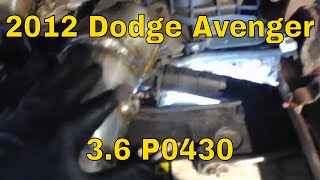
Typical fix: Replace the Bank 2 catalytic converter. It is often recommended to use OEM or high-quality aftermarket parts, as some cheaper units may not fit correctly or may fail prematurely. A repair video for the platform-mate Dodge Avenger highlighted that a cheap aftermarket converter did not align properly, requiring the purchase of a better quality part.
Est. part cost: $300-$800 - Faulty Oxygen (O2) Sensor 🟡 Medium Probability → Shop Oxygen Sensor A failing downstream O2 sensor can send incorrect data to the PCM, falsely triggering a P0430 code. A failing upstream sensor can alter the air-fuel mixture, damaging the converter over time. The related TSB #1810216 lists slow O2 sensor response codes (P0153) alongside P0430, indicating a known link.
How to confirm: Monitor sensor voltage with a scan tool for erratic or flatlined readings. You can also swap the downstream O2 sensors from Bank 1 and Bank 2 to see if the trouble code moves to P0420 (Bank 1). If it does, the sensor is bad.
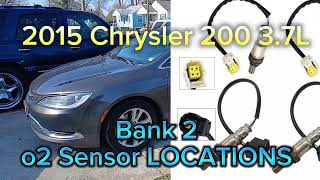
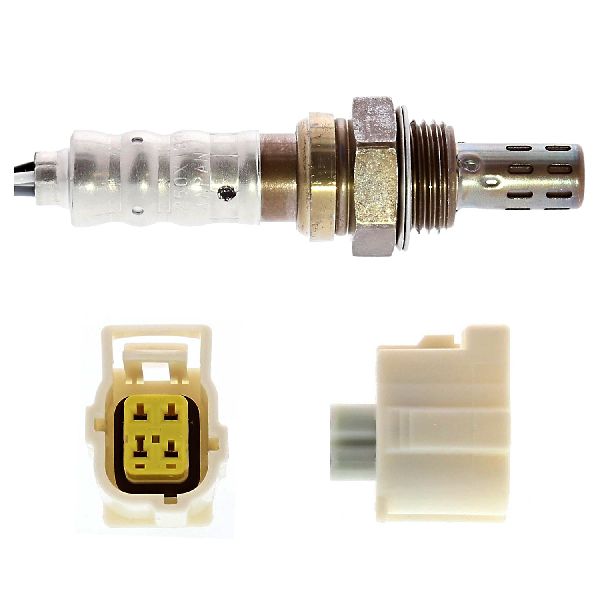
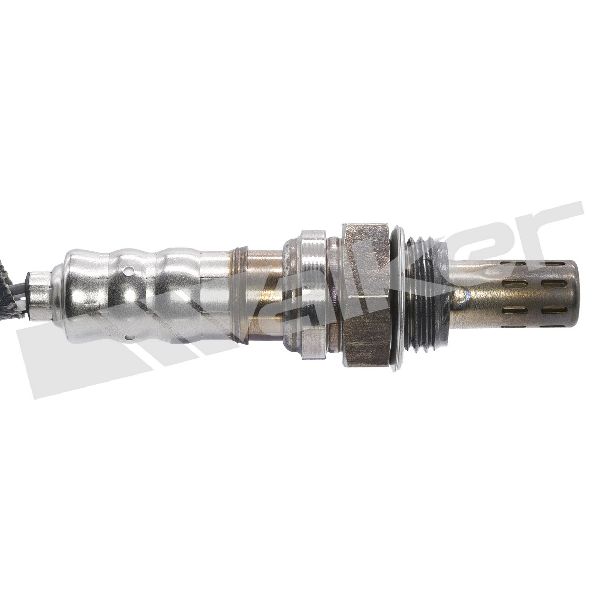
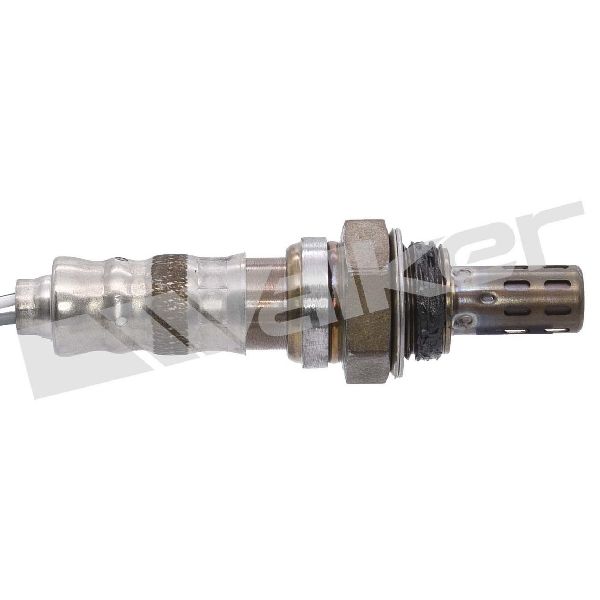
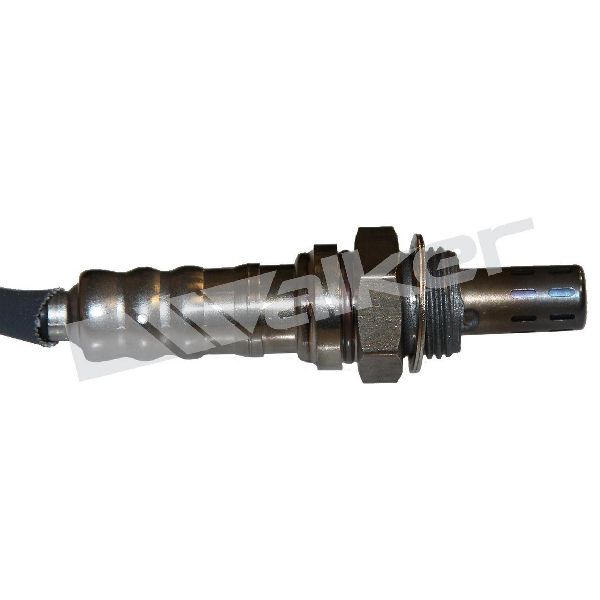
Typical fix: Replace the faulty oxygen sensor. Bank 2 Sensor 2 (downstream) is the most likely culprit for a false code. The Mopar part number is 5149171AA (or its successor 5149171AB).
Est. part cost: $50-$150 - Exhaust System Leak 🟡 Medium Probability Rust and corrosion can cause leaks at gaskets or in the pipes, especially at the flex pipe or manifold flanges. An exhaust leak between the upstream and downstream O2 sensors can draw in outside air, tricking the downstream sensor into sending readings that suggest poor catalyst efficiency.
How to confirm: Visually inspect the exhaust system for cracks, rust, or black soot marks. Listen for hissing or ticking sounds that get louder with RPM. A smoke machine test is the most effective way to pinpoint a leak.
Typical fix: Repair the leak by replacing the damaged pipe section or gasket. Sometimes a leaking flex pipe can be repaired at a muffler shop for less than the cost of a full converter assembly.
Est. part cost: $20-$200 - Engine Misfire or Fuel System Issue ⚪ Low Probability The provided TSB #1810216 explicitly lists P0300 (Multiple Cylinder Misfire) with P0430, indicating a known link. Unburnt fuel from a misfire can enter the exhaust and overheat, melting the internal structure of the catalytic converter. A rich fuel condition from leaking injectors can also cause this.
How to confirm: Check for other diagnostic trouble codes, especially misfire codes (P0300-P0306) or fuel trim codes (P0171, P0174). Address these codes first before replacing the converter.
Typical fix: Resolve the root cause of the misfire or fuel issue, which could be worn spark plugs, a bad ignition coil, or a faulty fuel injector.
Est. part cost: $50-$400
Rare But Worth Checking
- Powertrain Control Module (PCM) Software: → Shop Engine Control Module (ECM) Chrysler has released software updates for other vehicles with the 3.6L engine to correct false P0420/P0430 codes. TSB #18-021-12 specifically addresses this for the Town & Country minivan. It's crucial to check with a dealer to see if a software reflash is available for your specific VIN before replacing expensive parts.
Diagnosis Steps
- Scan for all DTCs. If any other codes are present (especially for misfires, O2 sensors, fuel trim, or thermostat), diagnose and fix them first as they can be the root cause.
- Check for Technical Service Bulletins (TSBs). Contact a Chrysler dealer with your VIN to see if any PCM software updates are available to address false catalyst codes.
- Visually inspect the Bank 2 exhaust system (firewall side) for any signs of leaks, cracks, or damage. Pay close attention to the manifold and flange gaskets. A common area for leaks is the flex pipe.
- Use a scan tool with live data capability to observe the voltage of the Bank 2 oxygen sensors (B2S1 and B2S2) at a steady 2500 RPM.
- A good upstream sensor (B2S1) will fluctuate rapidly between approximately 0.1 and 0.9 volts. A good downstream sensor (B2S2) behind a working converter will show a much steadier, flatter voltage, typically between 0.5 and 0.8 volts.
- If the downstream sensor (B2S2) is switching rapidly and mirroring the upstream sensor (B2S1), the catalytic converter has likely failed.
- If the downstream sensor's reading is flat, stuck, or erratic, test the sensor itself. Consider swapping it with the Bank 1 downstream sensor to see if the code changes to P0420. If it does, the sensor is the problem.
- If sensors appear to be working, perform a temperature test on the catalytic converter using an infrared thermometer. The outlet pipe should be at least 100-150°F hotter than the inlet pipe after the engine is fully warmed up. If it's not, the converter is not working.
Parts You'll Likely Need
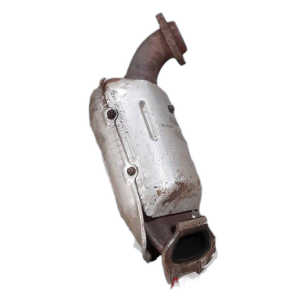
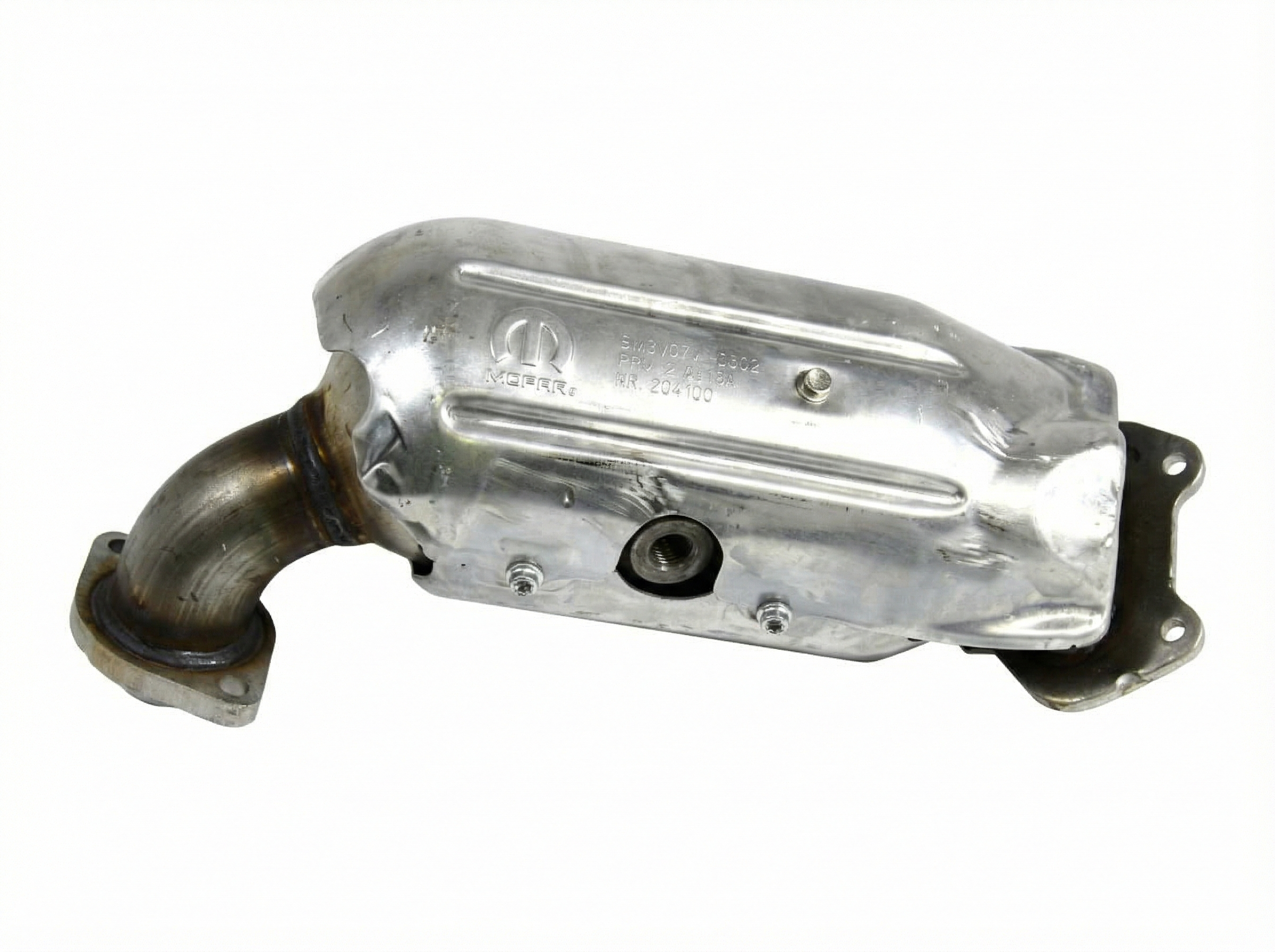
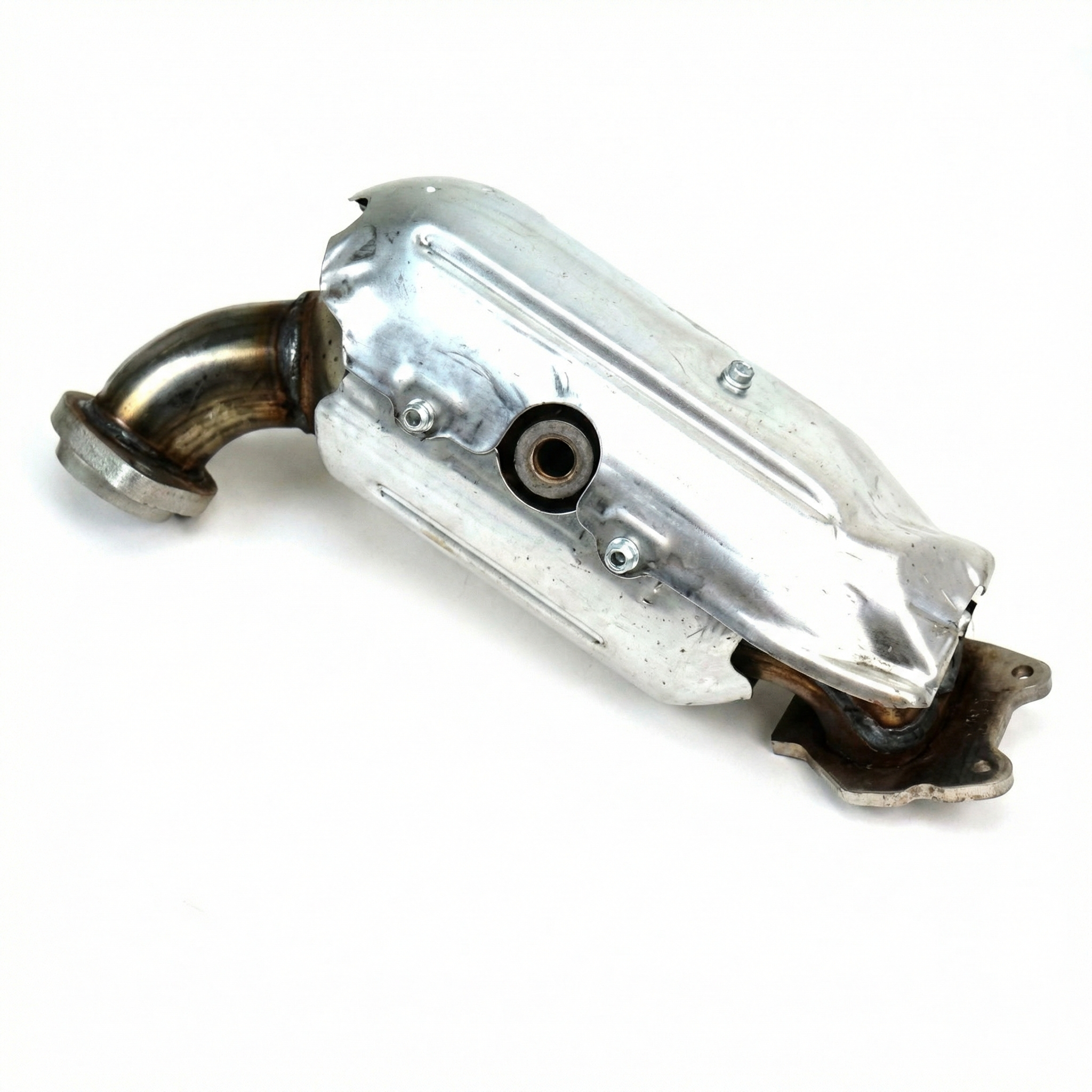
- Catalytic Converter (Bank 2) — This is the most common direct cause for a P0430 code when O2 sensors and exhaust leaks have been ruled out.
Trusted brands: Mopar (OEM), Walker Exhaust, MagnaFlow, Bosal
OEM price range: $600-$1000
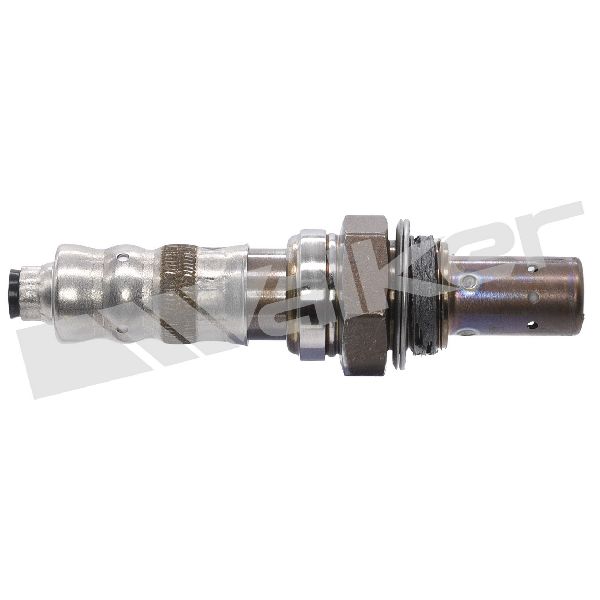
Aftermarket price range: $300-$800 - Oxygen Sensor (Bank 2, Sensor 2)
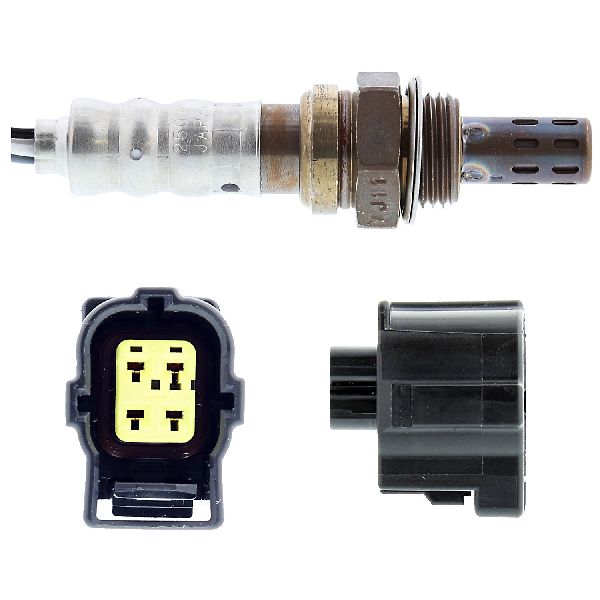
(OEM #5149171AA, 5149171AB)— The downstream O2 sensor is what the computer uses to measure converter efficiency. A faulty sensor can provide false readings, triggering the code. The OEM Mopar part is 5149171AA, which has been superseded by 5149171AB.
Trusted brands: Mopar (OEM), Denso, Bosch, NGK/NTK
OEM price range: $80-$180
Aftermarket price range: $50-$120
Related Codes That Often Appear With This One
- P0420 — This is the same catalyst efficiency code but for Bank 1 (radiator side). Seeing both codes together could indicate a systemic issue like a fuel problem affecting both banks, a need for a PCM software update, or that both converters have reached the end of their service life.
- P0153 — This code means 'O2 Sensor Circuit Slow Response (Bank 2, Sensor 1)'. A slow upstream O2 sensor can cause poor air-fuel control, which can damage the catalytic converter over time. This code is listed in TSB #1810216.
- P0300 — This code for 'Random/Multiple Cylinder Misfire' indicates an engine problem that can dump unburnt fuel into the exhaust, destroying the catalytic converter. This is also cited in TSB #1810216.
- P0128 — This code for 'Coolant Thermostat Rationality' indicates the engine is not reaching operating temperature correctly. An engine running too cool will stay in a rich fuel mode ('open loop'), which can contaminate the catalytic converter over time and potentially trigger a P0430 code.
Technical Service Bulletins (TSBs) & Recalls
- 1810216: Lists multiple DTCs including P0430, P0420, P0300, and O2 sensor codes, suggesting a software update may address multiple powertrain faults.
- 18-021-12: (For platform-mate Town & Country) Explicitly states that P0420 and P0430 can be falsely triggered and may be fixed with a PCM software update.
Platform-Specific Known Issues
- Bank 2 Location and Access: On the transverse-mounted 3.6L Pentastar engine in the Chrysler 200, Bank 2 is located against the firewall. This makes accessing the catalytic converter and its oxygen sensors significantly more difficult than for Bank 1, which is easily accessible at the front of the engine bay near the radiator. This can increase labor time and cost for diagnosis and replacement.
- Aftermarket Converter Fitment: Owner and mechanic experiences, particularly on platform-mates like the Dodge Avenger, show that low-cost aftermarket catalytic converters can have poor fitment. Issues include incorrect flange angles and pipe lengths, which prevent a proper seal and require modification or returning the part for a higher-quality unit. This can turn a straightforward parts replacement into a much larger job.
Mechanic-Grade Diagnostic Values
- Downstream O2 Sensor (B2S2) Voltage — expected: Relatively stable voltage between 0.5V and 0.8V at operating temperature.. Failure: Voltage rapidly fluctuates, mimicking the upstream sensor, or is stuck at a specific voltage.
- Catalytic Converter Temperature Differential — expected: Outlet temperature should be at least 100-150°F hotter than the inlet temperature.. Failure: Inlet and outlet temperatures are similar, or the inlet is hotter than the outlet.
- Mode $06 Catalyst Monitor Test — expected: The test value should be below the maximum threshold specified by the manufacturer.. Failure: The test value exceeds the maximum threshold, indicating the monitor has failed, which will trigger the P0430 code.
Hidden / Shadow Codes Worth Checking
- Mode $06, Test ID $82, Component ID $20: This is not a DTC, but the raw data for the Bank 2 Catalyst Efficiency Monitor. It allows a technician to see how close the converter's performance is to the pass/fail threshold before a P0430 code is set. (see via Advanced OBD-II scan tool with Mode $06 functionality.)
- Mode $06, Test IDs $A2-$A7: These are not DTCs, but live misfire counters for each cylinder (Cylinder 2 is $A3, Cylinder 4 is $A5, etc.). This is critical for diagnosing if an underlying misfire is the root cause of the P0430, as misfires can destroy a new converter. (see via Advanced OBD-II scan tool with Mode $06 functionality.)
Wiring & Ground Locations
- Engine/Transmission Ground Strap — Main ground cable from the battery negative terminal to the engine block or transmission case.. This platform is known for having electrical issues, including no-start conditions, due to poor or corroded main grounds. A bad ground can cause erratic sensor readings, potentially triggering false codes like P0430.
- G308 — Right rear of the engine.. This is a primary engine-area ground point. Corrosion or looseness here can affect various engine sensors.
- G321 / G309 — Located on the left side of the engine compartment.. This is another key ground point in the engine bay that provides a ground path for multiple components.
- G302 — Located in the left kick panel, inside the passenger cabin.. A poor chassis ground can cause a range of difficult-to-diagnose electrical problems that may manifest as sensor codes.
Real Owner Repair Stories
- YouTube video, '2012 Dodge Avenger P0430 Replace Bank 2 Catalytic Converter' (2012 Dodge Avenger (platform mate with same engine/exhaust layout)) — P0430 code.
❌ Tried (didn't work) Installing a cheap, non-branded aftermarket catalytic converter from online.
✅ What actually fixed it The cheap converter's flange and pipe angle were completely wrong and would not fit. The owner had to purchase a quality aftermarket part (Dorman from O'Reilly Auto Parts), which then aligned and installed correctly, resolving the issue. - YouTube video, 'Chrysler 200 install battery, add ground wire, no start no crank fix' (2013 Chrysler 200 3.6L V6) — Intermittent no-start, no-crank condition (a common electrical issue on this platform).
❌ Tried (didn't work) Replacing the battery did not solve the intermittent starting problem.
✅ What actually fixed it The owner added a supplemental 4-gauge ground wire from the battery's negative terminal directly to a bolt on the transmission case. This provided a better ground path and resolved the electrical issue. This is a known fix for various electrical gremlins on this platform.
"I Checked Everything" — The Actual Cause
- A small, pinhole-sized exhaust leak located *after* the downstream O2 sensor can cause a P0430 code. During normal exhaust pulses, a venturi effect can occur at the pinhole, sucking small amounts of fresh air into the pipe. This air can then be pulled back over the downstream O2 sensor, causing it to send a false lean signal that the PCM interprets as poor catalyst efficiency. This type of leak may not be obvious during a typical smoke test.
OEM Part Supersession History
5149171AA→5149171AB— Standard part revision by the manufacturer.
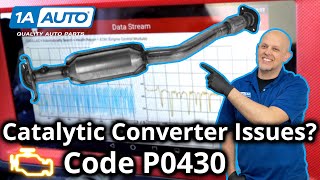
Helpful Videos

Used OEM Parts in Stock
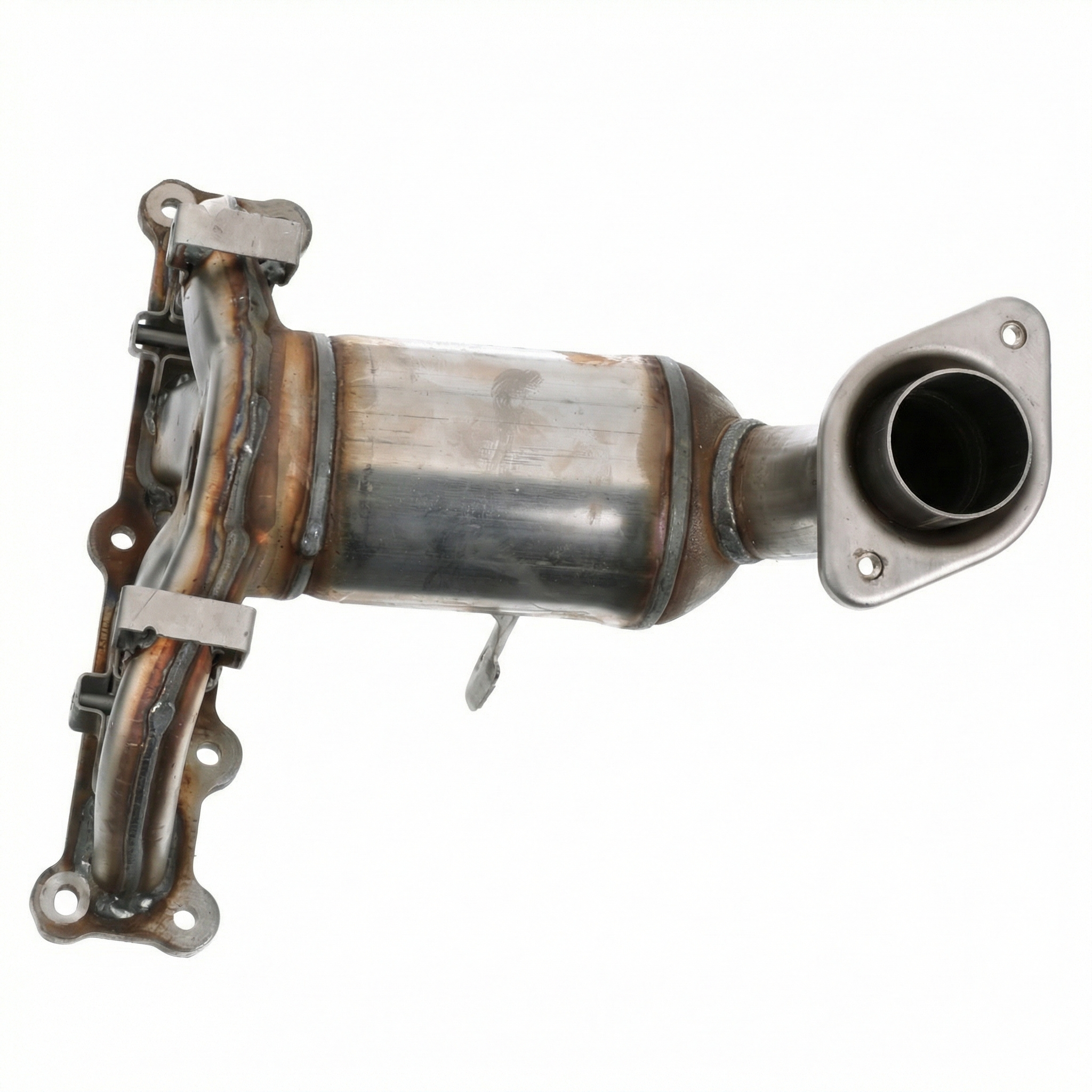
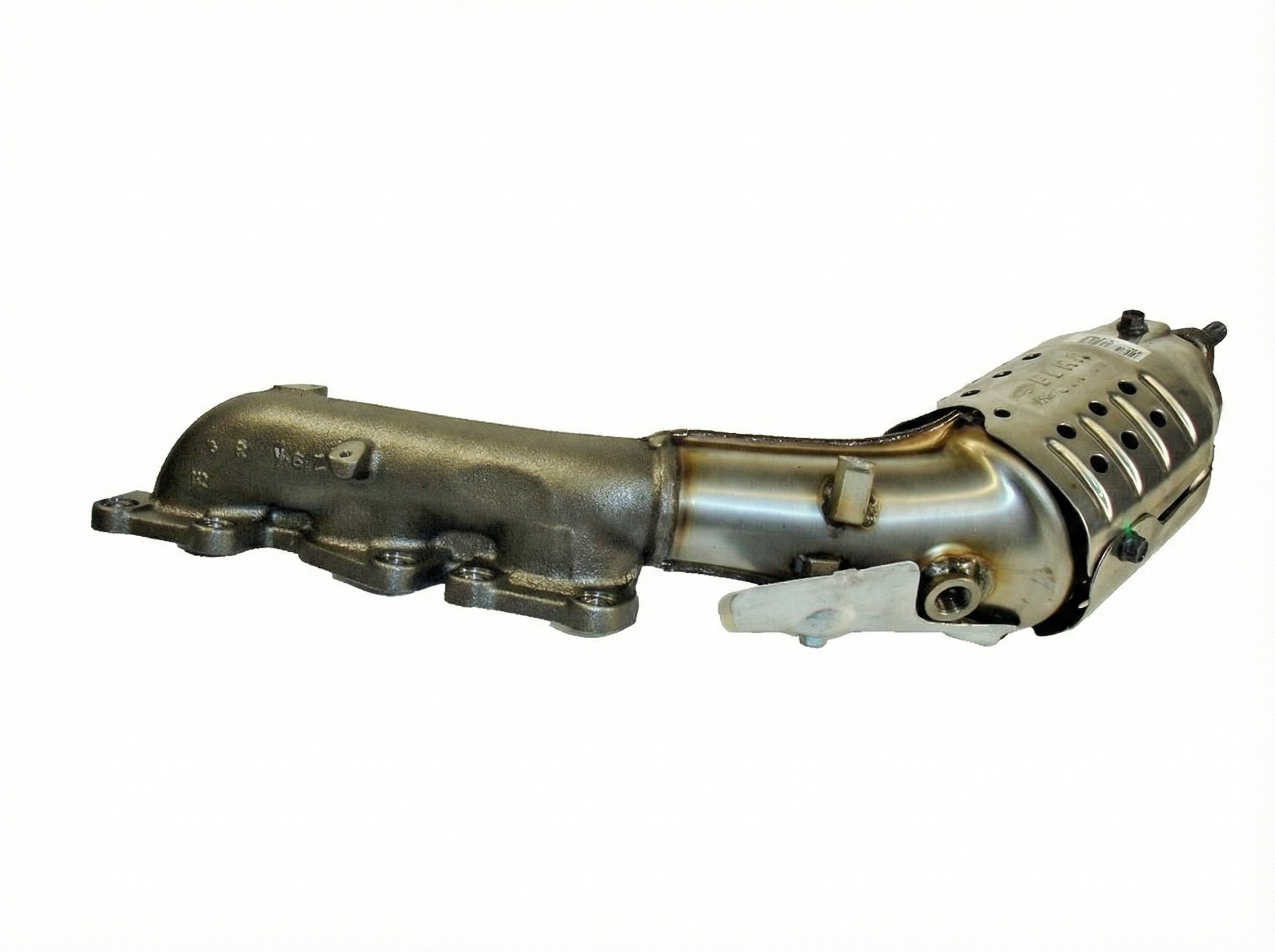
New Aftermarket Parts Available

The information in this article is provided for general reference and educational purposes only. Vehicle specifications, procedures, and part compatibility can vary by production date, trim level, and region. Always consult your vehicle's factory service manual and verify part numbers before purchasing or performing repairs. Safety-critical components such as airbags, seat belts, and braking systems should be installed by a qualified professional.
- Chrysler 200:
- 🧭 Diagnostic Flowchart
- 🎬 Helpful Videos
- 🛍️ Shop This Part
- What's Unique About the 2012-2014 Chrysler 200
- Symptoms You May Notice
- Most Likely Causes
- Rare But Worth Checking
- Diagnosis Steps
- Parts You'll Likely Need
- Related Codes That Often Appear With This One
- Technical Service Bulletins (TSBs) & Recalls
- Platform-Specific Known Issues
- Mechanic-Grade Diagnostic Values
- Hidden / Shadow Codes Worth Checking
- Wiring & Ground Locations
- Real Owner Repair Stories
- "I Checked Everything" — The Actual Cause
- OEM Part Supersession History
- 🎟️ Get 5% Off