

P0430 on 2017-2024 Chrysler Pacifica: Bank 2 Catalyst Efficiency Causes and Fixes
P0430 on a 3.6L Pacifica most often means the front catalytic converter (Bank 2) has failed. Due to its integration with the exhaust manifold, replacement is costly, often over $1,500. Always diagnose for exhaust leaks or faulty oxygen sensors first to avoid an expensive misdiagnosis. Crucially, investigate for underlying Pentastar-specific issues like oil filter housing leaks which can contaminate and destroy a new converter.
- P0430 on a gas-engine Pacifica points to the front catalytic converter (Bank 2).
- Always diagnose for exhaust leaks and faulty O2 sensors before spending money on a new converter.
- The catalytic converter is integrated with the exhaust manifold, making replacement a difficult and expensive job (DIY difficulty 4/5).
- If you own a 2017-2018 Pacifica Hybrid, this code requires an immediate trip to the dealer due to a specific recall.
- Check for PCM software updates, as this can sometimes be a cheaper fix than hardware replacement.
What's Unique About the 2017-2024 Chrysler Pacifica
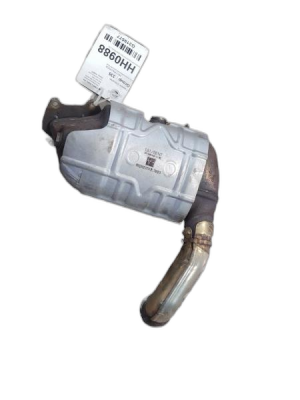
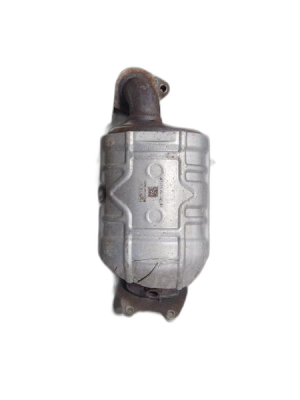
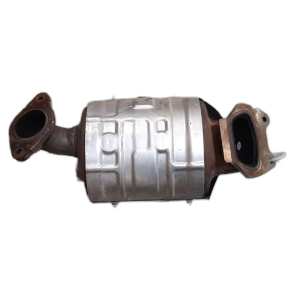
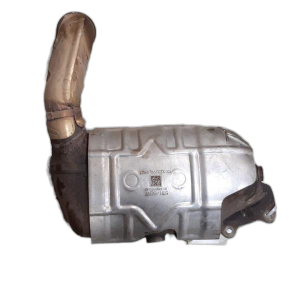
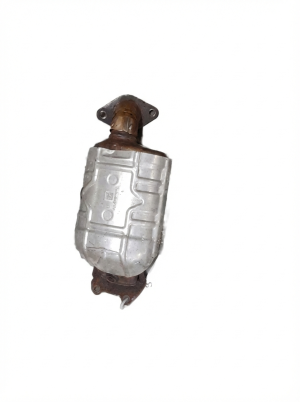
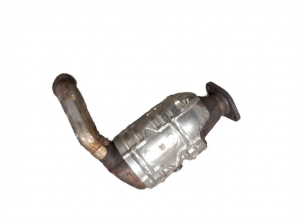
On the Pacifica's 3.6L Pentastar engine, the catalytic converters are not separate units bolted into the exhaust pipe. Instead, they are integrated directly into the exhaust manifolds, a design known as a 'maniverter'. This makes replacement more labor-intensive and expensive than on vehicles with more traditional exhaust setups. While the Pentastar V6 is a widely used and generally reliable engine, this specific code almost always points to a failure of this integrated converter assembly, a bad oxygen sensor, or an exhaust leak near the manifold. It is also critical to distinguish between the standard gas engine and the Pacifica Hybrid (PHEV), as 2017-2018 hybrid models have a specific recall where this code indicates a deeper engine management issue that can cause repeat converter failure.
Symptoms You May Notice
- Check Engine Light is on
- Vehicle will fail an emissions test
- Reduced engine power and sluggish acceleration if the converter is clogged
- A sulfur or "rotten egg" smell from the exhaust
- In rare cases of a clogged converter, a rough idle or stalling may occur.
- A pre-detonation or "spark knock" sound may be heard in the engine, as noted in manufacturer service bulletins regarding catalyst efficiency.
- Immediately replacing the catalytic converter without testing the oxygen sensors or checking for exhaust leaks.
- Replacing the oxygen sensors when the catalytic converter is truly the component that has failed. A good O2 sensor will correctly report a bad converter.
- Replacing the catalytic converter without addressing the root cause of its failure, such as an engine oil leak or persistent misfire, leading to repeat failure of the new part.
Most Likely Causes
- Failed Bank 2 Catalytic Converter 🔴 High Probability → Shop Catalytic Converter The catalytic converter's internal materials can degrade over time from age and mileage. More importantly, on the 3.6L Pentastar, unresolved engine issues like misfires or oil leaks from the notorious oil filter housing assembly 🎬 See this walkthrough on replacing the oil filter housing. can send contaminants into the exhaust, rapidly destroying the converter.
How to confirm: Use a scan tool to graph the Bank 2 upstream (B2S1) and downstream (B2S2) oxygen sensors. If the B2S2 voltage reading fluctuates rapidly, mirroring the B2S1 reading, the converter is not working. A healthy converter will show a relatively steady and slow-to-react B2S2 voltage. 🎬 Watch: How to graph and understand rear O2 sensor data. An infrared thermometer can also be used; a working converter should be at least 100°F hotter at the outlet than the inlet.
Typical fix: Replace the Bank 2 exhaust manifold with integrated catalytic converter. Crucially, fix the root cause (e.g., oil leak, misfire) before replacing the converter or the new one will fail.
Est. part cost: $400-$1500+ - Faulty Downstream Oxygen (O2) Sensor (Bank 2, Sensor 2) 🟡 Medium Probability → Shop Oxygen Sensor O2 sensors are wear items and can fail, sending incorrect data to the PCM. They can become lazy or biased, falsely indicating a converter problem. However, it is a common misconception that replacing O2 sensors will fix a P0430 code; it takes a *good* O2 sensor to correctly report a bad converter.
How to confirm: Graph the sensor's voltage with a scan tool. A faulty downstream sensor may have a stuck voltage (e.g., 0.1V or 0.9V) or respond very slowly to changes in engine conditions. TSB Bulletin #1810216 notes that P0430 can sometimes be accompanied by P0133 or P0153 (O2 sensor slow response) and P0300 misfires. If the sensor is suspected, it's often cheaper to replace it as a diagnostic step before condemning the expensive converter. Also, perform a 'wiggle test' on the sensor's wiring harness and connector to check for intermittent faults.
Typical fix: Replace the Bank 2, Sensor 2 (downstream) oxygen sensor.
Est. part cost: $40-$120 - Exhaust Leak 🟡 Medium Probability Leaks from cracked exhaust manifolds, failed gaskets at the manifold-to-head flange, or at the converter outlet can allow outside oxygen into the exhaust stream. This extra oxygen fools the downstream O2 sensor into thinking the converter isn't working.
How to confirm: Perform a visual inspection for black soot trails or cracks around the Bank 2 exhaust manifold and flanges. A smoke test is the most effective method, where smoke is forced into the exhaust system to reveal any leaks. 🎬 Watch: How to find exhaust leaks using a smoke machine. Listen for an audible ticking or hissing noise from the engine bay, especially when cold.
Typical fix: Replace the leaking gasket or repair/replace the cracked exhaust component.
Est. part cost: $20-$300
Rare But Worth Checking
- Underlying Engine Problems: Persistent engine misfires (common on the Pentastar due to valvetrain issues), leaking fuel injectors, or an engine burning oil or coolant can send unburned fuel and contaminants into the exhaust, destroying a new catalytic converter quickly. The 3.6L Pentastar is particularly known for oil leaks from the plastic oil filter/cooler housing assembly, which can poison the catalyst.
- PCM Software Issue: In some cases across various manufacturers, the parameters for triggering P0420/P0430 are too sensitive. A dealer may have an available software update for the Powertrain Control Module (PCM) that can resolve the issue without replacing parts. Always check for TSBs related to emissions before starting repairs. TSB Bulletin #18-108-20 indicates that technicians may find P0430 alongside descriptions of spark knock noises.
Diagnosis Steps
- Connect an OBD-II scanner and confirm P0430 is the active code. Check for any other codes and address them first, especially misfire (P030x) or fuel system codes. TSB Bulletin #18-089-24 notes that P0430 may also appear alongside P0456 for EVAP system leaks.
- Perform a thorough visual inspection of the Bank 2 (front) exhaust system. Look for cracks in the manifold, broken studs, and black soot indicating a leak at a gasket.
- Inspect the engine valley (under the intake manifold) for signs of a leaking oil filter/cooler housing, a known issue on the 3.6L Pentastar that can poison the catalytic converter.
- Use the scanner's live data function to graph the voltage of the Bank 2 upstream (B2S1) and downstream (B2S2) O2 sensors. With the engine fully warmed up and held at a steady 2,000-2,500 RPM, B2S1 should show rapid switching between ~0.1V and ~0.9V. B2S2 should show a much steadier, flatter voltage, typically above 0.5V.
- If the B2S2 voltage mirrors the B2S1 voltage, the converter has low efficiency. Proceed to the next step.
- If the B2S2 voltage is stuck, flatlined, or slow to respond, the sensor itself is likely faulty. Test or replace the B2S2 sensor before condemning the converter.
- If no obvious leaks are found visually, perform an exhaust smoke test to definitively rule out any small cracks or gasket leaks that could affect O2 sensor readings.
- If no leaks are found and the O2 sensors test properly, the catalytic converter is the most likely cause of the failure.
- Before ordering parts, check with a Chrysler dealer for any applicable Technical Service Bulletins (TSBs) or PCM software updates related to catalyst efficiency monitoring.
Parts You'll Likely Need
- Exhaust Manifold with Integrated Catalytic Converter (Bank 2, Front)
(OEM #68229428AA (Note: This part number may be superseded by 68229428AB. Always verify with VIN.))— This is the most common failure for a persistent P0430 code after ruling out sensors and leaks. The internal catalyst material degrades and loses its ability to clean the exhaust.
Trusted brands: Mopar (OEM), Walker, MagnaFlow, AP Exhaust, Dorman
OEM price range: $1200-$1800
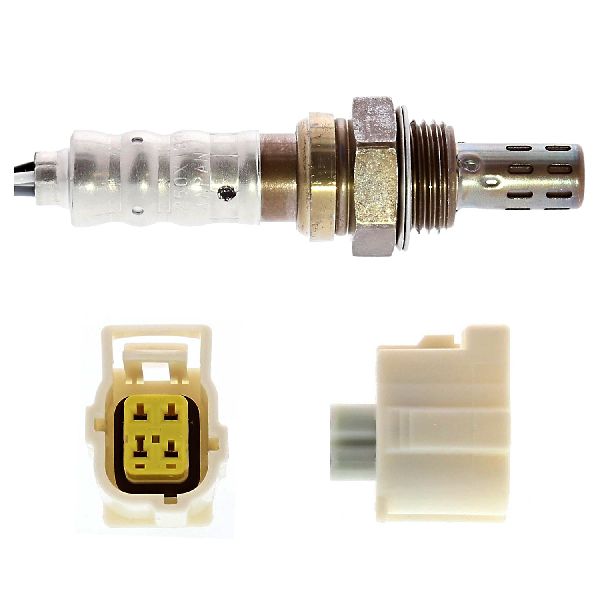
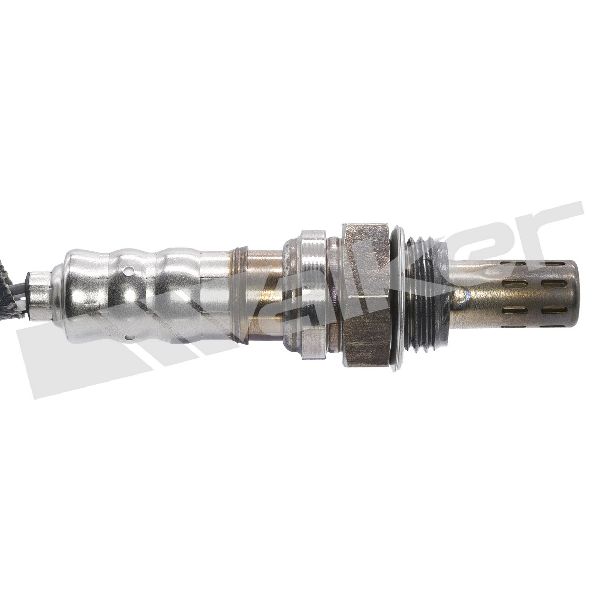
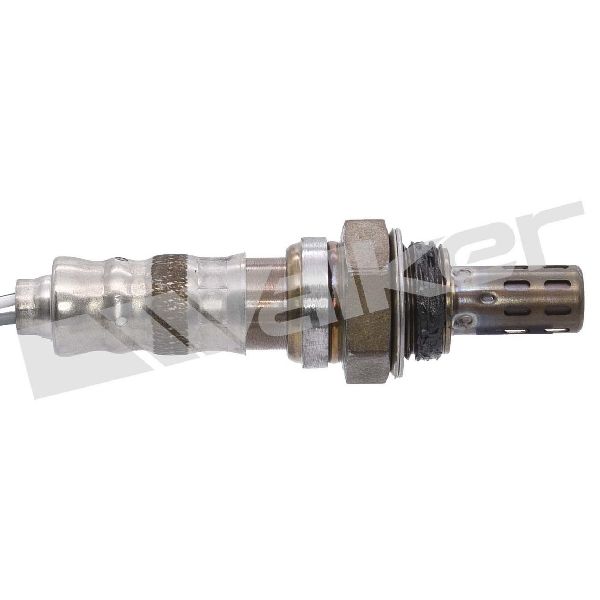
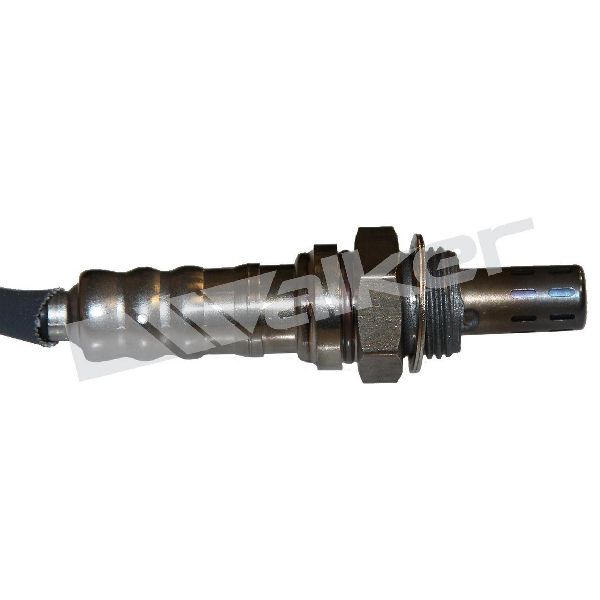
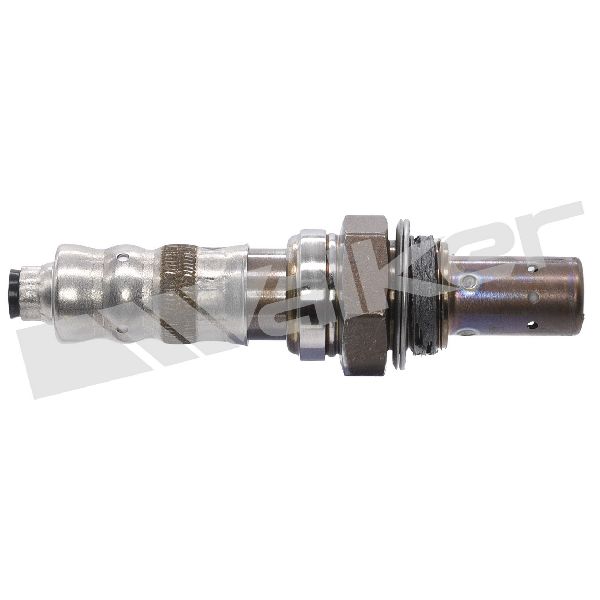
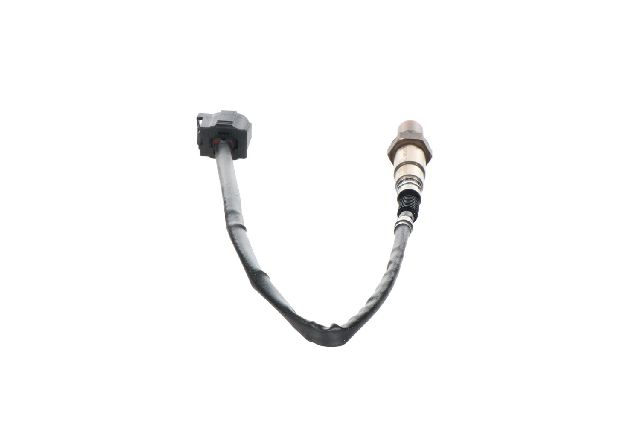
Aftermarket price range: $400-$800 - Downstream Oxygen Sensor (Bank 2, Sensor 2)
(OEM #68229432AA (Always verify with VIN.))— This sensor can fail and send incorrect data, leading to a false P0430 code. It's a common misdiagnosis but also a potential cause.
Trusted brands: Mopar (OEM), NTK, Denso, Bosch
OEM price range: $80-$150
Aftermarket price range: $40-$90
Related Codes That Often Appear With This One
- P0420 — This is the identical code but for Bank 1 (rear converter). Seeing both P0420 and P0430 simultaneously might point towards a systemic issue like contaminated fuel or a problem affecting the entire engine, rather than two independent converter failures.
- P0300, P0302, P0304, P0306 — These are misfire codes for Bank 2 cylinders (2, 4, 6). An ongoing misfire allows unburned fuel to enter the exhaust, which can overheat and damage the catalytic converter, causing P0430. Pentastar engines have known valvetrain issues that can cause these misfires.
- P0441 / P0456 — EVAP system performance or leak codes. TSB Bulletin #18-089-24 and Bulletin #1810216 mention these codes can frequently be set alongside catalyst efficiency codes.
Technical Service Bulletins (TSBs) & Recalls
- U73 / NHTSA #18V740000: Specific to 2017-2018 Pacifica Hybrid models, warns against replacing the converter without addressing an underlying engine restart issue that sends unburned fuel into the exhaust.
- NHTSA #19V348: Recall for 2017-2019 models for improperly installed wiring that could lead to stalling or loss of power steering.
- TSB Bulletin #18-089-24: Notes that vehicles may set P0420 or P0430 along with EVAP system small leak codes (P0456).
- TSB Bulletin #18-108-20: Documents that P0430 may be present when customers report hearing a pre-detonation (spark knock) sound.
- TSB Bulletin #1810216: Lists P0430 as a code that may be set in conjunction with misfires (P0300), O2 sensor slow response (P0133/P0153), and communication losses (U0140).
Platform-Specific Known Issues
- IMPORTANT NOTE FOR HYBRID MODELS: Owners of 2017-2018 Pacifica Hybrid (PHEV) models should see a dealer immediately if P0430 appears. TSB U73 and NHTSA recall #18V740000 indicate an engine control issue can cause this code. The issue is that after operating in electric mode, the gas engine may not restart properly, sending unburned fuel into the exhaust, which can rapidly damage the catalytic converter.
Mechanic-Grade Diagnostic Values
- Upstream O2 Sensor (B2S1) Voltage — expected: Rapidly fluctuates between ~0.1V and ~0.9V at steady 2500 RPM.. Failure: Slow or no fluctuation, or voltage stuck at a specific level.
- Downstream O2 Sensor (B2S2) Voltage (Good Converter) — expected: Relatively steady voltage, typically between 0.4V to 0.5V, not mirroring the upstream sensor.. Failure: Voltage fluctuates rapidly, mimicking the upstream sensor's pattern, indicating the catalyst is not storing oxygen.
- Catalytic Converter Temperature Differential — expected: Outlet temperature should be at least 100-150°F hotter than the inlet temperature after the engine is fully warmed up.. Failure: Inlet and outlet temperatures are nearly the same, or the inlet is hotter, suggesting a clog or lack of chemical reaction.
- Mode $06 Catalyst Monitor Test (e.g., TID $81) — expected: The measured value from the scan tool should be below the maximum threshold set by the manufacturer.. Failure: The test value exceeds the maximum threshold, indicating the catalyst monitor has failed its test cycle, which directly leads to the P0430 code being set.
- Exhaust Backpressure — expected: Less than 1 PSI at idle when measured at the upstream O2 sensor port.. Failure: Pressure exceeds 4 PSI during a snap-throttle test, indicating a restriction or clog inside the converter.
Wiring & Ground Locations
- Bank 2 O2 Sensor Connectors — Bank 2 is the front/radiator side of the engine. The B2S1 (upstream) connector is on the exhaust manifold before the converter. The B2S2 (downstream) connector is located after the catalyst brick.. Corrosion, damage, or looseness at these connectors can cause incorrect voltage signals, mimicking a failed sensor or converter. A 'wiggle test' on these connectors while watching live data can identify intermittent connection faults.
- G304 — Typically located behind the right-side (passenger) interior trim panel or kick panel.. While not a direct ground for the O2 sensors (which often ground through the PCM), G304 is a major chassis and module ground. A poor connection here can introduce electrical noise and cause unpredictable electronic issues in modules that communicate with the PCM, indirectly affecting sensor readings and diagnostics.
- Engine to Chassis Ground Strap — A key ground strap connects the engine block to the chassis, often near an engine mount or the transmission.. A corroded or loose main engine ground can cause unstable reference voltages for the entire engine management system, leading to erratic sensor readings, including from the O2 sensors, which could potentially trigger a false P0430 code.
Real Owner Repair Stories
- JK-Forum.com user (Jeep with 3.8L V6 (similar Pentastar family issues), 200,000 miles) — Check engine light, likely P0420/P0430 due to context.
✅ What actually fixed it Replaced catalytic converters and used NTK brand oxygen sensors, which resolved the issue without problems. The user noted avoiding Bosch sensors. - NHTSA ODI #11123289 (Pacifica Plug-In Hybrid owner) — Reported that the vehicle set codes P0420 and P0430 for catalytic converter efficiency failure. The owner noted the dealer attributed the damage to a software patch applied to the vehicle.
OEM Part Supersession History
68229432AA→68229432AB, then 68229432AC— Standard part revision and improvement by the manufacturer.
Heads up: The part listed (68229432AA/AB/AC) is for a Ram truck Tonneau cover frame kit, not a Pacifica O2 sensor, despite sharing a similar number. This highlights the critical need to verify part numbers with a VIN. The correct O2 sensor part number is different.5149171AA→5149171AB— Standard part revision for the upstream O2 sensor.
Model Year Variations Within This Range
- 2021-2024: The 2021 model year brought a significant refresh, including revised exterior styling, new standard LED headlights, and a standard 10.1-inch Uconnect 5 touchscreen. While the core 3.6L Pentastar V6 powertrain remained the same, an All-Wheel Drive (AWD) option was introduced for non-hybrid models. These changes do not fundamentally alter the cause of P0430 but mean that wiring harnesses and module locations could differ slightly from earlier models, especially on AWD versions.
Diagnostic Flowchart
Other Known Issues on This Vehicle
Issues unrelated to this code that are worth knowing about as an owner of this generation:
- Leaking Oil Filter/Cooler Housing Assembly 🔴 High — Extremely common across all 3.6L Pentastar applications, often occurring after 25,000-60,000 miles. The original plastic housing cracks/warps due to heat cycles. (Ref: No recall, but it is a widely documented failure. Replacement with an aluminum aftermarket part is a common upgrade.)
- ZF 9-Speed Transmission Problems (Harsh Shifting, Stalling) 🟠 Medium — Most prevalent on 2017-2019 models. Owners report jerky/harsh shifting, hesitation, and sudden stalling. Often related to software logic, but can also be mechanical. (Ref: Multiple TSBs exist for software updates (e.g., TSB 21-006-21) to improve shift logic. Several class-action lawsuits have also been filed.)
- Engine Stalling (Gas and Hybrid Models) 🔴 High — Affects both gas and hybrid models through different recalls. Can be caused by faulty wiring harnesses or software glitches. (Ref: Multiple recalls, including NHTSA #19V348 for wiring and others for software updates on gas models, and NHTSA #23V-010 for hybrid transmission wiring shorts.)
- Dual Battery / ESS (Engine-Stop-Start) System Failures 🟠 Medium — Common for the smaller auxiliary battery to fail prematurely, causing the ESS system to become unavailable and displaying a 'Service Start/Stop System' message. Can sometimes cause other electrical gremlins.
- Electrical Gremlins (Infotainment, Sliding Doors) 🟡 Low — Owners report issues with the Uconnect system freezing, GPS errors, and power sliding doors failing to operate correctly. Can sometimes be traced to a failing battery or faulty CANBUS hub connections.
- Premature Paint Peeling/Bubbling 🟡 Low — Primarily reported on 2017 models, especially around the aluminum hood, where paint can bubble and peel prematurely around 34,000 miles.
Used vs. New Parts: Buying Guide for This Vehicle
When a used part is the smart pick: For this specific repair, buying used parts is generally not recommended. A used catalytic converter has an unknown history and could be near the end of its life, clogged, or contaminated from the donor vehicle. A used oxygen sensor is also a risk as it is a wear-and-tear item.
Donor-vehicle mileage cap: roughly under 30000 miles for the part to have meaningful remaining life.
What to inspect on the donor part:
- For a catalytic converter, visually inspect for any signs of external damage, heavy rust, or rattling when shaken (which indicates a broken internal substrate).
- Ask for the VIN and mileage of the donor vehicle to gauge its age and use.
- Avoid parts from vehicles that were in front-end collisions, as the manifold/converter could have hidden cracks.
OEM-only on this vehicle (don't cheap out):
- Catalytic Converter: While expensive, the OEM Mopar part is designed to meet the specific calibration of the PCM. Many cheaper aftermarket converters, especially non-CARB compliant ones, may not have enough precious metal loading to satisfy the catalyst monitor, causing the P0430 code to return.
Aftermarket brands forum-validated for this vehicle:
- Oxygen Sensors: NTK and Denso are highly regarded OEM suppliers for many manufacturers, including Mopar. Owners report good success using these brands as a cost-effective alternative to dealer parts.
- Catalytic Converters: If OEM is not an option, brands like MagnaFlow, Walker, and AP Exhaust are reputable aftermarket choices that offer direct-fit options. Ensure you select a version that is compliant with your state's emissions laws (Federal EPA vs. CARB).
Brands owners have reported issues with on this vehicle:
- Unbranded/"No-Name" eBay or Amazon catalytic converters: These are often extremely cheap because they lack the necessary amount of precious metals (platinum, palladium, rhodium) to function correctly and will almost certainly fail the PCM's efficiency test, leading to a quick return of the P0430 code.
- Bosch Oxygen Sensors: Some forum users across various Mopar platforms have reported mixed results or compatibility issues with Bosch sensors on Pentastar engines, recommending NTK or Denso instead.
Real Owner Stories
Aggregated from forums and TSBs cited above. Mileages and costs reflect what owners reported in those sources.
2017-2018 Chrysler Pacifica Hybrid
Symptoms: The gas engine may not restart properly after operating in electric mode, sending unburned fuel into the exhaust.
What fixed it: Dealer service per TSB U73 / NHTSA recall #18V740000 to address the engine control issue before replacing the converter.
Source hint: TSB U73 / NHTSA #18V740000
2017-2024 Chrysler Pacifica 3.6L Pentastar V6 — ~45000 miles
Symptoms: Oil leaking from the engine valley under the intake manifold.
What fixed it: Replacement of the cracked plastic oil filter/cooler housing assembly with an aluminum version to stop catalyst poisoning.
Source hint: Reddit r/ChryslerPacifica - 'The Dreaded Pentastar Oil Cooler/Filter Housing Leak!'
2017-2019 Chrysler Pacifica
Symptoms: Check engine light on, potential stalling or loss of power steering.
What fixed it: Repair of improperly installed wiring harness per NHTSA #19V348.
Source hint: NHTSA #19V348
2018 Chrysler Pacifica Plug-In Hybrid
Symptoms: Owner reported PCM codes P0420 and P0430 indicating catalytic converter efficiency failure on both banks.
What fixed it: NHTSA ODI #11123289 describes a situation where the owner was told the damage was due to a software patch applied to the vehicle.
Source hint: NHTSA ODI #11123289
Related OBD-II Codes
Frequently Asked Questions
I have a 2017 Chrysler Pacifica Hybrid with a P0430 code; is there a specific recall for this?
Can the common Pentastar oil leak cause my P0430 code?
Should I replace my oxygen sensors first to fix P0430 on my Pacifica?
Where is the Bank 2 catalytic converter located on the Chrysler Pacifica?
Is there a specific part upgrade recommended for the oil leak that leads to P0430?
Helpful Videos


Used OEM Parts in Stock
New Aftermarket Parts Available

The information in this article is provided for general reference and educational purposes only. Vehicle specifications, procedures, and part compatibility can vary by production date, trim level, and region. Always consult your vehicle's factory service manual and verify part numbers before purchasing or performing repairs. Safety-critical components such as airbags, seat belts, and braking systems should be installed by a qualified professional.
- Chrysler Pacifica:
- 🧭 Diagnostic Flowchart
- 🎬 Helpful Videos
- 🛍️ Shop This Part
- What's Unique About the 2017-2024 Chrysler Pacifica
- Symptoms You May Notice
- Most Likely Causes
- Rare But Worth Checking
- Diagnosis Steps
- Parts You'll Likely Need
- Related Codes That Often Appear With This One
- Technical Service Bulletins (TSBs) & Recalls
- Platform-Specific Known Issues
- Mechanic-Grade Diagnostic Values
- Wiring & Ground Locations
- Real Owner Repair Stories
- OEM Part Supersession History
- Model Year Variations Within This Range
- Other Known Issues on This Vehicle
- Used vs. New Parts: Buying Guide for This Vehicle
- Real Owner Stories
- 2017-2018 Chrysler Pacifica Hybrid
- 2017-2024 Chrysler Pacifica 3.6L Pentastar V6 — ~45000 miles
- 2017-2019 Chrysler Pacifica
- 2018 Chrysler Pacifica Plug-In Hybrid
- Related OBD-II Codes
- Frequently Asked Questions
- 🎟️ Get 5% Off