

P0430 on 2019-2023 Dodge Challenger: Catalyst Efficiency Bank 2 Causes and Fixes
P0430 on a Dodge Challenger means the Bank 2 (driver's side) catalytic converter is inefficient. Before replacing the expensive converter, check for exhaust leaks and faulty oxygen sensors. Crucially, address any engine misfire codes (P03xx) first, as they are a common root cause that will destroy a new converter. On some models, a PCM software update may be the required first step.
- P0430 means the Bank 2 (driver's side) catalytic converter is not working efficiently.
- **Do not** immediately replace the catalytic converter. First, check for other codes, especially engine misfires (P03xx).
- Diagnose and fix any misfires, exhaust leaks, or faulty oxygen sensors before considering converter replacement.
- Ignoring the root cause of the P0430 code will likely lead to the failure of the replacement converter.
- Due to the diagnostic complexity, professional service is recommended to avoid replacing expensive parts unnecessarily.
What's Unique About the 2019-2023 Dodge CHALLENGER
On modern Dodge V8 engines, a P0430 code is often a symptom of another problem, not just a failed part. Manufacturer bulletins for these vehicles directly link this catalyst code to engine performance issues like misfires and spark knock. This means an underlying issue like a bad spark plug, ignition coil, or even an internal engine problem could be dumping unburnt fuel into the exhaust, which then overheats and destroys the catalytic converter. Simply replacing the converter without fixing the root cause will likely lead to the new one failing quickly. Furthermore, Hemi V8 engines are known for potential lifter/camshaft failures (the 'Hemi tick'), which can cause persistent misfires that lead to repeat catalyst failure. Some owners also report that the PCM's monitoring is so sensitive that only OEM catalytic converters will work, with aftermarket units sometimes triggering the code even when new.
Diagnostic Flowchart
Tap your situation to follow the diagnostic path that matches what you're seeing on this vehicle.
Symptoms You May Notice
- Check Engine Light is on
- Reduced engine performance or lack of power, especially during acceleration
- A rough idle condition.
- A sulfur or "rotten egg" smell from the exhaust.
- A pre-detonation or "spark knock" sound from the engine.
- Noticeably decreased fuel economy.
- A fluttering or different-sounding exhaust note, particularly from the driver's side.
- Immediately replacing the catalytic converter without diagnosing the root cause. If an engine misfire, rich fuel condition, or a faulty O2 sensor is the real problem, the new converter will soon fail or the code will return. 🎬 See this video on the real causes behind catalyst codes
- Replacing the oxygen sensor when the catalytic converter is actually bad. While an O2 sensor is a possible cause, a converter failure is more common, especially if misfire codes are or were present.
Most Likely Causes
- Failing Catalytic Converter 🔴 High Probability → Shop Catalytic Converter Often fails as a secondary issue due to engine problems like misfires, which are noted in TSBs for this platform. Unburnt fuel entering the exhaust from a misfire can ignite inside the converter, melting the internal structure. Age and mileage also contribute, but root cause failure is very common.
How to confirm: After confirming O2 sensors are working correctly and there are no exhaust leaks, a scan tool showing the downstream O2 sensor voltage mirroring the upstream sensor's activity indicates a bad converter. An infrared thermometer can also be used; the outlet pipe should be at least 50-100°F hotter than the inlet pipe on a working converter. If the outlet is cooler or the same temperature, the converter is clogged or not working.
Typical fix: Replace the Bank 2 catalytic converter. It is critical to fix the root cause (e.g., misfires, rich fuel condition) before replacement, or the new converter will also fail.
Est. part cost: $800-$2500 - Faulty Oxygen (O2) Sensor 🟡 Medium Probability → Shop Oxygen Sensor O2 sensors are wear-and-tear items that can become lazy or biased with age, sending incorrect data to the computer. A new downstream sensor paired with an old upstream sensor can sometimes trigger the code.
How to confirm: Use a scan tool to monitor live voltage data from the Bank 2 downstream sensor (Sensor 2). A healthy sensor on a good converter will show a relatively stable voltage (e.g., ~0.7V). If the sensor is stuck at one voltage, responds very slowly, or fluctuates wildly like the upstream sensor (when the cat is known to be good), it is likely faulty. Wiggling the sensor's wiring harness while watching live data can reveal intermittent connections.
Typical fix: Replace the Bank 2, Sensor 2 (downstream) oxygen sensor. Some mechanics recommend replacing both upstream and downstream sensors on the same bank at the same time on higher mileage vehicles.
Est. part cost: $50-$150 - Exhaust System Leak 🟡 Medium Probability Leaks from gaskets or cracks in the exhaust manifold or pipes located before the downstream O2 sensor can introduce extra oxygen, tricking the sensor into reporting poor catalyst efficiency. On Hemi engines, broken exhaust manifold bolts are a known issue that causes leaks in this area.
How to confirm: Perform a visual inspection of the exhaust system from the engine to the rear O2 sensor. Listen for hissing or ticking sounds, especially on a cold start. A smoke test is the most effective way to pinpoint the location of a leak.
Typical fix: Replace the leaking gasket or repair/replace the cracked exhaust component. For Hemi engines, this may involve extracting broken manifold bolts. 🎬 Watch: Hemi exhaust manifold leak repair and bolt extraction
Est. part cost: $20-$400 - Engine Misfire or Performance Issue ⚪ Low Probability As noted in TSB #18-035-26, misfires are directly associated with this code. Unburnt fuel from a misfiring cylinder enters the exhaust and superheats the converter, causing permanent damage. On Hemi engines, this can be a symptom of the 'Hemi tick' caused by lifter/camshaft failure. On Pentastar V6 engines, rocker arm failures can cause similar misfires.
How to confirm: Scan for other trouble codes, specifically misfire codes (P0300, P0306, P0307, P0308). Address these codes FIRST before dealing with the P0430. A flashing check engine light indicates a severe, catalyst-damaging misfire.
Typical fix: Depends on the cause of the misfire. Common fixes include replacing spark plugs, ignition coils, or fuel injectors. In more severe cases on Hemi engines, it may require lifter and camshaft replacement.
Est. part cost: $50-$2500+
Rare But Worth Checking
- PCM Software Issue: On related platforms and even specific Challenger models, TSBs have been issued to update the PCM software to correct overly sensitive catalyst monitoring parameters or to fix underlying issues that cause misfires. TSB #18-035-26 for the 2023 6.2L engine specifically involves a PCM reflash to fix P0430 and misfire codes. Always check with a dealer for available updates for your specific VIN.
- Leaking Fuel Injector: → Shop Fuel Injector A leaking or stuck-open fuel injector can create a persistent rich condition on one bank, overwhelming the catalytic converter and causing it to fail. This will often be accompanied by a P0175 (System Too Rich Bank 2) code and may be mentioned in TSBs related to misfires.
- Incorrect Fuel Type / Contamination: Using leaded fuel (if found), E85 in a non-Flex Fuel vehicle, or fuel contaminated with substances like silicone or oil can permanently poison the catalytic converter, rendering it useless. One Hellcat owner reported a P0430 after using a high-octane race fuel blend, which may have contributed to the converter's failure.
Diagnosis Steps
- Scan for all stored DTCs. If any misfire (P03xx), fuel system (P017x, P209x), or other engine performance codes are present, diagnose and repair them before proceeding. This is the most critical step.
- Check for TSBs. Contact a Dodge dealer with your VIN to see if any PCM software updates (like TSB #18-035-26) apply to your vehicle for this specific code.
- Inspect for Exhaust Leaks. Visually and audibly inspect the exhaust system for any obvious leaks, cracks, or damage, especially between the engine and the rear O2 sensor. A ticking noise on a cold start is a strong sign of a manifold leak. A smoke test is the definitive method.
- Analyze Live O2 Sensor Data. Use a scan tool to graph the voltage for the Bank 2 oxygen sensors (Sensor 1 and Sensor 2) with the engine at operating temperature.
- The upstream sensor (B2S1) should fluctuate rapidly between approximately 0.1 and 0.9 volts.
- The downstream sensor (B2S2) should maintain a relatively steady, high voltage (typically above 0.45V). If it mirrors the upstream sensor's fluctuations, the converter has likely failed.
- Perform a Temperature Test. Use an infrared thermometer to measure the temperature of the exhaust pipe at the inlet and outlet of the Bank 2 catalytic converter. The outlet should be at least 50-100°F hotter than the inlet. If not, the converter is not working.
- Test the Oxygen Sensors. If the data is inconclusive, test the sensors directly. A wiggle test on the wiring harness can reveal intermittent connections. If a sensor is suspected, swapping it with the corresponding sensor from Bank 1 can see if the code follows to P0420.
Parts You'll Likely Need
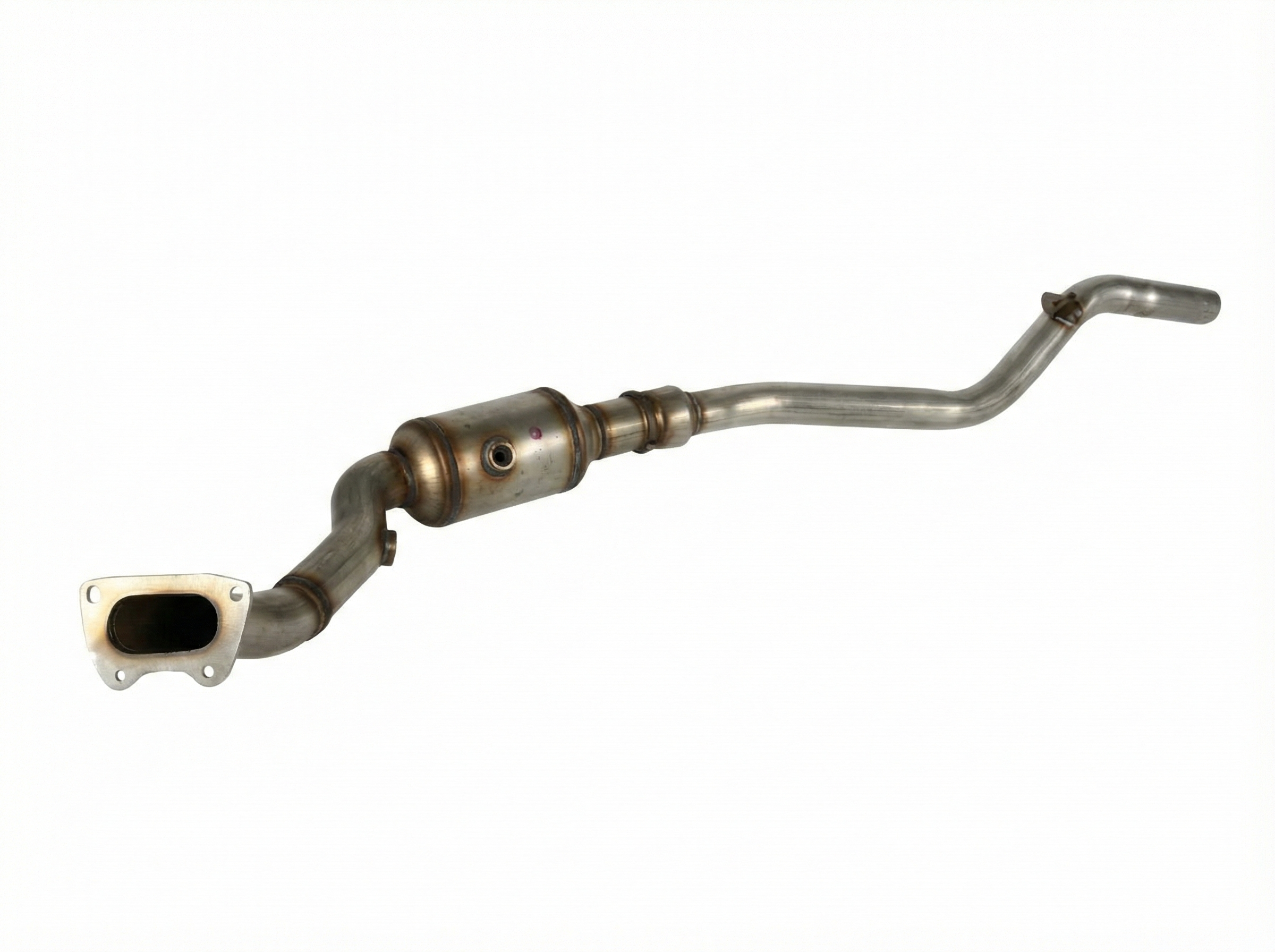
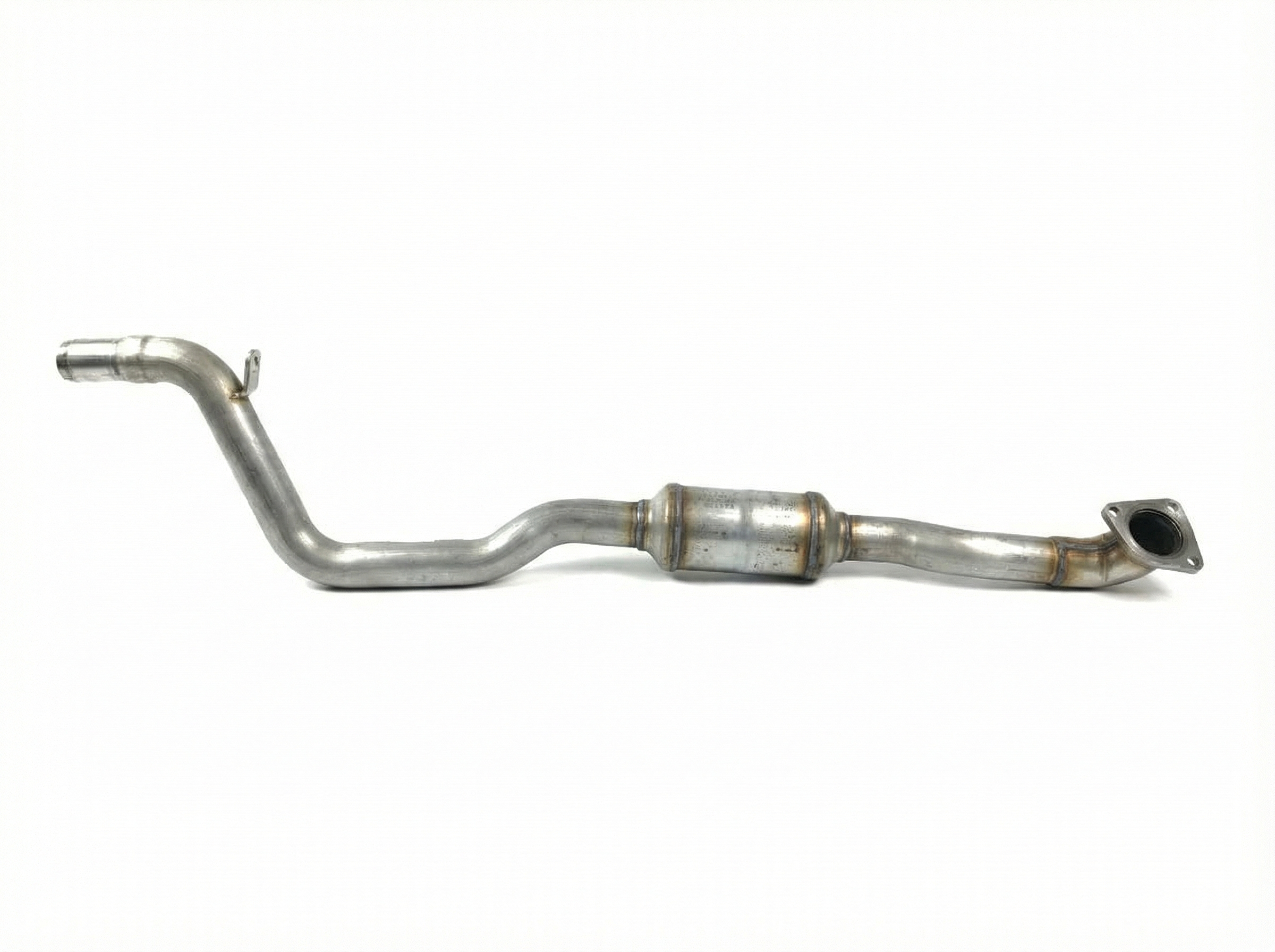
- Catalytic Converter (Bank 2) — This is the part directly identified by the code as having failed, though it's often damaged by another root cause. Many owners report only OEM converters work reliably without tripping the code again.
Trusted brands: Mopar (OEM), Walker Exhaust, MagnaFlow
OEM price range: $1400-$2200
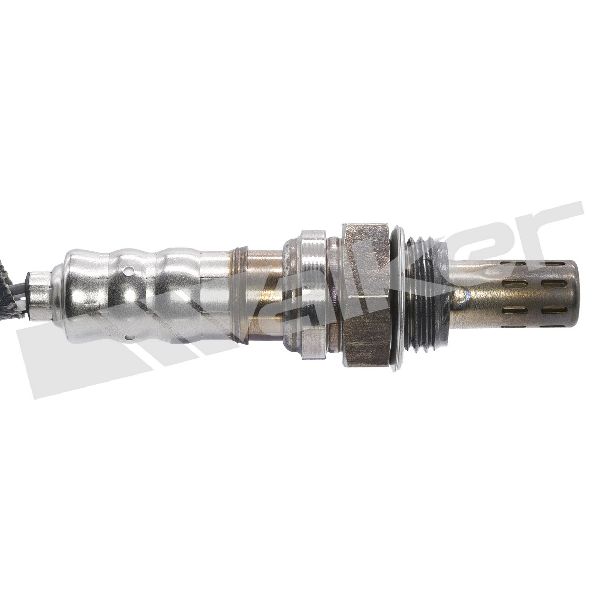
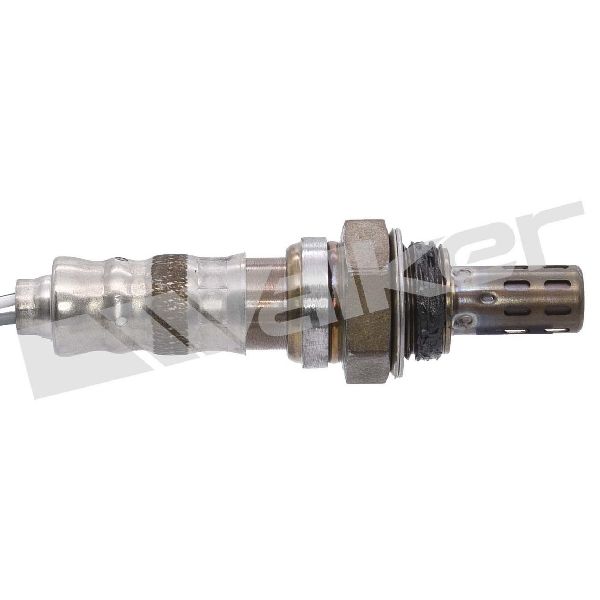
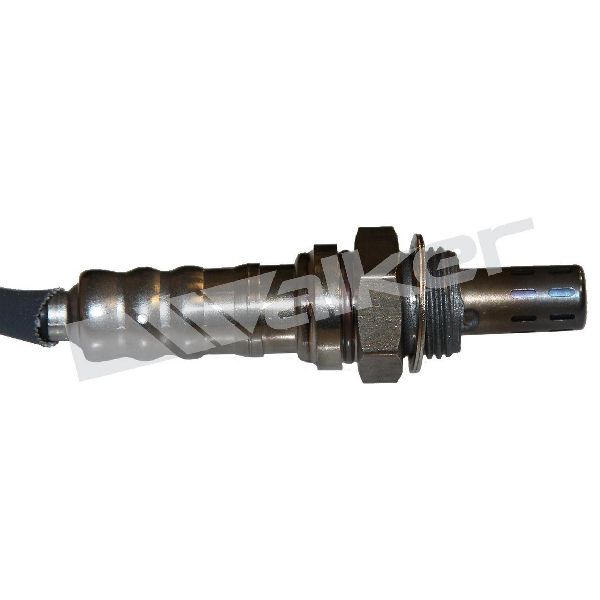
Aftermarket price range: $400-$900 - Downstream Oxygen Sensor (Bank 2, Sensor 2)
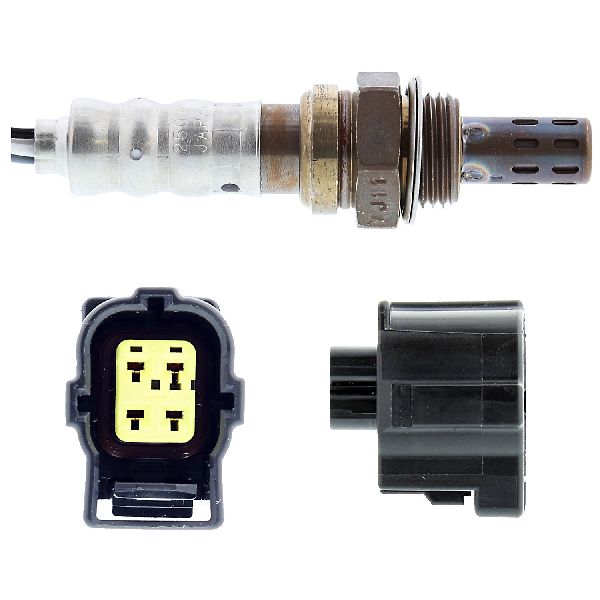
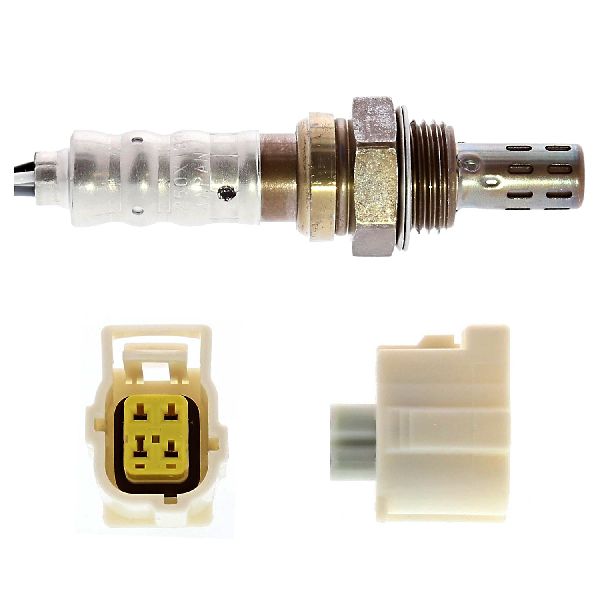
(OEM #5149171AB (or superseding part number))— A faulty sensor can send incorrect data, falsely triggering the P0430 code. It is a common point of failure and a frequent misdiagnosis. Part number 5149171AB is listed for many 5.7L and 6.4L Hemi applications.
Trusted brands: Mopar (OEM), Denso, Bosch, NTK
OEM price range: $80-$190
Aftermarket price range: $50-$100 - Exhaust Manifold Gasket — A leak at the exhaust manifold is a common cause of false P0430 codes on V8 engines due to broken manifold bolts.
Trusted brands: Fel-Pro, Mahle, Mopar (OEM)
OEM price range: $30-$60
Aftermarket price range: $15-$40
Related Codes That Often Appear With This One
- P0420 — This is the identical code for Bank 1 (passenger side). It's common for both converters to degrade at a similar rate due to age, mileage, or a systemic engine issue, causing both codes to appear together.
- P0300, P0306, P0307, P0308 — These are misfire codes (P0300 for random, P0306-P0308 for specific cylinders on Bank 2 of a V8). A misfire is a primary cause of catalytic converter failure, as documented in TSB #18-035-26. These must be fixed first.
- P0456 — This EVAP system small leak code is mentioned alongside P0430 in TSB #18-090-24, suggesting they can appear together, potentially due to a PCM software update addressing multiple DTCs.
- P2098 — This code for 'Downstream Fuel Trim System 2 Lean' can indicate an exhaust leak before the rear O2 sensor, which is also a common cause for a false P0430 code. TSBs for related vehicles mention this code group in PCM updates.
Technical Service Bulletins (TSBs) & Recalls
- 18-035-26
- 18-090-24
- 18-106-20
Platform-Specific Known Issues
- TSB #18-035-26 notes that P0430 can be accompanied by a rough idle and various cylinder misfire codes (P0306, P0307, P0308) on 2023 6.2L models, with the fix being a PCM software update.
- TSB #18-106-20 links P0430 with customers hearing a pre-detonation (spark knock) sound, indicating a potential engine timing or fuel mixture issue that could be damaging the converter.
- Hemi V8 engines are known for broken exhaust manifold bolts, causing a pre-catalyst exhaust leak that can trigger a false P0430 code.
- Owners on forums and YouTube have reported that aftermarket catalytic converters may not meet the strict efficiency parameters of the Dodge PCM, causing the P0420/P0430 codes to return even with a new part. Some resort to using O2 sensor spacers or 'non-foulers' to trick the sensor, though this is not a proper fix and may be illegal for emissions purposes.
Mechanic-Grade Diagnostic Values
- Upstream O2 Sensor (B2S1) Voltage — expected: Rapidly fluctuating between ~0.1V (lean) and ~0.9V (rich) on a warm engine.. Failure: Slow or no fluctuation, or stuck at a specific voltage.
- Downstream O2 Sensor (B2S2) Voltage (Good Converter) — expected: Relatively stable voltage, typically between 0.45V and 0.7V.. Failure: Voltage fluctuates widely, mimicking the upstream sensor's pattern. This indicates the converter is not cleaning the exhaust.
- Catalytic Converter Temperature Differential — expected: Outlet temperature should be at least 50°F to 100°F hotter than the inlet temperature after the engine is fully warmed up.. Failure: Outlet temperature is the same as or cooler than the inlet temperature, indicating the chemical reaction is not occurring.
Scan Tool Commands That Help
- wiTECH (Dealer Tool) or advanced aftermarket scanner: Catalyst Efficiency Monitor Test — To force the PCM to run the internal test that sets the P0430 code. This can be used after a repair to verify the fix without waiting for a full drive cycle.
- wiTECH or advanced aftermarket scanner: O2 Sensor Heater Test — To command the O2 sensor heaters on and off to verify the integrity of the heater circuit, which is crucial for sensor performance during warm-up.
Wiring & Ground Locations
- Bank 2 Location — For V8 engines (5.7L, 6.2L, 6.4L), Bank 2 is the driver's side. For the 3.6L V6, Bank 2 is the driver's side.. Incorrectly identifying the bank will lead to diagnosing and replacing parts on the wrong side of the engine.
- O2 Sensor Connectors — The downstream (B2S2) sensor connector is located on the transmission crossmember or body, away from the hot exhaust. The wiring harness is often routed along transmission lines.. The wiring can be damaged by heat from the exhaust or chafe against the transmission or frame. A wiggle test on the harness while watching live data can identify intermittent connections.
- Engine/PCM Grounds — Key ground points are located on the engine block, behind the instrument cluster, and on the inner fenders.. A poor ground connection for the PCM or the sensor circuits can cause erratic voltage readings, potentially triggering a false P0430 code.
Real Owner Repair Stories
- YouTube user on a Dodge Challenger (Dodge Challenger, engine not specified.) — Persistent P0420 and P0430 codes after expensive repairs.
❌ Tried (didn't work) Replacing both catalytic converters with new aftermarket units.
✅ What actually fixed it The owner concluded the PCM's monitoring parameters were too sensitive for the aftermarket converters. The final fix was installing O2 sensor spacers (also called non-foulers) on the downstream sensors to pull them slightly out of the direct exhaust stream, which dampened the readings and prevented the codes from returning. - 2CarPros Forum User (Vehicle with V6 engine, not specified as Challenger but relevant.) — P0430 code, rough running.
❌ Tried (didn't work) Patching a large hole in the exhaust manifold.
✅ What actually fixed it The root cause was a massive exhaust leak from a hole in the driver's side (Bank 2) exhaust manifold. The leak introduced unmetered air, which skewed the O2 sensor readings and triggered the P0430. The final fix required replacing the damaged exhaust manifold.
Helpful Videos
Used OEM Parts in Stock
New Aftermarket Parts Available


The information in this article is provided for general reference and educational purposes only. Vehicle specifications, procedures, and part compatibility can vary by production date, trim level, and region. Always consult your vehicle's factory service manual and verify part numbers before purchasing or performing repairs. Safety-critical components such as airbags, seat belts, and braking systems should be installed by a qualified professional.
- Dodge CHALLENGER:
- 🧭 Diagnostic Flowchart
- 🎬 Helpful Videos
- 🛍️ Shop This Part
- What's Unique About the 2019-2023 Dodge CHALLENGER
- Symptoms You May Notice
- Most Likely Causes
- Rare But Worth Checking
- Diagnosis Steps
- Parts You'll Likely Need
- Related Codes That Often Appear With This One
- Technical Service Bulletins (TSBs) & Recalls
- Platform-Specific Known Issues
- Mechanic-Grade Diagnostic Values
- Scan Tool Commands That Help
- Wiring & Ground Locations
- Real Owner Repair Stories
- 🎟️ Get 5% Off