

P0430 on 2007-2014 Ford Edge 3.5L/3.7L: Catalyst Inefficiency Causes & Fixes
On the 2007-2014 Ford Edge, code P0430 almost always points to a worn-out catalytic converter on Bank 2 (the front, radiator-side bank). Before replacing this expensive part, first rule out exhaust leaks and ensure the correct Motorcraft spark plugs are installed, as underlying engine running issues are a known cause.
- P0430 on a 2007-2014 Ford Edge points to an inefficient catalytic converter on Bank 2 (the front/radiator side).
- Before spending money on a new converter, always check for exhaust leaks and verify the correct Motorcraft spark plugs are installed.
- Diagnose properly with a scan tool by comparing the upstream and downstream O2 sensor signals; don't just replace parts.
- If you replace the O2 sensor, using an OEM (Motorcraft) or high-quality equivalent (Bosch, Denso) is recommended to avoid compatibility issues.
What's Unique About the 2007-2014 Ford Edge
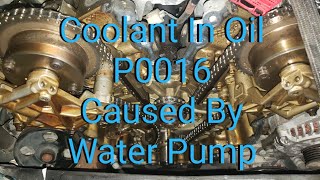
While a P0430 code on a higher-mileage Edge is very often a failed catalytic converter, this platform is sensitive to proper engine maintenance. There are documented cases where using the wrong type of spark plug, even a genuine Motorcraft plug intended for a different Ford model, has caused this exact code. Therefore, it's crucial to verify basic tune-up parts and check for common exhaust leaks before concluding the expensive converter has failed. A critical edge-case on the 3.5L V6 is the internal water pump; a failure can leak coolant into the engine oil and exhaust, which will quickly destroy the catalytic converters.
🎬 Watch: How to diagnose a failing internal water pumpGeneration note: This guide covers the first-generation Ford Edge (2007-2010) and its facelift (2011-2014). The 3.5L V6 was the standard engine, while the 3.7L V6 was available on the Sport trim from 2011-2014. The causes and diagnostic steps for P0430 are consistent across both versions within this year range.
Symptoms You May Notice
- Check Engine Light is on
- Vehicle fails emissions testing
- Slight decrease in fuel economy
- A sulfur or 'rotten egg' smell from the exhaust in severe cases
- Reduced engine power or hesitation, especially under acceleration, if the converter is severely clogged.
- Immediately replacing the catalytic converter without checking for exhaust leaks or engine running issues first.
- Replacing the oxygen sensor as a guess. While sometimes the cause, it's less common than a failed converter or an exhaust leak. Forum wisdom often cautions against this as a 'parts cannon' approach.
- Using cheap, poor-quality aftermarket oxygen sensors, which have been reported to not communicate correctly with Ford's PCM, leading to the code returning.
Most Likely Causes
- Failed Catalytic Converter (Bank 2) 🔴 High Probability → Shop Catalytic Converter Catalytic converters have a finite lifespan and degrade over time due to heat and mileage. This is the most common failure, especially on vehicles with over 100,000 miles. Forum discussions consistently point to this being the ultimate fix after other possibilities are eliminated.
How to confirm: After ruling out all other possibilities, this is the default diagnosis. A definitive test involves using a scan tool to watch O2 sensor data; if the downstream sensor (Bank 2, Sensor 2) graph mimics the upstream sensor (Bank 2, Sensor 1), the converter is not working. An infrared thermometer can also be used; the outlet of a working converter should be significantly hotter than the inlet.
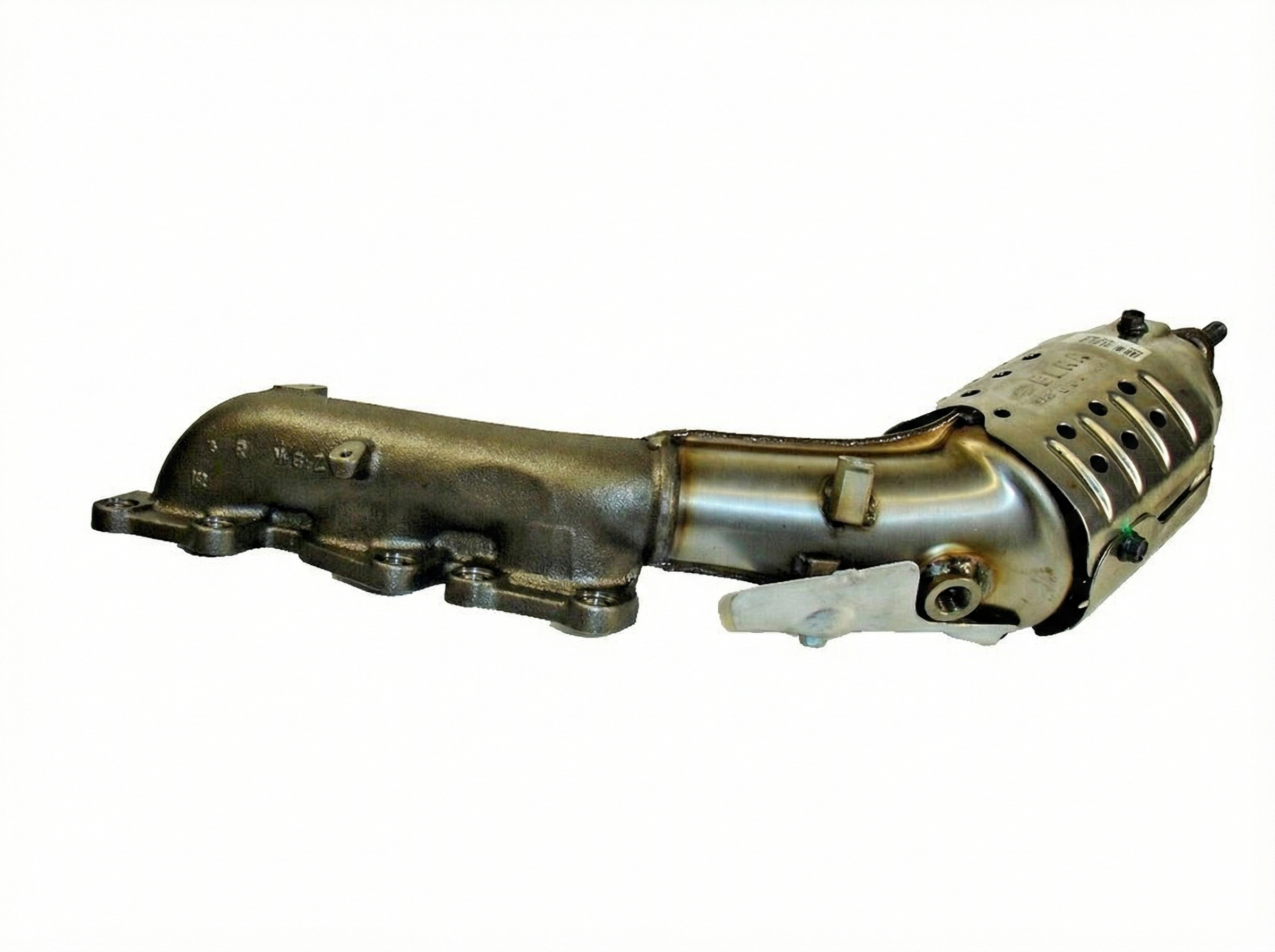
Typical fix: Replace the Bank 2 catalytic converter. Bank 2 is the converter assembly on the front (radiator side) of the engine. It is an exhaust manifold with an integrated catalytic converter.
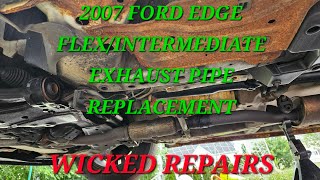
Est. part cost: $300-$800 - Exhaust Leak 🟡 Medium Probability Flex pipes and gasket flanges in the exhaust system can develop cracks or leaks over time due to corrosion and vibration. An air leak before or just after the converter can trick the oxygen sensors into providing false readings. Forum members have specifically mentioned checking the flex joint, as it can leak only when the engine twists under load. 🎬 See this common flex pipe issue on the Sport trim
How to confirm: Visually inspect the exhaust system for black soot marks around flanges and flex pipes, which indicate leaks. Listen for unusual hissing or ticking sounds. A shop can use a smoke machine to pressurize the exhaust and easily reveal small leaks.
Typical fix: Repair the leak. This may involve replacing a gasket, welding a crack, or replacing a section of pipe or the flex pipe.
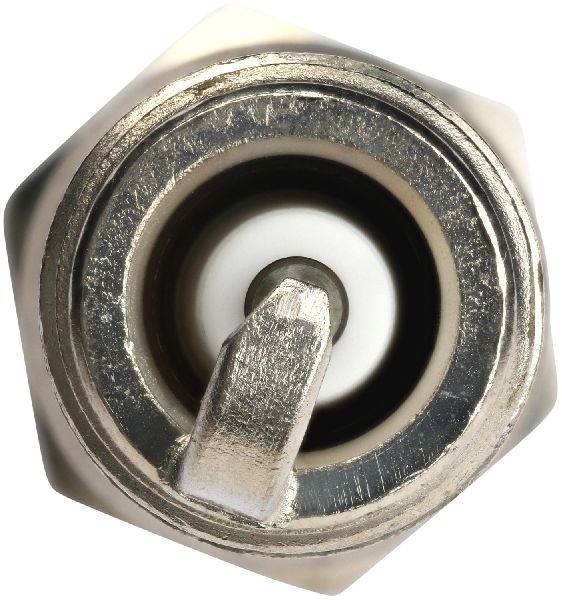
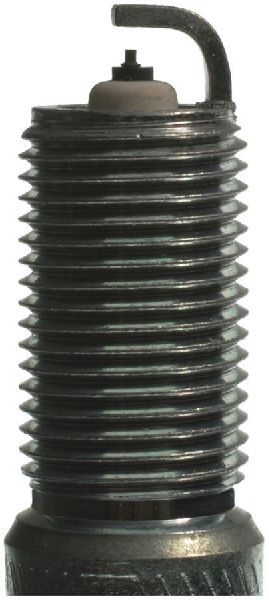
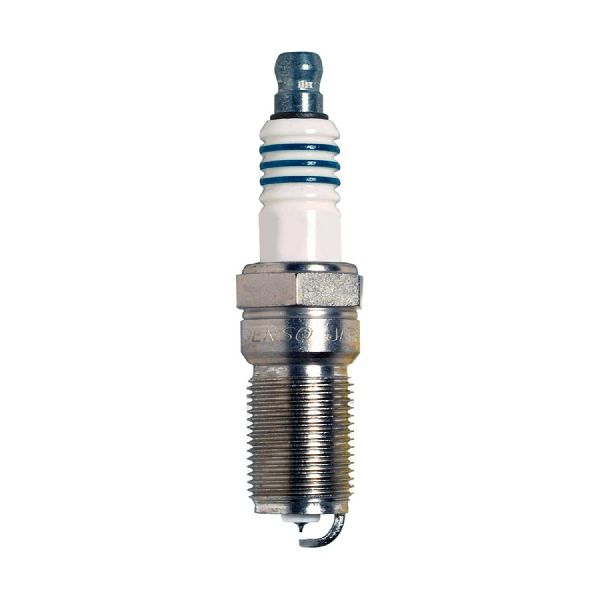
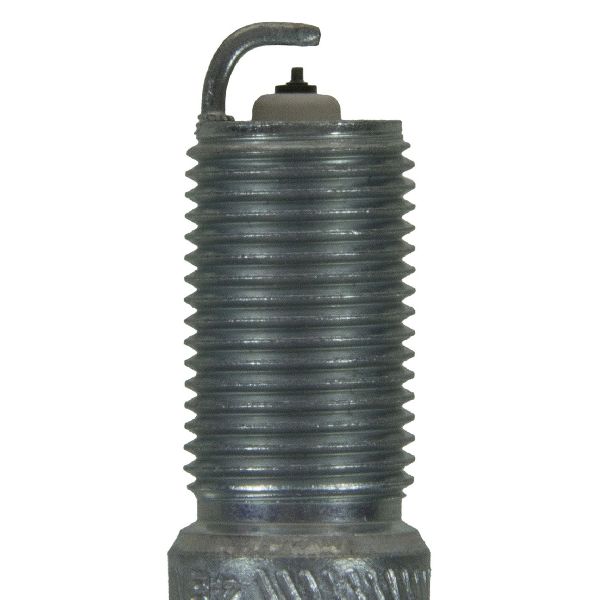
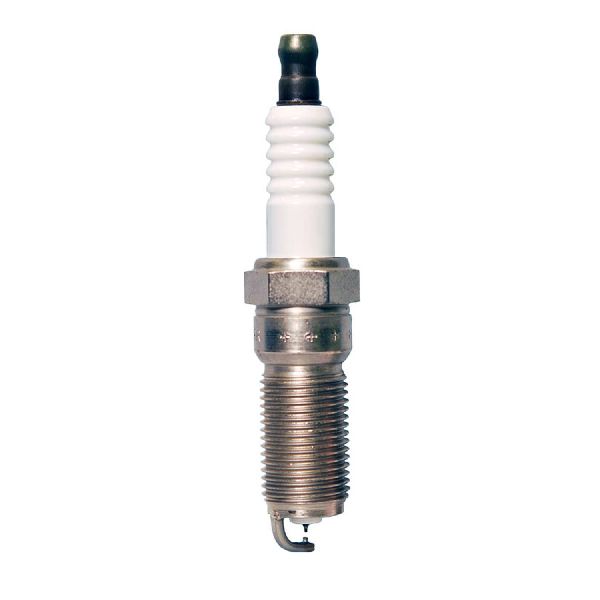
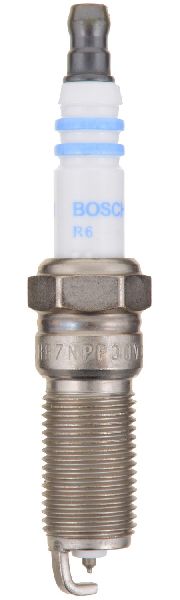
Est. part cost: $20-$250 - Incorrect Spark Plugs or Engine Misfire 🟡 Medium Probability → Shop Spark Plug An engine that misfires or runs inefficiently allows unburned fuel to enter the exhaust, which can overheat and destroy the catalytic converter. There are specific reports for the Ford Edge where incorrect Motorcraft spark plugs (e.g., SP411 instead of the recommended SP520) caused catalyst efficiency codes. NHTSA ODI #11703219 notes a case where the P0430 error code persisted even after replacing components like spark plugs.
How to confirm: Check for any other diagnostic trouble codes, especially misfire codes (P0300-P0306). Verify the part number of the installed spark plugs against the manufacturer's recommendation for your specific engine. The correct plug for many 3.5L models is Motorcraft SP520.
Typical fix: Perform a full tune-up with the correct OEM-spec spark plugs (e.g., Motorcraft SP520) and ignition coils if necessary. Address the root cause of any misfires.
Est. part cost: $60-$250 - Faulty Downstream Oxygen Sensor (Bank 2, Sensor 2) ⚪ Low Probability → Shop Oxygen Sensor While O2 sensors can fail, they are more likely to trigger their own specific trouble codes. However, a 'lazy' or slow-to-respond sensor can sometimes contribute to a P0430 code without setting its own code. It's a common misdiagnosis to replace the O2 sensor hoping to fix a P0430, as a bad converter is the more likely cause.
How to confirm: Use a scan tool to graph the voltage of the Bank 2, Sensor 2. It should show a relatively steady voltage (around 0.6-0.8V) on a warm engine at a steady RPM. If it is stuck at one voltage or fluctuating wildly like the upstream sensor, it may be faulty.
Typical fix: Replace the downstream (post-catalyst) oxygen sensor for Bank 2.
Est. part cost: $50-$120
Rare But Worth Checking
- PCM Software Issue: In some cases, a manufacturer may release a software update for the PCM that adjusts the sensitivity of the catalyst monitor. While no specific TSB for this issue on the 2007-2014 Edge was found, it's a possibility on modern vehicles and has been noted on other Ford models. NHTSA ODI #11642766 describes a situation where an owner alleged faulty software caused an improper diagnosis of catalytic converter efficiency, leading to a P0430 code.
- Leaking Fuel Injector: → Shop Fuel Injector A leaking injector can create a rich fuel condition on one bank, which can damage the catalytic converter over time. This would usually be accompanied by fuel trim codes like P0172 or P0175.
Diagnosis Steps
- Scan for all DTCs. If any misfire (P030x) or fuel trim (P017x) codes are present, diagnose and fix them first.
- Perform a thorough visual inspection of the entire exhaust system. Look for black soot marks around flanges and flex pipes, which indicate leaks. Listen for unusual hissing or ticking sounds.
- Verify that the correct spark plugs are installed for your engine. For many 3.5L models, the correct plug is Motorcraft SP520.
- With a scan tool, monitor the live data for the upstream and downstream O2 sensors for Bank 2 (B2S1 and B2S2).
- At a steady 2,500 RPM on a fully warmed engine, the B2S1 graph should show rapid fluctuations. The B2S2 graph should show a much slower, relatively stable voltage.
- If the B2S2 graph mirrors the B2S1 graph, the catalytic converter is not storing oxygen and has failed.
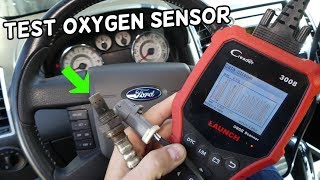
- If the B2S2 voltage is stuck high or low and does not respond, the sensor itself is likely faulty. 🎬 Watch: How to test your oxygen sensors with a scan tool
- If all other checks pass, the catalytic converter is the most likely culprit.
Parts You'll Likely Need
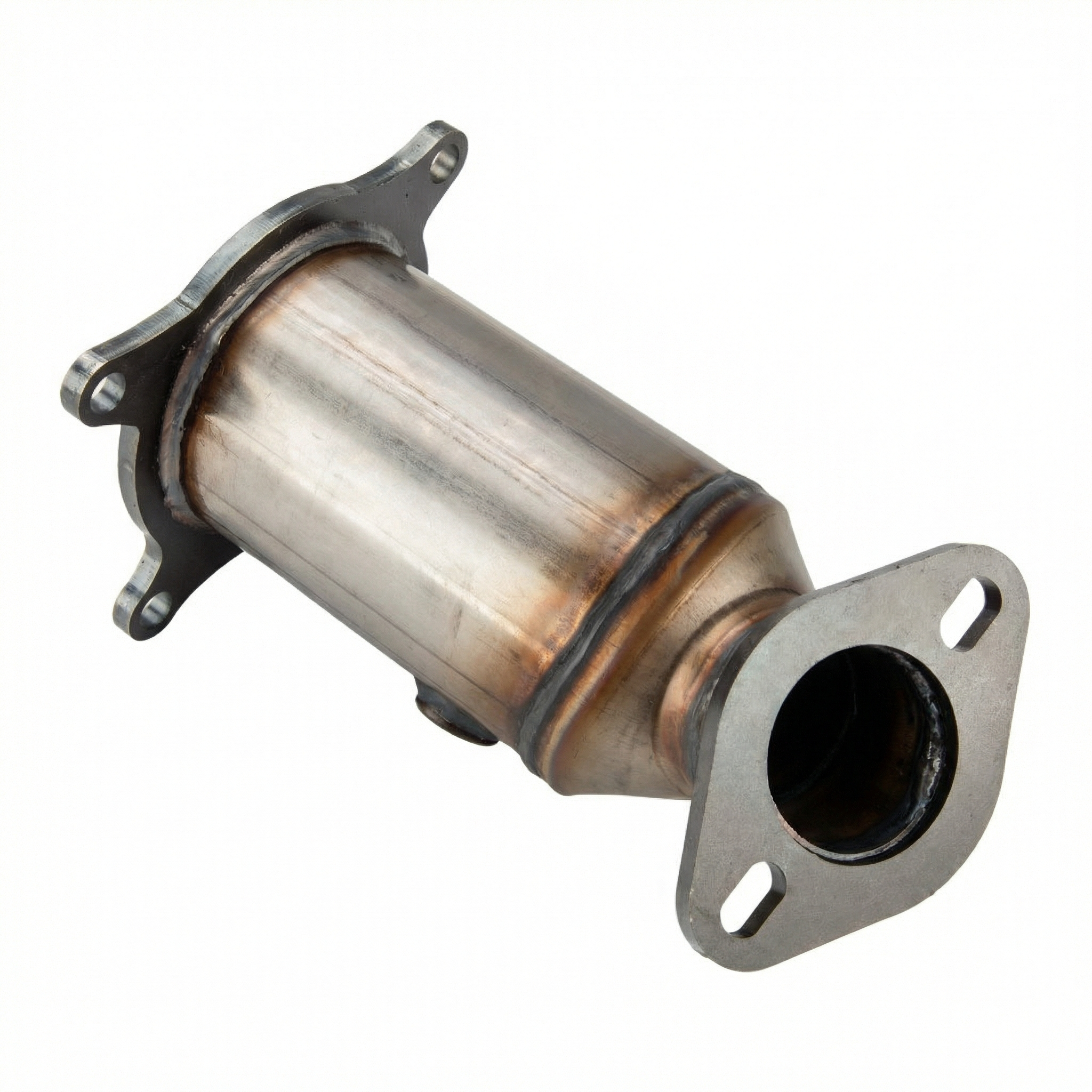
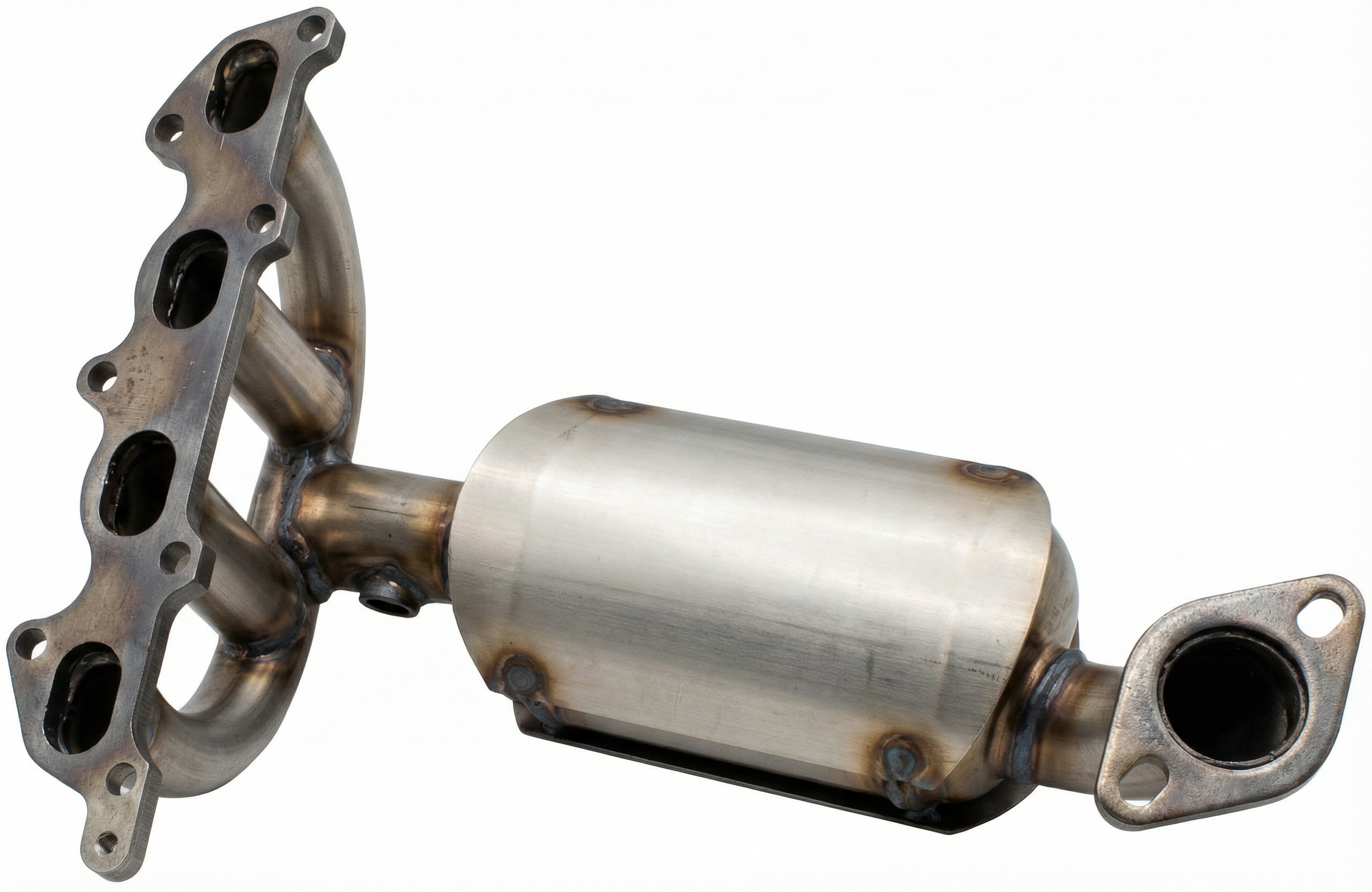
- Catalytic Converter (Bank 2 - Front)
(OEM #BT4Z-5G232-B (superseded by BT4Z-5G232-C))— This is the most common part to fail and directly cause the P0430 code, especially on vehicles with higher mileage.
Trusted brands: Motorcraft, Walker Exhaust, MagnaFlow, AP Exhaust
OEM price range: $700-$950
Aftermarket price range: $250-$700 - Downstream Oxygen Sensor (Bank 2, Sensor 2) — This sensor is responsible for reporting the converter's efficiency. While less common to fail than the converter itself, it can be a cause and is often replaced as a precaution during a converter job.
Trusted brands: Motorcraft, Bosch, Denso, NGK/NTK
OEM price range: $80-$150
Aftermarket price range: $50-$120 - Spark Plugs
(OEM #Motorcraft SP520 (for many 3.5L applications))— Incorrect or worn spark plugs can cause an inefficient burn, leading to fuel contamination of the catalytic converter. Verifying the correct plugs are installed is a crucial and relatively cheap diagnostic step.
Trusted brands: Motorcraft, NGK, Denso
OEM price range: $8-$15 per plug
Aftermarket price range: $6-$12 per plug
Related Codes That Often Appear With This One
- P0420 — This is the identical code but for Bank 1 (the rear, firewall-side bank). Seeing both P0420 and P0430 together often points to a systemic issue like incorrect spark plugs, bad fuel, or an exhaust leak common to both banks.
- P0300, P0301-P0306 — These are misfire codes. An engine misfire is a primary cause of catalytic converter failure, as it sends raw fuel into the exhaust, causing overheating. Always fix misfire codes before addressing a P0430.
Technical Service Bulletins (TSBs) & Recalls
- TSB 22-2260: While specifically for 2018-2021 F-150 and Expedition/Navigator models, this TSB addresses P0420/P0430 codes potentially caused by high sulfur fuel. It details a 'de-sulfate' driving procedure. If this fails
Platform-Specific Known Issues
- There are documented cases where installing the wrong Motorcraft spark plugs (e.g., SP411 from a Ford Fiesta instead of the correct SP520 for the Edge) has directly caused P0420 and P0430 codes to appear.
Mechanic-Grade Diagnostic Values
- Long Term and Short Term Fuel Trims (LTFT/STFT) — expected: Between -5% and +5% at idle and steady cruise.. Failure: Consistently high positive values (e.g., > +10%) suggest a vacuum leak tricking the O2 sensors, while high negative values suggest a rich condition (e.g., leaking injector) that can damage the converter.
- Downstream O2 Sensor (B2S2) Voltage — expected: Relatively steady voltage between 0.4V and 0.8V on a warm engine at steady RPM.. Failure: If the voltage is rapidly switching similar to the upstream sensor, the converter is not storing oxygen. If the voltage is stuck low (e.g., < 0.2V) or high (e.g., > 0.8V), the sensor itself may be faulty.
- Catalytic Converter Temperature Differential — expected: The outlet temperature should be at least 100°F (38°C) hotter than the inlet temperature on a fully warmed-up engine.. Failure: Little to no temperature difference indicates the catalytic reaction is not occurring and the converter has failed.
Hidden / Shadow Codes Worth Checking
- Mode $06, TID $81, CID $01-$04: This refers to the onboard diagnostic test results for the Catalyst Efficiency Monitor. A professional scan tool can access this data to see the raw test values the PCM is using to determine if the converter passes or fails, often before a permanent DTC like P0430 is set. It provides a more granular view of the converter's performance against its minimum and maximum thresholds. (see via A professional-grade scan tool with Mode $06 functionality (e.g., Ford IDS, high-end Autel/Launch scanners).)
Scan Tool Commands That Help
- Ford IDS (or equivalent pro-level scanner): Power Balance Test — To identify subtle or intermittent misfires that may not be severe enough to set a P030x code but are still dumping raw fuel into the exhaust and damaging the catalytic converter. This test graphically displays the contribution of each cylinder. NHTSA ODI #11098402 describes a case where a technician performed a power balance test alongside a compression test to determine engine health when P0430 and multiple other codes were present.
- OBD-II Scan Tool: OBD-II Drive Cycle Procedure — After replacing a catalytic converter or O2 sensor and clearing the codes, a specific drive cycle must be performed to allow the PCM's internal readiness monitors (including the catalyst monitor) to run and complete. If the repair was successful, the monitors will set to 'Ready' status. If not, the P0430 code will return.
Wiring & Ground Locations
- G105 — Located in the left front of the engine compartment.. This is a primary engine-related ground point. A poor connection here can cause erratic signals from various engine sensors, including the oxygen sensors, leading to incorrect readings and potential misdiagnosis.
- G205 — Located on the left side of the dash, often behind the kick panel.. This is an important interior ground point for modules. A faulty ground here could potentially affect the Body Control Module (BCM) or Powertrain Control Module (PCM) which processes the sensor data.
- Bank 2 Oxygen Sensor Connectors — Bank 2 is the cylinder bank closer to the radiator. The upstream sensor (B2S1) is in the exhaust manifold before the converter, and the downstream sensor (B2S2) is located after the converter body.. Corrosion or damage at these specific connectors can cause faulty sensor readings, mimicking either a bad sensor or a bad converter. Always inspect the harness side of the connector for green corrosion or pushed-out pins.
Real Owner Repair Stories
- Ford Edge Forum user (2013 Edge Limited 3.5L with 197k miles) — Permanent P0430 code returned shortly after major service.
❌ Tried (didn't work) Replaced all fuel injectors with Bosch units., Replaced all spark plugs and coil packs with Motorcraft parts., Replaced both catalytic converters with aftermarket units from Rock Auto (Original Performance brand).
✅ What actually fixed it The user reported the P0430 code returned just 20,000 miles after replacing the converters with aftermarket units. After confirming O2 sensor readings appeared normal via a scan tool, the strong implication is that the low-cost aftermarket catalytic converter failed prematurely, a common complaint with non-OEM parts. - NHTSA ODI #10917395 — An owner reported a drastic power loss at full throttle accompanied by a P0430 DTC. The vehicle required a replacement of the catalytic converter and a PCM re-flash to address the issue.
- NHTSA ODI #10587634 — A report described a stumble or misfire on acceleration from highway cruise in humid conditions, which was associated with possible DTCs including P0430.
"I Checked Everything" — The Actual Cause
- A smoke test on the exhaust system came back clean (no leaks), but the P0430 code kept returning. The actual cause was a failing internal water pump on the 3.5L V6, which was leaking small amounts of coolant into the combustion chamber. This coolant contaminated the exhaust and destroyed the catalytic converter's catalyst materials from the inside out, a condition a smoke test cannot detect.
When the Usual Fixes Don't Work
- In multiple documented cases, owners have replaced the catalytic converter (the most common cause) only to have the P0430 code return within a year. This often happens when a low-cost, aftermarket converter with insufficient catalyst material is used. The aftermarket part may work well enough to pass an emissions test once, but it lacks the durability of the OEM unit and its efficiency quickly degrades, causing the code to reappear. This highlights the importance of either using a high-quality OEM converter or a top-tier aftermarket brand if you plan to keep the vehicle long-term.
OEM Part Supersession History
BT4Z-5G232-B→BT4Z-5G232-C— Standard part revision. This could be due to a change in supplier, materials, or a minor design update for improved longevity or manufacturing efficiency.
Heads up: The parts are interchangeable for the specified applications (2011-2014 Edge 3.5L/3.7L).
Model Year Variations Within This Range
- 2007-2010 vs 2011-2014: While the diagnostic principle for P0430 is the same, the specific OEM part number for the Bank 2 catalytic converter may differ. The BT4Z-5G232-C part number is specified for the facelifted 2011-2014 models. Pre-facelift models (2007-2010) may use a different part number, which should be verified by VIN before ordering.
Diagnostic Flowchart
Other Known Issues on This Vehicle
Issues unrelated to this code that are worth knowing about as an owner of this generation:
- Internal Water Pump Failure 🔴 High — Can occur at any mileage, but becomes a higher risk after 80,000 miles. Failure can be catastrophic.
- Power Transfer Unit (PTU) Failure (AWD Models) 🔴 High — Common on AWD models, especially those over 60,000 miles. Ford calls the fluid 'lifetime,' but it degrades.
- Door Ajar Sensor Failure 🟡 Low — Very common across all years, particularly 2011-2013 models.
- Brake Booster Failure 🟠 Medium — Reported on 2007-2015 models; led to a recall and customer satisfaction program. (Ref: Recall 23S12, Customer Satisfaction Program 13N02)
Used vs. New Parts: Buying Guide for This Vehicle
When a used part is the smart pick: For this repair, using a used part is generally not recommended for the catalytic converter or oxygen sensors due to their finite lifespan. A used wiring harness or mounting bracket could be a cost-effective choice if the original is damaged.
Donor-vehicle mileage cap: roughly under 50000 miles for the part to have meaningful remaining life.
What to inspect on the donor part:
- For a used catalytic converter (if no other option exists), inspect the honeycomb substrate with a light; it must be intact with no signs of melting, cracking, or clogging.
- Ensure the donor vehicle did not have a known engine failure (like a head gasket or internal water pump leak) that would have contaminated the converter.
- Check for severe rust or damage to the converter shell, flanges, and O2 sensor bungs.
OEM-only on this vehicle (don't cheap out):
- Catalytic Converter: Strongly recommended to use an OEM (Motorcraft) part for longevity and to guarantee the P0430 code does not return prematurely. Mechanics report that many aftermarket converters fail to meet strict emissions requirements for more than a year or two.
Aftermarket brands forum-validated for this vehicle:
- Oxygen Sensors: Denso, Bosch, and NGK/NTK are reputable brands that meet or exceed OEM specifications and are known to work well with Ford's PCM.
- Catalytic Converters: If an OEM part is not feasible, MagnaFlow and Walker are the most frequently recommended aftermarket brands by mechanics, though they are still considered a step down from OEM quality.
Brands owners have reported issues with on this vehicle:
- Unbranded, low-cost catalytic converters from online marketplaces. These frequently have insufficient precious metal loading in the catalyst, leading to a quick return of the P0430 code.
Real Owner Stories
Aggregated from forums and TSBs cited above. Mileages and costs reflect what owners reported in those sources.
2013 Ford Edge
Symptoms: Experienced both catalyst codes (P0420 and P0430) along with a P0325 code.
What fixed it: The issue was identified as an exhaust leak in a flex joint that only leaked when the engine was under load.
Source hint: Ford Edge Forum - 'Need Help With P0420, P0430 and P0325'
2013 Ford Edge
Symptoms: Permanent P0430 code that returned even after replacing catalytic converters, spark plugs, ignition coils, and fuel injectors.
What fixed it: The source illustrates diagnostic complexity where the code returned despite replacing all major components.
Source hint: Ford Edge Forum - 'Permanent Catalytic Converter P0430 Code'
2007-2014 Ford Edge 3.5L — ~100000 miles
Symptoms: Check engine light on; catalytic converter degradation over time due to heat and mileage.
What fixed it: Replacement of the Bank 2 catalytic converter (front radiator side) after ruling out other possibilities.
Source hint: Forum discussions
Related OBD-II Codes
Frequently Asked Questions
Which catalytic converter is Bank 2 on my Ford Edge 3.5L V6?
Can using the wrong spark plugs cause a P0430 code on my Edge?
Does TSB 22-2260 apply to my 2007-2014 Ford Edge?
What is the recommended spark plug part number to avoid catalyst efficiency codes?
Is there a specific exhaust component I should check for leaks on my Edge?
Why is my Edge failing emissions even though it drives fine?
Helpful Videos
Used OEM Parts in Stock
New Aftermarket Parts Available

The information in this article is provided for general reference and educational purposes only. Vehicle specifications, procedures, and part compatibility can vary by production date, trim level, and region. Always consult your vehicle's factory service manual and verify part numbers before purchasing or performing repairs. Safety-critical components such as airbags, seat belts, and braking systems should be installed by a qualified professional.
- Ford Edge:
- 🧭 Diagnostic Flowchart
- 🎬 Helpful Videos
- 🛍️ Shop This Part
- What's Unique About the 2007-2014 Ford Edge
- Symptoms You May Notice
- Most Likely Causes
- Rare But Worth Checking
- Diagnosis Steps
- Parts You'll Likely Need
- Related Codes That Often Appear With This One
- Technical Service Bulletins (TSBs) & Recalls
- Platform-Specific Known Issues
- Mechanic-Grade Diagnostic Values
- Hidden / Shadow Codes Worth Checking
- Scan Tool Commands That Help
- Wiring & Ground Locations
- Real Owner Repair Stories
- "I Checked Everything" — The Actual Cause
- When the Usual Fixes Don't Work
- OEM Part Supersession History
- Model Year Variations Within This Range
- Other Known Issues on This Vehicle
- Used vs. New Parts: Buying Guide for This Vehicle
- Real Owner Stories
- 2013 Ford Edge
- 2013 Ford Edge
- 2007-2014 Ford Edge 3.5L — ~100000 miles
- Related OBD-II Codes
- Frequently Asked Questions
- 🎟️ Get 5% Off