

P0430 on 2012-2016 GMC Savana: Catalyst Efficiency Bank 2 Causes and Fixes
The P0430 code on a 2012-2016 GMC Savana most often indicates a failing catalytic converter on Bank 2. While an O2 sensor or exhaust leak could be the cause, the converter itself is the most common failure. Always diagnose underlying issues like misfires or fuel trim problems first, as they can destroy a new converter. Expect to spend a significant amount on a replacement converter, while O2 sensors are much cheaper.
- P0430 on your GMC Savana points to a failing catalytic converter on Bank 2, but you must rule out other causes first.
- Always check for exhaust leaks and test the oxygen sensors before deciding to replace the expensive catalytic converter.
- Use a scan tool to watch live O2 sensor data. This is the most reliable way to confirm if the converter is truly bad.
- If you have any other codes, especially for engine misfires (P030x), fix those problems immediately to avoid damaging a new catalytic converter.
What's Unique About the 2012-2016 Gmc SAVANA
🎬 Watch: A quick overview of P0430 causes and symptoms.GMC Savana vans are workhorses, often subjected to heavy loads and long idle times, which can be hard on exhaust components. A notable Technical Service Bulletin (TSB) for some GM vehicles, #PIP3119P, mentions that the diagnostic tests for codes P0420 and P0430 are intentionally disabled for the first hour of engine operation on new vehicles to allow for catalytic converter break-in and prevent false codes. Additionally, a voluntary emissions recall (#14152) for 2011-2013 models addressed an issue where condensation could fracture the Bank 2 O2 sensors, triggering the check engine light and requiring replacement of both Bank 2 sensors and an ECM reprogram.
Diagnostic Flowchart
Tap your situation to follow the diagnostic path that matches what you're seeing on this vehicle.
Symptoms You May Notice
- Check Engine Light is on.
- Vehicle fails an emissions test.
- Reduced engine power and sluggish acceleration, especially if the converter is clogged.
- A sulfur or "rotten egg" smell from the exhaust.
- Rattling noise from under the vehicle if the internal structure of the converter has broken apart.
- Excess heat from under the vehicle.
- Rough idle, particularly in cold weather.
- Replacing the oxygen sensor when the catalytic converter is the actual point of failure. It's crucial to diagnose using live data and temperature checks before buying parts.
- Replacing the catalytic converter without fixing an underlying engine misfire or fuel trim issue, which will quickly destroy the new converter.
Most Likely Causes
- Failing Catalytic Converter (Bank 2) 🔴 High Probability → Shop Catalytic Converter High mileage, heavy use, and potential contamination from unresolved engine issues (like misfires or rich/lean conditions) can degrade the converter's effectiveness over time. Prolonged misfires can send raw fuel into the converter, causing it to overheat and melt internally.
How to confirm: Use a scan tool to monitor live data from Bank 2 O2 sensors; the downstream sensor (Sensor 2) voltage should be steady and high (around 0.6V-0.8V), while the upstream (Sensor 1) fluctuates rapidly. If Sensor 2 mimics Sensor 1, the converter is not working. An infrared thermometer can also be used; the outlet of a working converter should be significantly hotter (by at least 100-150°F) than the inlet. If the inlet is hotter, the converter may be clogged.
Typical fix: Replace the Bank 2 catalytic converter. This is often a direct-fit, bolt-on unit that may be integrated with a section of the exhaust pipe.
Est. part cost: $400-$1700+ - Faulty Downstream Oxygen Sensor (Bank 2, Sensor 2) 🟡 Medium Probability → Shop Oxygen Sensor O2 sensors are wear items and can fail, sending incorrect data to the ECM. A recall (#14152/14096B) for 2011-2013 models specifically targeted Bank 2 O2 sensors that could fracture from thermal shock due to condensation. Wiring can also be damaged from heat and vibration.
How to confirm: Test the sensor's response using a scan tool. A healthy downstream sensor should show a relatively stable voltage. If the voltage is flatlined, stuck, or switches as rapidly as the upstream sensor, it may be faulty. Wiggling the sensor's wiring harness while watching live data can reveal intermittent connections.
Typical fix: Replace the Bank 2, Sensor 2 oxygen sensor and clear the code.
Est. part cost: $50-$150 - Exhaust System Leak 🟡 Medium Probability Corrosion and vibration from heavy use can cause leaks at gaskets and weld seams. Leaks upstream of the O2 sensors are particularly problematic as they introduce extra oxygen into the exhaust, fooling the sensors.
How to confirm: Visually inspect the exhaust system from the engine to the tailpipe for cracks, holes, or black soot marks, particularly around flanges and gaskets. A smoke test is a definitive way to identify hard-to-see leaks. Spraying soapy water on suspected areas and looking for bubbles is another effective method.
Typical fix: Repair the leak by replacing the damaged pipe section or gasket.
Est. part cost: $20-$200 - Underlying Engine Problems ⚪ Low Probability Ignition misfires (P030x) or a rich/lean fuel condition (P0171/P0174) can send unburned fuel or incorrect air/fuel mixtures into the exhaust, which can overheat and destroy the catalytic converter. A YouTube user with a 2015 GM truck noted a P0430 appeared immediately after fixing injector-related misfire codes, suggesting the misfires had already damaged the converter.
How to confirm: Check for other trouble codes, such as P030x (misfire) or P0171/P0174 (lean condition). Address these codes first before replacing any emissions components.
Typical fix: Fix the root cause, which could be faulty spark plugs, ignition coils, fuel injectors, or a vacuum leak.
Est. part cost: $50-$500
Rare But Worth Checking
- ECM Software Issues: Some GM TSBs have pointed to software needing an update because it may misinterpret sensor inputs. The provided TSB #PIP3119P also hints at software logic by disabling the test for the first hour of operation on new vehicles. Recall #14152 also required an ECM reprogram after O2 sensor replacement.
- Poorly Sealing Air Filter Housing: → Shop Air Cleaner Assembly TSB #16-NA-111 describes how a poorly sealing air filter can allow dirt and debris to bypass the filter, potentially contaminating sensors and affecting air/fuel mixture, which can lead to P0420/P0430 codes. The bulletin advises inspecting the air box seal before replacing other parts.
Diagnosis Steps
- Check for any other DTCs with an OBD-II scanner. If misfire (P030x) or fuel trim (P017x, P219B) codes are present, diagnose and repair those issues first.
- Perform a thorough visual inspection of the entire exhaust system for Bank 2. Look for cracks, rust holes, and broken flange gaskets that could cause a leak. Listen for hissing sounds at idle.
- Inspect the air filter housing for a proper seal to rule out unfiltered air entering the engine, per TSB 16-NA-111.
- Connect a scan tool and view live data. Bring the engine to operating temperature.
- Observe the voltage graphs for the Bank 2 upstream (Sensor 1) and downstream (Sensor 2) O2 sensors.
- A healthy system will show the upstream sensor fluctuating rapidly between ~0.1V and ~0.9V, while the downstream sensor remains relatively stable and high (e.g., above 0.6V).
- If the downstream sensor's graph mirrors the rapid switching of the upstream sensor, the catalytic converter has likely failed.
- If the downstream sensor's voltage is flat or unresponsive, test the sensor and its wiring before condemning the converter. Wiggle the harness to check for intermittent faults.
- Use an infrared thermometer to measure the temperature of the exhaust pipe before and after the catalytic converter. A working converter should have an outlet temperature at least 100°F hotter than the inlet.
- If no exhaust leaks are found and the O2 sensors test good, the catalytic converter is the most likely cause of the code.
Parts You'll Likely Need
- Catalytic Converter (Bank 2)
(OEM #19420297)— This is the most common direct cause for a P0430 code when other factors like leaks and sensors have been ruled out. OEM part number 19420297 supersedes 19420294, 23269390, and 25943820 for some V8 models.
Trusted brands: ACDelco, Walker Exhaust, MagnaFlow, Eastern Catalytic
OEM price range: $800-$3300+
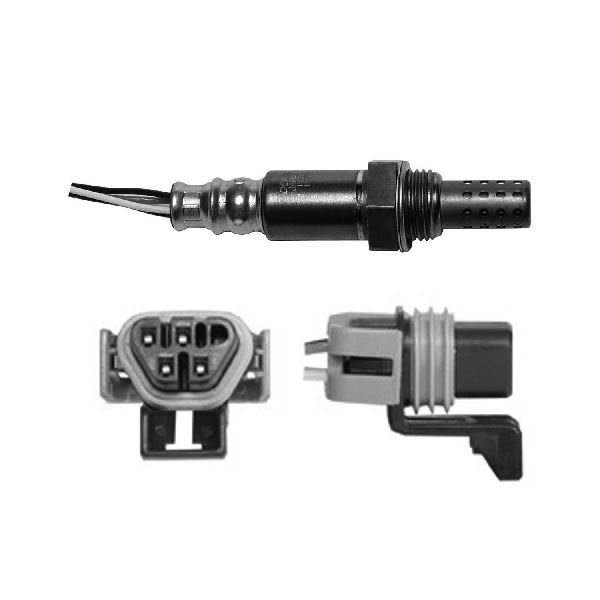
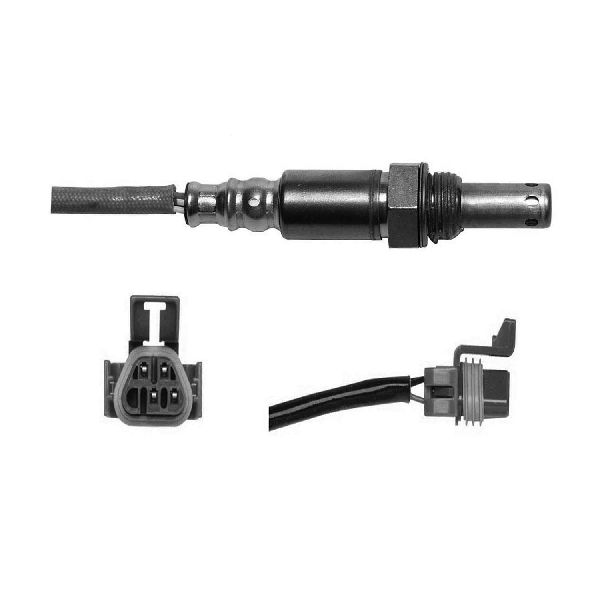
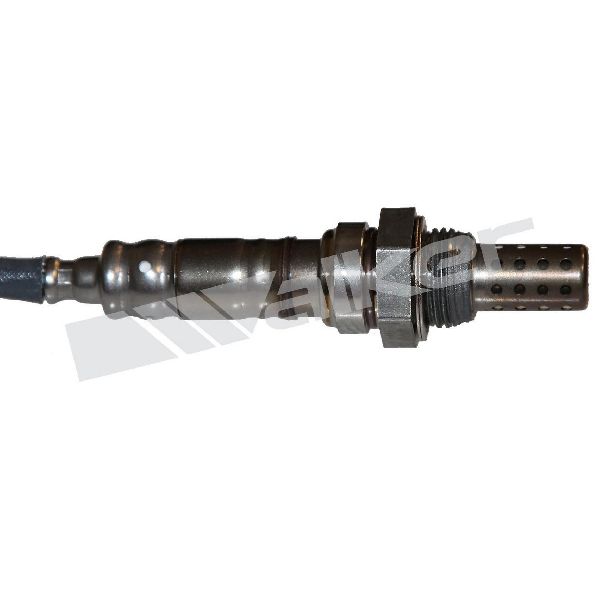
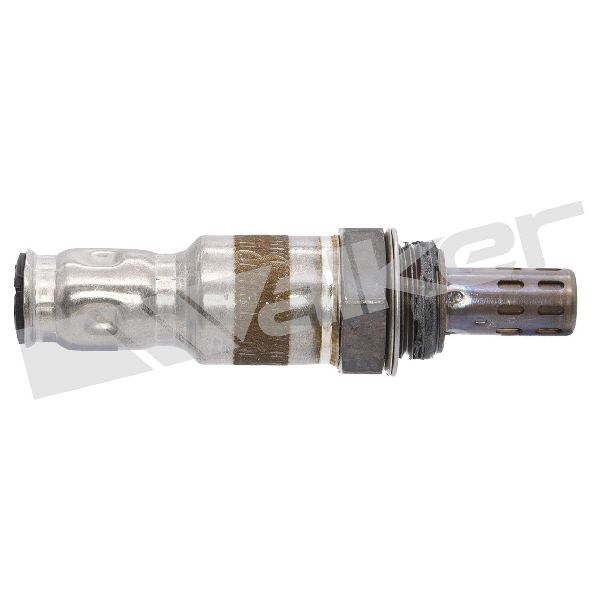
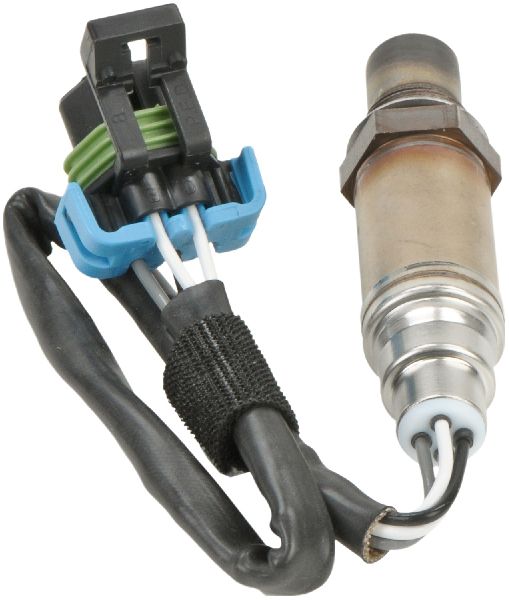
Aftermarket price range: $400-$900 - Downstream Oxygen Sensor (Bank 2, Sensor 2)
(OEM #12656071)— A faulty sensor can send incorrect data, triggering the code. It's a common misdiagnosis but is a necessary check. Some replacement sensors may require special programming or setup procedures.
Trusted brands: ACDelco, Denso, Bosch, NTK
OEM price range: $70-$160
Aftermarket price range: $50-$120
Related Codes That Often Appear With This One
- P0420 — This is the identical code for Bank 1. It's common for both catalytic converters to degrade at a similar rate, causing both codes to appear, especially on high-mileage vehicles.
- P0300-P0308 — These are misfire codes. An engine misfire is a primary cause of catalytic converter failure because it sends raw, unburned fuel into the exhaust, which then superheats and melts the converter's internal structure.
- P0171, P0174 — These codes indicate a lean fuel condition. An exhaust leak upstream of the O2 sensors can cause a lean condition and also trigger a P0430 code.
- P219B — This code indicates a fuel trim imbalance on Bank 2. This condition, often caused by faulty injectors, can lead to converter damage and trigger a P0430 once the primary fuel issue is resolved.
Technical Service Bulletins (TSBs) & Recalls
- PIP3119P: Notes that the P0420/P0430 diagnostic is disabled for the first hour of operation on new vehicles to prevent false codes. Details a drive cycle to perform if a code sets prematurely.
- GM Recall 14152 / 14096B: Addresses fracturing Bank 2 O2 sensors on 2011-2013 models due to condensation and thermal shock, requiring replacement of sensors and an ECM reprogram.
- 16-NA-111: Informs technicians that a poorly sealing air filter housing can cause dirt/debris to bypass the filter, potentially leading to P0420/P0430 codes.
Platform-Specific Known Issues
- A GM Voluntary Emission Recall (#14152 / 14096B, issued in 2014) for 2011-2013 Savana models addressed an issue where condensation could cause the Bank 2 O2 sensors to fracture. The fix involved replacing both Bank 2 sensors (and sometimes Bank 1 Sensor 2) and reprogramming the ECM.
- TSB #PIP3119P notes that on some new GM vehicles, the diagnostic for P0420/P0430 is disabled for the first hour of engine operation to prevent false codes during converter break-in. A battery disconnect during manufacturing could interfere with this, causing a false code.
- TSB #16-NA-111 suggests that a poor seal on the air filter housing can cause dirt ingestion, leading to sensor contamination and potentially triggering P0420/P0430 codes. Technicians are advised to check the airbox seal before replacing expensive components.
Mechanic-Grade Diagnostic Values
- Downstream O2 Sensor (Bank 2, Sensor 2) Voltage — expected: Relatively stable reading between 0.4V and 0.8V at idle/cruise on a warm engine.. Failure: Voltage rapidly fluctuates between ~0.1V and ~0.9V, mimicking the upstream sensor's pattern.
- Short/Long Term Fuel Trim — expected: Within a range of -5% to +5% at idle.. Failure: Consistently high positive or negative numbers (e.g., >10%) indicate a rich or lean condition that must be fixed before replacing a catalytic converter.
- Downstream O2 Sensor Fuel Trim (e.g., STFT B2S2) — expected: This parameter does not exist or is not used for fuel control. Downstream sensors only monitor catalyst efficiency.. Failure: If a scan tool shows a value for this, such as a static 99.2%, it is an anomaly or data misinterpretation by the tool or user. It should not be used for diagnosis.
Wiring & Ground Locations
- G102 & G103 — G102 is on the left rear of the engine; G103 is on the right rear of the engine.. These are primary engine ground points. A poor connection at G103 (Bank 2 side) can cause erratic sensor readings, including from the oxygen sensors, potentially leading to a false P0430 code.
- Engine to Frame Ground Strap — A braided copper strap typically runs from the engine block or cylinder head to the frame. Another is often found at the rear of the transmission.. Ensures the engine, ECM, and chassis share a common ground plane. A corroded or broken strap can create voltage differentials that interfere with sensor signals.
- ECM Location — In the engine compartment on the passenger side, mounted to a bracket near the top of the firewall.. Knowing the location is essential for inspecting the ECM connectors and harness for corrosion, water intrusion, or damage, which could be a rare cause of the code.
Real Owner Repair Stories
- 2CarPros forum user (Vehicle with P0430 (specific model not mentioned, but GM platform)) — Check engine light with P0430. User had already replaced both Bank 2 O2 sensors.
❌ Tried (didn't work) Replacing Bank 2 upstream and downstream O2 sensors.
✅ What actually fixed it The responding mechanic confirmed the user's scan data (downstream O2 sensor switching rapidly like the upstream) pointed to a failed catalytic converter. The advice was to replace the converter but first ensure no underlying rich/lean condition existed by checking fuel trims. The user's confusion over a '99.2' fuel trim reading for the downstream sensor was corrected, as downstream sensors do not provide fuel trim data. - Chevrolet Forum user 'EinST' (Chevy Tahoe with P0430) — Check engine light, rough idle at times.
❌ Tried (didn't work) Checking all sensors from MAF to post-cat O2., Checking for vacuum leaks., Checking plugs and plug wires.
✅ What actually fixed it The user was advised to watch the Bank 2 post-catalyst O2 sensor on a scan tool. After confirming the readings were bouncing back and forth, mirroring the upstream sensor, the user acknowledged the catalytic converter was the failure and the fix was to replace the Y-pipe assembly.
OEM Part Supersession History
Multiple (e.g., 25943820, 23269390)→19420297— Standard part updates and consolidation by GM.N/A→12656071 (Downstream O2 Sensor)— Current specified part for the application.
Heads up: Some documentation for this part states: 'This part requires programming and/or special setup procedures.' This is an unusual requirement for an O2 sensor and may be overlooked, potentially causing the new sensor to not report correctly if the procedure isn't followed.
Model Year Variations Within This Range
- 2012-2014: The 5.3L V8 engine was an available option in the earlier part of this year range but was phased out of the Savana lineup by the 2016 model year.
- 2012-2013: These model years were included in a voluntary emissions recall (#14152) for Bank 2 O2 sensors that could fracture due to condensation, requiring sensor replacement and an ECM reprogram. This makes a faulty O2 sensor a slightly more probable cause for these specific years.
Helpful Videos
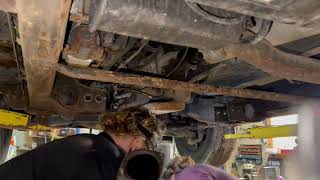
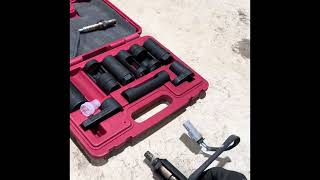
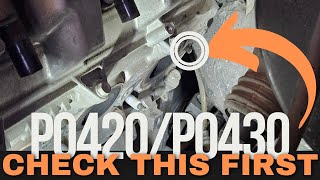
Used OEM Parts in Stock
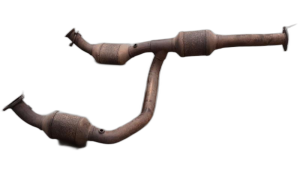
New Aftermarket Parts Available


The information in this article is provided for general reference and educational purposes only. Vehicle specifications, procedures, and part compatibility can vary by production date, trim level, and region. Always consult your vehicle's factory service manual and verify part numbers before purchasing or performing repairs. Safety-critical components such as airbags, seat belts, and braking systems should be installed by a qualified professional.
- Gmc SAVANA:
- 🧭 Diagnostic Flowchart
- 🎬 Helpful Videos
- 🛍️ Shop This Part
- What's Unique About the 2012-2016 Gmc SAVANA
- Symptoms You May Notice
- Most Likely Causes
- Rare But Worth Checking
- Diagnosis Steps
- Parts You'll Likely Need
- Related Codes That Often Appear With This One
- Technical Service Bulletins (TSBs) & Recalls
- Platform-Specific Known Issues
- Mechanic-Grade Diagnostic Values
- Wiring & Ground Locations
- Real Owner Repair Stories
- OEM Part Supersession History
- Model Year Variations Within This Range
- 🎟️ Get 5% Off