

P0430 on 2012-2016 GMC Yukon Denali: Catalyst Efficiency Causes and Fixes
The P0430 code on a 2012-2016 GMC Yukon Denali almost always points to a failing catalytic converter on Bank 2 (passenger side). While an oxygen sensor or exhaust leak could be the cause, the converter itself is the most common failure point, often due to age or contamination from engine oil consumption. Expect to pay $450-$700+ for a new converter and budget for replacing oxygen sensors at the same time.
- P0430 on a Yukon Denali means the passenger-side catalytic converter is inefficient.
- The most likely cause is a worn-out catalytic converter, especially on vehicles with over 100,000 miles.
- Before replacing the expensive converter, rule out a bad downstream (Bank 2, Sensor 2) oxygen sensor and check for exhaust leaks.
- Always fix any engine misfire or fuel mixture codes *before* replacing the catalytic converter to prevent damaging the new part.
- Bank 2 is the passenger side on GM V8 engines.
What's Unique About the 2012-2016 Gmc YUKON DENALI
The 2012-2016 Yukon Denali spans two vehicle generations: the GMT900 (2012-2014) with the 6.2L L94 V8 and the K2UG (2015-2016) with the 6.2L L86 V8. While the P0430 code's meaning is the same, a critical factor in these engines is the Active Fuel Management (AFM) system. AFM systems are known to sometimes lead to increased oil consumption, especially in higher mileage vehicles. This oil burning can contaminate and prematurely destroy the catalytic converters. Therefore, before replacing a converter, it's vital to assess for oil consumption or misfires, as these underlying issues will quickly ruin a new part.
Diagnostic Flowchart
Tap your situation to follow the diagnostic path that matches what you're seeing on this vehicle.
Generation note: This range covers the end of the third generation (2012-2014, GMT900 platform) and the beginning of the fourth generation (2015-2016, K2UG platform). The engines (L94 vs L86) and exhaust systems are different, so ensure you purchase parts specific to your model year. The fundamental diagnostic process for P0430 remains the same for both, but be aware of issues like broken exhaust manifold bolts which are common on the K2UG platform.
Symptoms You May Notice
- Check Engine Light is on
- Reduced engine power and sluggish acceleration, especially if the converter is clogged.
- Decreased fuel economy.
- A sulfur or "rotten egg" smell from the exhaust.
- Failure to pass an emissions test.
- Rattling noise from the exhaust if the internal honeycomb of the converter has broken apart.
- Immediately replacing the catalytic converter without checking for exhaust leaks or testing the oxygen sensors. A broken manifold bolt causing a leak is a common issue and a much cheaper fix.
- Replacing the oxygen sensors when the catalytic converter is truly the part that has failed. Forum discussions frequently warn against this, as the P0430 code is highly indicative of the converter itself.
Most Likely Causes
- Failing Catalytic Converter (Bank 2) 🔴 High Probability → Shop Catalytic Converter Catalytic converters have a finite lifespan and fail from normal wear over time. Consequential failure is very common on these V8s due to unresolved engine issues like misfires or burning oil (sometimes related to the AFM system), which overheat and destroy the internal catalyst materials.
How to confirm: Use a scan tool to graph Bank 2 oxygen sensor data; the downstream sensor (Sensor 2) voltage should be relatively stable and steady, while the upstream (Sensor 1) fluctuates rapidly. If the downstream sensor's graph mirrors the upstream one, the converter has failed. An infrared thermometer can also be used; the outlet of a working converter should be at least 100-150°F hotter than the inlet.
Typical fix: Replace the Bank 2 catalytic converter. It is highly recommended to replace the oxygen sensors at the same time, especially if they are high mileage. Always address the root cause (misfires, oil burning) first.
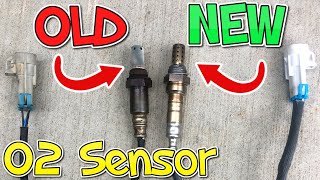
Est. part cost: $450 - $700 - Faulty Oxygen Sensor (Bank 2, Sensor 2) 🟡 Medium Probability → Shop Oxygen Sensor Oxygen sensors are a maintenance item and degrade over time, typically lasting around 100,000 miles. A lazy or biased downstream sensor can send incorrect data to the PCM, falsely indicating a bad converter. However, many forum users report that the P0430 code is almost always the converter itself.
How to confirm: The best way is to graph the sensor's voltage with a scan tool. A healthy downstream sensor should show a steady, slow-switching voltage. If it's stuck or not responding, it's faulty. Swapping the Bank 1 and Bank 2 downstream sensors and seeing if the code changes to P0420 (Bank 1) is another effective diagnostic step.
Typical fix: Replace the Bank 2, Sensor 2 (downstream) oxygen sensor. Consider replacing all four sensors if they are original and have high mileage.
Est. part cost: $40 - $90 - Exhaust System Leak ⚪ Low Probability Exhaust manifold bolts, particularly the rear-most bolts near the firewall, are known to break on these engines, causing a leak between the manifold and the cylinder head. Flange gaskets and pipe welds can also develop leaks over time due to corrosion and heat cycles.
How to confirm: Perform a visual inspection of the exhaust system, looking for black soot marks around the manifold-to-head mating surface or flanges. A ticking noise, especially when the engine is cold, that diminishes as it warms up is a classic sign of a manifold leak. A smoke test is the most definitive way to find small leaks.
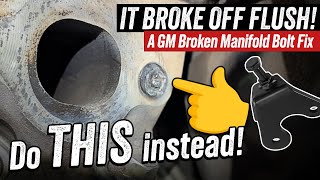
Typical fix: Repair the leak. This may involve replacing a gasket or, in the case of a broken manifold bolt, using a specialized clamp kit (like the Kral KAP169) to reseal the manifold without having to extract the broken bolt.
Est. part cost: $20 - $150
Rare But Worth Checking
- Engine Misfires or Fuel System Issues: These are often the root cause of premature catalytic converter failure. Unburned fuel from a misfire (e.g., from a bad spark plug, wire, or AFM lifter) or a rich running condition will enter the exhaust and overheat the converter, destroying the internal catalyst materials. Always check for and resolve other codes (e.g., P0300-P0308, P0172, P0175) before replacing the converter.
- Incorrect Fuel Trim / Alcohol Content Reading: In some cases, particularly after a battery disconnect or major engine work, the ECU may learn incorrect fuel trim values or an inaccurate fuel alcohol percentage (on FlexFuel models). This can cause a rich condition that leads to a false P0430. A fuel trim reset using a capable scan tool may resolve the issue.
Diagnosis Steps
- Check for any other stored DTCs. Address any misfire, fuel system, or oxygen sensor circuit codes first, as they are likely the root cause.
- Visually inspect the exhaust system. Look for broken bolts on the exhaust manifolds (especially the rear bolts), black soot trails indicating leaks at gaskets, or physical damage to the converter.
- Use a scan tool with live data graphing to observe the voltage of the Bank 2 oxygen sensors (B2S1 and B2S2).
- At a steady 2000-2500 RPM with the engine fully warmed up, the upstream sensor (B2S1) should fluctuate rapidly between ~0.1 and 0.9 volts. The downstream sensor (B2S2) should hold a relatively steady voltage, typically above 0.5-0.6 volts.
- If the B2S2 voltage graph mimics the rapid switching of the B2S1 graph, the catalytic converter is not storing oxygen and has failed.
- If the B2S2 voltage is stuck low (near 0V) or high (near 1V) and doesn't respond, the sensor itself is likely faulty.
- If an exhaust leak is suspected, perform a smoke test or use a shop vacuum in reverse at the tailpipe to push air through the system, then spray soapy water on joints and gaskets to look for bubbles.
- If a new converter was just installed and the code returned, perform the GM drive cycle to force the catalyst monitor to run. This typically involves holding a steady speed of 55 mph for five minutes.
Parts You'll Likely Need
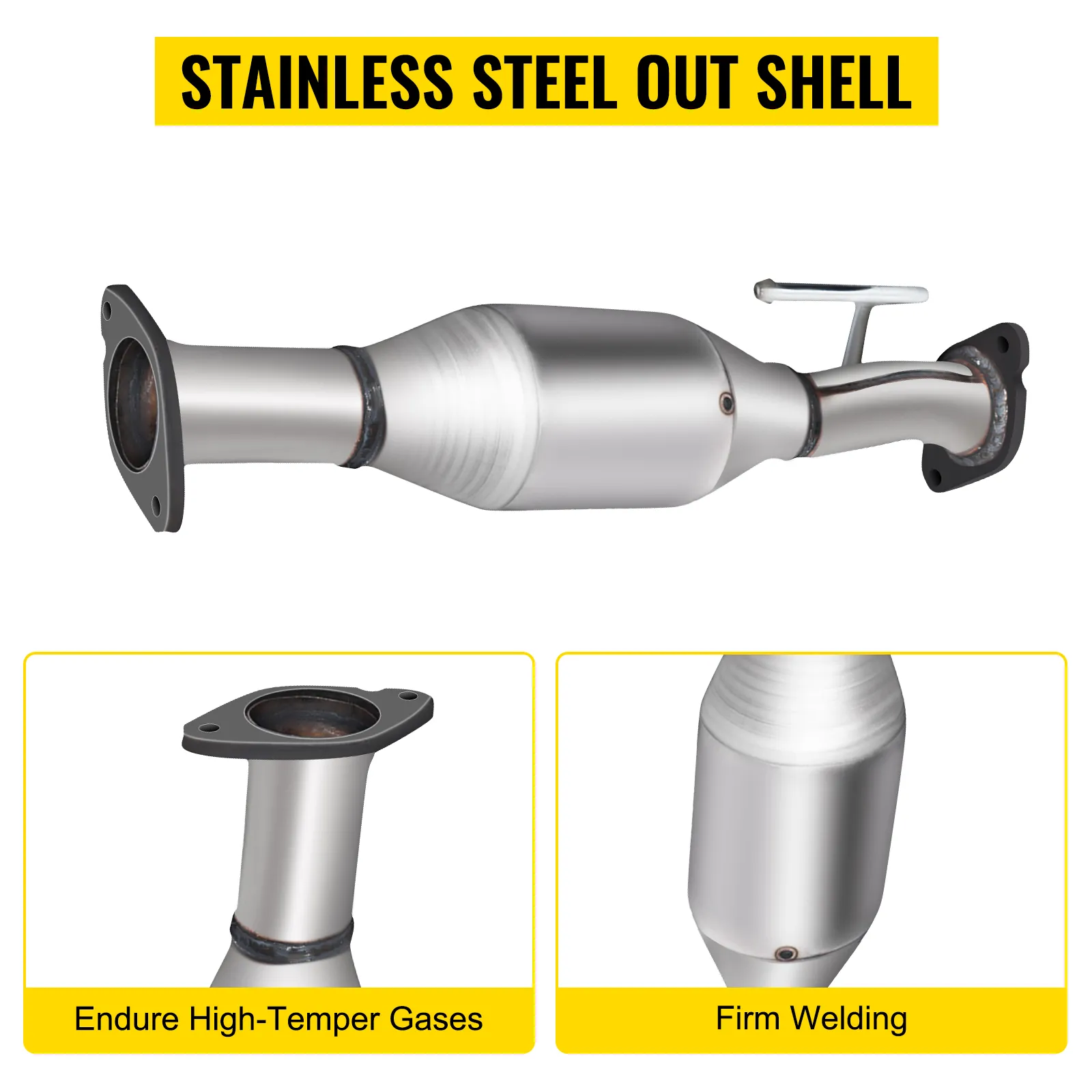
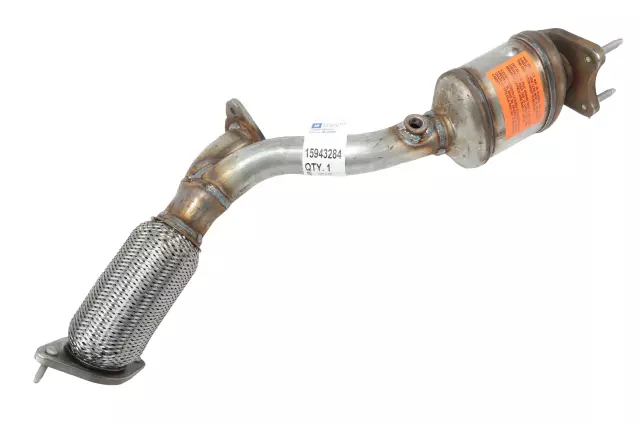
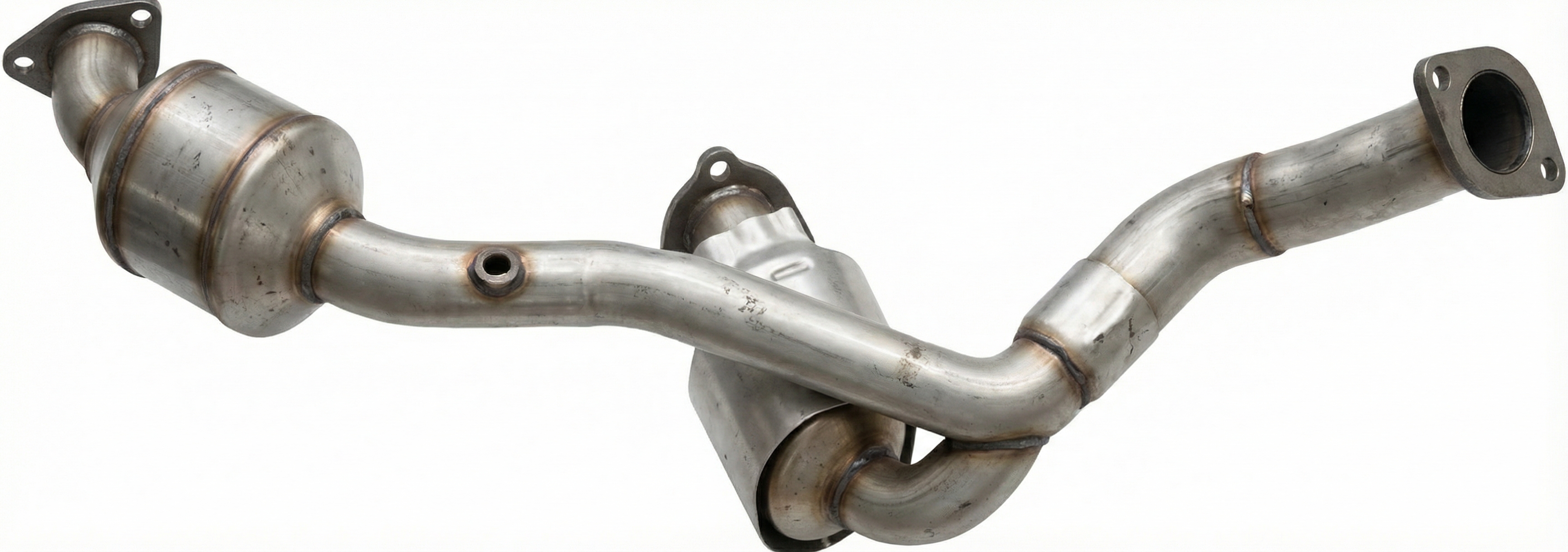
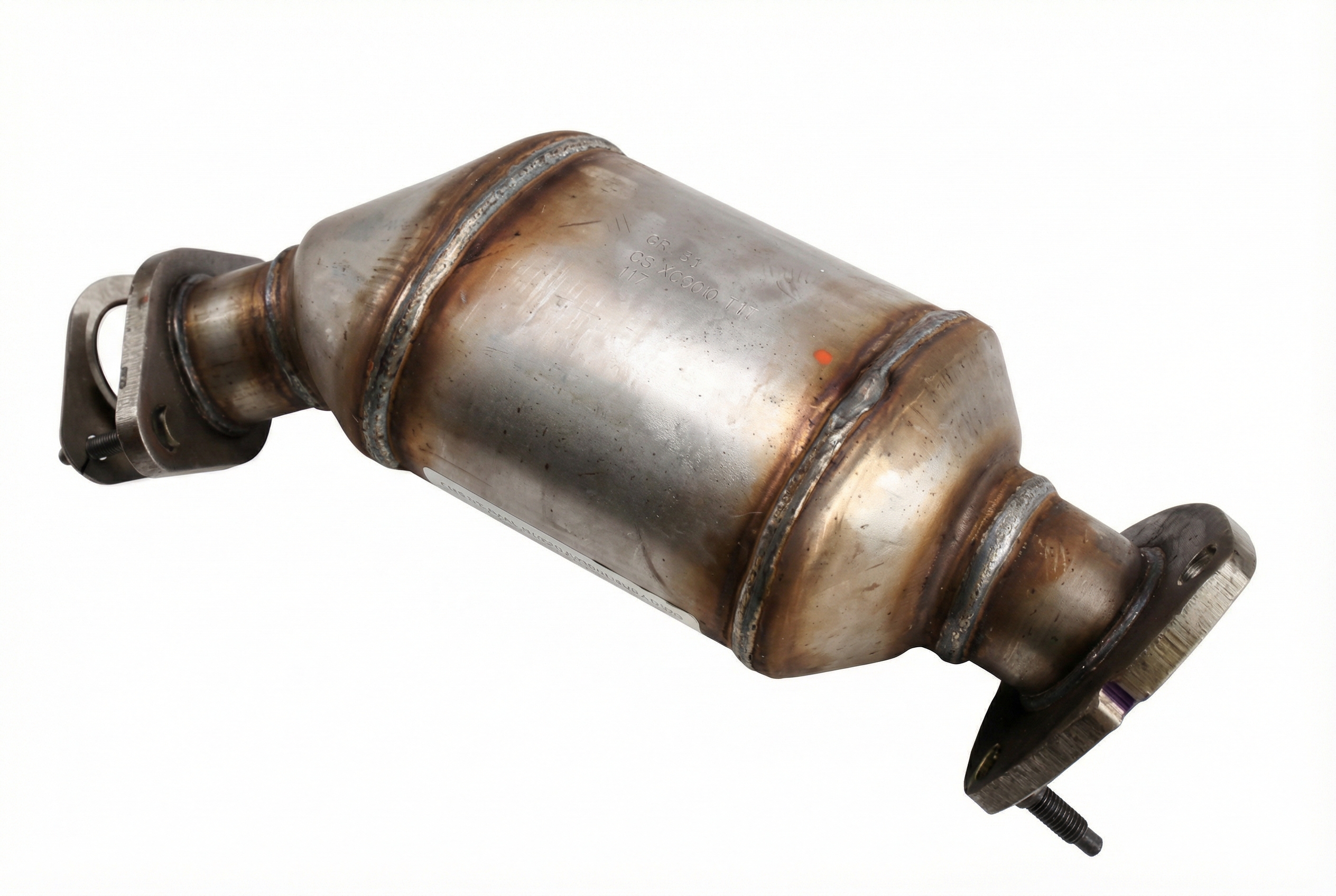
- Bank 2 Catalytic Converter
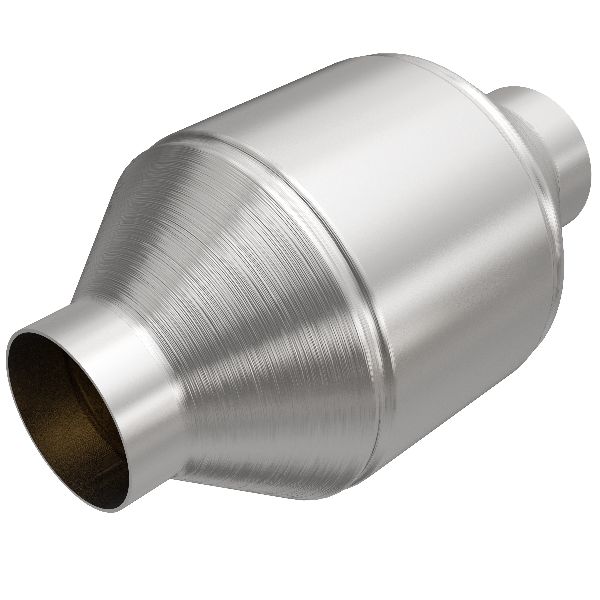
(OEM #e.g., GM 23485742 (for 2015-2016 K2UG models))— This is the most common cause of a P0430 code, as the catalyst material degrades over time or is contaminated, losing its effectiveness.
Trusted brands: ACDelco, Walker Exhaust, MagnaFlow, Eastern Catalytic
OEM price range: $600-$900
Aftermarket price range: $450-$700 - Bank 2, Sensor 2 (Downstream) Oxygen Sensor
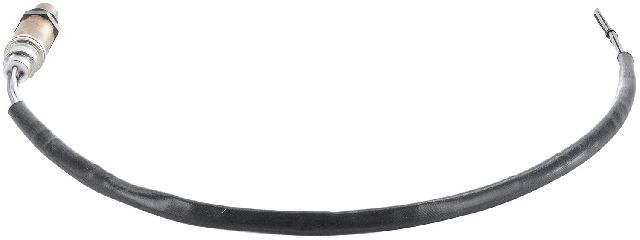
(OEM #ACDelco 213-4229 (GM 12609457) for GMT900 models (2012-2014))— A faulty downstream O2 sensor can send incorrect data, leading to a false P0430 code. It's also recommended to replace this sensor when installing a new catalytic converter due to age and potential contamination.
Trusted brands: ACDelco, Denso, Bosch, NTK
OEM price range: $70-$120
Aftermarket price range: $40-$90 - Exhaust Manifold Gasket — Required when repairing an exhaust leak at the cylinder head, a potential cause for the P0430 code.
Trusted brands: Fel-Pro, ACDelco, Mahle
OEM price range: $25-$40
Aftermarket price range: $15-$30
Related Codes That Often Appear With This One
- P0420 — This is the identical code for Bank 1 (driver's side). If both P0420 and P0430 appear, it may indicate a systemic issue like a fuel control problem, excessive oil consumption affecting both banks, or simply that both converters have reached the end of their service life.
- P0157, P0161 — These are codes related to the Bank 2, Sensor 2 (downstream) oxygen sensor circuit (e.g., low voltage, heater circuit malfunction). If these codes are present, the sensor itself is faulty and must be addressed first, as it is the source of the P0430 reading.
- P0300-P0308 — These are misfire codes (P0300 for random, P0301-P0308 for specific cylinders). A persistent misfire allows unburnt fuel to enter the exhaust, which will quickly damage the catalytic converter. This root cause must be fixed before replacing the converter.
Technical Service Bulletins (TSBs) & Recalls
- PIP3119P: Notes that the diagnostic for P0420/P0430 may be disabled for the first hour of operation on some vehicles, which could be relevant for low-mileage cases.
Platform-Specific Known Issues
- A Technical Service Bulletin (TSB PIP3119P) addresses P0420/P0430 codes appearing on low-mileage vehicles or after a converter replacement. It states that the catalyst monitor is disabled for the first hour of engine run time to allow for a 'break-in' period. If a power loss event occurs or a new converter is installed on a higher-mileage vehicle, the code may set falsely. The fix is to clear the codes and perform a specific highway-speed drive cycle to properly 'season' the new converter.
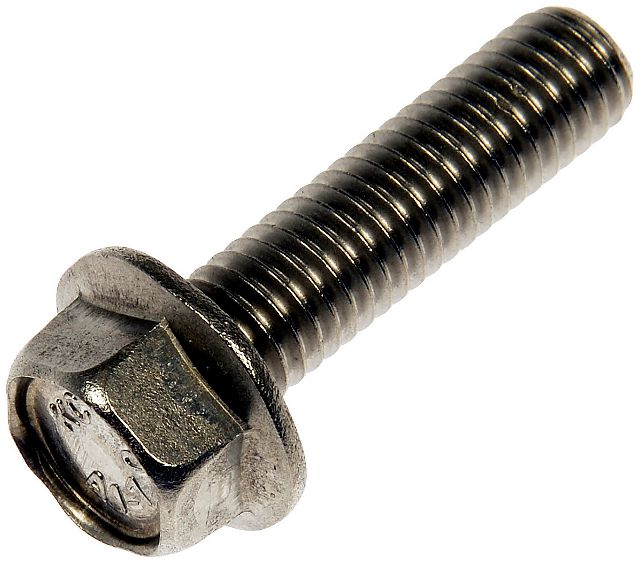
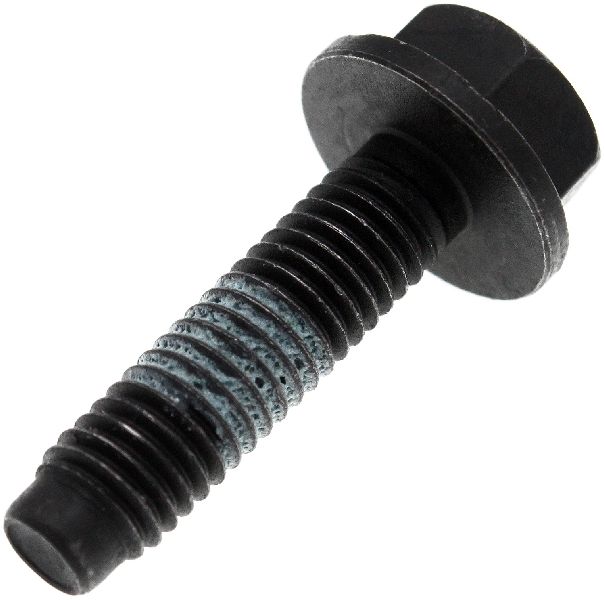
- Broken exhaust manifold bolts are a well-documented issue, especially on the 2015+ K2UG platform. The rear-most bolt is prone to snapping, creating an exhaust leak that can trigger a P0430 code. Repair often involves special brackets to clamp the manifold down without needing to extract the broken bolt.
Mechanic-Grade Diagnostic Values
- Upstream O2 Sensor (B2S1) Voltage — expected: Constantly fluctuating from approximately 100mV to 900mV (0.1V to 0.9V) when in closed loop.. Failure: A slow or non-responsive sensor that does not fluctuate rapidly.
- Downstream O2 Sensor (B2S2) Voltage (Good Catalyst) — expected: Relatively steady voltage, typically above 450mV (0.45V).. Failure: Voltage that rapidly fluctuates, mimicking the upstream sensor's pattern.
- Long Term Fuel Trim (at cruise) — expected: Close to 0%, typically within +/- 5%.. Failure: Consistently high negative values (e.g., -12% to -18%) can indicate a persistent rich condition that can damage the catalytic converter.
- Catalytic Converter Temperature Differential — expected: The outlet pipe should be at least 100-150°F hotter than the inlet pipe on a fully warmed-up engine.. Failure: The outlet temperature is the same as or cooler than the inlet temperature, indicating the catalyst is not working.
Scan Tool Commands That Help
- GDS2/Tech2: Fuel Alcohol Content Reset — Use this function if you suspect the vehicle has incorrectly learned a high ethanol percentage, causing a rich running condition that triggers P0430. This is especially relevant for FlexFuel models after a battery disconnect or if only E85 was used for an extended period and then switched back to regular gasoline.
- GDS2/Tech2 or capable generic scan tool: Catalyst Monitor Test / Drive Cycle — After a repair (like replacing a converter or O2 sensor) or clearing codes, the catalyst monitor must be run to completion to verify the fix. This involves a specific drive cycle, often holding a steady speed of 55 mph for five minutes. A scan tool can show the monitor's readiness status.
Wiring & Ground Locations
- O2 Sensor Fuses — In the under-hood fuse block, on the driver's side of the engine compartment.. Before replacing O2 sensors, it's crucial to check their dedicated fuses. A blown fuse will cause the sensor's heater circuit to fail, leading to incorrect readings and potentially triggering catalyst efficiency codes. For many 2000-2006 models, these are two 15-amp fuses.
Real Owner Repair Stories
- Tahoe Yukon Forum (2007+ FlexFuel GM Truck/SUV) — Persistent P0420 and P0430 codes, surging at cruise speeds.
❌ Tried (didn't work) O2 sensor spacers (defoulers), Cleaning fuel injectors
✅ What actually fixed it The root cause was the vehicle's virtual fuel alcohol sensor algorithm learning an incorrect, high ethanol content, which caused the engine to run excessively rich. This was indicated by very high negative long-term fuel trims (-12% to -18%). The fix is to perform a fuel alcohol content reset with a dealer-level scan tool (like a Tech2 or GDS2).
OEM Part Supersession History
GM 12609457→ACDelco 213-4229— Standard part number update and branding change from GM to ACDelco.
Heads up: This is the direct replacement for the downstream O2 sensor on many 2012-2014 GMT900 platform Yukon/Tahoe models. Always verify fitment with VIN.
Model Year Variations Within This Range
- 2012-2014 (GMT900): These models use the 6.2L L94 V8. The downstream oxygen sensor is commonly part number ACDelco 213-4229 (GM 12609457).
- 2015-2016 (K2UG): These models use the 6.2L L86 V8 with direct injection. The oxygen sensors and catalytic converter part numbers are different from the previous generation. For example, the downstream O2 sensor is GM part number 12657188. Broken exhaust manifold bolts are a more common issue on this platform, which can cause exhaust leaks that trigger P0430.
Helpful Videos
Used OEM Parts in Stock
New Aftermarket Parts Available

The information in this article is provided for general reference and educational purposes only. Vehicle specifications, procedures, and part compatibility can vary by production date, trim level, and region. Always consult your vehicle's factory service manual and verify part numbers before purchasing or performing repairs. Safety-critical components such as airbags, seat belts, and braking systems should be installed by a qualified professional.
- Gmc YUKON DENALI:
- 🧭 Diagnostic Flowchart
- 🎬 Helpful Videos
- 🛍️ Shop This Part
- What's Unique About the 2012-2016 Gmc YUKON DENALI
- Symptoms You May Notice
- Most Likely Causes
- Rare But Worth Checking
- Diagnosis Steps
- Parts You'll Likely Need
- Related Codes That Often Appear With This One
- Technical Service Bulletins (TSBs) & Recalls
- Platform-Specific Known Issues
- Mechanic-Grade Diagnostic Values
- Scan Tool Commands That Help
- Wiring & Ground Locations
- Real Owner Repair Stories
- OEM Part Supersession History
- Model Year Variations Within This Range
- 🎟️ Get 5% Off