

P0430 on 2004-2009 Hummer H2: Catalyst Efficiency Fixes (Bank 2)
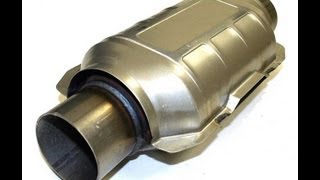
On a 2004-2009 Hummer H2, code P0430 almost always means the passenger-side (Bank 2) catalytic converter is failing. While an O2 sensor or exhaust leak is possible, the converter itself is the most common failure point. Owners on forums confirm this is the most frequent cause. Expect to pay $350-$700 for a high-quality aftermarket part, as new OEM parts are expensive and sometimes hard to source.
- P0430 on a Hummer H2 points to a problem with the passenger-side (Bank 2) catalytic converter.
- The most likely cause is a failed catalytic converter, which is a difficult and expensive repair on this vehicle.
- Before replacing the expensive converter, rule out a bad downstream O2 sensor or an exhaust leak.
- If you replace the converter, be aware of the special break-in procedure mentioned in GM's service bulletin to avoid a false code returning.
- Due to high ground clearance, H2s are targets for catalytic converter theft, which can also lead to this code if the part is missing.
What's Unique About the 2004-2009 Hummer H2
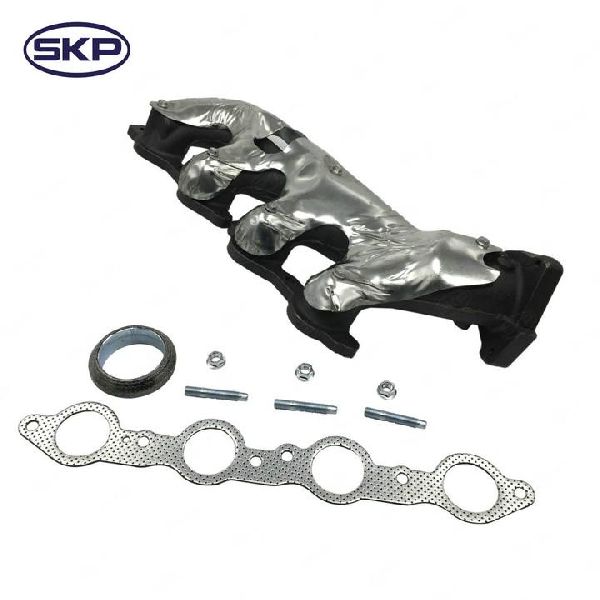
The Hummer H2, with its large 6.0L or 6.2L V8 engine, places a high thermal and chemical load on its catalytic converters. For the 2003-2007 models with the 6.0L engine, the catalytic converter is often integrated with the exhaust manifold, making replacement a more complex job due to the high likelihood of rusted and broken manifold bolts. Furthermore, GM issued a Technical Service Bulletin (PIP3119K) covering these vehicles, noting that on new or recently replaced converters, the P0430 code might set falsely before the converter has had a chance to properly "break-in". This indicates a sensitivity in the diagnostic system for this specific platform and requires a specific drive cycle to be performed after replacement to prevent a false code.
Diagnostic Flowchart
Tap your situation to follow the diagnostic path that matches what you're seeing on this vehicle.
Generation note: The 2004-2009 year range covers two engine versions: the 6.0L LQ4 V8 (2004-2007) and the 6.2L L92 V8 (2008-2009). While the P0430 code's meaning is the same for both, the specific catalytic converter and exhaust manifold parts differ. The integrated manifold/converter design is primarily associated with the earlier 6.0L models. The 6.2L models have a different exhaust configuration.
Symptoms You May Notice
- Check Engine Light is on.
- Sluggish performance and poor acceleration, especially if the converter is clogged.
- Decreased fuel economy.
- A sulfur or "rotten egg" smell from the exhaust, caused by unburned fuel reacting in a failing converter.
- Rattling noises from under the vehicle if the converter's internal honeycomb structure has broken apart.
- An audible exhaust leak 'ticking' sound, especially when the engine is cold, which could be from broken manifold bolts—a common related issue.
- Immediately replacing the oxygen sensors without confirming they are faulty. While O2 sensors can cause this code, the catalytic converter itself is the more frequent culprit on the H2. One owner on a forum replaced the sensor first, only to find the converter was the real issue.
Most Likely Causes
- Failing Catalytic Converter (Bank 2) 🔴 High Probability → Shop Catalytic Converter The large 6.0L/6.2L V8 engines produce a high volume of exhaust, and converters degrade over time from age and heat cycles. Low-quality aftermarket converters are known to fail quickly on these large engines. Forum discussions overwhelmingly point to the converter itself being the culprit.
How to confirm: Use an infrared thermometer to check temperatures before and after the converter; a good converter should be at least 100°F hotter on the outlet side. A professional can perform an exhaust backpressure test. If the internal substrate is broken, it may rattle when tapped.
Typical fix: Replace the Bank 2 (passenger side) catalytic converter. Due to the integrated manifold design on 6.0L models, this is a complex job that often involves dealing with broken exhaust manifold bolts.
Est. part cost: $350-$1100 - Faulty Downstream Oxygen (O2) Sensor 🟡 Medium Probability → Shop Oxygen Sensor O2 sensors are wear items and can fail over time, sending inaccurate readings to the ECM that mimic a bad converter. However, it's less common for a sensor to fail in a way that sets a P0430 code than for the converter itself to be bad.
How to confirm: Use a scan tool to graph the voltage of the downstream O2 sensor (Bank 2, Sensor 2). A healthy sensor on a good converter will show a relatively steady voltage. If it switches rapidly like the upstream sensor, the converter has failed. 🎬 Watch: A professional guide to diagnosing P0420 and P0430 codes If the voltage is stuck or unresponsive, the sensor itself is likely faulty.
Typical fix: Replace the Bank 2, Sensor 2 (downstream) oxygen sensor. It is often recommended to replace O2 sensors when replacing a catalytic converter.
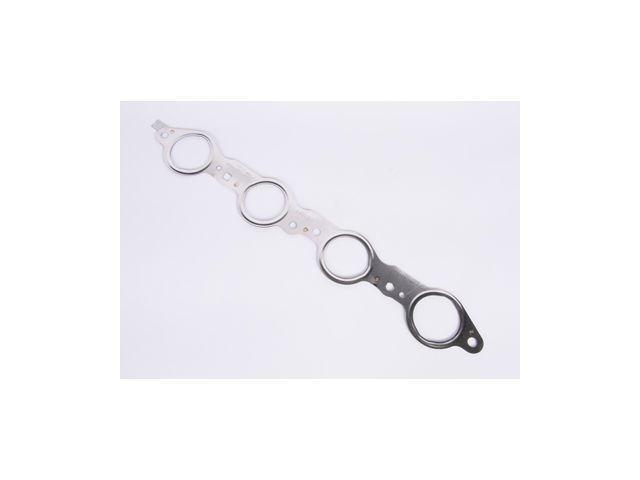
Est. part cost: $50-$100 - Exhaust Leak ⚪ Low Probability Rust and thermal stress frequently cause the rear-most exhaust manifold bolts to break on the 6.0L V8, creating a leak between the cylinder head and the manifold. 🎬 See how to handle common broken exhaust manifold bolts This leak can introduce oxygen into the exhaust stream before the O2 sensors, skewing their readings and potentially triggering a P0430 code.
How to confirm: Visually inspect the exhaust system, especially the manifold-to-head connection, for black soot marks. Listen for a distinct ticking sound from the engine bay that may quiet down as the engine warms up and the metal expands.
Typical fix: Replace the leaking gasket and any broken manifold bolts. This can be a very difficult repair requiring drilling and extracting the broken bolts. Some aftermarket clamps exist as a workaround.
Est. part cost: $20-$200
Rare But Worth Checking
- Engine Misfire or Fuel System Issue: An unresolved engine issue (like a misfire, faulty fuel injector, or incorrect fuel pressure) can dump unburned fuel into the exhaust, overheating and rapidly destroying even a brand-new catalytic converter. Always resolve other engine codes (like P030x, P0171, P0174) before replacing the converter.
Diagnosis Steps
- Check for other DTCs. Resolve any misfire (P0300-P0308), fuel trim (P0171, P0174), or O2 sensor circuit codes first, as these can damage a new converter.
- Visually inspect the Bank 2 (passenger side) exhaust system for any signs of leaks. Pay close attention to the exhaust manifold for signs of broken bolts (soot trails, audible ticking).
- Use a scan tool to observe the live data for the Bank 2 oxygen sensors. The upstream sensor (Sensor 1) should fluctuate rapidly between approximately 0.1V and 0.9V. The downstream sensor (Sensor 2) should show a much steadier, flatter voltage, typically above 0.5V.
- If the downstream sensor mimics the upstream sensor's rapid switching, it confirms the catalytic converter is not storing oxygen and has failed.
- If the downstream sensor's voltage is stuck high or low and does not respond, the sensor itself is the likely problem.
- If no definitive conclusion can be made from sensor data, use an infrared temperature gun to measure the inlet and outlet pipes of the catalytic converter after the engine is fully warmed up. The outlet should be at least 100°F hotter than the inlet. If it's not, the converter is not working.
- If replacing the converter, perform the GM break-in procedure described in TSB PIP3119K to prevent the code from returning falsely.
Parts You'll Likely Need
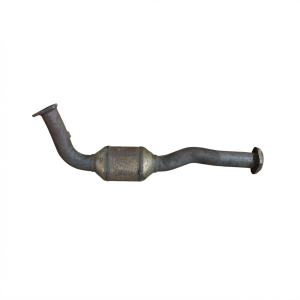
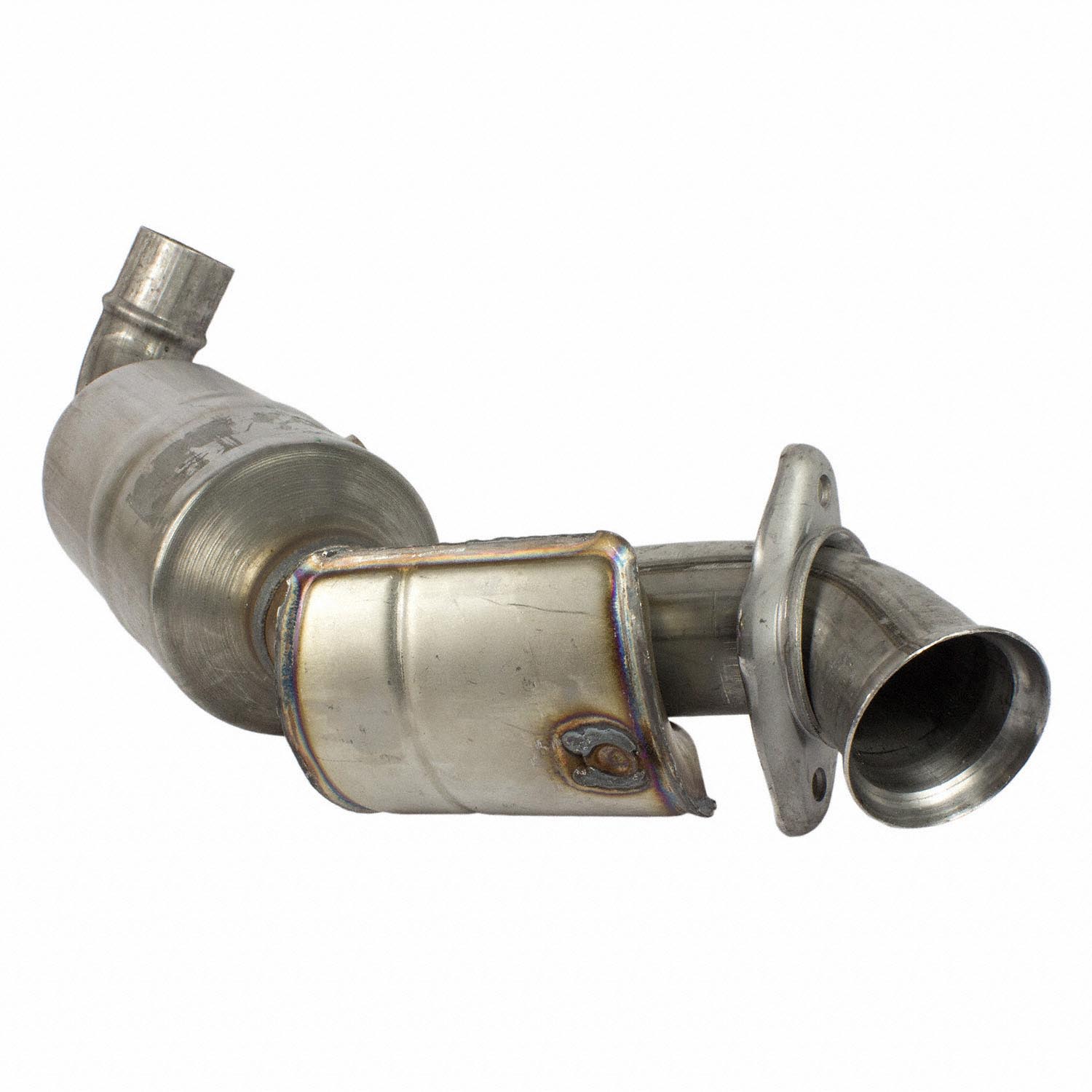
- Catalytic Converter (Bank 2, Passenger Side)
(OEM #15804783 (For 2007-2009 6.2L models, often includes pipe))— This is the most common cause of P0430. The original GM part is often expensive or discontinued, making high-quality aftermarket parts the primary option. A Hummerforums.com user reported a dealer quote of $2100 for a factory part and opted for a MagnaFlow direct-fit replacement.
Trusted brands: Walker Exhaust, MagnaFlow, ACDelco (if available)
OEM price range: $700-$1800+
Aftermarket price range: $350-$1100 - Downstream Oxygen Sensor (Bank 2, Sensor 2)
(OEM #12572705, 12589321, 12609456, 19209808 (GM numbers that may apply))— This sensor is the second most likely cause and is often replaced as a preventative measure during converter replacement. Soaking the old sensor in penetrating oil is highly recommended as they are often seized in the exhaust pipe.
Trusted brands: ACDelco, Denso, Bosch
OEM price range: $80-$150
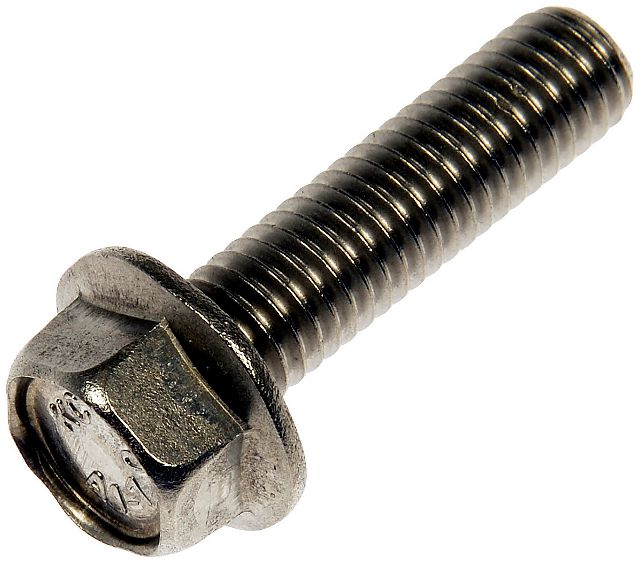
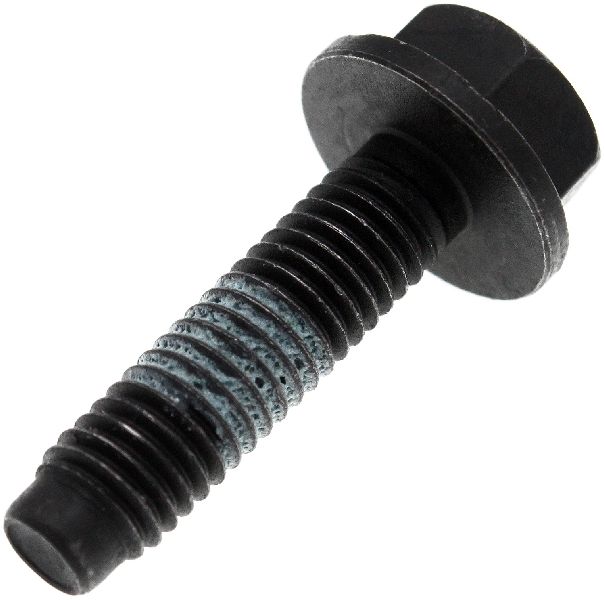
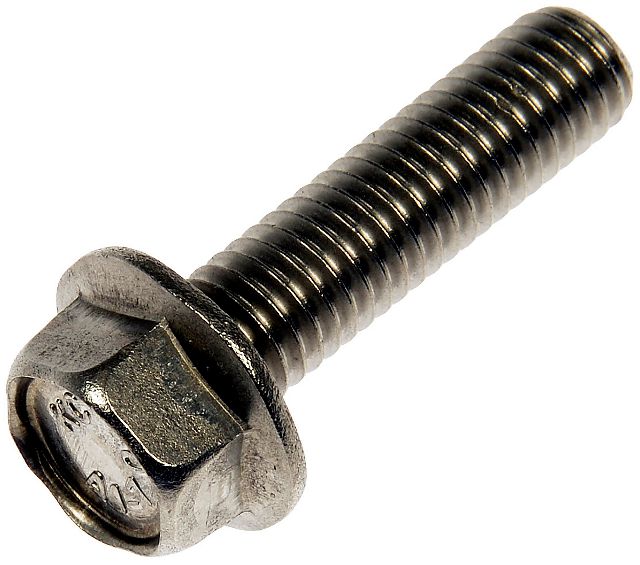
Aftermarket price range: $50-$100 - Exhaust Manifold Bolt Kit
(OEM #GM 11547135 (Bolts))— If an exhaust leak at the manifold is the cause, or if replacing an integrated manifold/converter assembly, new bolts are required. Broken bolts are extremely common on the 6.0L engine.
Trusted brands: GM, Dorman, ARP (performance upgrade)
OEM price range: $5-$10 per bolt
Aftermarket price range: $20-$50 for a set
Related Codes That Often Appear With This One
- P0420 — P0420 is the identical code for Bank 1 (driver's side). If both converters are of similar age and condition, they may fail around the same time.
Technical Service Bulletins (TSBs) & Recalls
- PIP3119N
- PIP3119K
- PIP3119P
Platform-Specific Known Issues
- The catalytic converter on 2003-2007 models is often integrated into the exhaust manifold, making replacement difficult due to the high risk of breaking the rear-most manifold bolts, which requires extensive labor to extract.
- Per TSB PIP3119K, the diagnostic for P0420/P0430 is disabled for the first hour of engine run time on new vehicles. A code may set on a new or replaced converter if a specific break-in drive cycle is not performed to allow the converter matting to out-gas properly.
Mechanic-Grade Diagnostic Values
- Fuel Pressure (6.0L LQ4 Engine) — expected: 385-425 kPa (55-62 psi) with Key On, Engine Off.. Failure: Significantly lower pressure can indicate a weak fuel pump; higher pressure could indicate a faulty regulator. This can affect the air/fuel mixture and damage the converter.
- Catalyst Monitor Enabling Criteria (General GM) — expected: A specific set of conditions must be met, including: ECT between 170°F-230°F, engine load 15-35%, inferred catalyst temp 850°F-1200°F, and steady cruising.. Failure: If these conditions are not met during a drive cycle, the catalyst monitor will not run, and readiness status will remain 'incomplete'.
- Mode $06 Catalyst Test — expected: Using a capable scan tool, look for Test ID $04, Component ID $30 (for Bank 2). The tool will display a value and a pass/fail status based on the manufacturer's min/max thresholds.. Failure: A 'Fail' status for this specific test is a strong confirmation from the PCM that it has detected low catalyst efficiency.
Scan Tool Commands That Help
- Tech 2 / GDS2: Clear DTCs & Catalyst Break-In Drive Cycle — Immediately after replacing a catalytic converter to prevent a false P0420/P0430 code, as per TSB PIP3119P. After clearing codes, a specific drive cycle must be performed.
- Tech 2 / GDS2: IPC Data Display / Data 1 List - Engine Hour Meter — On a new or low-mileage vehicle with P0430, this is used to verify if the engine has run for more than one hour. If less than an hour, the code may be false due to a power loss event, per TSB PIP3119P.
Wiring & Ground Locations
- G103 — On the right rear (passenger side) of the engine block or cylinder head.. This is a primary engine ground point. A poor connection at G103 can cause erratic behavior and incorrect readings from multiple sensors connected to the ECM, potentially including the oxygen sensors.
- O2 B Fuse — In the underhood fuse block.. This 15A fuse supplies power to the heater circuits for both downstream (after-cat) oxygen sensors. If this fuse is blown, the Bank 2 Sensor 2 heater will not operate, which can affect sensor readings and potentially set heater circuit codes or contribute to the P0430.
- ECM Connector X1 (2008-2009 6.2L L92) — At the Engine Control Module (E38).. Damage to the O2 sensor signal wires can cause incorrect readings. On the 6.2L, the wires for Bank 1 Sensor 2 are at pins 10 (High Signal) and 11 (Low Signal). Bank 2 wires will be at different pins, but this confirms they run directly to the ECM, making wiring integrity critical.
Real Owner Repair Stories
- Hummer Forums user (2008 Hummer H2) — Check Engine Light on after an animal chewed through wiring to the passenger side O2 sensors and starter.
❌ Tried (didn't work) The owner initially repaired the damaged wires by patching in new sections.
✅ What actually fixed it The wire colors (purple and tan) were identical for both the upstream and downstream O2 sensors on Bank 2. The owner had inadvertently crossed the signal wires between the two sensors. After consulting a wiring diagram and swapping the purple wires to their correct pins, the code was resolved. - YouTube Creator '5.3 Broken Exhaust Manifold Bolt Fix' (GM Truck with 5.3L V8 (same engine family and issue as 6.0L H2)) — Audible exhaust 'ticking' noise, especially on a cold start, with visible carbon soot around the rear of the exhaust manifold.
❌ Tried (didn't work) The owner noted that drilling and extracting the broken rear bolt is nearly impossible with the engine in the vehicle due to firewall clearance.
✅ What actually fixed it An aftermarket exhaust manifold bolt repair clamp (similar to Dorman or Kral brands) was installed. The bracket bolts to unused holes in the cylinder head and uses a jackscrew to apply pressure to the manifold, clamping it against the head and sealing the leak without needing to remove the broken bolt. The fix completely eliminated the exhaust tick.
"I Checked Everything" — The Actual Cause
- A P0430 code can appear on a vehicle with a recently replaced catalytic converter even if there are no exhaust leaks or sensor faults. The root cause, as identified in GM TSB PIP3119P, is the lack of a proper 'break-in' period for the new converter. The PCM's catalyst efficiency diagnostic is normally disabled for the first hour of engine run time on a new vehicle to allow the converter's internal matting to out-gas. On a vehicle that is no longer new, this protection is gone. If a specific drive cycle (25-30 minutes at highway speed, followed by a 1-minute shutdown, then 10-15 more minutes at highway speed) is not performed after installation, the converter may not be fully effective, leading to a false P0430 code that standard diagnostics would miss.
OEM Part Supersession History
PIP3119N→PIP3119P— Updated to include newer model years.
Model Year Variations Within This Range
- 2004-2007 (6.0L LQ4): These models use a return-style fuel system with an external, vacuum-operated fuel pressure regulator located on the fuel rail. Fuel pressure is 55-62 psi.
- 2008-2009 (6.2L L92): These models use a returnless fuel system where the fuel pressure regulator is integrated into the in-tank fuel pump module. They also use a more advanced E38 Engine Control Module (ECM), which has different wiring pinouts than the earlier models.
Helpful Videos
Used OEM Parts in Stock
New Aftermarket Parts Available


The information in this article is provided for general reference and educational purposes only. Vehicle specifications, procedures, and part compatibility can vary by production date, trim level, and region. Always consult your vehicle's factory service manual and verify part numbers before purchasing or performing repairs. Safety-critical components such as airbags, seat belts, and braking systems should be installed by a qualified professional.
- Hummer H2:
- 🧭 Diagnostic Flowchart
- 🎬 Helpful Videos
- 🛍️ Shop This Part
- What's Unique About the 2004-2009 Hummer H2
- Symptoms You May Notice
- Most Likely Causes
- Rare But Worth Checking
- Diagnosis Steps
- Parts You'll Likely Need
- Related Codes That Often Appear With This One
- Technical Service Bulletins (TSBs) & Recalls
- Platform-Specific Known Issues
- Mechanic-Grade Diagnostic Values
- Scan Tool Commands That Help
- Wiring & Ground Locations
- Real Owner Repair Stories
- "I Checked Everything" — The Actual Cause
- OEM Part Supersession History
- Model Year Variations Within This Range
- 🎟️ Get 5% Off