

P0430 on 2006-2010 Hyundai Sonata 3.3L V6: Catalyst Efficiency Fixes
This code means the catalytic converter for Bank 2 (front, near radiator) is failing. While the converter itself is the most common cause, it's wise to first rule out a cheaper, faulty downstream oxygen sensor or an exhaust leak, as these can also trigger the code. A known issue is a leaking front valve cover gasket dripping oil on the O2 sensor wiring, which should be checked first.
- P0430 on this Sonata points to a failing catalytic converter on Bank 2, the cylinder bank near the radiator.
- Before spending hundreds on a new converter, always test the downstream (Sensor 2) oxygen sensor. A faulty sensor is a common misdiagnosis and a much cheaper fix.
- Check for exhaust leaks between the two O2 sensors and inspect the Bank 2 O2 sensor wiring for oil contamination from a leaking valve cover gasket.
- If other codes are present, especially for engine misfires, fix those problems first to avoid damaging a new catalytic converter.
What's Unique About the 2006-2010 Hyundai Sonata
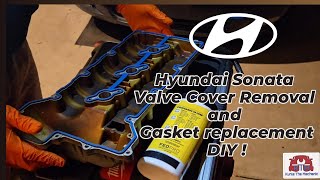
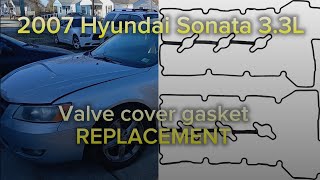
The 2006-2010 Sonata (NF generation) with the 3.3L V6 is generally reliable, but as these vehicles age, catalyst inefficiency is a common issue. Bank 2 is located at the front of the engine bay, making the associated catalytic converter and oxygen sensors significantly easier to access than Bank 1, which is tucked against the firewall. A notable and widely discussed issue on this engine is a leaking front valve cover gasket, 🎬 Watch: Step-by-step front valve cover gasket replacement guide. which can drip oil directly onto the Bank 2 oxygen sensor wiring and connector. This can cause sensor faults (like P0153 or P0057) or damage that can be misdiagnosed as a more expensive converter problem.
Symptoms You May Notice
- Check Engine Light is on
- Failed emissions test
- Reduced fuel economy
- Sluggish acceleration or lack of power (if converter is clogged)
- Sulfur or "rotten egg" smell from the exhaust
- Rattling noise from exhaust if the converter's internal honeycomb has broken apart
- Immediately replacing the catalytic converter without testing the oxygen sensors. A faulty O2 sensor is a cheaper fix and a common cause, though many forum users report that replacing sensors alone did not fix the code, indicating the converter was indeed the problem.
- Replacing the upstream (Sensor 1) oxygen sensor. While it can be a contributing factor, the downstream (Sensor 2) sensor is the primary monitor for converter efficiency and a more likely cause if a sensor is at fault.
Most Likely Causes
- Failed Catalytic Converter (Bank 2) 🔴 High Probability → Shop Catalytic Converter Catalytic converters have a finite lifespan and fail due to age, mileage, and contamination. On high-mileage Sonatas, this is the most frequent root cause for a persistent P0430 code when no other codes are present.
How to confirm: Use a scan tool to monitor live O2 sensor data. If the Bank 2 downstream sensor (Sensor 2) voltage switches rapidly, mirroring the upstream sensor (Sensor 1), the converter is not working. A healthy downstream sensor shows slow, relatively steady voltage above 0.5V.
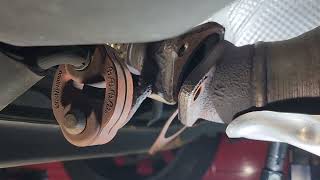
Typical fix: Replace the Bank 2 manifold catalytic converter. This is the converter assembly attached to the front exhaust manifold. 🎬 Watch this walkthrough for replacing the front catalytic converter.
Est. part cost: $200-$500 for an aftermarket direct-fit unit. - Failed Downstream Oxygen Sensor (Bank 2, Sensor 2) 🟡 Medium Probability → Shop Oxygen Sensor Oxygen sensors can become lazy, biased, or contaminated with age, sending incorrect data to the ECM and falsely triggering a catalyst code. Oil from a leaking valve cover can also damage the sensor or its wiring.
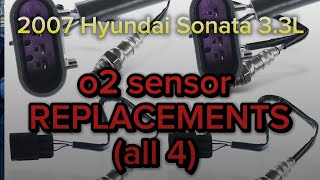
How to confirm: Observe live data; a faulty sensor may have a flatlined, stuck, or very slow-to-respond voltage. The easiest confirmation is to swap the downstream sensors between Bank 1 and Bank 2. 🎬 See how to access and replace all four oxygen sensors. If the code changes to P0420 (Bank 1), the sensor is confirmed bad.
Typical fix: Replace the Bank 2, Sensor 2 (downstream) oxygen sensor. It is located after the catalytic converter on the front bank.
Est. part cost: $50-$120 - Exhaust System Leak ⚪ Low Probability Corrosion can cause leaks at manifold gaskets or flex pipes, especially in areas with road salt. The NF Sonata platform was subject to recalls for subframe corrosion, indicating a susceptibility to rust.
How to confirm: Visually inspect the exhaust from the engine to the downstream O2 sensor for cracks or black soot trails. A smoke test is the most effective way to find small leaks. The leak must be between the upstream and downstream sensors to allow outside oxygen to enter and skew sensor readings.
Typical fix: Replace the leaking gasket or repair/replace the leaking section of the exhaust pipe.
Est. part cost: $20-$100 for gaskets or minor pipe repair. - Engine Performance Issues ⚪ Low Probability Persistent engine misfires or a rich running condition (e.g., from a leaking fuel injector) can send unburnt fuel into the exhaust, which superheats and destroys the catalytic converter's internal structure over time.
How to confirm: Check for other diagnostic trouble codes, especially misfire codes (P0300, P0302, P0304, P0306) or fuel trim codes (P0172, P0175). Address these codes first before condemning the converter.
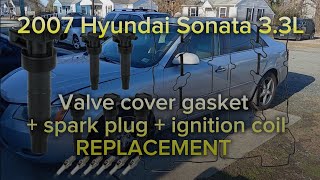
Typical fix: Repair the underlying cause of the misfire or rich condition (e.g., replace spark plugs, ignition coils, or fuel injectors).
Est. part cost: $50-$400 depending on the root cause.
Rare But Worth Checking
- Leaking Front Valve Cover Gasket: → Shop Engine Valve Cover A widely documented issue on the 3.3L V6 is the front valve cover gasket leaking oil directly onto the Bank 2 O2 sensor wiring harness and connector. This can damage the wiring or sensor, leading to incorrect readings that trigger P0430. Always inspect this area before replacing parts. A Reddit user on r/Cartalk specifically asked if their oil leak could cause the P0430 code.
Diagnosis Steps
- Check for any other DTCs. If misfire (P030x) or fuel system (P017x) codes are present, diagnose and repair them first, as they can cause converter damage.
- Visually inspect the Bank 2 (front) exhaust manifold, flex pipe, and gaskets for any obvious leaks. Look for cracks, rust holes, or black soot trails indicating a breach.
- Thoroughly inspect the Bank 2 O2 sensor wiring and connector for oil saturation from a potential valve cover gasket leak. If oil is present, the gasket must be replaced, and the sensor and wiring cleaned or replaced.
- Use a scan tool to view live data for the Bank 2 oxygen sensors at operating temperature. The upstream sensor (B2S1) voltage should fluctuate rapidly between ~0.1V and ~0.9V. The downstream sensor (B2S2) voltage should be relatively stable and steady (e.g., >0.5V).
- If the B2S2 voltage is mirroring the B2S1 voltage's rapid switching, the catalytic converter has failed and needs replacement.
- If the B2S2 voltage is flat, stuck, or very slow to respond, the sensor itself is likely faulty.
- As a definitive test, swap the downstream O2 sensors between Bank 1 (rear) and Bank 2 (front). Clear the codes and drive the vehicle. If the code returns as P0430, the Bank 2 converter is bad. If the code changes to P0420, the O2 sensor you moved is bad.
- Check fuel trims. Long-term fuel trims should be within +/- 8%. High positive trims could indicate an exhaust or vacuum leak, while high negative trims could indicate a leaking injector, contributing to converter failure.
Parts You'll Likely Need
- Manifold Catalytic Converter (Bank 2)
(OEM #28610-3L150 (Note: This part number may have been superseded. Always verify with VIN.))— This is the most common and direct fix for a confirmed catalyst efficiency failure on Bank 2.
Trusted brands: Walker, MagnaFlow, AP Exhaust, Eastern Catalytic
OEM price range: $1200-$1800
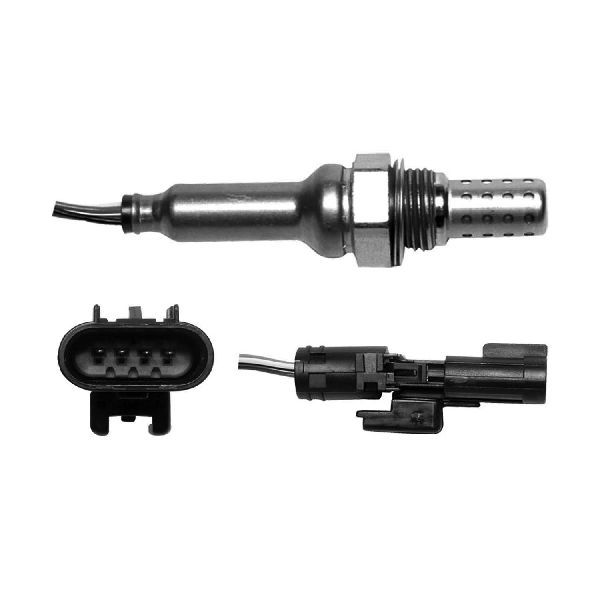
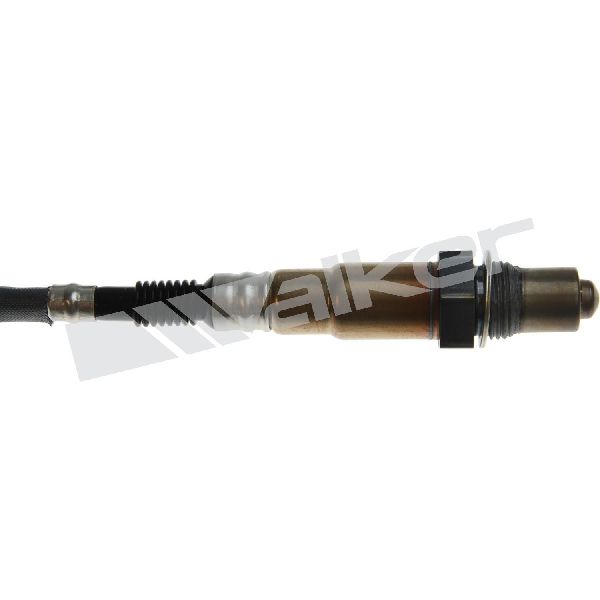
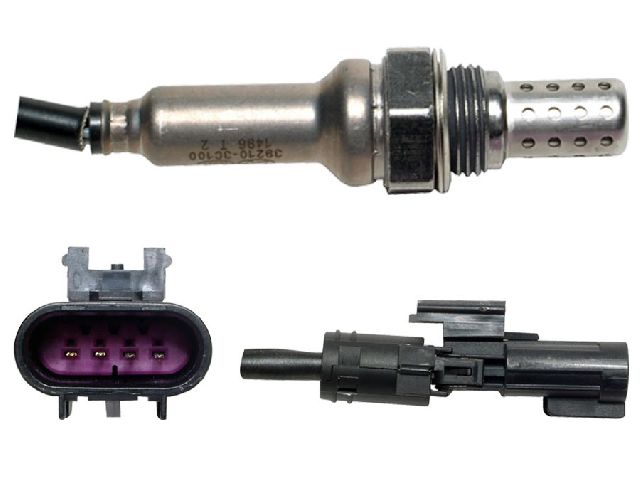
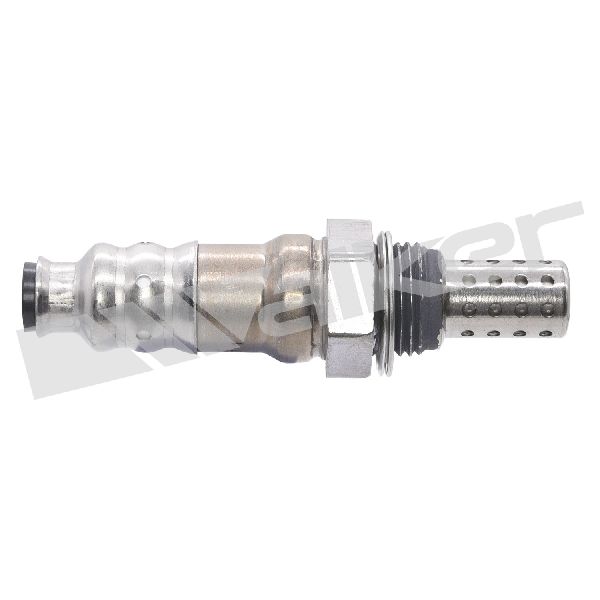
Aftermarket price range: $200-$500 - Downstream Oxygen Sensor (Bank 2, Sensor 2)
(OEM #39210-3C200)— A faulty downstream sensor can send incorrect data, falsely triggering the P0430 code. It's a common point of failure and should be tested before replacing the expensive converter.
Trusted brands: Denso, NGK/NTK, Bosch
OEM price range: $100-$180
Aftermarket price range: $50-$120 - Front Valve Cover Gasket Kit — If the front valve cover is leaking oil onto the O2 sensor or alternator, it must be replaced to prevent repeat failures. Kits usually include the main gasket, spark plug tube seals, and bolt grommets.
Trusted brands: Fel-Pro, Victor Reinz, Mahle
OEM price range: $40-$70
Aftermarket price range: $20-$40 - Exhaust Gaskets — Gaskets should always be replaced when removing and reinstalling exhaust components like a catalytic converter to prevent leaks.
Trusted brands: Fel-Pro, Walker, Bosal
OEM price range: $15-$30
Aftermarket price range: $5-$20
Related Codes That Often Appear With This One
- P0420 — Catalyst System Efficiency Below Threshold (Bank 1). If both converters are of similar age and condition, they may fail around the same time, causing both codes to appear.
- P0153 — O2 Sensor Circuit Slow Response (Bank 2, Sensor 1). A slow-responding upstream sensor can provide inaccurate data to the ECM, sometimes contributing to an incorrect P0430 diagnosis. This can also be caused by the same valve cover oil leak.
Technical Service Bulletins (TSBs) & Recalls
- NHTSA Campaign ID: 13V113000 (Hyundai Recall 113) - Issued for 2006-2010 Sonatas in 'Salt Belt' states for excessive rear crossmember corrosion which could lead to control arm detachment. While not directly for P0430, it highlights the platform's rust issues which can cause exhaust leaks.
Platform-Specific Known Issues
- The front (Bank 2) valve cover gasket on the 3.3L V6 is known to leak oil over time. Its position directly above the Bank 2 O2 sensor and wiring can lead to oil contamination
Mechanic-Grade Diagnostic Values
- Upstream O2 Sensor (B2S1) Voltage — expected: Rapidly fluctuating between 0.1V and 0.9V on a warm engine at steady RPM.. Failure: Voltage is slow to change, flat-lined, or stuck at a specific value (e.g., 0.45V).
- Downstream O2 Sensor (B2S2) Voltage (Healthy Converter) — expected: Relatively stable and steady voltage, typically between 0.5V and 0.8V.. Failure: Voltage mimics the rapid switching of the upstream sensor, indicating the catalyst is not working.
- O2 Sensor Heater Element Resistance — expected: 5 to 25 Ohms.. Failure: A reading of infinite resistance (Open Loop) or a value significantly outside the expected range.
- Catalytic Converter Temperature Differential — expected: The outlet pipe should be significantly hotter than the inlet pipe (e.g., a 100°F rise).. Failure: Little to no temperature increase from inlet to outlet, which suggests the catalytic reaction is not occurring.
Wiring & Ground Locations
- Bank 2 O2 Sensor Connectors — Bank 2 (front, near radiator). The upstream sensor (B2S1) connector is near the alternator. The downstream sensor (B2S2) connector is located further down, accessible from underneath the vehicle.. The front valve cover is known to leak oil directly onto these connectors and wiring, causing sensor signal faults that can mimic a bad converter.
- Main Engine Grounds — There are three main engine grounds on this vehicle. One from the valve cover to the frame near the strut tower, another on the side of the head under the throttle body, and a third on the front head.. Poor or corroded engine grounds can cause erratic sensor readings and false trouble codes. Ensuring these connections are clean and tight is a crucial, often overlooked, diagnostic step.
Model Year Variations Within This Range
- 2009-2010: The 2009 model year marked a mid-cycle refresh for the Sonata. For the 3.3L V6, horsepower increased from 234 hp to 249 hp due to improvements including a new variable intake system. While the fundamental causes of P0430 remain the same, parts like the intake manifold and some engine calibrations may differ from the 2006-2008 models.
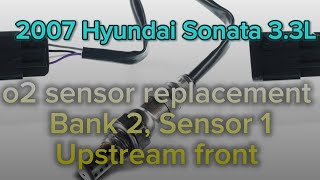
- 2006-2010: On the 3.3L V6, three of the four oxygen sensors are identical (Upstream Front, Upstream Rear, and Downstream Front). Only the Downstream Rear (Bank 1, Sensor 2) has a longer wire and a different part number. This is a key detail for DIY repair, as you can purchase three of the same sensor.
Diagnostic Flowchart
Other Known Issues on This Vehicle
Issues unrelated to this code that are worth knowing about as an owner of this generation:
- Subframe and Rear Crossmember Corrosion 🔴 High — Very common in 'Salt Belt' regions, can occur at any mileage. Led to recalls and extended warranties. (Ref: NHTSA Campaign ID: 13V113000 (Recall 113) for rear crossmember corrosion on 2006-2010 Sonatas. A similar recall (089) affected earlier models' front subframes.)
- Leaking Valve Cover Gaskets 🟠 Medium → Shop Engine Valve Cover — Common after 80,000-100,000 miles. The front (Bank 2) gasket is a more frequent and problematic leaker.
- Timing Chain Tensioner Wear 🟠 Medium — Can manifest as a startup rattle, typically after 100,000 miles. Failure can be catastrophic but is often preceded by noise. (Ref: No specific TSB for this model, but updated parts were reportedly issued for the Lambda engine family to address this.)
- Failing Alternator (often due to oil leak) 🟠 Medium — Often a secondary failure caused by the front valve cover gasket leaking oil directly onto the alternator, causing premature failure.
Used vs. New Parts: Buying Guide for This Vehicle
When a used part is the smart pick: For this repair, used parts are generally not recommended for the core components. A used oxygen sensor carries the same risks as the one that failed. A used catalytic converter has an unknown history and may not have much remaining life, especially if it came from a high-mileage vehicle or one with engine problems.
Donor-vehicle mileage cap: roughly under 60000 miles for the part to have meaningful remaining life.
What to inspect on the donor part:
- For a catalytic converter, check for any rattling sounds, which indicate a broken internal substrate.
- Visually inspect for any external rust, cracks, or damage to the pipes or flanges.
- Ask for the donor vehicle's mileage and reason for being salvaged. Avoid converters from vehicles with known engine damage or fire.
- Ensure the O2 sensor bungs are not stripped or cross-threaded.
OEM-only on this vehicle (don't cheap out):
- Catalytic Converter: While expensive, an OEM converter is the most reliable way to ensure the P0430 code is resolved long-term and the vehicle passes emissions tests. Many mechanics report that aftermarket converters, especially budget brands, may fail to meet the ECM's strict efficiency monitoring and can cause the code to return within a year.
Aftermarket brands forum-validated for this vehicle:
- Oxygen Sensors: Denso, NGK/NTK, and Bosch are widely trusted OEM suppliers and their aftermarket sensors are considered reliable replacements.
- Catalytic Converters: If an OEM unit is not feasible, brands like MagnaFlow and Walker are considered higher-quality aftermarket options that have a better chance of performing correctly compared to generic, unbranded units.
Brands owners have reported issues with on this vehicle:
- Unbranded or 'white box' catalytic converters from online marketplaces are frequently cited by mechanics as failing quickly or not meeting the required efficiency thresholds out of the box.
- Some forum users have reported issues with brands like Catco, suggesting they should be avoided.
Real Owner Stories
Aggregated from forums and TSBs cited above. Mileages and costs reflect what owners reported in those sources.
2006 Hyundai Sonata 3.3L V6
Symptoms: Check engine light came on with code P0430; owner noted the front valve cover was leaking oil and questioned if it was related to the sensor issue.
What fixed it: The context discusses the consensus that oil from the leaking valve cover can contaminate the Bank 2 O2 sensor/wiring, requiring a gasket replacement and sensor cleaning or replacement.
Source hint: r/Cartalk - 'P0430 Engine Code - Hyundai Sonata 06 (V6 variant)'
2007 Hyundai Sonata 3.3L V6 — ~150000 miles
Symptoms: Check engine light for P0430; the catalytic converter appeared to be 'rusted out.'
What fixed it: Replacement of the catalytic converter, as the consensus for high-mileage units with no other codes is that the cat is the ultimate failure point.
Source hint: r/MechanicAdvice - 'P0430 Code: Check engine light came on and got this code... cat looks rusted out.'
Related OBD-II Codes
Frequently Asked Questions
Is there a recall for the 2006-2010 Hyundai Sonata that might cause exhaust leaks and a P0430 code?
Can a leaking valve cover gasket on my 3.3L Lambda V6 cause a P0430 code?
How can I tell if the Bank 2 catalytic converter on my Sonata is actually bad or if it's just a sensor?
What is the typical cost to fix a P0430 on a 2006-2010 Sonata 3.3L?
I hear a rattle on startup; could this be related to my P0430 code?
Does the P0430 code affect the front or rear of the engine on my Sonata V6?
Helpful Videos

We Have This Part in Stock



The information in this article is provided for general reference and educational purposes only. Vehicle specifications, procedures, and part compatibility can vary by production date, trim level, and region. Always consult your vehicle's factory service manual and verify part numbers before purchasing or performing repairs. Safety-critical components such as airbags, seat belts, and braking systems should be installed by a qualified professional.
- Hyundai Sonata:
- 🧭 Diagnostic Flowchart
- 🎬 Helpful Videos
- 🛍️ Shop This Part
- What's Unique About the 2006-2010 Hyundai Sonata
- Symptoms You May Notice
- Most Likely Causes
- Rare But Worth Checking
- Diagnosis Steps
- Parts You'll Likely Need
- Related Codes That Often Appear With This One
- Technical Service Bulletins (TSBs) & Recalls
- Platform-Specific Known Issues
- Mechanic-Grade Diagnostic Values
- Wiring & Ground Locations
- Model Year Variations Within This Range
- Other Known Issues on This Vehicle
- Used vs. New Parts: Buying Guide for This Vehicle
- Real Owner Stories
- 2006 Hyundai Sonata 3.3L V6
- 2007 Hyundai Sonata 3.3L V6 — ~150000 miles
- Related OBD-II Codes
- Frequently Asked Questions
- 🎟️ Get 5% Off