

P0430 on 2007-2017 Jeep Wrangler: Catalyst Inefficiency Fixes for 3.8L & 3.6L
P0430 on a Jeep Wrangler JK almost always points to a failing catalytic converter on the driver's side (Bank 2). Before replacing this expensive part, first inspect for exhaust leaks and test the oxygen sensors, as they can also trigger the code. Expect to pay $300-$700+ for a new converter.
- P0430 means the driver's side catalytic converter is not working efficiently.
- Before buying a new converter, ALWAYS check for exhaust leaks between the engine and the rear O2 sensor.
- If your Jeep has other codes, especially for engine misfires, fix those problems FIRST to avoid destroying a new converter.
- On 3.8L models, check your oil level; high consumption can be the root cause of converter failure.
- When replacing the converter, it is highly recommended to install new oxygen sensors at the same time.
What's Unique About the 2007-2017 Jeep Wrangler
The 2007-2017 Wrangler (JK) used two different V6 engines, and the cause of P0430 can differ between them. The 2007-2011 3.8L V6 is known for potential oil consumption, which can contaminate and clog the catalytic converters over time. The 2012-2017 3.6L Pentastar V6 has its primary catalytic converters integrated directly into the exhaust manifolds, making replacement a bit more involved and susceptible to cracking. For both engines, off-road use can lead to physical damage or exhaust leaks that trigger this code. Additionally, the 3.8L engines are known for cracked exhaust manifolds or broken manifold bolts, which create pre-catalyst exhaust leaks that are a very common cause for this code.
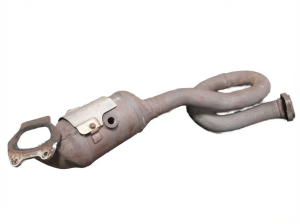
Generation note: This guide covers the entire Jeep Wrangler JK generation. However, the engine changed mid-cycle. Models from 2007-2011 have the 3.8L V6, while 2012-2017 models have the 3.6L Pentastar V6. The catalytic converter design and common failure points can vary between these two engines. The 3.8L uses a Y-pipe assembly, while the 3.6L has converters built into the manifolds.
Symptoms You May Notice
- Check Engine Light is on
- Vehicle fails emissions testing
- Reduced engine power and sluggish acceleration, especially if the converter is clogged
- A rotten egg or sulfur smell from the exhaust, which is hydrogen sulfide produced by a failing converter
- Rattling noise from the exhaust if the internal ceramic honeycomb of the converter has broken apart
- Immediately replacing the catalytic converter without checking for exhaust leaks or testing the O2 sensors first. An exhaust leak is a much cheaper fix and a common cause, especially cracked manifolds on the 3.8L engine.
- Replacing only the O2 sensors when the catalytic converter is truly bad. If the converter has failed, new sensors will not fix the code.
- Using cheap, low-quality aftermarket catalytic converters that are not efficient enough to satisfy the PCM's monitoring, causing the code to return shortly after installation.
Most Likely Causes
- Failed Catalytic Converter (Bank 2) 🔴 High Probability → Shop Catalytic Converter Converters can fail from normal aging (typically over 100k miles), contamination from engine issues (like oil burning in the 3.8L), or damage from persistent engine misfires sending unburnt fuel into the exhaust which overheats the catalyst. Manufacturer Bulletin #18-001-26 notes that this can lead to catalyst damage and restricted exhaust flow.
How to confirm: Use a scan tool to watch O2 sensor data; if the downstream sensor (Bank 2, Sensor 2) voltage fluctuates similarly to the upstream sensor (Bank 2, Sensor 1), the converter is not working. An infrared thermometer can also be used; a healthy converter should be significantly hotter (at least 100°F) at the outlet than the inlet. A visual inspection may reveal a melted or physically broken internal structure if the converter is removed.
Typical fix: Replace the Bank 2 (driver's side) catalytic converter assembly. It's highly recommended to replace the O2 sensors at the same time, especially on high-mileage vehicles.
Est. part cost: $250-$800+ - Exhaust System Leak 🟡 Medium Probability Gaskets and pipe flanges can rust and fail over time. Off-roading can also cause cracks or damage to the exhaust pipes. A leak between the upstream and downstream O2 sensors can let in outside air, confusing the sensors. On the 3.8L, cracked exhaust manifolds or broken manifold bolts are a very common source of leaks that trigger this code.
How to confirm: Visually inspect the exhaust system from the manifold to the post-cat O2 sensor for cracks, holes, or black soot indicating a leak. Listen for ticking or hissing sounds. A tiny pinhole leak is enough to trigger the code. A shop can use a smoke machine to pressurize the exhaust and easily spot leaks.
Typical fix: Repair the leak. This may involve replacing a gasket, welding a crack, replacing broken manifold bolts, or replacing a section of pipe.
Est. part cost: $10-$250 - Faulty Oxygen (O2) Sensor ⚪ Low Probability → Shop Oxygen Sensor O2 sensors are wear items and can fail, sending incorrect data to the computer. While less common than a bad converter, a lazy or failed downstream sensor can mimic converter failure. Sometimes, simply having new downstream sensors with aged upstream sensors can cause issues.
How to confirm: Use a scan tool to graph the O2 sensor voltages. A bad downstream sensor may show a flatline voltage or not respond correctly when the engine's air/fuel mixture is changed. Swapping the Bank 1 and Bank 2 downstream sensors can also help; if the code changes to P0420 (Bank 1), the sensor is bad.
Typical fix: Replace the faulty O2 sensor. It's often recommended to replace them in pairs (both downstream or both upstream) 🎬 See how to replace both the converter and O2 sensors., especially on higher mileage vehicles.
Est. part cost: $40-$100 per sensor
Rare But Worth Checking
- Engine Misfires or Fuel System Issues: This is a root cause, not a direct trigger. An ongoing misfire or a rich/lean running condition will destroy a new catalytic converter quickly. Manufacturer Bulletin #08-136-26 specifically links P0430 with misfire codes like P0305 and P0306, noting the engine may hesitate. Always resolve other engine codes (e.g., P030x misfire codes, P0171/P0174 lean codes) before replacing the converter.
- PCM Software: In some cases, the manufacturer may release a software update for the Powertrain Control Module (PCM) to adjust the sensitivity of the catalyst monitor. Check for any available TSBs related to this code. While no specific TSB for the Wrangler JK is widely cited, other Chrysler products with the same engines have had updates for this issue. For example, NHTSA ODI #10682498 mentions a dealer flashing the PCM per TSB 18-004-08 to address a P0430 code.
- O2 Sensor Spacers / Defoulers (Illegal Fix): → Shop Oxygen Sensor Some owners install a spacer on the downstream O2 sensor to pull it out of the direct exhaust stream, tricking the PCM. This does not fix the underlying problem and is illegal in areas with emissions testing. It can also mask other serious engine issues. Sometimes this 'fix' fails and the code returns.
Diagnosis Steps
- Scan for Codes: Confirm P0430 is the primary code. Note any other codes, especially for misfires or fuel trim, and address them first. NHTSA ODI #11628552 reports a case where P0430 appeared alongside P0300, P0175, and P0174, causing the vehicle to stall or fail to stay running.
- Inspect for Exhaust Leaks: Carefully inspect the entire Bank 2 (driver's side) exhaust system from the engine to the rear O2 sensor. Pay special attention to the exhaust manifold and flange bolts on the 3.8L. Look for cracks, rust holes, and failed gaskets. Listen for audible leaks.
- Analyze O2 Sensor Data: Use a scan tool with live data capability. At a steady 2000 RPM, the upstream O2 sensor (Bank 2, Sensor 1) should show a rapidly fluctuating voltage. The downstream O2 sensor (Bank 2, Sensor 2) should show a relatively steady, stable voltage. If the downstream sensor mirrors the upstream, the converter is likely bad.
- Test O2 Sensors: If the sensor data is inconclusive, test the sensor itself. A lazy or biased sensor can be the culprit. Consider swapping the downstream sensors from Bank 1 and Bank 2 to see if the fault code follows the sensor (changes to P0420).
- Check Converter Temperature: Use an infrared temperature gun to measure the pipe temperature just before and just after the catalytic converter. A working converter should be at least 100°F hotter at the outlet than the inlet.
- Confirm Converter Failure: If all other possibilities are ruled out, the catalytic converter has failed and needs replacement. An owner reported in NHTSA ODI #11547944 that after P0430 illuminated, the vehicle failed to accelerate immediately.
Parts You'll Likely Need
- Bank 2 Catalytic Converter
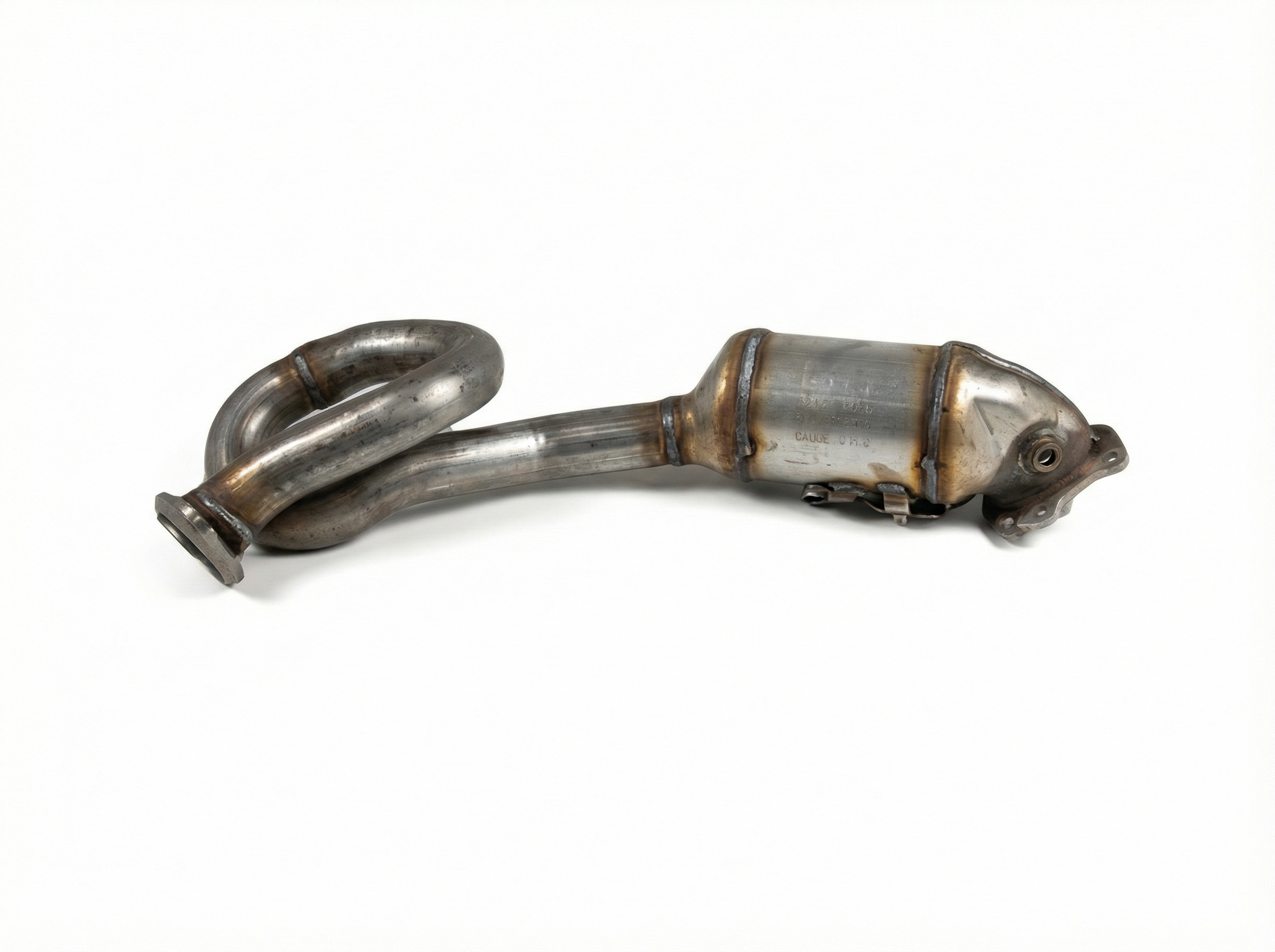
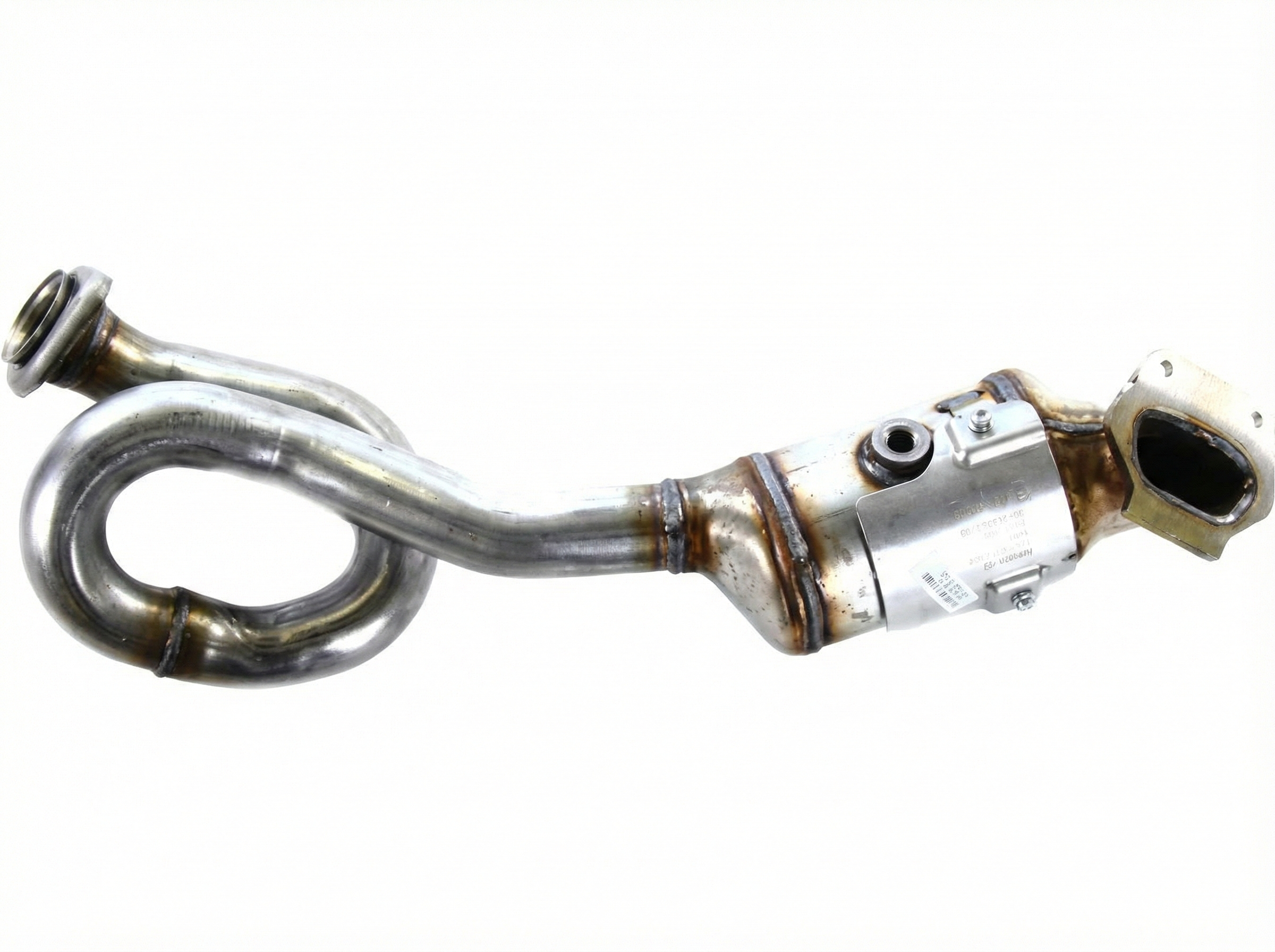
(OEM #3.6L (Left Manifold/Converter): 68085148AH (supersedes multiple previous numbers). 3.8L (Y-Pipe Assembly): 52059930AH (2007-2009), 68040901AB (2010-2011).)— This is the most common failed component for a P0430 code. Bank 2 is the driver's side.
Trusted brands: Walker, MagnaFlow, Bosal, Mopar (OEM)
OEM price range: $800-$1500+
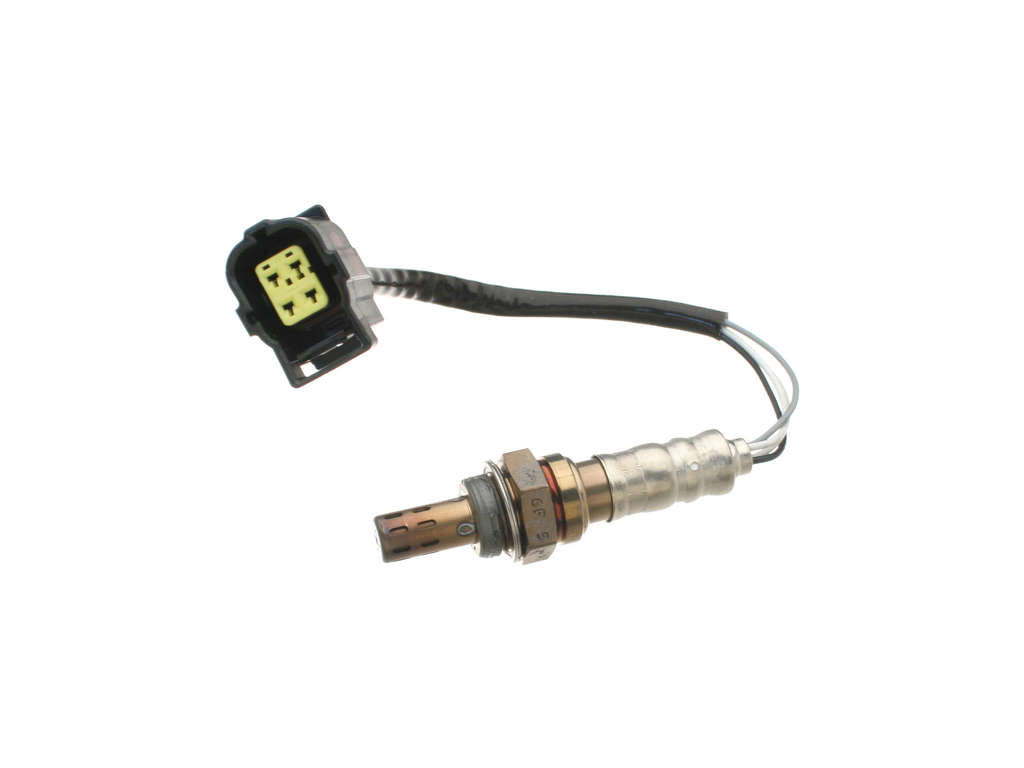
Aftermarket price range: $250-$800 - Downstream Oxygen Sensor (Bank 2, Sensor 2)
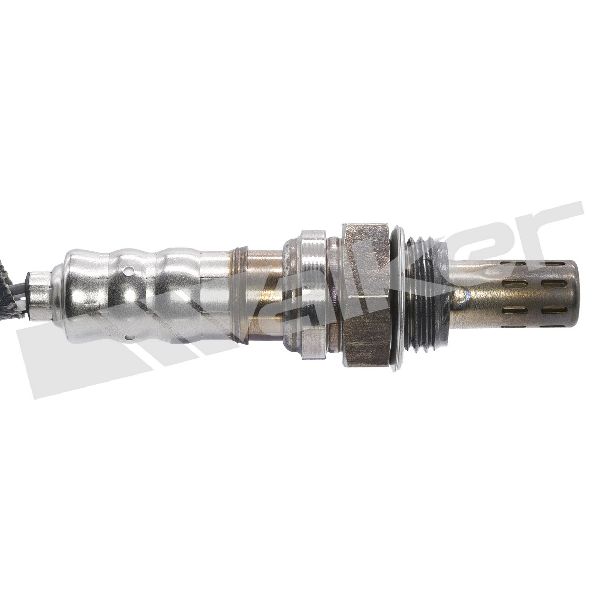
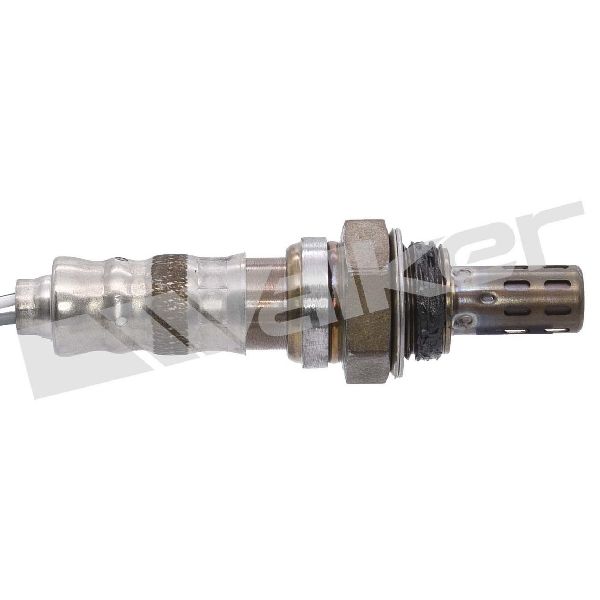
(OEM #NTK 23070 (for 3.8L))— A faulty sensor can cause the code, and it's best practice to replace the sensors when replacing the converter.
Trusted brands: NGK / NTK, Denso, Bosch, Mopar
OEM price range: $80-$150
Aftermarket price range: $40-$100 - Exhaust Gaskets — Necessary to ensure a proper seal when replacing the catalytic converter or repairing an exhaust leak. Manifold-to-pipe gaskets are crucial.
Trusted brands: Fel-Pro, Victor Reinz, Mopar
Related Codes That Often Appear With This One
- P0420 — This is the identical code but for Bank 1 (passenger side). Seeing both P0420 and P0430 at the same time could point to a systemic issue like bad fuel, an engine-wide running condition, or simply that both converters have aged out together.
- P0300-P0306 — These are misfire codes. A persistent misfire allows unburnt fuel to enter the exhaust, which can overheat and destroy the catalytic converter, leading to a P0430 code.
Technical Service Bulletins (TSBs) & Recalls
- Bulletin #08-136-26: This manufacturer bulletin notes that P0430 and P0420 can occur alongside cylinder misfires (P0305, P0306), which may cause the engine to hesitate.
- Bulletin #18-001-26: This bulletin highlights that vehicles setting P0430 may experience catalyst damage and restricted exhaust flow.
- While no specific TSB for the Wrangler JK and P0430 is widely reported, TSB #18-022 and #18-023 were issued for other vehicles (Honda/Acura) noting that the ECM can misinterpret sensor data and falsely trigger P0420/P0430, requiring a software update. This highlights the possibility of PCM sensitivity being a factor in some cases.
- Ford TSB 21-2381 for Expedition/Navigator models discusses how high sulfur content in fuel can trigger P0420/P0430, requiring a specific 'de-sulfate' driving procedure to clean the catalysts. This indicates that fuel quality can be a contributing factor.
Platform-Specific Known Issues
- On 3.8L engines (2007-2011), excessive oil consumption is a known issue that can lead to premature catalytic converter failure by fouling the catalyst substrate.
- On 3.6L engines (2012-2017), the converter is part of a manifold assembly that can be difficult to access. Rusted and seized bolts are very common, so be prepared with penetrating oil and potentially a torch.
- Exhaust manifold bolts on the 3.8L engine are known to break, causing leaks that can trigger P0420/P0430 codes. This is a very frequent cause and should be checked before assuming the converter is bad.
- A user on JK-Forum.com detailed a long diagnostic process for P0430 on a 2007 JKU. After replacing O2 sensors, the issue was finally traced to a tiny pinhole leak at a previous weld repair near the downstream O2 sensor bung, proving even post-converter leaks can be problematic.
Mechanic-Grade Diagnostic Values
- Downstream O2 Sensor (Bank 2, Sensor 2) Voltage — expected: A relatively constant and stable voltage, typically around 0.45 volts, when the engine is at operating temperature and running steadily.. Failure: Voltage consistently bouncing between 0.1 volts and 0.9 volts, mimicking the behavior of the upstream sensor. This indicates the catalyst is not storing oxygen.
- Upstream O2 Sensor (Bank 2, Sensor 1) Voltage — expected: Rapidly fluctuating voltage between approximately 0.1 and 0.9 volts as the PCM adjusts the air/fuel mixture.. Failure: A flat or slow-to-respond voltage, which would typically set its own sensor-specific code but is important context for catalyst testing.
- Long Term Fuel Trim (LTFT) - Bank 2 — expected: Ideally within +/- 5% at idle and steady cruise.. Failure: Consistently high positive numbers (e.g., > +10%) can indicate a pre-catalyst vacuum or exhaust leak, which introduces unmetered air and can trigger a P0430 by skewing sensor readings.
Wiring & Ground Locations
- Bank 2 Sensor 2 PCM Pins (3.8L) — On the PCM connectors. Signal output is on connector C1, pin 33. Signal return is on connector C1, pin 32. The heater control is on connector C3, pin 10.. Allows for continuity checks of the O2 sensor wiring harness directly from the PCM, bypassing the vehicle's wiring to rule out breaks or shorts between the sensor and the computer.
- Bank 2 Sensor 1 PCM Pins (3.8L) — On the PCM connectors. Signal output is on connector C2, pin 33. Signal return is on connector C2, pin 32. The heater control is on connector C2, pin 17.. Essential for diagnosing the upstream sensor, which provides the baseline reading for the catalyst monitor. A fault here can affect the P0430 test.
- G104 Ground — Under the hood, on the engine block.. This is a potential ground point for the O2 sensor heater circuit. A poor ground connection can affect sensor performance and potentially contribute to incorrect readings, although it would more commonly set a heater circuit code.
Real Owner Repair Stories
- NHTSA ODI #10682498 — An owner reported that their Check Engine Light came on while driving. At 95,000 miles, a dealer flashed the PCM per TSB 18-004-08 for code P0430, and also performed a power flush and cleaned the engine fuel injection system and throttle body.
- NHTSA ODI #11628552 — An owner experienced a situation where the vehicle would not stay running after the light came on. Diagnostic codes included P0430, P0300, P0175, and P0174, all related to catalyst efficiency and fuel trim issues.
- JK-Forum.com user (2007 JKU with 82,000 miles (3.8L V6)) — P0430 code appeared after replacing the Bank 2 Sensor 2 O2 sensor.
❌ Tried (didn't work) Replacing the downstream O2 sensor (Bank 2, Sensor 2)., Replacing the upstream O2 sensor (Bank 2, Sensor 1) based on dealer advice., Visually inspecting the exhaust manifold for common cracks.
✅ What actually fixed it A tiny, pencil-tip-sized pinhole leak in the exhaust pipe near the downstream O2 sensor bung. The user confirmed this by temporarily covering the hole with a glove and watching the downstream O2 sensor voltage stabilize on a scan tool. Welding the pinhole shut permanently resolved the P0430 code. - Reddit user r/autorepair (2017 Jeep Wrangler with 130k miles (3.6L V6)) — P0430 code appeared about 30 miles after fixing a month-long engine misfire.
❌ Tried (didn't work) Using a catalytic converter cleaner additive in the fuel (code returned after 100 miles)., Noting that O2 sensors had been replaced over the summer, prior to the misfire.
✅ What actually fixed it The consensus from advising mechanics was that the prolonged misfire had destroyed the catalytic converter by sending unburnt fuel into it, which then overheated and damaged the catalyst materials. The final fix required replacing the catalytic converter. - JK-Forum.com user (2008 JK Wrangler X 2-door with 144k miles (3.8L V6)) — Persistent P0420 and P0430 codes after purchase.
❌ Tried (didn't work) Replacing spark plugs and coil packs to fix misfires., Replacing both cracked exhaust manifolds with new gaskets and bolts., Replacing all four O2 sensors., Replacing the catalytic converter assembly with an aftermarket unit from Amazon., Installing spark plug defoulers (spacers) on the downstream O2 sensors.
✅ What actually fixed it The user was still diagnosing at the time of the post, but the story is a valuable cautionary tale showing that even after replacing every single related component (manifolds, all O2 sensors, and the cat assembly itself), the codes can still return, potentially due to an incompatible or low-quality aftermarket converter.
"I Checked Everything" — The Actual Cause
- A common scenario on the 3.8L V6 is a hairline crack in the exhaust manifold. These cracks can be very difficult to spot visually and may not show up on a smoke test when the engine is cold. The crack often opens up only when the manifold heats up and expands, causing a leak that throws the P0430 code. Mechanics often miss this because they perform the smoke test on a cool engine.
OEM Part Supersession History
68085148AB, 68085148AC, 68085148AD, 68085148AE, 68085148AF, 68085148AG→68085148AH— Standard part revisions by the manufacturer to improve design, materials, or manufacturing process.
Heads up: All previous versions are replaced by the latest 'AH' revision. Using an older version from a salvage yard may be possible, but the newest part is recommended.
Model Year Variations Within This Range
- 2007-2011 (3.8L V6): Uses a Y-pipe design where the catalytic converters are separate from the exhaust manifolds. This makes cat replacement possible without removing the manifolds, but these engines are highly prone to cracked manifolds and broken manifold bolts, which are a primary cause of P0430 due to pre-cat exhaust leaks.
- 2012-2017 (3.6L V6): Features a 'maniverter' design where the catalytic converter is integrated into the exhaust manifold. This makes the Bank 2 converter replacement a more involved job that requires removing the entire driver-side manifold assembly.
Diagnostic Flowchart
Real Owner Stories
Aggregated from forums and TSBs cited above. Mileages and costs reflect what owners reported in those sources.
2007 Jeep Wrangler Unlimited (JKU)
Symptoms: Persistent P0430 code that did not go away after replacing both Bank 2 O2 sensors with Mopar parts.
What fixed it: Found a tiny pinhole leak at a weld near the downstream O2 sensor. Covering the hole with a glove stabilized the live O2 sensor data instantly, confirming the leak was the culprit.
Source hint: JK-Forum.com thread titled 'p0430 code, O2's, and cats *problem solved*'
2007 Jeep Wrangler
Symptoms: P0430 code returned a year after replacing the Y-pipe with aftermarket Walker cats. The driver's side exhaust manifold was found cracked.
What fixed it: Replaced the cracked exhaust manifold, but the code persisted due to suspected poor longevity of the aftermarket converters.
Cost: $4400 (quoted for OEM replacement)
Source hint: JK-Forum.com thread titled 'P0430 code'
2008 Jeep Wrangler JK — 144000 miles
Symptoms: P0420 and P0430 codes kept returning even after fixing engine misfires and oil leaks.
What fixed it: Replaced manifolds, all O2 sensors, and installed an aftermarket catalytic converter from Amazon, but the codes still kept returning, highlighting the difficulty of resolving this with cheap aftermarket parts.
Source hint: WranglerForum.com thread titled 'P0420 & P0430'
2010 Jeep Wrangler 3.8L
Symptoms: Both P0420 and P0430 codes appeared. Inspection revealed broken exhaust manifold bolts on both sides of the engine.
What fixed it: After a partial repair of the broken bolts failed to clear the codes, the owner installed O2 spacers on the rear sensors (a temporary and illegal bypass) which made the codes disappear, confirming the cats were bad.
Source hint: Reddit r/MechanicAdvice thread 'Codes P0420 and P0430 came on.. Did I diagnose this correctly?'
Related OBD-II Codes
Frequently Asked Questions
Is my 3.8L engine's oil consumption related to the P0430 code?
I have a 3.8L Wrangler. Should I check anything specific before replacing the catalytic converter?
Why is replacing the catalytic converter on my 2012-2017 3.6L Wrangler so difficult?
Can a tiny exhaust leak really cause a P0430 code on my JK?
Are aftermarket catalytic converters a good idea for my Wrangler to fix P0430?
Are there any TSBs for the Wrangler regarding the P0430 code?
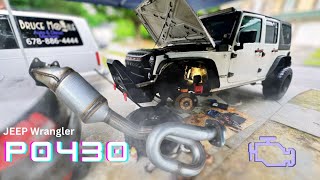
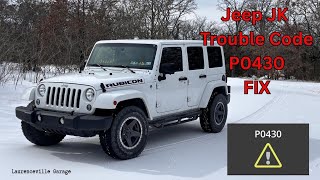
Helpful Videos
Used OEM Parts in Stock
New Aftermarket Parts Available

The information in this article is provided for general reference and educational purposes only. Vehicle specifications, procedures, and part compatibility can vary by production date, trim level, and region. Always consult your vehicle's factory service manual and verify part numbers before purchasing or performing repairs. Safety-critical components such as airbags, seat belts, and braking systems should be installed by a qualified professional.
- Jeep Wrangler:
- 🧭 Diagnostic Flowchart
- 🎬 Helpful Videos
- 🛍️ Shop This Part
- What's Unique About the 2007-2017 Jeep Wrangler
- Symptoms You May Notice
- Most Likely Causes
- Rare But Worth Checking
- Diagnosis Steps
- Parts You'll Likely Need
- Related Codes That Often Appear With This One
- Technical Service Bulletins (TSBs) & Recalls
- Platform-Specific Known Issues
- Mechanic-Grade Diagnostic Values
- Wiring & Ground Locations
- Real Owner Repair Stories
- "I Checked Everything" — The Actual Cause
- OEM Part Supersession History
- Model Year Variations Within This Range
- Real Owner Stories
- 2007 Jeep Wrangler Unlimited (JKU)
- 2007 Jeep Wrangler
- 2008 Jeep Wrangler JK — 144000 miles
- 2010 Jeep Wrangler 3.8L
- Related OBD-II Codes
- Frequently Asked Questions
- 🎟️ Get 5% Off