

P0430 on 2007-2012 Lexus ES350: Catalyst Efficiency Fixes for the 2GR-FE Engine
P0430 on your Lexus ES350 means the catalytic converter for the rear cylinder bank (Bank 2) is failing. While the converter itself may be bad, first check for exhaust leaks and failing oxygen sensors, as these are common, cheaper fixes. Owners on ClubLexus frequently report exhaust gasket leaks as the true culprit. Expect to pay $60-$150 for a Denso oxygen sensor, while a new converter can cost over $1,000.
- P0430 points to a problem with the Bank 2 (rear, firewall-side) catalytic converter.
- DO NOT immediately replace the catalytic converter. First, thoroughly check for exhaust leaks and test the Bank 2 downstream O2 sensor.
- Bank 2 is much harder to access than Bank 1 (front, radiator-side). Ensure you are diagnosing the correct side of the engine.
- If you replace the catalytic converter, it is highly recommended to replace both the upstream and downstream oxygen sensors at the same time.
- Driving with this code will cause you to fail an emissions test and can lead to more expensive engine damage if the converter becomes fully clogged.
What's Unique About the 2007-2012 Lexus ES350
On the 2GR-FE engine in your ES350, 'Bank 2' is the rear set of cylinders against the firewall, while Bank 1 is the more accessible bank near the radiator. This makes diagnosis and repair of Bank 2 components significantly more difficult and labor-intensive. Accessing the Bank 2 sensors and converter requires working in a tight space. Many owners mistakenly focus on the easily visible Bank 1 parts, wasting time and money. Before condemning the expensive catalytic converter, owners on forums like ClubLexus frequently report that exhaust leaks or a failing downstream oxygen sensor are the true culprits.
Symptoms You May Notice
- Check Engine Light is on
- "Check VSC" light is on (this is a common secondary warning on Lexus vehicles when an engine code is set, as the Vehicle Stability Control system is often disabled as a precaution)
- Reduced fuel economy
- Hesitation or sluggish acceleration, especially if the converter is clogged
- A sulfur or 'rotten egg' smell from the exhaust
- Intense exhaust smell in the cabin, particularly on a cold start, which can point to an exhaust leak as the root cause.
- Immediately replacing the catalytic converter without first checking for exhaust leaks or testing the oxygen sensors. This is the most expensive part and should be the last component replaced.
- Replacing the wrong oxygen sensor. P0430 is for Bank 2 (firewall side); people often mistakenly replace the easier-to-access Bank 1 (radiator side) sensors. Note: Some forum posts incorrectly state Bank 2 is the driver's side or left side; on the transverse 2GR-FE in the ES350, Bank 2 is the rear bank.
- Ignoring an exhaust leak. Many forum users report that fixing a small exhaust leak, sometimes at the Y-pipe or a gasket, permanently solved their P0430 code.
Most Likely Causes
- Failing Bank 2 Catalytic Converter 🔴 High Probability → Shop Catalytic Converter Catalytic converters are wear items that degrade over time from heat cycles and exposure to exhaust byproducts. High mileage is the primary factor. They can also be damaged by unresolved engine issues like misfires or a rich running condition.
How to confirm: After ruling out O2 sensors and exhaust leaks, this is the most likely cause. A definitive test involves measuring the converter's inlet and outlet temperatures with an infrared thermometer; a working converter should be at least 100-150°F hotter at the outlet. If the inlet is hotter, it suggests a clog.
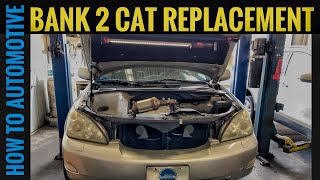
Typical fix: Replace the Bank 2 catalytic converter, which is integrated into the exhaust manifold on the rear (firewall side) of the engine. 🎬 Watch: A technician replaces both catalytic converters on an ES350.
Est. part cost: $800-$1500 - Exhaust Leak 🟡 Medium Probability Gaskets and flex pipes can fail over time, especially in regions that use road salt. A leak between the engine and the downstream O2 sensor can draw in outside air, skewing the sensor readings and tricking the ECM into thinking the converter is inefficient. Forum users on ClubLexus report this is a very common cause for P0420/P0430 codes.
How to confirm: Perform a visual inspection for black soot marks, cracks, or rust, particularly around flanges and gaskets. A smoke test is the most effective way to find small leaks. Some owners use a shop-vac in reverse or a leaf blower sealed to the tailpipe to pressurize the system, then spray soapy water on joints to look for bubbles.
Typical fix: Replace the leaking gasket (donut gaskets are common culprits) or repair the cracked pipe section. One owner reported fixing a P0430 by sealing a leak at the downstream O2 sensor bung with copper sealant.
Est. part cost: $10-$100 - Failing Downstream Oxygen Sensor (Bank 2, Sensor 2) 🟡 Medium Probability → Shop Oxygen Sensor Oxygen sensors are wear items with a finite lifespan, typically 80,000-100,000 miles. A lazy or failed sensor can send incorrect data to the ECM, falsely triggering a catalyst efficiency code.
How to confirm: Use a scan tool to graph the sensor's voltage. It should be relatively stable (around 0.6-0.8V) on a warm engine at steady RPMs. If it's fluctuating rapidly like the upstream sensor, or flatlined at 0V, it's suspect. The best test is to swap the downstream sensors between Bank 1 and Bank 2. If the code changes to P0420 (for Bank 1), the sensor is confirmed bad.
Typical fix: Replace the Bank 2, Sensor 2 oxygen sensor. This is the sensor located after the catalytic converter on the firewall side. Accessing the connector inside the cabin can be difficult. 🎬 See how to access and replace the Bank 2 sensor.
Est. part cost: $60-$180
Rare But Worth Checking
- Failing Upstream Air/Fuel Ratio Sensor (Bank 2, Sensor 1): → Shop Oxygen Sensor While less common, a failing upstream A/F sensor can cause an incorrect fuel mixture. A consistently rich mixture can overwhelm and damage the catalytic converter over time, leading to a P0430 code. If you have other fuel trim-related codes (like P0172/P0175), this becomes more likely.
- Engine Misfires or Fuel System Issues: Always address other engine codes first. Unburned fuel from a misfiring cylinder or a leaking fuel injector can superheat and destroy the precious metals inside the catalytic converter. P0430 is often the symptom of a different root cause that must be fixed to avoid destroying the new converter.
- Ruptured VVT-i Oil Line (on early models): On 2007-2008 models, the original rubber VVT-i oil line for Bank 1 (which is physically located on the same side as Bank 2 components) was prone to sudden rupture, causing a massive oil leak. While this typically causes catastrophic engine failure, a slow leak could lead to oil consumption and contamination that might damage the catalytic converter over time. Toyota issued a recall and a Limited Service Campaign to replace this with an all-metal line.
Diagnosis Steps
- Read all fault codes with an OBD-II scanner. If any other codes are present (especially for misfires, fuel trim, or other sensor issues), diagnose and fix them first.
- Perform a thorough visual inspection of the Bank 2 exhaust system. Look for cracks, rust, and black soot trails indicating a leak, paying close attention to the manifold, Y-pipe, and flange gaskets.
- Conduct an exhaust leak test. With the engine off and cool, use a leaf blower or shop-vac in reverse sealed to the tailpipe. Spray soapy water on all exhaust joints and welds from the engine back. Bubbles will reveal the leak's location.
- If no leaks are found, use a scan tool with live data capability. Graph the voltage for the upstream (A/F Sensor B2S1) and downstream (O2 Sensor B2S2) sensors.
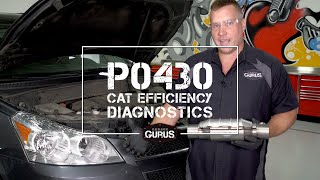
- On a fully warmed-up engine at a steady 2,500 RPM, the upstream sensor should switch rapidly. The downstream sensor should show a much slower, relatively steady voltage (typically >0.5V). If the downstream sensor is mirroring the upstream sensor's activity or is flatlined, proceed to the next step. 🎬 Watch: A professional walkthrough of P0430 diagnostic and graphing steps.
- Before replacing the converter, rule out a faulty sensor by swapping the Bank 1 and Bank 2 downstream O2 sensors. They are the same part. Clear the codes and drive. If the code changes to P0420, the sensor you moved is bad. If P0430 returns, the converter is the likely culprit.
- As a final confirmation, use an infrared temperature gun to measure the inlet and outlet pipes of the Bank 2 catalytic converter after a 20-minute drive. The outlet should be significantly hotter (by at least 100°F) than the inlet. If it's not, the converter is not functioning.
Parts You'll Likely Need
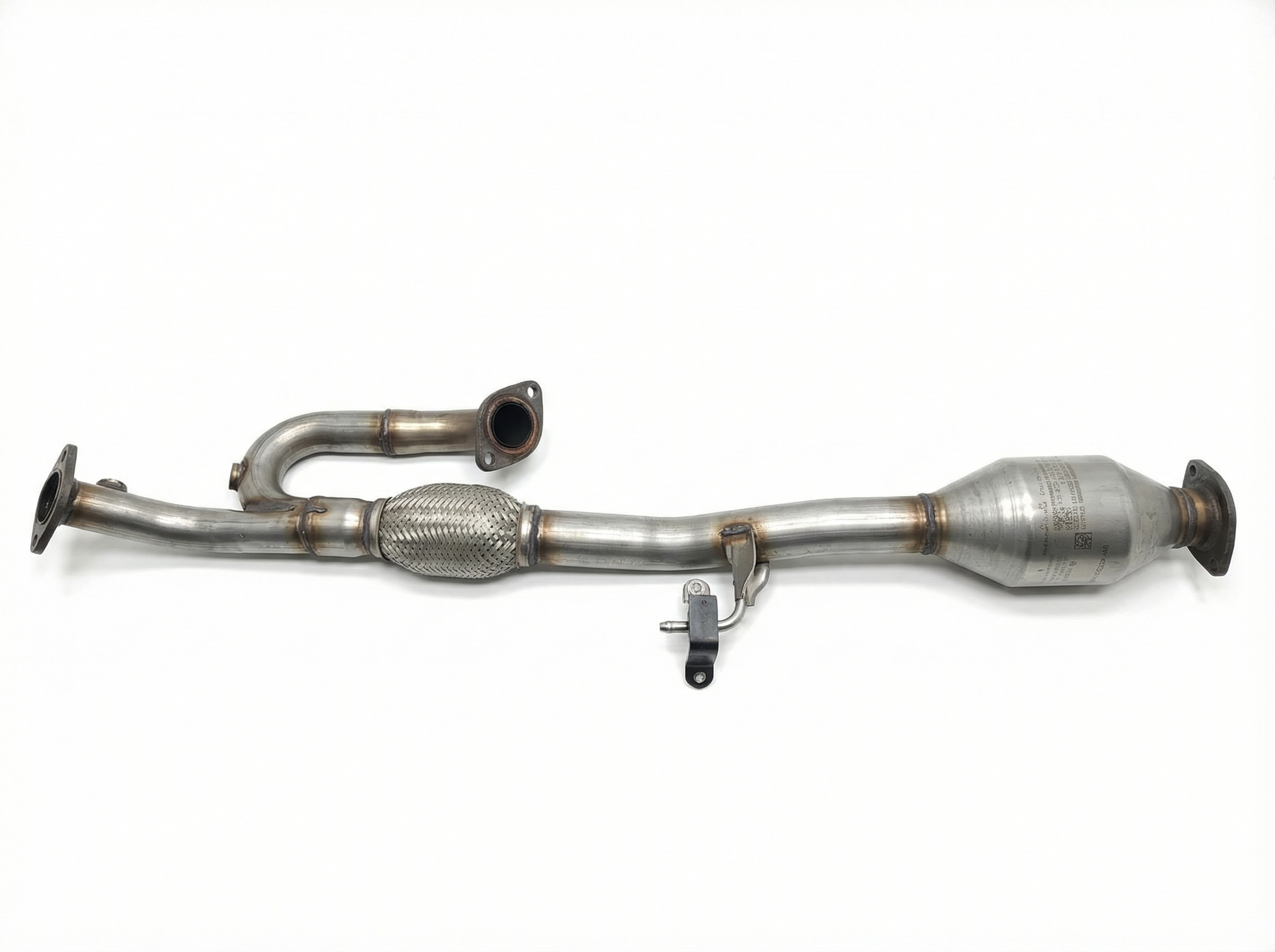
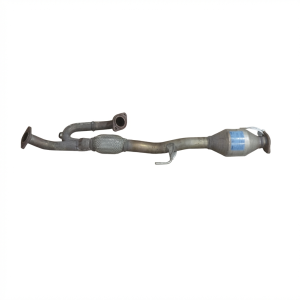
- Bank 2 Catalytic Converter (Rear/Firewall Side)
(OEM #25051-0V230 (Supersedes previous numbers))— This is the most common, albeit most expensive, fix for a persistent P0430 code after other causes have been ruled out.
Trusted brands: Lexus (OEM), Magnaflow, Walker Exhaust, AP Exhaust
OEM price range: $1000-$1500
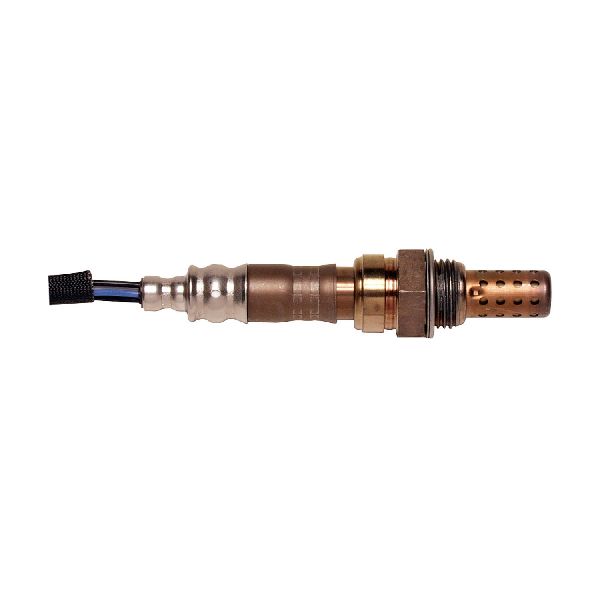
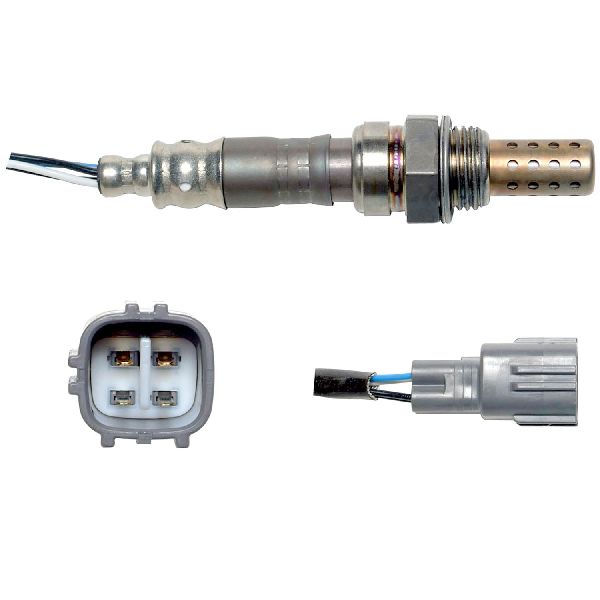
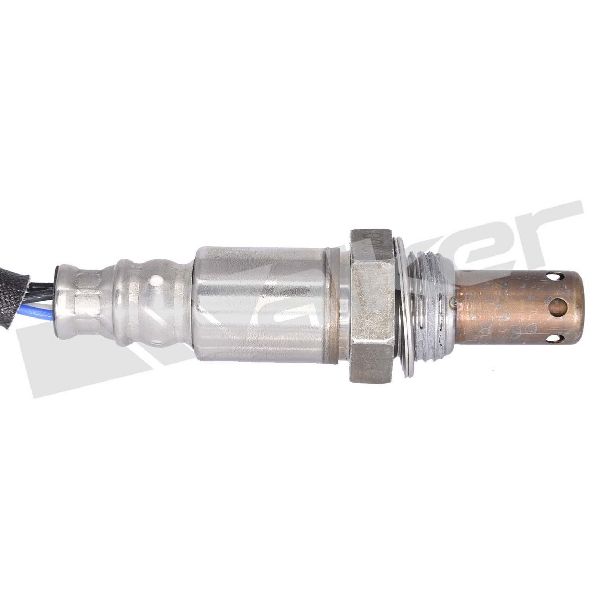
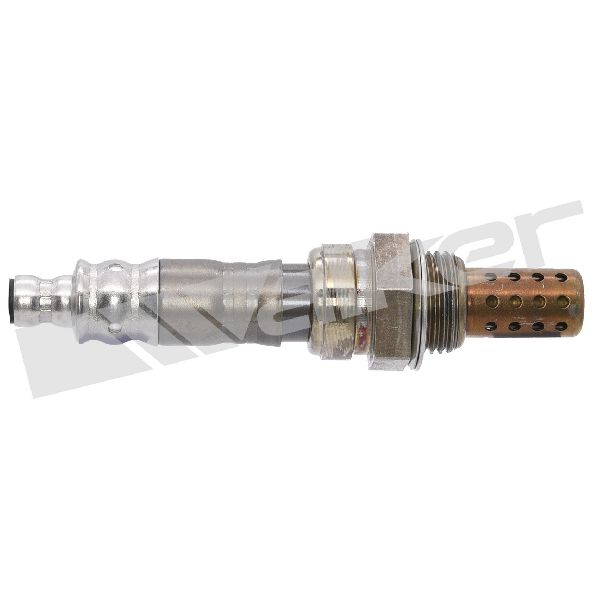
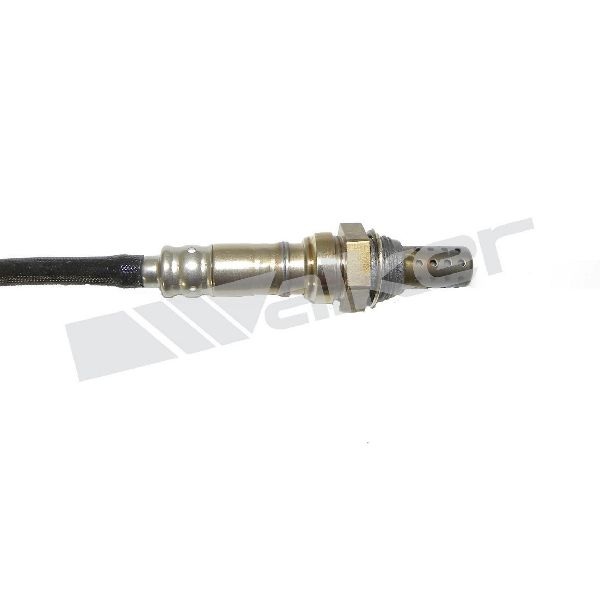
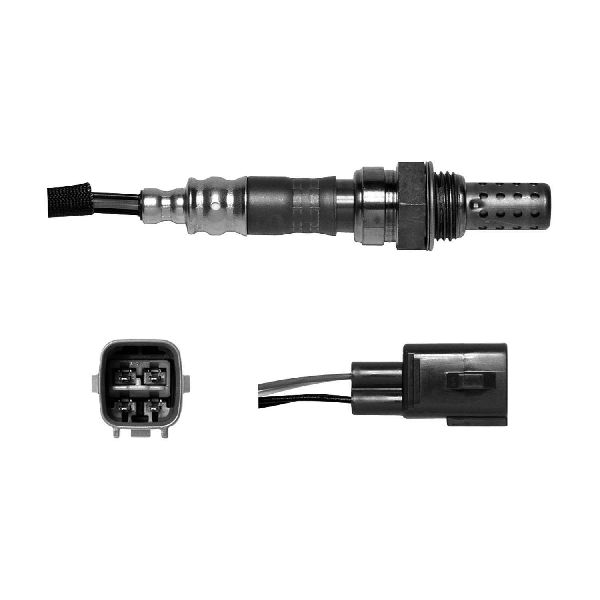
Aftermarket price range: $400-$800 - Downstream Oxygen Sensor (Bank 2, Sensor 2)
(OEM #89465-07060 (or 89465-33440, check VIN))— A faulty sensor can send incorrect data, causing a misdiagnosis. It's a common wear item and a probable cause that should be tested before replacing the converter.
Trusted brands: Denso (OEM supplier, Part No. 234-4512), NGK/NTK
OEM price range: $120-$180
Aftermarket price range: $60-$100
Related Codes That Often Appear With This One
- P0420 — If both catalytic converters are of similar age and condition, it's not uncommon for them to fail around the same time, triggering both P0420 (Bank 1) and P0430 (Bank 2). This can also occur if there is a common exhaust leak affecting both banks.
- P0300, P0301-P0306 — Misfire codes (P030x) can be a root cause of catalytic converter failure. Unburned fuel enters the exhaust, overheating and damaging the converter.
- P0172, P0175 — These codes indicate a 'System Too Rich' condition on Bank 1 and Bank 2, respectively. A rich condition will eventually destroy the catalytic converter by overwhelming it with unburned fuel.
Technical Service Bulletins (TSBs) & Recalls
- Lexus L-SB-0005-11 (Relates to identifying Bank 1/2 on various engines, including 2GR-FE)
- Toyota Limited Service Campaign (LSC) 90K / Lexus LSC 90L (Addresses VVT-i oil line replacement on 2007-2008 ES350)
- Lexus L-SB-0127-11 Rev (Manufacturer bulletin noting that some vehicles may exhibit a MIL "ON" condition with DTC P0430 stored in the Engine Control Module)
- Lexus L-SB-0005-15 (Manufacturer bulletin detailing repair procedures for vehicles exhibiting a MIL "ON" condition with DTC P0430)
Mechanic-Grade Diagnostic Values
- Downstream O2 Sensor (B2S2) Voltage at Idle — expected: Relatively stable voltage between 0.4V and 0.8V on a fully warm engine.. Failure: Voltage rapidly switching between high and low, mirroring the upstream A/F sensor, or a flatline reading.
- Long Term Fuel Trim (LTFT) for Bank 2 — expected: Within +/- 10%. Ideally closer to 0%.. Failure: Consistently high positive values (> +10%) can indicate a vacuum or exhaust leak. Consistently high negative values (< -10%) can indicate a rich running condition that can damage the converter.
Hidden / Shadow Codes Worth Checking
- Mode 6, Test ID $81, Component ID $81: This is the onboard diagnostic test for the Bank 2 Catalyst Efficiency. The ECU stores a test value and compares it against a minimum threshold. If the value falls below the threshold, the P0430 code is set. (see via A professional scan tool like Toyota Techstream or a high-end OBD-II scanner with Mode 6 capability. Viewing this data can show how close the catalyst is to the failure threshold, even before the Check Engine Light comes on.)
Scan Tool Commands That Help
- Toyota Techstream: Active Test: Control the Injection Volume for A/F Sensor — This function allows a technician to command a rich or lean condition (e.g., +25% or -12.5% fuel) and observe the reaction of the downstream O2 sensor. A healthy sensor and converter will show a slow, delayed response. A rapid response indicates low catalyst storage capacity.
- Toyota Techstream: Data List Graphing (A/F B2S1 vs O2S B2S2) — This is the primary diagnostic screen. Graphing the upstream Air/Fuel sensor and downstream Oxygen sensor simultaneously allows for a visual confirmation of catalyst efficiency. A bad converter will show the downstream sensor's waveform mimicking the upstream sensor's.
Wiring & Ground Locations
- Engine Ground Strap — There is a primary ground strap from the lower firewall to the back of the engine block. There are also grounds attached to the back of both cylinder heads.. A corroded or loose engine ground can cause erratic voltage signals for all engine sensors, including the A/F and O2 sensors. This can lead to incorrect readings and false diagnostic codes. Ensuring these grounds are clean and tight is a crucial, often overlooked, electrical diagnostic step.
- Bank 2 Sensor 2 Connector — The B2S2 sensor is on the rear exhaust manifold, after the catalytic converter. The electrical connector is typically located up on the firewall, and accessing it may require working from both above and below the engine.. The wiring is exposed to extreme heat and vibration. It's critical to inspect the harness for any melting, chafing, or corrosion at the connector pins, which can cause a P0057 heater circuit code or mimic a failed sensor.
Real Owner Repair Stories
- ClubLexus Forum User (Lexus LS430 (similar P0430 cause)) — P0430 code, Check Engine Light, VSC Off light.
❌ Tried (didn't work) Using an O2 sensor spacer did not fix the issue.
✅ What actually fixed it The user performed a DIY exhaust leak test using a leaf blower and soapy water. They found a small leak from the downstream O2 sensor bung itself and a larger leak from a pipe fitting just before the sensor. Sealing both leaks with high-temp muffler sealant resolved the P0430 code. - ClubLexus Forum User (Lexus GS300 with P0430) — Check VSC, Check Engine Light, P0430.
❌ Tried (didn't work) Multiple shops quoted $1800+ for a new catalytic converter without performing diagnostics.
✅ What actually fixed it The owner decided to start with the cheapest part first and replaced the downstream O2 sensor for Bank 2. This fixed the problem and the code did not return. - NHTSA ODI #11417496 — An owner reported that after filling the fuel tank, a series of lights appeared on the dash and the code P0430 (Catalyst System Efficiency Below Threshold Bank 2) was stored. The owner noted that the fuel-related symptoms and the code appeared to be linked.
OEM Part Supersession History
25051-36080→25051-0V230— Unknown, likely a minor revision in manufacturing or materials.
Heads up: The part listings for 25051-0V230 often mention ES300h and NX models, which use different engines. It is critical to verify the part number with a Lexus dealer using the vehicle's VIN before ordering, as there may be subtle differences in fitment for the ES350's 2GR-FE.
Model Year Variations Within This Range
- 2007-2010: Early 2GR-FE engines were subject to a recall for a rubber VVT-i oil supply line that could rupture. While the primary failure was catastrophic, a slow leak could contaminate the exhaust and damage the catalytic converter over time. Later models used an all-metal line.
- 2005-2015+: The 2GR engine family has several variants. The ES350 uses the 2GR-FE (port injection). Other Lexus models use the 2GR-FSE (direct injection) or 2GR-FKS (dual injection). While mechanically similar, fuel system components, engine management, and specific part numbers are not interchangeable.
Diagnostic Flowchart
Other Known Issues on This Vehicle
Issues unrelated to this code that are worth knowing about as an owner of this generation:
- VVT-i Oil Line Rupture 🔴 High — Common on 2007-2008 models with the original rubber/metal line. Can cause catastrophic engine failure due to rapid oil loss. (Ref: Toyota/Lexus Limited Service Campaign (LSC) to replace the line with an all-metal part (15772-31030).)
- Melting/Sticky Dashboard 🟡 Low — Very common on 2007-2008 models, especially in hot, humid climates. The dashboard material degrades, becoming shiny, sticky, and cracked. (Ref: Lexus Warranty Enhancement Program (ZE6/ZLD) to replace affected dashboards, though the program may now be expired.)
- Timing Cover Oil Leak 🟠 Medium — A prevalent issue on 2007-2010 2GR-FE engines where the sealant (FIPG) fails, causing a significant oil leak. Repair is very labor-intensive, often requiring engine removal.
- Transmission Hesitation/Harsh Shifting 🟠 Medium — Some owners report issues with the U660E transmission, including hesitation or rough shifts. Sometimes addressed with a software update or fluid change, but can indicate internal wear.
Used vs. New Parts: Buying Guide for This Vehicle
When a used part is the smart pick: A used part is generally not recommended for the catalytic converter itself due to unknown remaining life and the high cost of labor to install it. However, used exhaust components like pipes or flanges from a low-mileage, rust-free donor car can be a cost-effective way to repair leaks.
Donor-vehicle mileage cap: roughly under 100000 miles for the part to have meaningful remaining life.
What to inspect on the donor part:
- For exhaust components, look for a vehicle from a dry, salt-free climate.
- Inspect welds for any signs of cracks or re-welding.
- Check flanges to ensure they are flat and not excessively corroded.
- Avoid any catalytic converter that has a rattling sound when shaken, as this indicates a broken internal substrate.
OEM-only on this vehicle (don't cheap out):
- Catalytic Converter: Many owners and technicians report that aftermarket converters, especially non-CARB compliant ones, do not have enough precious metal loading to satisfy the sensitive Toyota/Lexus catalyst monitor. This can cause the P0430 code to return within weeks or months, even if the part is new.
Aftermarket brands forum-validated for this vehicle:
- Denso for Air/Fuel and Oxygen Sensors (Denso is the OEM supplier).
- NGK/NTK for Air/Fuel and Oxygen Sensors.
Brands owners have reported issues with on this vehicle:
- Generic, unbranded catalytic converters sold on online marketplaces are frequently cited on forums as failing to resolve catalyst efficiency codes on this platform.
Real Owner Stories
Aggregated from forums and TSBs cited above. Mileages and costs reflect what owners reported in those sources.
2007 Lexus ES350 2GR-FE
Symptoms: Check Engine Light and Check VSC light illuminated. Owner suspected an exhaust leak.
What fixed it: The owner pressurized the exhaust system using a leaf blower sealed to the tailpipe and sprayed soapy water, which revealed a leak at the downstream O2 sensor bung. Sealing the leak with copper sealant resolved the P0430 code.
Source hint: ClubLexus forum thread 'fixed-check-vsc-traction-cel-p0430.html'
2008 Lexus ES350 2GR-FE — ~100000 miles
Symptoms: P0430 code triggered. Owner was unsure if it was the sensor or the converter.
What fixed it: Swapped the downstream oxygen sensors between Bank 1 and Bank 2 to see if the code followed the sensor.
Source hint: ClubLexus forum thread 'p0430-code-help-catalytic-converter-oxygen-sensor.html'
Lexus GS Owner
Symptoms: After filling the fuel tank, the dashboard lights illuminated on the third startup. A scan revealed code P0430.
What fixed it: The owner noted the correlation between fuel-related issues and the catalyst efficiency code (NHTSA ODI #11417496).
Related OBD-II Codes
Frequently Asked Questions
Why is my 'Check VSC' light on along with the P0430 code on my Lexus ES350?
Which side of the engine is Bank 2 for the P0430 code on the 2GR-FE?
Is there a specific TSB for oil leaks that might be related to my 2007-2008 ES350?
Can I test if the Bank 2 Sensor 2 O2 sensor is actually bad before buying a new one?
What is the expected temperature difference for a healthy ES350 catalytic converter?
Are there any common exhaust leak points on the ES350 that trigger P0430?
Helpful Videos
Used OEM Parts in Stock
New Aftermarket Parts Available

The information in this article is provided for general reference and educational purposes only. Vehicle specifications, procedures, and part compatibility can vary by production date, trim level, and region. Always consult your vehicle's factory service manual and verify part numbers before purchasing or performing repairs. Safety-critical components such as airbags, seat belts, and braking systems should be installed by a qualified professional.
- Lexus ES350:
- 🧭 Diagnostic Flowchart
- 🎬 Helpful Videos
- 🛍️ Shop This Part
- What's Unique About the 2007-2012 Lexus ES350
- Symptoms You May Notice
- Most Likely Causes
- Rare But Worth Checking
- Diagnosis Steps
- Parts You'll Likely Need
- Related Codes That Often Appear With This One
- Technical Service Bulletins (TSBs) & Recalls
- Mechanic-Grade Diagnostic Values
- Hidden / Shadow Codes Worth Checking
- Scan Tool Commands That Help
- Wiring & Ground Locations
- Real Owner Repair Stories
- OEM Part Supersession History
- Model Year Variations Within This Range
- Other Known Issues on This Vehicle
- Used vs. New Parts: Buying Guide for This Vehicle
- Real Owner Stories
- 2007 Lexus ES350 2GR-FE
- 2008 Lexus ES350 2GR-FE — ~100000 miles
- Lexus GS Owner
- Related OBD-II Codes
- Frequently Asked Questions
- 🎟️ Get 5% Off