

P0430 on 2007-2009 Lexus RX350: Catalyst Efficiency Fixes for Bank 2
P0430 on a 2007-2009 RX350 usually means the Bank 2 catalytic converter (firewall side) is failing. Before replacing this expensive part, first inspect for exhaust leaks and consider testing the oxygen sensors. A new converter is often the final fix, but diagnosis is key to avoid replacing good parts.
- P0430 means the catalytic converter on Bank 2 (firewall side) is not working efficiently.
- Before spending money on a new converter, you must rule out exhaust leaks and faulty oxygen sensors, as they can also trigger this code.
- On a high-mileage RX350, a worn-out catalytic converter is the most probable cause after a proper diagnosis.
- Due to the location of the Bank 2 converter against the firewall, replacement is a labor-intensive job (DIY Difficulty: 4/5).
- Always address any other engine codes (like misfires or fuel trim issues) before replacing the converter to prevent damaging the new part.
What's Unique About the 2007-2009 Lexus RX350
On the 2GR-FE V6 engine in the RX350, Bank 2 is the cylinder bank located against the firewall, making access for diagnosis and replacement significantly more difficult than for Bank 1 (radiator side). While the code points to the catalytic converter, owners and technicians report that a thorough diagnosis is crucial, as exhaust leaks near the manifold or Y-pipe flange are a very common cause on these vehicles. However, with higher mileage, failure of the catalytic converter itself remains a very common final diagnosis for this platform.
Symptoms You May Notice
- Check Engine Light is on
- VSC and/or TRAC lights may also illuminate
- Vehicle will fail an emissions test
- Reduced fuel economy (sometimes)
- Sluggish acceleration or lack of power (if the converter is clogged)
- A sulfur or 'rotten egg' smell from the exhaust, especially under hard acceleration.
- Increased exhaust noise if the cause is an exhaust leak.
- Immediately replacing the oxygen sensors without checking for exhaust leaks or testing the catalytic converter's function. While sensors can fail, they are less likely to be the cause than the converter itself or an exhaust leak on a higher-mileage vehicle.
- Replacing the catalytic converter without addressing underlying engine issues like misfires or rich running conditions, which will cause the new converter to fail prematurely.
- Replacing the catalytic converter when the true cause is a small, hard-to-find exhaust leak at a gasket or flange weld.
Most Likely Causes
- Failing Catalytic Converter (Bank 2) 🔴 High Probability → Shop Catalytic Converter Catalytic converters have a finite lifespan and degrade over time due to age, heat cycles, and mileage. This is the most frequent cause of P0430 on higher-mileage vehicles. The internal honeycomb structure can break down, reducing efficiency.
How to confirm: After ruling out exhaust leaks and sensor issues, this is the likely cause. A temperature gun can be used to check the inlet and outlet temperatures of the converter; a working converter should be significantly hotter at the outlet. Live data from a scan tool showing the downstream O2 sensor mirroring the upstream sensor's activity also points to a bad converter. In one documented case, an owner confirmed the failure only after removing the converter and finding the honeycomb inside was broken.
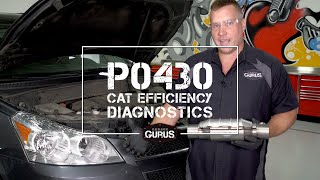
Typical fix: Replace the Bank 2 catalytic converter, which is integrated with the exhaust manifold. This is the firewall-side converter and is labor-intensive to access. 🎬 See this walkthrough for replacing the Bank 2 catalytic converter.
Est. part cost: $300-$1500 - Exhaust Leak 🟡 Medium Probability Gaskets and flex pipes can degrade over time, causing leaks, especially in regions with road salt. A very common failure point is a crack in the weld on the flange that attaches the Y-pipe to the primary catalytic converter. A leak between the upstream and downstream sensors allows unmetered oxygen into the exhaust, which can trick the downstream sensor into sending readings that suggest poor catalyst efficiency.
How to confirm: Perform a visual inspection of the exhaust system from the manifold to the rear O2 sensor. A professional smoke test is the most reliable method. A DIY method involves using a shop-vac in reverse or a leaf blower to pressurize the exhaust (engine off) and spraying soapy water on joints; bubbles will reveal the leak.
Typical fix: Replace the leaking gasket or have the cracked flange/pipe welded. Some owners have had success with high-temp muffler sealant for minor leaks.
Est. part cost: $20-$250 - Failing Oxygen (O2) or Air/Fuel (A/F) Sensor ⚪ Low Probability Sensors can become 'lazy' or fail with age, sending inaccurate data to the ECM. While less common than a failed converter, it's a crucial and cheaper diagnostic step to rule out.
How to confirm: Use a scan tool to graph the voltage of the Bank 2 sensors. The downstream sensor (Sensor 2) should have a relatively steady voltage. If it is stuck or not responding, it may be faulty. Swapping the Bank 1 and Bank 2 downstream sensors (if they are the same part number) can confirm a bad sensor if the code changes to P0420 (Bank 1).
Typical fix: Replace the faulty oxygen sensor. It is often recommended to replace sensors when replacing a catalytic converter.
Est. part cost: $50-$180
Rare But Worth Checking
- Engine Misfires or Fuel Mixture Issues: If the engine is misfiring or running consistently rich, it can send unburned fuel into the exhaust, which can overheat and destroy the catalytic converter. This is a root cause that must be fixed, otherwise the new converter will also fail. This condition will typically set other codes (e.g., P030x, P0172, P0175).
- Using Low-Quality Fuel: Some owners on forums have reported that the P0420/P0430 codes appeared when using lower octane or lower quality gasoline and disappeared after switching to a Top Tier, premium (91+ octane) fuel, suggesting deposits may have been a contributing factor. The RX350 requires premium fuel.
Diagnosis Steps
- Read the code with an OBD-II scanner and check for any other active or pending codes. Note if P0420 is also present.
- Visually inspect the Bank 2 exhaust system (firewall side) for any obvious leaks, cracks, or damage. Pay close attention to manifold gaskets and the Y-pipe flange connections, looking for black soot marks.
- Use a scan tool to monitor live data. Observe the voltage graphs for the Bank 2 upstream (A/F Sensor 1) and downstream (O2 Sensor 2). The upstream sensor should fluctuate rapidly, while the downstream sensor should remain relatively stable and flat. If the downstream sensor mimics the upstream, the converter is likely inefficient.
- If no obvious leaks are visible, perform an exhaust smoke test or use the shop-vac/leaf blower method with soapy water to definitively rule out any leaks. This is a critical step on this platform.
- If no leaks are found and the downstream O2 sensor is suspected to be lazy or faulty, test the sensor or consider swapping it with the sensor from Bank 1 to see if the fault follows the sensor (code changes to P0420).
- As a last-ditch effort before replacement, some owners attempt to use a fuel system/catalytic converter cleaner like Cataclean, though success is not guaranteed. 🎬 Learn how some owners use sensor spacers to clear codes.
- If all other possibilities are eliminated, the catalytic converter is the culprit and requires replacement.
Parts You'll Likely Need
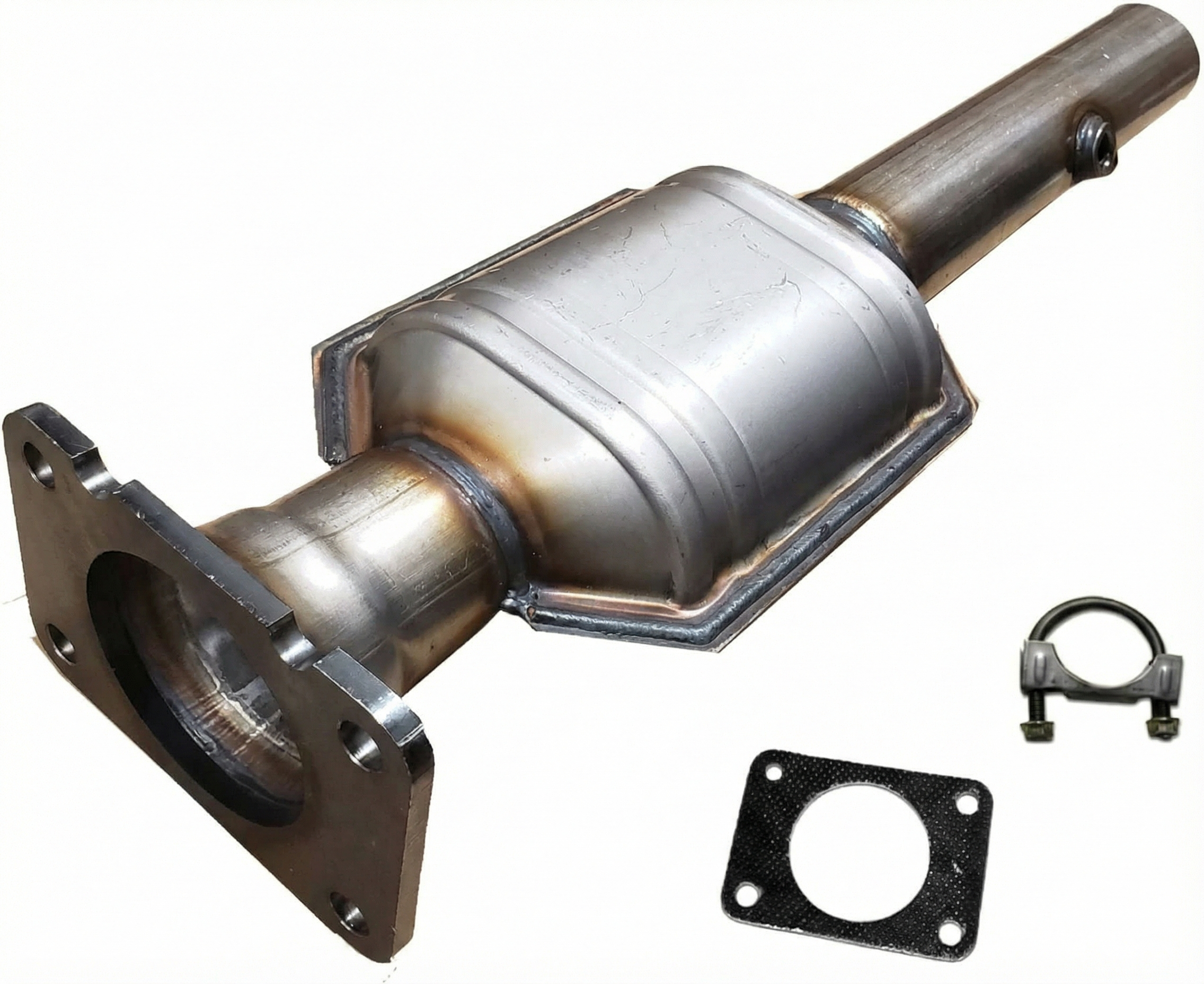
- Catalytic Converter (Bank 2 - Firewall Side)
(OEM #17150-0P090 (or superseded numbers))— This is the most common failure part for code P0430 on a high-mileage RX350. The original converter loses its efficiency over time. Access is difficult due to its location.
Trusted brands: Walker, MagnaFlow, AP Exhaust, Dorman, Lexus (OEM)
OEM price range: $1200-$1700
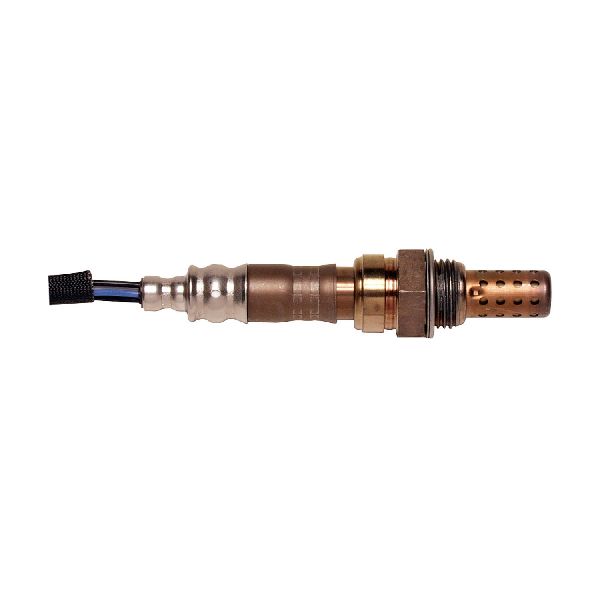
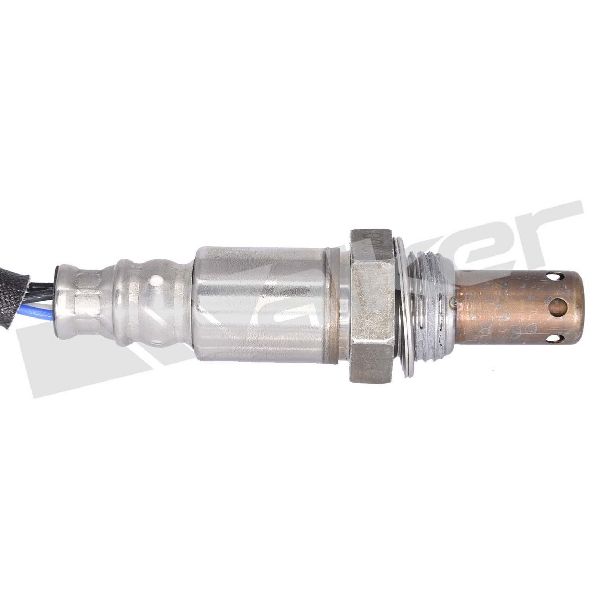
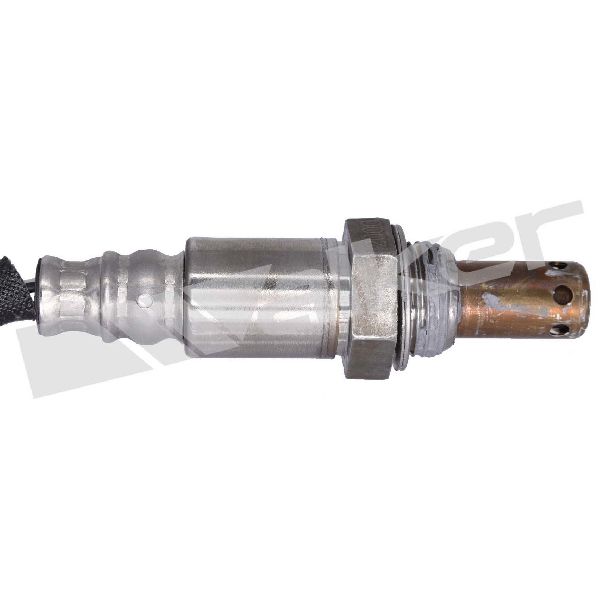
Aftermarket price range: $300-$800 - Downstream Oxygen Sensor (Bank 2, Sensor 2)
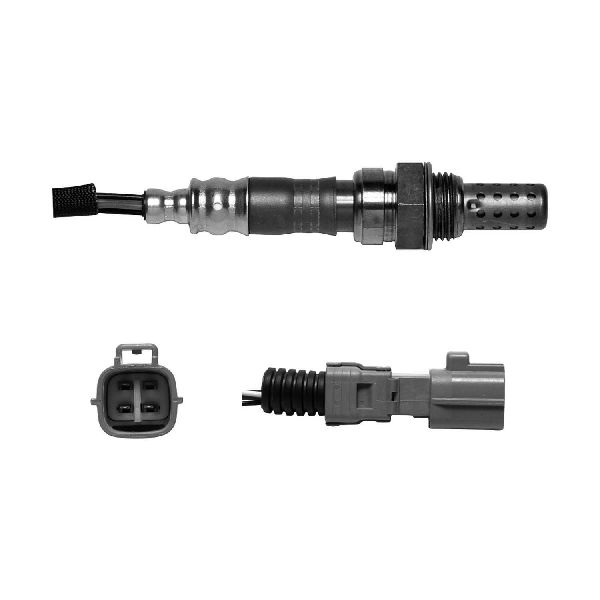
(OEM #89465-0E030)— This sensor is responsible for reporting the converter's efficiency. It can fail or become 'lazy', sending incorrect signals. It is often replaced along with the catalytic converter. The OEM supplier is Denso.
Trusted brands: Denso (OEM supplier, P/N 234-4509), Bosch, NTK
OEM price range: $120-$180
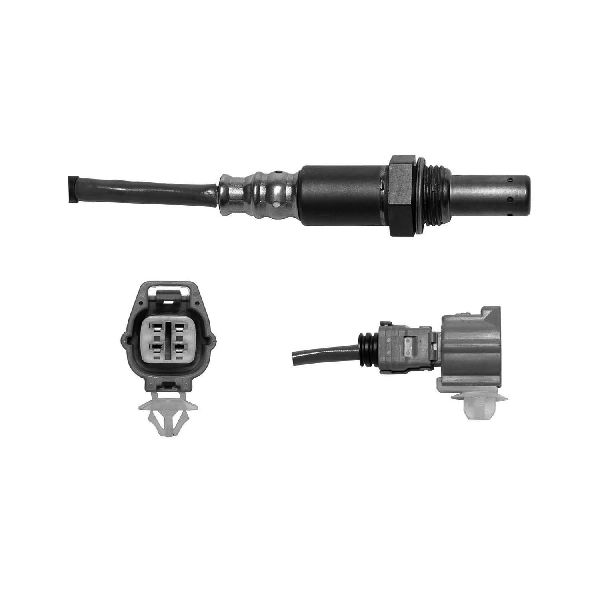
Aftermarket price range: $50-$100 - Upstream Air/Fuel Ratio Sensor (Bank 2, Sensor 1)
(OEM #89467-48120)— Though less likely to cause P0430 directly, a failing upstream sensor can affect the air/fuel mixture and indirectly impact converter performance or diagnosis. The OEM supplier is Denso.
Trusted brands: Denso (OEM supplier, P/N 234-9114), Bosch
OEM price range: $150-$220
Aftermarket price range: $70-$140 - Exhaust Manifold Gasket
(OEM #17173-0P010)— Required when replacing the manifold-integrated catalytic converter to ensure a proper seal against the cylinder head.
Trusted brands: Fel-Pro, Victor Reinz, Lexus (OEM)
OEM price range: $30-$50
Aftermarket price range: $15-$30
Related Codes That Often Appear With This One
- P0420 — This is the identical code but for Bank 1 (radiator side). Seeing both codes together could indicate a systemic issue like contaminated fuel, a common problem affecting both catalytic converters, or a major vacuum/exhaust leak.
- P0157 / P0158 — These codes indicate a specific electrical fault (low or high voltage) with the downstream O2 sensor on Bank 2. If you see these codes along with P0430, it points more strongly toward a sensor or wiring issue rather than the converter itself.
Platform-Specific Known Issues
- Owner Experience: O2 Sensor Spacer (Non-Fouler) Trick: → Shop Oxygen Sensor A common workaround discussed in forums for a persistent P0430 code is installing a spark plug non-fouler or a dedicated O2 sensor spacer on the downstream (Sensor 2) oxygen sensor. This pulls the sensor slightly out of the direct exhaust stream, causing it to read lower oxygen levels and tricking the ECU into thinking the catalyst is working efficiently. While many owners report this successfully turns off the check engine light and allows them to pass emissions, it does not fix the underlying problem and may be illegal for emissions purposes in some areas.
- Owner Experience: Cheap Aftermarket Converters: In a detailed YouTube repair video, an owner shared their experience with a P0430 code on a high-mileage RX350. After trying fuel cleaners and replacing O2 sensors without success, the final fix was replacing the catalytic converter. The owner warned against using very cheap aftermarket converters due to poor fitment that caused exhaust leaks, recommending a higher-quality aftermarket or OEM part for a proper seal.
Mechanic-Grade Diagnostic Values
- Mode $06 Catalyst Monitor Efficiency Bank 2 — expected: The test value should be above the minimum threshold set by the manufacturer. A healthy converter will have a value significantly higher than the minimum.. Failure: A test value that is at or below the minimum threshold indicates the catalyst has failed the onboard diagnostic test, confirming the P0430 code.
- Downstream O2 Sensor (Bank 2, Sensor 2) Voltage at Idle — expected: A relatively stable voltage, typically between 0.6V and 0.8V on a fully warmed-up engine.. Failure: If the voltage is rapidly switching between high (approx. 0.8V) and low (approx. 0.2V), mimicking the behavior of the upstream A/F sensor, it indicates the catalytic converter is not storing oxygen and is inefficient.
Hidden / Shadow Codes Worth Checking
- Mode $06, TID $81-$84, CID $01-$02: These are not fault codes but internal monitor test results for catalyst efficiency. They show the raw performance data the ECU uses to determine if the converter passes or fails. Viewing this data can show if the converter is borderline or has definitively failed, even before the P0430 code becomes permanent. (see via A professional scan tool or specialized software like Toyota Techstream is needed to access the Mode $06 data under the engine control module's monitor details.)
Wiring & Ground Locations
- Engine Harness Ground (Front Head) — On the 2GR-FE engine, a critical engine harness ground attaches to a boss on the side of the front cylinder head (Bank 2, firewall side).. A poor ground connection at this point can cause erratic sensor readings, including from the A/F and O2 sensors for Bank 2. This can lead to incorrect data being sent to the ECU, potentially triggering a false P0430 code or other drivability issues.
- Valve Cover Grounds — The 2GR-FE engine grounds to the chassis in two spots on top of the valve covers. Wires run from each valve cover to a point near the strut towers.. These are the main engine-to-chassis grounds. If they are corroded or loose, it can create a host of electrical problems and spurious trouble codes as sensors may not have a stable reference ground.
- Main Battery Ground — The main ground cable runs from the battery's negative terminal to the inner fender on the right side of the engine bay.. While less specific to this code, a compromised main ground can affect the entire vehicle's electrical system, including the ECU and all its sensors. It's a foundational check for any electrical-related DTC.
Real Owner Repair Stories
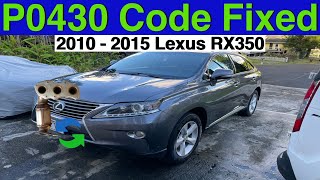
- YouTube user 'Fix It Rich' (2010-2015 Lexus RX350 (different generation but same 2GR-FE engine family and P0430 code logic), 188,000 miles) — Persistent P0430 code that would return weekly after being cleared.
❌ Tried (didn't work) Using two bottles of Cataclean fuel system cleaner., Replacing both Bank 2 oxygen sensors (upstream and downstream).
✅ What actually fixed it Replacing the Bank 2 (radiator side on this model, but the principle is the same) manifold catalytic converter. Upon removal, the old OEM converter's internal honeycomb was found to be broken.
When the Usual Fixes Don't Work
- While the common causes list points to the catalytic converter as the most probable failure, it's critical not to skip diagnostics. In one forum discussion, a user with a P0430 code was advised by a muffler shop that the converter was bad. However, another technician pointed out that P0430 is for Bank 2 (firewall side), while the shop had identified the Bank 1 (radiator side) converter as faulty, highlighting the potential for misdiagnosis even by professionals. In another case, a P0430 code appeared shortly after a Bank 2 O2 sensor was replaced for a different code, suggesting the new sensor itself or the installation could be the issue, rather than the converter.
Diagnostic Flowchart
Other Known Issues on This Vehicle
Issues unrelated to this code that are worth knowing about as an owner of this generation:
- Rupturing VVT-i Oil Line 🔴 High — Very common on early 2GR-FE engines. A rubber section of the oil line degrades and can burst, leading to rapid oil loss and catastrophic engine failure if not shut down immediately. (Ref: Lexus issued a Limited Service Campaign (LSC 9LG, extended by 9LH) to replace the original rubber/metal line with an all-metal line.)
- Cracked/Melting Dashboard 🟡 Low — Extremely common, especially in warmer climates. The dashboard material becomes sticky, shiny, and eventually cracks due to heat and humidity. (Ref: Lexus acknowledged the issue with Warranty Enhancement Program ZLD, offering free dashboard replacement for an extended period (now expired).)
- Power Steering Rack Leaks 🟠 Medium — A widely reported issue where the rack and pinion assembly develops leaks, often under 100,000 miles, requiring a costly replacement of the entire rack.
- Oil Leaks (Timing Cover & Cooler Lines) 🟠 Medium — The 2GR-FE can be prone to oil leaks from the timing chain cover and oil cooler lines. The timing cover leak is a significant labor-intensive repair.
Used vs. New Parts: Buying Guide for This Vehicle
When a used part is the smart pick: For this repair, using a used OEM catalytic converter from a low-mileage, accident-damaged donor vehicle can be a cost-effective alternative to a new OEM part. It is generally not recommended for O2 sensors, as their lifespan is limited and their condition is hard to verify.
Donor-vehicle mileage cap: roughly under 80000 miles for the part to have meaningful remaining life.
What to inspect on the donor part:
- Verify the donor vehicle's mileage is reasonably low.
- Inspect the converter for any external damage, dents, or heavy corrosion.
- Look inside the inlet/outlet pipes with a flashlight to ensure the honeycomb substrate is intact and not melted, broken, or clogged.
- Ensure the donor vehicle is from a region that does not use heavy road salt to minimize rust issues.
OEM-only on this vehicle (don't cheap out):
- Catalytic Converter: Many mechanics and owners report that aftermarket catalytic converters, especially budget brands, may not have sufficient catalyst loading to satisfy the Lexus ECU's strict monitoring, leading to the P0430 code returning within a year.
Aftermarket brands forum-validated for this vehicle:
- Oxygen/Air-Fuel Sensors: Denso is the original equipment supplier and is the most recommended brand for reliable performance. NTK is also a reputable OEM supplier for many brands and is considered a good alternative.
- Catalytic Converters: If an aftermarket unit must be used, brands like MagnaFlow and Walker are generally more trusted than generic or budget options, but OEM is still preferred for longevity.
Brands owners have reported issues with on this vehicle:
- Catalytic Converters: One owner specifically reported that a Davico brand catalytic converter had significant fitment and alignment issues, causing persistent exhaust leaks. Generic, unbranded, or extremely cheap converters found online are also highly likely to fail prematurely or not meet emissions standards.
Real Owner Stories
Aggregated from forums and TSBs cited above. Mileages and costs reflect what owners reported in those sources.
2007-2009 Lexus RX350 3.5L V6 — ~160000 miles
Symptoms: Check Engine Light on, failed emissions test, and a persistent P0430 code that wouldn't go away after trying fuel cleaners and new O2 sensors.
What fixed it: Replacement of the catalytic converter with a high-quality aftermarket or OEM part to ensure a proper seal and correct fitment.
Source hint: Owner Experience: Cheap Aftermarket Converters
2007-2009 Lexus RX350 3.5L V6
Symptoms: Check Engine Light (P0430) and Check VSC light illuminated. High repair quotes from the dealer for converter replacement.
What fixed it: Installed a Dorman 42009 spark plug non-fouler (O2 sensor spacer) on the downstream sensor to trick the ECU into reading higher catalyst efficiency.
Source hint: ClubLexus: 'P0430 code revisited' - A detailed thread where an owner documents the 'non-fouler' trick
2006-2011 Lexus GS/RX 3.5L V6
Symptoms: P0430 code triggered by a suspected exhaust leak.
What fixed it: Identified a leak using a shop-vac and soapy water, then repaired the leak to resolve the code.
Source hint: ClubLexus: 'Code p0430' - A discussion highlighting the commonality of exhaust leaks
Related OBD-II Codes
Frequently Asked Questions
Why are my VSC and TRAC lights on along with the Check Engine light for a P0430 code?
Which side of the engine is Bank 2 on the 2GR-FE 3.5L V6?
Is there a specific part number for the 'non-fouler' trick mentioned in Lexus forums?
Can I use a shop-vac to find the exhaust leak causing my P0430?
Should I buy the cheapest aftermarket catalytic converter available for my RX350?
Is there a known oil-related issue on the 2007-2009 RX350 I should check while fixing emissions codes?
Helpful Videos
![How to Use O2 Oxygen Sensor Extender Spacer to Turn off CEL [ P0420 & P0430 Fix ]](https://img.youtube.com/vi/3GvDsawF03A/mqdefault.jpg)
Used OEM Parts in Stock
New Aftermarket Parts Available


The information in this article is provided for general reference and educational purposes only. Vehicle specifications, procedures, and part compatibility can vary by production date, trim level, and region. Always consult your vehicle's factory service manual and verify part numbers before purchasing or performing repairs. Safety-critical components such as airbags, seat belts, and braking systems should be installed by a qualified professional.
- Lexus RX350:
- 🧭 Diagnostic Flowchart
- 🎬 Helpful Videos
- 🛍️ Shop This Part
- What's Unique About the 2007-2009 Lexus RX350
- Symptoms You May Notice
- Most Likely Causes
- Rare But Worth Checking
- Diagnosis Steps
- Parts You'll Likely Need
- Related Codes That Often Appear With This One
- Platform-Specific Known Issues
- Mechanic-Grade Diagnostic Values
- Hidden / Shadow Codes Worth Checking
- Wiring & Ground Locations
- Real Owner Repair Stories
- When the Usual Fixes Don't Work
- Other Known Issues on This Vehicle
- Used vs. New Parts: Buying Guide for This Vehicle
- Real Owner Stories
- 2007-2009 Lexus RX350 3.5L V6 — ~160000 miles
- 2007-2009 Lexus RX350 3.5L V6
- 2006-2011 Lexus GS/RX 3.5L V6
- Related OBD-II Codes
- Frequently Asked Questions
- 🎟️ Get 5% Off