

P0430 on 2010 Lexus RX450H: Catalyst Efficiency Bank 2 Causes and Fixes
For a 2010 Lexus RX450H, code P0430 is frequently caused by a faulty rear oxygen sensor on Bank 2, not the expensive catalytic converter. Lexus issued a Technical Service Bulletin (TSB) for this exact problem, providing specific voltage and impedance tests. A proper diagnosis using these criteria is crucial before replacing any parts to avoid unnecessary expense.
- For a P0430 on a 2010 Lexus RX450h, DO NOT immediately assume the catalytic converter is bad.
- Lexus issued a TSB (L-SB-0005-15) because a faulty Bank 2, Sensor 2 oxygen sensor is the most common cause.
- Perform the specific diagnostic test from the TSB: with a scan tool, check if the B2S2 voltage is >= 1.275V or impedance is > 300 ohms. If so, replace the sensor.
- Bank 2 is the front bank, by the radiator.
- Replacing the O2 sensor (OEM part 89465-0E040) is a much cheaper and more likely fix than the multi-thousand-dollar catalytic converter.
What's Unique About the 2010-2010 Lexus RX450H
For this specific vehicle, Lexus issued two Technical Service Bulletins (TSBs) acknowledging that the P0430 code is often triggered by a failing Bank 2 downstream oxygen sensor, rather than the catalytic converter itself. The TSBs provide a specific diagnostic test using a tool like Toyota's Techstream: with the engine fully warmed up, if the Bank 2, Sensor 2 shows a voltage of 1.275V or higher, or an impedance over 300 ohms, the sensor is faulty. This makes it critical to follow the correct diagnostic procedure and not immediately assume the converter has failed, which could save thousands of dollars.
Diagnostic Flowchart
Tap your situation to follow the diagnostic path that matches what you're seeing on this vehicle.
Symptoms You May Notice
- Check Engine Light is on
- Vehicle may fail an emissions inspection
- Potential for slightly reduced fuel economy
- In some cases, a rotten egg or sulfur smell from the exhaust may be noticeable.
- Immediately replacing the Bank 2 catalytic converter without performing the specific O2 sensor diagnostic tests outlined in Lexus TSB L-SB-0005-15. This is a very expensive mistake, as the sensor is often the true cause of the code. One owner was quoted $5,000 by a dealer for this repair. 🎬 Watch: How to avoid expensive repairs when fixing a P0430 code.
Most Likely Causes
- Failing Bank 2, Sensor 2 Oxygen Sensor 🔴 High Probability → Shop Oxygen Sensor Lexus issued TSBs L-SB-0005-15 and L-SB-0127-11 Rev because this specific sensor was commonly failing and causing a false P0430 code on 2010-2011 RX450h models. Forum discussions among owners confirm this is a very common failure point.
How to confirm: Using a professional scan tool like Toyota's Techstream, monitor the Bank 2, Sensor 2 (B2S2) voltage and impedance with the engine fully warmed up. If the voltage is 1.275V or higher, OR if the impedance is over 300 ohms, the sensor is faulty and must be replaced per the TSB.
Typical fix: Replace the Bank 2, Sensor 2 (downstream) oxygen sensor and the corresponding exhaust gaskets. Bank 2 is located on the radiator (front) side of the engine bay.
Est. part cost: $90-$180 - Failed Catalytic Converter (Bank 2) 🟡 Medium Probability → Shop Catalytic Converter Catalytic converters are wear items that degrade over time. Physical damage to the internal honeycomb structure can also occur. However, on this vehicle, it should only be suspected after the O2 sensor has been definitively ruled out per the TSB.
How to confirm: After confirming the O2 sensors are working correctly and there are no exhaust leaks, the converter is the likely culprit. A mechanic can use an infrared thermometer to check for a temperature rise across the converter (outlet should be significantly hotter than inlet). 🎬 See this professional walkthrough on how to diagnose P0420 and P0430. In one documented case for an RX350, the owner confirmed the failure only after removing the converter and finding the internal honeycomb was broken.
Typical fix: Replace the Bank 2 manifold catalytic converter. This is the converter located on the radiator side of the engine. Owners have reported that cheap aftermarket converters may have poor fitment, leading to exhaust leaks, and recommend using higher-quality aftermarket or OEM parts.
Est. part cost: $300-$900 (Aftermarket), $3500+ (OEM) - Exhaust System Leak ⚪ Low Probability Rust can cause leaks at gasket flanges or cracks in the pipes, especially in regions that use road salt. A leak between the engine and the downstream O2 sensor can introduce extra oxygen, fooling the sensor into providing readings that trigger the P0430 code.
How to confirm: Perform a visual inspection for black soot marks or cracks. A common DIY method is to use a leaf blower or a shop-vac in reverse to pressurize the exhaust system from the tailpipe (with the engine off) and spray soapy water on all joints and flanges. Bubbles will reveal the location of a leak.
Typical fix: Replace the leaking gasket or repair/replace the damaged section of the exhaust pipe.
Est. part cost: $10-$100
Rare But Worth Checking
- Engine Misfire or Fuel System Issue: An engine that runs too rich due to a leaking fuel injector or other issue can send unburned fuel into the exhaust, which can overheat and damage the catalytic converter over time. This is a root cause to investigate if you are replacing converters repeatedly.
- Worn Spark Plugs: → Shop Spark Plug Similar to a fuel system issue, worn spark plugs with a large gap can lead to incomplete combustion, dumping unburnt fuel into the exhaust and slowly degrading the catalytic converter. If the vehicle has high mileage and original plugs, this is worth investigating as a root cause.
- ECM Software Issue: While less common, sometimes the logic within the Engine Control Module (ECM) can be overly sensitive. Check if any software updates are available from the dealer, though the primary fix for this model was the O2 sensor replacement per the TSBs.
Diagnosis Steps
- Read the code with an OBD-II scanner to confirm P0430 is present. Note if P0420 is also present.
- Crucial Step for this vehicle: With the engine fully warmed up, use a capable scan tool (like Toyota Techstream) to monitor the live data for the 'Bank 2, Sensor 2 Oxygen Sensor'.
- Check the B2S2 voltage and impedance. If the voltage is at or above 1.275V, OR the impedance is over 300 ohms, the sensor has failed per Lexus TSB L-SB-0005-15. Replace the Bank 2, Sensor 2 oxygen sensor. This is the most likely fix.
- If the sensor readings are normal, inspect the entire exhaust system for leaks between the engine and the catalytic converter. Perform a DIY smoke test by blowing air into the tailpipe and spraying flanges with soapy water to check for bubbles. Repair any leaks found.
- If the O2 sensor is good and there are no leaks, the catalytic converter is the most likely remaining cause. Confirm with a temperature gun (outlet should be hotter than inlet) or a professional backpressure test.
- Before replacing a confirmed bad converter, inspect for underlying issues like worn spark plugs or a rich fuel condition that could have damaged the new converter over time.
Parts You'll Likely Need
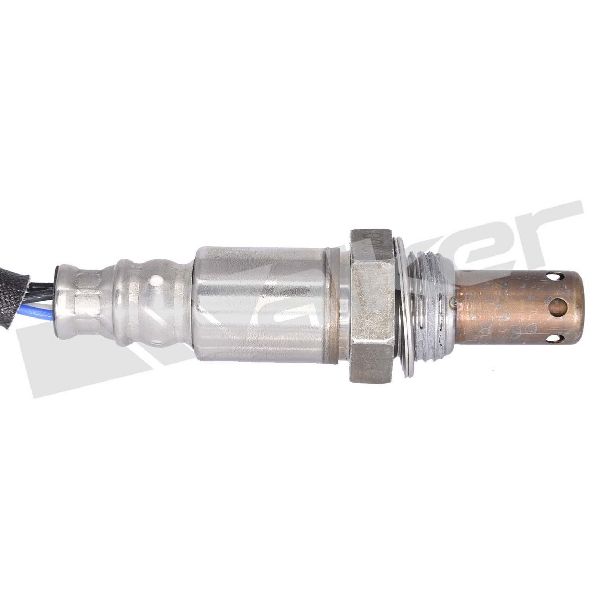
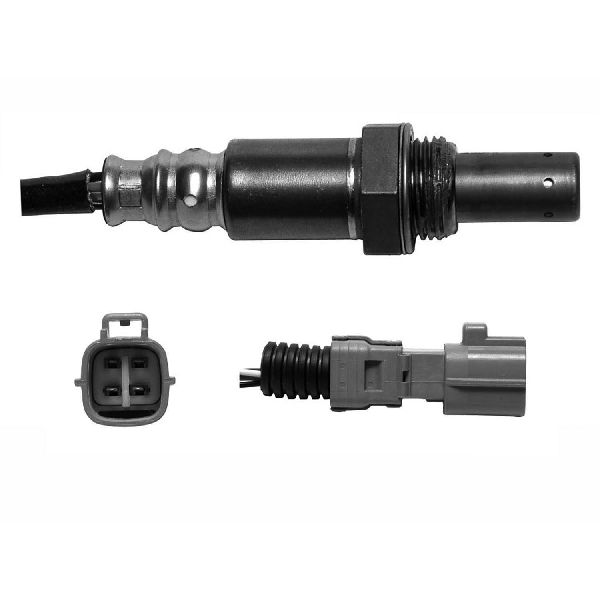
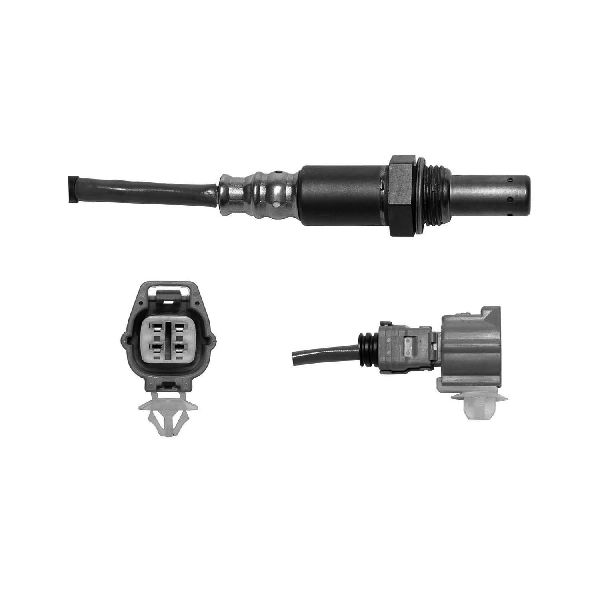
- Bank 2, Sensor 2 Oxygen Sensor (Downstream, Radiator Side)
(OEM #89465-0E040 (supersedes 89465-48220))— This is the most common failure point for a P0430 code on this specific vehicle, as documented by Lexus in TSB L-SB-0005-15. The original part was superseded by an updated one. 🎬 Watch: A step-by-step guide to replacing your Lexus oxygen sensor.
Trusted brands: Denso (OEM Supplier, Part #234-4521)
OEM price range: $170-$235
Aftermarket price range: $90-$170 - Bank 2 Manifold Catalytic Converter (Radiator Side) — If the oxygen sensor and exhaust system are confirmed to be in good working order, the catalytic converter itself has likely failed. Be cautious with cheap aftermarket parts, as owners have reported poor fitment leading to leaks.
Trusted brands: MagnaFlow, Walker Exhaust, AP Exhaust (Eastern)
OEM price range: $3500-$4000
Aftermarket price range: $300-$900 - Exhaust Gaskets
(OEM #90917-06089 / 90080-43036 (Front), 90917-06046 (Rear) - *verify based on flange size*)— These should always be replaced when removing and reinstalling exhaust components like O2 sensors or catalytic converters to prevent leaks. The TSB lists specific part numbers.
Trusted brands: OEM, Fel-Pro
OEM price range: $10-$30
Aftermarket price range: $5-$15
Related Codes That Often Appear With This One
- P0420 (Catalyst System Efficiency Below Threshold Bank 1): If both codes appear simultaneously, it is less likely that both catalytic converters failed at the same time. This would point towards a more systemic issue like a vacuum leak, a dirty MAF sensor, or a fuel delivery problem affecting both engine banks.
Technical Service Bulletins (TSBs) & Recalls
- L-SB-0005-15: MIL "ON" DTC P0430. Details the condition and provides a specific diagnostic procedure to test the Bank 2 O2 sensor, identifying it as a common cause. It also lists updated part numbers for the sensor and required gaskets.
- L-SB-0127-11 Rev: MIL "ON" DTC P0430. An earlier, revised bulletin covering the same issue for 2010-2011 models, also pointing to the O2 sensor as the likely culprit and providing the same diagnostic thresholds.
Platform-Specific Known Issues
- Lexus issued Technical Service Bulletins L-SB-0005-15 and L-SB-0127-11 Rev for the 2010-2011 RX450h, which state that a P0430 code is often caused by a faulty Bank 2 downstream O2 sensor. The bulletins provide a specific diagnostic procedure: use a scan tool to test the sensor's voltage (failure if ≥ 1.275V) and impedance (failure if > 300 ohms) to confirm failure before replacing the much more expensive catalytic converter.
Mechanic-Grade Diagnostic Values
- Bank 2, Sensor 2 Oxygen Sensor Voltage (Engine Warmed) — expected: < 1.275 Volts. Failure: ≥ 1.275 Volts
- Bank 2, Sensor 2 Oxygen Sensor Impedance (Engine Warmed) — expected: < 300 Ohms. Failure: > 300 Ohms
- Short Term Fuel Trim (STFT) & Long Term Fuel Trim (LTFT) at idle and 2500 RPM — expected: Total correction (STFT + LTFT) should ideally be within ±10%.. Failure: Large positive numbers (e.g., > +15%) suggest a vacuum leak or under-reporting MAF sensor. Large negative numbers suggest a leaking injector or other rich condition.
Hidden / Shadow Codes Worth Checking
- Mode $06, TID $81-$84, CID $01-$02: These are not DTCs but Test IDs (TID) and Component IDs (CID) for the catalyst efficiency monitor. Techstream can display the raw test values and compare them against the minimum/maximum thresholds. This allows a technician to see if the catalyst is borderline or degrading over time, even before a P0430 code is set. (see via Toyota Techstream software, under the 'Engine Control and ECT' -> 'Monitor' -> 'Details' screen.)
Scan Tool Commands That Help
- Toyota Techstream: Active Test: 'Control the Injection Volume for A/F Sensor' — This test allows a technician to manually force the engine rich or lean to check the response of the oxygen sensors. It's a way to actively verify if the upstream and downstream sensors are reacting correctly to changes in the air/fuel mixture, which is crucial for diagnosing catalyst efficiency.
- Toyota Techstream: Utility: 'Inspection Mode (Maintenance Mode)' — For hybrid vehicles like the RX450h, this mode must be activated to force the gasoline engine to run continuously for diagnostic purposes, such as warming up the catalytic converters or performing a drive cycle.
- OBD-II Scan Tool: Readiness Monitor Status — After a repair (like replacing an O2 sensor or converter) and clearing the codes, you must check if the 'Catalyst' monitor has completed its self-test. The code will not return until this monitor runs and fails. A specific drive cycle is often required to get the monitor to run.
Wiring & Ground Locations
- Engine Ground Strap — On the 2GR-FE family, a key ground strap often runs from the passenger side of the engine block to the firewall. Another important ground connects to the alternator bracket.. A loose or corroded engine ground can introduce electrical noise and cause incorrect voltage readings from sensors, including the oxygen sensors. This can lead to false codes. Always check that main engine and body grounds are clean and tight before replacing expensive components.
- ECM Connector E6 & E7 — Inside the vehicle, connected to the Engine Control Module (ECM).. The signal wires for the oxygen sensors terminate here. For example, on a 2GR-FE, the Bank 2 Sensor 2 signal wires (OX2A, OX2B) can be found at specific pins on the E6 connector, allowing for continuity and voltage checks directly at the computer.
Real Owner Repair Stories
- YouTube user 'Fix It Rich' (2010-2015 Lexus RX350 (same engine family and Bank 2 location), 188,000 miles) — Persistent P0430 code that would return weekly after being cleared.
❌ Tried (didn't work) Using two bottles of Cataclean fuel system cleaner., Replacing both Bank 2 oxygen sensors (upstream and downstream).
✅ What actually fixed it Replacing the Bank 2 (radiator side) manifold catalytic converter. Upon removal, the old OEM converter's internal honeycomb was found to be broken. The owner noted that an initial attempt with a cheap, 'Aftermarket Design' converter (Davico) failed due to poor fitment and exhaust leaks, and they had to switch to a better quality brand (AP Eastern) to resolve the issue.
OEM Part Supersession History
89465-48220→89465-0E040— The original part number was prone to failure, causing false P0430 codes as documented in Lexus TSBs. The new part is an updated, more reliable design.
Heads up: The Denso aftermarket equivalent is #234-4521. While Denso is the OEM supplier, the part sold in a Toyota/Lexus box may differ slightly from the aftermarket Denso part, though both are generally considered high-quality and reliable replacements.
Helpful Videos
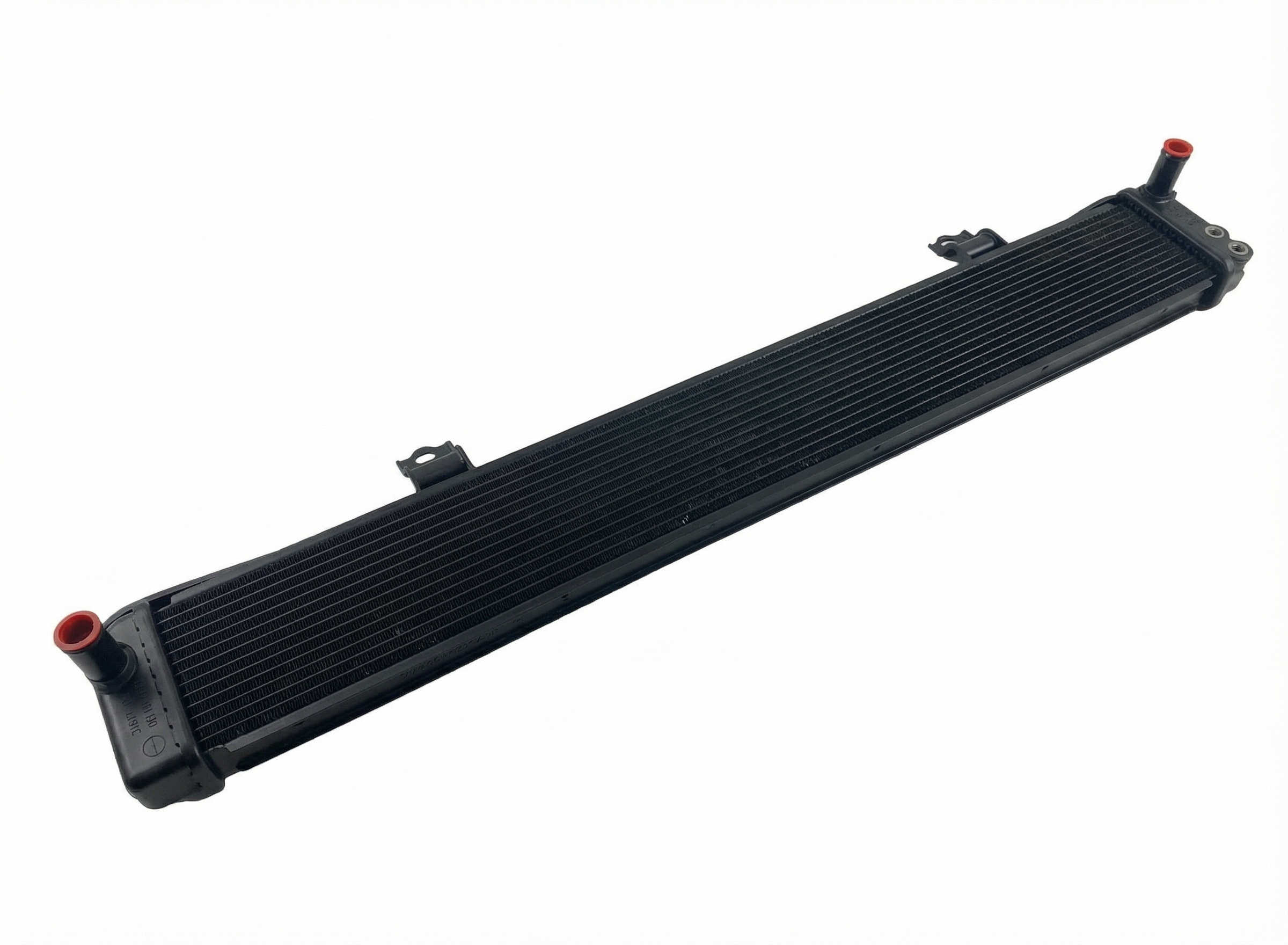
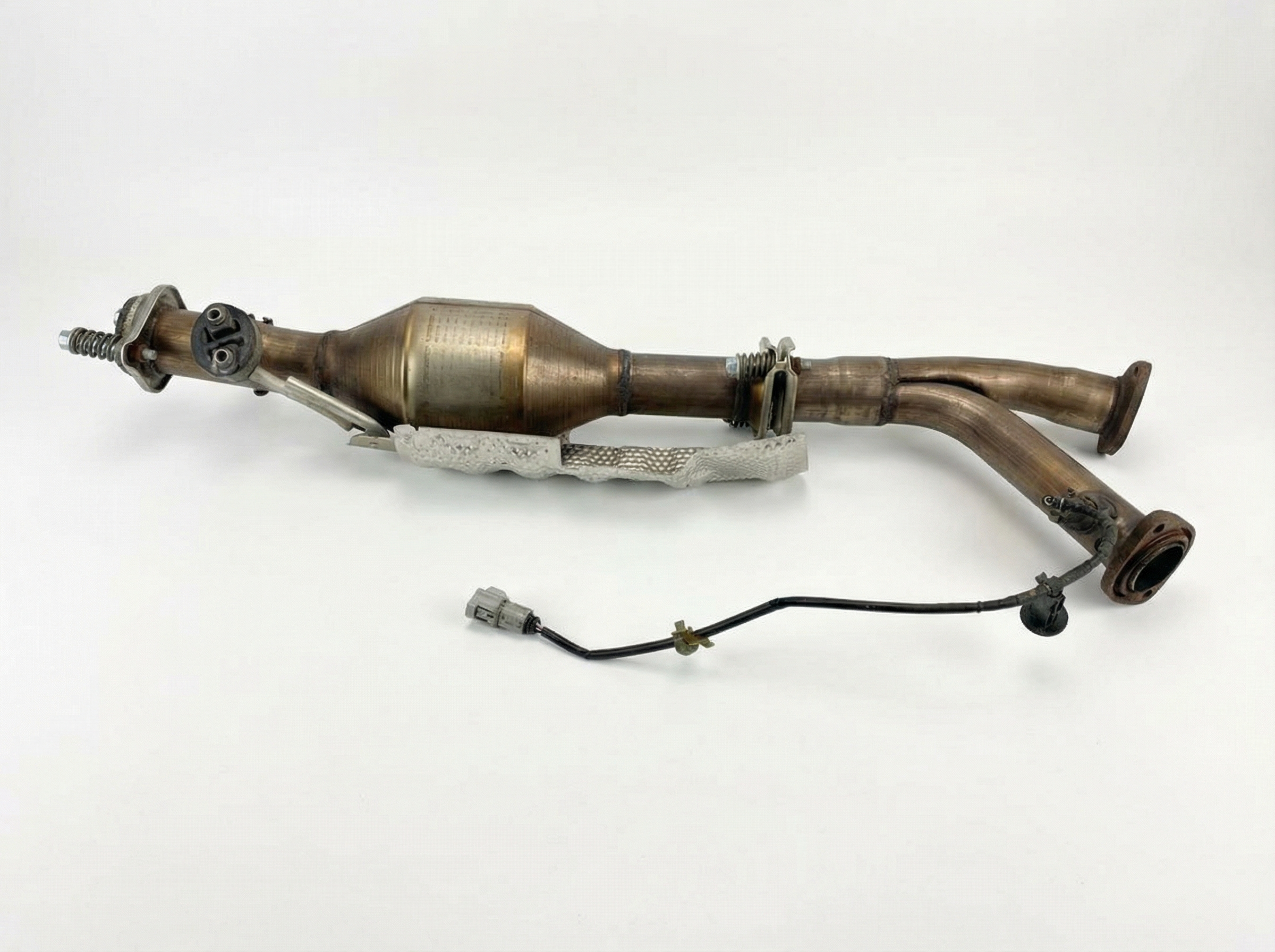
Used OEM Parts in Stock
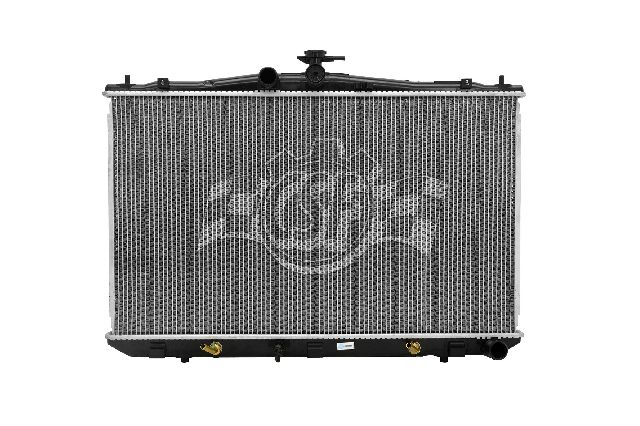
New Aftermarket Parts Available



The information in this article is provided for general reference and educational purposes only. Vehicle specifications, procedures, and part compatibility can vary by production date, trim level, and region. Always consult your vehicle's factory service manual and verify part numbers before purchasing or performing repairs. Safety-critical components such as airbags, seat belts, and braking systems should be installed by a qualified professional.
- Lexus RX450H:
- 🧭 Diagnostic Flowchart
- 🎬 Helpful Videos
- 🛍️ Shop This Part
- What's Unique About the 2010-2010 Lexus RX450H
- Symptoms You May Notice
- Most Likely Causes
- Rare But Worth Checking
- Diagnosis Steps
- Parts You'll Likely Need
- Related Codes That Often Appear With This One
- Technical Service Bulletins (TSBs) & Recalls
- Platform-Specific Known Issues
- Mechanic-Grade Diagnostic Values
- Hidden / Shadow Codes Worth Checking
- Scan Tool Commands That Help
- Wiring & Ground Locations
- Real Owner Repair Stories
- OEM Part Supersession History
- 🎟️ Get 5% Off