

P0430 on 2007-2015 Mazda CX-9: Catalyst Efficiency Causes and Fixes
P0430 on a 2007-2015 Mazda CX-9 indicates a failing Bank 2 catalytic converter, often caused by a more serious internal water pump failure. Before replacing the converter, you must check for coolant in the oil. If the oil is clean, the issue could be a bad O2 sensor or an exhaust leak.
- Before any other action, check the engine oil for a milky appearance. This is a sign of the notorious internal water pump failure on the CX-9, which is the true root cause.
- If the oil is clean, the most likely cause is a failed Bank 2 (front/radiator side) catalytic converter, but you should rule out a bad O2 sensor first.
- A reliable way to test an O2 sensor is to swap the downstream sensors between Bank 1 and Bank 2. If the code changes from P0430 to P0420, the sensor is bad.
- Do not replace the catalytic converter without first fixing any engine misfire (P030x) or fuel mixture (P017x) codes, as these conditions will destroy the new converter.
What's Unique About the 2007-2015 Mazda CX-9
The 3.5L and 3.7L MZI V6 engines in the first-generation CX-9 are variants of the Ford Cyclone family and have a critical, well-documented design flaw: an internal, timing-chain-driven water pump. When this pump's seal fails, it leaks coolant directly into the engine oil. This contaminated oil is burned during combustion, and the exhaust containing coolant additives (like silicates and phosphates) quickly poisons and destroys the catalytic converters. Therefore, a P0430 code on this specific vehicle is a major red flag that requires an immediate inspection for this much more serious, engine-threatening problem before any parts are replaced. A forum user on Mazdas247 noted that after their water pump was replaced, the P0430 code appeared a month later, implying the damage to the converter was already done.
Generation note: This guide covers the first generation (2007-2015) of the Mazda CX-9. The 2007 model used a 3.5L MZI V6, while 2008-2015 models used the 3.7L MZI V6. While the core engine architecture and the causes for P0430 are nearly identical, some specific part numbers for converters or sensors may differ between the two engine sizes. The critical internal water pump issue is present on both engine variants.
Symptoms You May Notice
- Check Engine Light is on
- Reduced engine power and sluggish acceleration
- Decreased fuel economy
- A sulfur or "rotten egg" smell from the exhaust
- Rattling noises from under the vehicle if the converter's internal structure has broken apart
- Failure to pass an emissions test
- Excessive heat felt from under the vehicle
- Immediately replacing the oxygen sensor without testing. It is more common for the sensor to be correctly reporting a bad converter than for the sensor itself to be the sole problem. Swapping sensors between banks is a key diagnostic step.
- Replacing the catalytic converter without checking for internal water pump failure. If the oil is contaminated with coolant, the new converter will be quickly destroyed, wasting thousands of dollars.
- Replacing the catalytic converter without first fixing underlying issues like engine misfires or fuel trim problems, which will cause the new converter to fail prematurely.
Most Likely Causes
- Failed Catalytic Converter (Bank 2) 🔴 High Probability → Shop Catalytic Converter Often a secondary failure caused by either a failed internal water pump poisoning the catalyst, or damage from unaddressed engine misfires dumping raw fuel into the exhaust.
How to confirm: After ruling out other causes, use a scan tool to observe live O2 sensor data. The Bank 2 downstream sensor (B2S2) voltage should be stable and steady (typically >0.6V). If it fluctuates rapidly, mirroring the upstream sensor (B2S1), the converter is not working. A temperature gun can also be used; the outlet should be significantly hotter (at least 100°F / 38°C) than the inlet on a working converter.
Typical fix: Replace the Bank 2 (front/radiator side) catalytic converter and address the root cause of the failure (e.g., water pump, misfires).
Est. part cost: $800-$2500 - Internal Water Pump Failure 🟡 Medium Probability This is a notorious, well-documented failure point for the 3.5L/3.7L MZI V6 engine family. The pump is driven by the timing chain, and a seal failure leaks coolant directly into the oil pan.
How to confirm: CRITICAL STEP: Check the engine oil dipstick and oil filler cap for a milky, frothy, or 'chocolate milkshake'-like appearance. This indicates coolant is mixed with the oil. Also, check for a dropping coolant level with no visible external leaks. A weep hole for the pump is designed to leak externally below the alternator; visible coolant there is a sure sign of impending failure.
Typical fix: This is a major, labor-intensive repair (12+ hours) requiring replacement of the water pump, timing chains, tensioners, and guides. The catalytic converters will also need to be replaced as they have been permanently damaged by the contaminated oil.
Est. part cost: $500-$1200 (for water pump/timing parts alone) - Faulty Oxygen (O2) Sensor 🟡 Medium Probability → Shop Oxygen Sensor O2 sensors are wear items that degrade over time. A lazy or failed downstream sensor can send incorrect data, falsely triggering P0430. However, they are often replaced unnecessarily when they are accurately reporting a bad converter.
How to confirm: The best diagnostic test is to swap the downstream (post-catalyst) O2 sensors between Bank 1 and Bank 2. Clear the codes and drive. If the code returns as P0420 (for Bank 1), the sensor is confirmed to be faulty. If P0430 returns, the converter is the problem.
Typical fix: Replace the faulty downstream oxygen sensor (Bank 2, Sensor 2). High-quality brands like Denso or NGK/NTK are recommended.
Est. part cost: $50-$200 - Exhaust Leak ⚪ Low Probability Flex pipes and manifold gaskets are common areas for leaks to develop over time due to rust and vibration.
How to confirm: Visually inspect the exhaust system from the engine to the catalytic converter for cracks, rust, or black soot marks. Listen for hissing or ticking sounds. A professional smoke test is the most definitive way to find small leaks.
Typical fix: Replace the leaking gasket or repair/replace the cracked exhaust component.
Est. part cost: $15-$100
Rare But Worth Checking
- Engine Misfires or Fuel System Issues: Persistent misfires (P030x codes) or rich/lean conditions (P017x codes) will destroy a catalytic converter by sending unburned fuel into it, causing it to overheat. These issues MUST be resolved before replacing a converter, or the new one will fail quickly.
- Damaged O2 Sensor Wiring: → Shop Oxygen Sensor The wiring for the Bank 2 O2 sensors runs along the front subframe and is more exposed to road debris. Damage to the harness or connectors can cause erratic readings and a false P0430 code.
Diagnosis Steps
- Read all codes stored in the PCM. Address any misfire (P030x), fuel system (P017x), or O2 sensor circuit codes before diagnosing P0430.
- CRITICAL: Inspect the engine oil on the dipstick and under the oil cap for a milky or frothy appearance. If present, the internal water pump has failed; this is the root cause and must be repaired.
- If oil is clean, inspect the exhaust system for leaks, especially between the exhaust manifold and the downstream O2 sensor. Look for cracks, rust, and soot trails.
- Using a scan tool with live data, warm the engine to operating temperature. Graph the voltage of the Bank 2 upstream (B2S1) and downstream (B2S2) O2 sensors.
- At a steady 2500 RPM, the B2S1 sensor should switch rapidly between ~0.1V and ~0.9V. The B2S2 sensor should show a relatively steady, stable voltage (typically >0.6V).
- If the B2S2 sensor's voltage is fluctuating and mirroring the B2S1 sensor, the catalytic converter has failed.
- If the diagnosis is uncertain, swap the downstream O2 sensors between Bank 1 and Bank 2. Clear codes and drive. If the code changes to P0420, the sensor is bad. If P0430 returns, the converter is the issue.
Parts You'll Likely Need
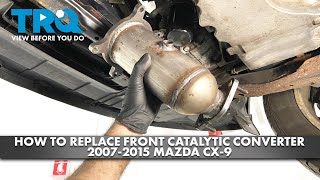
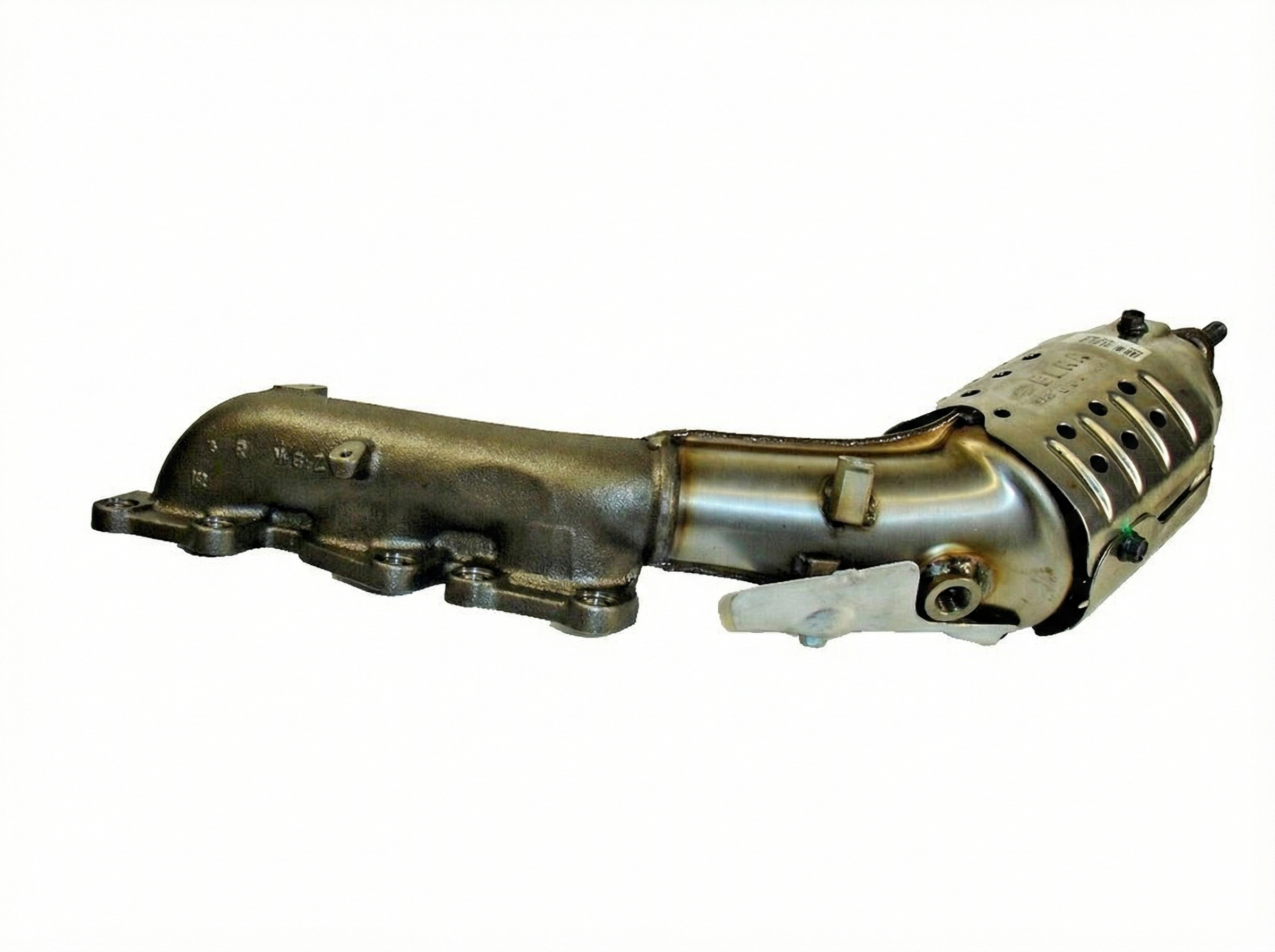
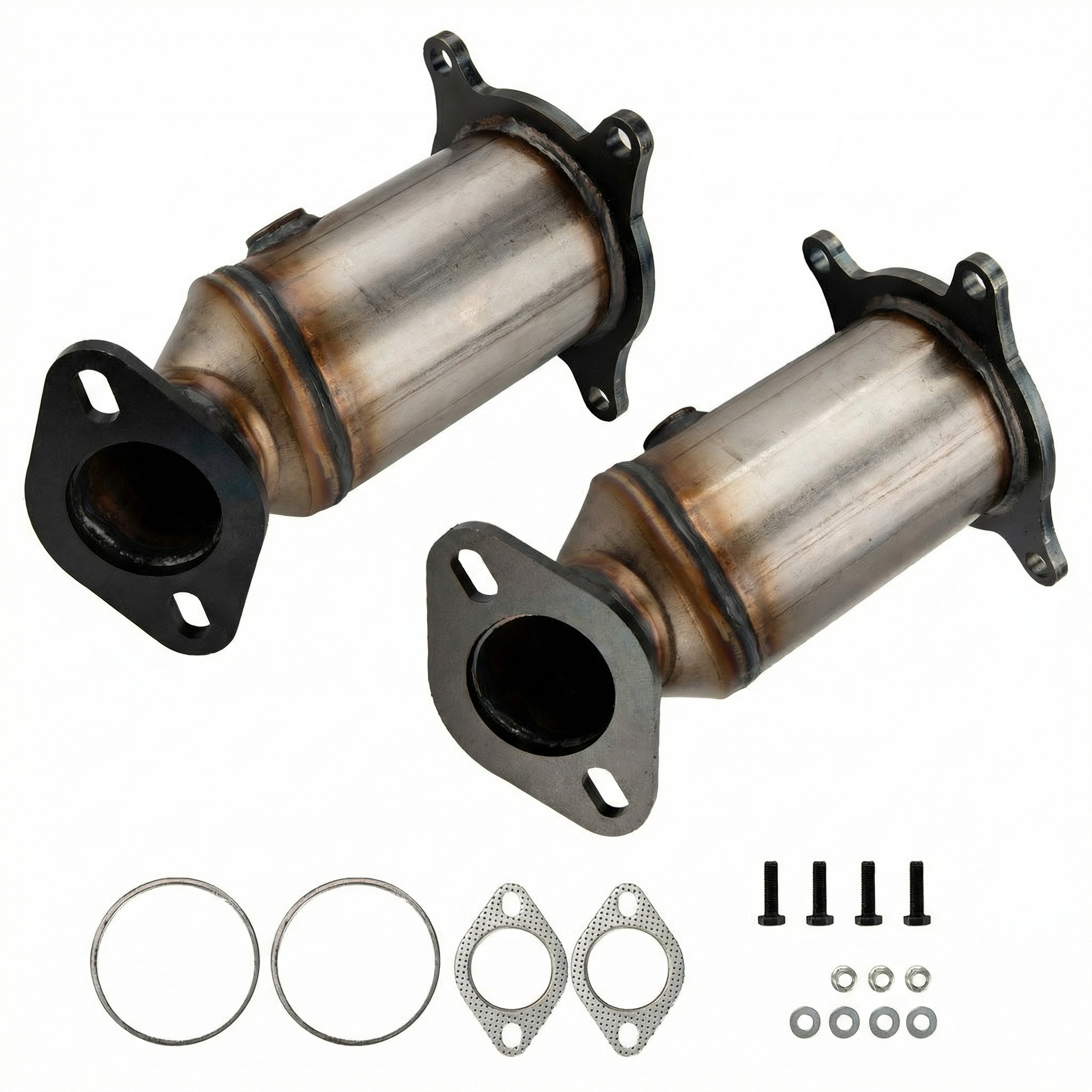
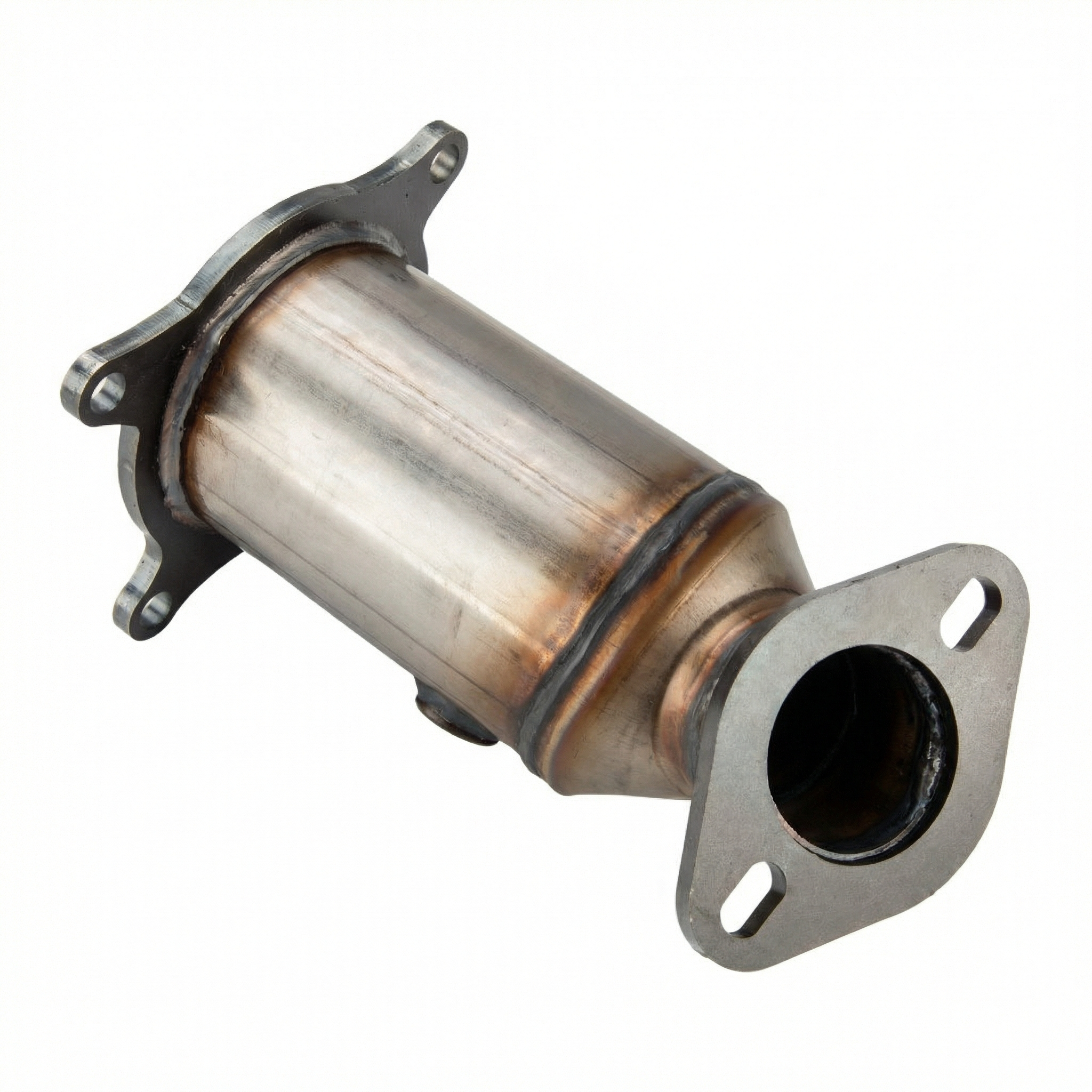
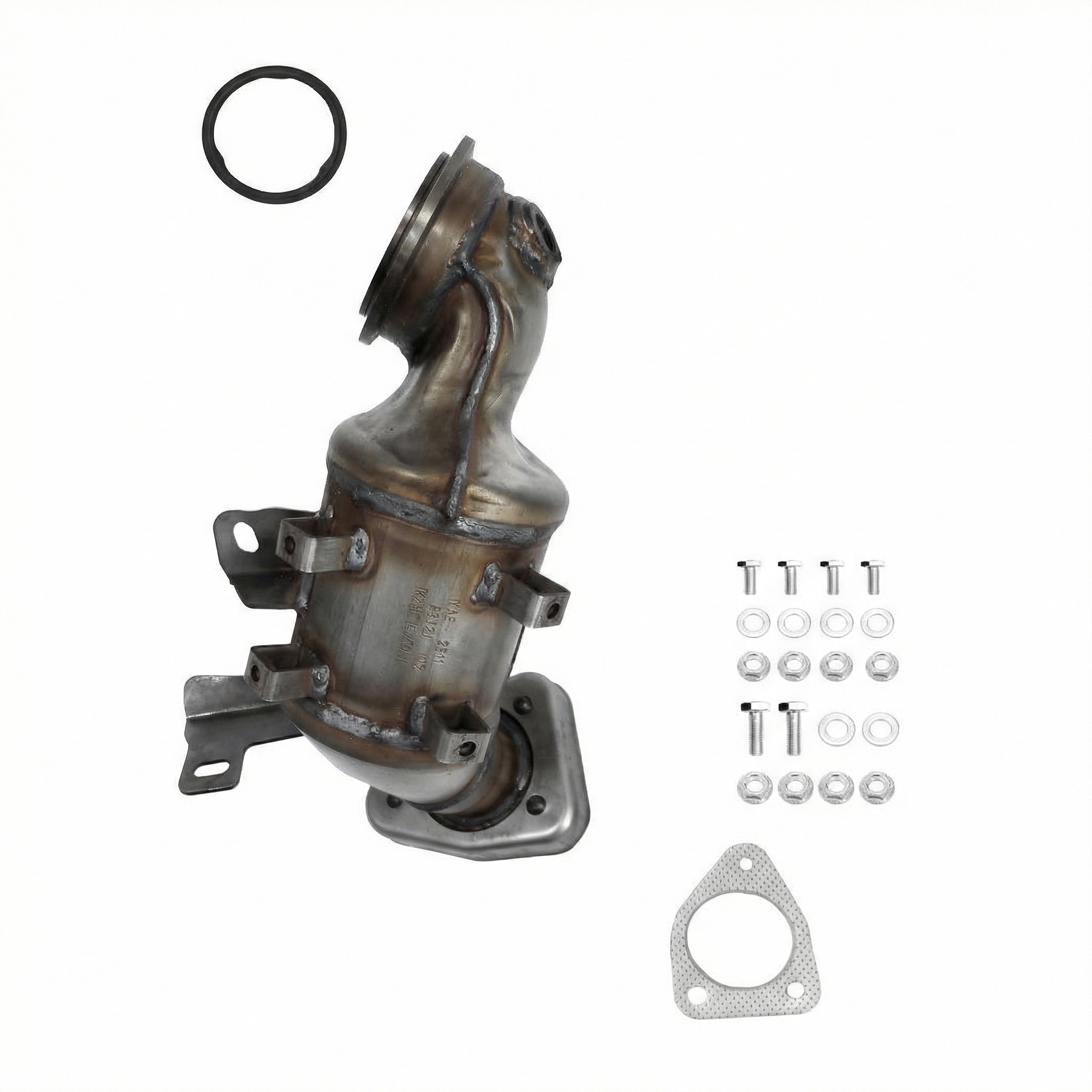
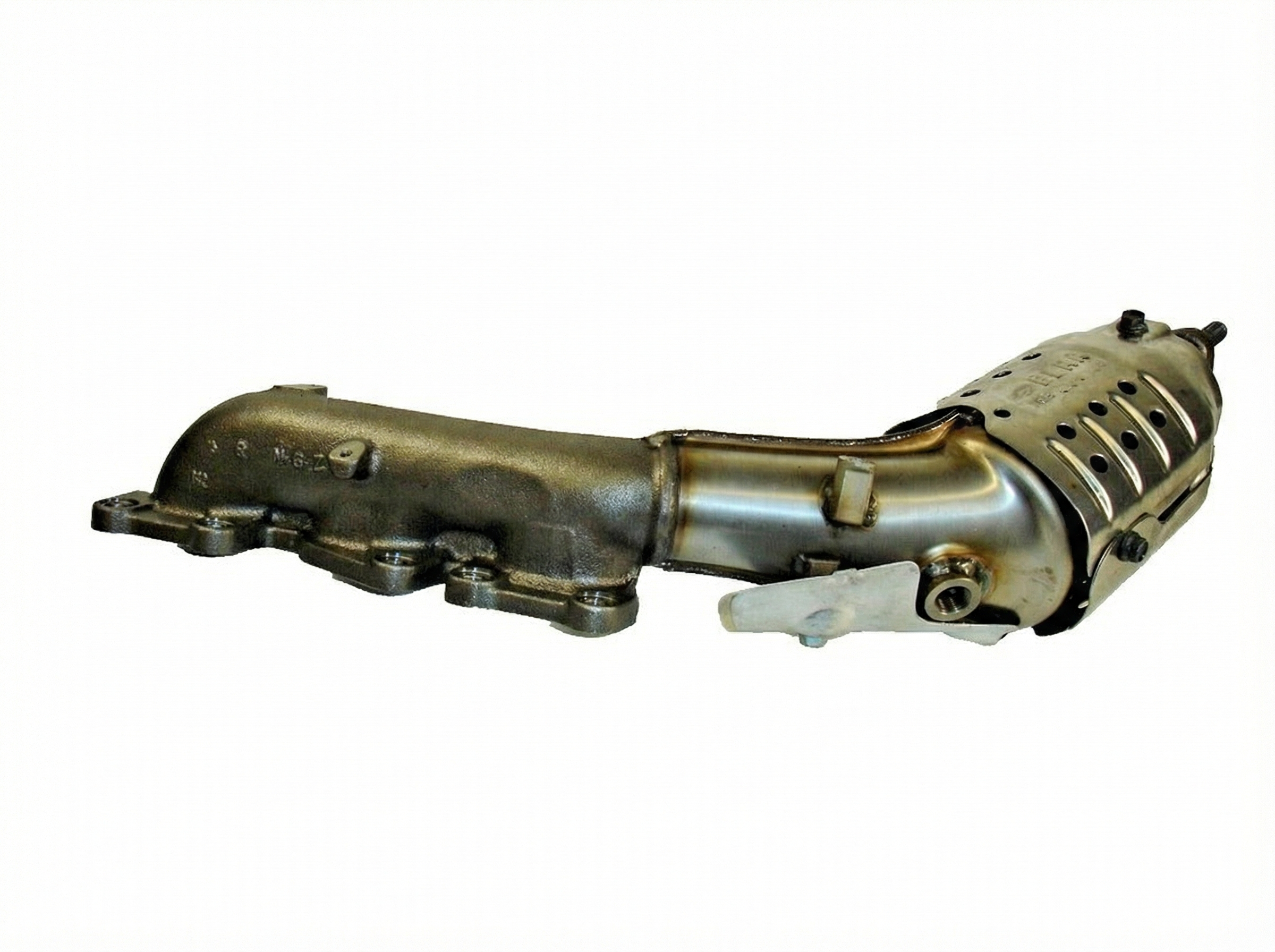
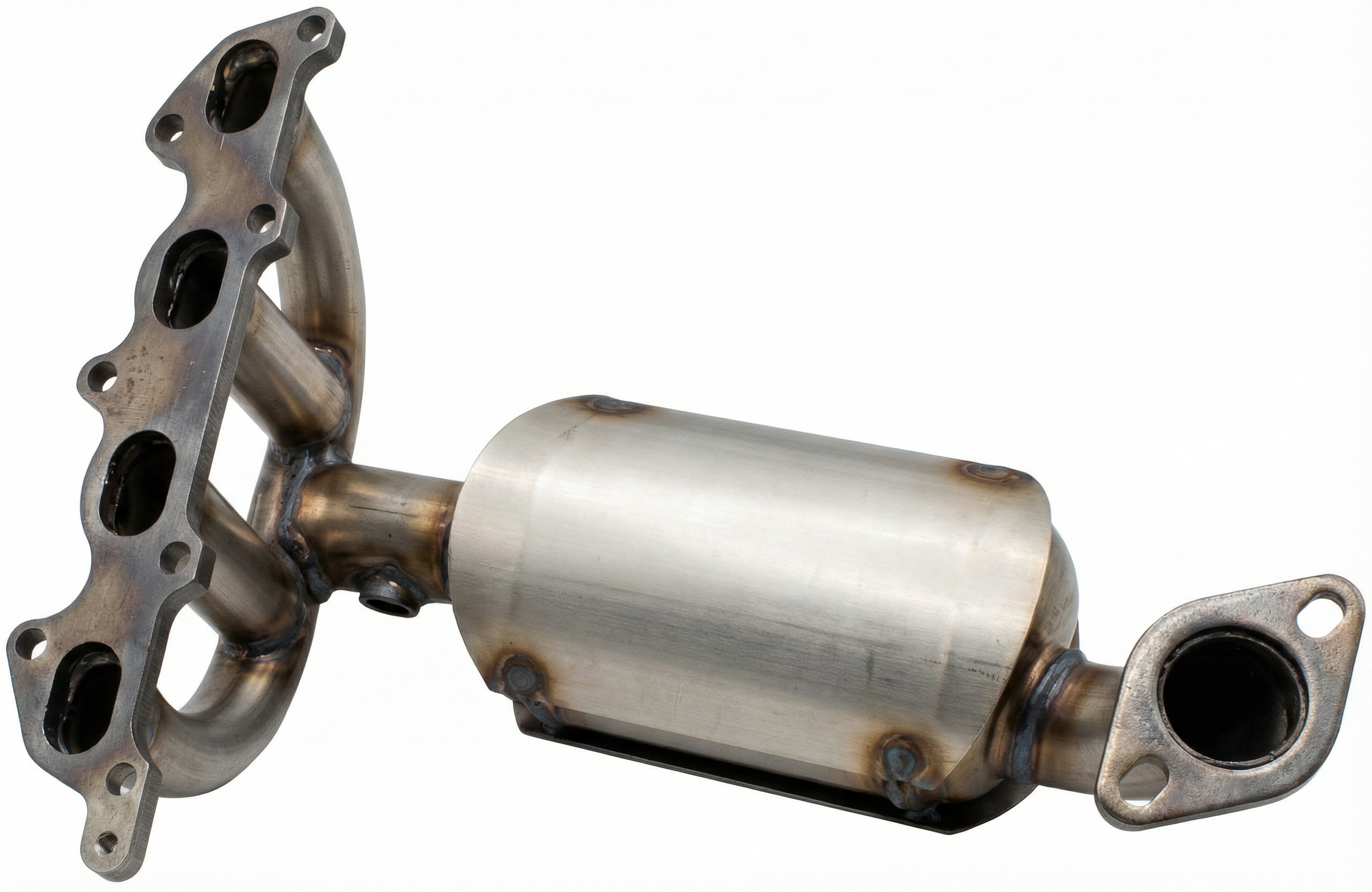
- Catalytic Converter (Bank 2)
(OEM #CY01-20-550A)— This is the most common part to fail and cause P0430, either from age or damage from other engine issues. Bank 2 is the radiator-side converter.
Trusted brands: Walker Exhaust, MagnaFlow, AP Exhaust, Eastern Catalytic - Oxygen Sensor (Bank 2, Sensor 2)
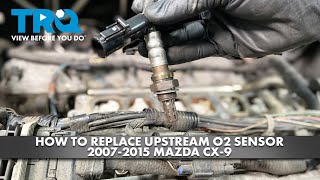
(OEM #L3B2-18-861A)— This is the downstream sensor that monitors the Bank 2 converter. It can fail on its own or be replaced as a precaution when installing a new converter.
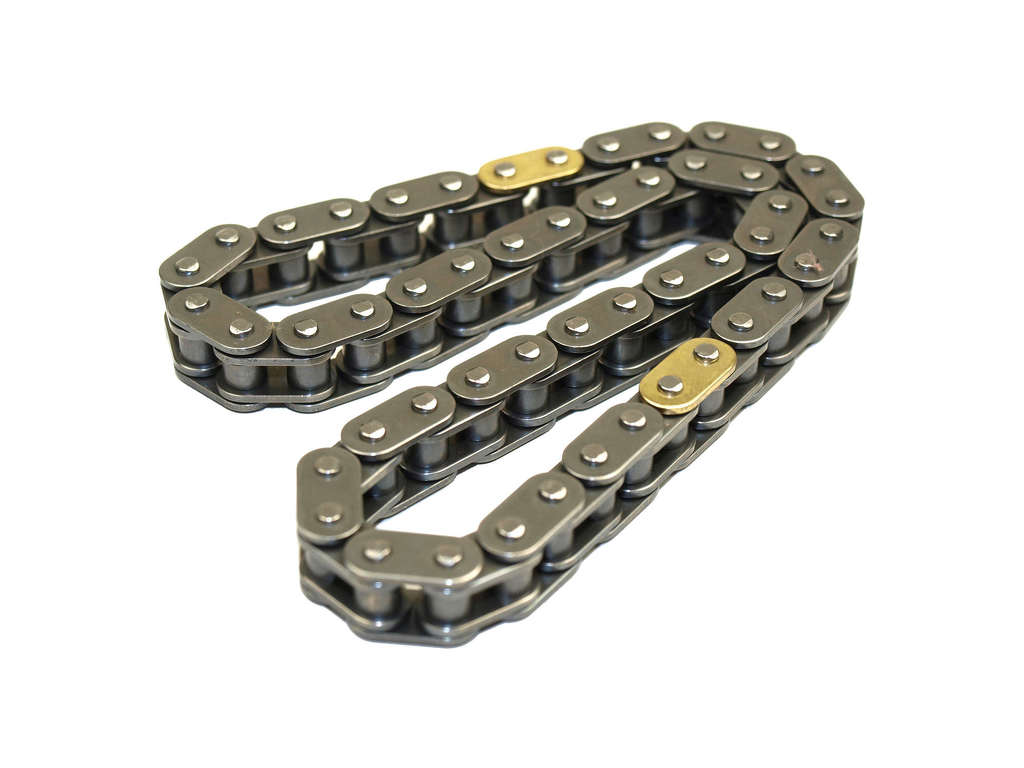
Trusted brands: Denso, NGK/NTK, Bosch - Water Pump & Timing Chain Kit — If the root cause is a failed internal water pump, this comprehensive kit is required for the repair, which is a major undertaking.
Trusted brands: Mazda (OEM), Cloyes, Melling
Related Codes That Often Appear With This One
- P0420 — This is the same efficiency code for Bank 1 (firewall side). If P0420 and P0430 appear together, it strongly suggests a systemic problem like the internal water pump failure has damaged both converters, or a severe misfire event has occurred.
- P0300-P0306 — These are misfire codes. A persistent misfire dumps raw fuel into the exhaust, which quickly overheats and destroys the catalytic converter, directly causing the P0430 code.
- P0172 / P0175 — These codes indicate a 'System Too Rich' condition. A chronic rich condition from a bad sensor or leaking injector can foul and damage the catalytic converter over time.
- P0016 — Crankshaft Position - Camshaft Position Correlation. A forum user reported this code appeared alongside milky oil, indicating the timing may have jumped as a consequence of the water pump failure.
Technical Service Bulletins (TSBs) & Recalls
- Mazda SSP 93: A Special Service Program extending the warranty for the power brake booster on 2007-2013 CX-9s to 7 years/90,000 miles due to a diaphragm that could deteriorate.
- Mazda TSB 01-016/16: Informs technicians that a very small amount of coolant stain or seepage from the water pump bleed hole can be normal and does not automatically require pump replacement unless there is an accumulation of crystallized coolant.
Platform-Specific Known Issues
- The internal water pump on the 3.7L MZI engine is a significant point of failure. Its failure contaminates the oil with coolant, which in turn destroys the catalytic converters, leading directly to P0420 and P0430 codes.
Mechanic-Grade Diagnostic Values
- Downstream O2 Sensor (B2S2) Voltage at 2,500 RPM — expected: Relatively steady voltage between 0.5V and 0.8V with slow fluctuations.. Failure: Voltage rapidly switching between ~0.1V and ~0.9V, mirroring the upstream (B2S1) sensor.
- Catalytic Converter Temperature Differential — expected: The outlet pipe should be at least 100°F (38°C) hotter than the inlet pipe on a fully warmed engine.. Failure: Outlet temperature is similar to or cooler than the inlet temperature, indicating no chemical reaction.
- Long-Term & Short-Term Fuel Trims (Bank 2) — expected: Ideally within +/- 5% of zero at idle and steady cruise.. Failure: Sustained positive values > +10% suggest a pre-sensor exhaust leak or vacuum leak, which must be fixed before condemning the converter.
- Fuel Line Pressure (Key On, Engine Off) — expected: Approximately 380-440 kPa (55-64 psi).. Failure: Low fuel pressure can cause a lean condition, which over time can affect converter performance.
Hidden / Shadow Codes Worth Checking
- Mode $06, TID $A2: This is the Test ID (TID) within the generic OBD-II Mode $06 data for the Bank 2 Catalyst Efficiency monitor. It provides the raw test value and the upper/lower limits the PCM uses to determine a pass or fail. A technician can view this to see if the converter is marginal and close to failing, even before the P0430 code is set. (see via A professional scan tool capable of displaying Mode $06 data.)
Scan Tool Commands That Help
- Ford/Mazda IDS or equivalent (FDRS): PCM Reprogram — A Ford TSB (22-2260) for the same engine family notes that P0420/P0430 can sometimes be caused by PCM software logic, especially if high-sulfur fuel was used. Before replacing converters, checking for an available PCM update is a valid diagnostic step. Another TSB (25-2119) also mentions reprogramming the PCM as a potential fix.
- Ford/Mazda IDS or equivalent (FDRS): Catalyst Monitor Drive Cycle / De-sulfate Cycle — Ford TSB 22-2260 outlines a specific, aggressive drive cycle to 'de-sulfate' the catalytic converters, which can sometimes restore efficiency and clear P0420/P0430 codes caused by fuel quality issues. This involves WOT accelerations and extended idling.
Wiring & Ground Locations
- Bank 2 O2 Sensor Harness — The wiring for the Bank 2 (radiator side) sensors runs along the front of the engine subframe.. This location makes it more exposed to road debris, moisture, and physical damage compared to the Bank 1 harness. A damaged wire or connector can cause false sensor readings, leading to an incorrect P0430 code.
- G06 — Main engine compartment ground point, located on the right side of the engine compartment.. A poor engine ground can cause erratic voltage readings from all engine sensors, including the oxygen sensors. Verifying this ground is clean and tight is a crucial step in diagnosing any sensor-related code like P0430.
Real Owner Repair Stories
- Mazdas247 Forum user 'j30' (2007 Mazda CX-9, 107,000 miles) — Initial misfires and flashing check engine light, followed by P0420 and P0430 codes after initial repairs.
❌ Tried (didn't work) Replacing only one bad ignition coil, Clearing codes, which returned quickly
✅ What actually fixed it The root cause was a cascading failure. The initial misfire dumped raw fuel into the exhaust, which damaged both catalytic converters. The final fix required replacing all ignition coils and spark plugs to solve the misfire, followed by replacing both catalytic converters to resolve the P0420 and P0430 codes. - Mazdas247 Forum user (2011 CX-9 GT, 105,000 miles) — No symptoms, but owner was aware of the water pump failure issue and wanted to perform preventative maintenance.
✅ What actually fixed it Owner proactively had the water pump, timing chain, oil pump, belts, and hoses replaced to prevent the catastrophic failure. The total cost at a dealer was $4500. This story highlights the significant cost and labor involved in addressing the root cause before it destroys the engine and converters.
"I Checked Everything" — The Actual Cause
- In many forum discussions for the CX-9, owners report passing a smoke test (indicating no exhaust leaks) and confirming O2 sensors are functional, yet the P0430 code persists. The actual cause is almost always the internal degradation of the catalytic converter's substrate, which a smoke test cannot detect. This degradation is frequently the result of a past, now-repaired issue like an engine misfire or, critically for this engine, permanent poisoning from a failing internal water pump.
OEM Part Supersession History
cy0120500→CY01-20-500A— Standard part revision by the manufacturer.
Heads up: This part number is for the front pre-converter on 2007-2011 models. Always verify with VIN.
Model Year Variations Within This Range
- 2007 vs. 2008-2015: The 2007 model year used a 3.5L MZI V6, while 2008-2015 models used the larger 3.7L MZI V6. While the core design, including the internal water pump, is the same, specific part numbers for the catalytic converters and other components may differ. The diagnostic procedure for P0430 remains identical.
Diagnostic Flowchart
Other Known Issues on This Vehicle
Issues unrelated to this code that are worth knowing about as an owner of this generation:
- Internal Water Pump Failure 🔴 High — Common after 80,000-120,000 miles. A major design flaw of the 3.5L/3.7L MZI/Cyclone engine.
- AWD Transfer Case (PTU) Failure 🔴 High — Common failure due to fluid overheating and breakdown. Mazda considered the fluid 'lifetime,' but it requires changing. Failures can occur under 100,000 miles. (Ref: Mazda extended the warranty in the USA for 2009-2013 models to 9 years due to this issue.)
- Power Brake Booster Failure 🟠 Medium — Commonly reported on 2007-2013 models. Symptoms include a hard brake pedal and a hissing sound from the driver's footwell. (Ref: Mazda Special Service Program (SSP 93) extended warranty coverage to 7 years/90,000 miles for this specific repair.)
- Cracked Ignition Coils Leading to PCM Failure 🟠 Medium → Shop Ignition Coil — A failing ignition coil can short and send a voltage spike that damages the Powertrain Control Module (PCM). This was noted by a user on Mazdas247. (Ref: A TSB was mentioned by a forum user but the number was not provided.)
Used vs. New Parts: Buying Guide for This Vehicle
When a used part is the smart pick: Due to the high cost of new catalytic converters and the specific failure modes of this engine, a used OEM converter from a low-mileage, rear-end collision donor vehicle can be a cost-effective option. It is crucial to ensure the donor vehicle did not suffer from the internal water pump failure.
Donor-vehicle mileage cap: roughly under 80000 miles for the part to have meaningful remaining life.
What to inspect on the donor part:
- Check the donor vehicle's VIN for any history of overheating or coolant-related repairs.
- Ask for the oil from the donor vehicle's engine. If it looks milky or contaminated, reject the part immediately.
- Visually inspect the converter's honeycomb structure from the inlet. It should be intact, with no signs of melting, clogging, or heavy soot.
- Avoid parts from regions with heavy road salt usage, as the converter body and flanges may be severely rusted.
OEM-only on this vehicle (don't cheap out):
- Water Pump & Timing Components
Aftermarket brands forum-validated for this vehicle:
- For Catalytic Converters: MagnaFlow, Walker, AP Exhaust.
- For Oxygen Sensors: Denso, NGK/NTK, Bosch.
Brands owners have reported issues with on this vehicle:
- Unbranded, ultra-low-cost catalytic converters from online marketplaces are notorious for failing to meet the PCM's efficiency standards, often causing the P0430 code to return within a few months.
Real Owner Stories
Aggregated from forums and TSBs cited above. Mileages and costs reflect what owners reported in those sources.
2012 Mazda CX-9 3.7L V6 — 140000 miles
Symptoms: Long battle with both P0420 and P0430 codes.
What fixed it: Replacement of O2 sensors and both catalytic converters.
Source hint: Mazdas247 Forum - 'Catalytic Converter/O2 Sensor Issues'
2007 Mazda CX-9 3.5L V6
Symptoms: Severe misfire event caused by a cracked coil and fried PCM, immediately followed by P0420 and P0430 codes.
What fixed it: Repairing the misfire (coil and PCM) was required first, though the misfire event destroyed the converters.
Source hint: Mazdas247 Forum - 'Catalytic Converter Problem? Please Help.'
2014 Mazda CX-9 3.7L V6 — 106000 miles
Symptoms: Discovered coolant in the oil after getting a P0016 code; sluggish acceleration and reduced fuel economy.
What fixed it: The dealer quoted a full engine replacement due to internal water pump failure.
Cost: $17,000-$17,000
Source hint: Reddit r/MazdaCX9 - '2014 CX-9 Grand Touring water pump failure'
2010 Mazda CX-9 3.7L V6
Symptoms: Discovery of the internal, timing-chain-driven water pump design and its potential for catastrophic failure.
What fixed it: Major labor-intensive repair (12+ hours) to replace the water pump and timing components.
Source hint: Car Talk Community - 'Mazda Water pump'
Related OBD-II Codes
Frequently Asked Questions
Does Mazda TSB 01-016/16 mean I need to replace my water pump if I see a leak?
My 2010 CX-9 has a P0430 code; could this be related to the brake booster TSB?
How can I tell if my P0430 code is caused by the notorious internal water pump failure?
Which catalytic converter do I need to replace for a P0430 code on my 3.7L CX-9?
Can I just replace the O2 sensors to fix P0430 on my CX-9?
Why is the water pump repair so expensive on the 3.5L/3.7L MZI V6?
Helpful Videos
Used OEM Parts in Stock
New Aftermarket Parts Available

The information in this article is provided for general reference and educational purposes only. Vehicle specifications, procedures, and part compatibility can vary by production date, trim level, and region. Always consult your vehicle's factory service manual and verify part numbers before purchasing or performing repairs. Safety-critical components such as airbags, seat belts, and braking systems should be installed by a qualified professional.
- Mazda CX-9:
- 🧭 Diagnostic Flowchart
- 🎬 Helpful Videos
- 🛍️ Shop This Part
- What's Unique About the 2007-2015 Mazda CX-9
- Symptoms You May Notice
- Most Likely Causes
- Rare But Worth Checking
- Diagnosis Steps
- Parts You'll Likely Need
- Related Codes That Often Appear With This One
- Technical Service Bulletins (TSBs) & Recalls
- Platform-Specific Known Issues
- Mechanic-Grade Diagnostic Values
- Hidden / Shadow Codes Worth Checking
- Scan Tool Commands That Help
- Wiring & Ground Locations
- Real Owner Repair Stories
- "I Checked Everything" — The Actual Cause
- OEM Part Supersession History
- Model Year Variations Within This Range
- Other Known Issues on This Vehicle
- Used vs. New Parts: Buying Guide for This Vehicle
- Real Owner Stories
- 2012 Mazda CX-9 3.7L V6 — 140000 miles
- 2007 Mazda CX-9 3.5L V6
- 2014 Mazda CX-9 3.7L V6 — 106000 miles
- 2010 Mazda CX-9 3.7L V6
- Related OBD-II Codes
- Frequently Asked Questions
- 🎟️ Get 5% Off