

P0430 on 2015-2017 Volkswagen Golf: Catalyst Efficiency Causes and Fixes
P0430 on a VW Golf indicates the catalytic converter is failing, a very expensive repair often costing over $3,000. Before replacing it, rule out cheaper causes like a faulty downstream oxygen sensor (around $300-$500 replaced) or an exhaust leak. Since the Golf's inline engine only has one bank, this code is an anomaly and should be treated as a P0420 (Bank 1) fault.
- P0430 on a 4-cylinder Golf is a 'phantom code' for a Bank 1 problem (P0420).
- The most likely cause is a failed catalytic converter, which is a very expensive repair.
- Always diagnose and rule out cheaper fixes first: exhaust leaks and faulty oxygen sensors.
- If you also have fuel gauge problems, mention TSB VIN-4-A-PIN to your mechanic, as it could indicate a more complex electrical issue.
- Do not install a new catalytic converter without confirming that the engine has no misfires or fuel mixture problems, as these will quickly destroy the new part.
What's Unique About the 2015-2017 Volkswagen GOLF
The 2015-2017 VW Golf (Mk7 generation) primarily uses inline-four-cylinder engines, which have only one bank of cylinders and a single exhaust path, known as 'Bank 1'. The P0430 code is specifically for 'Bank 2', which doesn't physically exist on this car. The appearance of this code is a known quirk where the engine computer's software, likely shared with V6 or V8 models, incorrectly logs a Bank 2 fault for a problem on Bank 1. Therefore, a P0430 on your Golf should be treated as a P0420 (Catalyst System Efficiency Below Threshold, Bank 1) and diagnosed identically.
🎬 Watch: EricTheCarGuy explains how to understand catalyst efficiency codes.Diagnostic Flowchart
Tap your situation to follow the diagnostic path that matches what you're seeing on this vehicle.
Generation note: This guide covers the Volkswagen Golf Mk7 generation, which includes the 2015-2017 model years. The issue is also noted on platform-mates like the Audi A3, VW Jetta, and Passat with the same EA888 Gen 3 engines.
Symptoms You May Notice
- Check Engine Light is on
- Reduced engine performance or acceleration
- Slight decrease in fuel efficiency
- A sulfur or 'rotten egg' smell from the exhaust
- Vehicle may fail an emissions test
- Rough idle, especially in cold weather
- Immediately replacing the catalytic converter without testing the oxygen sensors first. A faulty O2 sensor is a much cheaper repair and a common cause for this code.
- Replacing oxygen sensors without checking for exhaust leaks. An exhaust leak can trick the sensors into providing false data, leading to an incorrect diagnosis.
- Replacing the catalytic converter without addressing underlying engine issues like misfires or a rich fuel condition. The new converter will likely fail quickly if the root cause is not fixed.
Most Likely Causes
- Failing Catalytic Converter 🔴 High Probability → Shop Catalytic Converter Catalytic converters have a finite lifespan and can be damaged by other engine problems like misfires or rich fuel conditions, which can occur over the life of the vehicle. Unburned fuel from misfires can ignite in the converter, melting the internal structure.
How to confirm: After confirming O2 sensors are working, an infrared thermometer can be used to measure the converter's inlet and outlet pipes. A working converter should be significantly hotter at the outlet. If temperatures are similar or the inlet is hotter, the converter is likely clogged or inactive. A definitive sign is when the downstream O2 sensor voltage graph mimics the upstream sensor's graph on a live data scanner.
Typical fix: Replacement of the catalytic converter assembly. Some TSBs recommend an ECM software update at the same time to reduce thermal stress on the new converter.
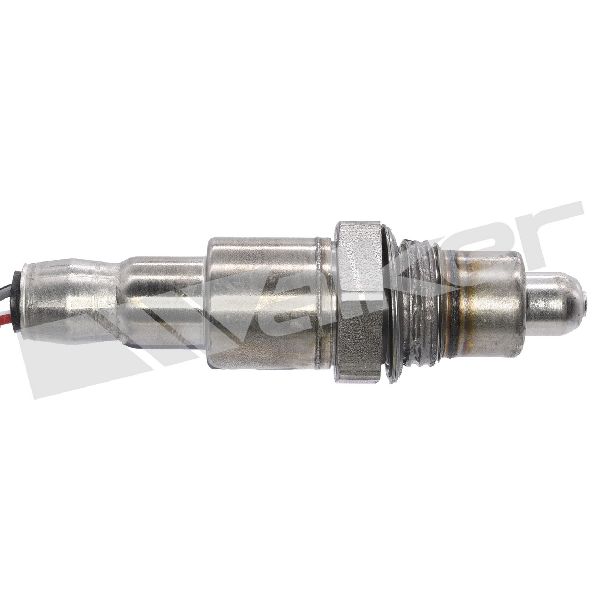
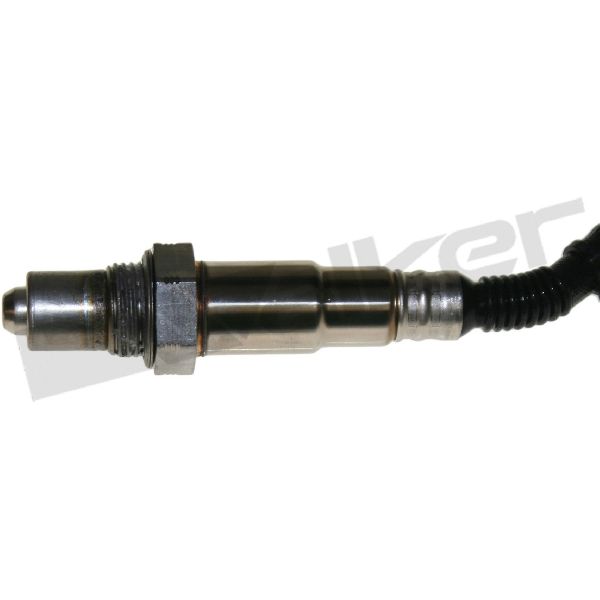
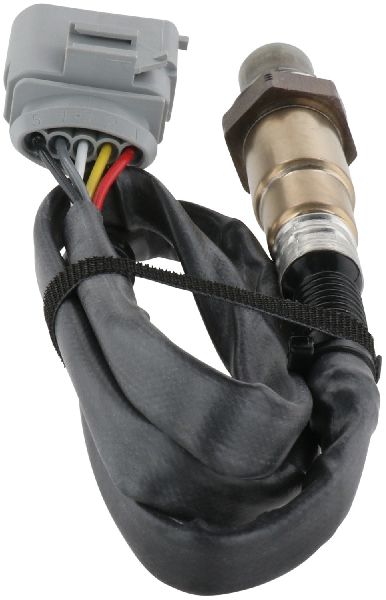
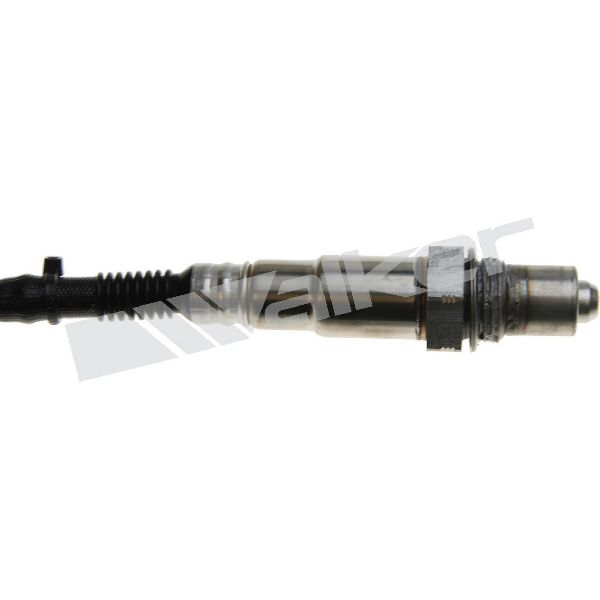
Est. part cost: $2000-$3100 - Faulty Downstream Oxygen (O2) Sensor 🟡 Medium Probability → Shop Oxygen Sensor Oxygen sensors are exposed to extreme heat and contaminants in the exhaust stream, causing them to degrade over time and send inaccurate readings to the ECM. They are a common failure point and a much cheaper replacement than the converter itself.
How to confirm: Use an OBD-II scanner with live data capability. Graph the voltage for the Bank 1 Sensor 2 (downstream). A healthy sensor on a warm, running engine at steady RPM should show a relatively flat, stable voltage between 0.6V and 0.8V. If it's switching rapidly like the upstream sensor or is stuck at a specific voltage, it's likely faulty. Wiggling the sensor's wiring harness while watching live data can also reveal intermittent connection faults.
Typical fix: Replace the downstream (post-catalyst) oxygen sensor. Common brands include Bosch and NGK. 🎬 Watch: Step-by-step guide to replacing the Golf MK7 O2 sensor.
Est. part cost: $115-$350 - Exhaust System Leak 🟡 Medium Probability Exhaust components are susceptible to rust and corrosion, especially at gasket flanges and flex pipes. A leak before the downstream O2 sensor can allow outside air into the exhaust stream, skewing sensor readings and falsely triggering a P0430/P0420 code.
How to confirm: Perform a visual inspection of the exhaust system from the engine to the catalytic converter, looking for cracks, holes, or black soot marks around flanges, which indicate a leak. A professional smoke test is the most definitive way to find small leaks.
Typical fix: Repair the leak by replacing the damaged pipe section, welding the crack, or replacing a failed gasket. - Engine Running Condition (Rich or Lean) ⚪ Low Probability Issues like leaking fuel injectors, a faulty Mass Air Flow (MAF) sensor, or engine misfires can alter the air-fuel ratio. This sends unburnt fuel into the exhaust, which can overheat and destroy the catalytic converter's internal structure. Misfires are a known issue that can lead to catalyst failure.
How to confirm: Check for other diagnostic trouble codes related to misfires (P030x), fuel trim (P0171, P0172), or other sensors. Analyze long-term and short-term fuel trims with a scan tool. High misfire counts can be viewed on live data.
Typical fix: Address the root cause of the rich/lean condition, such as replacing a leaking fuel injector, faulty ignition coil, or cleaning the MAF sensor. Always fix misfire codes before replacing a catalytic converter.
Est. part cost: $50-$500
Rare But Worth Checking
- Outdated Engine Control Module (ECM) Software: → Shop Engine Control Module (ECM)
Diagnosis Steps
- Scan for all codes. Note any other codes present, especially P0420, P0463, B103E1B, or misfire codes (P030x), as they provide critical context.
- Inspect the exhaust system. Visually and audibly check for any leaks between the engine's exhaust manifold and the catalytic converter. Pay close attention to flanges, flex pipes, and welds.
- Analyze live O2 sensor data. Using a scan tool, observe the voltage readings for the upstream (Bank 1 Sensor 1) and downstream (Bank 1 Sensor 2) O2 sensors. The upstream sensor should fluctuate rapidly between 0.1V and 0.9V. The downstream sensor should remain relatively stable. If the downstream sensor is mirroring the upstream, the converter is likely bad.
- Test the O2 sensors. If the downstream sensor seems unresponsive or stuck, test its wiring for continuity and check the connector for damage or corrosion before condemning the sensor itself.
- Check for engine-related issues. Review fuel trim data to ensure the engine isn't running excessively rich or lean. Check for any pending misfire codes and address them first.
- Verify catalytic converter function. If all sensors, wiring, and engine parameters are good, the catalytic converter is the most likely culprit. Use an infrared temperature gun to confirm by checking for a significant temperature rise from the inlet to the outlet pipe.
Parts You'll Likely Need
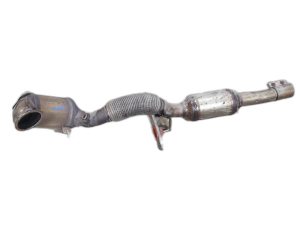
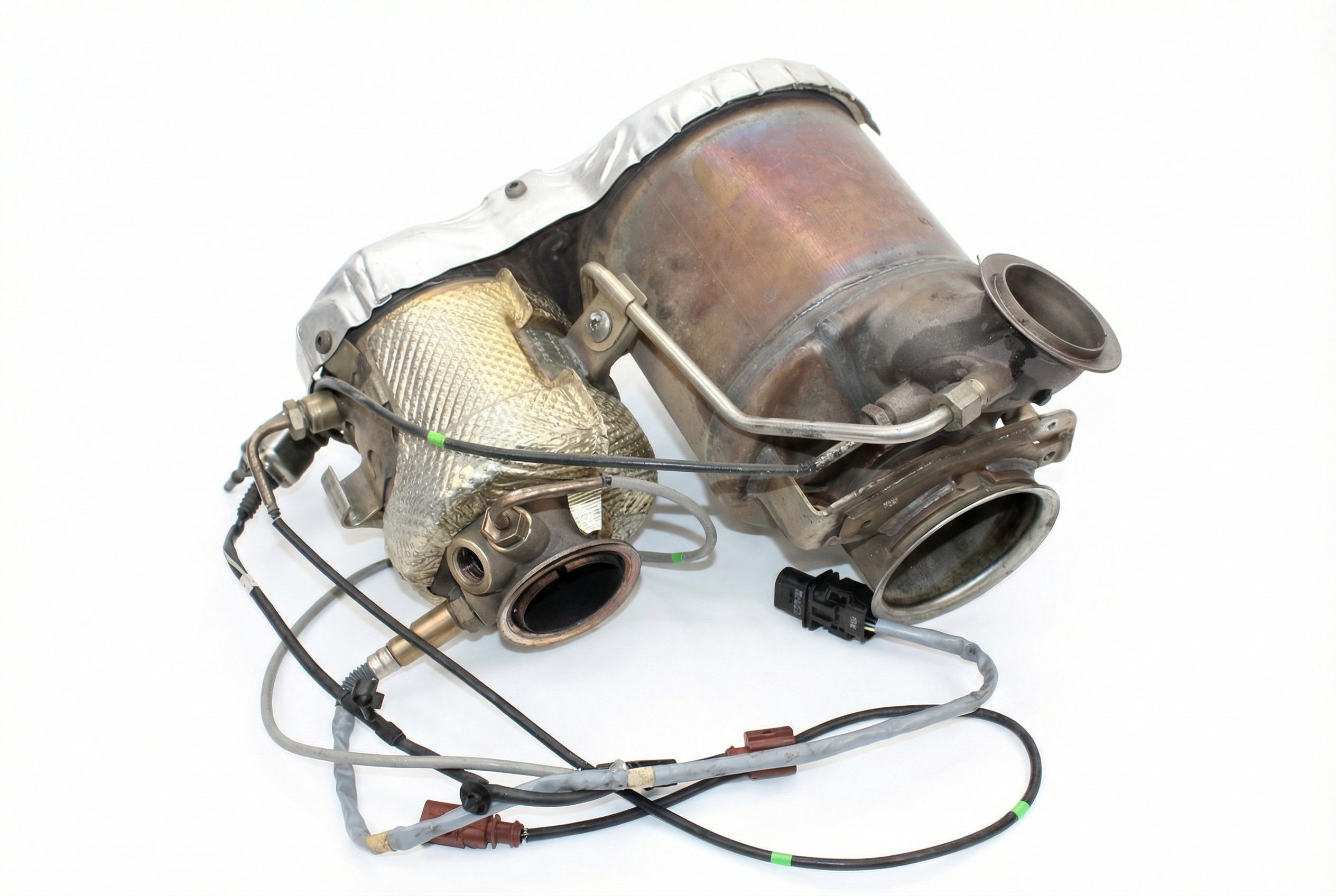
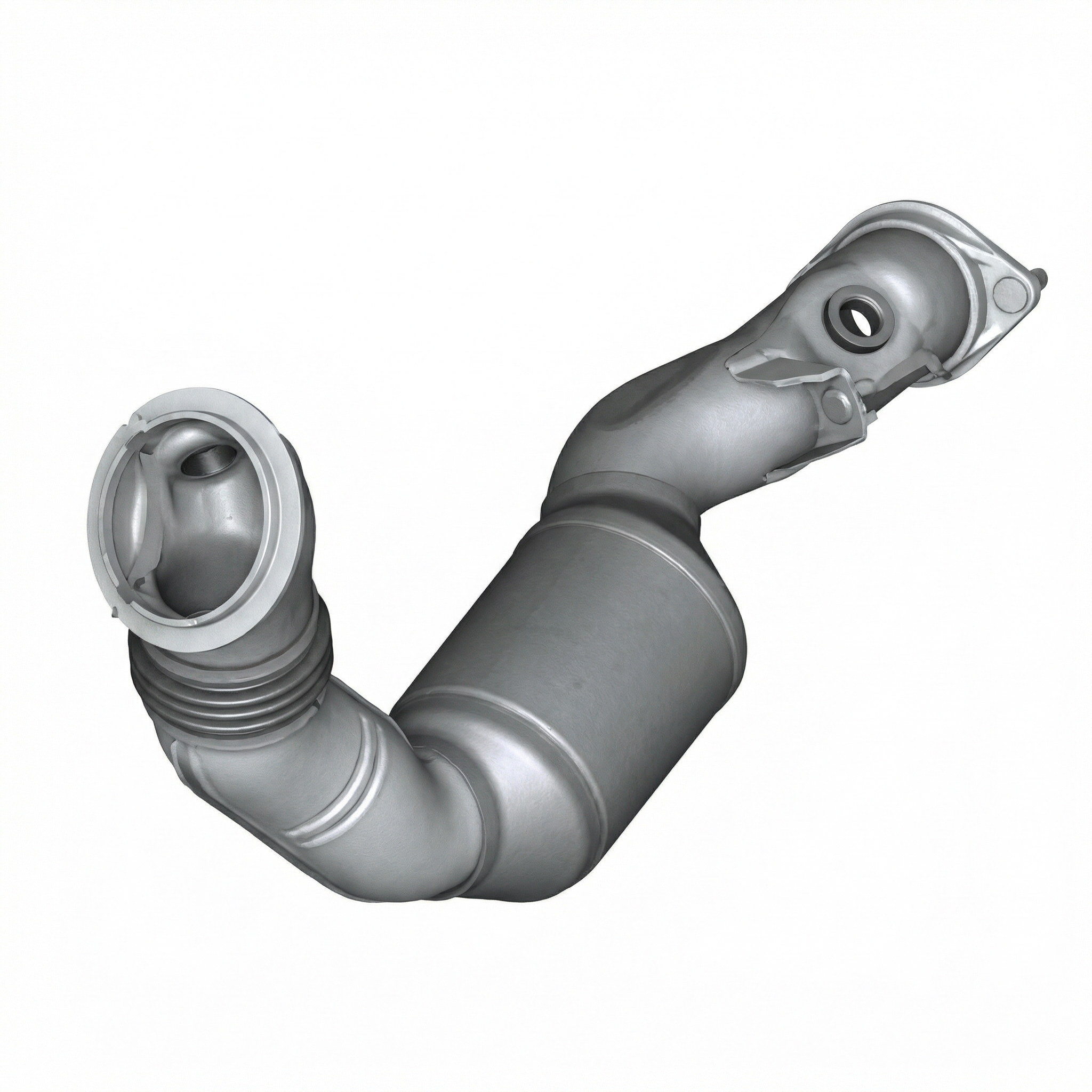
- Catalytic Converter
(OEM #5Q0254502X (or 5Q0254501T, check with dealer for exact VIN fitment))— This is the most common cause of P0430, indicating the converter itself has worn out or been contaminated.
Trusted brands: Volkswagen (OEM), MagnaFlow, Walker Exhaust
OEM price range: $2000-$3100
Aftermarket price range: $400-$1500 - Downstream Oxygen Sensor
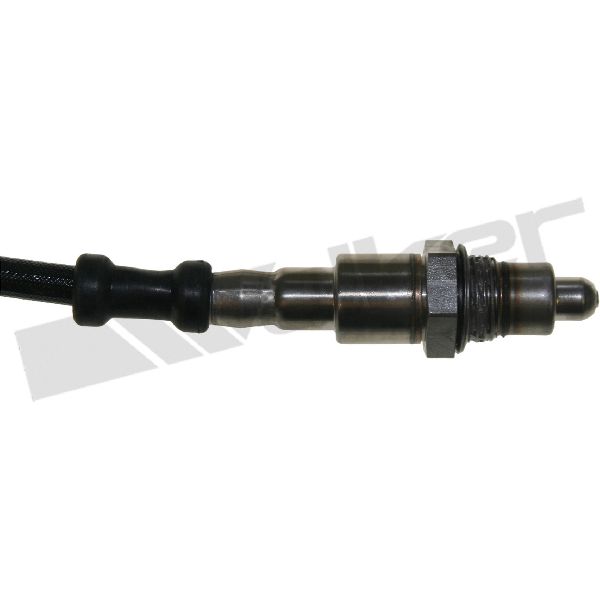
(OEM #06K906262D (Bosch 16166 is a common cross-reference))— A faulty downstream O2 sensor can send incorrect data to the ECM, falsely triggering the P0430 code.
Trusted brands: Bosch, NGK
OEM price range: $115-$350
Related Codes That Often Appear With This One
- P0420 — This is the code for 'Catalyst System Efficiency Below Threshold (Bank 1)'. Since the Golf has only one bank, P0430 is an erroneous code for the same physical fault that would normally trigger P0420. It is common to see both logged.
- P0463 — This code means 'Fuel Level Sensor 'A' Circuit High'. A VW Technical Service Bulletin (TSB) links P0420/P0430 with this code, suggesting a potential shared wiring or control module issue.
- B103E1B — This VW-specific code means 'Fuel Gauge Sensor 1 Resistance Too High'. It is also mentioned in the same TSB as P0430, pointing to a possible complex electrical fault where the fuel gauge and emissions system report errors simultaneously.
- P0300-P0304 — These codes indicate random or specific cylinder misfires. Misfires cause unburnt fuel to enter the exhaust, which can quickly damage the catalytic converter. The presence of these codes alongside P0430 strongly suggests the converter has failed as a result of the misfires.
Technical Service Bulletins (TSBs) & Recalls
- VIN-4-A-PIN Sept (2016 ENGINE): Notes the potential for P0420/P0430 to be stored in the ECM along with fuel level sensor codes P0463 and B103E1B.
- TSB 01-20-01 (also listed as 2058261): While for a different VW model, it details a procedure for P0420/P0430 that requires replacing the catalytic converter and simultaneously updating the ECM software for a complete repair.
Platform-Specific Known Issues
- A Volkswagen TSB (VIN-4-A-PIN) from September 2017 notes that P0420 and/or P0430 can appear alongside fuel level sensor codes P0463 and B103E1B, suggesting a potential for broader electrical issues.
- Another VW TSB (01-20-01 / 2058261) for other models describes a fix for P0420/P0430 that involves replacing the catalytic converter AND performing an ECM software update to improve long-term durability and reduce thermal stress.
- Owners on forums like golfmk7.com frequently discuss the P0420 code (the correct code for this engine) appearing after engine misfires, confirming that misfires are a primary killer of catalytic converters on this platform.
Mechanic-Grade Diagnostic Values
- Downstream O2 Sensor (Bank 1, Sensor 2) Voltage — expected: Relatively stable reading between 0.6V and 0.8V on a fully warmed-up engine at steady RPM.. Failure: Voltage fluctuates rapidly similar to the upstream sensor, or drops intermittently to 0.2V-0.3V.
- Upstream O2 Sensor (Bank 1, Sensor 1) Voltage — expected: Rapidly fluctuating between approximately 0.1V and 0.9V.. Failure: Slow or no fluctuation, or stuck at a specific voltage.
- Catalytic Converter Temperature Differential — expected: The outlet pipe temperature should be significantly hotter than the inlet pipe temperature on a fully warmed-up converter.. Failure: The inlet temperature is hotter than or similar to the outlet temperature, indicating a clog or lack of chemical reaction.
Scan Tool Commands That Help
- VCDS (VAG-COM) or equivalent VW/Audi scan tool: Live Data Graphing (Measuring Blocks) — This is essential for comparing the real-time voltage signals of the upstream (pre-cat) and downstream (post-cat) O2 sensors. A failing catalyst will show the downstream sensor's graph mimicking the upstream sensor's rapid fluctuations. A good catalyst will show a much flatter, more stable line from the downstream sensor.
- VCDS (VAG-COM) or equivalent VW/Audi scan tool: Readiness Status — After a repair, you can check the Readiness bits to see if the Catalyst monitor has run and passed. If the bit is '0' (passed, complete), the repair was successful. If it's '1' (failed or incomplete), further driving or diagnosis is needed. This helps confirm a fix without waiting for the Check Engine Light to return.
- OBD-II Generic Scan Tool: Mode $06 Data — Mode $06 provides access to the results of the ECU's self-tests for non-continuously monitored systems, including the catalyst monitor. A technician can view the raw test data and compare it against the manufacturer's minimum and maximum thresholds to see how close the catalyst is to failing, even before a code is set.
Wiring & Ground Locations
- Main Engine Bay Ground Point — On the bulkhead, behind and slightly above the battery. It is a collection point for multiple brown ground wires.. A poor ground at this main point can introduce electrical noise and voltage offsets into various sensor circuits, including the oxygen sensors. An unstable ground reference for the O2 sensors can cause incorrect readings, potentially leading to a false P0420/P0430 code. Ensuring this connection is clean and tight is a crucial, often overlooked, electrical diagnostic step.
Real Owner Repair Stories
- Ross-Tech Forums user 'G0lfgt!' (2018 Golf R) — P0420 code appeared.
❌ Tried (didn't work) A garage replaced the original catalytic converter with an aftermarket 'BM catalyst' part. The P0420 code returned within 2 days and 10 miles.
✅ What actually fixed it The owner took the car to a diagnostic specialist who suspected previous ECU tuning ('pops and bangs' map). The specialist first flashed a standard, up-to-date VW map, but the P0420 returned (likely due to the aftermarket cat's lower efficiency). The final fix was a proper Stage 1 ECU map from Viezu, which included logic to prevent the P0420 code from being triggered with the aftermarket hardware. This highlights that aftermarket cats are often less efficient and can trigger codes even when new, and that previous ECU tunes can be a root cause. - golfmk7.com user (2015 GTI Autobahn, 6-speed manual, 113,000km) — P0420 code, intermittent engine stumble while cruising, severe bogging and flashing CEL/EPC under hard acceleration.
❌ Tried (didn't work) Replacing the rear O2 sensor., Replacing all ignition coil packs (this stopped the severe bogging but not the P0420 code or stumble).
✅ What actually fixed it The user's story was unresolved in the thread, but multiple expert responses pointed to common root causes for the misfires that likely led to the P0420 code: excessive carbon buildup needing walnut blasting, and/or failing fuel injectors. The consensus was that the P0420 was a symptom of the misfires, not the primary problem.
Helpful Videos

Used OEM Parts in Stock
New Aftermarket Parts Available

The information in this article is provided for general reference and educational purposes only. Vehicle specifications, procedures, and part compatibility can vary by production date, trim level, and region. Always consult your vehicle's factory service manual and verify part numbers before purchasing or performing repairs. Safety-critical components such as airbags, seat belts, and braking systems should be installed by a qualified professional.
- Volkswagen GOLF:
- 🧭 Diagnostic Flowchart
- 🎬 Helpful Videos
- 🛍️ Shop This Part
- What's Unique About the 2015-2017 Volkswagen GOLF
- Symptoms You May Notice
- Most Likely Causes
- Rare But Worth Checking
- Diagnosis Steps
- Parts You'll Likely Need
- Related Codes That Often Appear With This One
- Technical Service Bulletins (TSBs) & Recalls
- Platform-Specific Known Issues
- Mechanic-Grade Diagnostic Values
- Scan Tool Commands That Help
- Wiring & Ground Locations
- Real Owner Repair Stories
- 🎟️ Get 5% Off