

P0440 on 2009-2016 Audi A4: EVAP System Malfunction Causes and Fixes
For a 2009-2016 Audi A4, code P0440 is most often caused by a loose gas cap or a failing EVAP purge valve (N80). Always check the gas cap first. If that's not the issue, the N80 valve is the next likely culprit, costing around $25-$50 for an OEM-quality part and is simple to replace.
- Always start by checking the gas cap. Make sure it's tight and the seal is not cracked. This resolves the issue a significant amount of the time.
- The second most likely cause on a B8 Audi A4 is a faulty N80 purge valve in the engine bay. It's an affordable part and relatively easy to replace.
- If the gas cap and N80 valve are good, the problem is likely a cracked hose or a failing Leak Detection Pump (LDP). A smoke test is the best way to find these leaks.
- You can safely drive with the P0440 code, but you will not pass an emissions test and may experience a persistent fuel smell.
What's Unique About the 2009-2016 Audi A4
On the B8 generation Audi A4, the EVAP system uses several key components known to be common failure points, including the N80 purge valve located in the engine bay and the Leak Detection Pump (LDP) near the fuel tank. While a loose gas cap is a universal cause, many A4 owners find the issue lies with one of these specific valves. The N80 valve, in particular, is a frequent and well-documented point of failure that can become stuck, leading to this code. The system is shared with other VW/Audi MLB platform vehicles like the Q5, which experience identical failures.
Generation note: The 2009-2016 model years cover the Audi A4 B8 platform, which includes the pre-facelift (2009-2012) and facelift (B8.5, 2013-2016) models. The EVAP system components and common causes for P0440 are largely identical across this entire generation and its platform mates like the A5 and Q5.
Symptoms You May Notice
- Check Engine Light is on.
- A noticeable smell of fuel, especially around the rear of the car or after refueling.
- Difficulty starting the engine immediately after filling the gas tank (symptom of a stuck-open purge valve).
- Slight decrease in fuel economy due to escaping fuel vapors.
- Replacing the charcoal canister when the actual problem is a small, hard-to-see crack in a connected hose.
- Immediately assuming a major leak when the issue is simply a loose gas cap.
- Replacing the N80 valve when the leak is in a vacuum line hidden under the intake manifold.
Most Likely Causes
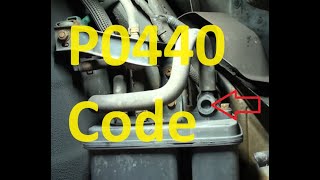
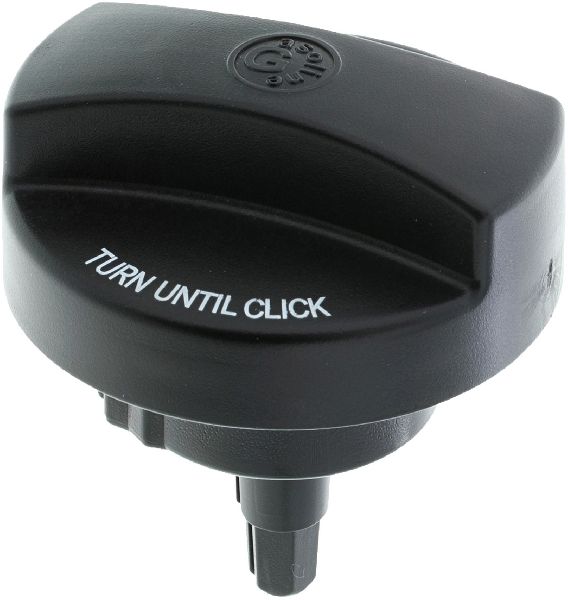
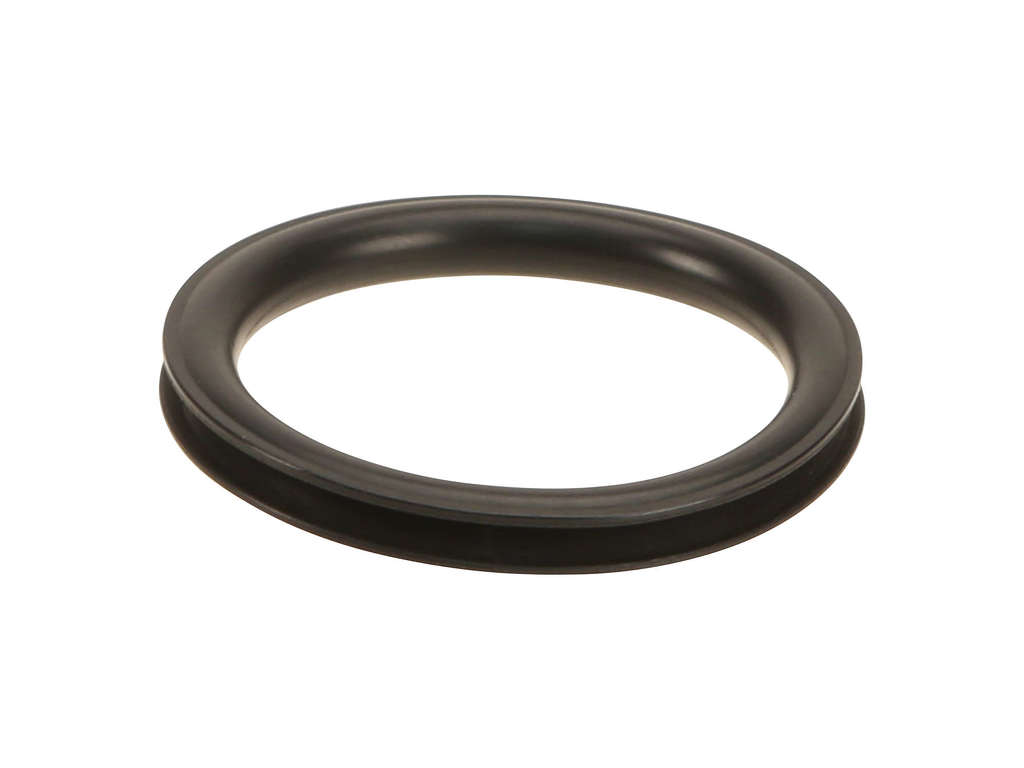
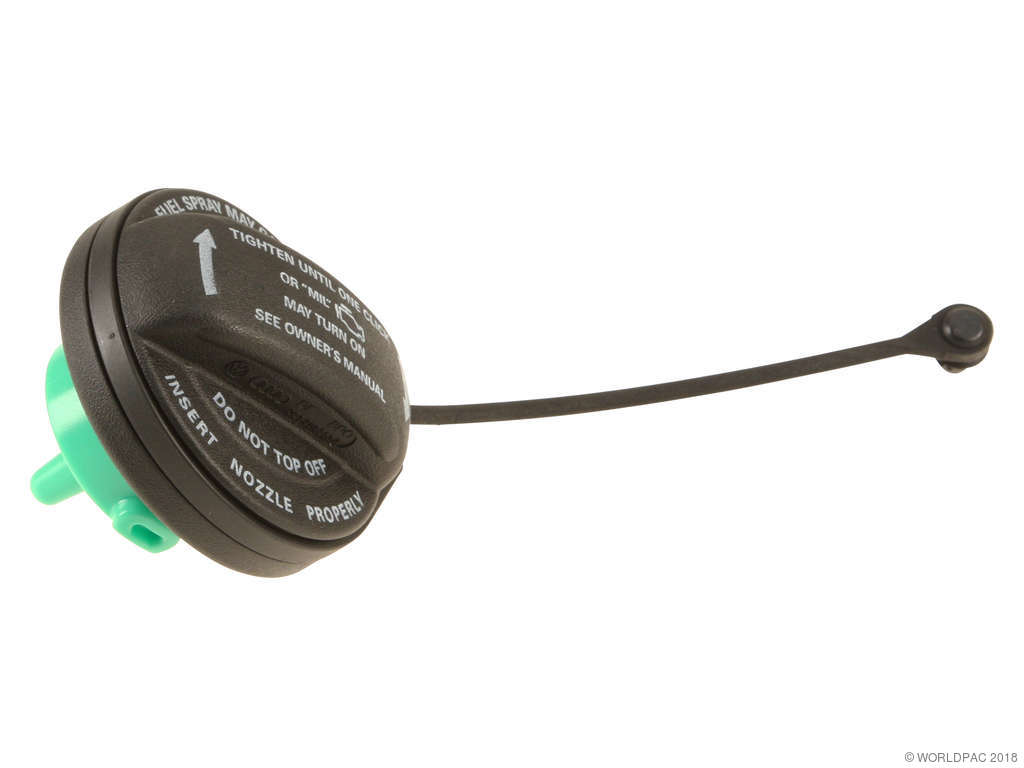
- Loose or Faulty Gas Cap 🔴 High Probability → Shop Fuel Tank Cap This is the most common cause on all vehicles. 🎬 Watch this breakdown of common P0440 causes and fixes. The rubber seal on the cap can crack and degrade over time, preventing a proper seal.
How to confirm: Ensure the gas cap is tightened until it clicks at least once. Inspect the rubber O-ring on the cap for any cracks, stiffness, or visible damage. A new OEM cap is a cheap and effective diagnostic step.
Typical fix: Tighten the cap. If the seal is damaged, replace the entire gas cap.
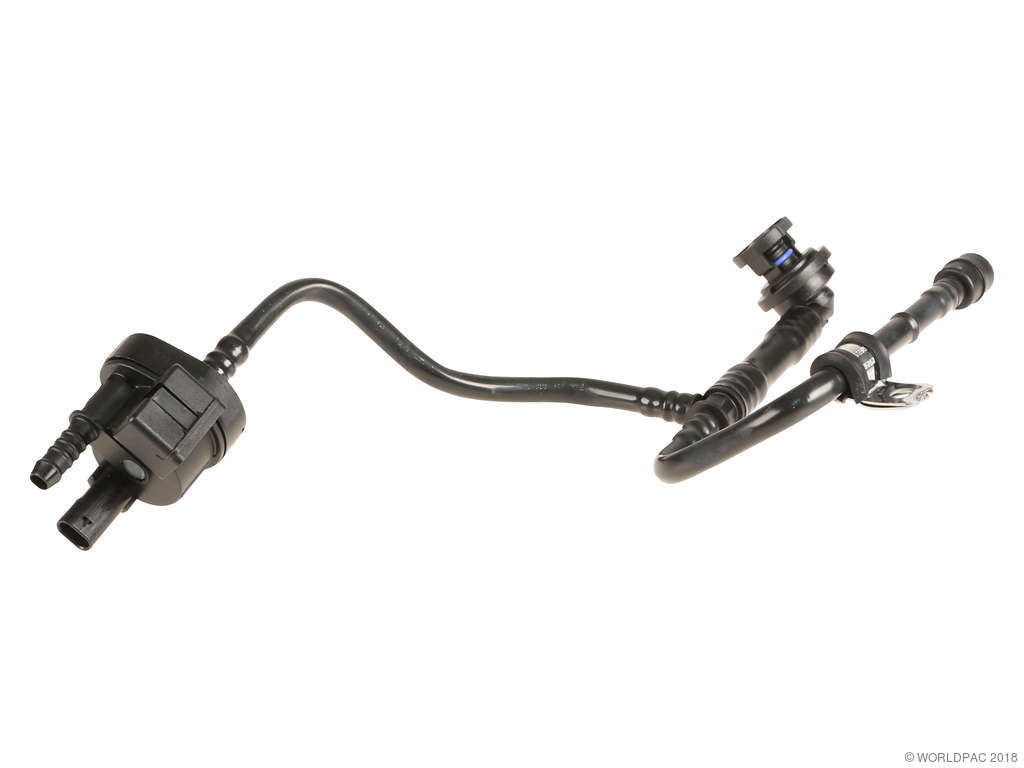
Est. part cost: $15-$40 - Faulty EVAP Purge Valve (N80 Valve) 🔴 High Probability → Shop Vapor Canister This solenoid valve is a very common failure item on VW/Audi vehicles of this era. It can get stuck open or closed due to carbon buildup or internal failure.
How to confirm: Locate the valve in the engine bay. With the engine running, you can sometimes feel for suction on the hose leading to the intake manifold or listen for a clicking sound. A scan tool can command the valve to open and close to test its function. A stuck-open valve often causes rough running or starting issues after refueling.
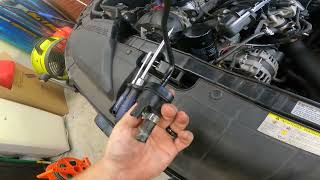
Typical fix: Replacement of the N80 valve. It is typically held in place by rubber grommets and is easy to access and replace. 🎬 Watch: Step-by-step N80 valve and hose replacement guide.
Est. part cost: $25-$60 - Cracked or Disconnected EVAP Hoses 🟡 Medium Probability The plastic and rubber hoses in the EVAP system can become brittle with age and exposure to engine heat, leading to cracks and vacuum leaks. The lines under the intake manifold are particularly susceptible but difficult to see.
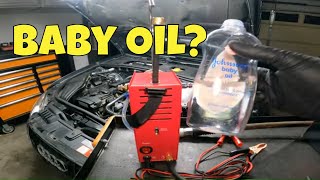
How to confirm: A visual inspection may reveal obvious cracks, especially on hoses in the engine bay. The most effective method is to have a mechanic perform a smoke test, which forces smoke through the system to reveal the exact location of any leaks. 🎬 See how to use a smoke tester to find leaks.
Typical fix: Replace the specific section of cracked hose.
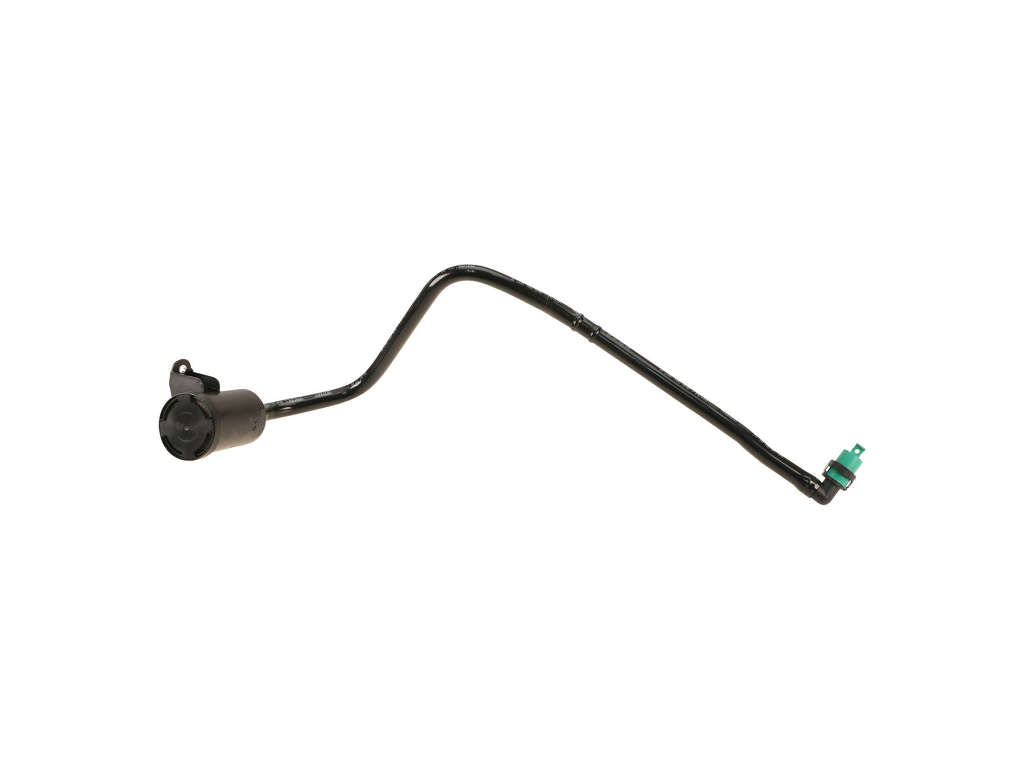
Est. part cost: $10-$50 per hose section - Faulty Leak Detection Pump (LDP) / Vent Valve ⚪ Low Probability → Shop Evaporative Emissions System Leak Detection Pump The LDP is located near the charcoal canister and is responsible for pressurizing the system for leak tests. It can fail electrically or mechanically, or the seal can degrade.
How to confirm: Diagnosis typically requires a scan tool to check for specific LDP circuit faults. A mechanic can also test the pump directly for operation. A forum post by a 2012 A4 owner detailed diagnosing an open circuit to this pump, which requires checking wiring continuity back to the ECU.
Typical fix: Replace the leak detection pump assembly.
Est. part cost: $80-$150
Rare But Worth Checking
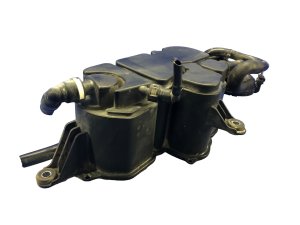
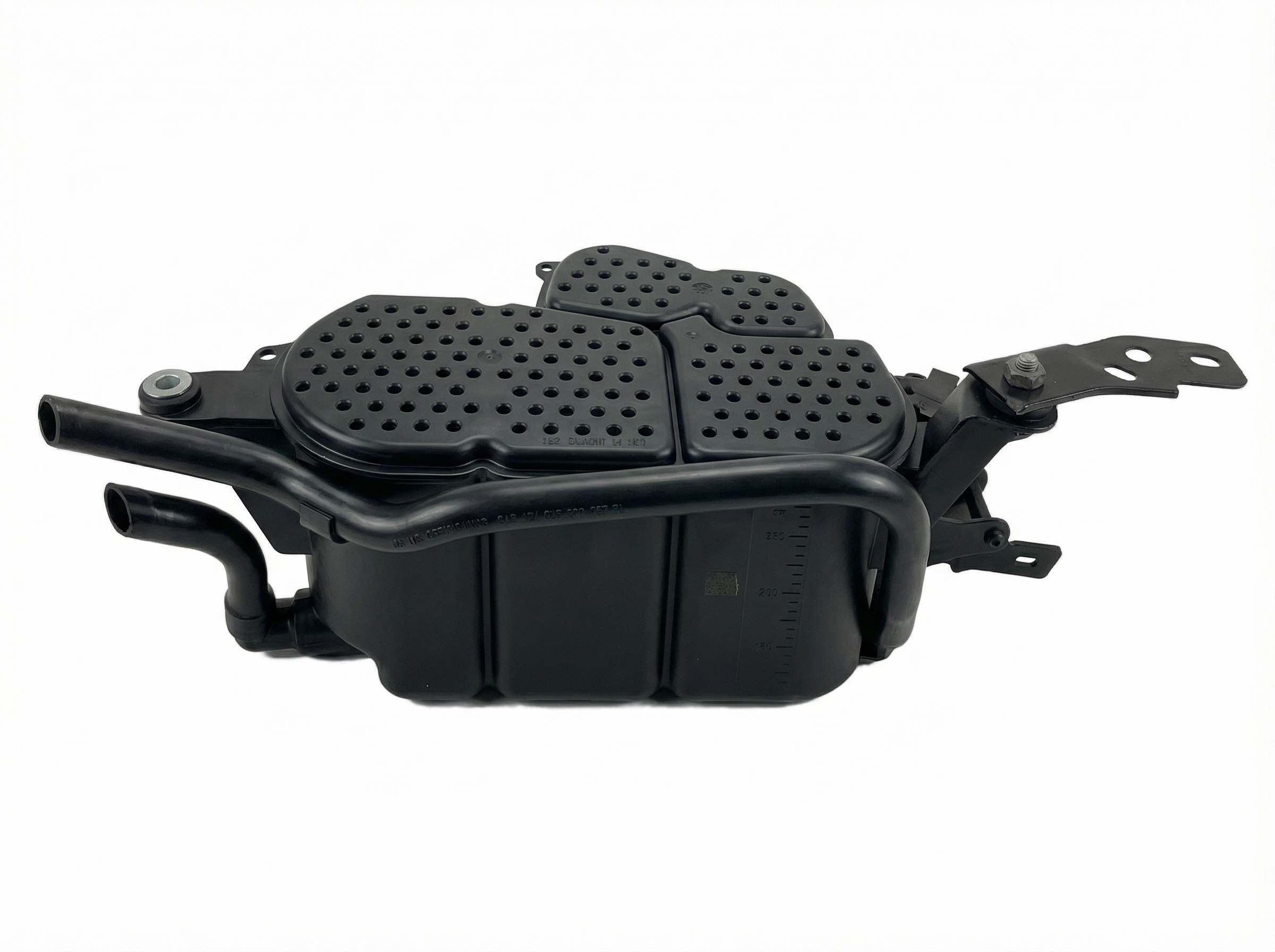
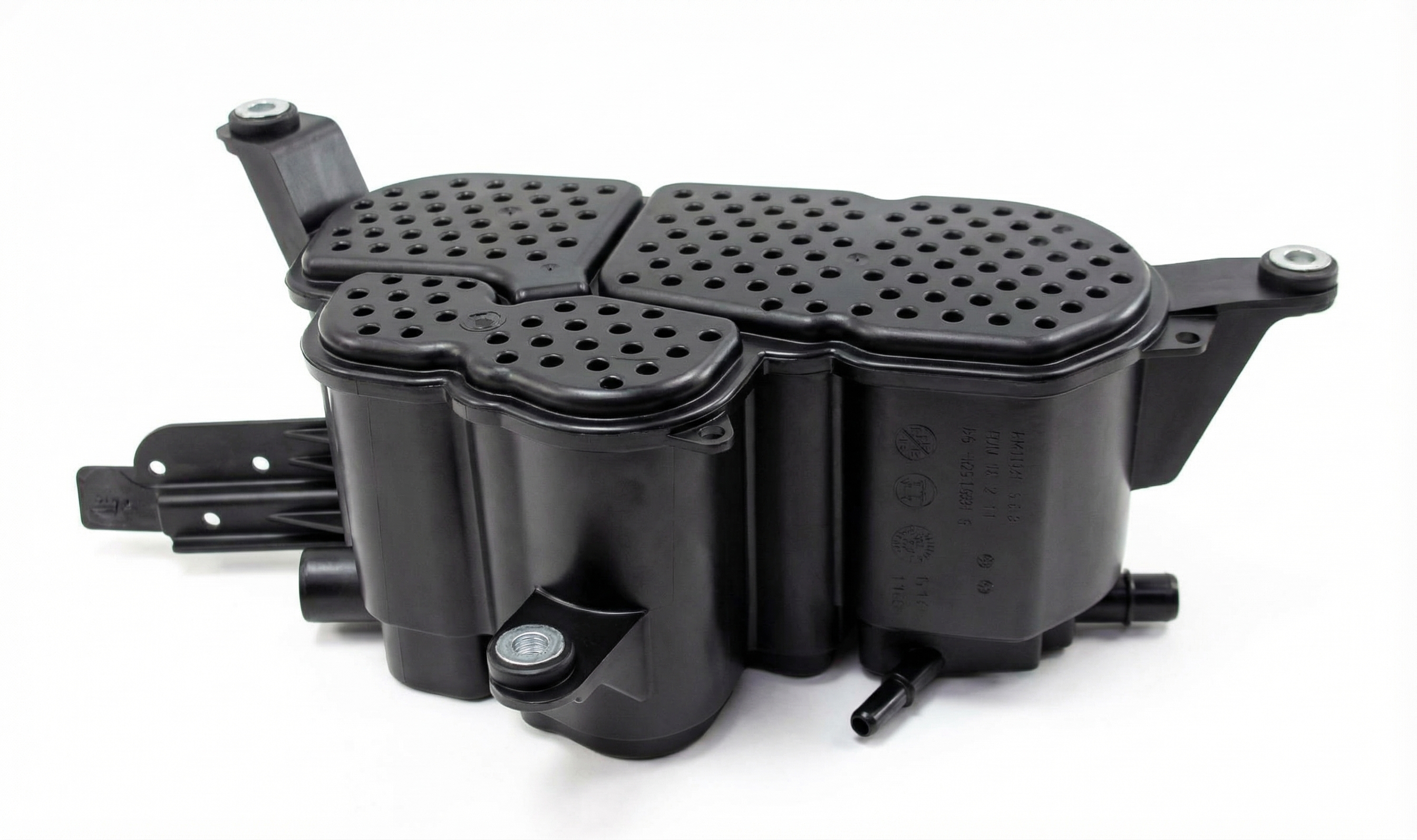
- Cracked Charcoal Canister: → Shop Vapor Canister The canister itself can develop cracks from road debris or age, creating a leak. This is usually found during a smoke test if other components check out.
- Faulty Fuel Tank Pressure Sensor: → Shop Fuel Tank If the sensor that measures system pressure fails, it can send incorrect data to the ECU, falsely triggering the P0440 code. This sensor is often located on top of the fuel tank or integrated with the fuel pump assembly.
- Cracked Fuel Filler Neck Vent Valve: → Shop Fuel Filler Neck A user on YouTube with a P0440 code traced the issue to a small crack on the fuel tank vent valve located on the filler neck, which was only found after dropping the fuel tank.
Diagnosis Steps
- Check the Gas Cap: Remove and reinstall the gas cap, ensuring it clicks several times. Clear the code and drive for a few days to see if it returns. If it does, inspect the cap's rubber seal for cracks or damage. Consider replacing it with an OEM cap as a low-cost first step.
- Visual Inspection: Visually inspect the EVAP hoses in the engine compartment, particularly around the N80 purge valve, for any obvious cracks, brittleness, or loose connections.
- Test the N80 Purge Valve: Locate the N80 valve on the engine. With the engine running, disconnect the electrical connector and check for 12V power. Alternatively, use a scan tool to cycle the valve and listen for an audible click. A stuck valve will not click.
- Perform a Smoke Test: If the above steps do not reveal the issue, the next step is a smoke test. This involves injecting pressurized smoke into the EVAP system's service port. Smoke will escape from any leaks, making them easy to pinpoint. This is the most reliable way to find cracked hoses, a faulty canister, or a bad LDP seal.
- Inspect the Leak Detection Pump (LDP): If the smoke test shows no leaks, the LDP itself may be faulty. It is located near the fuel tank and charcoal canister. Check its wiring and connector for damage or corrosion. Advanced diagnosis may require a scan tool to check for LDP-specific circuit codes or manual resistance checks on the pump's pins.
Parts You'll Likely Need
- EVAP Purge Valve (N80 Valve)
(OEM #06E906517A)— This is a highly common failure point on the B8 platform that gets stuck open or closed, causing a general EVAP system fault.
Trusted brands: Bosch (OEM), Genuine VW/Audi
OEM price range: $40-$60
Aftermarket price range: $25-$45 - Fuel Cap
(OEM #8K0201550H)— The seal on the original cap degrades over time, preventing the system from sealing properly. It's the easiest and most common fix.
Trusted brands: Genuine VW/Audi, Blau
OEM price range: $30-$40
Aftermarket price range: $15-$25 - Leak Detection Pump (LDP)
(OEM #8K0906271)— This pump pressurizes the system for testing. If it fails, the EVAP monitor cannot run correctly, triggering a fault.
Trusted brands: Genuine VW/Audi, Bosch
OEM price range: $120-$160
Aftermarket price range: $80-$110
Related Codes That Often Appear With This One
- P0441 — P0441 indicates incorrect purge flow, often caused by a faulty N80 purge valve, which is also a primary cause of the general P0440 fault.
- P0455 — P0455 indicates a large leak was detected. If the fault that triggers P0440 is significant (like a very bad seal or a disconnected hose), the system may also log a large leak code.
- P0456 — P0456 indicates a very small leak was detected. This can be caused by a degraded gas cap seal or a hairline crack in an EVAP hose.
Mechanic-Grade Diagnostic Values
- N80 Purge Valve (06E906517A) coil resistance — expected: 15 to 30 Ohms across the two pins.. Failure: A reading of infinite resistance (open circuit) or significantly lower resistance indicates a failed coil.
- Leak Detection Pump (LDP) - V144 wiring continuity — expected: Max 1.5 Ohms resistance between LDP connector pin 2 and ECM connector T94 pin 49.. Failure: A reading higher than 1.5 Ohms indicates excessive resistance or an open circuit in the wiring harness between the LDP and the Engine Control Module.
Scan Tool Commands That Help
- VCDS (VAG-COM): Engine -> Output Tests -> Evap Purge Valve (N80) — This command allows you to manually activate the N80 valve. You should hear an audible clicking from the valve under the hood, confirming the electrical circuit and the solenoid are functioning. If it doesn't click, the valve or its wiring is faulty.
- VCDS (VAG-COM): Engine -> Basic Settings -> Group 070 (Evaporative Emission Control System Test) — This function initiates the complete EVAP system self-test. The engine must be warm. The scan tool will display the test status, which will eventually report 'EVAP OK' or 'EVAP NOT OK'. This is useful to verify a fix without waiting for the car's natural drive cycle to complete the monitor.
- VCDS (VAG-COM): Engine -> Basic Settings -> Group 071 (Tank Leak Diagnostic Module - DM-TL) — This test specifically checks the Leak Detection Pump (LDP). The pump is activated to build a slight pressure in the fuel tank, and the system monitors for pressure decay. This can help isolate a fault to the LDP or related components if other tests pass.
Wiring & Ground Locations
- G106 / G107 — Primary engine bay ground points located on the left and right chassis rails/frame horns.. The EVAP system components, including the N80 valve and LDP, rely on solid ground connections to function. Corrosion or looseness at these main chassis grounds can cause intermittent electrical issues, leading to false codes or component malfunction.
- N80 Valve Connector — On the N80 valve itself, located near the intake manifold in the engine bay.. Pin 1 should receive 12V+ from the Engine Component Power Supply Relay (J757). Pin 2 is the ground signal wire that goes to the ECM (on a B8, this is pin 49 of the T94 connector). Testing for voltage at Pin 1 and continuity to the ECM on Pin 2 is a critical diagnostic step.
- LDP (V144) Connector — Located in the left rear wheel housing, behind the liner.. On the 3-pin connector, Pin 3 receives 12V+ power. Pins 1 and 2 are signal lines back to the ECM (T94 connector, pins 20 and 24 respectively). Checking for power at the pump and continuity back to the ECM is necessary if an LDP circuit fault is suspected.
Real Owner Repair Stories
- AudiWorld Forums (2005 Audi A4) — P0441 (Incorrect Purge Flow), a code often seen with P0440.
❌ Tried (didn't work) Initially told to tighten the gas cap multiple times by the dealer.
✅ What actually fixed it The user ultimately reported that replacing the N80 valve, a check valve in the EVAP line, and a new gas cap all at once resolved the issue and allowed the car to pass the readiness test immediately. - YouTube - Haak Family Garage (2013 Audi A4 2.0T (B8.5)) — P044100 (EVAP Emission Control System Incorrect Purge Flow) and a circuit open code for the N80 valve.
❌ Tried (didn't work) A non-OEM aftermarket N80 valve had been previously installed but failed to fix the problem and had incorrect tubing fitment.
✅ What actually fixed it Replacing the faulty aftermarket N80 valve and its associated hoses with a genuine OEM Audi part (06H906517AA) resolved the check engine light after driving for about 40-50 miles.
"I Checked Everything" — The Actual Cause
- In cases where a smoke test reveals no leaks, the fault is often not a physical leak but an electrical or mechanical component failure. The most common culprits are a faulty N80 purge valve that is electrically sound but mechanically stuck, or a failed Leak Detection Pump (LDP) that cannot pressurize the system for the test, even though the system itself has no leaks.
When the Usual Fixes Don't Work
- While the N80 purge valve is a very common failure, some owners have replaced it without success. In a notable case on a 2013 A4, a previously installed non-OEM N80 valve did not fix the P0441 code. The problem was only resolved after replacing the cheap aftermarket part with a genuine Audi OEM valve and hose assembly, suggesting that for this specific component, part quality and exact fitment are critical.
OEM Part Supersession History
06E906517→06E906517A— Standard revision and improvement by the manufacturer (Bosch/VW/Audi). The 'A' revision is the most commonly cited replacement part for the B8 platform.
Heads up: The Bosch OEM part number is 0280142431, which cross-references to the VW/Audi part number 06E906517A.
Diagnostic Flowchart
Other Known Issues on This Vehicle
Issues unrelated to this code that are worth knowing about as an owner of this generation:
- Excessive Oil Consumption (2.0T) 🔴 High — Very common on 2009-2011 models with the CAEB engine code. Consumption can exceed 1 quart per 1,000 miles. A class-action lawsuit addressed this issue. (Ref: TSB 2027731/5 (formerly 17 13 42) details a 3-stage fix: 1) PCV valve replacement, 2) new front crank seal and ECU update, 3) piston/ring replacement.)
- Timing Chain Tensioner Failure (2.0T) 🔴 High — Common on earlier EA888 Gen 2 engines (pre-2013). The original tensioner can fail without warning, causing the chain to jump timing, leading to catastrophic engine damage. Failure can occur as early as 60k miles. (Ref: No recall, but updated tensioner parts are available. It is a widely recommended preventative maintenance item.)
- Plastic Water Pump Failure (2.0T) 🟠 Medium — The OEM water pump has a plastic housing that can crack or the gasket can fail, causing coolant leaks. Failure mileage varies, but it's a common repair item between 50k-100k miles.
- PCV Valve Failure 🟡 Low — The crankcase ventilation valve (PCV) is a common failure item that can cause oil consumption, rough idle, and a whistling noise. It was part of the first stage of the oil consumption TSB. (Ref: TSB 2027731/5 addresses this as part of an oil consumption fix.)
Used vs. New Parts: Buying Guide for This Vehicle
When a used part is the smart pick: Used parts like the charcoal canister or specific plastic EVAP lines can be a cost-effective choice, as they are not high-wear items and their failure is often due to physical damage (cracks) that can be visually inspected. A used gas cap is generally not recommended due to the low cost of a new one.
Donor-vehicle mileage cap: roughly under 80000 miles for the part to have meaningful remaining life.
What to inspect on the donor part:
- For charcoal canisters, ensure there are no visible cracks or signs of being saturated with fuel.
- For hoses, check for flexibility; avoid any that are stiff, brittle, or show surface cracking.
- For electrical components like the N80 or LDP, check the connector for corrosion or broken plastic tabs.
OEM-only on this vehicle (don't cheap out):
- Fuel Cap: Aftermarket gas caps are notoriously unreliable and may not seal correctly, leading to the same P0440 code returning. An OEM or OEM-supplier (e.g., Blau) cap is strongly recommended.
- EVAP Purge Valve (N80): Forum and video evidence suggests that some cheap aftermarket N80 valves do not perform correctly or have improper fitment, causing the code to persist. Using an OEM (Genuine Audi) or OEM supplier (Bosch) part is the safest bet.
Aftermarket brands forum-validated for this vehicle:
- Bosch (for N80 Purge Valve and LDP - they are the original equipment manufacturer)
Brands owners have reported issues with on this vehicle:
- Unbranded, low-cost N80 valves from online marketplaces have been reported to fail or not resolve the issue.
Real Owner Stories
Aggregated from forums and TSBs cited above. Mileages and costs reflect what owners reported in those sources.
2012 Audi A4
Symptoms: Experienced difficulty diagnosing an EVAP issue; required checking for an open circuit to the Leak Detection Pump (V144).
What fixed it: Checked resistance across the pump pins and verified wiring continuity back to the ECU.
Source hint: AudiWorld Forums: A thread from a 2012 A4 owner corroborated issues with the Leak Detection Pump (V144)
Audi A4 (B8 Platform)
Symptoms: P0440/P0441 codes present.
What fixed it: Replaced the N80 purge valve (part #06E906517A). The owner noted the repair took only 10 minutes.
Source hint: Audizine.com: Multiple threads discuss P0440/P0441, with many users resolving the code by replacing the N80 purge valve
Related OBD-II Codes
Frequently Asked Questions
Is there a specific part number for the N80 purge valve on my Audi A4?
My 2010 A4 is consuming a lot of oil and now has a P0440; are they related?
I have difficulty starting my A4 only after I fill up the gas tank. Is this P0440?
Does the 2012 Audi A4 have any specific issues with the Leak Detection Pump (LDP)?
Can I use a gas cap from a different car to see if it fixes the light?
Helpful Videos

Used OEM Parts in Stock

New Aftermarket Parts Available


The information in this article is provided for general reference and educational purposes only. Vehicle specifications, procedures, and part compatibility can vary by production date, trim level, and region. Always consult your vehicle's factory service manual and verify part numbers before purchasing or performing repairs. Safety-critical components such as airbags, seat belts, and braking systems should be installed by a qualified professional.
- Audi A4:
- 🧭 Diagnostic Flowchart
- 🎬 Helpful Videos
- 🛍️ Shop This Part
- What's Unique About the 2009-2016 Audi A4
- Symptoms You May Notice
- Most Likely Causes
- Rare But Worth Checking
- Diagnosis Steps
- Parts You'll Likely Need
- Related Codes That Often Appear With This One
- Mechanic-Grade Diagnostic Values
- Scan Tool Commands That Help
- Wiring & Ground Locations
- Real Owner Repair Stories
- "I Checked Everything" — The Actual Cause
- When the Usual Fixes Don't Work
- OEM Part Supersession History
- Other Known Issues on This Vehicle
- Used vs. New Parts: Buying Guide for This Vehicle
- Real Owner Stories
- 2012 Audi A4
- Audi A4 (B8 Platform)
- Related OBD-II Codes
- Frequently Asked Questions
- 🎟️ Get 5% Off