

P0440 on 2009-2017 Audi A5: EVAP System Malfunction Causes and Fixes
On a 2009-2017 Audi A5, code P0440 usually means there's a leak in the evaporative emissions (EVAP) system. Before suspecting expensive parts, check for a loose or faulty gas cap. If that's not it, the issue often lies with a failed N80 purge valve or the Leak Detection Pump (LDP).
- P0440 on your Audi A5 means the emissions system has detected a leak.
- Always start with the simplest fix: check that your gas cap is tight and the seal is not cracked.
- The most likely culprits on this specific car, after the gas cap, are the N80 purge valve and the Leak Detection Pump (LDP).
- While you can drive the car, you will not pass an emissions inspection until the issue is resolved.
- A smoke test is the most definitive way to find the source of a leak if it's not an obvious component.
What's Unique About the 2009-2017 Audi A5
While many cars share the same basic EVAP components, Audis from this era utilize a specific component called a Leak Detection Pump (LDP), or V144, to pressurize the system for leak testing. This pump, along with the N80 purge valve, are common failure points on this platform and can be tested with Audi-specific diagnostic tools like VCDS (VAG-COM). Unlike generic codes that just point to a leak, on an Audi, this code often directs diagnosis towards these specific, known-to-fail components. The LDP works by pumping a small amount of air into the EVAP system and monitoring for a pressure drop, which would indicate a leak.
Generation note: The 2009-2017 range covers the B8/B8.5 generation (2009-2016) and the first year of the B9 generation (2017). The B8 platform was introduced in 2008 and received a facelift (B8.5) for the 2013 model year. While the fundamental EVAP system design is similar, specific part numbers and locations for components like the purge valve or LDP may differ slightly between these generations. Always verify parts using your vehicle's VIN.
Symptoms You May Notice
- Check Engine Light is on
- A faint smell of fuel, especially around the rear of the car or after refueling
- Vehicle will not pass an emissions test
- In rare cases, a rough idle or poor engine performance if the purge valve is stuck open, creating a vacuum leak.
- Replacing the oxygen sensors. O2 sensors are not related to the EVAP system.
- Replacing the catalytic converter. This is an expensive repair that has no connection to the P0440 code.
Most Likely Causes
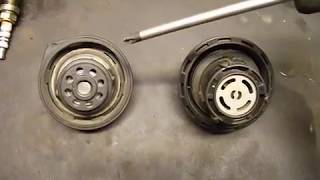
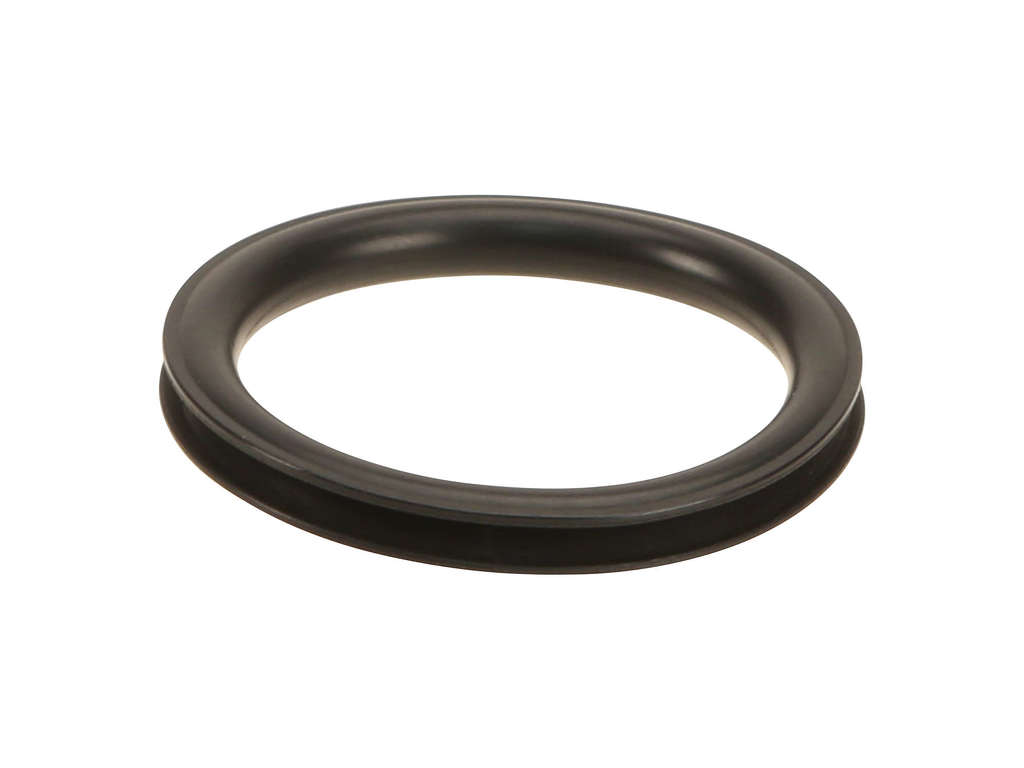
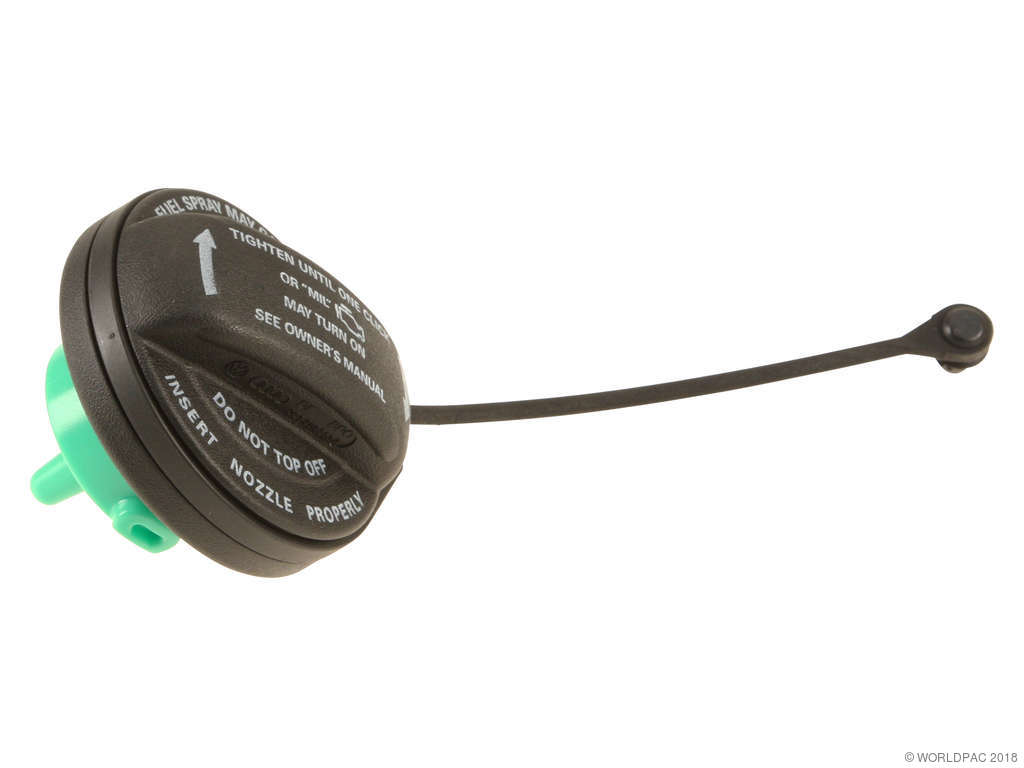
- Loose or Faulty Gas Cap 🔴 High Probability → Shop Fuel Tank Cap This is the most common cause for an EVAP code on any vehicle. The rubber seal on the cap can crack or degrade over time, preventing a proper seal.
How to confirm: First, ensure the cap is tightened until it clicks. If the light returns, visually inspect the cap's seal for cracks, stiffness, or damage. A new gas cap is an inexpensive and easy first diagnostic step.
Typical fix: Replace the gas cap.
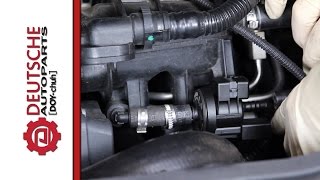
Est. part cost: $15-$50 - Failed EVAP Purge Valve (N80 Valve) 🟡 Medium Probability → Shop Vapor Canister The N80 valve is a known failure point on many VW and Audi models. It can get stuck open or closed, causing a leak or preventing the system from purging vapors.
How to confirm: A diagnostic scan tool (like VCDS) can run an output test on the N80 valve, during which you should hear it clicking. You can also remove the valve and try to blow through it; if air passes when it's unpowered, it's stuck open and faulty. A user on the Audizine forums confirmed this test method: 'Unplug it and try to blow through it. If you can, it's bad.'
Typical fix: Replace the N80 purge valve. It is typically located in the engine bay and is a relatively simple replacement.
Est. part cost: $25-$75 - Failed Leak Detection Pump (LDP / V144) 🟡 Medium Probability → Shop Evaporative Emissions System Leak Detection Pump The LDP is a mechanical pump with internal components that can wear out or fail, leading to the ECU being unable to verify the integrity of the EVAP system.
How to confirm: Diagnosis often requires an Audi-specific scan tool to initiate the EVAP system test. A mechanic may also perform a "smoke test" by injecting smoke into the EVAP system; if the LDP is faulty, smoke may escape from the pump itself, or the pump may fail to pressurize the system. The LDP is located near the charcoal canister in the rear passenger-side wheel well area.
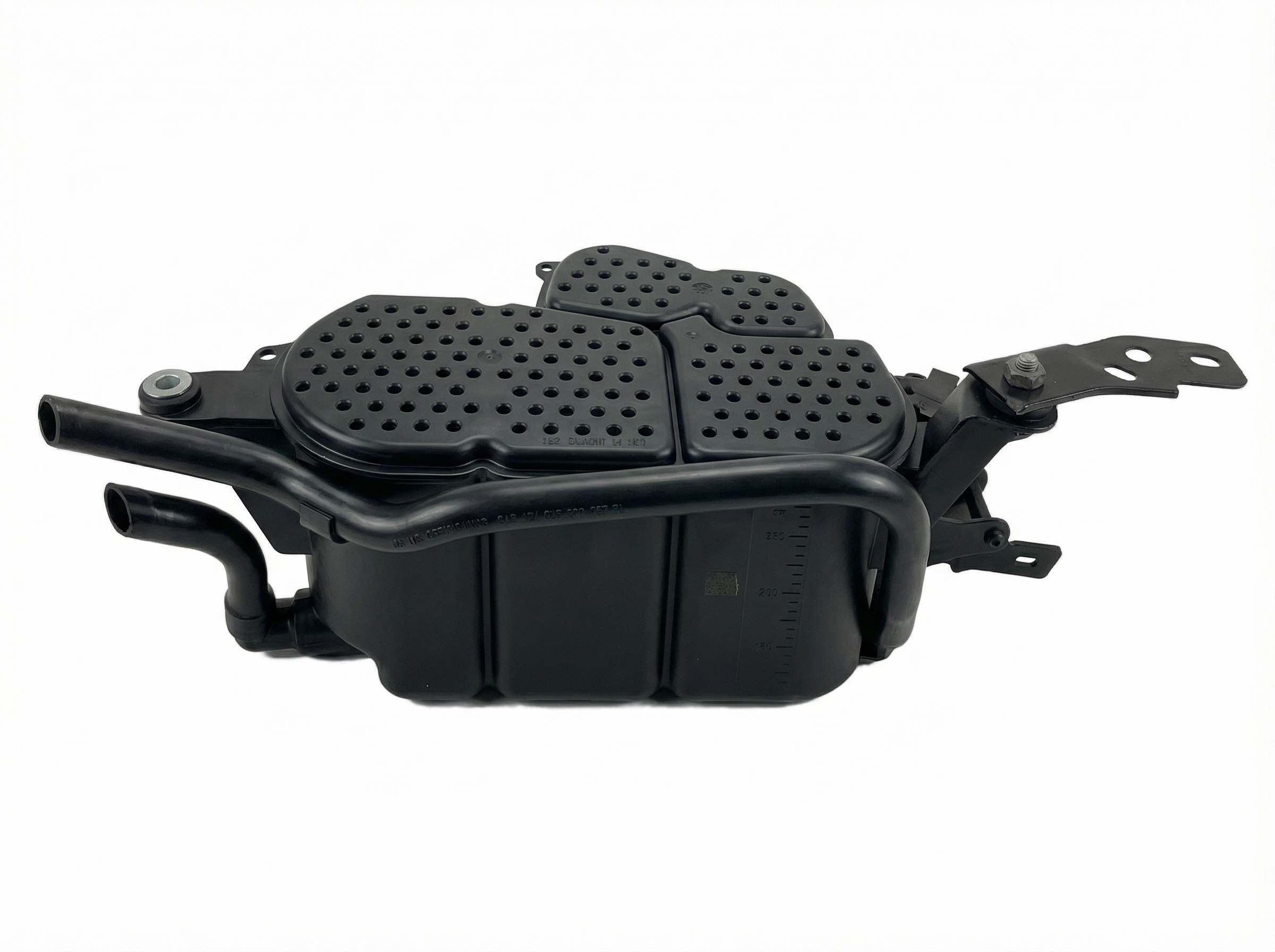
Typical fix: Replace the Leak Detection Pump, which is often sold as an assembly with the charcoal canister.
Est. part cost: $150-$300 - Cracked or Disconnected EVAP Hoses ⚪ Low Probability Over time, the plastic and rubber hoses in the EVAP system can become brittle and crack, especially those exposed to engine heat or underbody elements.
How to confirm: A thorough visual inspection of all lines running from the fuel tank, to the charcoal canister (located near the rear wheel), and to the purge valve in the engine bay is necessary. A smoke test is the most effective way to find a small crack in a hose.
Typical fix: Replace the cracked section of hose or the entire hose assembly.
Est. part cost: $10-$100
Rare But Worth Checking
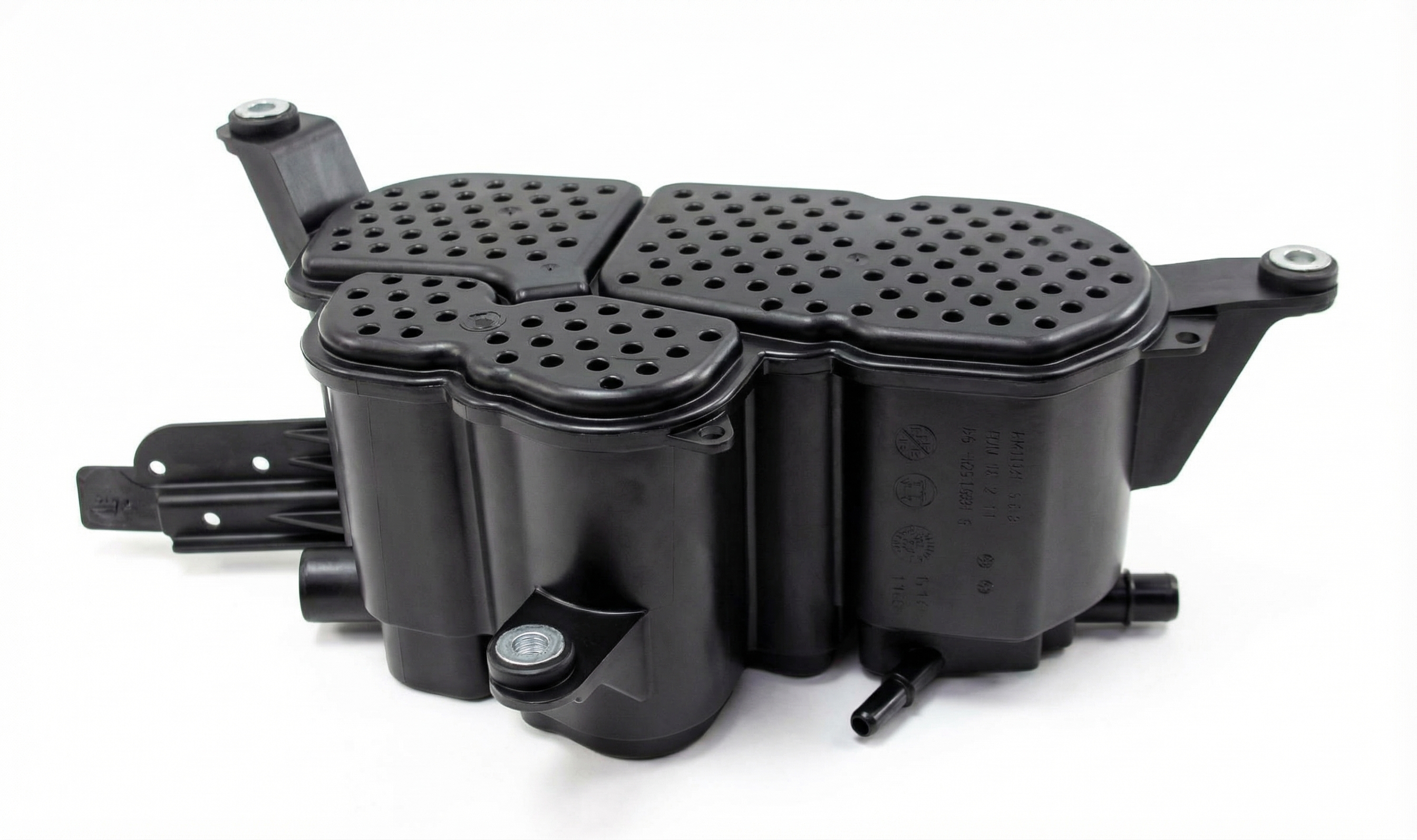
- Cracked Charcoal Canister: → Shop Vapor Canister The canister itself can develop cracks from road debris or age, creating a leak. This is less common than the valves or pumps attached to it failing, but it does happen. Over-filling the gas tank repeatedly can also saturate the canister with liquid fuel, causing it to fail.
- Faulty Fuel Tank Pressure Sensor: → Shop Fuel Tank The sensor that monitors system pressure can fail and send incorrect readings to the ECU, falsely triggering a P0440 code even if there is no leak.
- Cracked or Damaged Fuel Filler Neck: → Shop Fuel Filler Neck The neck of the fuel tank where the gas cap screws on can become distorted, cracked, or corroded, preventing the cap from creating a proper seal. A visual inspection is often sufficient to spot damage.
Diagnosis Steps
- Check the gas cap. Ensure it is tight. If it's old, consider replacing it as a cheap first step. Clear the code and see if it returns.
- Perform a visual inspection. Look for any obviously cracked, disconnected, or damaged EVAP hoses in the engine bay and around the charcoal canister/LDP area (typically near the rear passenger-side wheel well).
- Scan the vehicle with an Audi-specific tool (like VCDS). Check for other related EVAP codes that can help pinpoint the issue. Use the tool to check the readiness status, which can indicate which EVAP test is failing.
- Test the N80 Purge Valve. Use the scan tool's output test function to command the valve to cycle. Listen for a distinct clicking sound. If there's no sound, or if the valve is stuck open (test by blowing through it when unpowered), it needs replacement.
- Initiate the EVAP system self-test using the scan tool. This will command the Leak Detection Pump (LDP) to run. Failure of this test points towards a bad LDP or a leak elsewhere in the system.
- If the source of the leak is still not found, perform a smoke test. This involves feeding low-pressure, UV-dyed smoke into the EVAP system's test port and watching for where it escapes. This is the most reliable way to find hairline cracks in hoses, the charcoal canister, or the fuel tank itself.
Parts You'll Likely Need
- Gas Cap — The most frequent and cheapest fix for any EVAP code. The seal wears out over time.
Trusted brands: Genuine Audi, Blau, Meyle
OEM price range: $30-$50
Aftermarket price range: $15-$25 - EVAP Purge Valve (N80)
(OEM #06E906517A (Bosch P/N: 0280142431). Always verify by VIN.)— A very common failure point on VW/Audi vehicles of this generation. It gets stuck, causing a constant leak or a blockage.
Trusted brands: Bosch (OEM), Pierburg, Genuine Audi
OEM price range: $50-$75
Aftermarket price range: $25-$50 - Leak Detection Pump (LDP)
(OEM #8K0906271 or 7L0906243L (Varies by model year and specific vehicle options, verify by VIN).)— This is the pump Audi uses to test the system. Its mechanical and electrical components can fail, preventing the car from verifying the system is sealed.
Trusted brands: Bosch (OEM), Genuine Audi
OEM price range: $200-$300
Aftermarket price range: $150-$220
Related Codes That Often Appear With This One
- P0441 — Indicates incorrect purge flow, often pointing directly to a faulty N80 purge valve that is stuck open or closed.
- P0455 — Indicates a large leak was detected. This can appear with P0440 and reinforces that there is a significant breach in the system, like a very loose gas cap or a disconnected hose.
- P0456 — Indicates a very small leak. If you see this code, the source is likely a tiny crack in a hose or a failing seal, which can be difficult to find without a smoke test.
Technical Service Bulletins (TSBs) & Recalls
- TSB 2039995/1: While not directly for P0440, this TSB is relevant for owners who might hear a rattling noise and misdiagnose it. It clarifies that a 1-3 second rattle from the timing chain area on cold start is a known issue on some V6 engines and does not cause damage, though updated tensioners are available.
Platform-Specific Known Issues
- A user on the AudiWorld forums with a B8 A4 (platform mate) reported chasing a P0440 code for weeks. After replacing the gas cap and N80 valve with no success, a smoke test revealed a hairline crack in the charcoal canister itself, which was not visible on inspection. URL: https://www.audiworld.com/forums/a4-b8-platform-discussion-122/p0440-evap-leak-nightmare-2945312/
- On a 2013 A5 Cabriolet, the charcoal canister is located in the rear passenger-side wheel well, behind the fender liner, not under the spare tire as in some older Audi models. This is a common location for the entire B8 platform.
Mechanic-Grade Diagnostic Values
- EVAP Canister Purge Regulator Valve (N80) Resistance — expected: 22 to 30 Ω. Failure: A reading outside this range indicates a faulty valve.
- EVAP Canister Purge Regulator Valve (N80) Resistance (Alternate Source) — expected: 9 to 14 Ω (@ approx. 20° C). Failure: A reading outside this range indicates a faulty valve. Note the discrepancy between sources, always cross-reference with a known-good part if possible.
- Leak Detection Pump (LDP / V144) Voltage Supply — expected: Battery Voltage. Failure: If battery voltage is not present at terminal 3 of the LDP connector with the ignition on, there is a wiring or relay issue.
Scan Tool Commands That Help
- VCDS (VAG-COM): Engine -> Basic Settings -> Group 070 — This initiates the EVAP system leak test (short trip). The results will display as 'Test ON/Test OFF' and conclude with 'Fuel tank ventilation OK' or 'Fuel tank ventilation not OK'. This is a primary step to confirm if the system can seal.
- VCDS (VAG-COM): Engine -> Basic Settings -> Group 071 — This runs the fuel tank leak test (short trip) and can identify a 'Small leak' or 'Large leak'. It's a more detailed test than Group 070.
- VCDS (VAG-COM): Engine -> Output Tests — This allows you to cycle individual components. Select the 'EVAP Canister Purge Regulator Valve (N80)' to manually activate it. You should hear an audible clicking. If not, the valve or its wiring is faulty.
- VCDS (VAG-COM): Engine -> Adv. Measuring Values -> IDE00553 (Automatic test sequence) — For newer UDS protocol controllers, this is an alternative way to start the EVAP test sequence. You can monitor the progress with measuring value IDE00451.
Wiring & Ground Locations
- Leak Detection Pump (LDP) - V144 — Located in the left rear wheel well area, often attached to or near the charcoal canister.. This is a key component for testing the system. Its 3-pin connector and associated ground connection are frequent points of failure due to corrosion from road spray.
- Charcoal Canister — For B8 models, typically located in the rear passenger-side wheel well, behind the fender liner. Some earlier or different Audi models had it in the spare tire well.. Knowing the correct location is critical for visual inspection and performing a smoke test. Incorrectly assuming it's in the trunk leads to wasted diagnostic time.
- Ground Connection (General) — Multiple ground points exist in the luggage compartment and under the vehicle. A common ground point for rear components is located in the side of the luggage compartment.. A corroded or loose ground connection for the LDP or Fuel Tank Pressure Sensor can cause intermittent and incorrect readings, leading to a false P0440 code even with no physical leak.
- LDP Connector Pinout (Example) — At the LDP (V144) itself.. For manual testing: Pin 3 is typically voltage supply from the ECM power relay, Pin 1 is the signal wire to the ECM, and Pin 2 is the other side of the solenoid circuit to the ECM. This allows a technician to test for power, ground, and signal integrity directly at the component.
Real Owner Repair Stories
- Audi-Sport.net forum user (Audi A5 (year not specified, but B8 platform)) — Difficulty filling the car with fuel (nozzle keeps clicking off).
❌ Tried (didn't work) Not specified, but the user had been struggling with the issue for 6 months.
✅ What actually fixed it The plastic guide tube/insert inside the fuel filler neck had broken and was blocking the opening, preventing proper fueling and likely causing an intermittent sealing issue with the gas cap. The user removed the broken plastic piece to resolve the fueling problem, which would also be a critical step before diagnosing an EVAP leak in the same area.
"I Checked Everything" — The Actual Cause
- A smoke test can pass, but the code can still be triggered by a faulty Leak Detection Pump (LDP) that is electrically failing or has a failed internal diaphragm. The LDP has its own internal switch and solenoid; if the ECU commands the LDP to run the test and does not see the expected electrical response or pressure change from the pump itself, it can set a P0440 or a related LDP circuit code (like P2404) even if the system has no physical leaks.
Model Year Variations Within This Range
- 2009-2012 (Pre-facelift B8): While component function is the same, some early B8 models may have slight differences in hose routing and connector types compared to the B8.5 (2013-2016) models. Always confirm part numbers with VIN.
- 2013+ (B8.5 and B9): On many facelift (B8.5) and newer models, the charcoal canister is confirmed to be in the rear passenger wheel well area, whereas some online resources for older Audis incorrectly state it is under the spare tire. This is a critical location difference for diagnosis.
Diagnostic Flowchart
Other Known Issues on This Vehicle
Issues unrelated to this code that are worth knowing about as an owner of this generation:
- Excessive Oil Consumption (2.0T Engine) 🔴 High — Very common on early EA888 Gen 2 engines (approx. 2009-2011). Caused by faulty piston rings and/or PCV system. Often requires piston replacement. (Ref: Class-action lawsuits and dealer consumption tests were common. No universal recall, but Audi addressed some vehicles under warranty.)
- Timing Chain Tensioner Failure (2.0T & 3.0T) 🔴 High — The original tensioner on EA888 2.0T engines can fail, allowing the chain to jump teeth, causing catastrophic engine damage. A rattling noise on cold starts is a key warning sign. The 3.0T V6 can also experience a brief startup rattle. (Ref: TSB 2039995/1 addresses the rattling noise on cold starts for the V6, noting it does not cause damage but that an updated tensioner is available.)
- Water Pump Failure 🟠 Medium — The water pump, often featuring a plastic housing, is a known failure point across multiple engines. Leaks are common, leading to coolant loss and potential overheating. Failure can occur as early as 60,000 miles. (Ref: Recalls were issued for some models, but it remains a common repair item.)
- Carbon Buildup on Intake Valves 🟠 Medium — A universal issue for direct-injection engines (FSI/TFSI). Oil vapors from the PCV system bake onto the back of the hot intake valves, restricting airflow over time. Typically requires cleaning every 50,000-80,000 miles to restore performance.
Used vs. New Parts: Buying Guide for This Vehicle
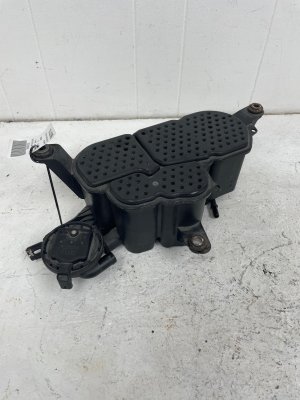
When a used part is the smart pick: For large, non-wear items like the charcoal canister or the fuel filler neck, a used part from a reputable salvage yard can be a cost-effective option. Ensure there are no visible cracks or damage.
Donor-vehicle mileage cap: roughly under 80000 miles for the part to have meaningful remaining life.
What to inspect on the donor part:
- For a charcoal canister, ensure it is not saturated with fuel (no liquid sloshing inside) and has no visible cracks.
- For a filler neck, check for heavy rust or corrosion on the sealing surface and ensure the internal plastic guides are intact.
- Inspect all hose connection points on any used part to ensure they are not brittle or cracked.
OEM-only on this vehicle (don't cheap out):
- Gas Cap: Aftermarket gas caps are notoriously unreliable and often don't seal correctly, leading to the same code returning. It is strongly recommended to use a Genuine Audi cap.
- Leak Detection Pump (LDP): While Bosch is the OEM supplier, cheap unbranded aftermarket LDPs have a high failure rate. Stick with Genuine Audi or Bosch to avoid repeat repairs.
Aftermarket brands forum-validated for this vehicle:
- Bosch (for N80 valve and LDP, as they are often the OEM supplier)
- Pierburg (for N80 valve)
Brands owners have reported issues with on this vehicle:
- Unbranded, 'white-box' electronic components like purge valves and LDPs from online marketplaces. They often fail quickly or are dead on arrival.
Real Owner Stories
Aggregated from forums and TSBs cited above. Mileages and costs reflect what owners reported in those sources.
Audi B8 A4 (Platform Mate)
Symptoms: Chasing a P0440 code for weeks; replaced the gas cap and N80 valve with no success.
What fixed it: A smoke test revealed a hairline crack in the charcoal canister itself, which was not visible on inspection.
Source hint: AudiWorld Forums thread titled 'P0440 EVAP leak nightmare'
2013 Audi A5 Cabriolet
Symptoms: P0440 code and difficulty locating EVAP components.
What fixed it: Located and inspected the charcoal canister behind the rear passenger-side wheel well fender liner.
Source hint: Vehicle-specific issues section regarding B8 platform component location
Related OBD-II Codes
Frequently Asked Questions
Where is the charcoal canister located on my 2013 Audi A5 Cabriolet?
I hear a rattling noise on cold start; is this related to my P0440 EVAP code?
How can I manually test if my N80 Purge Valve is the cause of the P0440 code?
What Audi-specific tool should I use to diagnose the Leak Detection Pump (V144)?
Is the P0440 code common on other Audi models sharing the A5 platform?
If a visual inspection and gas cap replacement don't fix P0440, what is the next most reliable diagnostic step?
Helpful Videos
Used OEM Parts in Stock


New Aftermarket Parts Available


The information in this article is provided for general reference and educational purposes only. Vehicle specifications, procedures, and part compatibility can vary by production date, trim level, and region. Always consult your vehicle's factory service manual and verify part numbers before purchasing or performing repairs. Safety-critical components such as airbags, seat belts, and braking systems should be installed by a qualified professional.
- Audi A5:
- 🧭 Diagnostic Flowchart
- 🎬 Helpful Videos
- 🛍️ Shop This Part
- What's Unique About the 2009-2017 Audi A5
- Symptoms You May Notice
- Most Likely Causes
- Rare But Worth Checking
- Diagnosis Steps
- Parts You'll Likely Need
- Related Codes That Often Appear With This One
- Technical Service Bulletins (TSBs) & Recalls
- Platform-Specific Known Issues
- Mechanic-Grade Diagnostic Values
- Scan Tool Commands That Help
- Wiring & Ground Locations
- Real Owner Repair Stories
- "I Checked Everything" — The Actual Cause
- Model Year Variations Within This Range
- Other Known Issues on This Vehicle
- Used vs. New Parts: Buying Guide for This Vehicle
- Real Owner Stories
- Audi B8 A4 (Platform Mate)
- 2013 Audi A5 Cabriolet
- Related OBD-II Codes
- Frequently Asked Questions
- 🎟️ Get 5% Off