

P0440 on 2010-2017 BMW 5 Series (N55): EVAP System Malfunction Causes and Fixes
P0440 on an F10 BMW 5 Series indicates a general EVAP system leak. Before anything else, check that the gas cap is tight and its seal is not cracked. The next most likely culprit is a failed Fuel Tank Vent Valve (Purge Valve) located in the engine bay, an ~$80 part that is simple to replace. If those don't solve it, a smoke test is required to find leaks in hoses, which are known to crack in the rear passenger wheel well, or a faulty Leak Detection (DTML) pump.
- P0440 is a general EVAP leak code. Always start by checking the gas cap for tightness and seal integrity.
- The most likely part to have failed after the gas cap is the Fuel Tank Vent Valve (Purge Valve) in the engine bay.
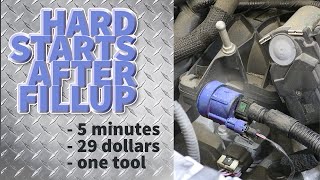
- If you experience trouble starting the car right after filling up with gas, the purge valve is almost certainly the problem.
- Do not replace multiple expensive parts without a diagnosis. If the gas cap and purge valve aren't the issue, invest in a smoke test to find the exact source of the leak.
What's Unique About the 2010-2017 BMW 5 Series
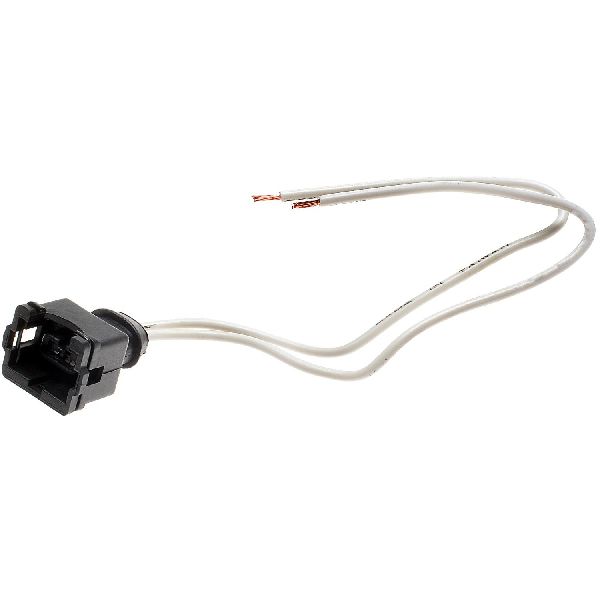
On the F10-generation 5 Series, the P0440 code often points to a few common failure points beyond the universal loose gas cap. The Fuel Tank Vent Valve (also called the Purge Valve, P/N 13907636156) is a frequent offender and can cause starting issues after refueling. Furthermore, technicians familiar with this platform point to brittle plastic EVAP lines that can crack, especially in the rear passenger-side wheel well area. Finally, the electrical connector for the Leak Detection (DTML) pump can corrode, or the pump itself can fail, causing a system fault. A rare but platform-specific issue is a melted electrical connector pin on the fuel pump assembly, which creates a small leak path.
Generation note: The 2010-2017 year range covers the F10 (Sedan), F11 (Touring/Wagon), and F07 (Gran Turismo) generation of the BMW 5 Series. The information and common failure points for the P0440 code are consistent across these chassis when equipped with the N55 engine.
Symptoms You May Notice
- Check Engine Light is on
- A faint smell of fuel, particularly around the rear of the car
- Difficulty starting the engine immediately after refueling (this strongly points to a faulty purge valve)
- Inability to pass a state emissions inspection
- Replacing multiple components like the gas cap, purge valve, and DTML pump without performing a smoke test. A smoke test can quickly pinpoint a simple cracked hose, saving time and money.
Most Likely Causes
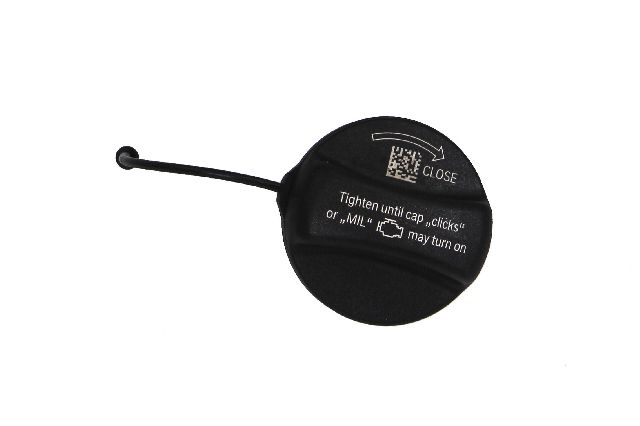
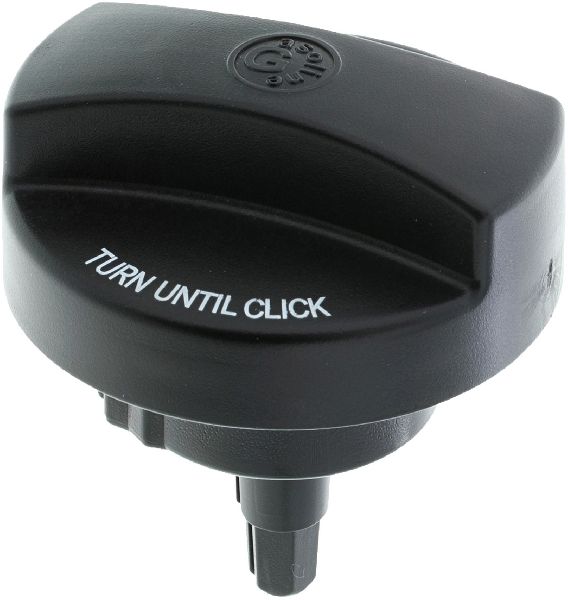
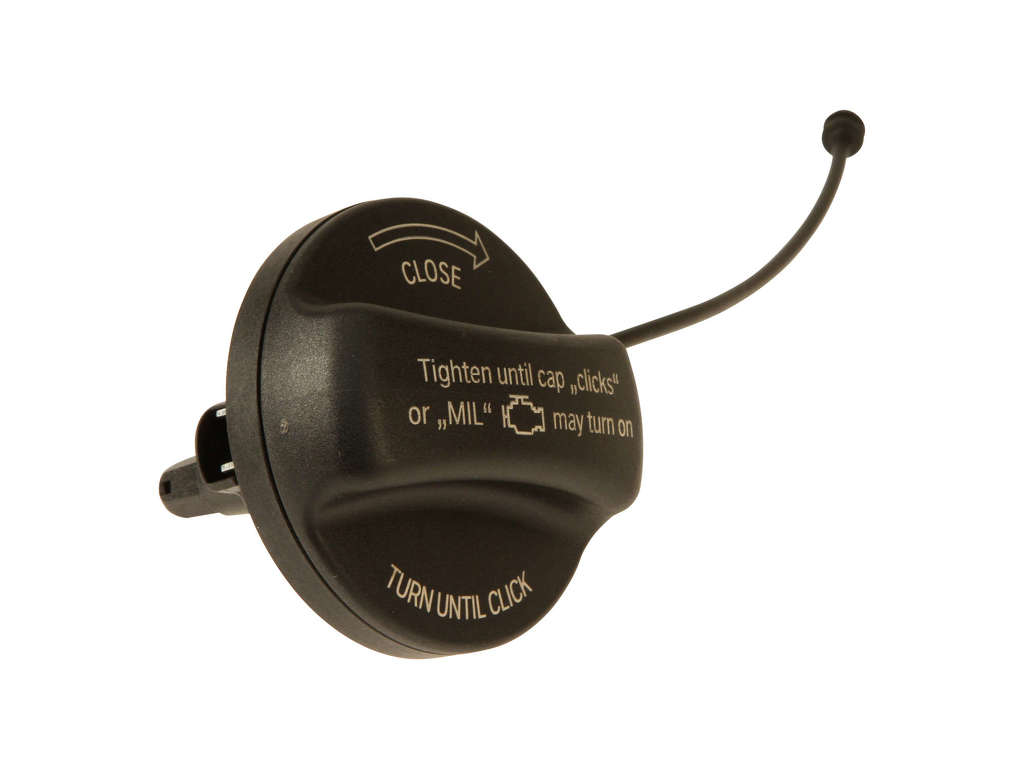
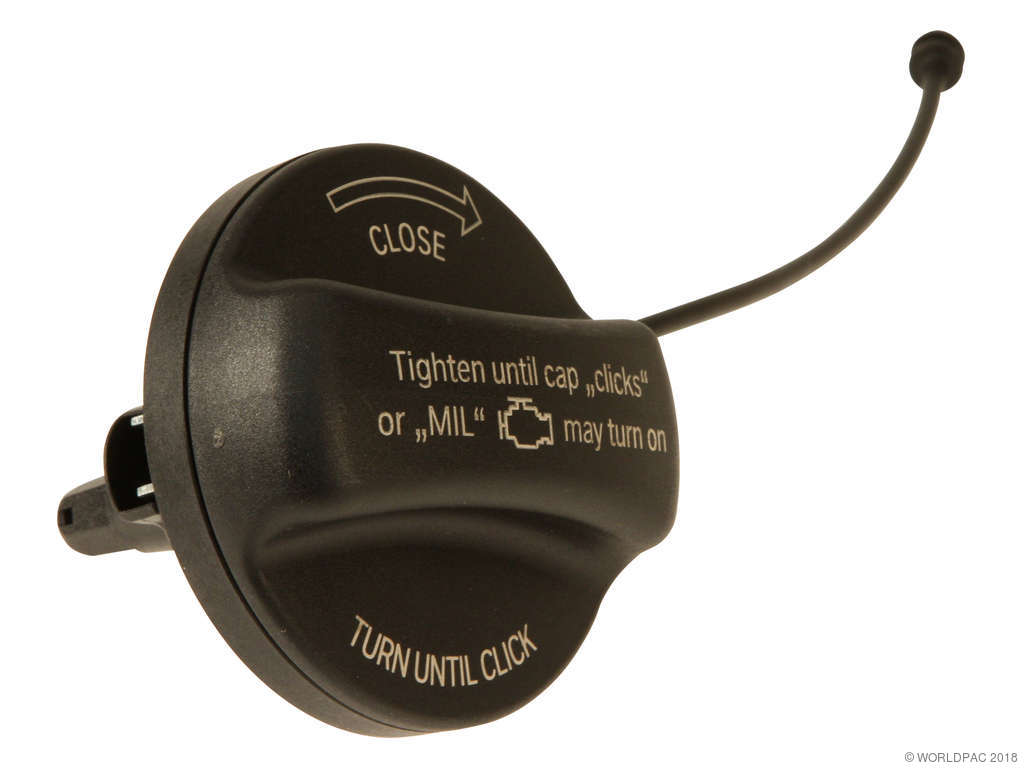
- Loose or Faulty Gas Cap 🔴 High Probability → Shop Fuel Tank Cap This is the most common cause for any vehicle. The rubber O-ring seal on the cap can dry out, crack, or get dirty from debris, preventing a proper seal.
How to confirm: Remove the gas cap, inspect the rubber seal for cracks or damage, and clean the sealing surfaces on the cap and the fuel filler neck. Reinstall the cap, ensuring it clicks at least once. Clear the code and see if it returns after a few drive cycles.
Typical fix: Clean the cap and filler neck. If the seal is damaged, replace the gas cap. The most common OEM part number is 16117222391.
Est. part cost: $25-$50 - Faulty Fuel Tank Vent Valve (Purge Valve) 🔴 High Probability → Shop Fuel Tank This solenoid valve is a very common failure item on many BMWs, including the N55 engine. It can get stuck open or closed, causing a leak or preventing vapor flow. BMW's official name for this part is 'Tank Vent Valve'.
How to confirm: The valve is located in the engine bay near the throttle body. A key symptom is difficulty starting after getting gas. A mechanic can command the valve to open and close with a scan tool to test its function. You can also remove it and try to blow through it; it should be closed by default when no power is applied. A multimeter can be used to check the resistance of the valve's coil; a good valve should read between 27-29 ohms. 🎬 Watch: How to test the purge valve with a multimeter.
Typical fix: Replacement of the valve is straightforward. It is typically held by a small bracket and has two hoses and one electrical connector. The common part number is 13907636156.
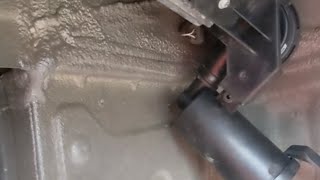
Est. part cost: $60-$120 - Failed Leak Detection Pump (DTML) 🟡 Medium Probability → Shop Evaporative Emissions System Leak Detection Pump The DTML pump, located in the rear passenger-side wheel well behind the liner, pressurizes the system for leak testing. The pump motor can fail, or the wiring connector can corrode due to its exposed location, causing a fault.
How to confirm: Diagnosis requires a BMW-specific scan tool (like ISTA) to run a system test, which will activate the pump and its changeover valve. A mechanic can also check for power and ground at the pump's connector. Visual inspection of the connector for green or white corrosion is also a key step. The fuse for the DTML pump is located in the trunk fuse box.
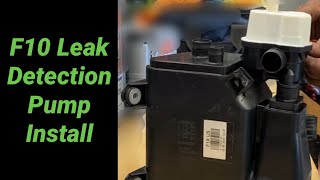
Typical fix: Replace the DTML pump and/or repair the wiring connector. The pump is usually held on by a few screws to the charcoal canister. Common part numbers include 16137333301 and the Bosch equivalent 0261222018. 🎬 See this walkthrough on replacing the DTML pump.
Est. part cost: $70-$180 - Cracked or Disconnected EVAP Hoses 🟡 Medium Probability The plastic and rubber hoses in the EVAP system become brittle with age and heat cycles. Technicians specifically note that lines in the rear passenger wheel well area on the F10 are prone to cracking, sometimes due to rodent damage.
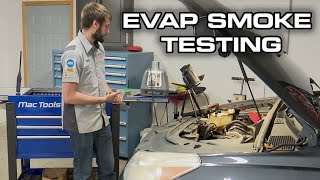
How to confirm: A smoke test is the most effective way to find a leak in a hose. A mechanic injects pressurized smoke into the EVAP system and looks for where it escapes. Pay close attention 🎬 Watch: How to perform a smoke test to find leaks. to the lines running above the rear passenger wheel well liner.
Typical fix: Replace the cracked section of hose and any associated brittle connectors.
Est. part cost: $15-$75
Rare But Worth Checking
- Melted Fuel Pump Connector: → Shop Fuel Pump A technician on a forum noted that on the F10, the electrical connector pin on top of the fuel pump can melt, creating a small air gap that the EVAP system detects as a leak. This is an unusual failure mode but has been seen specifically on this platform and should be inspected if common causes are ruled out.
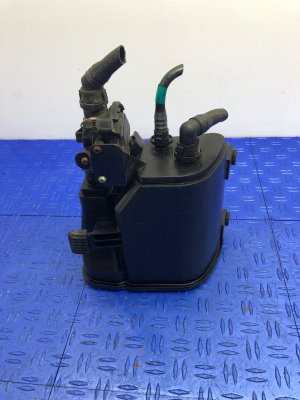
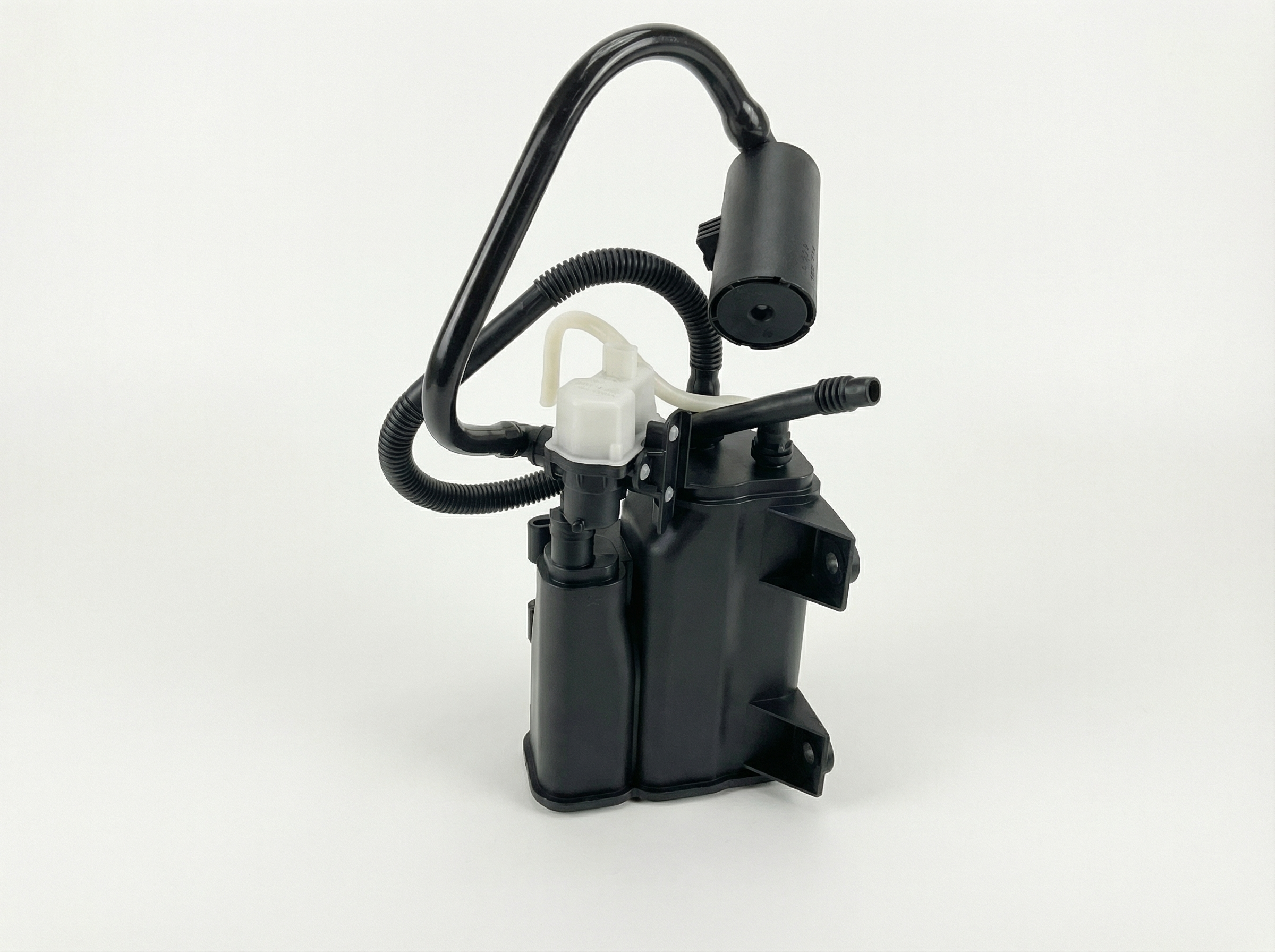
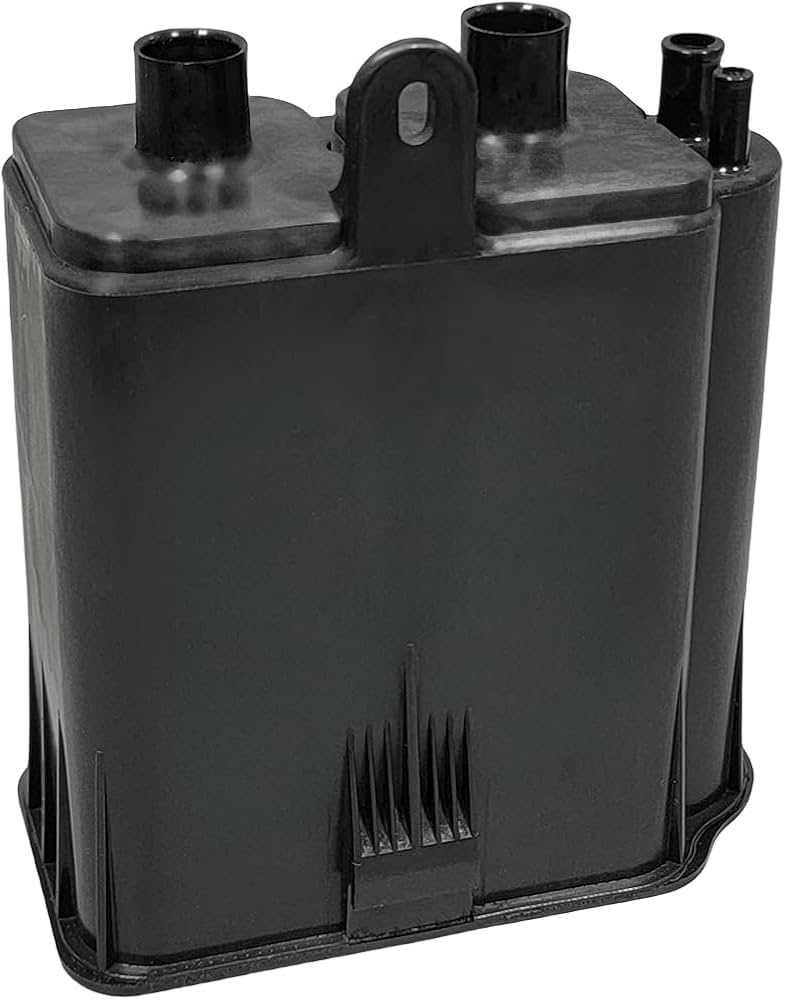
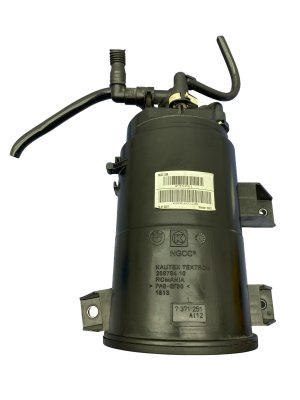
- Cracked Charcoal Canister: → Shop Vapor Canister The charcoal canister itself can crack, creating a leak. This is often caused by consistently over-filling the fuel tank ('topping off'), which forces liquid gasoline into the canister and degrades the charcoal and plastic housing.
Diagnosis Steps
- Check the gas cap. Ensure it is tightened until it clicks. Inspect the rubber seal for any cracks, tears, or debris. Clean the seal and the filler neck surface. Clear the code and drive for a few days to see if it returns.
- If the code returns, the next most likely part is the Fuel Tank Vent Valve (Purge Valve) in the engine bay, especially if you have trouble starting the car after refueling.
- If the gas cap and purge valve are confirmed to be good, a professional smoke test is the next logical step. This will pressurize the system with smoke and reveal the exact location of any leaks from hoses, the charcoal canister, or other components.
- While the vehicle is being inspected, specifically check the wiring and connector for the DTML pump (located behind the rear passenger-side wheel well liner) for any signs of corrosion or damage.
- As part of a thorough inspection, a technician may also check the electrical connector on top of the in-tank fuel pump for any signs of melting or heat damage.
Parts You'll Likely Need
- Fuel Tank Vent Valve (Purge Valve)
(OEM #13907636156)— This is a very common failure point on the N55 engine that directly causes an EVAP system fault.
Trusted brands: Bosch, Genuine BMW
OEM price range: $90-$120
Aftermarket price range: $60-$90 - Gas Cap
(OEM #16117222391)— The seal on the gas cap is the most common and simplest point of failure for the entire EVAP system.
Trusted brands: Genuine BMW, Rein, Febi Bilstein
OEM price range: $30-$50
Aftermarket price range: $20-$35 - Leak Detection Pump (DTML)
(OEM #16137333301)— This pump is the heart of the leak testing system. The pump motor can fail, or its exposed wiring can corrode, leading to a P0440 code.
Trusted brands: Bosch, Genuine BMW, Dorman
OEM price range: $120-$180
Aftermarket price range: $70-$110
Platform-Specific Known Issues
- Cracked EVAP lines in Rear Wheel Well: Multiple owners and technicians on forums like Reddit's r/BmwTech specifically mention finding cracked EVAP system lines located behind the rear passenger-side fender liner. This area is a prime suspect if a smoke test is performed.
- Melted Fuel Pump Connector Pin: → Shop Fuel Pump A rare but documented issue on the F10 chassis is the melting of an electrical pin on the top-hat of the fuel pump assembly. This creates a small opening to the atmosphere that the DTML system detects as a leak, triggering P0440.
Mechanic-Grade Diagnostic Values
- Fuel Tank Vent Valve (Purge Valve) Coil Resistance — expected: 27 - 29 Ohms. Failure: A significantly higher reading (e.g., 190 Ohms) or an open circuit (infinite resistance) indicates a failed coil inside the valve.
- Fuel Tank Pressure Sensor Voltage (Key-On, Engine-Off) — expected: Approximately 0.5V with the gas cap off (atmospheric pressure).. Failure: A voltage reading that is stuck high (e.g., 4.5V) or does not change when pressure is applied/released indicates a faulty sensor.
Hidden / Shadow Codes Worth Checking
- 190302: Tank ventilation system, leak detected (major leak > 1.0 mm). This is a BMW-specific code that often accompanies the generic P0440 but provides more detail, indicating the DME has detected a large leak, not a small one. (see via BMW-specific scan tools like ISTA, Foxwell, or advanced generic scanners with manufacturer-specific software.)
- 190F08: Tank ventilation valve, activation: Line disconnection. This code points specifically to an electrical fault with the purge valve circuit, such as a broken wire, corroded connector, or internal failure of the valve's coil. (see via BMW-specific scan tools like ISTA or other advanced diagnostic software.)
Scan Tool Commands That Help
- ISTA (Integrated Service Technical Application): EVAP System Test Plan (DMTL Test) — This is the comprehensive, manufacturer-designed procedure to diagnose the entire EVAP system. When initiated, the DME will command the DTML pump to run, close the vent valve, and perform a multi-stage leak test, including checking for small leaks (0.5mm) and large leaks. It provides a definitive pass/fail result and can pinpoint which part of the test sequence is failing (e.g., reference leak measurement, tank leak check), guiding the technician to the faulty component.
Wiring & Ground Locations
- Engine/Transmission to Chassis Ground Strap — On rear-wheel-drive N55 F10 models, the main powertrain ground strap is located at the very end of the transmission, connecting it to the transmission tunnel on the chassis floor pan.. While not a primary cause for an EVAP leak code, a corroded or loose main ground strap can cause a host of unpredictable electrical issues and phantom codes. Ensuring all grounds are clean and tight is a fundamental step in any electrical diagnosis.
- DTML Pump Connector — Behind the rear passenger-side wheel well liner, attached to the DTML pump assembly which is mounted to the charcoal canister.. This connector is in a location prone to water and debris. Corrosion on the pins can cause a loss of power or signal to the DTML pump, directly triggering a P0440 or related BMW fault code.
Real Owner Repair Stories
- Bimmerpost user on f10.5post.com (BMW F10 535xi (N55)) — Persistent Check Engine Light with OBD code P0440.
❌ Tried (didn't work) Replaced gas cap with a Febi Bilstein part., Replaced the fuel tank ventilation valve (purge valve) with P/N 13907636156., Replaced the pressure switch/leak detection pump.
✅ What actually fixed it The user was advised that after replacing all common components without success, the only remaining logical step was to perform a smoke test to find a physical leak in a hose or the intake system. The thread highlights the common pitfall of replacing parts before definitively diagnosing the leak location.
OEM Part Supersession History
13902366609→13907636156— Standard part revision and update by BMW. The newer part is a direct replacement.
Heads up: No known incompatibility issues; 13907636156 is the correct and current part for the N55 engine in this chassis.
Diagnostic Flowchart
Other Known Issues on This Vehicle
Issues unrelated to this code that are worth knowing about as an owner of this generation:
- Electric Water Pump Failure 🔴 High — Very common. Typically fails between 60,000-90,000 miles, often without warning.
- Oil Filter Housing Gasket (OFHG) Leak 🔴 High — Extremely common around 70,000-100,000 miles. If it leaks onto the serpentine belt, it can cause the belt to shred and be ingested by the main crank seal, leading to catastrophic engine damage.
- Valve Cover & Gasket Leak 🟠 Medium — Common after 80,000-100,000 miles. The plastic cover can crack or the gasket can harden, causing oil to leak onto the exhaust manifold (burning smell) or into spark plug wells (misfires).
- Plastic Charge Pipe Failure 🟠 Medium — The original plastic charge pipe connecting the intercooler to the throttle body is known to become brittle and crack, causing a sudden loss of power. More frequent on tuned vehicles but can happen on stock cars.
- High-Pressure Fuel Pump (HPFP) Failure 🟠 Medium → Shop Fuel Pump — More common on earlier N55 models. Failure leads to long cranks, rough idle, and loss of power.
Used vs. New Parts: Buying Guide for This Vehicle
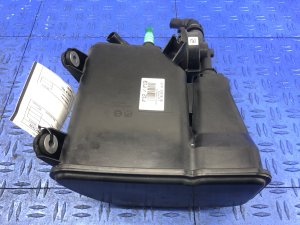
When a used part is the smart pick: A used gas cap or charcoal canister can be a cost-effective choice. The charcoal canister is expensive new, and a used one from a low-mileage, non-corroded donor vehicle can offer significant savings. However, ensure it has not been saturated with liquid fuel from overfilling.
Donor-vehicle mileage cap: roughly under 80000 miles for the part to have meaningful remaining life.
What to inspect on the donor part:
- For charcoal canisters, check for any visible cracks or signs of physical damage.
- For any part, source from a dry, non-salt-belt region to minimize the risk of corrosion on electrical connectors and metal components.
- Verify the part number on the used component matches the required part for your vehicle, as variations exist.
OEM-only on this vehicle (don't cheap out):
- Fuel Tank Vent Valve (Purge Valve)
- Leak Detection Pump (DTML)
Aftermarket brands forum-validated for this vehicle:
- Bosch is the Original Equipment Manufacturer (OEM) for many of these EVAP components, including the purge valve and DTML pump. A Bosch-branded part is often identical to the Genuine BMW part but at a lower cost.
- Febi Bilstein and Rein are reputable aftermarket brands for the gas cap.
Brands owners have reported issues with on this vehicle:
- Avoid unbranded, no-name electronic components like purge valves or DTML pumps from online marketplaces, as their quality control and longevity can be highly questionable.
Real Owner Stories
Aggregated from forums and TSBs cited above. Mileages and costs reflect what owners reported in those sources.
2011-2016 BMW 535i (F10) N55
Symptoms: Found cracked EVAP system lines located behind the rear passenger-side fender liner.
What fixed it: Replacement of the cracked section of the EVAP line in the rear wheel well.
Source hint: Reddit (r/BmwTech) thread regarding P0440 on BMW 535i F10
2011 BMW 535xi (F10) N55
Symptoms: P0440 code persisted even after replacing the gas cap, vent valve, and DTML pressure switch.
What fixed it: The owner highlighted the necessity of a smoke test to find the leak after multiple parts failed to clear the code.
Source hint: Bimmerpost (f10.5post.com) thread titled 'P0440 on an F10 535xi'
2010-2017 BMW 5 Series (F10)
Symptoms: BMW-specific code 190302 (EVAP related) triggered multiple dealer visits.
What fixed it: The dealer replaced the DTML module to solve the problem.
Source hint: Bimmerpost (f10.5post.com) user report regarding BMW-specific code 190302
2010-2017 BMW 5 Series (F10)
Symptoms: P0440 triggered by a very small opening to the atmosphere at the fuel tank area.
What fixed it: Repairing the melted electrical pin on the top-hat of the fuel pump assembly.
Source hint: Reddit (r/BmwTech) insights on F10 platform specific issues
Related OBD-II Codes
Frequently Asked Questions
Why does my 5 Series struggle to start only after I fill up the gas tank?
Where is the DTML pump located on the F10 5 Series, and why does it fail?
I replaced my gas cap but P0440 returned. What is the next step for an N55 535i?
Can a melted fuel pump connector cause an EVAP leak code on my BMW?
How can I test the Tank Vent Valve on my N55 engine at home?
Is there a specific fuse I should check for the EVAP system?
Helpful Videos
Used OEM Parts in Stock
New Aftermarket Parts Available


The information in this article is provided for general reference and educational purposes only. Vehicle specifications, procedures, and part compatibility can vary by production date, trim level, and region. Always consult your vehicle's factory service manual and verify part numbers before purchasing or performing repairs. Safety-critical components such as airbags, seat belts, and braking systems should be installed by a qualified professional.
- BMW 5 Series:
- 🧭 Diagnostic Flowchart
- 🎬 Helpful Videos
- 🛍️ Shop This Part
- What's Unique About the 2010-2017 BMW 5 Series
- Symptoms You May Notice
- Most Likely Causes
- Rare But Worth Checking
- Diagnosis Steps
- Parts You'll Likely Need
- Platform-Specific Known Issues
- Mechanic-Grade Diagnostic Values
- Hidden / Shadow Codes Worth Checking
- Scan Tool Commands That Help
- Wiring & Ground Locations
- Real Owner Repair Stories
- OEM Part Supersession History
- Other Known Issues on This Vehicle
- Used vs. New Parts: Buying Guide for This Vehicle
- Real Owner Stories
- 2011-2016 BMW 535i (F10) N55
- 2011 BMW 535xi (F10) N55
- 2010-2017 BMW 5 Series (F10)
- 2010-2017 BMW 5 Series (F10)
- Related OBD-II Codes
- Frequently Asked Questions
- 🎟️ Get 5% Off