

P0440 on 2017-2024 BMW 5 Series: EVAP System Malfunction Causes and Fixes
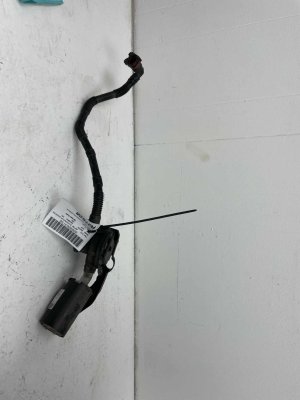
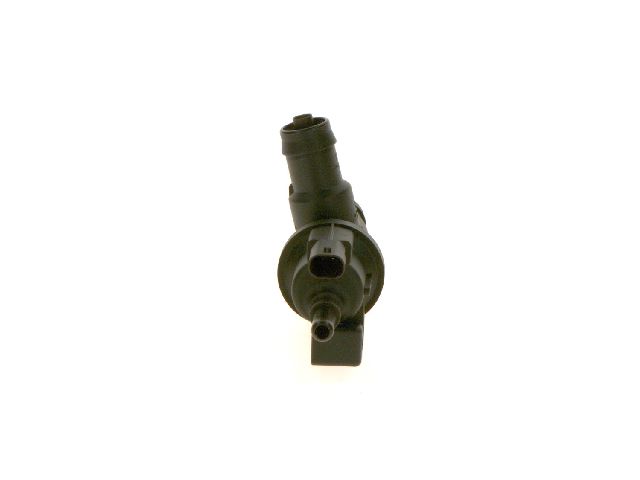
For a 2017-2024 BMW 5 Series, the P0440 code is most often caused by a failed Fuel Tank Vent Valve (also called a purge valve) located in the engine bay. This is a common failure item on BMWs with the B48 and B58 engines. Expect to pay around $70-$130 for an OEM part. This part is known to fail and may also trigger BMW-specific codes like 190F08 or 191C02.
- P0440 on a 2017-2024 BMW 5 Series is most likely a bad Fuel Tank Vent Valve (part no. 13907643106), not a loose gas cap.
- The vehicle is safe to drive, but it will fail an emissions test and should be repaired to avoid releasing fuel vapors into the atmosphere.
- Diagnosis should start with checking the gas cap, but quickly move to inspecting the vent valve in the engine bay.
- If the issue isn't the gas cap or vent valve, a smoke test is the best way to find the leak.
- Do not confuse this fuel EVAP system issue with the common A/C evaporator failure on the same vehicles.
What's Unique About the 2017-2024 BMW 5 Series
While a loose gas cap is the most common cause for a P0440 code on many vehicles, on modern BMWs like the G30 5 Series, it is more frequently caused by a component failure. Specifically, the Fuel Tank Vent Valve (purge valve) is a known weak point. Owners and technicians often point to this valve as the primary suspect before even considering a gas cap issue or other leaks. The diagnosis is further complicated by another common but unrelated issue on this platform: A/C evaporator failures, which are extremely expensive to fix and should not be confused with this fuel EVAP system code.
Generation note: The 2017-2024 year range covers the entire G30 (sedan), G31 (touring), and F90 (M5) generation, including the 2021 model year LCI (facelift). The primary causes and fixes for P0440, particularly the failure of the fuel tank vent valve on B48/B58 engines, are consistent across this generation and its platform mates.
Symptoms You May Notice
- Check Engine Light is on
- A faint smell of fuel, possibly near the rear of the car or from the vents
- Vehicle will automatically fail an emissions inspection
- Difficulty starting the engine immediately after refueling (less common).
- Rough or unstable idle (less common).
- Replacing the gas cap when the Fuel Tank Vent Valve is the actual problem. Many technicians familiar with BMWs will check the vent valve first.
- Confusing the fuel EVAP (Evaporative Emissions) system with the A/C Evaporator. The A/C evaporator is a common and expensive failure on the G30 platform but is completely unrelated to the P0440 code. Owners report A/C failure symptoms like warm air or uneven vent temperatures, and the repair can cost between $4,800 and $7,000 due to the need to remove the entire dashboard.
Most Likely Causes
- Faulty Fuel Tank Vent Valve (Purge Valve) 🔴 High Probability → Shop Fuel Tank This specific valve, often made by Bosch, is a widely documented common failure part on BMW's B48 and B58 engines used in the G30 5 Series. BMW has acknowledged issues with this part under SIB 01 03 24. It frequently triggers codes P0440, P0446, and the BMW-specific code 190F08.
How to confirm: The valve is located in the engine bay, under the acoustic engine cover. It can be tested by applying vacuum to see if it holds, or by using a scan tool to command it open and closed. A faulty valve may be stuck open or closed, or leak internally, sometimes making a metallic clicking noise.
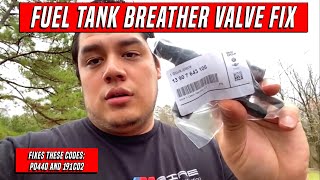
Typical fix: Replacement of the valve. It is typically mounted on the engine with a few hoses and an electrical connector, making it a relatively simple DIY job 🎬 Watch: This walkthrough shows how to replace the G30 purge valve. that can take as little as 10 minutes. Be careful, as the plastic hose connectors can become brittle and break upon removal.
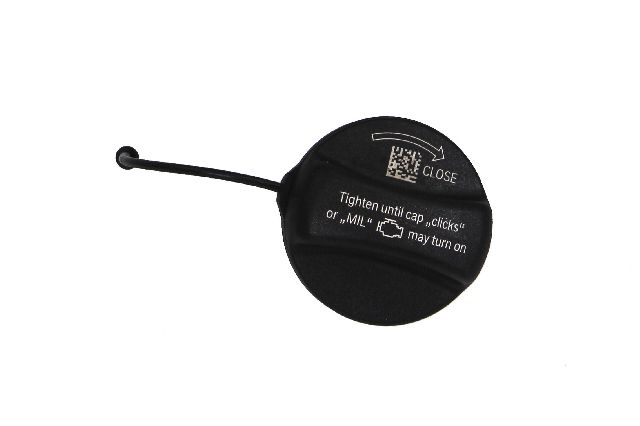
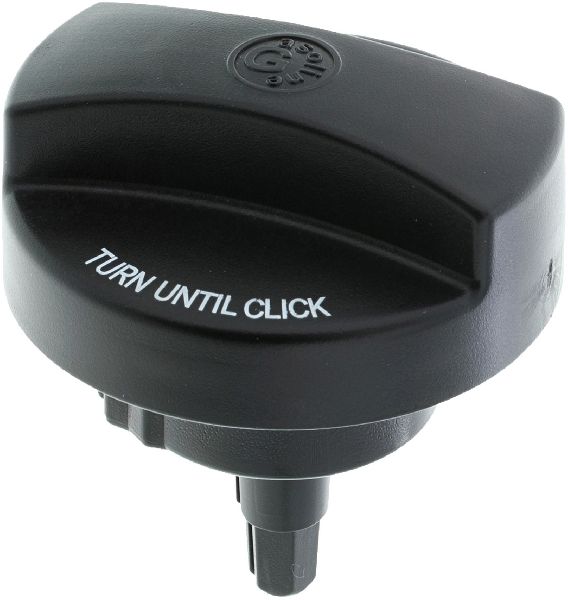
Est. part cost: $70-$130 - Loose or Faulty Gas Cap 🟡 Medium Probability → Shop Fuel Tank Cap While less common than the vent valve on BMWs, human error (not tightening the cap until it clicks) or a degraded rubber seal on the cap can still prevent the system from sealing correctly.
How to confirm: Ensure the gas cap is tightened until it clicks several times. Inspect the rubber O-ring on the cap for cracks, dirt, or signs of wear. A dirty fuel filler neck can also prevent a good seal.
Typical fix: Tighten the cap and clear the code. If the code returns, replace the gas cap with a new OEM part (Part No. 16117470341).
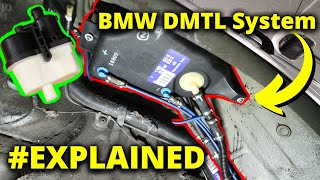
Est. part cost: $25-$50 - Faulty Leak Diagnosis Module (DMTL Pump) ⚪ Low Probability The DMTL pump is a small electric motor that pressurizes the tank for leak testing. These pumps can fail over time, leading to incorrect test results and fault codes.
How to confirm: The pump is located in the rear passenger-side wheel well area. A BMW-specific scan tool can run a test of the DMTL pump itself. Failure is confirmed if the pump doesn't run or if it fails its internal reference check.
Typical fix: Replacement of the DMTL pump and its associated filter.
Est. part cost: $100-$180 - Cracked or Disconnected EVAP Hoses ⚪ Low Probability
How to confirm: A visual inspection may reveal obvious cracks, but small leaks are hard to see. The most effective method is a smoke test, where a mechanic injects pressurized smoke into the EVAP system to see where it escapes.
Typical fix: Replacement of the specific hose or line that is found to be leaking.
Est. part cost: $30-$100
Rare But Worth Checking
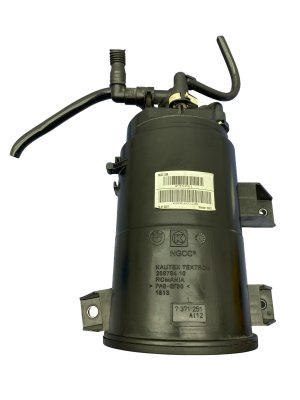
- Cracked Charcoal Canister: → Shop Vapor Canister The charcoal canister stores fuel vapors. Physical damage from road debris can cause it to crack, creating a large leak in the system.
- Leaking Fuel Sending Unit Gasket: One owner on a forum traced an intermittent EVAP code to a leaking fuel sending unit gasket located under the rear seat, which was only found using a smoke machine.
Diagnosis Steps
- Check the Gas Cap: Remove and reinstall the gas cap, ensuring it clicks multiple times. Inspect the cap's seal for any cracks or damage. Clear the code and see if it returns after a few drive cycles.
- Inspect the Fuel Tank Vent Valve: Locate the valve in the engine bay under the engine cover. Visually inspect it and its connected hoses for any obvious damage. Given its high failure rate, this is the most likely culprit.
- Scan for BMW-Specific Codes: Use a BMW-compatible scanner (like ISTA) to read for more detailed fault codes. Codes like 190F08 or 191C02 will strongly indicate a faulty vent valve, saving diagnostic time.
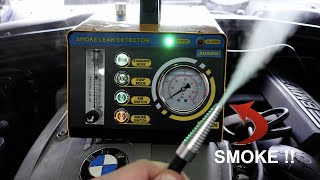
- Perform a Smoke Test: If the cause is not the gas cap or vent valve, a smoke test is the definitive way to find a leak. The test involves filling the EVAP system with a harmless, visible smoke under low pressure. 🎬 See how to perform a smoke test to find hidden leaks. Smoke will exit from any cracks in hoses, the charcoal canister, or bad seals.
- Test the DMTL Pump: Using a capable scan tool, initiate the EVAP system leak test. You should be able to hear the DMTL pump running in the rear wheel well area. The scan tool can also report the pump's status and amperage draw to determine if it is functioning correctly.
Parts You'll Likely Need
- Fuel Tank Vent Valve (Purge Valve)
(OEM #13907643106)— This is the most common failure point for the P0440 code on the G30 5 Series with B48 and B58 engines.
Trusted brands: Bosch, Genuine BMW
OEM price range: $120-$135
Aftermarket price range: $70-$90 - Fuel Cap
(OEM #16117470341)— A simple and inexpensive part to rule out if the seal is old, cracked, or if the cap was lost. Replaces older part number 16117482903.
Trusted brands: Genuine BMW, Gates, Stant
OEM price range: $30-$45
Aftermarket price range: $15-$30 - Diagnosis Module Tank Leakage (DMTL) Pump — This pump is the heart of the leak detection system and can fail, causing a variety of EVAP codes.
Trusted brands: Bosch, Genuine BMW
OEM price range: $150-$200
Aftermarket price range: $100-$140
Related Codes That Often Appear With This One
- P0446 — This code indicates a fault in the EVAP system's vent control circuit. It often appears with P0440 when the issue is related to the DMTL pump or the fuel tank vent valve.
- 190F08 (BMW-Specific) — This is a BMW-specific code for 'Fuel tank ventilation system malfunction'. It very frequently points directly to a failed Fuel Tank Vent Valve and is often seen in conjunction with the generic P0440.
- 191C02 (BMW-Specific) — Another BMW-specific code for 'Fuel tank ventilation system, 2nd largest discharge point malfunction' that is commonly associated with a failing Fuel Tank Vent Valve.
Technical Service Bulletins (TSBs) & Recalls
- SIB 01 03 24: BMW identified that the Fuel Tank Breather Valve (P/N 13907643106) may suffer from material and operational issues with age, potentially causing lean mixture faults (118001, 118401) and specific EVAP codes (190F08, 191C02, 195014).
Platform-Specific Known Issues
- A user on Bimmerpost with a 2017 540i reported getting a P0440 code. After checking the gas cap, the forum community's immediate suggestion was to perform a smoke test to find a leak, with the canister purge valve (fuel tank vent valve) being the primary suspect component to check.
Mechanic-Grade Diagnostic Values
- Fuel Tank Vent Valve (Purge Valve) Solenoid Resistance — expected: 18.2 - 28.1 Ohms. Failure: A significantly higher reading (e.g., 190 Ohms) or an open circuit indicates a faulty solenoid coil.
- Fuel Tank Vent Valve (Purge Valve) Bench Test — expected: With 12V applied to the two pins, the valve should make an audible click and open. When de-energized, it should be closed and hold vacuum.. Failure: If the valve does not click, does not open with 12V, or does not hold vacuum when closed, it is faulty.
Hidden / Shadow Codes Worth Checking
- 195014: Differential pressure sensor, tank vent valve, signal: Permanently stuck. This fault often indicates a software issue or a failing vent valve. (see via BMW-specific scan tool like ISTA. A service bulletin suggests a vehicle software update may be required to fix this if the valve itself is not faulty.)
- 2A17: DMTL, system failure. This points to a problem with the DMTL pump itself, such as a failed internal motor or valve. (see via BMW-specific scan tool like ISTA.)
- 2A15 / 2A16: DMTL, leak detected (minor/major). These codes are more specific than the generic P0440 and are triggered by the DMTL pump's test sequence. (see via BMW-specific scan tool like ISTA.)
Scan Tool Commands That Help
- ISTA (Rheingold): DME -> Component Triggering -> Motor of diagnostic module (DMTL) — Use this to manually activate the DMTL pump motor. You should hear the pump running in the rear passenger wheel well area, confirming the motor is receiving the command and is functional.
- ISTA (Rheingold): DME -> Component Triggering -> Changeover valve of diagnostic module (DMTL) — This command tests the solenoid valve within the DMTL pump assembly. You should hear a click, confirming the valve is actuating. A failure here can cause a leak detection fault.
- ISTA (Rheingold): Vehicle Management -> Service Functions -> Drive -> Fuel tank leakage diagnostic module (DMTL) test plan — This is the comprehensive, automated test. It first runs a reference check on the pump itself, then pressurizes the entire fuel tank and EVAP system to test for major and minor leaks. It can take up to 12 minutes and is the definitive way to confirm a leak without a smoke machine.
Wiring & Ground Locations
- EVAP System Ground Point — The main chassis ground points are crucial. On a G30, a common ground point used for accessories in the trunk (boot) is a threaded stud on the chassis, often near the battery. Ensure this is clean and tight if other electrical issues are present.. The DMTL pump is located in the rear of the vehicle and relies on a solid ground connection to operate correctly. A poor ground can cause the pump to fail its self-test or not run at all, triggering EVAP codes.
- Engine Ground Strap — The primary engine-to-chassis ground strap is typically located on the driver's side, connecting an engine mount bracket to the body.. While less direct, a corroded or broken main engine ground can cause a host of electrical gremlins and voltage issues for engine-mounted components like the Fuel Tank Vent Valve. This is a common wear item on BMWs.
- Wiring Harness Chafe Point — On some B46-engine vehicles sharing a similar layout, a wiring harness loom with a white barcode label runs near the EVAP lines by the passenger side firewall. An EVAP hose has been observed rubbing against this loom, potentially causing a wear-through leak over time.. A small, hard-to-see leak can be caused by this rubbing. If a smoke test reveals smoke in the passenger side firewall area, this chafe point should be inspected closely.
Real Owner Repair Stories
- Bimmerpost user (BMW with B58 Engine) — Check Engine Light with code 190F08 (Tank vent valve). Rough idle and stalling after refueling.
❌ Tried (didn't work) Initial replacement of the Fuel Tank Vent Valve (P/N 13907643106) fixed the issue temporarily.
✅ What actually fixed it The code returned, indicating the replacement part had also failed. A second replacement of the same Fuel Tank Vent Valve resolved the issue again, highlighting that this part can fail repeatedly and even new parts can be faulty. The user questioned if another factor was causing the repeat failures, but the ultimate fix was simply another new valve. - Bimmerpost user (2017 540i (G30)) — Check Engine Light with code P0440.
❌ Tried (didn't work) Checking the gas cap to ensure it was tight.
✅ What actually fixed it The user was advised by the forum community that the most likely cause was a leak in the EVAP system and the primary suspect was the canister purge valve (Fuel Tank Vent Valve). The definitive diagnostic step recommended was a smoke test to pinpoint the leak, rather than guessing.
OEM Part Supersession History
13907645860→13907643106— Part revision or supplier change for the Fuel Tank Vent Valve.
Heads up: The newer part number 13907643106 is the correct and current replacement for B46, B48, and B58 engines in the G30 platform.
Model Year Variations Within This Range
- 2017-2020 (Pre-LCI) vs 2021-2024 (LCI): The G30 received a Life Cycle Impulse (LCI) or facelift for the 2021 model year. While the core B48/B58 engines and the common P0440 causes (like the vent valve) remained consistent, the LCI introduced updated exterior styling, new headlights/taillights, and iDrive 7 as standard. Some options like soft-close doors were eliminated on LCI models due to supply chain issues. For the purpose of diagnosing P0440, the procedures are effectively identical between pre-LCI and LCI models.
Diagnostic Flowchart
Other Known Issues on This Vehicle
Issues unrelated to this code that are worth knowing about as an owner of this generation:
- Coolant Leaks (B48/B58 Engines) 🔴 High — Common issue, often starting around 60,000-80,000 miles. Leaks often evaporate on hot surfaces, leading to a coolant smell without visible puddles.
- A/C Evaporator Failure 🔴 High — A widely reported failure on the G30 platform, can occur on cars as early as 2018 with around 75k miles.
- Active Grille Shutter Failure 🟠 Medium — A common problem where the plastic mechanism jams or the actuator motor fails, often triggering a Check Engine Light. (Ref: An extended warranty may be available for this part.)
- Valve Cover and Gasket Oil Leaks 🟠 Medium — A classic BMW issue that continues with the B58 engine. Gaskets degrade over time from engine heat, leading to leaks.
Used vs. New Parts: Buying Guide for This Vehicle
When a used part is the smart pick: For purely mechanical, non-electronic, and non-rubber components like brackets or specific plastic lines that are not brittle, a used part can be acceptable. A used gas cap is a reasonable choice if the seal is inspected and found to be pliable and free of cracks.
Donor-vehicle mileage cap: roughly under 50000 miles for the part to have meaningful remaining life.
What to inspect on the donor part:
- For a Fuel Tank Vent Valve, check for cracks in the plastic housing or connector.
- For a gas cap, ensure the rubber O-ring is soft, pliable, and not cracked or flattened.
- For a DMTL pump, inspect for any physical damage or cracks to the housing and ensure the electrical connector pins are clean and not corroded.
OEM-only on this vehicle (don't cheap out):
- Fuel Tank Vent Valve (Purge Valve): Given the high failure rate and the critical function, using a Genuine BMW or OEM Bosch part is strongly recommended to avoid repeat failures.
- DMTL Pump: This is a sensitive electronic and mechanical component. An OEM Bosch or Genuine BMW part is recommended to ensure it passes the internal self-test and functions correctly with the DME.
Aftermarket brands forum-validated for this vehicle:
- Bosch: Bosch is the Original Equipment Manufacturer (OEM) for many of these EVAP components, including the Fuel Tank Vent Valve and DMTL pump. Buying a Bosch-branded part is often identical to the Genuine BMW part without the dealership markup.
Brands owners have reported issues with on this vehicle:
- Unbranded/No-name eBay/AliExpress parts: While some may function initially, the quality control, material specifications (especially for rubber seals and solenoid windings), and longevity are highly questionable. For critical emissions components that require significant diagnostic time if they fail, it is not worth the risk.
Real Owner Stories
Aggregated from forums and TSBs cited above. Mileages and costs reflect what owners reported in those sources.
2017 BMW 540i (B58)
Symptoms: The owner reported a P0440 code appearing and sought advice on whether the gas cap was the culprit.
What fixed it: The community recommended a smoke test, identifying the canister purge valve (fuel tank vent valve) as the primary suspect for replacement.
Source hint: bimmerpost.com: A G30 540i owner received a P0440 code
BMW 3 Series (B58 engine)
Symptoms: The vehicle experienced repeat failures of the Fuel Tank Vent Valve, throwing BMW-specific code 190F08.
What fixed it: Replacement of the Fuel Tank Vent Valve (Part No. 13907643106), though the user noted even replacement parts can fail.
Source hint: bimmerpost.com: A user with an F30 (which shares the B58 engine) experienced repeat failures of the Fuel Tank Vent Valve (13907643106)
Related OBD-II Codes
Frequently Asked Questions
Does BMW SIB 01 03 24 apply to my 5 Series with code P0440?
What is the specific BMW part number for the gas cap if I need to replace it?
I have a BMW-specific scanner; what codes should I look for instead of P0440?
Where is the Fuel Tank Vent Valve located on the B48/B58 engine?
Can a faulty vent valve cause performance issues other than the check engine light?
Is the DMTL pump a common failure point for the P0440 code on this model?
Helpful Videos

Used OEM Parts in Stock
New Aftermarket Parts Available


The information in this article is provided for general reference and educational purposes only. Vehicle specifications, procedures, and part compatibility can vary by production date, trim level, and region. Always consult your vehicle's factory service manual and verify part numbers before purchasing or performing repairs. Safety-critical components such as airbags, seat belts, and braking systems should be installed by a qualified professional.
- BMW 5 Series:
- 🧭 Diagnostic Flowchart
- 🎬 Helpful Videos
- 🛍️ Shop This Part
- What's Unique About the 2017-2024 BMW 5 Series
- Symptoms You May Notice
- Most Likely Causes
- Rare But Worth Checking
- Diagnosis Steps
- Parts You'll Likely Need
- Related Codes That Often Appear With This One
- Technical Service Bulletins (TSBs) & Recalls
- Platform-Specific Known Issues
- Mechanic-Grade Diagnostic Values
- Hidden / Shadow Codes Worth Checking
- Scan Tool Commands That Help
- Wiring & Ground Locations
- Real Owner Repair Stories
- OEM Part Supersession History
- Model Year Variations Within This Range
- Other Known Issues on This Vehicle
- Used vs. New Parts: Buying Guide for This Vehicle
- Real Owner Stories
- 2017 BMW 540i (B58)
- BMW 3 Series (B58 engine)
- Related OBD-II Codes
- Frequently Asked Questions
- 🎟️ Get 5% Off