

P0440 on 2004-2010 BMW X3: EVAP System Malfunction Causes and Fixes
For a 2004-2010 BMW X3, code P0440 is most often caused by a faulty gas cap, a failed DMTL pump, or a bad fuel tank vent valve (purge valve). Start by checking the gas cap. If that's not the issue, the DMTL pump in the right-rear wheel well is the next most likely culprit. The OEM Bosch part costs around $80-$120 and is a very common failure item.
- Always start by checking that the gas cap is tight and its seal is in good condition. This is the simplest and a very common fix.
- On the 2004-2010 X3, the two most likely failed parts are the DMTL pump (in the right-rear wheel well) and the fuel tank vent valve (in the engine bay).
- Driving with P0440 is safe and won't harm the engine, but you will not pass an emissions inspection until it is fixed.
- If simple checks don't reveal the problem, a smoke test is the most reliable way for a mechanic to find the exact source of the leak.
What's Unique About the 2004-2010 BMW X3
Unlike many other vehicles where a P0440 code is generically called a 'large leak', on this era of BMW, it's a general fault code. The key component in the BMW system is the DMTL pump, which is used to actively pressurize the system for leak testing. This pump is a very common failure point on the E83 X3 and other contemporary BMWs (like the E46 3-Series and E60 5-Series), making it a more likely cause for P0440 than on vehicles that use a simpler vacuum-based system.
Symptoms You May Notice
- Check Engine Light is on
- A faint smell of fuel, particularly around the rear of the vehicle near the gas cap or right-rear wheel well
- Difficulty starting immediately after refueling (points towards a faulty purge valve)
- Audible clicking noise from the purge valve in the engine bay when the car is off (indicates it may be stuck or receiving an incorrect signal)
- Immediately replacing the charcoal canister. The canister itself is usually durable; the components attached to it, like the DMTL pump, are far more likely to fail.
- Replacing the gas cap without clearing the code and driving. The EVAP monitor only runs under specific conditions, so the light may not go off immediately. It's best to clear the code with a scanner and see if it returns.
Most Likely Causes
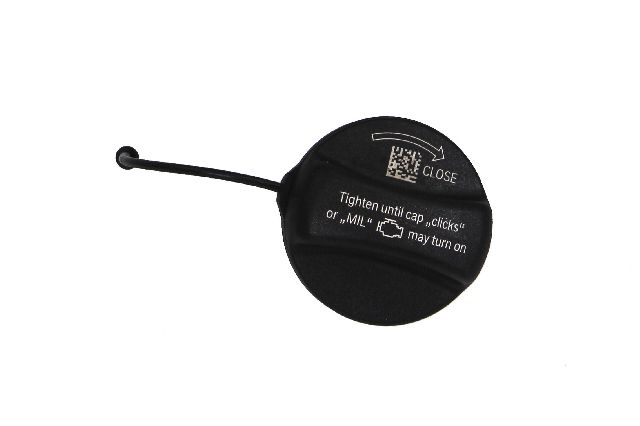
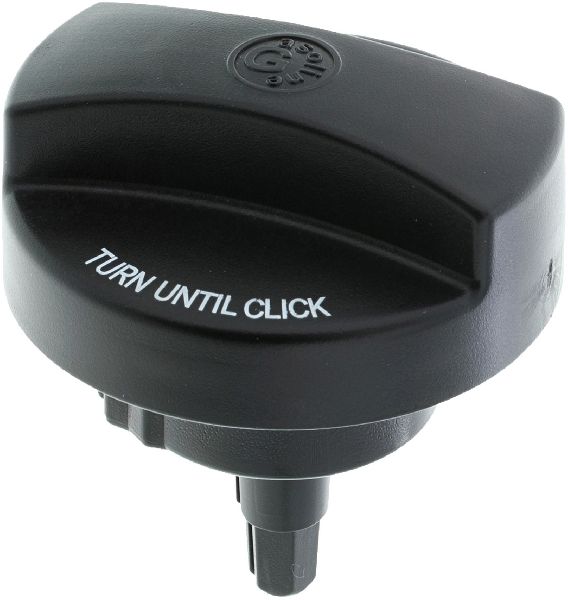
- Loose or Faulty Gas Cap 🔴 High Probability → Shop Fuel Tank Cap This is a universal issue. The rubber O-ring on the cap can dry out, crack, or get dirty over time, preventing a proper seal. It's the first and easiest thing to check.
How to confirm: Ensure the cap is tightened until it clicks several times. Inspect the rubber seal for cracks, stiffness, or debris. Clean the seal and the fuel filler neck. A worn-out cap is a very common and simple fix.
Typical fix: Tighten the cap. If the seal is bad, replace the entire gas cap. It's an inexpensive and simple first step.
Est. part cost: $15-$40 - Faulty DMTL Pump (Leak Diagnosis Pump) 🔴 High Probability → Shop Evaporative Emissions System Leak Detection Pump The DMTL pump is a known high-failure item on BMWs from this period, including the E83 X3. It contains a small motor and heater that can fail electrically or mechanically over time, and its plastic housing can crack.
How to confirm: The pump is located in the right-rear wheel well, attached to the charcoal canister. A BMW-specific scan tool can activate the pump to check for proper function and current draw. A common failure mode triggers a specific BMW fault code like 2A17 (DMTL system fault), which directly points to the pump. A smoke test will also reveal a leak from the pump itself if it has cracked.
Typical fix: Replace the DMTL pump. This requires 🎬 Watch: How to replace the DMTL pump on a BMW X3 removing the right-rear wheel and the plastic wheel well liner to access the charcoal canister where the pump is mounted.
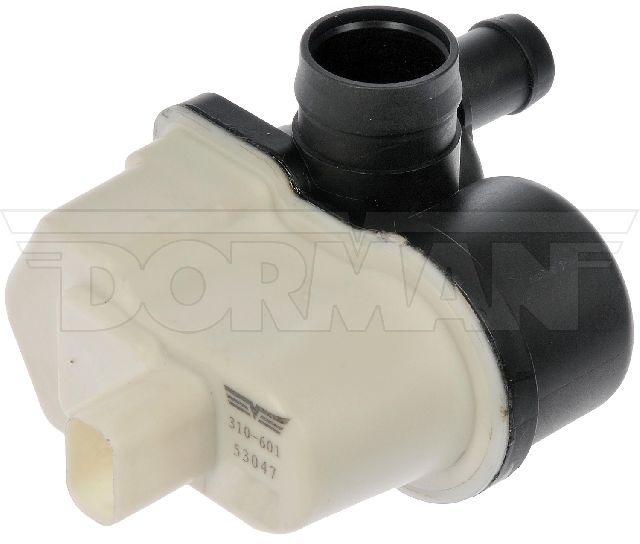
Est. part cost: $80-$160 - Faulty Fuel Tank Vent Valve (Purge Valve) 🟡 Medium Probability → Shop Fuel Tank This solenoid valve is located in the engine bay and cycles frequently, leading to eventual failure where it can get stuck open or closed. It's a common failure point on M54 and N52 engines.
How to confirm: The valve should be closed when the engine is off. You can test it by removing it and trying to blow through it; no air should pass. Applying a 12V source to its electrical connector should make it 'click' open, allowing air to pass. If it's stuck open, it will cause a leak. If it's stuck closed, it can cause other EVAP codes. A multimeter test should show a resistance between 27-29 ohms.
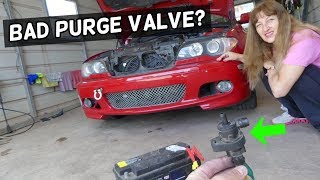
Typical fix: Replace the fuel tank vent valve. It is 🎬 Watch: How to test the purge valve on your BMW typically located on or near the intake manifold and is accessible from the engine bay.
Est. part cost: $70-$130 - Cracked or Disconnected EVAP Hoses ⚪ Low Probability Over time, the plastic and rubber hoses in the EVAP system can become brittle from heat and age, leading to cracks and leaks. This is especially true for the hoses connected directly to the purge valve in the engine bay.
How to confirm: A visual inspection may reveal obvious cracks, especially on hoses in the engine bay. However, the most effective method is to have a smoke test performed, which will force smoke through the system and make even tiny leaks visible.
Typical fix: Replace the specific section of hose that is found to be leaking.
Est. part cost: $20-$100
Rare But Worth Checking
- Cracked Charcoal Canister: → Shop Vapor Canister The canister itself can develop cracks from road debris or age. Since the DMTL pump is attached to it, it should be inspected for damage when replacing the pump.
- Leaking Fuel Filler Neck: → Shop Fuel Filler Neck Less common, but the metal tube leading from the gas cap to the tank can rust and develop small holes, creating an EVAP leak. This would be clearly visible during a smoke test.
Diagnosis Steps
- Read the codes with an OBD-II scanner to confirm P0440 and check for any other related codes, especially BMW-specific codes like 2A17.
- Inspect the gas cap. Remove it, check the seal for cracks or damage, and clean any dirt from the seal and filler neck. Reinstall it, ensuring it clicks multiple times. Clear the codes and drive for a few cycles to see if the light returns.
- If the light returns, perform a visual inspection of the EVAP hoses in the engine bay, particularly around the fuel tank vent (purge) valve, for any obvious cracks or loose connections.
- Test the fuel tank vent (purge) valve. With the valve disconnected, it should not allow air to pass through. Apply 12V to the pins; you should hear a click and be able to blow through it. Check resistance across the pins; it should be 27-29 ohms. Replace it if it fails any test.
- If the above steps do not resolve the issue, the DMTL pump is a primary suspect. Access the pump by removing the right-rear wheel and wheel well liner. Inspect the pump and charcoal canister for any visible damage or cracks.
- The most definitive way to find the leak 🎬 See: How to perform a smoke test on a BMW X3 is to perform a smoke test. A mechanic will inject low-pressure smoke into the EVAP system (usually via the service port). The smoke will escape from any cracks in hoses, the canister, the DMTL pump, or any faulty seals, pinpointing the leak's location.
Parts You'll Likely Need
- DMTL Pump (Fuel Vapor Leak Detection Pump)
(OEM #16137193479)— This is a very common failure item on the E83 X3 that directly causes the P0440 code when its internal pump or electronics fail.
Trusted brands: Bosch (OEM), Genuine BMW
OEM price range: $120-$180
Aftermarket price range: $80-$120 - Fuel Tank Vent Valve (Purge Valve)
(OEM #13907572234)— This valve gets stuck open, creating a constant leak in the EVAP system that is detected during the system self-test. It's a frequent failure on the M54 and N52 engines used in the E83.
Trusted brands: Bosch (OEM), Genuine BMW
OEM price range: $90-$140
Aftermarket price range: $60-$90 - Fuel Cap
(OEM #16117222391)— The seal on the gas cap degrades over time, causing a leak. It's the cheapest and easiest part to replace, making it the best starting point.
Trusted brands: Genuine BMW, Blau, CRP
OEM price range: $25-$40
Aftermarket price range: $15-$25
Related Codes That Often Appear With This One
- P0442 — This code indicates a 'small' EVAP leak. P0440 is a general fault, and they often point to the same set of failing components, just with a different leak size threshold detected by the DME.
- P0456 — This code indicates a 'very small' EVAP leak, often associated with a failing gas cap seal or a faulty pressure switch within the DMTL pump.
- 2A17 (BMW Specific) — This is a manufacturer-specific code that points directly to a fault with the DMTL pump module, making diagnosis much easier. If you see this with P0440, the DMTL pump is almost certainly the problem.
- 2A15 (BMW Specific) — This BMW-specific code translates to 'DMTL, tank leak, minor leak detected' and is the equivalent of P0442.
Platform-Specific Known Issues
- DMTL Pump Location and Access: → Shop Evaporative Emissions System Leak Detection Pump On the E83 X3, the DMTL pump is mounted to the charcoal canister located inside the passenger side (right) rear wheel well. Access requires jacking the vehicle, removing the wheel, and removing the plastic wheel well liner. This is a common DIY job documented in many forums and videos.
Mechanic-Grade Diagnostic Values
- Fuel Tank Vent Valve (Purge Valve) Resistance — expected: 27-29 Ohms. Failure: A significantly higher reading (e.g., over 100 Ohms) indicates a shorted/failed valve coil.
- Fuel Tank Pressure Sensor Voltage (Cap Off) — expected: 1.3 - 1.7 Volts. Failure: A reading outside this range can indicate a faulty sensor, tricking the DME into thinking there's a leak when there isn't one.
Hidden / Shadow Codes Worth Checking
- 2A17: DMTL, system fault. This code specifically indicates an electrical or mechanical failure of the DMTL pump module itself, such as a seized motor or internal short. (see via BMW-specific scan tools like ISTA, INPA, or higher-end aftermarket scanners (Foxwell, Autel) that can read manufacturer codes.)
- P1447: Diagnostic Module Tank Leakage (DM-TL) Pump Too High During Switching. This points to an issue with the pump's current draw, often caused by a failing motor or a wiring issue. (see via Some advanced OBD-II scanners will show this manufacturer-specific P1xxx code alongside the generic P0440.)
Scan Tool Commands That Help
- ISTA (BMW Dealer Software): DME > Component Triggering > Motor of Diagnostic Module — This command directly activates the DMTL pump motor, allowing a technician to listen for its operation to confirm if it's running at all, without waiting for a full drive cycle.
- ISTA (BMW Dealer Software): DME > Component Triggering > Changeover valve of diagnostic module — This command tests the internal solenoid valve within the DMTL pump. A click should be audible. This helps differentiate between a motor failure and a valve failure within the pump assembly.
- ISTA (BMW Dealer Software): EVAP system test (service function) — This is the most comprehensive test. It commands the DMTL pump to run a full leak test sequence (reference leak, major leak, minor leak) on demand. It can take up to 12 minutes and is the definitive way to confirm a leak and test the entire system's integrity after a repair.
Wiring & Ground Locations
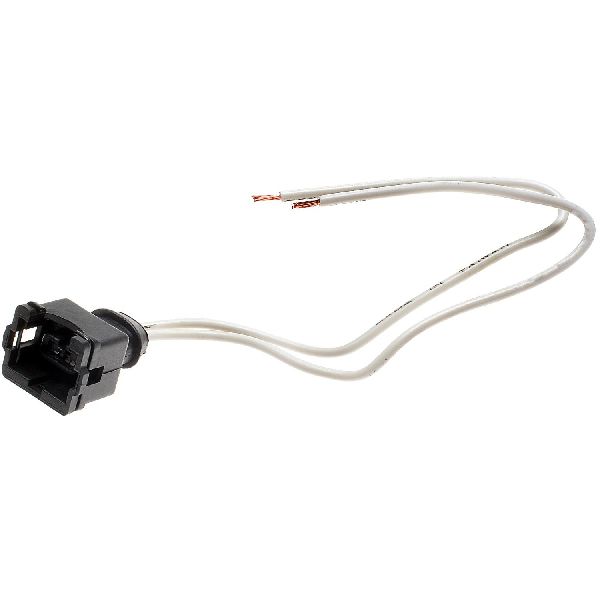
- DMTL Pump Connector (X1714) — At the DMTL pump, located in the right-rear wheel well, attached to the charcoal canister.. The power wire (Red/White) at this connector is known to corrode or break, causing DMTL-related codes. Testing for 12V+ at this connector (Pin 4) with the ignition on is a critical step before replacing the pump.
- DMTL Pump Wiring Harness — The harness runs from the right-rear wheel well area towards the main body harness.. This harness is susceptible to damage from road debris or improper jacking. A visual and continuity check of the wires, especially the power and ground wires from the DME, is crucial if a new pump doesn't solve the issue.
- Engine Ground Strap — Varies by engine (M54/N52), but typically runs from the engine block to the chassis frame rail on one of the sides.. While not a direct cause, a corroded or broken main engine ground strap can cause a host of bizarre electrical issues and codes, including intermittent faults in sensor-heavy systems like the EVAP. It can create unstable voltage references for modules like the DME.
Real Owner Repair Stories
- Bimmerpost user 'Mgh024' (2008 BMW 328i (E90 chassis, similar EVAP system)) — Recurring DMTL codes (2A13, 2A18) despite replacing the pump multiple times.
❌ Tried (didn't work) Replacing the DMTL pump (failed again after a year), Replacing the DMTL pump a second time (failed again shortly after)
✅ What actually fixed it The Red/White power wire to the DMTL pump was corroded. The user cut out the bad section, cleaned the copper, and used proper connectors to repair the wire. This permanently resolved the recurring codes.
"I Checked Everything" — The Actual Cause
- A recurring P0440 where a smoke test shows no leaks can be caused by an intermittent electrical failure of the DMTL pump. The pump's motor may work when tested but fail to draw the correct amount of current during the DME's self-test, triggering a fault without an actual physical leak.
- In some cases, a faulty fuel tank pressure sensor can send incorrect voltage readings to the DME, making it believe a leak exists when the system is perfectly sealed. If a smoke test is clean, checking the sensor's voltage against specifications is a valid next step.
OEM Part Supersession History
16136752551→16136764191, then 16137193479— Revisions to improve reliability and address common failure modes of the internal pump motor and electronics.
Heads up: All part numbers are generally interchangeable for the E83 X3, but it is always recommended to install the latest revision (16137193479) for the best longevity.
Model Year Variations Within This Range
- 2004-2006 vs 2007-2010: The primary difference is the engine: pre-facelift (LCI) models used the M54 engine, while post-facelift models used the N52 engine. While the EVAP system concept and common failures (DMTL, purge valve, gas cap) are nearly identical, the exact location and part number for the purge valve can differ slightly between the two engines. The DMTL pump and its location remain the same.
Diagnostic Flowchart
Other Known Issues on This Vehicle
Issues unrelated to this code that are worth knowing about as an owner of this generation:
- Transfer Case Actuator Gear Failure 🔴 High — Very common around 80,000-120,000 miles. Symptoms include the 4x4, ABS, and Brake warning light trifecta, plus a clicking noise from under the car after shutdown.
- Panoramic Sunroof Cassette/Mechanism Failure 🟠 Medium — Extremely common. Plastic guide rails and cables break, causing the sunroof to jam, rattle, or fail to close. Repair kits are available, but it's a labor-intensive fix.
- Window Regulator Failure 🟠 Medium — Very common on all doors. The plastic clips holding the window or the cable mechanism break, causing the window to drop into the door. The motor is usually fine, but the mechanical regulator assembly needs replacement.
- Electric Water Pump & Thermostat Failure (N52 Engine) 🔴 High — A known failure point on the later N52-equipped X3s (2007-2010), typically between 60,000-100,000 miles. Failure is often sudden and can cause rapid overheating.
- Oil Consumption (M54 Engine) 🟠 Medium — Common on earlier M54-equipped X3s (2004-2006). Often caused by a clogged CCV system or gummed-up piston oil control rings. Many owners report consuming 1 quart of oil every 1,000-3,000 miles.
- Passenger Occupant Detection Mat Failure 🟠 Medium — Widespread issue leading to an airbag warning light. The sensor mat in the passenger seat cracks over time. Subject to multiple recalls (e.g., NHTSA 08V384000). (Ref: NHTSA Campaign ID: 08V384000)
Used vs. New Parts: Buying Guide for This Vehicle
When a used part is the smart pick: For this repair, using a used part is generally not recommended for the electronic components. However, if you need to replace a cracked charcoal canister or a fuel filler neck, a used part from a dry-climate, low-mileage donor vehicle is a perfectly acceptable and cost-effective option.
Donor-vehicle mileage cap: roughly under 80000 miles for the part to have meaningful remaining life.
What to inspect on the donor part:
- For a charcoal canister, ensure there are no visible cracks or signs of physical damage.
- For a fuel filler neck, inspect thoroughly for any rust, especially around welds and bends.
- Avoid parts from vehicles in the salt belt, as corrosion is a major factor in failures.
OEM-only on this vehicle (don't cheap out):
- DMTL Pump: Aftermarket versions have a questionable reputation. Given the labor to access it, using an OEM (Bosch) or Genuine BMW part is strongly advised to ensure longevity.
- Fuel Cap: While cheap, some aftermarket caps use lower-quality seals that fail prematurely. An OEM or a reputable brand like Blau is a safe bet.
Aftermarket brands forum-validated for this vehicle:
- Bosch (For DMTL Pump and Purge Valve - they are the Original Equipment Manufacturer)
Brands owners have reported issues with on this vehicle:
- URO Parts (for electronic components like pumps and valves, often cited in forums for premature failure)
- Unbranded, low-cost parts from online marketplaces (high failure rate reported by users)
Real Owner Stories
Aggregated from forums and TSBs cited above. Mileages and costs reflect what owners reported in those sources.
2004-2010 BMW X3 (E83)
Symptoms: The owner noted that the three bolts holding the DMTL pump to the charcoal canister were inaccessible without further disassembly.
What fixed it: Lowering the charcoal canister to gain access to the three mounting bolts to replace the DMTL pump.
Source hint: Xoutpost.com user-submitted DIY
2004-2010 BMW X3 (E83)
Symptoms: Check engine light with P0440; the owner needed a step-by-step guide for the charcoal canister area.
What fixed it: Replacement of the DMTL pump and charcoal canister located in the right-rear wheel well.
Source hint: Pelican Parts DIY guide
Related OBD-II Codes
Frequently Asked Questions
Where is the DMTL pump located on my E83 X3, and is it a DIY job?
My X3 is making a clicking noise from the engine bay after I turn it off. Is this related to P0440?
I have a BMW-specific code 2A17 along with P0440. What does that mean for my X3?
Why does my X3 struggle to start only after I fill up the gas tank?
What are the resistance specifications for testing the purge valve on an M54 or N52 engine?
Can a bad gas cap really cause a P0440 on a BMW?
Helpful Videos
We Have This Part in Stock


The information in this article is provided for general reference and educational purposes only. Vehicle specifications, procedures, and part compatibility can vary by production date, trim level, and region. Always consult your vehicle's factory service manual and verify part numbers before purchasing or performing repairs. Safety-critical components such as airbags, seat belts, and braking systems should be installed by a qualified professional.
- BMW X3:
- 🧭 Diagnostic Flowchart
- 🎬 Helpful Videos
- 🛍️ Shop This Part
- What's Unique About the 2004-2010 BMW X3
- Symptoms You May Notice
- Most Likely Causes
- Rare But Worth Checking
- Diagnosis Steps
- Parts You'll Likely Need
- Related Codes That Often Appear With This One
- Platform-Specific Known Issues
- Mechanic-Grade Diagnostic Values
- Hidden / Shadow Codes Worth Checking
- Scan Tool Commands That Help
- Wiring & Ground Locations
- Real Owner Repair Stories
- "I Checked Everything" — The Actual Cause
- OEM Part Supersession History
- Model Year Variations Within This Range
- Other Known Issues on This Vehicle
- Used vs. New Parts: Buying Guide for This Vehicle
- Real Owner Stories
- 2004-2010 BMW X3 (E83)
- 2004-2010 BMW X3 (E83)
- Related OBD-II Codes
- Frequently Asked Questions
- 🎟️ Get 5% Off