

P0440 on 2010-2017 Chevrolet Equinox: EVAP System Malfunction Causes and Fixes
For a 2010-2017 Equinox, code P0440 is most often caused by a faulty EVAP purge solenoid on the engine or a bad vent solenoid near the fuel tank. Always check the gas cap first, as a loose or worn cap is a simple, common fix. If the code is accompanied by P0496, the purge valve is the most likely culprit.
- P0440 means your Equinox has a general leak in the fuel vapor recovery system.
- Always start with the simplest fix: check that your gas cap is tight and its seal is not cracked.
- The two most likely parts to have failed are the purge solenoid (on the engine) and the vent solenoid (under the car near the tank).
- The vehicle is safe to drive, but the issue must be fixed to pass an emissions inspection.
- A smoke test is the most reliable way to find the leak if it's not one of the common components.
What's Unique About the 2010-2017 Chevrolet Equinox
On the second-generation Chevrolet Equinox (2010-2017) and its platform-mate, the GMC Terrain, the P0440 code is frequently traced back to one of two common failure points: the engine-mounted purge solenoid valve or the canister-mounted vent solenoid valve located under the vehicle. While a loose gas cap is always the first thing to check, owners and technicians often find themselves replacing one of these two valves to resolve the issue. The accessibility of the purge valve on top of the engine makes it a more common and easier DIY repair than the vent valve.
Symptoms You May Notice
- Check Engine Light is on
- A faint smell of fuel, particularly around the rear of the vehicle or gas cap.
- Slight decrease in fuel economy (uncommon)
- Difficulty starting the vehicle immediately after refueling (a strong indicator of a stuck-open purge valve).
- Replacing the O2 sensors. O2 sensors are not part of the EVAP system and will not cause a P0440 code.
- Replacing the catalytic converter. This is an expensive exhaust component and is unrelated to the EVAP system. A P0420 code would point to the converter, not P0440.
Most Likely Causes
- Loose or Faulty Gas Cap 🔴 High Probability → Shop Fuel Tank Cap This is the most common cause for any EVAP code on any vehicle due to user error (not tightening) or simple wear and tear of the cap's seal. It's always the first and cheapest thing to check.
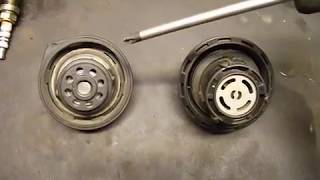
How to confirm: Ensure the gas cap is tightened until it clicks at least three times. Remove the cap and inspect the rubber O-ring seal for cracks, stiffness, or tearing. Also, check the fuel filler neck for rust or debris that could prevent a good seal.
Typical fix: Tighten the cap. If the seal is bad, replace the entire gas cap. A genuine OEM cap is often recommended over aftermarket options for a better seal.
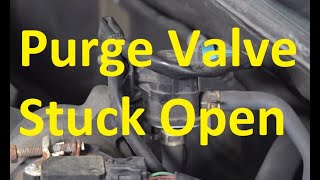
Est. part cost: $15-$30 - Faulty EVAP Purge Solenoid/Valve 🔴 High Probability → Shop Vapor Canister This is a very common failure point on many GM vehicles, including the Equinox. The valve can get stuck open or closed. When stuck open, it creates a vacuum leak that can sometimes cause a rough idle and will often set a P0496 code alongside the P0440.
How to confirm: The purge valve is located on the top of the engine. With the engine off, you can try to blow through the valve; if air passes, it's stuck open and faulty. With the engine running, you can disconnect the vapor line and feel for suction; there should be none at idle. A professional can command the valve open and closed with a scan tool to test its function.
Typical fix: Replace the purge solenoid valve. This is a relatively simple DIY job that takes only a few minutes.
Est. part cost: $25-$60 - Faulty EVAP Vent Solenoid/Valve 🟡 Medium Probability → Shop Vapor Canister Located under the car near the charcoal canister, this valve is exposed to road grime, moisture, and salt in winter climates, which can lead to corrosion and failure, causing it to stick open or closed.
How to confirm: First, check the 10A EVAP fuse in the under-hood fuse box (position 21). If the fuse is good, the valve itself may be bad. A scan tool can command it to close during a system test. A visual inspection may reveal heavy corrosion, a cracked housing, or damaged wiring.
Typical fix: Replace the vent solenoid. It is located on the charcoal canister assembly under the driver's side of the vehicle, just forward of the rear axle.
Est. part cost: $30-$70 - Cracked or Disconnected EVAP Hoses ⚪ Low Probability
How to confirm: Visually inspect all accessible EVAP lines running from the fuel tank, along the frame, and to the engine for cracks, brittleness, or loose connections. A smoke test is the most effective way to find a small leak in a hose or connection.
Typical fix: Replace the damaged section of hose or reconnect it.
Est. part cost: $5-$50
Rare But Worth Checking
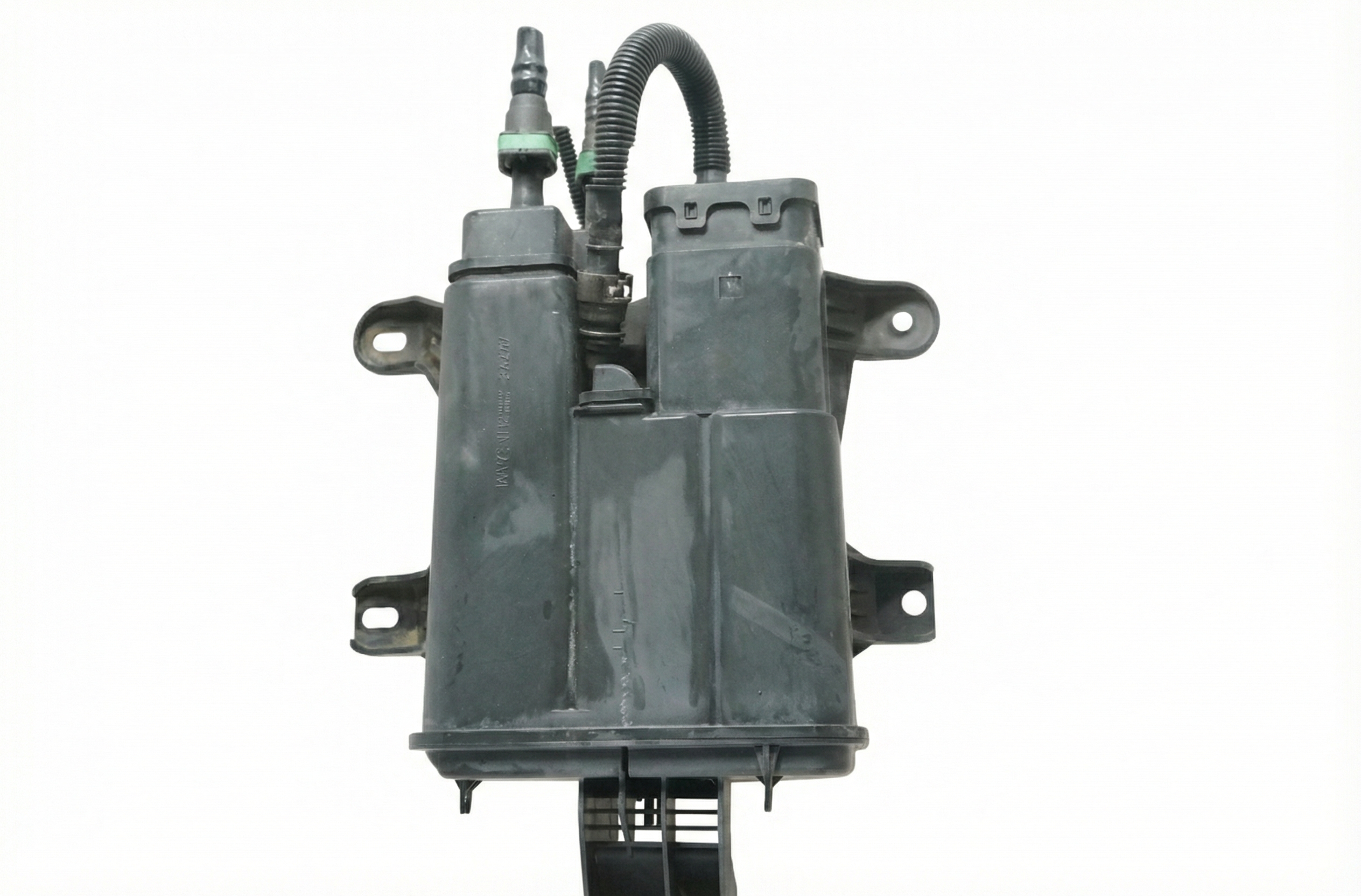
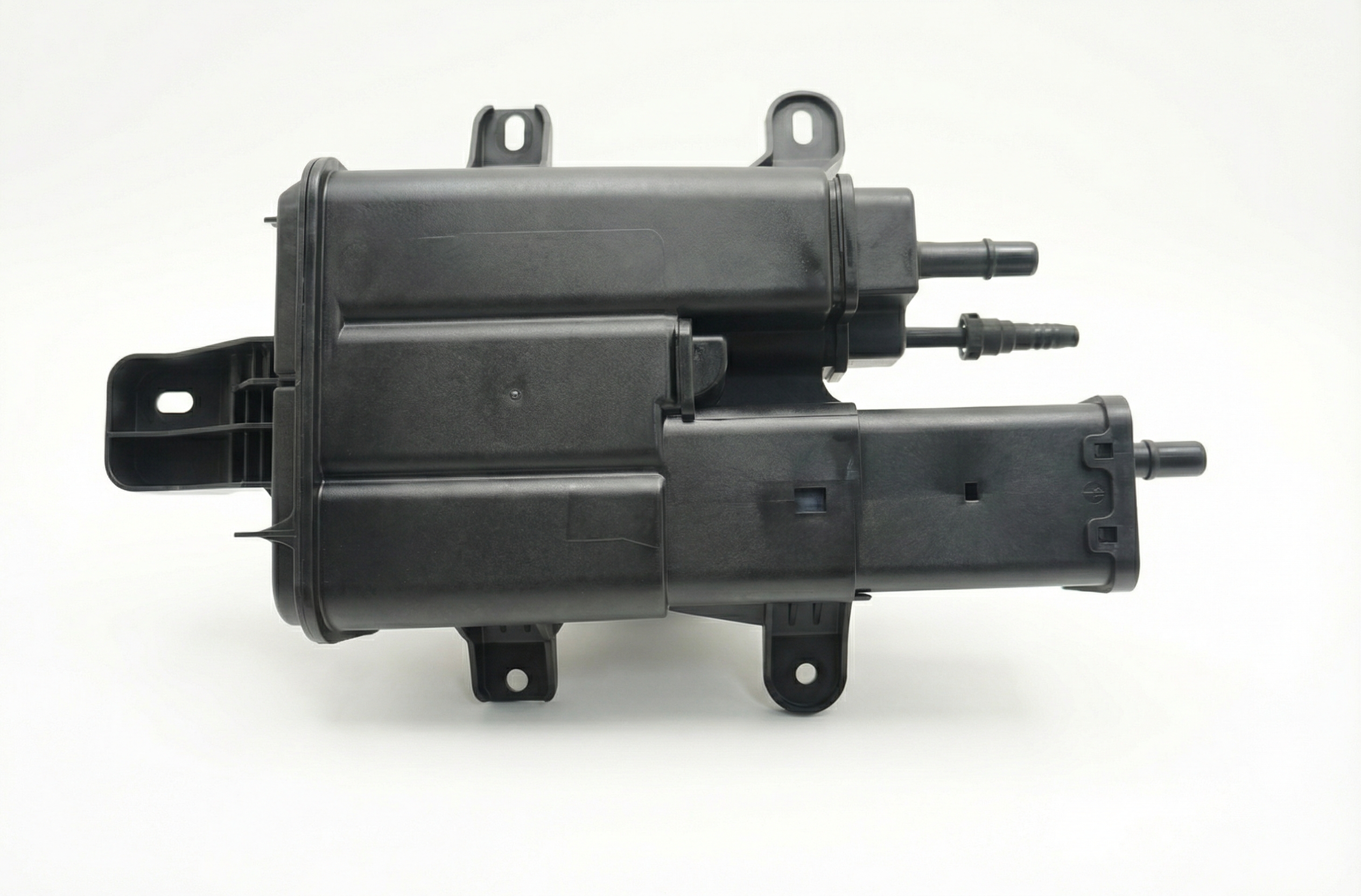
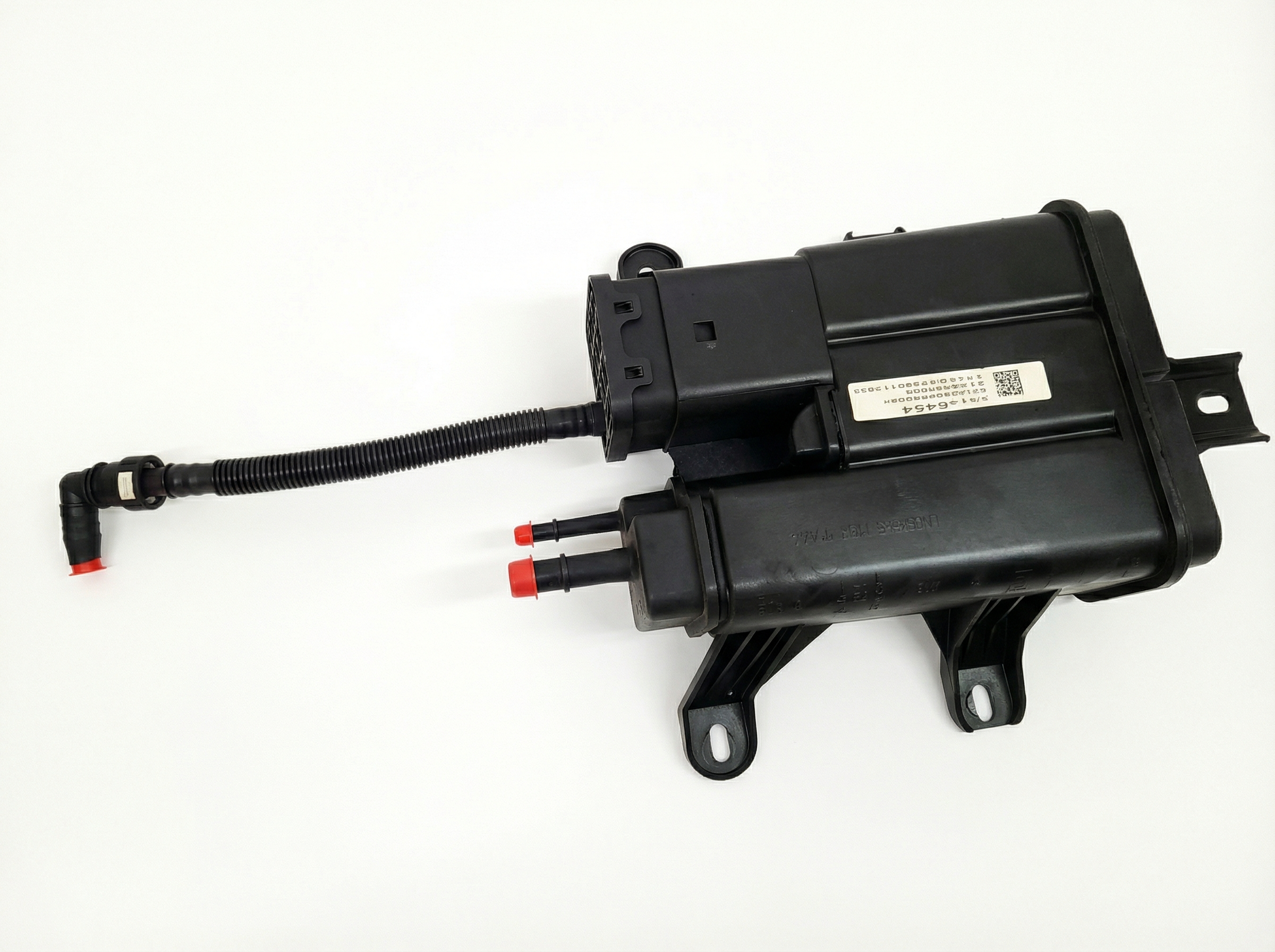
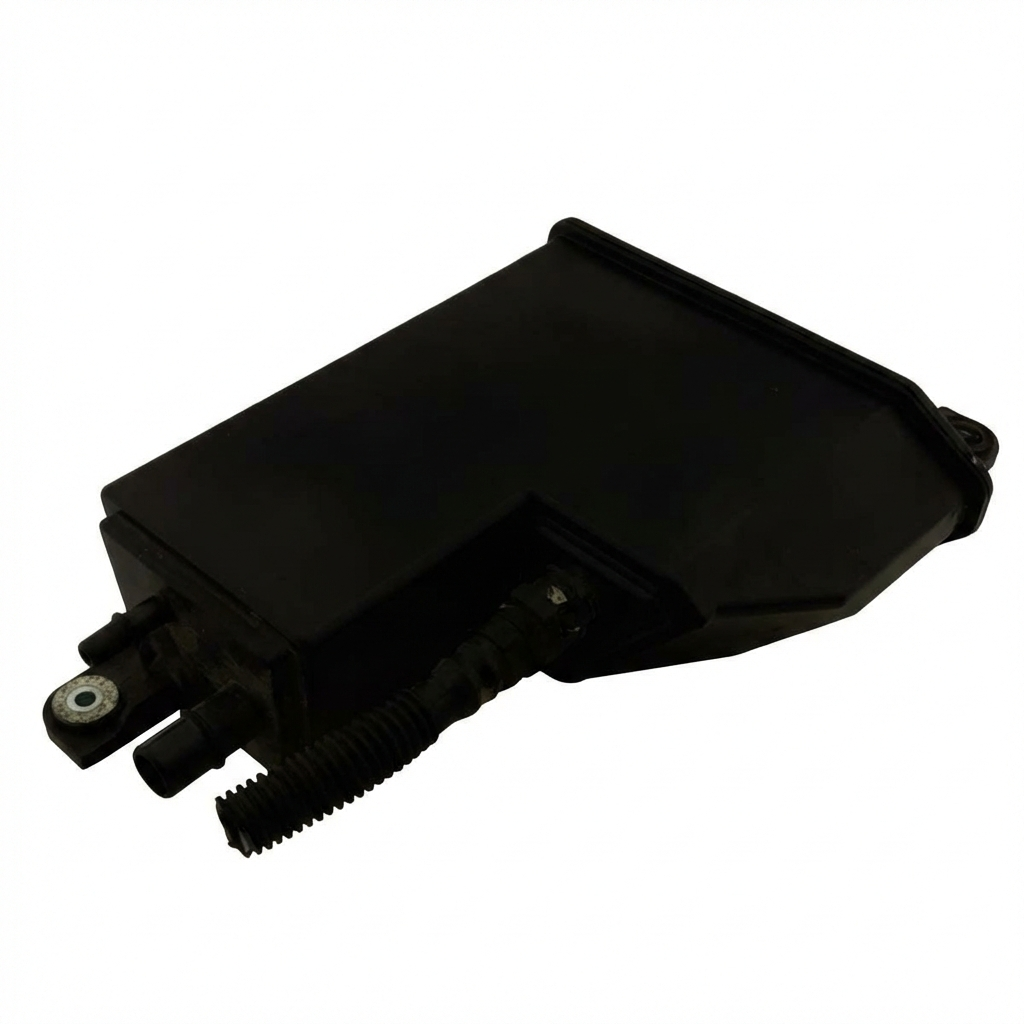
- Cracked Charcoal Canister: → Shop Vapor Canister The canister itself can be physically damaged by road debris or develop hairline cracks from age, causing a leak. Overfilling the fuel tank repeatedly can also saturate the charcoal with raw fuel, leading to damage and codes. This is usually found via a smoke test.
- Leaking Fuel Tank or Filler Neck: → Shop Fuel Tank In areas with heavy road salt use, the fuel filler neck can rust through where the gas cap seals, creating a leak that a new cap won't fix. On other Chevrolet models, NHTSA ODI #10191706 and #10184336 describe a small fracture or crack where the fuel filler neck meets the fuel tank, which causes DTC P0440 to be set and fuel to leak.
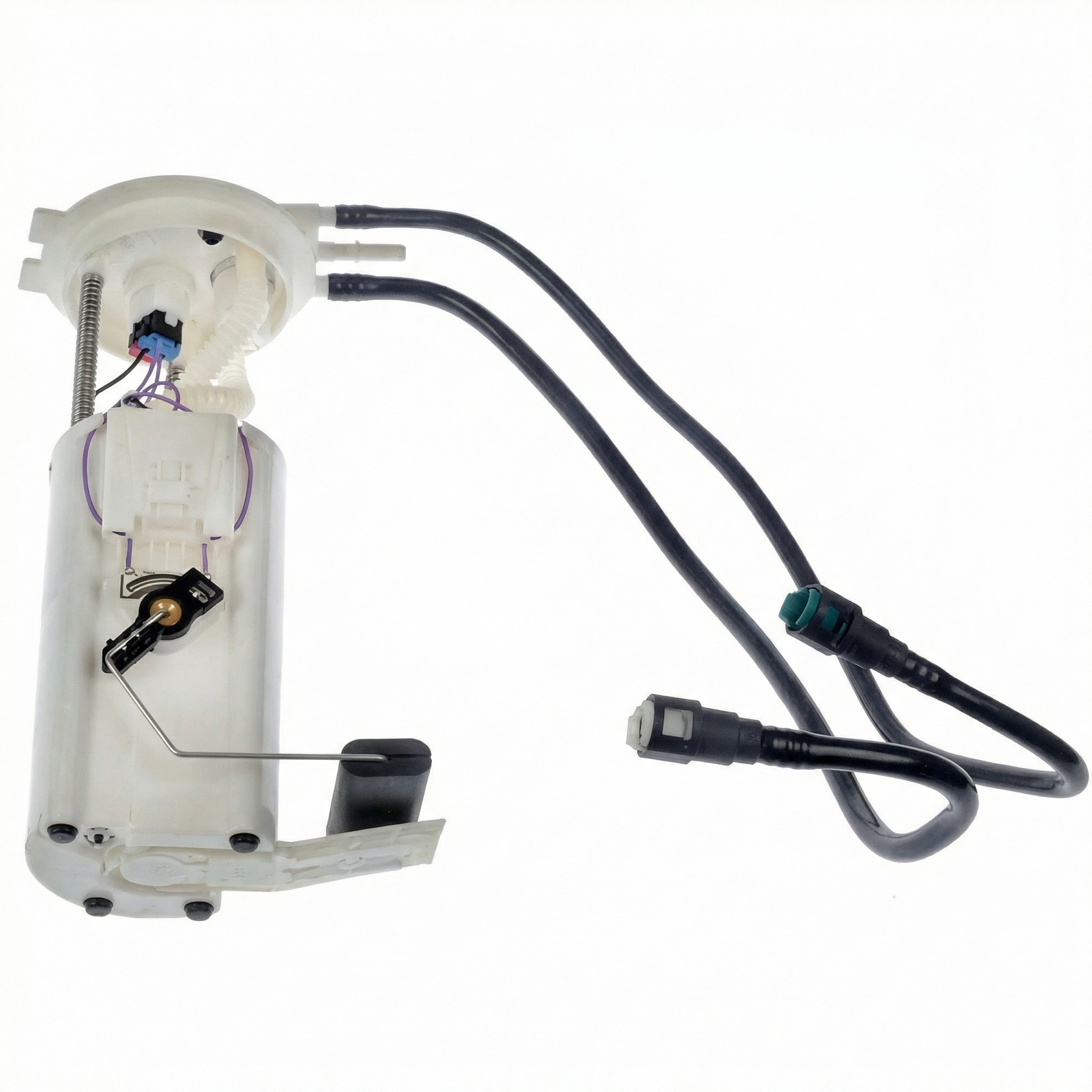
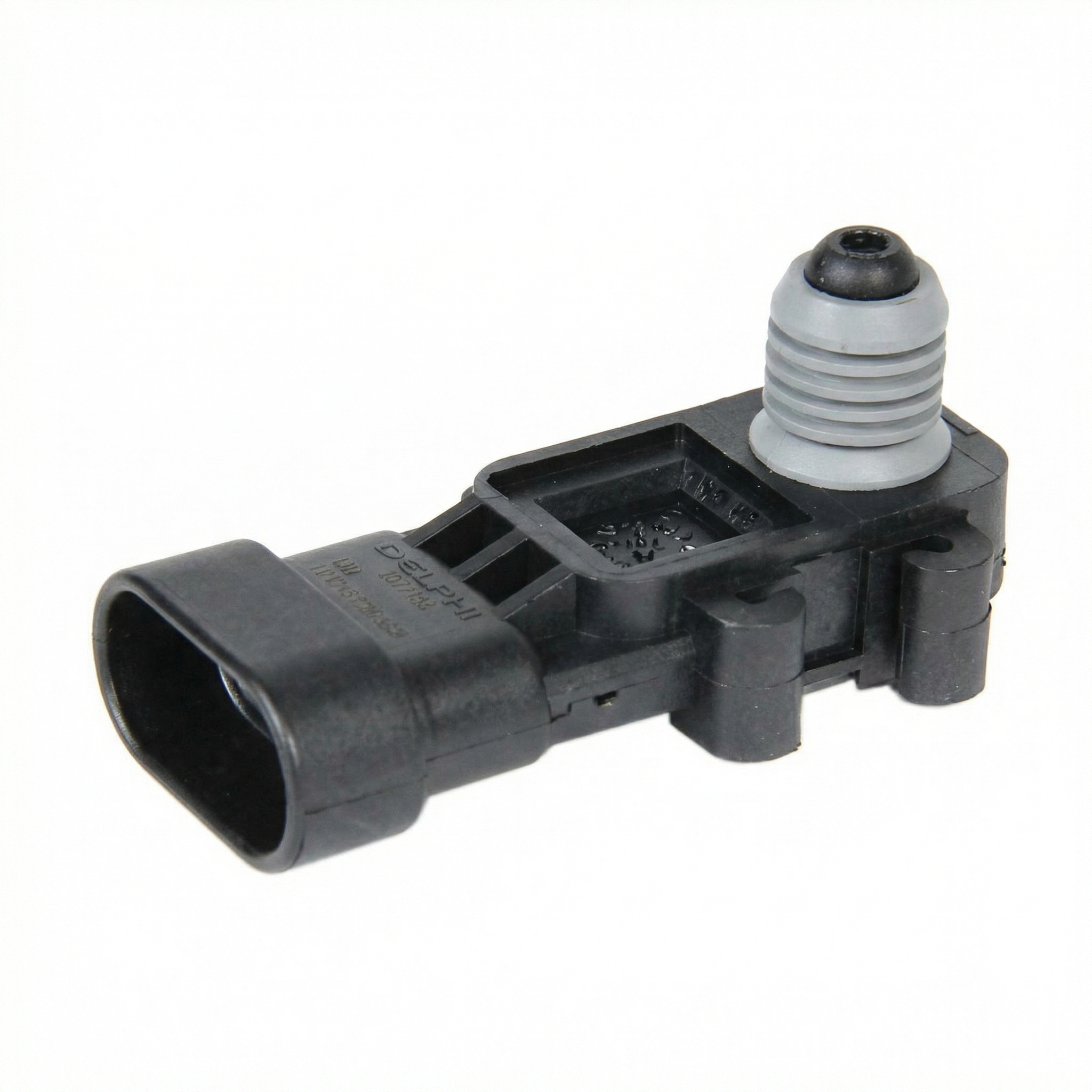
- Faulty Fuel Tank Pressure Sensor: → Shop Fuel Tank This sensor monitors the pressure within the EVAP system. If it provides incorrect readings to the ECM, it can falsely trigger a P0440 code. This is less common than component leaks.
Diagnosis Steps
- Read the code with an OBD-II scanner to confirm P0440 is present and check for any other related codes like P0442, P0455, or P0496.
- Inspect the gas cap. Ensure it is tight. Remove it and check the seal for cracks or damage. A new gas cap is a cheap and easy first step. As noted in NHTSA ODI #10247244, an owner reported replacing the gas cap only to find it was not the problem, as the light returned shortly after.
- Clear the code and drive for a few days to see if it returns. Some systems require several drive cycles to re-run the EVAP monitor.
- If the code returns, perform a visual inspection of the EVAP purge solenoid on the engine and the hoses connected to it. Check for audible clicking when the engine is running.
- Locate the EVAP vent solenoid under the vehicle (on the charcoal canister) and inspect its wiring for obvious damage or corrosion.
- Check the 10A EVAP fuse in the under-hood fuse box.
- If you have difficulty starting the car after refueling, the purge solenoid is highly suspect.
- If the cause is still not apparent, the most effective next step is a professional smoke test. NHTSA ODI #10192200 describes a case where an initial inspection found nothing, but a smoke test was required to identify the EVAP system problem.
Parts You'll Likely Need
- Gas Cap
(OEM #ACDelco GT334 (confirm with VIN))— The most common and simplest cause of a P0440 code is a gas cap that is not sealing properly.
Trusted brands: ACDelco, Stant
OEM price range: $20-$30
Aftermarket price range: $10-$20 - Vapor Canister Purge Valve / Solenoid
(OEM #12690512 (supercedes 12610560))— A very common failure item on this platform. It's located on the engine and is a frequent cause of P0440 and P0496 codes.
Trusted brands: ACDelco, Bosch, Dorman (911-032)
OEM price range: $40-$60
Aftermarket price range: $25-$50 - EVAP Vent Valve / Solenoid
(OEM #ACDelco 214-2149 (confirm with VIN))— This valve, located under the vehicle, is prone to failure from exposure to the elements, causing it to stick.
Trusted brands: ACDelco, Dorman (911-140)
OEM price range: $40-$70
Aftermarket price range: $30-$60
Related Codes That Often Appear With This One
- P0442 — Indicates a small EVAP leak. P0440 may appear first, and as the system continues to test, it may pinpoint the leak size and set P0442.
- P0455 — Indicates a large EVAP leak. This often points more strongly to a very loose gas cap or a stuck-open purge or vent valve.
- P0496 — Indicates 'High Purge Flow,' which almost always points directly to a faulty EVAP purge solenoid that is stuck open. If you have P0440 and P0496 together, the purge valve is the primary suspect.
Technical Service Bulletins (TSBs) & Recalls
- GM Special Coverage Adjustment #12312 / #14465: Addresses excessive oil consumption in 2.4L engines by offering an oil consumption test and potential piston/ring replacement under an extended warranty period.
Mechanic-Grade Diagnostic Values
- EVAP Purge Solenoid Coil Resistance — expected: 20-30 Ohms. Failure: A reading of infinity (open circuit) or near zero (short circuit) indicates a failed solenoid.
- Fuel Tank Pressure (FTP) Sensor 5V Reference Voltage — expected: ~5.0 Volts DC at the sensor connector with key on, engine off.. Failure: No voltage or significantly lower voltage points to a wiring issue or a problem with the ECM's 5V reference circuit.
- Fuel Tank Pressure (FTP) Sensor Ground Circuit — expected: Near 0 Volts DC at the sensor connector ground pin.. Failure: Voltage present on the ground pin indicates a bad ground connection.
- Fuel Tank Pressure (FTP) Sensor Signal Voltage — expected: Typically 1.5-2.5V with key on, engine off, and no pressure/vacuum in the tank. Voltage changes with pressure.. Failure: Voltage that is stuck high (near 5V) or low (near 0V) and does not change when pressure is applied (e.g., during a smoke test) indicates a faulty sensor.
Hidden / Shadow Codes Worth Checking
- Mode $06, Test ID $2C (and others): Mode $06 data can reveal if the EVAP system monitor is passing or failing its self-tests, even before a code is set. A test value that is very close to the maximum or minimum limit can indicate a marginal component or a developing leak. For example, the 'EVAP NV .020” IN. ERROR TEST' can show a leak is present before the two-trip logic required to set a P0442 code is complete. (see via A professional scan tool with Mode $06 capabilities is required. The specific Test IDs (TID) and Component IDs (CID) for GM EVAP tests can be looked up in service information.)
Scan Tool Commands That Help
- GDS2 / Tech2: EVAP Service Bay Test — This is a comprehensive, automated test that commands the purge and vent solenoids to seal the system, then uses the Fuel Tank Pressure sensor to monitor for a vacuum decay. It's the factory-level method to confirm a leak exists and can help pinpoint its size without a smoke machine, though it won't identify the location.
- GDS2 / Tech2 / High-End Bidirectional Scanner: EVAP Purge/Seal — This function allows a technician to manually command the vent solenoid closed and the purge solenoid open. This is used during a smoke test to seal the system and then draw smoke through it, making it much faster to find the physical location of a leak.
- GDS2 / Tech2 / High-End Bidirectional Scanner: Vent Solenoid Control — Allows the technician to command the vent solenoid open and closed on demand. This is used to confirm if the solenoid is responding to the ECM's command and is not mechanically stuck. The technician can listen for a click or feel the valve actuate.
Wiring & Ground Locations
- G112 — On the 2.4L engine, this critical ECM ground is located on the engine block, near the ignition coils.. A poor connection at this ground can cause a host of intermittent issues, including erratic sensor readings and improper solenoid function. A video demonstrates checking the two black-and-white ground wires at the ECM connectors back to this ground point.
- EVAP Purge Solenoid Connector — On the intake manifold (2.4L) or top of the engine (V6). It is a 2-wire connector.. This is the connection point for testing power and control signals. One wire (typically Pink/Black) should have 12V with the key on. The other (typically Dark Green/White) is the ground-side control from the ECM. Corrosion or damage here can cause a P0443 (circuit code) but can also lead to intermittent operation that may contribute to a P0440.
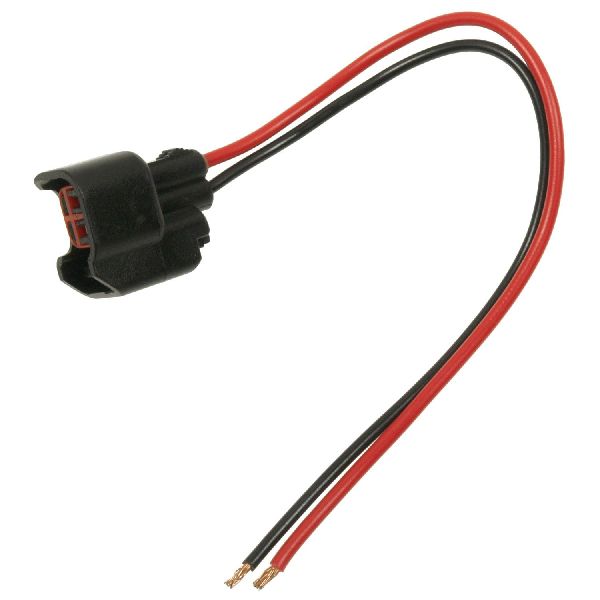
- EVAP Vent Solenoid Connector — Under the vehicle, on the vapor canister assembly, forward of the rear axle. It is a 2-wire connector.. This connector is highly exposed to road salt and moisture, making it a prime location for corrosion. A bad connection here will prevent the vent valve from closing, causing the EVAP self-test to fail instantly and set a P0440 or P0455. Pigtail replacement kits (like Standard Motor Products S-1350) are available.
- G305 (Reference) — Under the driver's seat area, often a common chassis ground point.. While not directly tied to the engine solenoids, various body and chassis-related modules use nearby grounds. A wiring diagram for the specific year is needed to confirm if any part of the EVAP system (like the Fuel Pump Control Module which houses the pressure sensor) relies on this ground.
Real Owner Repair Stories
- YouTube: Chevy Equinox EVAP Vent solenoid diagnose and replacement (2008 Chevrolet Equinox (similar system to 2010-2017)) — Check Engine Light came on instantly after clearing codes.
❌ Tried (didn't work) Checking the EVAP fuse, which was good.
✅ What actually fixed it The vent solenoid itself was visually corroded and fried internally from moisture. The technician removed the solenoid from the canister, saw the damage, and replaced it to resolve the issue.
Documented NHTSA Reports
- An owner reported in NHTSA ODI #10007823 that their check engine light kept coming on with code P0440, yet multiple inspections failed to find a specific fault in the evaporative emissions system.
- NHTSA ODI #10247244 describes a situation where a computer diagnosis indicated a small EVAP emission leak (P0440) twice over a three-week period, and replacing the gas cap did not resolve the problem.
"I Checked Everything" — The Actual Cause
- A faulty Fuel Tank Pressure (FTP) sensor can cause a P0440 even with a perfectly sealed system. If the sensor is stuck or provides an incorrect reading to the ECM, the computer may interpret the valid pressure data as a leak during its self-test. Technicians confirm this by monitoring the sensor's voltage on a scan tool while manually applying light pressure/vacuum to the system to see if the voltage changes as expected.
OEM Part Supersession History
12610560→12690512— Likely an internal design or material revision to improve reliability and address the common failure mode (sticking).12690512→12737252— Further design revision or change in manufacturer for the service part.
Heads up: Parts are listed as backward compatible. The latest number (12737252) is the correct current OEM replacement for the entire 2010-2017 range.
Model Year Variations Within This Range
- 2010-2017 (2.4L Engine): Some vehicles were built with Federal (EPA) emissions systems, while others, particularly those sold in California and other CARB states, were built with PZEV (Partial Zero Emission Vehicle) systems. This can affect the part number for the vapor canister and potentially the vent solenoid. It is critical to check the under-hood Vehicle Emission Control Information (VECI) label to determine which system the vehicle has before ordering parts.
- 2010-2017: The purge valve location and part number differ between the 2.4L I4 and the 3.0L/3.6L V6 engines. On the 2.4L, it is on the side of the intake manifold. On the V6 models, it is located on top of the engine.
Diagnostic Flowchart
Other Known Issues on This Vehicle
Issues unrelated to this code that are worth knowing about as an owner of this generation:
- Excessive Oil Consumption (2.4L Ecotec) 🔴 High — Very common, especially on 2010-2013 models. Caused by faulty piston rings. Can lead to low oil levels and catastrophic engine damage if not monitored. (Ref: GM Special Coverage Adjustment #12312, 14465, and others extended warranty for this issue.)
- Stretched Timing Chains (2.4L Ecotec) 🔴 High — Common, often exacerbated by low oil levels from the oil consumption issue. Symptoms include rattling noise on startup and codes like P0011, P0014, P0016.
- Blown Rear Main Seal (2.4L Ecotec) 🟠 Medium — Often occurs in cold climates when the PCV system orifice freezes and clogs, causing excessive crankcase pressure that blows out the seal.
- Faulty Intake/Exhaust Camshaft Actuators (VVT Solenoids) 🟡 Low — Fairly common failure item. Can cause rough running, poor performance, and check engine lights (P0010, P0011, P0013, P0014). Often caused by dirty or low oil.
- Wiper Transmission/Motor Failure 🟡 Low — A frequently reported non-engine issue where one or both windshield wipers stop working due to failure of the transmission linkage or motor.
Used vs. New Parts: Buying Guide for This Vehicle
When a used part is the smart pick: For this repair, used parts are generally not recommended. The key failure components (purge and vent solenoids) are relatively inexpensive new and fail from age, wear, and exposure to elements. A used part from a junkyard is likely to have a similar amount of wear and could fail shortly after installation.
Donor-vehicle mileage cap: roughly under 40000 miles for the part to have meaningful remaining life.
What to inspect on the donor part:
- For a vent solenoid, inspect the electrical connector for any signs of green corrosion or broken plastic.
- Check the plastic housing for cracks or physical damage from road debris.
- Avoid parts from vehicles in heavy salt-belt states if possible, as they will have more exposure to corrosive elements.
OEM-only on this vehicle (don't cheap out):
- Gas Cap: While aftermarket caps exist, many forum users and technicians strongly recommend using a genuine OEM (ACDelco) gas cap. They often provide a more reliable seal, which is critical for the EVAP system self-test.
Aftermarket brands forum-validated for this vehicle:
- ACDelco (OEM)
- Bosch
- Standard Motor Products (SMP)
- Dorman
Brands owners have reported issues with on this vehicle:
- Unbranded, no-name parts from online marketplaces are a gamble. While they may be cheap, they often have a high failure rate and may not fit correctly, leading to more diagnostic time and frustration.
Real Owner Stories
Aggregated from forums and TSBs cited above. Mileages and costs reflect what owners reported in those sources.
2014 Chevrolet Equinox V6
Symptoms: The owner reported receiving 'engine power reduced' and 'service stabiltrak' messages. The vehicle had a history of transmission and fuel pump replacements before the EVAP system was addressed.
What fixed it: The dealership repaired the evap sensor, though the owner noted the issue recurred shortly after.
Source hint: Reddit r/MechanicAdvice thread titled 'Chevy equinox 2014 major issues'
2012 GMC Terrain 3.6L V6
Symptoms: Persistent P0440 code that remained even after the owner attempted initial repairs.
What fixed it: The owner was troubleshooting a persistent P0440 code after already replacing the purge valve and gas cap.
Source hint: https://www.reddit.com/r/AskAMechanic/comments/1cngx0c/p0440_advice_please_2012_gmc_terrain_36l_v6_2wd/
2014 Chevrolet Equinox
Symptoms: The owner experienced issues that they initially thought were related to the EVAP system but involved broader engine performance problems.
What fixed it: It turned out the VVT solenoids were toast.
Source hint: Reddit r/AskMechanics
Related OBD-II Codes
Frequently Asked Questions
I have a 2012 Chevrolet Equinox with the 2.4L engine; does the TSB for oil consumption relate to my P0440 code?
Why does my Equinox struggle to start only after I fill up the gas tank?
Where is the EVAP vent solenoid located on a 2010-2017 Equinox?
Is there a specific fuse I should check for EVAP issues on this vehicle?
Can I use an aftermarket gas cap to fix a P0440 on my Equinox?
Does the GMC Terrain suffer from the same P0440 issues as the Equinox?
Helpful Videos
Used OEM Parts in Stock
New Aftermarket Parts Available


The information in this article is provided for general reference and educational purposes only. Vehicle specifications, procedures, and part compatibility can vary by production date, trim level, and region. Always consult your vehicle's factory service manual and verify part numbers before purchasing or performing repairs. Safety-critical components such as airbags, seat belts, and braking systems should be installed by a qualified professional.
- Chevrolet Equinox:
- 🧭 Diagnostic Flowchart
- 🎬 Helpful Videos
- 🛍️ Shop This Part
- What's Unique About the 2010-2017 Chevrolet Equinox
- Symptoms You May Notice
- Most Likely Causes
- Rare But Worth Checking
- Diagnosis Steps
- Parts You'll Likely Need
- Related Codes That Often Appear With This One
- Technical Service Bulletins (TSBs) & Recalls
- Mechanic-Grade Diagnostic Values
- Hidden / Shadow Codes Worth Checking
- Scan Tool Commands That Help
- Wiring & Ground Locations
- Real Owner Repair Stories
- Documented NHTSA Reports
- "I Checked Everything" — The Actual Cause
- OEM Part Supersession History
- Model Year Variations Within This Range
- Other Known Issues on This Vehicle
- Used vs. New Parts: Buying Guide for This Vehicle
- Real Owner Stories
- 2014 Chevrolet Equinox V6
- 2012 GMC Terrain 3.6L V6
- 2014 Chevrolet Equinox
- Related OBD-II Codes
- Frequently Asked Questions
- 🎟️ Get 5% Off