

P0440 on 2000-2005 Chevrolet Impala: EVAP System Malfunction Causes and Fixes
On a 2000-2005 Impala, the P0440 code is most often caused by a loose or faulty gas cap. If a new cap doesn't fix it, the next most likely culprits are the EVAP vent solenoid near the gas tank or the purge solenoid on the engine. A new gas cap costs about $15-$30 and is the first and easiest part to replace.
- Always start with the gas cap. It's the cheapest and most common fix for P0440. Ensure it's tight and inspect the seal for cracks.
- If the gas cap isn't the issue, the EVAP vent solenoid (under the car near the tank) and the purge solenoid (on the engine) are the next most likely parts to fail.
- The P0440 code is not a serious mechanical issue and you can continue to drive the car, but you will not be able to pass an emissions test until it is fixed.
- Finding the leak can sometimes be difficult. If the common parts are not the cause, a professional smoke test is the best way to locate the source of the leak.
- Do not refuel your car with the engine running, as this can interrupt the EVAP system's self-test and trigger a code.
What's Unique About the 2000-2005 Chevrolet Impala
The 2000-2005 Impala, part of the GM W-body family, doesn't have unique, complex EVAP system issues. The causes for a P0440 code are typically standard wear-and-tear items common to many GM vehicles from this era. The most frequent culprits are simple: a worn-out gas cap seal, or one of the two main control solenoids (purge and vent) failing due to age and exposure to the elements. Unlike some GM trucks of the period, there aren't widespread issues with component placement causing premature failure; it's usually just age and use. The fuel filler neck can also rust, a common problem for vehicles in salt-belt states.
Symptoms You May Notice
- Check Engine Light is on
- A faint smell of gasoline, especially around the rear of the car or near the gas cap.
- Vehicle will not pass an emissions inspection.
- In rare cases, a whooshing sound may be heard when removing the gas cap if the system is not venting properly.
- Replacing the oxygen sensors. O2 sensors are not part of the EVAP system and will not cause a P0440 code.
- Replacing the fuel pump. While a faulty fuel pump gasket can cause a leak, the pump itself is unrelated to this code unless the seal is disturbed or fails.
- Confusing P0440 with transmission problems. A user on 2CarPros forum wondered if their P0440 was related to harsh shifting; they are separate issues.
Most Likely Causes
- Loose or Faulty Gas Cap 🔴 High Probability → Shop Fuel Tank Cap The rubber O-ring on the gas cap is a simple seal that degrades, cracks, and hardens over time, preventing it from sealing the fuel system properly. This is the most common and cheapest cause for P0440 on any vehicle of this age. An incorrect or non-OEM cap can also fail to seal correctly.
How to confirm: First, ensure the cap is tightened until it clicks several times. Inspect the rubber seal for any cracks, stiffness, or visible damage. If the seal is worn, the cap should be replaced. After tightening or replacing, the code may take a few drive cycles to clear.
Typical fix: Replace the gas cap with a new OEM or high-quality aftermarket one.
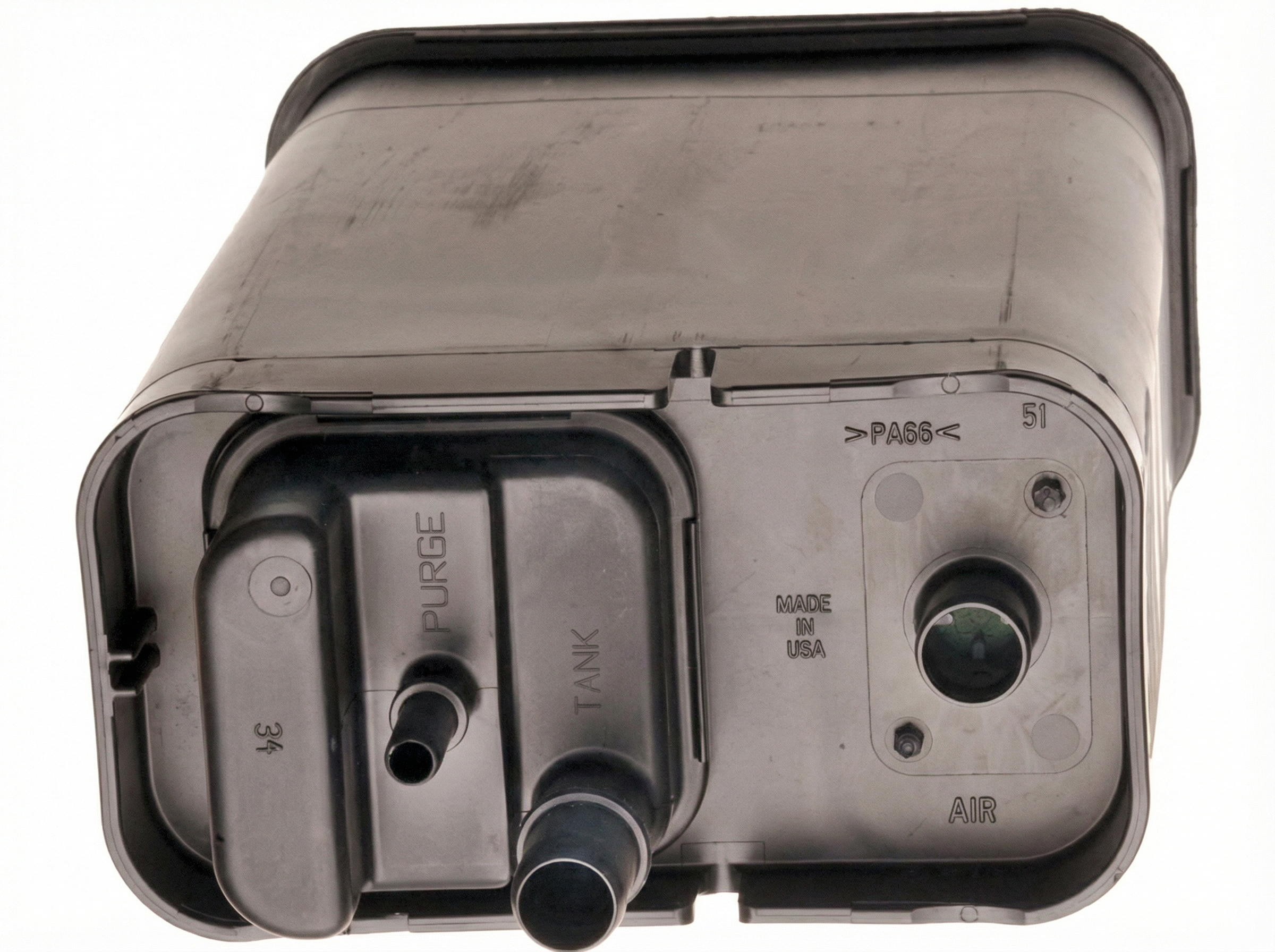
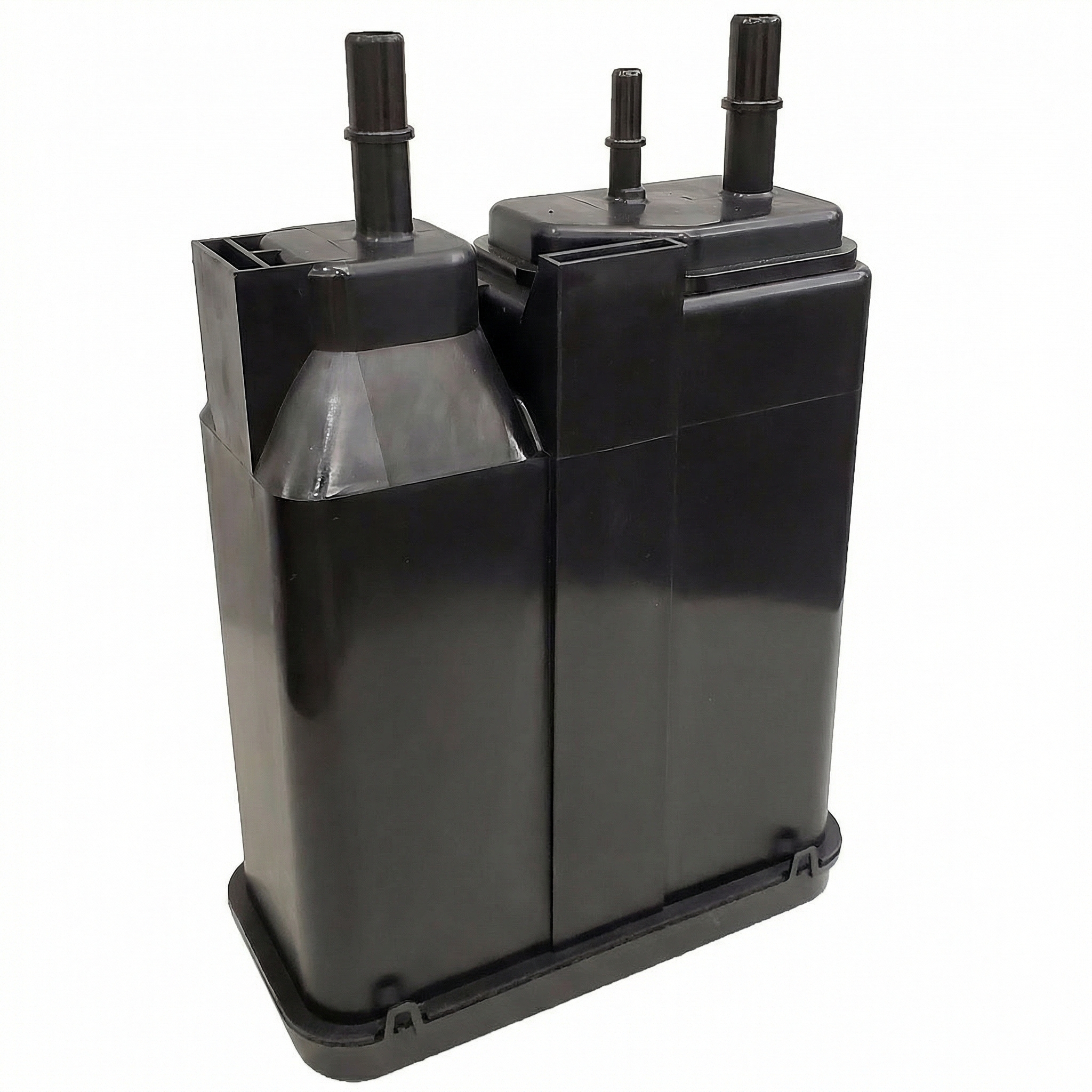
Est. part cost: $15-$30 - Faulty EVAP Vent Solenoid 🟡 Medium Probability → Shop Vapor Canister This solenoid, located near the charcoal canister at the rear of the car, is exposed to road debris and moisture. It can get stuck open or closed, or fail electrically, preventing the EVAP system from sealing correctly for its self-test. Its location under the vehicle makes it a common failure point.
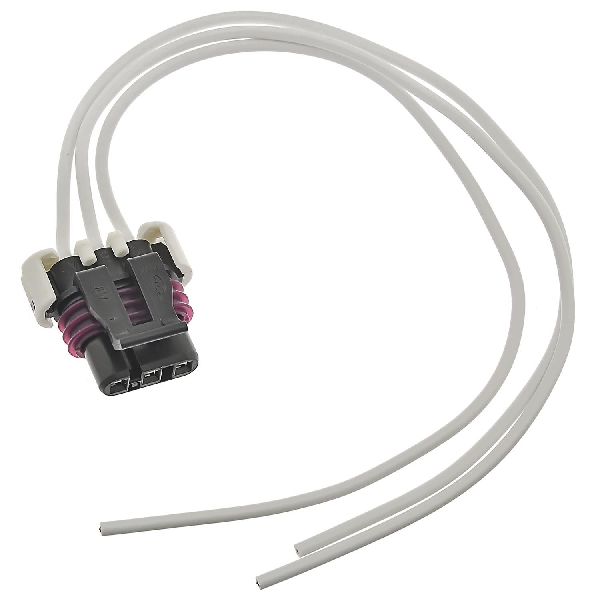
How to confirm: The valve should be normally open. You can test it by applying 12V power to its terminals; you should hear a distinct click as it closes. If it doesn't operate, is stuck, or its electrical connector is corroded, it needs replacement. A scan tool can also command the valve to close for testing.
Typical fix: Replace the EVAP vent solenoid. It is often sold as an assembly with the charcoal canister. The ACDelco part number is 214-2324.
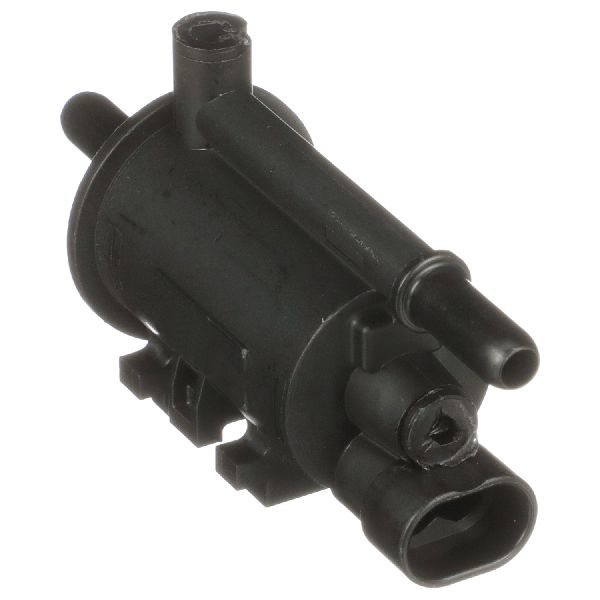
Est. part cost: $25-$50 - Faulty EVAP Purge Solenoid/Valve 🟡 Medium Probability → Shop Vapor Canister Located in the engine bay, this valve controls the flow of fuel vapors from the charcoal canister to the engine. It can get stuck open, causing a constant vacuum leak, or stuck closed, preventing vapor flow. Over time, it can fail from heat cycles and constant use. A stuck-open purge valve can sometimes cause a rough idle.
How to confirm: With the engine off, disconnect the valve and try to blow through it; it should be closed and not allow air to pass. If air passes, it's stuck open. With the engine running, a scan tool can command it to open and close, and you should hear it clicking. You can also check for vacuum at the valve with the engine running.
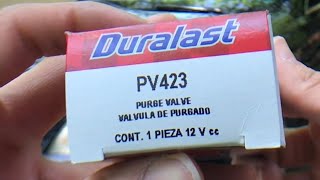
Typical fix: Replace the purge solenoid. The ACDelco part number is 214-2246. 🎬 See this walkthrough for replacing the Impala purge valve
Est. part cost: $20-$45 - Cracked or Disconnected EVAP Hoses ⚪ Low Probability The plastic and rubber lines that make up the EVAP system can become brittle and crack with age and exposure to heat cycles in the engine bay and under the car. A common failure point is the small rubber elbow connecting to the purge solenoid on the engine.
How to confirm: A visual inspection may reveal obvious cracks or disconnections. The most effective way to find a small leak in a hose is with a smoke test, which forces low-pressure smoke into the EVAP system, making any leaks visible.
Typical fix: Replace the damaged section of the hose or the entire hose assembly.
Est. part cost: $10-$50
Rare But Worth Checking
- Cracked Charcoal Canister: → Shop Vapor Canister The plastic housing of the canister can crack due to road debris impact or age, creating a large leak. This is less common than valve failures but should be inspected, especially if you smell strong fuel odors near the back of the car.
- Rusted Fuel Filler Neck: → Shop Fuel Filler Neck In areas with heavy road salt use (the "Salt Belt"), the metal pipe leading to the gas tank can rust through, creating a leak that prevents the gas cap from sealing the system. This is a common issue on many GM vehicles of this era and will often set a P0455 (large leak) code as well. A visual inspection of the filler neck behind the fuel door and from underneath the car is necessary.
- Leaking Fuel Tank Pressure Sensor: → Shop Fuel Tank The sensor itself can fail, but more commonly the O-ring or seal where it mounts to the fuel tank or fuel pump module can degrade and cause a leak. This is often found during a smoke test.
Diagnosis Steps
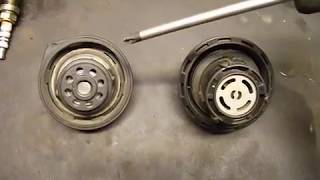
- Check the Gas Cap: Remove and reinstall the gas cap, making sure it clicks multiple times. Clear the code and drive for a few days. If the light returns, inspect the cap's rubber seal for cracks or damage. If it looks worn, replace it with an OEM part. This is the easiest and most common fix. 🎬 Watch: How to fix a P0440 EVAP system leak
- Visual Inspection: Look over the EVAP hoses in the engine bay, especially around the purge solenoid, and under the car near the fuel tank and charcoal canister. Check for any obvious cracks, holes, or disconnected lines.
- Inspect EVAP Solenoids: Locate the purge solenoid on the engine and the vent solenoid near the charcoal canister at the rear of the vehicle. Check their electrical connectors for corrosion or damage.
- Test the Vent Solenoid: The vent solenoid is normally open. Using a scan tool, command the valve to close. If the system still won't hold a vacuum, or if you can't hear the solenoid click when applying 12V, it is likely faulty.
- Test the Purge Solenoid: The purge solenoid is normally closed. With the engine off, disconnect the hose and try to blow through it. If air passes, the valve is stuck open and needs to be replaced.
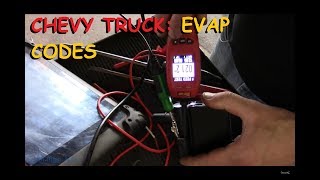
- Perform a Smoke Test: If the gas cap and solenoids seem to be working, the next step is a smoke test. A machine is used to fill the EVAP system with visible smoke under low pressure. Any leaks in hoses, the canister, the fuel filler neck, or the fuel tank will be revealed by escaping smoke. 🎬 Watch: Professional diagnosis for common Chevrolet EVAP codes This is the most reliable way to find small, hard-to-see leaks.
Parts You'll Likely Need
- Fuel Tank Cap
(OEM #ACDelco GT279)— This is the most common failure point. The seal wears out, preventing the system from holding pressure.
Trusted brands: ACDelco, Stant, Gates
OEM price range: $25-$35
Aftermarket price range: $10-$20 - EVAP Vent Solenoid
(OEM #ACDelco 214-2324)— This valve is located under the car and is prone to failure from dirt and moisture, causing it to stick open or closed. It is a specific fit for the Impala and other GM vehicles.
Trusted brands: ACDelco, Dorman, Standard Motor Products
OEM price range: $30-$50
Aftermarket price range: $20-$40 - EVAP Purge Solenoid / Valve
(OEM #ACDelco 214-2246)— Located on the engine, this valve can fail from heat and wear, getting stuck open or closed. It is a direct replacement part for many GM models.
Trusted brands: ACDelco, Dorman, Standard Motor Products
OEM price range: $25-$45
Aftermarket price range: $15-$30
Related Codes That Often Appear With This One
- P0442 — P0442 indicates a small EVAP leak. It can appear alongside P0440 if the system detects a general fault that it then identifies as a small leak. This often points to a cracked hose or a bad seal.
- P0455 — P0455 indicates a large EVAP leak. This often points to a completely missing or very loose gas cap, a vent/purge valve that is stuck wide open, or a rusted-out fuel filler neck.
- P0449 — This code specifically points to a fault in the EVAP vent solenoid electrical circuit. If you see P0440 and P0449 together, the vent solenoid or its wiring is almost certainly the problem.
Technical Service Bulletins (TSBs) & Recalls
- GM #00-06-04-011A: This bulletin from 2001 explains the EVAP system self-test procedure. It notes that if a customer tries to refuel while the test is running, the closed vent valve will cause the gas pump nozzle to shut off repeatedly. It also warns against refueling with the engine running, as this can interfere with the test and set codes. The bulletin details the specific parameters (like fuel level between 15-85%, ambient temperature, and engine-off soak time) required for the test to run.
Platform-Specific Known Issues
- Fuel Line Retaining Clip Leak: A fuel smell near the engine bay, sometimes accompanied by a P0440, can be caused by broken or worn fuel line retaining clips at the fuel rail inlet, a
Mechanic-Grade Diagnostic Values
- Fuel Tank Pressure (FTP) Sensor Voltage — expected: Approximately 1.5 Volts with the gas cap off (at atmospheric pressure).. Failure: A reading significantly different from 1.5V with the system open to the atmosphere can indicate a faulty FTP sensor. High voltage (e.g., above 4.5V) suggests a vacuum, while low voltage suggests pressure.
Scan Tool Commands That Help
- Tech2 / GM-equivalent Scan Tool: EVAP Service Bay Test — This is a comprehensive, automated test that commands the purge and vent solenoids to cycle while monitoring the Fuel Tank Pressure sensor to verify the system can seal and hold a vacuum. It's the primary diagnostic function a dealer would use.
- Tech2 / GM-equivalent Scan Tool: EVAP Purge/Seal — This function allows the technician to manually command the vent solenoid closed to seal the system. You can then monitor the FTP sensor data to see if the system holds pressure or vacuum, helping to isolate a leak.
- Tech2 / GM-equivalent Scan Tool: EVAP Vent Solenoid Command — Allows for the direct on/off command of the vent solenoid. This is used to confirm if the solenoid is responding to the PCM's command by listening for a click and observing changes in system pressure.
Wiring & Ground Locations
- G101 — Located on the left radiator support in the engine compartment.. This is a primary engine compartment ground. While not directly for the rear-mounted EVAP components, a poor ground here can cause issues with the PCM or engine-bay-mounted components like the purge solenoid.
- G111 — Located on the lower left rear of the engine, below the ignition control module.. An important engine block ground. Poor connection here can lead to a host of sensor and PCM issues.
- G113 — Located on a transaxle stud at the lower left of the engine.. This ground is shared by multiple sensors. A bad ground here could potentially cause incorrect readings from various engine components, confusing the diagnostic process.
- PCM Ground Pins — Pins 16 and 60 (both Black/White wires) on the C1 connector of the Powertrain Control Module (PCM).. These are the direct ground connections for the PCM. Any resistance or failure in these ground paths can cause the PCM to misinterpret sensor data or fail to properly actuate components like the purge and vent solenoids.
Real Owner Repair Stories
- YouTube user (2000 Toyota Celica GT (similar EVAP system principle)) — Persistent P0440 check engine light.
❌ Tried (didn't work) Replaced the gas cap., Inspected all visible EVAP hoses in the engine compartment.
✅ What actually fixed it The final cause was a small crack in the seal of the fuel tank vent valve, located on top of the gas tank. This required dropping the fuel tank to access and replace the seal. After replacement and driving for 400 miles, the code did not return. - Chevrolet Forum user Glen Hockenjos (2003 Impala 3.4L with 276,000+ miles) — P0440 code that returns after being cleared; vehicle bogs down and makes a banging noise under load.
❌ Tried (didn't work) Replaced the fuel evap solenoid (purge solenoid) previously., Cleaned the vapor canister., Checked for vacuum leaks., Installed a newer gas cap.
✅ What actually fixed it The forum thread did not reach a definitive, user-confirmed resolution for the P0440 code. A technician suggested other possibilities like the vent solenoid or fuel tank pressure sensor, but also noted the drivability issue (bogging/banging) was likely a separate, unrelated problem.
"I Checked Everything" — The Actual Cause
- In some cases, a smoke test may not reveal a leak if the failure is intermittent or requires specific conditions. A common example is a vent solenoid that functions correctly when tested cold but sticks open or closed after a long drive. Another possibility is a fuel tank pressure sensor that is electrically faulty (sending bad data) rather than physically leaking, which a smoke test would not identify.
OEM Part Supersession History
Unknown→ACDelco 214-2324 (GM Part #20941985)— GM regularly updates service part designs to integrate new materials and technologies.
Diagnostic Flowchart
Other Known Issues on This Vehicle
Issues unrelated to this code that are worth knowing about as an owner of this generation:
- Intake Manifold Gasket Failure (3.8L V6) 🔴 High — Very common, often occurs between 60,000 and 120,000 miles. Caused by coolant degrading the original plastic gasket material. (Ref: GM Corporate Bulletin #01-06-01-007B addresses the issue.)
- 4T65-E Automatic Transmission Failure 🔴 High — Commonly reported around 100,000-120,000 miles. Symptoms include harsh shifting, slipping, or loss of gears. Often caused by a faulty pressure control solenoid (PCS).
- Instrument Cluster Malfunction 🟠 Medium — Widespread issue where gauges (speedometer, tachometer, fuel) become erratic or stop working entirely. Often caused by faulty stepper motors on the circuit board or bad solder joints on the Class 2 data line.
- Passlock Anti-Theft System Failure 🟠 Medium — Commonly causes intermittent no-start conditions where the 'SECURITY' light flashes. Often related to the ignition switch or a communication failure on the Class 2 data line.
- Intermediate Steering Shaft Clunk 🟡 Low — A common annoyance where a clunking or popping noise is heard/felt through the steering wheel, especially at low speeds. The shaft needs lubrication or replacement. (Ref: GM TSB #00-02-35-003 (with multiple revisions) addresses this issue.)
Used vs. New Parts: Buying Guide for This Vehicle
When a used part is the smart pick: For this repair, used parts are generally not recommended for electronic components like solenoids or sensors. However, obtaining a used but rust-free fuel filler neck from a donor vehicle in a dry climate can be a cost-effective solution if yours has rusted through. A used charcoal canister may also be viable if it is visually inspected for cracks and is significantly cheaper than a new unit.
Donor-vehicle mileage cap: roughly under 100000 miles for the part to have meaningful remaining life.
What to inspect on the donor part:
- For a fuel filler neck, inspect for any signs of rust, pitting, or damage, especially around the opening where the gas cap seals.
- For a charcoal canister, check the plastic housing for any cracks, stress marks, or signs of impact.
- Verify the donor vehicle is from a 'salt-belt' state, as its components are more likely to have rust issues.
OEM-only on this vehicle (don't cheap out):
- Gas Cap
Aftermarket brands forum-validated for this vehicle:
- ACDelco (Professional/GM Genuine)
- Dorman
- Standard Motor Products (SMP)
Brands owners have reported issues with on this vehicle:
- Avoid unbranded, 'white box' parts for solenoids and sensors, as their internal components may not meet the required specifications for the EVAP system's sensitive self-tests.
Real Owner Stories
Aggregated from forums and TSBs cited above. Mileages and costs reflect what owners reported in those sources.
2002 Chevrolet Impala
Symptoms: Check Engine Light on for P0440; owner checked the gas cap and it appeared to be fine, leading to confusion about the source of the leak.
What fixed it: The source notes the common first step is checking the gas cap, though the specific resolution for this user wasn't finalized in the snippet.
Source hint: Reddit r/AskMechanics - A user with a 2002 Impala posted about a P0440 code, noting they checked the gas cap and it looked fine
2002 Chevrolet Impala
Symptoms: P0440 code present along with harsh transmission shifting.
What fixed it: The forum clarified that the EVAP code and transmission issues were separate, requiring independent diagnostics.
Source hint: 2CarPros.com - A 2002 Impala owner with P0440 also experienced harsh transmission shifting
Related OBD-II Codes
Frequently Asked Questions
Why does the gas pump nozzle keep shutting off when I try to refuel my Impala?
Is my P0440 code related to the harsh transmission shifting I'm experiencing?
What specific part number do I need if my vent solenoid is stuck due to road debris?
I smell gas near the front of my engine; could this be the P0440 code?
What are the specific conditions required for my Impala to run the EVAP self-test?
Which purge solenoid should I buy for my Impala's engine bay?
Helpful Videos
Used OEM Parts in Stock
New Aftermarket Parts Available


The information in this article is provided for general reference and educational purposes only. Vehicle specifications, procedures, and part compatibility can vary by production date, trim level, and region. Always consult your vehicle's factory service manual and verify part numbers before purchasing or performing repairs. Safety-critical components such as airbags, seat belts, and braking systems should be installed by a qualified professional.
- Chevrolet Impala:
- 🧭 Diagnostic Flowchart
- 🎬 Helpful Videos
- 🛍️ Shop This Part
- What's Unique About the 2000-2005 Chevrolet Impala
- Symptoms You May Notice
- Most Likely Causes
- Rare But Worth Checking
- Diagnosis Steps
- Parts You'll Likely Need
- Related Codes That Often Appear With This One
- Technical Service Bulletins (TSBs) & Recalls
- Platform-Specific Known Issues
- Mechanic-Grade Diagnostic Values
- Scan Tool Commands That Help
- Wiring & Ground Locations
- Real Owner Repair Stories
- "I Checked Everything" — The Actual Cause
- OEM Part Supersession History
- Other Known Issues on This Vehicle
- Used vs. New Parts: Buying Guide for This Vehicle
- Real Owner Stories
- 2002 Chevrolet Impala
- 2002 Chevrolet Impala
- Related OBD-II Codes
- Frequently Asked Questions
- 🎟️ Get 5% Off