

P0440 on 2016-2024 Chevrolet Malibu: EVAP System Malfunction Causes and Fixes
For a 2016-2024 Chevrolet Malibu, code P0440 is most often caused by a faulty vapor canister purge valve located in the engine bay. Before replacing parts, always check the capless fuel filler neck for debris, as an improper seal is a simple and common cause.
- P0440 is a general EVAP system fault; it confirms a problem but not the specific location.
- Always start diagnosis by checking the capless fuel filler neck for debris or damage, as this is a simple and free check.
- The most likely part to have failed on a 2016-2024 Malibu is the vapor canister purge valve in the engine bay, which is a DIY-friendly repair.
- If the purge valve isn't the issue, the vent valve (near the fuel tank) is the next likely culprit, but it is harder to replace.
- A smoke test is the most reliable way to find the exact source of a leak if visual inspection doesn't reveal the problem.
What's Unique About the 2016-2024 Chevrolet Malibu
The ninth-generation Malibu (2016-2024) uses a capless fuel filler system, which eliminates the traditional screw-on gas cap as a failure point. However, the spring-loaded door in the filler neck can fail to seal due to debris or wear, causing the same type of leak. While P0440 is a generic code, a frequently documented repair for this specific Malibu generation is the replacement of the vapor canister purge valve (solenoid), which is accessibly located on the back of the engine. This part is a known high-failure item across many GM vehicles.
Symptoms You May Notice
- Check Engine Light is on
- A faint smell of fuel, particularly around the rear of the car or after refueling.
- Difficulty refueling (gas pump nozzle clicks off repeatedly), which strongly points to a stuck-closed vent valve.
- Replacing the charcoal canister when only a valve is bad. The vent valve is often located on or near the canister, but the canister itself is usually durable unless physically damaged.
Most Likely Causes
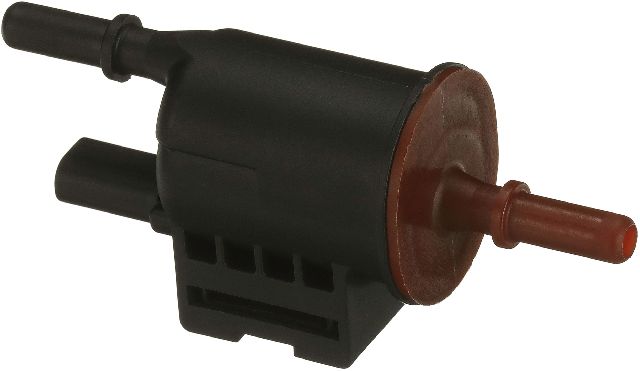
- Faulty Vapor Canister Purge Valve (Solenoid) 🔴 High Probability → Shop Vapor Canister This part is frequently cited in repair videos and forums for the 2016+ Malibu, suggesting it is a very common failure item. It can get stuck open, creating a constant vacuum leak, or fail to open, which often triggers code P0496 alongside P0440.
How to confirm: With the engine running, disconnect the vacuum hose from the valve and feel for suction; there should be none at idle. A handheld vacuum pump can also be used to test if it holds vacuum when de-energized. A professional may command it open and closed with a scan tool.
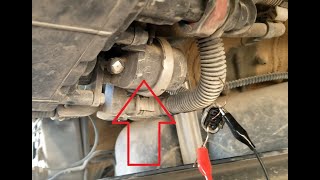
Typical fix: Replace the purge valve. It is located in the engine bay, mounted to the intake manifold, making for a relatively easy replacement.
Est. part cost: $30-$90 - Improperly Sealed Capless Fuel Filler Neck 🟡 Medium Probability → Shop Fuel Filler Neck The capless system's spring-loaded door can fail to seal properly if debris (like dirt or spider webs) is present or if the seal itself is worn or damaged.
How to confirm: Visually inspect the fuel filler opening for any debris, dirt, or damage that could prevent the flap from sealing. Use a funnel to gently open and close the flap to check its movement and sealing ability.
Typical fix: Clean the sealing surface of the fuel filler neck with a rag and some cleaner. If the sealing door mechanism is damaged, the entire filler neck assembly may need to be replaced.
Est. part cost: $0 for cleaning, $100-$250 for filler neck replacement - Faulty Vapor Canister Vent Valve (Solenoid) 🟡 Medium Probability → Shop Vapor Canister Vent Valve
How to confirm: The vent valve is normally open and closes when the system runs its self-test. A stuck-open valve is a common failure. It can be tested with a scan tool to command it closed and see if it holds pressure during a smoke test. A stuck-closed valve will often cause difficulty when refueling.
Typical fix: Replace the vent valve. This part is located underneath the vehicle, mounted on or near the charcoal canister in front of the passenger-side rear wheel, making replacement more difficult than the purge valve.
Est. part cost: $40-$120 - Cracked or Disconnected EVAP Hoses ⚪ Low Probability
How to confirm: A visual inspection may reveal obvious cracks or disconnected lines, especially around the purge valve in the engine bay or near the canister. A smoke test is the most effective way to find small, hard-to-see leaks in the lines.
Typical fix: Replace the damaged section of hose or reconnect it securely.
Est. part cost: $10-$50
Rare But Worth Checking
- Leaking Charcoal Canister: → Shop Vapor Canister The plastic housing of the canister itself can develop cracks over time or from road debris, creating a leak. This is less common than valve failures but should be checked during a smoke test.
- Faulty Fuel Tank Pressure Sensor: → Shop Fuel Tank The sensor can fail and send incorrect readings to the computer, making it think there is a leak when there isn't one. This will typically set other codes specific to the sensor (e.g., P0452, P0453) but can occasionally contribute to a P0440.
- Cracked Fuel Tank Vent Valve Seal: → Shop Fuel Tank One owner, after replacing multiple parts, found the issue to be a small crack in the seal for the fuel tank vent valve located at the top of the fuel tank, requiring the tank to be dropped to replace.
- Fuel Tank Fractures: → Shop Fuel Tank While less common on the Malibu, other Chevrolet models have documented P0440 codes caused by small fractures on the gas tank where the filler neck meets the tank (NHTSA ODI #10184336) or cracks at the filler neck junction (NHTSA ODI #10191706).
Diagnosis Steps
- Check Fuel Filler Neck: Carefully inspect the capless fuel filler neck for debris, dirt, or damage. Clean it and ensure the flap moves and seals correctly.
- Scan for Other Codes: Use an OBD-II scanner to check if other EVAP-related codes (like P0442, P0455, P0496) are present, which can help narrow down the issue.
- Inspect EVAP Lines and Purge Valve: Per GM TSB 21-NA-124, the first mechanical check should be a visual inspection of all EVAP lines and connections for proper seating or damage. Then, inspect the purge valve in the engine bay and its connecting hoses for cracks or loose fittings.
- Test Vent Valve: If lines are secure, the next step recommended by GM is to investigate the vent valve for being stuck open. This can be done with a capable scan tool or by applying 12V and listening for a click.
- Test Purge Valve: If the vent valve functions correctly, proceed to test the purge valve. With the engine at idle, disconnect the hose leading from the valve to the intake manifold and check for vacuum. There should be none.
- Perform a Smoke Test: If no obvious issues are found, the most effective next step is to introduce smoke into the EVAP system using a smoke machine. NHTSA ODI #10192200 notes that in some cases, an initial inspection may find nothing until a smoke test is performed to reveal the leak source.
Parts You'll Likely Need
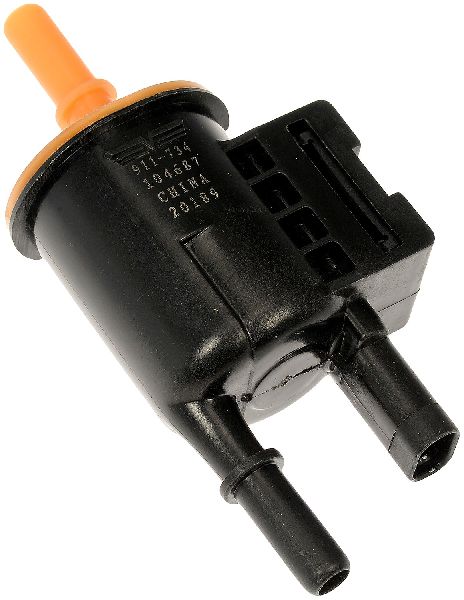
- Vapor Canister Purge Valve
(OEM #12632174)— This is a very common failure point for P0440 on this platform. It is located in the engine bay and is relatively easy to replace.
Trusted brands: ACDelco (GM Original Equipment), Dorman, TRQ
OEM price range: $50-$90
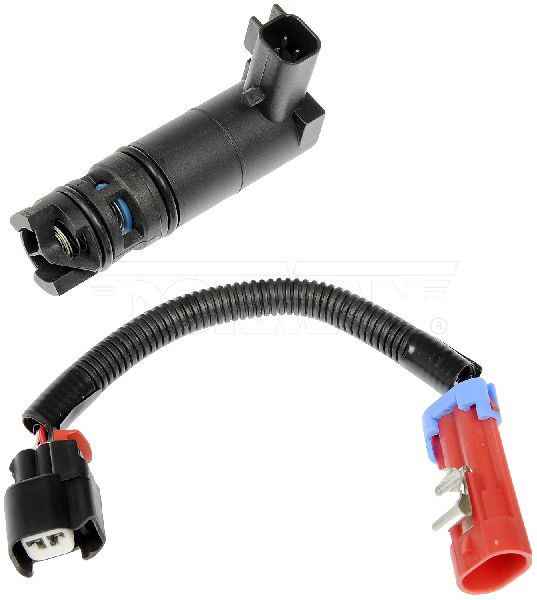
Aftermarket price range: $30-$60 - Vapor Canister Vent Valve
(OEM #84063661 (Solenoid only), 84947413 (Canister with solenoid))— This valve is another common cause of EVAP leaks, often causing refueling issues when it fails. It is located under the vehicle near the fuel tank and is more difficult to access. Sometimes it is only sold as part of the complete charcoal canister assembly.
Trusted brands: ACDelco, Standard Motor Products (SMP)
OEM price range: $70-$120
Aftermarket price range: $40-$80
Related Codes That Often Appear With This One
- P0442 — P0442 indicates a small EVAP leak. If the leak that triggers the general P0440 is small, this code may appear alongside it. GM TSB 21-NA-124 provides diagnostic logic for this code.
- P0455 — P0455 indicates a large EVAP leak. This can be triggered by the same faults as P0440, such as a stuck-open purge valve or a major hose disconnection.
- P0496 — This code indicates 'EVAP Flow During a Non-Purge Condition' and almost always points directly to a faulty purge valve that is stuck open, which is a very common cause for P0440 as well.
Technical Service Bulletins (TSBs) & Recalls
- 21-NA-124: This GM service bulletin provides the official diagnostic logic for related EVAP leak codes (P0442, P0455). It advises technicians to first check all EVAP line connections for being properly seated, then inspect for line damage, then test the vent valve for being stuck open, and finally investigate the purge valve. This order can save time and prevent misdiagnosis.
Platform-Specific Known Issues
- A user on chevymalibuforum.com with a 2017 Malibu reported getting a P0440 code that was ultimately resolved by replacing the purge valve solenoid. They noted the job was simple and took less than 30 minutes.
- Multiple owners on Reddit's r/whatcarshouldIbuy and r/mechanicadvice have confirmed the purge valve as the culprit for their P0440 or related P0496 codes on 9th-gen Malibus.
Mechanic-Grade Diagnostic Values
- EVAP Canister Purge Valve Solenoid Resistance — expected: 20 to 38 Ohms. Failure: A reading of 0 ohms (short), infinite/OL (open circuit), or a value significantly outside the expected range indicates a faulty coil.
- EVAP Canister Vent Valve Solenoid Resistance — expected: 20 to 50 Ohms (general spec). Failure: A reading outside this range, especially an open circuit (OL), points to a failed solenoid coil.
- Fuel Tank Pressure (FTP) Sensor Voltage (Key On, Engine Off, Fuel Filler Open) — expected: ~1.5 Volts. Failure: A reading of 0V, 5V, or a voltage that is stuck and does not change with pressure/vacuum suggests a faulty sensor or wiring issue.
- EVAP System Fuse Power — expected: 12 Volts at fuse F32 in the engine compartment fuse box with key on.. Failure: No voltage indicates a blown fuse or an issue in the power supply circuit to the fuse box.
Scan Tool Commands That Help
- GDS2 (GM Global Diagnostic System 2): EVAP System Test / Output State Control — This function allows a technician to command the purge and vent solenoids open or closed manually. It is used to verify if the solenoids are mechanically functioning (listen for a click) and to seal the system for a smoke test without having to manually apply voltage or block off hoses.
- GDS2 (GM Global Diagnostic System 2): EVAP Service Bay Test — This is an automated test that runs the vehicle's onboard EVAP leak test procedure on demand. It's used to confirm a repair has been successful without waiting for the vehicle to meet the specific drive cycle criteria to run the test on its own.
Wiring & Ground Locations
- F32 (Engine Compartment Fuse Box) — In the under-hood fuse box, located on the right side of the engine bay. It is a 5-amp mini fuse.. This fuse supplies power to the EVAP system components. If it blows, the purge and vent solenoids will not operate, which can lead to various EVAP codes, including P0440.
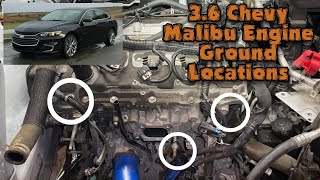
- Engine Block Ground — On the 1.5L engine, there are primary ground wires bolted directly to the engine block, often near the intake manifold or on the side of the cylinder head.. A loose or corroded engine ground can cause a variety of unpredictable electrical issues and codes. While not a direct cause of P0440, ensuring all engine grounds are clean and tight is a crucial step in diagnosing any electronic fault.
Real Owner Repair Stories
- chevymalibuforum.com user (2017 Chevrolet Malibu 1.5T) — Check Engine Light with code P0440.
❌ Tried (didn't work) Cleaned the capless fuel filler neck, Replaced the gas cap assembly (filler neck), Replaced the EVAP vent valve solenoid near the canister
Note: Similarly, NHTSA ODI #10247244 describes a case where replacing the gas cap did not resolve the P0440 code after it appeared twice over a 2-3 week period.
✅ What actually fixed it The problem was finally resolved by replacing the vapor canister purge valve (solenoid) located on the engine. The user noted the part number was 12632174 and the repair took less than 30 minutes.
Documented NHTSA Reports
- NHTSA ODI #10007823: An owner reported the engine light keeps coming on with code P0440, yet initial diagnostic checks were unable to find a fault in the evaporative emissions system.
- NHTSA ODI #10247244: A report indicates the service engine soon light illuminated due to a small EVAP emission leak (Code P0440). Replacing the gas cap did not resolve the issue.
- NHTSA ODI #10191706: This report describes a crack where the fuel filler neck meets the fuel tank, which causes DTC P0440 to be set and the check engine light to illuminate.
OEM Part Supersession History
12632174→This part number appears to be stable for the specified vehicle range, but is also listed under GM part numbers 214-1105 and 214-1680 in some catalogs.— Standard part lifecycle and supplier changes.
Heads up: Ensure the part purchased is specified for the 1.5L LFV engine. While the part is used across many GM vehicles, bracket orientation or hose connections can differ slightly on other applications.
Model Year Variations Within This Range
- 2016 only: In 2016, Chevrolet sold two versions of the Malibu. The 'Malibu Limited' was a carryover of the previous 8th generation and uses a traditional screw-on gas cap. The all-new 9th generation 'Malibu' was also introduced with the capless system. It is critical to identify which model you have, as a faulty gas cap is a primary cause for P0440 on the 'Limited' but not possible on the 9th gen.
Diagnostic Flowchart
Other Known Issues on This Vehicle
Issues unrelated to this code that are worth knowing about as an owner of this generation:
- 'Shift to Park' Message & Battery Drain 🔴 High — Extremely common on 2016-2019 models. A faulty microswitch in the shifter assembly fails to detect Park, preventing the car from shutting down completely and causing a dead battery. (Ref: TSB 19-NA-206)
- Cracked Pistons (1.5L LFV Engine) 🔴 High — Affects certain 2016-2017 models with the 1.5L Turbo engine. A pre-ignition condition can cause piston damage, leading to misfires, oil consumption, and eventual engine failure. (Ref: Customer Satisfaction Program N182195660, TSB 17019)
- Reduced Engine Power / Stalling 🟠 Medium — Commonly reported across multiple years. Can be caused by a faulty throttle body, a disconnected charge air cooler (CAC) outlet tube on turbo models, or an ECM software bug. (Ref: NHTSA Campaign 19V642000 (ECM software), TSB 22-NA-224 (CAC tube))
- Transmission Shudder or Harsh Shifting 🟠 Medium — Reported in models with automatic transmissions, can sometimes be addressed with fluid changes but may indicate internal wear. (Ref: TSB 19-NA-200 (related to shift quality))
- Incorrect Fuel Gauge Reading 🟡 Low — On some 2016 models, a fuel vapor line inside the tank could interfere with the fuel level sensor arm, causing it to get stuck and show an incorrect reading. (Ref: null)
Used vs. New Parts: Buying Guide for This Vehicle
When a used part is the smart pick: For this specific repair, using used parts is generally not recommended for the electronic solenoids (purge and vent valves) due to their high failure rate. However, a used capless fuel filler neck assembly from a low-mileage, non-crashed donor vehicle could be a cost-effective option if the original is physically damaged.
Donor-vehicle mileage cap: roughly under 60000 miles for the part to have meaningful remaining life.
What to inspect on the donor part:
- For a filler neck: Check that the spring-loaded flap moves smoothly and seals tightly.
- For a filler neck: Inspect the plastic housing for any cracks or signs of damage.
- For any part: Ask for the VIN of the donor car to verify its year and low mileage.
OEM-only on this vehicle (don't cheap out):
- No parts for this specific P0440 repair are strictly 'OEM-only'.
Aftermarket brands forum-validated for this vehicle:
- ACDelco (Original Equipment)
- Standard Motor Products (SMP)
- Dorman (OE Solutions line)
- TRQ
Brands owners have reported issues with on this vehicle:
- Unnamed, no-brand parts from online marketplaces should be avoided, as the quality of the internal solenoid windings and valve seals can be poor, leading to premature failure.
Real Owner Stories
Aggregated from forums and TSBs cited above. Mileages and costs reflect what owners reported in those sources.
2017 Chevrolet Malibu
Symptoms: The owner reported getting a P0440 code.
What fixed it: Replacing the purge valve solenoid.
Source hint: chevymalibuforum.com thread titled "2017 Malibu P0440 Code"
2016-2023 Chevrolet Malibu
Symptoms: Recurring EVAP system issues described as a minor annoyance.
What fixed it: Replacing the purge valve.
Source hint: Reddit (r/whatcarshouldIbuy) thread "What's wrong with the Chevy Malibu 2016 - 2023?"
2016 Chevrolet Malibu
Symptoms: P0440 code present; advice given to check for a poor seal at the filler neck.
What fixed it: Checking the filler neck for rust or debris preventing a good seal.
Source hint: GM-Forum.com thread "Check Gas Cap with P0440 Evap Emission System Code on my"
Related OBD-II Codes
Frequently Asked Questions
Is there a GM technical service bulletin for EVAP leaks on my Malibu?
Why does the gas pump nozzle keep clicking off when I try to refuel my Malibu?
I have a 2017 Malibu with P0440; what is the most likely part I need to replace?
Can a dirty fuel filler cause the P0440 code on a 2016+ Malibu?
Where is the purge valve located on the 9th-gen Malibu?
Is the vent valve in the same place as the purge valve?
Helpful Videos

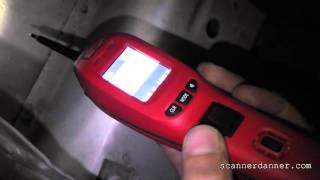
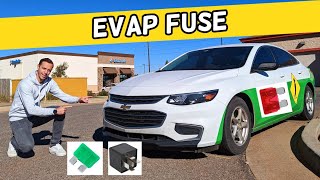
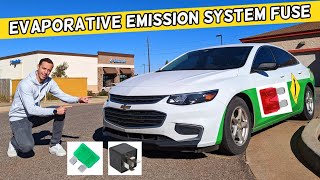
Used OEM Parts in Stock
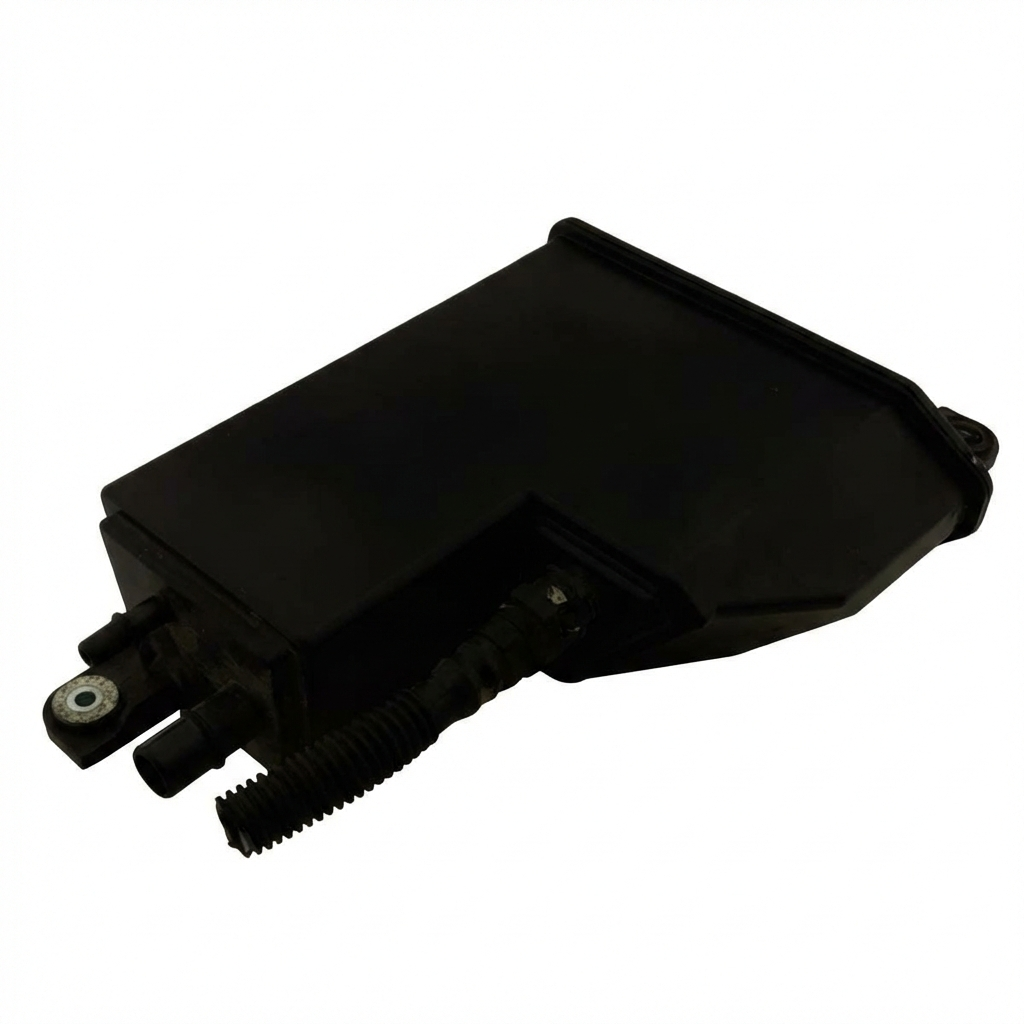
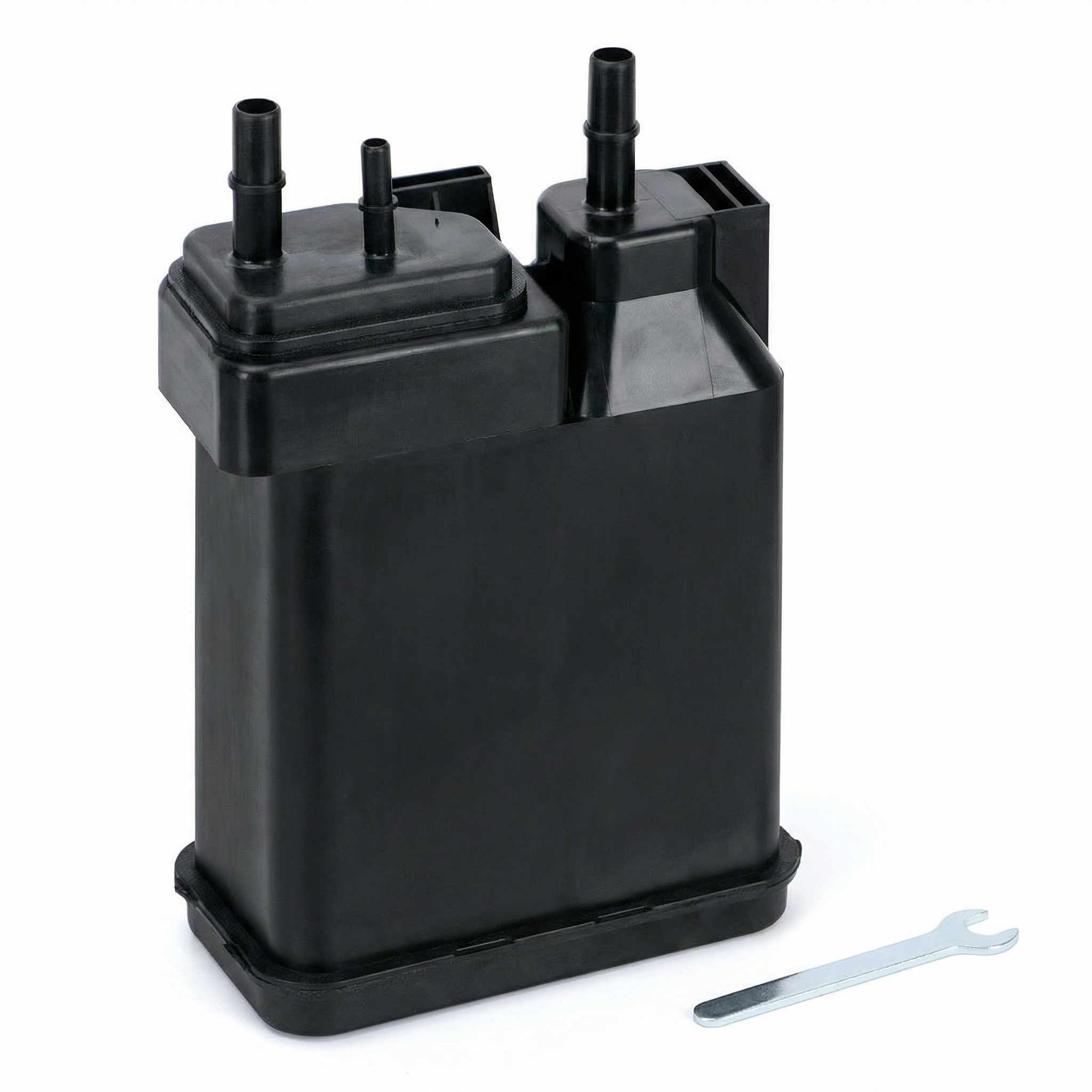
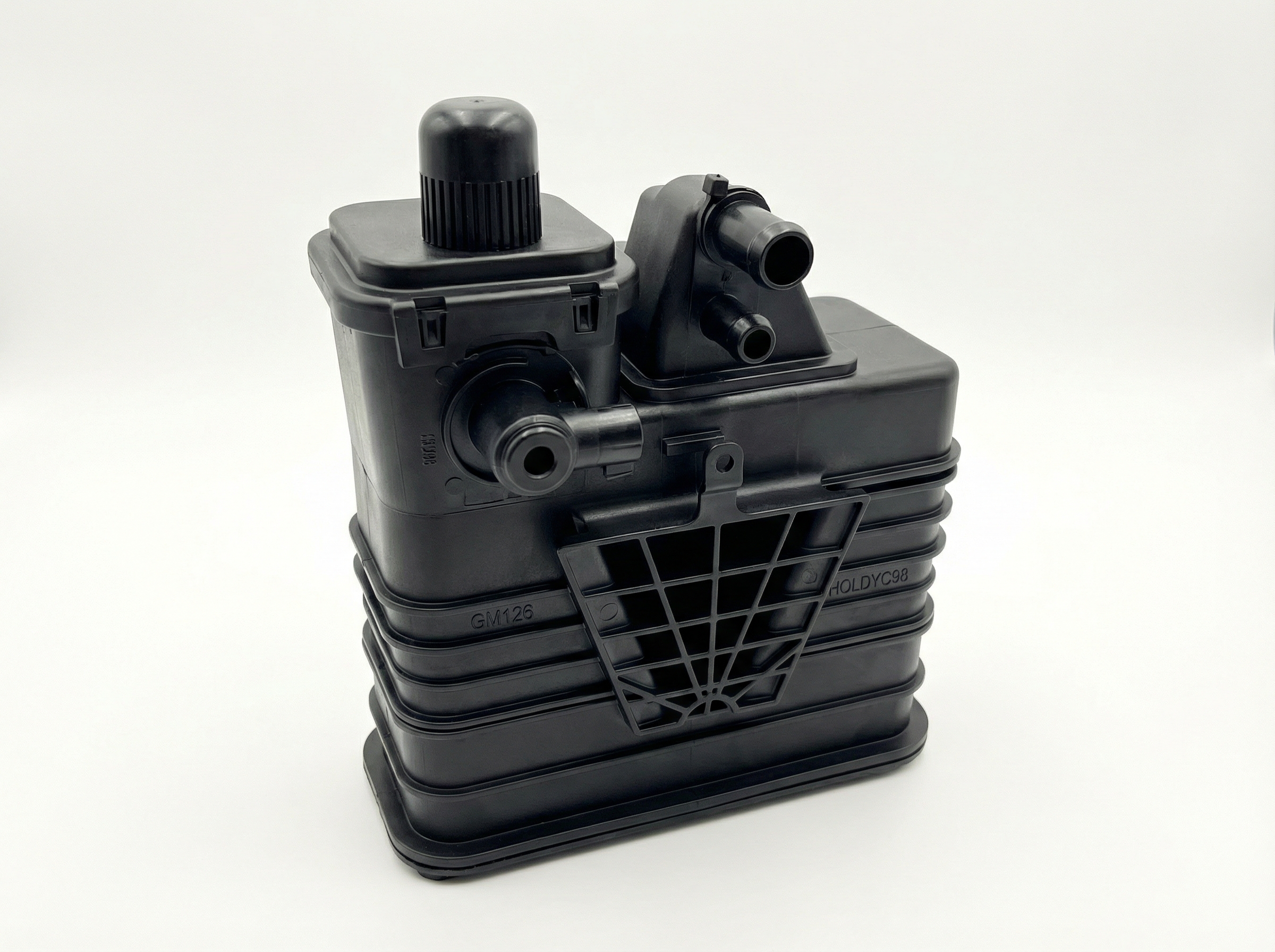
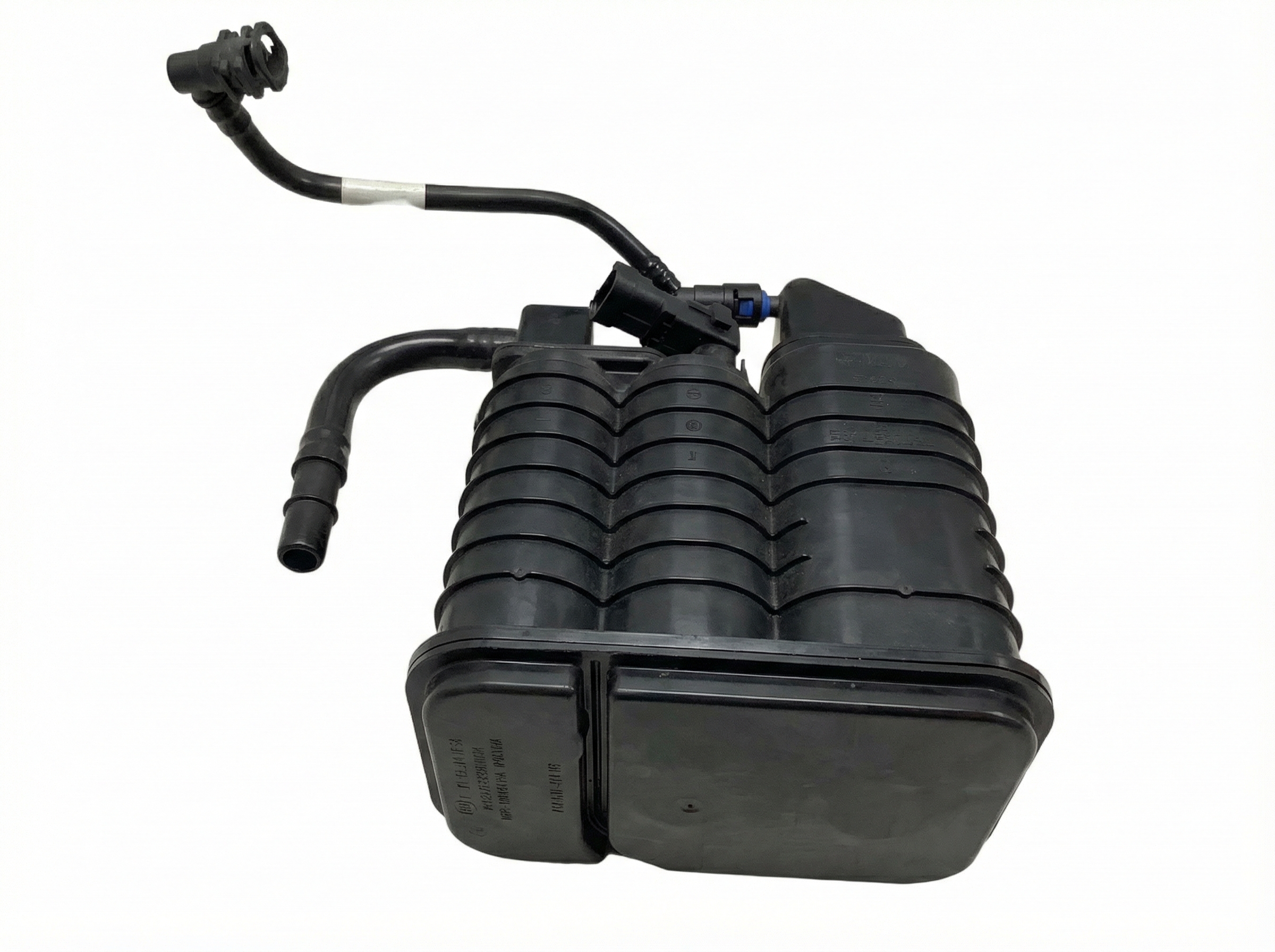
New Aftermarket Parts Available

The information in this article is provided for general reference and educational purposes only. Vehicle specifications, procedures, and part compatibility can vary by production date, trim level, and region. Always consult your vehicle's factory service manual and verify part numbers before purchasing or performing repairs. Safety-critical components such as airbags, seat belts, and braking systems should be installed by a qualified professional.
- Chevrolet Malibu:
- 🧭 Diagnostic Flowchart
- 🎬 Helpful Videos
- 🛍️ Shop This Part
- What's Unique About the 2016-2024 Chevrolet Malibu
- Symptoms You May Notice
- Most Likely Causes
- Rare But Worth Checking
- Diagnosis Steps
- Parts You'll Likely Need
- Related Codes That Often Appear With This One
- Technical Service Bulletins (TSBs) & Recalls
- Platform-Specific Known Issues
- Mechanic-Grade Diagnostic Values
- Scan Tool Commands That Help
- Wiring & Ground Locations
- Real Owner Repair Stories
- Documented NHTSA Reports
- OEM Part Supersession History
- Model Year Variations Within This Range
- Other Known Issues on This Vehicle
- Used vs. New Parts: Buying Guide for This Vehicle
- Real Owner Stories
- 2017 Chevrolet Malibu
- 2016-2023 Chevrolet Malibu
- 2016 Chevrolet Malibu
- Related OBD-II Codes
- Frequently Asked Questions
- 🎟️ Get 5% Off