

P0440 on 2000-2005 Chevrolet Monte Carlo: EVAP System Malfunction Causes and Fixes
For a 2000-2005 Monte Carlo, the P0440 code is most often caused by a loose or faulty gas cap. If that doesn't fix it, the next most likely culprits are the EVAP purge or vent solenoids. A new gas cap is about $10-$25, while solenoids can range from $20 to $50. In rust-prone areas, a rotted fuel filler neck is also a very common cause.
- Always start with the simplest fix: check that your gas cap is tight and the seal is not cracked. Replacing it is an inexpensive first step.
- The two most common parts to fail after the gas cap are the EVAP purge solenoid (on the engine) and the EVAP vent solenoid (at the rear of the car).
- The purge solenoid on this car is ACDelco part #214-641, and the vent solenoid is ACDelco part #214-2324.
- While you can visually inspect hoses, a professional smoke test is the fastest way to find small, hard-to-see leaks if the gas cap and solenoids are not the issue.
- This code will not stop you from driving the car, but it will cause an automatic failure on an emissions test.
What's Unique About the 2000-2005 Chevrolet Monte Carlo
The 2000-2005 Monte Carlo, built on the GM W-body platform, shares its EVAP system design with other popular models like the Impala, Grand Prix, and Buick Regal. For this generation, the most common failure points are straightforward and well-documented by owners. Unlike some GM trucks from the same era that had specific issues with vent solenoid filter placement getting clogged with dust (addressed by TSB 02-06-04-037), the Monte Carlo's issues are typically the standard wear-and-tear items: gas caps and solenoids. However, like many GM vehicles of this period, rust on the fuel filler neck is a very common cause of P0440 in regions that use road salt.
Symptoms You May Notice
- Check Engine Light is on
- A faint smell of fuel, particularly around the rear of the car or after refueling.
- Difficulty refueling (gas pump clicks off repeatedly), though this is more common with a faulty or clogged vent solenoid.
- Hearing a whoosh of pressure releasing when opening the gas cap is normal; NOT hearing this may indicate the system is not sealing.
- Replacing the oxygen sensors. O2 sensors are not related to the EVAP system.
- Replacing the catalytic converter. This is an exhaust component and has no connection to the P0440 code.
- Immediately replacing the fuel tank. While a leaking fuel tank can cause this code, it is a rare failure and should only be considered after all other, more common components have been thoroughly tested, ideally with a smoke machine.
Most Likely Causes
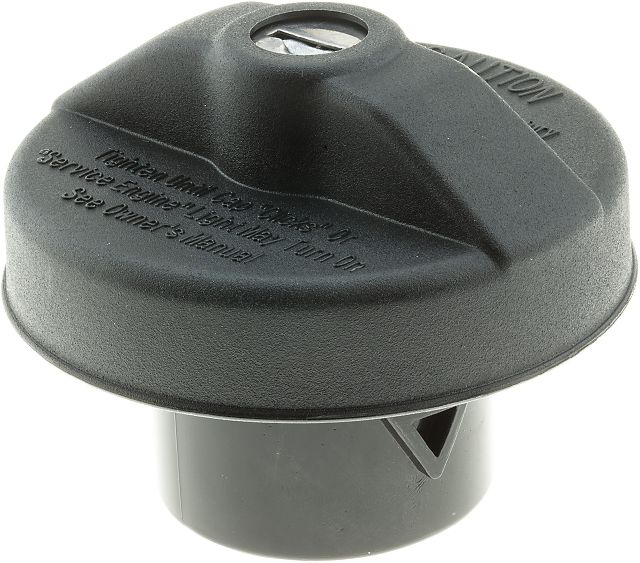
- Loose or Faulty Gas Cap 🔴 High Probability → Shop Fuel Tank Cap The gas cap seal is a simple rubber O-ring that can dry out, crack, or become worn over time, preventing a proper seal. Aftermarket or locking gas caps are also common sources of this code if they don't seal correctly. This is the first and most common cause reported by owners in forums.
How to confirm: Inspect the gas cap for any visible cracks or damage to the rubber seal. Ensure it is tightened until it clicks at least once. If the seal looks worn or you have any doubt, it's the cheapest part to replace first. Many forum users report solving the code with a new OEM-spec cap after their old one's seal was found to be cracked.
Typical fix: Replace the gas cap with a new OEM-spec part. An ACDelco cap is highly recommended over cheaper alternatives.
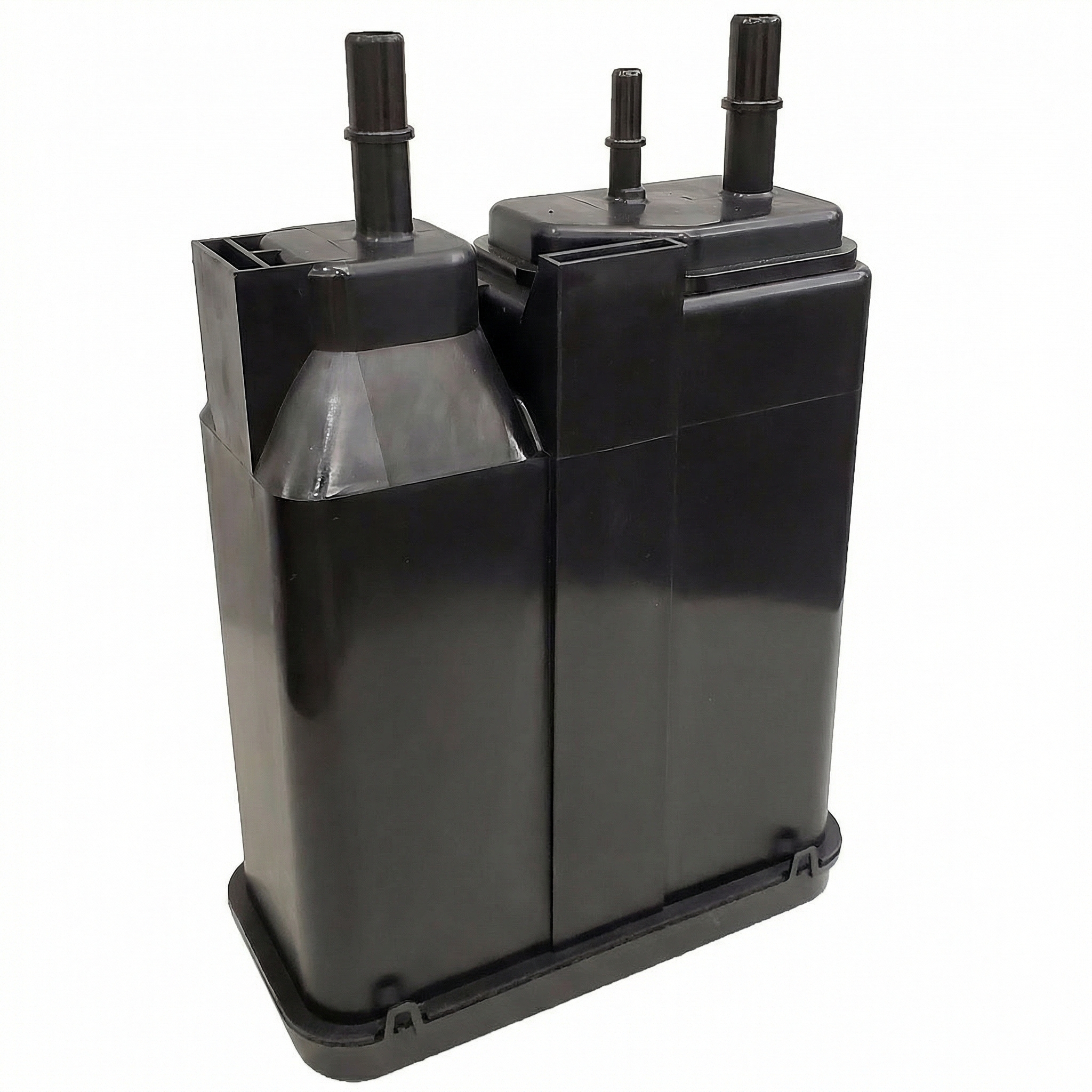
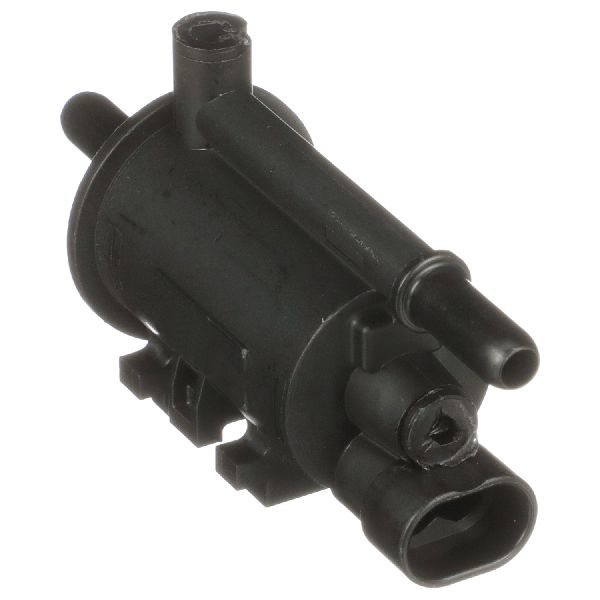
Est. part cost: $10 - $25 - Faulty EVAP Purge Solenoid (Purge Valve) 🟡 Medium Probability → Shop Vapor Canister This valve, located on the engine, controls the flow of fuel vapors from the charcoal canister to the engine. It can get stuck open or closed, or develop an internal leak, which the system detects as a fault.
How to confirm: The purge solenoid is located on the driver's side of the engine, often on a bracket on the intake manifold. You can sometimes hear it clicking when the engine is running. A definitive test involves removing it and applying 12V power to its terminals to see if it actuates (clicks). If it's stuck, it needs replacement. A scan tool can also command it open and closed to verify operation.
Typical fix: Replacement of the purge solenoid. It is typically held on by a single 10mm bolt and has two hoses and an electrical connector. 🎬 Watch: Step-by-step guide to replacing the purge solenoid.
Est. part cost: $20 - $50 - Faulty EVAP Vent Solenoid (Vent Valve) 🟡 Medium Probability → Shop Vapor Canister This solenoid is normally open to allow air into the canister and closes when the system runs a self-test. It is located near the rear of the car by the charcoal canister and is exposed to road debris, which can cause it to fail or stick.
How to confirm: The vent solenoid is located behind the driver's side rear wheel well, mounted near the charcoal canister. It can be tested with a scan tool to command it closed or by removing it and applying 12V power to see if the valve actuates. Owners report cleaning the valve with WD-40 and testing it this way can sometimes restore function, but replacement is often necessary.
Typical fix: Replace the vent solenoid. This often involves removing the driver's side rear wheel and splash shield for access. 🎬 See how to access and replace the vent solenoid valve.
Est. part cost: $25 - $60 - Rusted Fuel Filler Neck 🟡 Medium Probability → Shop Fuel Filler Neck In areas with heavy road salt use (the 'Rust Belt'), the metal pipe leading from the gas cap to the fuel tank can rust through, creating a leak that the system will detect. This is a very common failure on this platform and should be visually inspected if the gas cap and solenoids are confirmed to be good.
How to confirm: Visually inspect the entire length of the fuel filler neck for rust, especially around the area where the gas cap seals and along the pipe itself. A smoke test will definitively show a leak from a rusted filler neck.
Typical fix: Replacement of the fuel filler neck assembly.
Est. part cost: $70 - $150 - Cracked or Disconnected EVAP Hoses ⚪ Low Probability Over many years, the plastic and rubber hoses in the EVAP system can become brittle and crack, creating a leak.
How to confirm: A visual inspection of all accessible EVAP lines, from the engine bay to the charcoal canister at the rear, may reveal obvious cracks. However, small leaks are best found using a smoke machine, which fills the system with visible smoke to pinpoint the source of the leak.
Typical fix: Replace the damaged section of hose.
Est. part cost: $5 - $30
Rare But Worth Checking
- Damaged Charcoal Canister: → Shop Vapor Canister The canister itself can be physically damaged by road debris or develop cracks over time, causing a leak. This is less common than solenoid failure but is a possibility.
- Faulty Fuel Tank Pressure (FTP) Sensor: → Shop Fuel Tank This sensor reports the pressure inside the fuel tank to the computer. If it fails and sends incorrect readings, the computer may think there is a leak when there isn't one. This often sets other codes (like P0452 or P0453) but can sometimes contribute to a P0440. On some GM vehicles, a failing FTP sensor was the confirmed fix after replacing other components.
- Leaking Fuel Tank Seam or Gasket: → Shop Fuel Tank While rare, the fuel tank itself can develop a leak, or the gasket for the fuel pump/sending unit on top of the tank can fail, causing a P0440 code. This is usually a last resort after a smoke test has ruled out all other components. In some GM models, a crack or fracture can occur specifically where the fuel filler neck meets the fuel tank, as noted in NHTSA ODI #10191706 and NHTSA ODI #10184336.
Diagnosis Steps
- Check the Gas Cap: Remove and reinstall the gas cap, ensuring it clicks several times. Inspect the rubber seal for cracks or wear. If in doubt, replace it with an OEM part. Clear the code and drive for a few days to see if it returns. This is the most common fix.
- Visual Inspection: Inspect all visible EVAP hoses in the engine bay and around the charcoal canister (near the rear driver's side wheel) for obvious cracks, disconnections, or damage. Pay close attention to the fuel filler neck for any signs of significant rust or perforation.
- Test the Purge Solenoid: Locate the purge solenoid on the engine. With the engine running, you can sometimes feel it pulsing. A more definitive test is to remove it, and apply 12V power and a ground to its terminals to listen for a 'click' indicating it is actuating.
- Test the Vent Solenoid: Locate the vent solenoid near the charcoal canister behind the driver's side rear wheel. Apply 12V power to its terminals to listen for a 'click' indicating it is actuating. If it seems weak or doesn't actuate with authority, it has likely failed.
- Perform a Smoke Test: If the above steps do not reveal the cause, the most effective next step is a smoke test. A mechanic will introduce pressurized smoke into the EVAP system via the service port. The smoke will escape from any leaks, making even tiny cracks in hoses, the filler neck, or the canister easy to spot. 🎬 Watch: How to find hidden leaks using a smoke machine. NHTSA ODI #10192200 highlights a case where an initial inspection found nothing, but a smoke test was required to identify the problem.
Parts You'll Likely Need
- Fuel Cap
(OEM #19432733 (supersedes many previous numbers))— The single most common cause for P0440. The seal wears out over time, preventing the system from holding pressure.
Trusted brands: ACDelco, Stant, Motorad
OEM price range: $20-$35
Aftermarket price range: $10-$20 - EVAP Purge Solenoid / Valve
(OEM #214-641 (ACDelco))— This is a very common failure item that gets stuck open or closed, causing a system fault. It is located on the engine and is relatively easy to replace.
Trusted brands: ACDelco, Delphi, Dorman
OEM price range: $45
Aftermarket price range: $17-$32 - EVAP Vent Solenoid / Valve
(OEM #214-2149 (ACDelco))— Located near the rear wheel, this valve is exposed to road grime and moisture, causing it to stick or fail electrically. It's crucial for sealing the system during self-tests.
Trusted brands: ACDelco, Dorman, Standard Motor Products
OEM price range: $30-$45
Aftermarket price range: $20-$35
Related Codes That Often Appear With This One
- P0442 — Indicates a small EVAP leak. P0440 is a general fault, and P0442 can appear with it to specify the leak size.
- P0455 — Indicates a large EVAP leak. This often points more strongly to a missing gas cap or a stuck-open vent or purge valve.
- P0449 — This code specifically points to a malfunction in the EVAP vent solenoid circuit, making the vent solenoid the primary suspect when seen with P0440.
Technical Service Bulletins (TSBs) & Recalls
- GM TSB #02-06-04-037J: While this TSB is specifically for trucks experiencing P0446 due to dust clogging the vent solenoid, it is relevant context. It shows a known GM issue with vent solenoid vulnerability and the official fix involves relocating the filter, demonstrating how sensitive these systems are to contamination.
Mechanic-Grade Diagnostic Values
- EVAP Purge/Vent Solenoid Coil Resistance — expected: 15 to 30 Ohms. Failure: A reading far outside this range indicates a faulty solenoid coil that needs replacement.
- EVAP Purge Solenoid Manual Test — expected: Solenoid should 'click' when 12V is applied and should hold against light air pressure when de-energized.. Failure: If air passes through when not energized, it's stuck open. If it doesn't click or open with 12V, it's seized or has an open circuit.
- EVAP Vent Solenoid Manual Test — expected: Solenoid should 'click' when 12V is applied. It is normally open and closes when energized.. Failure: If it doesn't actuate with 12V, it has failed.
Scan Tool Commands That Help
- GM Tech2: EVAP Service Bay Test — This function allows a technician to command the EVAP system to run its self-test in the service bay, without needing to perform a full drive cycle. It will close the vent solenoid, open the purge solenoid to create a vacuum, and then seal the system to monitor for pressure decay. This can confirm the functionality of the solenoids and the integrity of the system. Note: For 2000-2002 models, GM issued a bulletin indicating this test was disabled via software updates and instructed technicians to use a dedicated EVAP smoke/pressure tester instead.
- GM Tech2: EVAP Purge/Seal — This is a bidirectional control function that allows the user to manually command the EVAP Purge Solenoid on/off and command the Vent Solenoid closed to seal the system. This is essential when using a smoke machine to find leaks, as it ensures the system is sealed for the test.
- GM Tech2: EVAP Output Controls — Within the special functions menu, a technician can individually command the purge and vent solenoids on and off to verify their electrical circuit and listen for the mechanical 'click' of the solenoid actuating, confirming the PCM can control them.
Wiring & Ground Locations
- EVAP Purge Solenoid — On top of the engine, near the center of the upper intake plenum for the 3.8L engine. On the 3.4L, it's on the top rear of the engine.. Knowing the exact location is critical for visual inspection, testing, and replacement. Its location in the engine bay makes it susceptible to heat and vibration.
- EVAP Vent Solenoid — At the rear of the vehicle, behind the driver's side rear wheel well splash shield, mounted near the charcoal canister.. This location exposes the solenoid and its connector to road salt, water, and debris, making it a high-failure item due to corrosion and contamination.
- F/PMP RLY Fuse — In the engine compartment fuse block on the passenger's side.. This fuse provides power to the fuel pump relay, which is often on a shared circuit with other emission components. While not a primary cause, checking related fuses is a basic electrical diagnostic step.
- G113 (Ground) — On a transaxle stud, near the starter.. This is a major engine-related ground point. A poor connection here could cause a variety of intermittent issues with engine sensors and actuators, though it's not a common cause for a specific P0440.
Real Owner Repair Stories
- Monte Carlo Forum user 'Habbibie' (2000-2005 Monte Carlo (exact year not specified)) — Persistent P0440 code for 18 months that would return a week after being cleared.
❌ Tried (didn't work) Visual inspection of all vacuum hoses, Inspection of fuel lines and filler neck, Checking top of fuel tank for cracks, Replacing the gas cap with an OEM part, A professional smoke test that found no leaks
✅ What actually fixed it Replacing a faulty brake booster. The internal diaphragm of the booster had a very slow leak, which was not detectable by the EVAP smoke test but was introducing a vacuum leak that the system eventually flagged. The code disappeared a few drives after the new booster was installed. - YouTube user 'gt4-coupe' (2000 Toyota Celica (Note: Different vehicle, but demonstrates a failure mode applicable to the Monte Carlo's plastic components)) — Persistent P0440 code.
❌ Tried (didn't work) Replacing the gas cap, Inspecting engine bay hoses, Replacing various other EVAP components from a salvage yard
✅ What actually fixed it Replacing the fuel tank vent valve assembly located on top of the gas tank. A hairline crack was found on the plastic valve housing, which was only visible upon close inspection after dropping the fuel tank. This tiny crack was the source of the vapor leak. - NHTSA ODI #10247244 — An owner reported the service engine soon light came on with code P0440. Replacing the gas cap did not solve the problem, as the light returned twice over a 2-3 week period.
- NHTSA ODI #10007823 — A report describes a persistent P0440 code where diagnostic checks were performed, yet no one could find anything wrong with the evaporative emissions system initially.
"I Checked Everything" — The Actual Cause
- In one documented case, a P0440 that persisted after a clean smoke test was ultimately traced to a leaking brake booster. The very slow vacuum leak from the booster's internal diaphragm was enough to trigger the EVAP system fault over time, but was not part of the sealed EVAP system tested by the smoke machine.
OEM Part Supersession History
Multiple previous numbers→ACDelco 19432733— Design improvements and consolidation for the fuel cap.
Heads up: Using non-OEM or poorly designed aftermarket locking gas caps is a very common cause for this code to appear.01997278→ACDelco 214-641— Standard part number update for the EVAP Purge Solenoid.25932571→ACDelco 214-2149— Standard part number update for the EVAP Vent Solenoid.
Heads up: Some replacement vent solenoids may require an adapter harness (e.g., GM P/N 19257603) if the connector style was updated from the original part. Always check the new part against the old connector before installation.
Model Year Variations Within This Range
- 2000-2005: The EVAP purge solenoid location differs slightly between the 3.4L and 3.8L V6 engines. On the 3.8L, it is on the top front of the engine near the center of the intake plenum. On the 3.4L, it is located on the top rear of the engine. The fundamental operation and diagnosis remain the same.
- 2000-2002: According to a GM service bulletin, the "Service Bay Test" function on the Tech2 scan tool was disabled for these model years. Technicians were instructed to use standard smoke and pressure testing procedures instead of relying on the automated scan tool test.
Diagnostic Flowchart
Other Known Issues on This Vehicle
Issues unrelated to this code that are worth knowing about as an owner of this generation:
- Lower Intake Manifold (LIM) Gasket Failure (3.4L & 3.8L) 🔴 High — Very common, typically occurs between 60,000 and 120,000 miles. Affects engines using Dex-Cool coolant.
- Upper Intake Manifold (UIM) Failure (3.8L L36) 🟠 Medium — Common failure where the plastic UIM cracks or melts near the EGR stovepipe, causing coolant to leak into the intake runners.
- 4T65-E Transmission Hard Shifting / Failure 🟠 Medium — The pressure control (EPC) solenoid is a known weak point, causing harsh shifts when hot. Complete failure before 150,000 miles is not uncommon, especially on higher-output SS models. (Ref: Multiple TSBs exist, including #08-07-30-040B for harsh engagement.)
- Ignition Switch Failure 🔴 High — The ignition switch can fail, causing the engine to shut off while driving, disabling airbags. This was subject to a major recall. (Ref: GM Recall #14299)
- Premature Brake Rotor Warping 🟡 Low — Many owners report that the factory brake rotors are prone to warping, causing a pulsation during braking.
- Failing Blower Motor Resistor 🟡 Low — A very common issue where the climate control fan will only work on certain speeds (often only the highest setting).
Used vs. New Parts: Buying Guide for This Vehicle
When a used part is the smart pick: A used fuel filler neck from a junkyard car originating from a dry, salt-free state can be an excellent, cost-effective replacement for a rusted-out original. A complete charcoal canister assembly (including the vent solenoid) can also be a good value if it's confirmed to be from a low-mileage vehicle and is not saturated with fuel.
Donor-vehicle mileage cap: roughly under 100000 miles for the part to have meaningful remaining life.
What to inspect on the donor part:
- For a filler neck, inspect for any signs of rust, especially at the sealing surface and along the seams.
- For a charcoal canister, it should feel light and not smell strongly of raw gasoline. If it feels heavy or sloshes, it's saturated with liquid fuel and is useless.
- Check all plastic hose connections and mounting tabs for cracks or brittleness.
OEM-only on this vehicle (don't cheap out):
- Gas Cap
Aftermarket brands forum-validated for this vehicle:
- ACDelco (OEM)
- Delphi
- Standard Motor Products (SMP)
- Dorman (often provides design improvements, like for the vent solenoid)
Brands owners have reported issues with on this vehicle:
- Unnamed, 'white box' parts from online marketplaces should be avoided, especially for electronic components like solenoids.
- Locking or novelty gas caps are a frequent source of EVAP leaks and should be avoided if you are trying to solve a P0440 code.
Real Owner Stories
Aggregated from forums and TSBs cited above. Mileages and costs reflect what owners reported in those sources.
2000-2005 Chevrolet Monte Carlo
Symptoms: The owner experienced a P0440 code and attempted to diagnose it by checking the gas cap and vent solenoid.
What fixed it: Cleaning a sticky vent solenoid and verifying its operation with 12V power.
Source hint: blazerforum.com thread titled 'p0440-code-solved-77899/'
2000-2005 Chevrolet Monte Carlo
Symptoms: Check engine light for P0440; the owner sought a step-by-step guide for component replacement.
What fixed it: Replacement of the vent solenoid following a step-by-step guide for the GM platform.
Source hint: j-body.org thread titled 'p-0440-solved-with-instructions.70281/'
2000-2005 Chevrolet Monte Carlo
Symptoms: P0440 code; initial checks of the gas cap did not resolve the issue.
What fixed it: A smoke test was recommended to find the leak after basic component checks failed.
Source hint: montecarloforum.com thread titled 'p0440-code-help-29990/'
Related OBD-II Codes
Frequently Asked Questions
Where is the EVAP vent solenoid located on my 2000-2005 Monte Carlo?
I live in the 'Rust Belt'; is there a specific part I should check for my P0440 code?
Does GM TSB #02-06-04-037J apply to the P0440 code on my vehicle?
Where can I find the purge solenoid on my 3.4L or 3.8L engine?
Should I buy an aftermarket gas cap to fix this code?
Can I clean the vent solenoid instead of replacing it?
Helpful Videos
![SMOKE Machine Diagnose Evap P0440 [Problem Found] #automobile #diyrepair #mechanic](https://img.youtube.com/vi/tYMqzzdXO58/mqdefault.jpg)
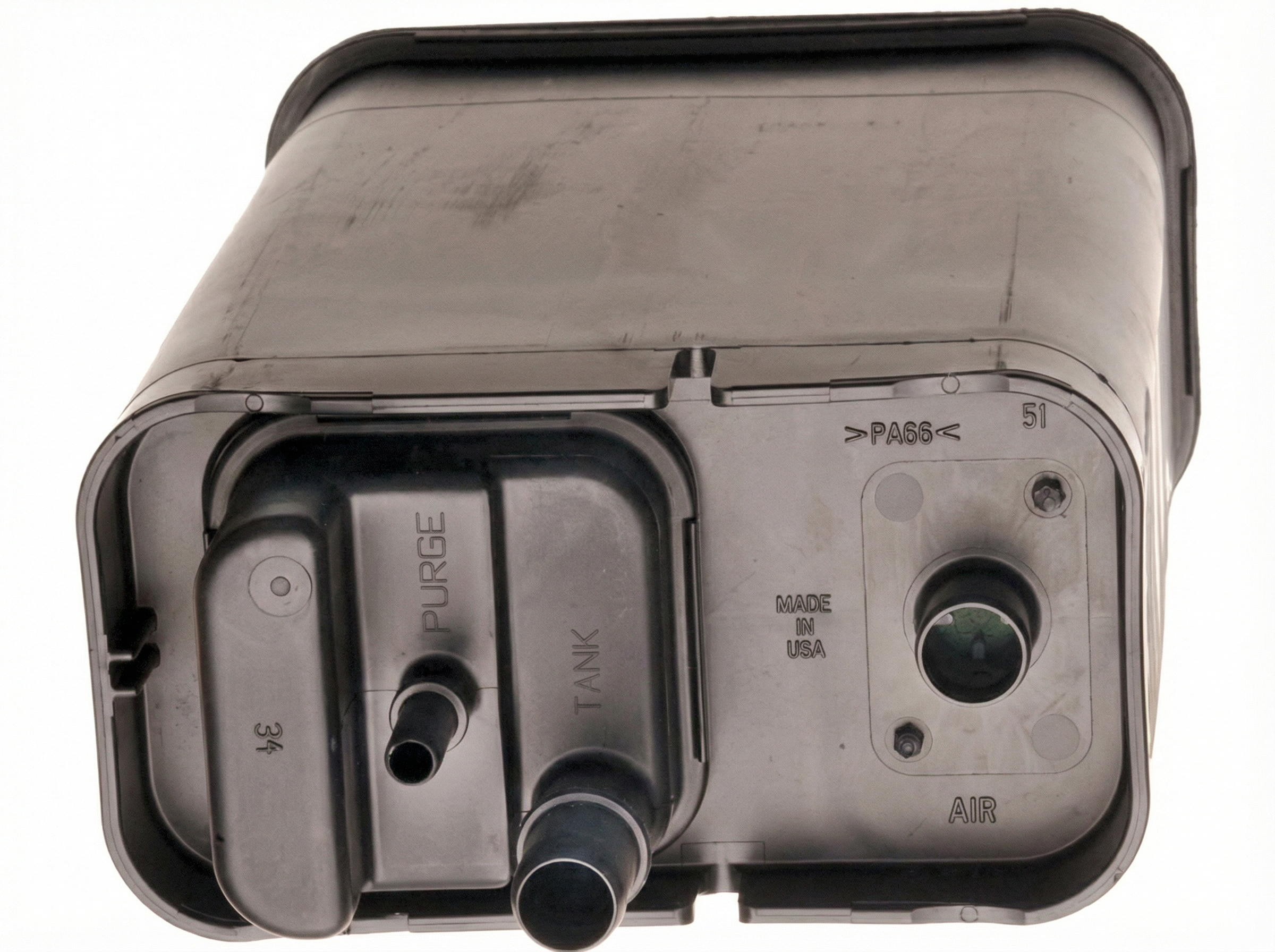
Used OEM Parts in Stock
New Aftermarket Parts Available


The information in this article is provided for general reference and educational purposes only. Vehicle specifications, procedures, and part compatibility can vary by production date, trim level, and region. Always consult your vehicle's factory service manual and verify part numbers before purchasing or performing repairs. Safety-critical components such as airbags, seat belts, and braking systems should be installed by a qualified professional.
- Chevrolet Monte Carlo:
- 🧭 Diagnostic Flowchart
- 🎬 Helpful Videos
- 🛍️ Shop This Part
- What's Unique About the 2000-2005 Chevrolet Monte Carlo
- Symptoms You May Notice
- Most Likely Causes
- Rare But Worth Checking
- Diagnosis Steps
- Parts You'll Likely Need
- Related Codes That Often Appear With This One
- Technical Service Bulletins (TSBs) & Recalls
- Mechanic-Grade Diagnostic Values
- Scan Tool Commands That Help
- Wiring & Ground Locations
- Real Owner Repair Stories
- "I Checked Everything" — The Actual Cause
- OEM Part Supersession History
- Model Year Variations Within This Range
- Other Known Issues on This Vehicle
- Used vs. New Parts: Buying Guide for This Vehicle
- Real Owner Stories
- 2000-2005 Chevrolet Monte Carlo
- 2000-2005 Chevrolet Monte Carlo
- 2000-2005 Chevrolet Monte Carlo
- Related OBD-II Codes
- Frequently Asked Questions
- 🎟️ Get 5% Off