

P0440 on 1999-2007 Chevrolet Silverado 2500: EVAP System Malfunction Causes and Fixes
For a P0440 code on a 1999-2007 Silverado 2500, the most common fixes are tightening or replacing the gas cap and replacing the EVAP vent solenoid near the fuel tank. A new gas cap is about $15-$35. The vent solenoid is a known failure point, especially on 1999-2007 Classic models, and GM issued a TSB recommending a relocation kit to fix it. This kit costs around $30-$75.
- Code P0440 means there's a general fault in the EVAP (emissions) system.
- Always start by checking the gas cap. Make sure it's tight and the seal isn't cracked. This is the most common and cheapest fix.
- The EVAP vent solenoid, located near the spare tire, is the next most likely culprit, especially on 1999-2006 models. It's best to replace it with the updated kit that moves the filter to a cleaner spot.
- Other potential causes include the purge valve on the engine or cracked EVAP hoses, which are best found with a smoke test.
- The truck is safe to drive with this code, but it will not pass an emissions inspection.
What's Unique About the 1999-2007 Chevrolet Silverado 2500
On the GMT800 generation (1999-2006 and 2007 'Classic' models), the EVAP system, specifically the vent solenoid, is a well-documented weak point. The original solenoid is mounted near the charcoal canister under the truck, where its integrated filter is highly susceptible to clogging from road dust, dirt, and moisture, especially in dusty environments like farms or mining areas. This frequent clogging causes the valve to stick open or fail, triggering EVAP codes like P0440, P0446, and P0449. GM acknowledged this with TSB 02-06-04-037H, which recommends replacing the original part with an updated kit that relocates the filter to a cleaner, more protected area, like high on the frame rail or above the transmission.
Generation note: This range covers two generations: the first-generation GMT800 (1999-2006 and 2007 "Classic" models) and the second-generation GMT900 (new body style for 2007). While the EVAP system's function is the same, the specific design and part numbers for components like the vent solenoid can differ. The GMT800 is particularly known for vent solenoid failures due to its exposed location, a problem addressed by a GM TSB. The GMT900 models also have a TSB (09-06-04-028D) for a similar issue, recommending an updated valve and remote filter. The location of the purge solenoid also differs; on GMT800 models, it is typically bolted to the intake manifold, whereas on GMT900 models, it often uses a slide-on bracket mount.
Symptoms You May Notice
- Check Engine Light is on
- A faint smell of fuel around the vehicle.
- Slight decrease in fuel efficiency over time.
- Difficulty starting the truck after refueling, accompanied by a rough idle that sorts itself out after about 10 seconds. 🎬 See why your truck struggles to start after refueling.
- Gas pump nozzle clicks off repeatedly when trying to refuel, indicating a blocked vent path.
- Replacing the charcoal canister when only the vent solenoid has failed. The vent solenoid is often attached to the canister but can be replaced separately. The TSB specifically states not to replace the canister unless it fails a leak test.
- Replacing the purge valve when the vent valve is the actual cause. The vent valve is a more common failure point on these trucks due to its location and susceptibility to dirt intrusion.
- Replacing parts without performing a smoke test. For leaks that are not the gas cap or a known TSB-related part, a smoke test is the most efficient way to find the true source of the leak and avoid unnecessary parts replacement.
Most Likely Causes
- Loose or Faulty Gas Cap 🔴 High Probability → Shop Fuel Tank Cap The gas cap is the most frequently handled part of the sealed EVAP system. Its rubber O-ring seal can crack, harden, or get dirty over time, preventing a proper seal. This is the most common cause for P0440 across many vehicles.
How to confirm: Inspect the gas cap for any visible cracks or damage to the seal. Ensure it is tightened until it clicks at least once. A faint fuel smell near the cap can also be an indicator. If the cap's threads are worn, it may not tighten properly.
Typical fix: First, try cleaning the cap and filler neck sealing surfaces and reinstalling it. If the code returns, replace the gas cap. This is the cheapest and easiest first step. An owner reported in NHTSA ODI #10247244 that they replaced the gas cap for a P0440 code, though in their specific case, it did not resolve the light. An OEM ACDelco cap is recommended.
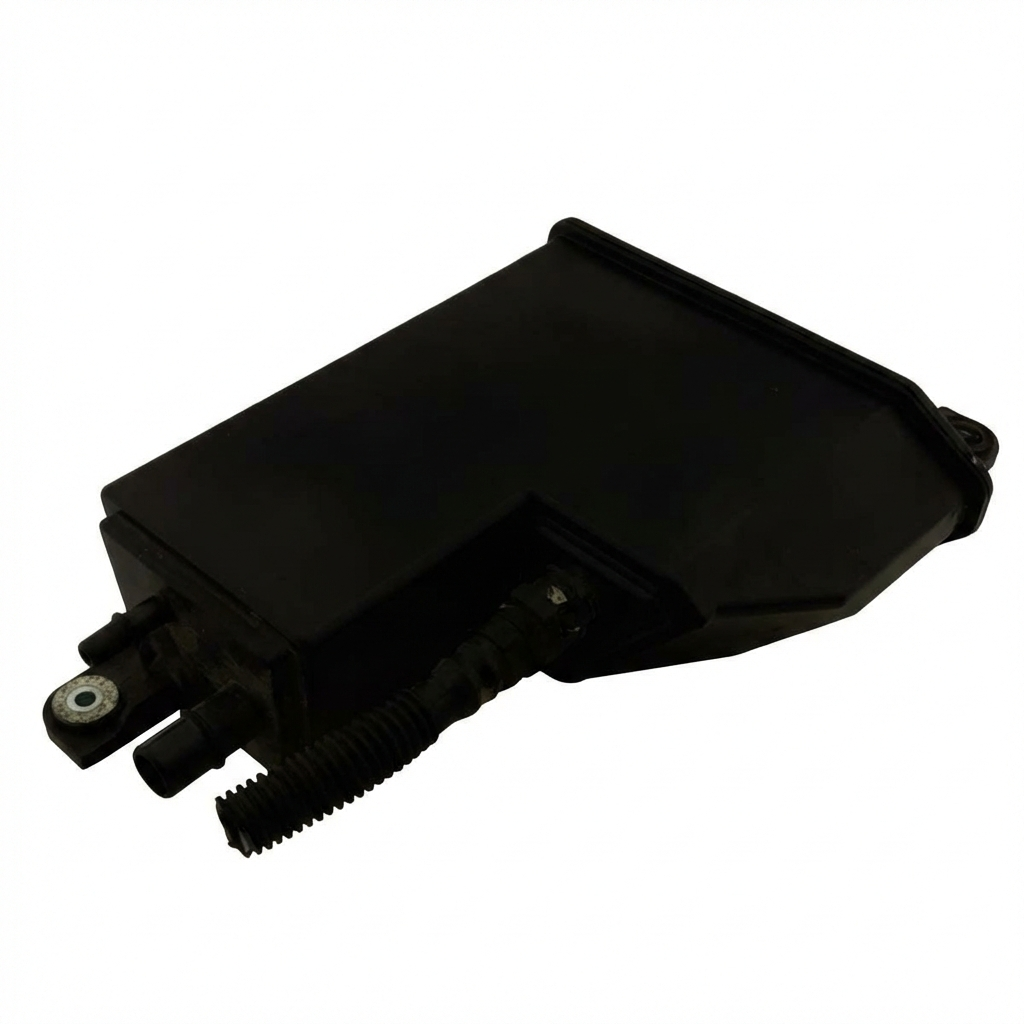
Est. part cost: $15-$35 - Failed EVAP Vent Solenoid/Valve 🔴 High Probability → Shop Vapor Canister On GMT800 models (1999-2006/2007 Classic), the vent solenoid is mounted low near the spare tire, exposing its filter to road debris and moisture. This causes it to clog with dirt and fail, sticking open and creating a leak. GM issued TSB 02-06-04-037H recommending an updated part with a remote filter to solve this.
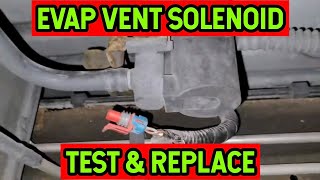
How to confirm: The valve can be tested with a capable scan tool to command it closed (it is normally open). You can also apply 12V directly to its terminals to listen for a click. Visual inspection upon removal may reveal a physical crack in the solenoid's metal housing. Often seen with codes P0446 or P0449.
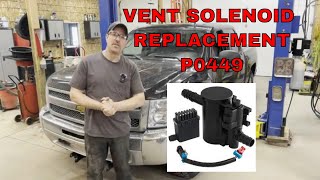
Typical fix: Replace the vent solenoid. It is highly recommended to use the updated kit (GM P/N 19152349 for 2004-2007 models) that includes a hose to relocate the air filter to a cleaner location higher up in the frame. The updated solenoid itself is often ACDelco part 214-2149.
Est. part cost: $30-$75 - Failed EVAP Purge Valve/Solenoid 🟡 Medium Probability → Shop Vapor Canister This valve is located on the engine's intake manifold and cycles frequently during operation, leading to eventual wear and tear. It can get stuck open or closed, allowing un-metered fuel vapor into the intake.
How to confirm: A stuck-open purge valve can cause a rough idle and hard starting, especially after refueling. To test, remove the valve and try to blow through it; it should be closed (no air passes) when not energized. Apply 12V to see if it opens. You can also disconnect the electrical connector and see if the rough idle after fill-up symptom changes.
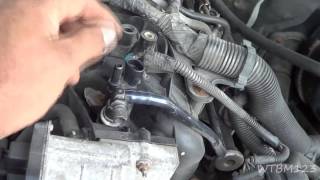
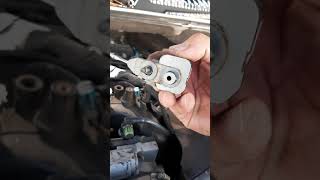
Typical fix: Replace the purge valve. It is typically mounted on the intake manifold with one or two bolts and is relatively easy to access and replace. A common part is ACDelco 214-1105. 🎬 Watch: How to replace the purge solenoid on a V8 engine.
Est. part cost: $25-$50 - Cracked or Disconnected EVAP Hoses/Lines ⚪ Low Probability Over time, the plastic and rubber hoses in the EVAP system can become brittle and crack, especially in areas exposed to heat or road debris. The lines on top of the fuel tank are a common area for cracks to develop after many years of service.
How to confirm: A visual inspection may reveal obvious cracks or disconnected lines. However, small cracks are hard to see. The most effective method is a professional smoke test, as noted in NHTSA ODI #10192200, where an initial inspection found nothing until a smoke test was performed to locate the EVAP problem.
Typical fix: Replace the specific section of cracked hose. This can range from a simple rubber elbow to a more complex pre-formed plastic line. Accessing lines on top of the tank may require lowering the tank or lifting the truck bed.
Est. part cost: $10-$100
Rare But Worth Checking
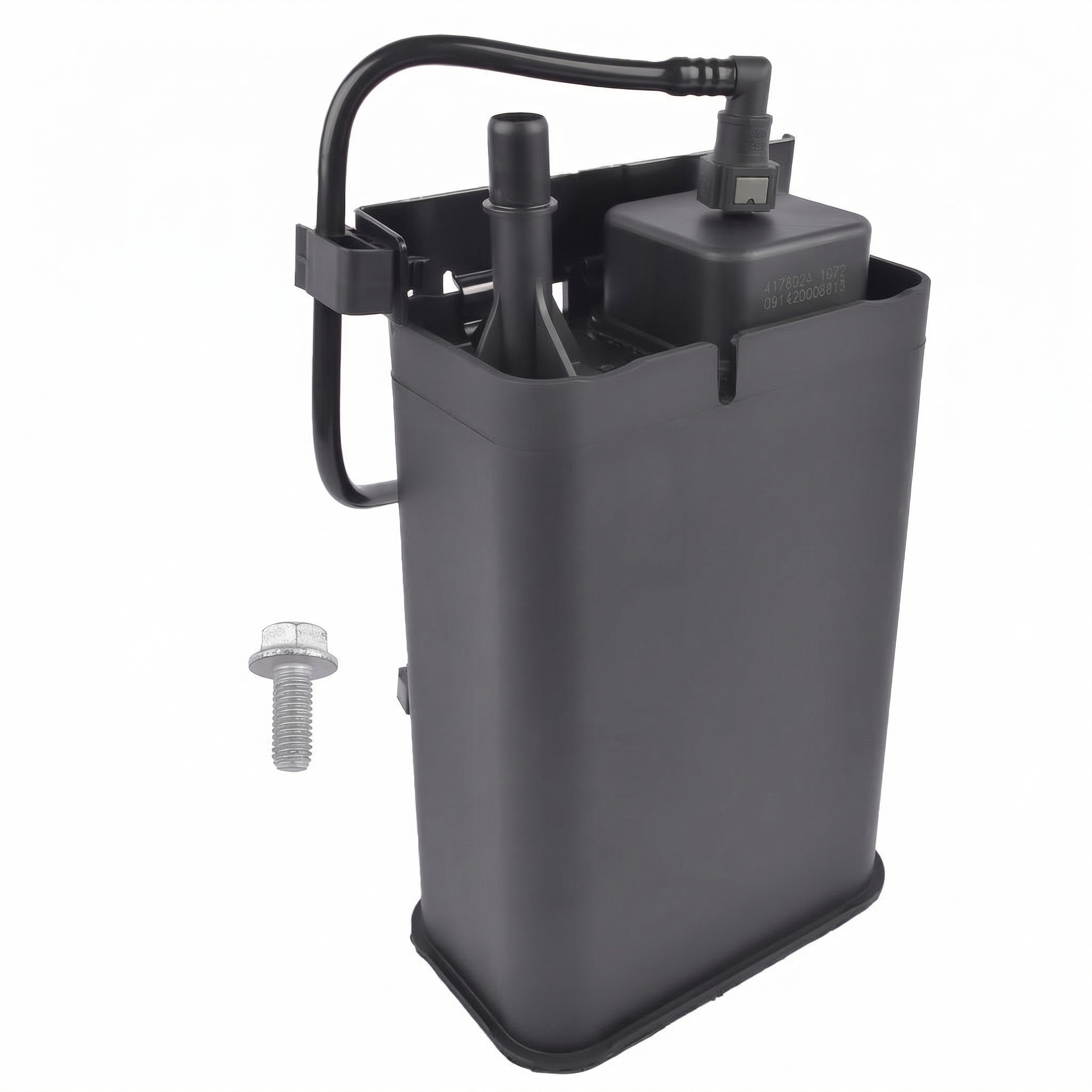
- Leaking Charcoal Canister: → Shop Vapor Canister The plastic housing of the canister can develop cracks from age or impact from road debris. More commonly, it can become saturated with fuel if the tank is repeatedly overfilled, which can lead to damage and codes. A smoke test is the best way to confirm a cracked canister.
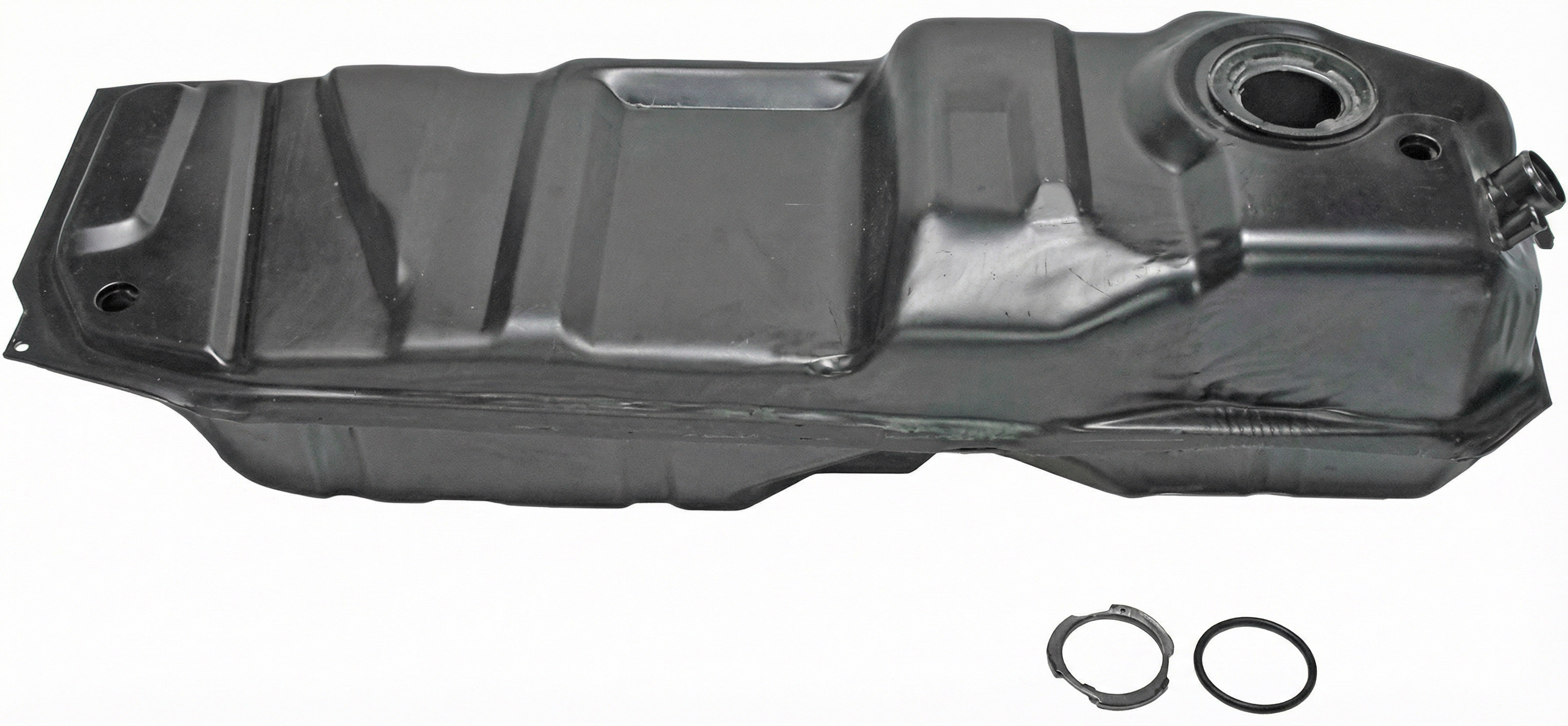
- Faulty Fuel Tank Pressure (FTP) Sensor: → Shop Fuel Tank The sensor itself can fail and send incorrect pressure readings to the ECM, causing the computer to think there is a leak when there isn't one. This is more likely to set a specific sensor code (like P0452-P0453) but can occasionally contribute to a general P0440. It is located on top of the fuel pump module inside the gas tank, making replacement labor-intensive.
- Rusted Fuel Filler Neck: → Shop Fuel Filler Neck In regions with heavy road salt use, the metal fuel filler neck can rust through, creating a leak in the EVAP system that is often mistaken for a bad gas cap. The rust can create pits on the sealing surface where the gas cap O-ring sits, preventing a proper seal.
- Cracked Fuel Pump Module / Seal: → Shop Fuel Pump The plastic top of the fuel pump module, where the FTP sensor and lines connect, can develop hairline cracks over time. NHTSA ODI #10191706 and #10184336 describe cases where a crack or small fracture occurred on the fuel tank where the filler neck meets the tank, causing P0440 and fuel leaks. This can create a leak that is very difficult to find and may require dropping the fuel tank for a thorough inspection.
Diagnosis Steps
- Check the Gas Cap: This is the most common cause. Remove the gas cap, inspect the rubber seal for cracks or damage, and clean the sealing surfaces on both the cap and the fuel filler neck. Reinstall the cap, ensuring it clicks several times. Clear the code and drive for a few days to see if it returns.
- Visual Inspection: Inspect all accessible EVAP hoses and lines running from the fuel tank to the engine. Look for any obvious cracks, breaks, or disconnections. Pay attention to the fuel filler neck for signs of significant rust or damage.
- Test the Purge Valve (Engine Bay): Locate the purge valve on the intake manifold. With the engine off, disconnect the line running to the canister and try to blow through the valve. It should be closed. Use a scan tool or apply 12V power to command it open and check if it actuates.
- Test the Vent Solenoid (Under Truck): Locate the vent solenoid near the charcoal canister (in front of the spare tire). Use a scan tool to command it closed (it is normally open). If you can still blow air through it, it's stuck open and needs replacement. Alternatively, apply 12V to check for the clicking sound of the solenoid operating. Given the high failure rate, many owners replace this part proactively.
- Perform a Smoke Test: If the above steps do not reveal the issue, the most effective next step is to have a smoke test performed. A machine injects low-pressure, high-density smoke into the EVAP system. Any leaks will be revealed by smoke exiting from the cracked component (hose, canister, filler neck, etc.).
- Check Fuel Tank Pressure (FTP) Sensor: If no leaks are found, use a scan tool to monitor the FTP sensor readings. The voltage should change when applying vacuum to the system. If the reading is stuck or irrational, test the wiring at the sensor connector on top of the fuel tank.
Parts You'll Likely Need
- EVAP Vent Solenoid / Valve
- Gas Cap
- EVAP Purge Valve / Solenoid
Related Codes That Often Appear With This One
- P0446 — This code specifically indicates a fault in the EVAP vent control circuit, strongly pointing to a failed or clogged vent solenoid, which is a very common cause of P0440 on these trucks as outlined in TSB 02-06-04-037H.
- P0449 — Similar to P0446, this code points directly to a malfunction in the vent valve solenoid circuit, making the vent solenoid the primary suspect.
- P0455 — Indicates a large EVAP leak. While P0440 is a general malfunction, it can appear alongside P0455 if the leak is significant, such as from a very bad gas cap seal or a stuck-open vent valve.
- P0442 — Indicates a small EVAP leak. This can be caused by a small crack in a hose or a deteriorating gas cap seal. It often requires a smoke test to locate.
Technical Service Bulletins (TSBs) & Recalls
- 02-06-04-037H: This is the primary TSB for GMT800 trucks. It addresses the common failure of the EVAP vent valve due to dirt/dust intrusion. The fix is to replace the original vent solenoid with a new sealed unit and add a remote filter box, relocating the air intake to a cleaner area (e.g., above the transmission). It provides specific kit part numbers for different model year ranges.
- 09-06-04-028D: A similar TSB for later model GMT900 trucks that also addresses EVAP issues, including difficulty filling the gas tank. The correction also involves installing an updated vent valve assembly and a remote filter to prevent debris from clogging the system.
Platform-Specific Known Issues
- Vent Solenoid Location and Failure: The primary vehicle-specific issue for 1999-2007 Classic models is the location of the EVAP vent solenoid. It is mounted under the bed near the spare tire, where its filter is exposed to road grime, dust, and water. This leads to frequent clogging and failure, making it the most common cause for P0440, P0446, and P0449 codes. The official fix is a TSB-recommended relocation kit.
- Fuel Filler Neck Rust: → Shop Fuel Filler Neck In areas where road salt is used (the 'Rust Belt'), the steel fuel filler neck is prone to corrosion. Rust can perforate the neck itself or create a rough, pitted surface where the gas cap seals, preventing a tight seal and causing a P0440 code. A visual inspection of the filler neck sealing surface is crucial if a new gas cap doesn't solve the problem.
Mechanic-Grade Diagnostic Values
- EVAP Purge Valve Solenoid Resistance — expected: 15 to 30 Ohms is a common range for this type of solenoid.. Failure: A reading of 0 Ohms (short circuit) or infinite/OL (open circuit) indicates a failed solenoid coil.
- Fuel Tank Pressure (FTP) Sensor Voltage (KOEO, connector unplugged) — expected: Approximately 5V on the Gray reference wire to the Black ground wire. The Green signal wire will show near 0V.. Failure: No voltage on the reference wire indicates a wiring or PCM issue. Voltage on the signal wire when unplugged is abnormal.
- Fuel Tank Pressure (FTP) Sensor Live Data (KOEO) — expected: Around 1.5 Volts with the gas cap off (atmospheric pressure). Voltage should decrease if vacuum is applied and increase if pressure is applied.. Failure: A reading stuck high (e.g., 4.5V) or low (e.g., 0.1V) regardless of actual tank pressure points to a faulty sensor or wiring.
Hidden / Shadow Codes Worth Checking
- Mode $06, Test ID $26 (and others): GM vehicles don't use proprietary 'shadow codes' for EVAP but provide extensive data through Mode $06. A technician can view the raw test results for individual EVAP system self-tests, such as the weak leak test or large leak test. A failing value here can precede the P0440 code or help pinpoint which part of the test is failing. (see via An advanced scan tool capable of displaying Mode $06 data. The specific Test IDs (TID) and Component IDs (CID) vary by year and engine but are defined in service information.)
Scan Tool Commands That Help
- GM Tech2 / High-End Scan Tool: EVAP Service Bay Test — This is a forced, comprehensive test of the entire EVAP system, simulating the conditions the PCM uses to run its self-test. It commands the vent and purge solenoids and monitors the FTP sensor to confirm system integrity. It's used to verify a repair or to confirm a leak exists when the code is intermittent. The procedure requires holding the engine RPM steady for several minutes.
- Bidirectional Scan Tool: EVAP Vent Solenoid Control (On/Off) — This command allows a technician to manually close the normally-open vent solenoid. It's used to seal the system for a smoke test or to verify the solenoid is working. A technician can command it closed and try to blow through it; if air passes, the solenoid is stuck open. It's also used to check for power and ground at the solenoid connector.
- Bidirectional Scan Tool: EVAP Purge Solenoid Control (% Duty Cycle) — This command manually opens the normally-closed purge solenoid. It's used to check if the valve is physically stuck. A technician can command it open while listening for a click or checking for vacuum pass-through. It can also be used to introduce smoke from a smoke machine directly into the intake manifold to check for other vacuum leaks.
Wiring & Ground Locations
- EVAP Vent Solenoid Connector — Under the truck, near the charcoal canister, typically on the driver's side frame rail in front of the spare tire.. This connector is exposed to the elements and corrosion can cause a P0449 (vent circuit malfunction), which often accompanies a P0440. The Pink wire is typically ignition voltage, and the White wire is the control (ground) from the PCM. On some models, the control wire is Dark Green/White.
- Fuel Tank Pressure (FTP) Sensor Connector — On top of the fuel pump module, which is on the top surface of the fuel tank. Access requires lowering the tank or lifting the bed.. This connector is difficult to access. Knowing the wire colors is critical for remote testing. The wires are typically Gray (5V Reference), Black (Sensor Ground), and Dark Green (Signal). A bad connection here will cause FTP sensor codes (P0452, P0453) and can lead to a P0440.
- Rear Frame Ground — On the driver's side frame rail, often near the fuel tank or spare tire cross-member.. The EVAP system components, including the fuel pump module and vent solenoid, rely on a clean chassis ground. Corrosion at this ground point, common in salt-belt areas, can cause intermittent and difficult-to-diagnose EVAP codes.
- PCM Connector C2 (Blue) — At the Powertrain Control Module (PCM) in the engine bay, typically on the driver's side fender.. For a 2004 model, the EVAP Canister Vent Solenoid Control wire is located at Pin 45 of the Blue C2 connector. This is the final test point to confirm continuity between the PCM and the solenoid if a wiring break is suspected.
Real Owner Repair Stories
- YouTube user 'Fixing my broken stuff' (Toyota (similar EVAP principle)) — Persistent P0440 check engine light.
❌ Tried (didn't work) Replaced gas cap, Inspected hoses in the engine bay, Replaced EVAP components from a junkyard
✅ What actually fixed it After dropping the fuel tank, the owner discovered a crack in the fuel tank vent valve assembly on top of the fuel pump module. Replacing this component finally resolved the P0440 code after driving 400 miles. - YouTube user 'TomsFoolery' (Chevy Silverado) — P0449 (EVAP Vent Solenoid Circuit Malfunction), often seen with P0440.
❌ Tried (didn't work) Initial diagnosis pointed to the vent solenoid.
✅ What actually fixed it Upon removing the original EVAP vent solenoid, a large, obvious crack was found in the metal body of the solenoid itself. This physical failure of the part was the direct cause of the code. Replacing the solenoid with a new one fixed the issue. - NHTSA ODI #10007823 — An owner reported that their engine light kept coming on with code P0440, yet initial diagnostic checks could not find anything wrong with the vehicle.
"I Checked Everything" — The Actual Cause
- In one documented case, after replacing the gas cap and other common parts for a P0440, the final cause was a crack on the fuel tank vent valve, which is part of the fuel pump module assembly. This type of leak on the very top of the tank can be missed by a smoke test if the smoke isn't concentrated in that specific area or if the crack only opens under certain flex/pressure conditions. The fix required dropping the fuel tank to access and replace the faulty component on the module.
OEM Part Supersession History
ACDelco 214-1091 (GM 15759044)→ACDelco 214-2149 (or kit GM 19152349 for 2004+)— The original 214-1091 design had an integrated, non-serviceable filter that was prone to clogging with dust and debris. The updated design (214-2149 and TSB kits) uses a separate, remote filter box that can be mounted in a cleaner location.
Heads up: While the old-style part is still sold, installing it will likely lead to the same clogging failure. It is highly recommended to use the updated kit with the remote filter hose for long-term reliability. The electrical connectors may also differ, but aftermarket kits often include an adapter harness.
Model Year Variations Within This Range
- 1999-2003 vs 2004-2007: The TSB for the vent solenoid relocation specifies different service kits. For 1999-2003 models, kit P/N 19207762 was recommended. For 2004-2007 models, kit P/N 19152349 is specified. The core components are similar but mounting and hose lengths may vary.
- 1999-2006 (GMT800) vs 2007+ (GMT900): The EVAP Purge Solenoid on GMT800 models is typically bolted directly to the driver's side of the intake manifold. On the newer GMT900 platform, the purge solenoid is often mounted to a slide-on bracket on the engine, making removal slightly different.
Diagnostic Flowchart
Real Owner Stories
Aggregated from forums and TSBs cited above. Mileages and costs reflect what owners reported in those sources.
2005 Chevrolet Silverado 2500HD
Symptoms: Experienced a hard start after fueling and multiple EVAP codes including P0441, P0442, P0445, and P0446.
What fixed it: Diagnosed a failed vent solenoid due to its location under the truck, tested the purge valve, and addressed a saturated charcoal canister.
Source hint: Reddit r/GMT800 - Evap problem?
1999-2007 Chevrolet Silverado (GMT800 Classic)
Symptoms: Check Engine Light on with a restricted or blocked EVAP vent path (DTC P0446).
What fixed it: Replaced the original vent solenoid with a new sealed unit and added a remote filter box, relocating the air intake to a cleaner area above the transmission per GM guidelines.
Source hint: TSB 02-06-04-037H
2007 Chevrolet Silverado (GMT900)
Symptoms: Hard to fill the fuel tank and triggered EVAP DTCs P0442, P0446, P0449, and P0455.
What fixed it: Installed an updated vent valve assembly and a remote filter to prevent road debris from clogging the EVAP system.
Source hint: TSB 09-06-04-028D
Related OBD-II Codes
Frequently Asked Questions
Why does my 1999-2007 Silverado 2500 have a hard time starting and a rough idle right after I get gas?
Is there a TSB for the EVAP vent solenoid on my GMT800 Silverado?
I replaced the gas cap on my Silverado but the P0440 code came back. What should I check next?
What is the recommended replacement part for the vent solenoid on a 2004-2007 Silverado 2500?
Why does the gas pump keep clicking off repeatedly when I try to refuel my truck?
How can I test the EVAP purge valve on my Silverado's engine?
Helpful Videos
We Have This Part in Stock

The information in this article is provided for general reference and educational purposes only. Vehicle specifications, procedures, and part compatibility can vary by production date, trim level, and region. Always consult your vehicle's factory service manual and verify part numbers before purchasing or performing repairs. Safety-critical components such as airbags, seat belts, and braking systems should be installed by a qualified professional.
- Chevrolet Silverado 2500:
- 🧭 Diagnostic Flowchart
- 🎬 Helpful Videos
- 🛍️ Shop This Part
- What's Unique About the 1999-2007 Chevrolet Silverado 2500
- Symptoms You May Notice
- Most Likely Causes
- Rare But Worth Checking
- Diagnosis Steps
- Parts You'll Likely Need
- Related Codes That Often Appear With This One
- Technical Service Bulletins (TSBs) & Recalls
- Platform-Specific Known Issues
- Mechanic-Grade Diagnostic Values
- Hidden / Shadow Codes Worth Checking
- Scan Tool Commands That Help
- Wiring & Ground Locations
- Real Owner Repair Stories
- "I Checked Everything" — The Actual Cause
- OEM Part Supersession History
- Model Year Variations Within This Range
- Real Owner Stories
- 2005 Chevrolet Silverado 2500HD
- 1999-2007 Chevrolet Silverado (GMT800 Classic)
- 2007 Chevrolet Silverado (GMT900)
- Related OBD-II Codes
- Frequently Asked Questions
- 🎟️ Get 5% Off