

P0440 on 2000-2006 Chevrolet Tahoe: EVAP System Malfunction Causes and Fixes
For a 2000-2006 Tahoe, code P0440 usually means a problem with the EVAP system, most often a loose or bad gas cap. The next most likely cause is a failed EVAP vent solenoid near the spare tire. A new gas cap is about $15, while a vent solenoid kit is around $30-$60.
- Always check the gas cap first for P0440. A loose or worn cap is the most common and cheapest fix.
- The EVAP vent solenoid, located near the spare tire, is the second most likely cause and a known weak point on 2000-2006 Tahoes. Use the updated kit with the filter relocation hose for a lasting repair.
- While you can safely drive with this code, the vehicle will not pass an emissions inspection.
- If a new gas cap and vent solenoid do not fix the problem, a smoke test is the most reliable way to find the leak, which could be a cracked hose or a faulty purge valve.
What's Unique About the 2000-2006 Chevrolet Tahoe
On the GMT800 platform, which includes the 2000-2006 Tahoe, the EVAP system has a well-known weak point: the vent solenoid. The original part was mounted near the charcoal canister, under the truck by the spare tire, making it extremely vulnerable to clogging from road dust, dirt, and moisture. This frequent clogging causes the valve to stick or fail, triggering general EVAP codes like P0440. GM later issued a Technical Service Bulletin (TSB 02-06-04-037H) acknowledging this issue, particularly for vehicles in dusty environments. The TSB recommends replacing the original solenoid with an updated part that includes a filter and hose to relocate the air intake to a cleaner, more protected location, often near the transmission bell housing.
Symptoms You May Notice
- Check Engine Light is on
- A faint smell of fuel, especially around the rear of the vehicle or after refueling.
- Difficulty refueling (gas pump nozzle clicks off repeatedly) if the vent path is blocked by a stuck-closed vent solenoid.
- A whooshing sound of pressure releasing when opening the gas cap if the canister or vent line is clogged.
- Replacing the purge valve or charcoal canister when the issue is the much more common vent solenoid or a loose gas cap.
- Replacing parts randomly without performing a smoke test to find the actual source of the leak, which can be a small, hard-to-see cracked hose.
Most Likely Causes
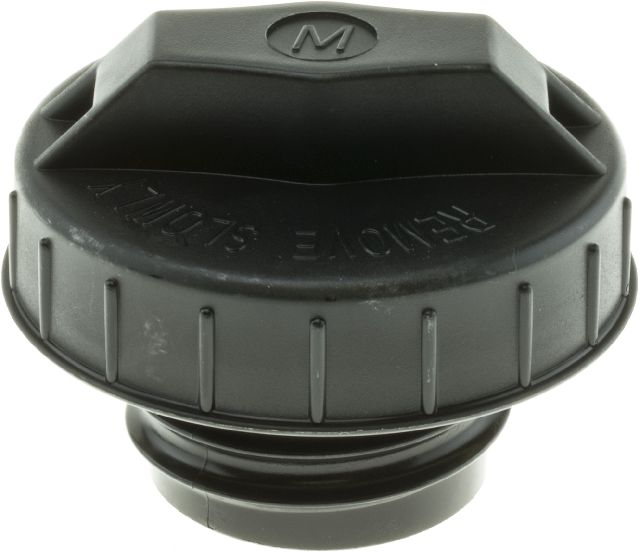
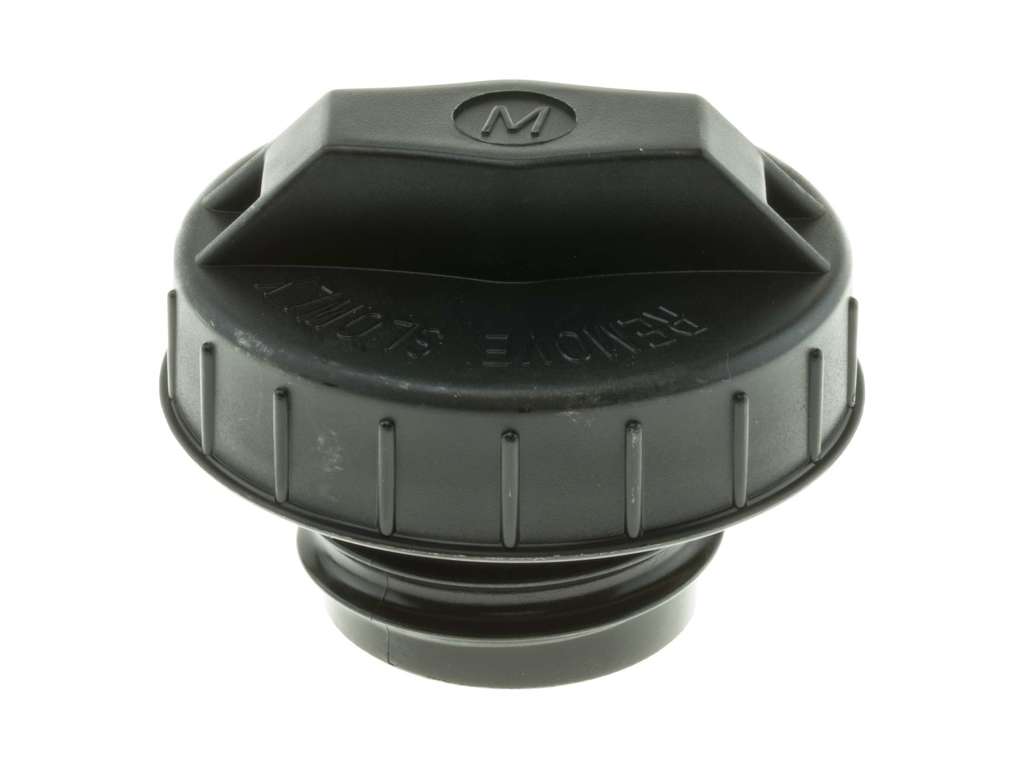
- Loose, Worn, or Incorrect Gas Cap 🔴 High Probability → Shop Fuel Tank Cap The gas cap is the most frequently handled part of the sealed EVAP system, and its seal degrades over time. It's the most common cause for any EVAP code.
How to confirm: Inspect the gas cap for cracks on the seal or body. Ensure it is tightened until it clicks at least once. If the cap is old or the seal is hard and brittle, it's a likely culprit. Many owners report fixing the code simply by replacing an old, even if visually okay, gas cap. However, as noted in NHTSA ODI #10247244, replacing the gas cap does not always resolve the P0440 code if the leak is elsewhere in the system.
Typical fix: Tighten the cap or replace it with a new OEM or quality aftermarket one.
Est. part cost: $10-$25 - Failed EVAP Vent Solenoid 🔴 High Probability → Shop Vapor Canister The original vent solenoid's location near the spare tire makes it highly susceptible to contamination from road debris and moisture, causing it to stick open or closed. This is a widely documented failure on GMT800 trucks and the subject of a GM TSB.
How to confirm: The valve is located near the charcoal canister above the spare tire. A technician can command the valve to open and close with a scan tool while listening for a click. A common symptom of a stuck-closed vent valve is the fuel pump nozzle shutting off repeatedly during refueling. The vent valve should be open with no power applied, and closed (sealed) when 12V DC is applied.
Typical fix: Replace the EVAP vent solenoid. It is highly recommended to use the updated kit that includes a hose to relocate the filter to a less exposed area, as outlined in TSB 02-06-04-037H.
Est. part cost: $25-$60 - Failed EVAP Purge Solenoid 🟡 Medium Probability → Shop Vapor Canister This valve is located on the engine's intake manifold and can get stuck open or closed over time due to carbon buildup or age. It's a common failure point after the gas cap and vent solenoid.
How to confirm: The purge solenoid is located on the driver's side of the intake manifold. With the engine off, disconnect the hose from the valve that leads to the canister; it should be closed and hold vacuum (or you should not be able to blow through it). A technician can use a scan tool to command it open and closed to check for function.
Typical fix: Replace the purge solenoid valve.
Est. part cost: $20-$50 - Cracked or Disconnected EVAP Hoses/Lines ⚪ Low Probability The plastic and rubber lines that make up the EVAP system can become brittle and crack with age and exposure to under-vehicle elements.
How to confirm: A visual inspection may reveal an obvious break, but small cracks are hard to see. The most effective method is a smoke test, where a mechanic forces low-pressure smoke into the EVAP system to see where it escapes. NHTSA ODI #10192200 notes that while an initial inspection may find nothing, a smoke test can successfully identify the source of a P0440 code.
Typical fix: Replace the damaged section of hose.
Est. part cost: $5-$30
Rare But Worth Checking
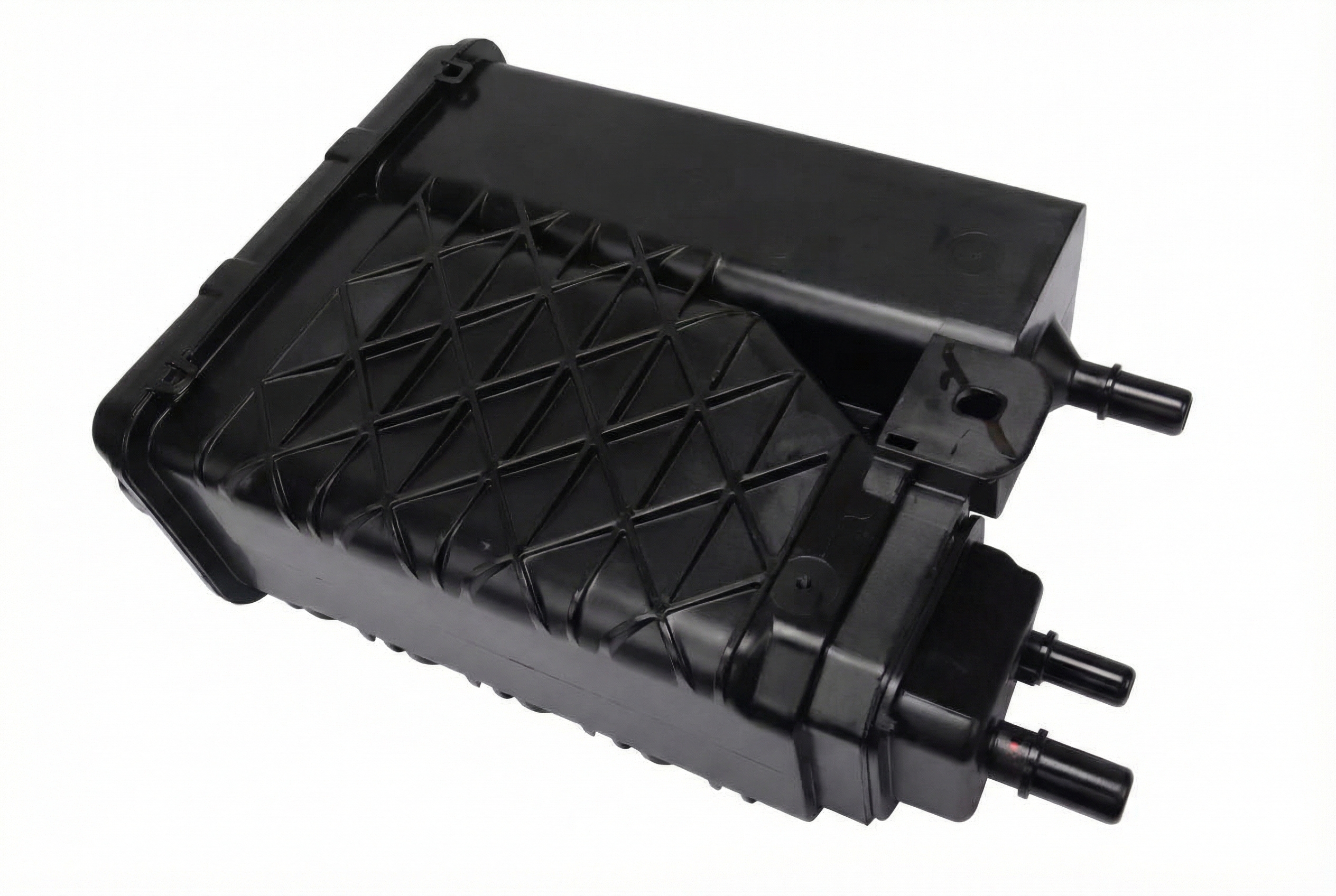
- Cracked Charcoal Canister: → Shop Vapor Canister The canister itself can be damaged by road debris or develop cracks over time, creating a leak. This is less common than the solenoid failures but should be inspected, especially if a smoke test is performed. Some owners on forums have noted that if the vent solenoid is clogged, the canister may also be full of debris.
- Rusted Fuel Filler Neck: → Shop Fuel Filler Neck In areas with heavy road salt use, the metal filler neck (where you insert the gas nozzle) can rust through, creating a leak that the system will detect. This will usually be visible upon inspection. In some Chevrolet models, a crack where the fuel filler neck meets the fuel tank has been reported to cause P0440 and fuel leaks (NHTSA ODI #10191706).
- Fractured Fuel Tank Inlet: → Shop Fuel Tank Similar to filler neck issues, a small fracture on the gas tank where the filler neck meets the tank can trigger a small EVAP leak code like P0440, as described in NHTSA ODI #10184336.
- Faulty Fuel Tank Pressure (FTP) Sensor: → Shop Fuel Tank The sensor that monitors system pressure can fail and send incorrect readings to the computer. This often sets a specific sensor code (like P0452 or P0453) but can sometimes contribute to a general P0440. It is located on top of the fuel pump module inside the gas tank, making replacement labor-intensive.
- Leaking Fuel Pump Module Seal: → Shop Fuel Pump When the fuel pump is replaced, the large O-ring that seals the module to the tank can be improperly seated, pinched, or damaged, causing an EVAP leak. This is a common cause of P0440 immediately after a fuel pump replacement.
Diagnosis Steps
- Check the gas cap. Remove it, inspect the seal for cracks or damage, and reinstall it, ensuring it clicks at least once. Clear the code and see if it returns after a few drive cycles. This is the easiest and most common fix.
- If the code returns, visually inspect all accessible EVAP hoses and lines between the engine, charcoal canister, and fuel tank for obvious cracks, breaks, or disconnections. Pay close attention to the lines near the canister under the vehicle.
- Locate the EVAP vent solenoid near the spare tire. Inspect its wiring and connector for damage. If you have a bidirectional scan tool, command the solenoid on and off to listen for a click. If you don't, you can apply 12V directly to its pins to test for a click.
- Locate the EVAP purge solenoid on the driver's side of the engine's intake manifold. Inspect its wiring and connector. With the engine off, disconnect the valve; it should be normally closed. Try blowing through it; if air passes, it's stuck open and needs replacement.
- If the previous steps do not identify the problem, the most definitive way to find the leak is with a professional smoke test. This involves injecting vaporized smoke into the EVAP system's service port to visually identify the source of the leak from a hose, the canister, or the filler neck.
- If no leaks are found, the Fuel Tank Pressure (FTP) sensor may be faulty, though this is less common and usually sets its own code. Note that some owners have reported persistent P0440 codes where no obvious fault could be found during standard diagnostic checks (NHTSA ODI #10007823).
Parts You'll Likely Need
- Gas Cap
(OEM #ACDelco GT281 (replaces GT248))— This is the most common cause due to wear and tear on the seal. It's an inexpensive first step in diagnosis.
Trusted brands: ACDelco, Stant
OEM price range: $20-$30
Aftermarket price range: $10-$20 - EVAP Vent Valve Solenoid Kit
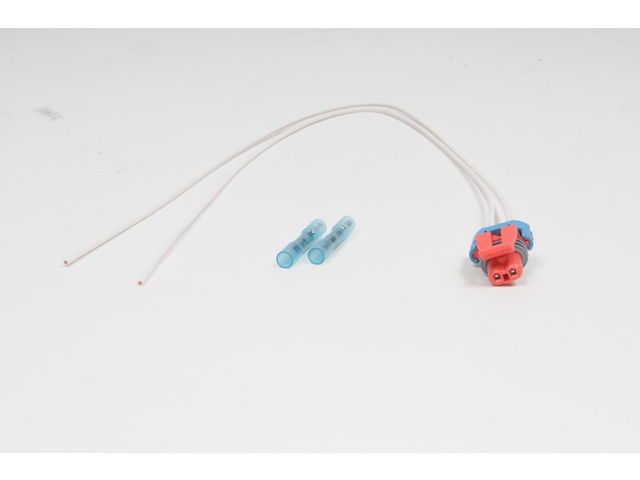
(OEM #ACDelco 214-2149 (kit with filter relocation))— This part is a known failure point on this platform due to its vulnerable location. The updated kit helps prevent repeat failures as per TSB 02-06-04-037H.
Trusted brands: ACDelco, Dorman (Part # 911-032)
OEM price range: $40-$70
Aftermarket price range: $25-$50 - EVAP Purge Valve Solenoid
(OEM #ACDelco 214-641 (replaces 12581282))— A common failure after the gas cap and vent solenoid have been ruled out. It can get stuck open or closed.
Trusted brands: ACDelco, Bosch
OEM price range: $30-$50
Aftermarket price range: $20-$40
Related Codes That Often Appear With This One
- P0446 — This code specifically points to a fault in the EVAP vent control circuit, often caused by the same clogged or failed vent solenoid that triggers P0440.
- P0449 — Similar to P0446, this code indicates a malfunction in the vent valve/solenoid circuit, making the vent solenoid the primary suspect.
- P0455 — Indicates a large EVAP leak. This can appear with P0440 if the gas cap is left off or the vent valve is stuck wide open.
- P0442 — Indicates a small EVAP leak. This can be triggered by the same issues as P0440, such as a deteriorating gas cap seal or a small crack in a hose.
Technical Service Bulletins (TSBs) & Recalls
- 02-06-04-037H: Recommends replacing the original EVAP vent solenoid with an updated kit (GM P/N 19257603, which corresponds to ACDelco 214-2149) to prevent contamination from dirt and debris. The bulletin specifically mentions vehicles operated in dusty environments.
Platform-Specific Known Issues
- A GM Technical Service Bulletin (TSB 02-06-04-037H) was issued for the EVAP vent solenoid. It addresses the common issue of the valve clogging with dirt and recommends replacing it with an updated kit that relocates the air filter to a cleaner location.
Mechanic-Grade Diagnostic Values
- EVAP Vent Solenoid Coil Resistance — expected: Approximately 20 Ohms. Failure: An open circuit (infinite resistance) reading on a multimeter indicates a failed solenoid coil.
- Fuel Tank Pressure (FTP) Sensor Voltage (Key On, Engine Off, Gas Cap Off) — expected: 1.3V to 1.7V. Failure: A voltage that is stuck low (e.g., 0.2V) or high and does not change when the gas cap is removed points to a faulty sensor or wiring issue.
- Fuel Tank Pressure (FTP) Sensor 5V Reference — expected: 5.0V. Failure: A lack of 5V on the reference wire (often tan) at the sensor connector indicates a wiring problem or a fault in the PCM.
Scan Tool Commands That Help
- Tech 2 / GDS2: EVAP Service Bay Test — This is a comprehensive, automated test that allows a technician to command the entire EVAP system through a test cycle without driving the vehicle. It will command the purge and vent solenoids and monitor the FTP sensor to verify the system can build and hold a vacuum, helping to confirm a leak exists before performing a smoke test.
- Tech 2 / GDS2: EVAP Purge/Seal — This function allows for manual, bidirectional control of the individual solenoids. A technician can command the vent solenoid closed and the purge solenoid open to manually draw a vacuum and then seal the system to watch for decay on the FTP sensor data, isolating which part of the test is failing.
- Tech 2 / GDS2: Vent Valve Control — Allows a technician to command the vent valve closed while listening for the click or checking for power at the valve's connector. This is used to confirm the valve is responding to PCM commands before condemning the valve itself.
Wiring & Ground Locations
- G103 / G104 — Located on the rear of the engine block, one on the left (G104) and one on the right (G103).. These are primary engine-to-chassis grounds. While not exclusive to the EVAP system, poor grounding here can cause a host of erratic electronic issues, including incorrect sensor readings and faulty solenoid operation. They are a common source of difficult-to-diagnose electrical problems on the GMT800 platform.
- FTP Sensor Connector — On top of the fuel pump module, accessible after dropping the fuel tank.. The three wires are typically Tan (5V Reference), Dark Green (Signal), and Gray (Ground). Technicians can test for 5V and good ground at this connector to rule out a wiring issue before replacing the sensor, which is a labor-intensive job.
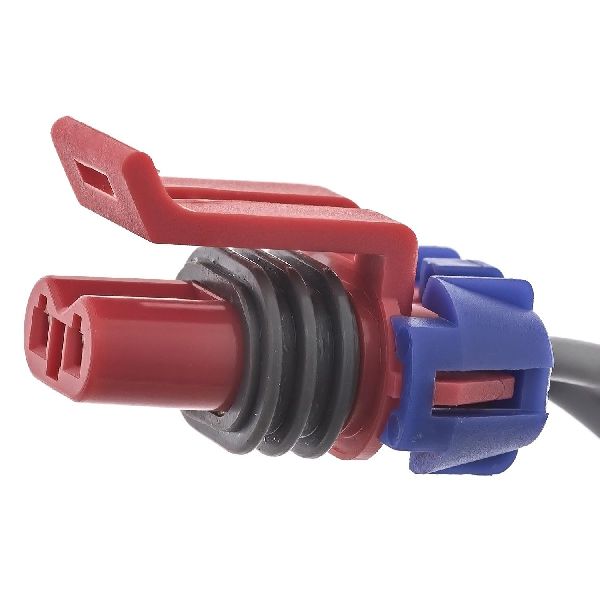
- EVAP Vent Solenoid Connector — Near the charcoal canister, above the spare tire.. This connector is exposed to road debris and moisture. Corrosion on the pins can cause intermittent connection and codes like P0449 or P0440. It's critical to inspect the connector terminals for green corrosion when replacing the solenoid.
Real Owner Repair Stories
- Tahoe Yukon Forum (2000-2006 Tahoe (model year not specified)) — Persistent P0440 code, excessive pressure release when removing gas cap.
❌ Tried (didn't work) Replaced gas cap, Replaced EVAP purge valve solenoid (on intake), Replaced EVAP vent valve solenoid (by the tank)
✅ What actually fixed it The user noted that after replacing the common solenoids, the issue persisted. Another user pointed out that if the vent solenoid was clogged with dirt, the charcoal canister was likely also full of debris and restricting flow. The final recommendation that resolved the issue for others in the thread was to replace the entire charcoal canister, as it had become plugged.
OEM Part Supersession History
GM part for early-style vent solenoid (integrated filter)→ACDelco 214-2149 (or Dorman 911-032)— The original design with the filter integrated into the solenoid body was highly prone to clogging from road debris. The updated part is a kit that separates the solenoid from the filter, allowing the filter to be mounted via a hose to a cleaner, more protected location high in the chassis.
Model Year Variations Within This Range
- 2000-2002 vs 2003-2006: While the core EVAP system components are largely the same, the 2003 model year marked a significant interior and electronics refresh for the Tahoe. This primarily affects the dashboard, center console, and radio size (1.5 DIN in 00-02 vs. true Double DIN in 03-06). This is not directly related to P0440 but is a critical distinction for owners when sourcing other interior parts or considering electronic upgrades.
Diagnostic Flowchart
Other Known Issues on This Vehicle
Issues unrelated to this code that are worth knowing about as an owner of this generation:
- Instrument Cluster Stepper Motor Failure 🟠 Medium — Extremely common. Gauges (speedometer, tachometer, fuel, etc.) may become erratic, get stuck, or stop working entirely. Often starts intermittently, especially in cold weather. (Ref: Special Coverage Adjustment 07187B extended warranty coverage for this issue, but has since expired.)
- Cracked Dashboard 🟡 Low — Very common, especially in vehicles exposed to significant sun/heat. Cracks typically develop on the passenger side near the airbag or on the main instrument panel bezel.
- Fuel Pump Failure 🔴 High → Shop Fuel Pump — A frequent failure item. Symptoms include long crank times, engine stalling, whining noise from the tank, or a no-start condition. The top of the fuel pump module is also known to rust out in salt-belt regions, causing fuel leaks and strong gas smells.
- Intake Manifold Gasket Leaks 🟠 Medium — The original gaskets can degrade, causing unmetered air to enter the engine, leading to lean codes (P0171, P0174) and a rough idle.
- 4L60-E Automatic Transmission Failures 🔴 High — While generally reliable under normal use, the 4L60-E can be prone to failure, especially when used for heavy towing. Common issues include failure of the 3-4 clutch pack (loss of 3rd/4th gear) and sun shell fractures (loss of reverse).
Used vs. New Parts: Buying Guide for This Vehicle
When a used part is the smart pick: A used charcoal canister from a junkyard can be a cost-effective choice, especially if the vehicle is from a dry, non-rust-belt region. The canister itself is a passive component and less prone to failure than the electronics attached to it.
Donor-vehicle mileage cap: roughly under 150000 miles for the part to have meaningful remaining life.
What to inspect on the donor part:
- Inspect the canister for any physical cracks or damage from road debris.
- Check the plastic hose fittings to ensure they are not brittle or broken.
- If possible, tap the canister and listen; if it rattles excessively or black charcoal dust comes out of the ports, the internal structure has failed and it should be avoided.
OEM-only on this vehicle (don't cheap out):
- Gas Cap
- EVAP Vent Valve Solenoid Kit
Aftermarket brands forum-validated for this vehicle:
- ACDelco (OEM supplier)
- Dorman (for the vent solenoid relocation kit, #911-032)
- Bosch (for purge solenoid)
Brands owners have reported issues with on this vehicle:
- No-name, unbranded electronic solenoids from online marketplaces are frequently reported to fail prematurely.
Real Owner Stories
Aggregated from forums and TSBs cited above. Mileages and costs reflect what owners reported in those sources.
2000-2006 Chevrolet Tahoe
Symptoms: The owner experienced a P0440 code and noted excess pressure releasing from the gas cap (a whooshing sound) when opening it.
What fixed it: The issue was attributed to a plugged EVAP canister, likely caused by a clogged vent solenoid.
Source hint: tahoeyukonforum.com thread titled 'p0440 code - Tahoe Yukon Forum'
2000-2006 Chevrolet Tahoe
Symptoms: Check Engine Light with code P0440; the owner tried replacing other parts first without success.
What fixed it: Replacing the purge solenoid on the intake manifold finally resolved the code. Another user in the same discussion resolved it by blowing out the charcoal canister with compressed air.
Source hint: tahoeyukonforum.com thread titled 'P0440 Evaporative Emissions System Code - Tahoe Forum'
1999-2006 Chevrolet Silverado (GMT800)
Symptoms: P0440 code appeared immediately after the fuel pump was replaced.
What fixed it: The O-ring seal for the fuel pump module was likely not seated correctly, or an EVAP line was broken/disconnected during reassembly.
Source hint: gmt800.com thread titled 'p0440 code after fuel pump replacement - GMT800 Forum'
Documented NHTSA Reports
NHTSA ODI #10247244
Symptoms: An owner reported that the Service Engine Soon light came on with code P0440, indicating a small EVAP emission leak. This occurred twice over a 2-3 week period.
What fixed it: The owner replaced the gas cap, but that was not the problem as the light came back on.
NHTSA ODI #10192200
Symptoms: A Service Engine light was triggered by code P0440, indicating a fuel evaporation system problem.
What fixed it: While an initial inspection found nothing, the source of the leak was identified upon performing a smoke test.
NHTSA ODI #10191706
Symptoms: A report describes a crack where the fuel filler neck meets the fuel tank, which causes DTC P0440 to be set and fuel to leak from the tank.
NHTSA ODI #10184336
Symptoms: The check engine light came on with code P0440 for a small EVAP leak.
What fixed it: Further investigation revealed a small fracture on the gas tank where the filler neck meets the tank.
NHTSA ODI #10007823
Symptoms: An owner reported the engine light keeps coming on with code P0440, yet no one could find anything wrong with the vehicle during diagnostic checks.
Related OBD-II Codes
Frequently Asked Questions
Is there a specific GM technical bulletin for the EVAP vent solenoid on my Tahoe?
Why does the gas pump nozzle keep clicking off when I try to fill up my 2000-2006 Tahoe?
Where is the EVAP purge solenoid located on the GMT800 Tahoe engine?
I just replaced my fuel pump and now I have a P0440 code. What happened?
Why is the vent solenoid so prone to failure on this specific vehicle?
Can I fix the P0440 code just by tightening my gas cap?
Helpful Videos
Used OEM Parts in Stock
New Aftermarket Parts Available


The information in this article is provided for general reference and educational purposes only. Vehicle specifications, procedures, and part compatibility can vary by production date, trim level, and region. Always consult your vehicle's factory service manual and verify part numbers before purchasing or performing repairs. Safety-critical components such as airbags, seat belts, and braking systems should be installed by a qualified professional.
- Chevrolet Tahoe:
- 🧭 Diagnostic Flowchart
- 🎬 Helpful Videos
- 🛍️ Shop This Part
- What's Unique About the 2000-2006 Chevrolet Tahoe
- Symptoms You May Notice
- Most Likely Causes
- Rare But Worth Checking
- Diagnosis Steps
- Parts You'll Likely Need
- Related Codes That Often Appear With This One
- Technical Service Bulletins (TSBs) & Recalls
- Platform-Specific Known Issues
- Mechanic-Grade Diagnostic Values
- Scan Tool Commands That Help
- Wiring & Ground Locations
- Real Owner Repair Stories
- OEM Part Supersession History
- Model Year Variations Within This Range
- Other Known Issues on This Vehicle
- Used vs. New Parts: Buying Guide for This Vehicle
- Real Owner Stories
- 2000-2006 Chevrolet Tahoe
- 2000-2006 Chevrolet Tahoe
- 1999-2006 Chevrolet Silverado (GMT800)
- Documented NHTSA Reports
- NHTSA ODI #10247244
- NHTSA ODI #10192200
- NHTSA ODI #10191706
- NHTSA ODI #10184336
- NHTSA ODI #10007823
- Related OBD-II Codes
- Frequently Asked Questions
- 🎟️ Get 5% Off