

P0440 on 2011-2023 Chrysler 300: EVAP System Malfunction Causes and Fixes
For a 2011-2023 Chrysler 300, code P0440 is most often caused by a faulty EVAP System Integrity Module (ESIM), also known as a leak detection pump. This part costs around $30-$75 and is a common failure point on this platform. Before replacing parts, owners of 2013-2014 models should check for TSB 25-003-14, which may fix the code with a simple PCM software update.
- P0440 on a 2011-2023 Chrysler 300 is a general EVAP system fault that does not affect how the car drives.
- Before performing complex diagnostics, check the capless fuel filler door for debris that could prevent a seal.
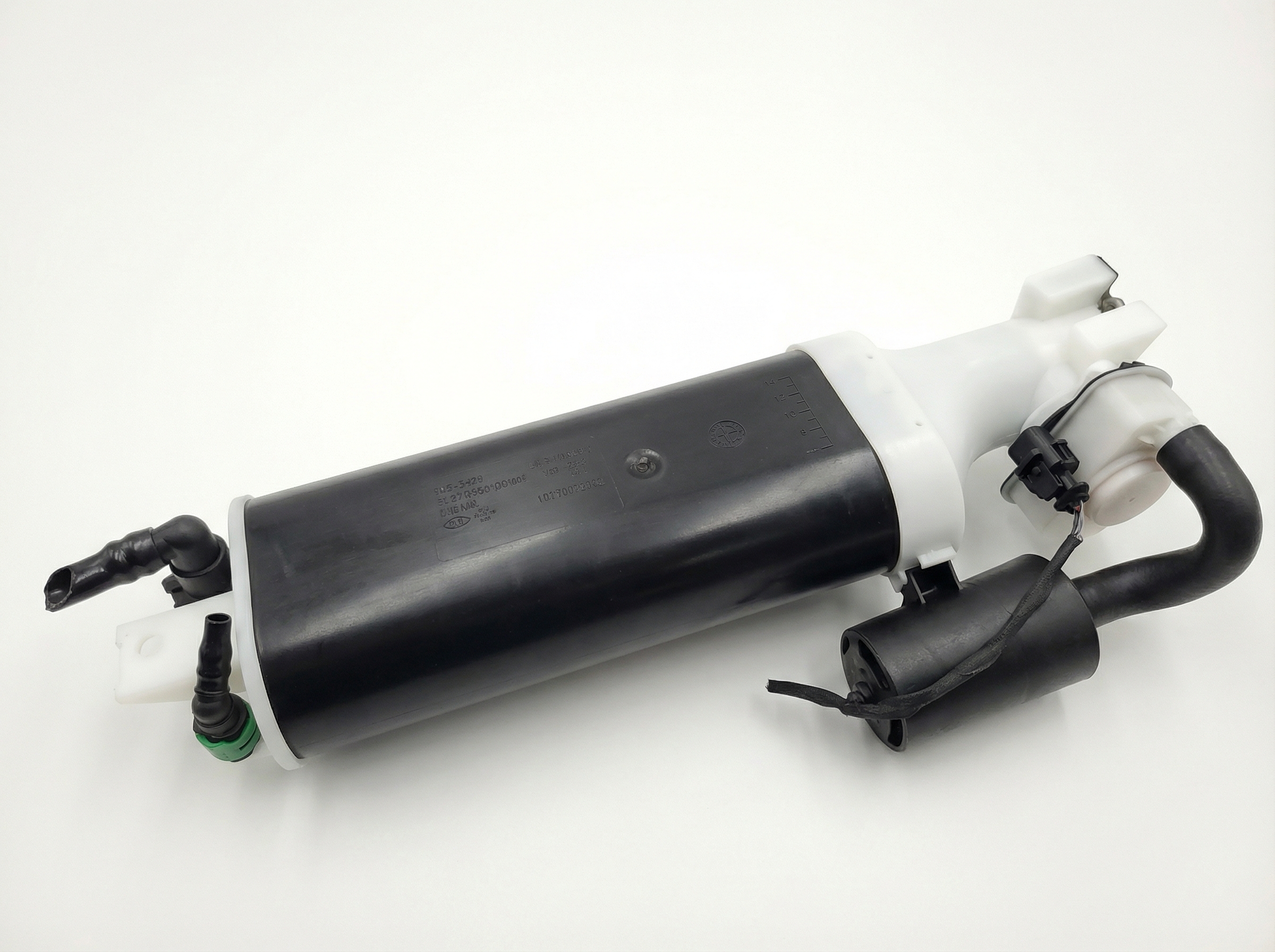
- The most likely part to have failed is the EVAP System Integrity Module (ESIM), located behind the passenger rear wheel well liner.
- A rattling sound when shaking the old ESIM is a strong indicator that it has failed.
- If the ESIM is not the cause, the next most likely culprits are the purge valve in the engine bay or a cracked EVAP hose.
What's Unique About the 2011-2023 Chrysler 300
The Chrysler 300 from this era, along with its platform mates like the Dodge Charger, uses an EVAP System Integrity Module (ESIM) that is a known high-failure item. Unlike many cars where a loose gas cap is the number one cause, many 2011-2023 models are capless, shifting the diagnostic focus to other components. The ESIM, which is mounted directly to the charcoal canister, frequently fails internally and is often the root cause for P0440, sometimes accompanied by small or large leak codes like P0456 or P0455. Furthermore, Chrysler issued TSB 25-003-14 for some 2013-2014 models, indicating the code could be triggered by a software error in the PCM, a unique consideration for this platform before replacing hardware. More recently, manufacturer service bulletin #1809223 notes that P0440, along with P0455, P0456, and P0441, may be set due to software issues requiring a PCM reprogramming.
Symptoms You May Notice
- Check Engine Light is on
- A faint to moderate smell of raw fuel, often noticeable near the rear of the vehicle or after refueling.
- Failure to pass a state emissions inspection.
- Remote start feature may be disabled.
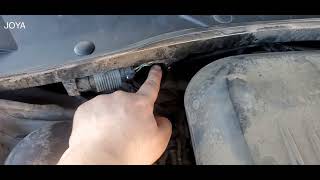
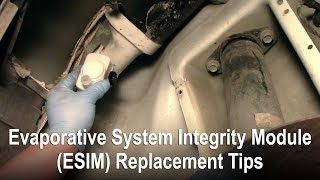
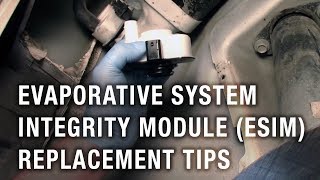
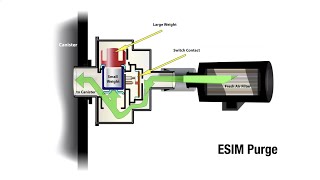
- Replacing the purge valve when the ESIM is the actual problem. Many owners start with the purge valve because it's easier to access, but on this platform, the ESIM is a more frequent cause. 🎬 Watch: Pro tips for replacing the ESIM on this platform.
- Replacing parts without first checking for applicable TSBs, especially on 2013-2014 models where a software update might be the only fix needed.
Most Likely Causes
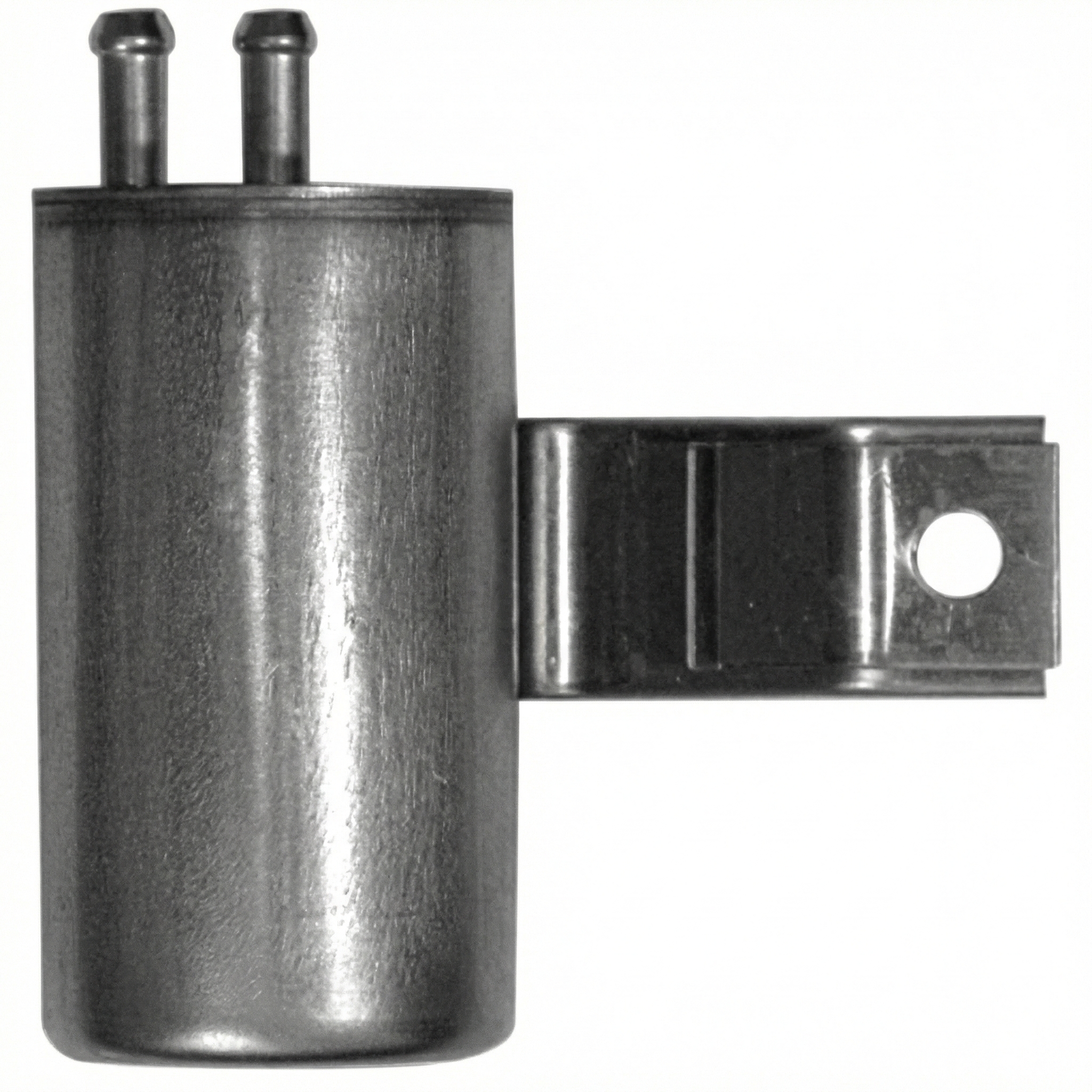
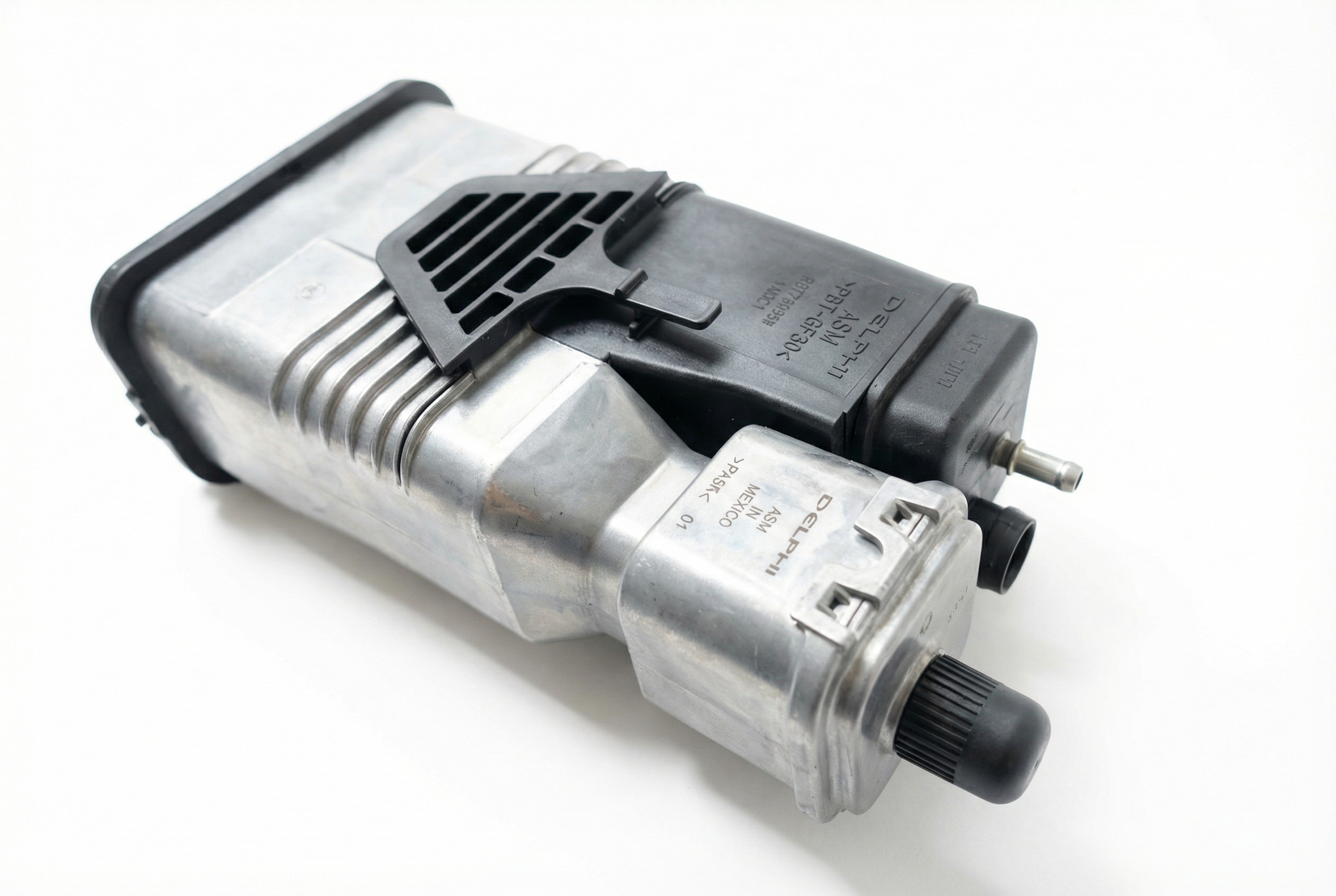
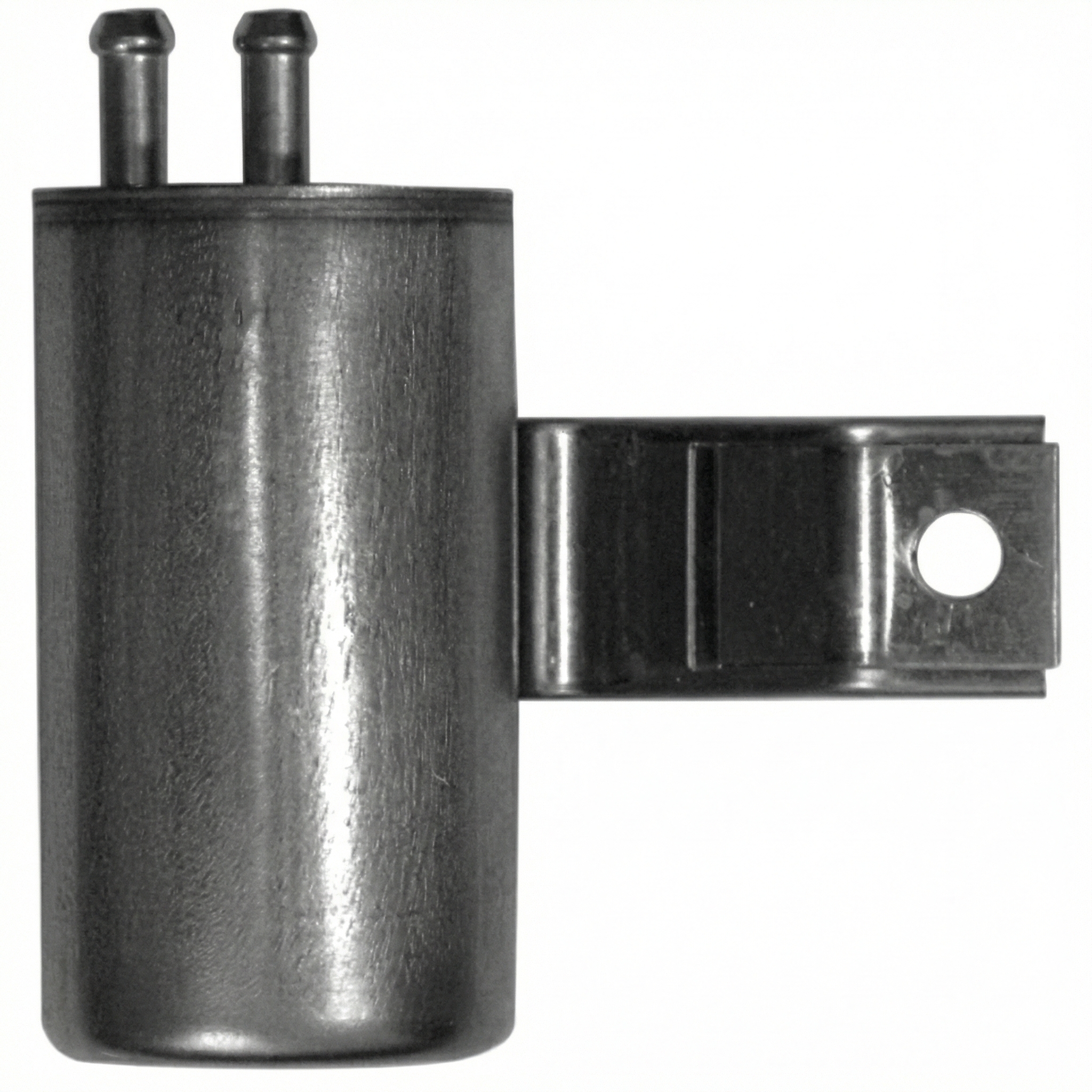
- Faulty EVAP System Integrity Module (ESIM) / Leak Detection Pump 🔴 High Probability → Shop Vapor Canister The internal weighted switch mechanism in the ESIM is a common failure point on many Chrysler, Dodge, and Jeep vehicles of this era. Forum users on Reddit and dedicated Chrysler forums frequently confirm this is the most likely culprit.
How to confirm: Access the ESIM, which is attached to the charcoal canister behind the passenger-side rear wheel well liner. Remove the part (quarter-turn twist-off) and shake it; a distinct rattling sound often indicates an internal failure and is a widely accepted 'quick test' by the community. A definitive test requires a scan tool that can monitor the ESIM switch state or a smoke machine.
Typical fix: Replace the ESIM. This involves removing the passenger rear wheel and liner, unplugging the electrical connector and hose, then twisting the module to release it from the charcoal canister. Ensure the new module is installed with the electrical connector oriented correctly, typically at the 3 o'clock position.
Est. part cost: $30-$75 - Faulty EVAP Purge Valve / Solenoid 🟡 Medium Probability → Shop Vapor Canister The purge valve operates frequently and can become stuck open or closed due to carbon buildup or simple wear, creating a leak or a blockage in the system. This is a common failure on many vehicles, including the Chrysler 300.
How to confirm: The purge valve is located in the engine bay. For the 3.6L V6, it's on the passenger side of the intake manifold. For the 5.7L V8, it's also typically on the passenger side near the firewall. With the engine off, disconnect the vapor line and apply hand vacuum to the port; it should hold vacuum. If it doesn't, it's stuck open and needs replacement. A scan tool can also be used to command the valve closed and monitor fuel tank pressure; a drop in pressure indicates a leak.
Typical fix: Replace the purge valve solenoid. This is generally an easy repair involving disconnecting two hoses and an electrical connector.
Est. part cost: $25-$60 - Leaking or Damaged EVAP Hoses 🟡 Medium Probability
How to confirm: Visually inspect all EVAP lines running from the fuel tank, along the chassis, and to the purge solenoid in the engine bay. Look for obvious cracks, rot, or disconnections, paying special attention to the plastic lines near the engine which can become brittle. A professional smoke test is the most effective way to find small, hard-to-see leaks.
Typical fix: Replace the damaged section of hose. Ensure connections are secure. In some instances, as described in NHTSA ODI #11164028 for a Chrysler vehicle, a P0440 code was triggered when a rollover valve popped off the top of the fuel tank.
Est. part cost: $10-$50 - Debris in or Failure of the Capless Fuel Filler Neck Seal ⚪ Low Probability → Shop Fuel Filler Neck For models without a traditional gas cap, the spring-loaded door and its seal are responsible for sealing the system. Dirt, debris, or pollen can prevent it from closing properly.
How to confirm: Open the fuel door and inspect the inner seal for any dirt, debris, or damage. Use the special funnel tool that comes with the vehicle to actuate the inner flap multiple times to dislodge any debris.
Typical fix: Clean the sealing area carefully with a rag and a suitable cleaner, then lubricate the mechanism with a silicone spray or similar product on the funnel tool. If the seal is damaged or the flap is broken, the entire filler neck assembly may need to be replaced.
Est. part cost: $5-$150
Rare But Worth Checking
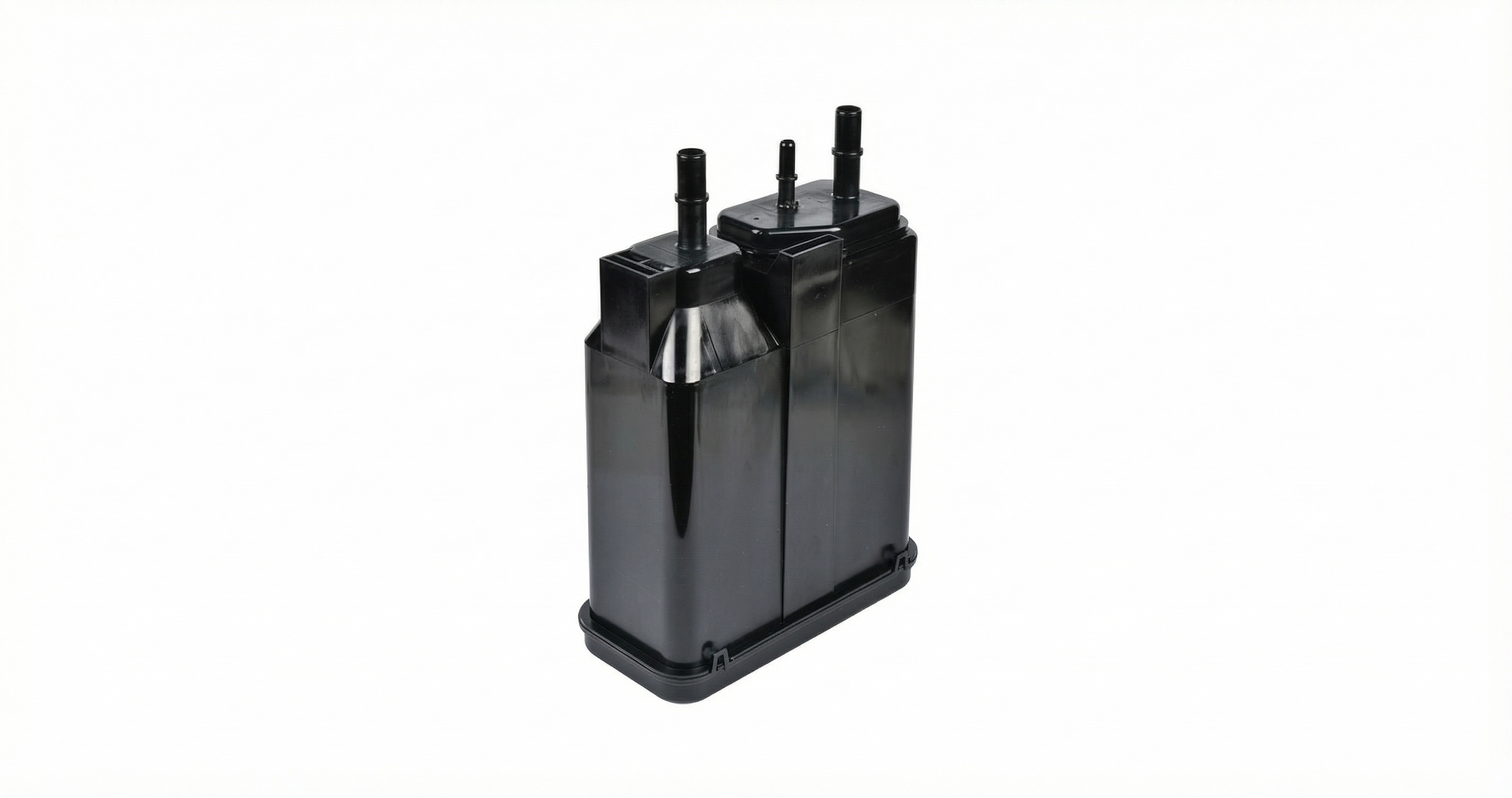
- Cracked Charcoal Canister: → Shop Vapor Canister The canister is made of plastic and can be cracked by road debris, causing a large leak. It's worth inspecting for damage when you are accessing the ESIM, as they are mounted together. Replacement can be costly, with parts alone sometimes exceeding $200-$300.
- Blown EVAP System Fuse: A blown fuse can disable the purge solenoid or ESIM, preventing the system from operating correctly. Check the fuses in both the under-hood and trunk-mounted fuse boxes. On 2014+ models, check fuses F31, F34, F35, F37 and relay 63 in the front fuse box, and relay 29 in the trunk fuse box.
- Faulty PCM Software (2013-2014 Models): TSB 25-003-14 REV. A indicates that on some 2013-2014 vehicles with the 3.6L engine, the P0440 code can be falsely triggered. The solution is a PCM software update performed by a dealer, not a hardware replacement.
Diagnosis Steps
- Check for applicable Technical Service Bulletins (TSBs) for your vehicle's year and engine. For 2013-2014 3.6L models, specifically look into TSB 25-003-14 REV. A, which may resolve the code with a PCM software update. Also check for Bulletin #1809223 which involves reprogramming the PCM for general EVAP system failures.
- Read the fault codes with an OBD-II scanner and note any other codes present.
- Inspect the capless fuel filler neck for debris or damage. Use the vehicle's emergency funnel to work the flap and clean the seal.
- Visually inspect the EVAP purge solenoid and its connecting hoses in the engine bay for any obvious cracks or damage.
- If possible, test the purge solenoid to ensure it is not stuck open.
- Raise the vehicle and remove the passenger-side rear wheel and wheel well liner to access the charcoal canister and ESIM.
- Inspect the charcoal canister for any cracks or physical damage.
- Inspect the hoses connected to the canister and ESIM.
- Remove the ESIM and shake it. If it rattles, it has almost certainly failed internally and should be replaced.
- For hard-to-find leaks, perform a smoke test by introducing smoke into the EVAP service port and looking for where it escapes. Remember to pinch off the ESIM vent hose before testing.
Parts You'll Likely Need
- EVAP System Integrity Module (ESIM) / Leak Detection Pump
(OEM #4861962AD)— This is the most common failure point for the P0440 code on the 2011-2023 Chrysler 300 and its platform mates.
Trusted brands: Mopar, Standard Motor Products, Dorman
OEM price range: $70-$110
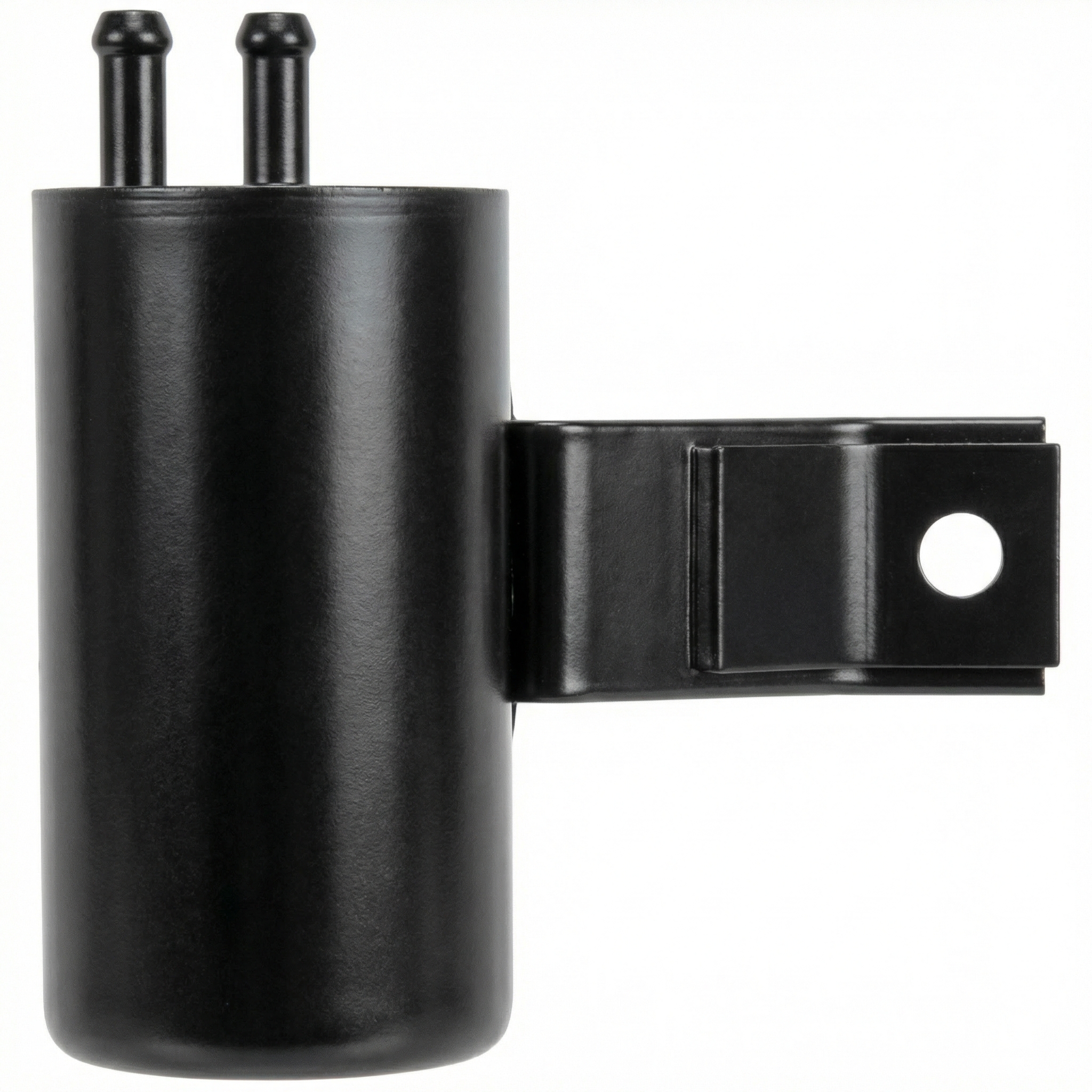
Aftermarket price range: $30-$75 - Vapor Canister Purge Valve / Solenoid
(OEM #04891738AD (for 3.6L V6), 4627694AB (for 5.7L V8 - check specific year))— This is the second most common cause, as the valve can get stuck open or fail electronically. Part numbers can vary by year and engine.
Trusted brands: Mopar, Bosch, Dorman
OEM price range: $40-$70
Aftermarket price range: $25-$60
Related Codes That Often Appear With This One
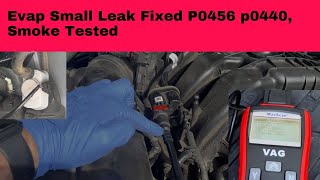
- P0456 — Small EVAP Leak Detected. This code often appears with P0440, as the general malfunction (P0440) is caused by a specific small leak (P0456). A failing ESIM is a very common cause for this combination.
- P0455 — Large EVAP Leak Detected. Similar to P0456, this indicates the nature of the fault that triggered the general P0440 code.
- P0441 — EVAP System Incorrect Purge Flow. This code points more directly toward a faulty purge valve or a blockage in the system and can sometimes accompany P0440.
Technical Service Bulletins (TSBs) & Recalls
- TSB 25-003-14 REV. A: Addresses MIL illumination for various EVAP codes including P0440 on 2013-2014 models with the 3.6L engine. The prescribed fix is a PCM software update. This is a critical first check for any owner of these specific model years.
- Bulletin #1809223: This manufacturer bulletin involves reprogramming the PCM with the latest available software to address DTCs P0440, P0441, P0455, and P0456.
Platform-Specific Known Issues
- Owners on forums like 300cforums.com and lxforums.com frequently report solving P0440 by replacing the ESIM, often after the 'rattle test' confirms its failure. Many advise starting diagnosis here rather than the more accessible purge valve due to the high failure rate of the ESIM on this platform.
- A recurring theme in owner discussions is the combination of P0440 and P0456 (small leak), which almost always points to the ESIM as the root cause.
- For 2013-2014 models, some owners have reported making unnecessary repairs before discovering TSB 25-003-14, which resolved the problem with a dealer software flash.
Mechanic-Grade Diagnostic Values
- EVAP Purge Valve/Solenoid Coil Resistance — expected: 14-22 Ohms. Failure: A reading far outside this range, or an open circuit (infinite resistance), indicates a failed coil.
Scan Tool Commands That Help
- wiTECH or advanced aftermarket scanner: ESIM Force Monitor Test / Large Leak Test — This is a bidirectional test that forces the PCM to run the EVAP leak test on command. After replacing a component like the ESIM, running this test and seeing it pass confirms the repair without waiting for a full drive cycle.
- wiTECH or advanced aftermarket scanner: EVAP Purge Valve Control — This command allows you to manually open and close the purge valve. While monitoring fuel tank pressure, you can command the valve closed; if the pressure still drops, it confirms the valve is stuck open and leaking.
Wiring & Ground Locations
- G109 — Right shock tower in the engine compartment, near the purge solenoid.. This is a potential ground point for the EVAP purge solenoid. A poor connection here could cause erratic operation of the solenoid, leading to codes like P0440 or P0443.
- G304 — On the right side B-pillar, behind the trim panel.. This is a major body ground point. While not directly tied to the engine EVAP components, circuits running to the rear of the vehicle (near the canister and ESIM) may use this or nearby grounds. A corroded or loose G304 can cause a host of seemingly unrelated electrical issues.
- ESIM Connector — At the ESIM module, behind the passenger rear wheel well liner.. The connector itself or its wiring can be damaged by road debris or corrosion. One wire is a ground, one is a 5V or 12V reference, and the third is the signal wire back to the PCM. Checking for voltage and ground at this connector is a key diagnostic step before condemning the PCM.
Real Owner Repair Stories
- Jabo The Mechanic, YouTube (Jeep Wrangler (similar Chrysler EVAP system with ESIM)) — P0440 (EVAP System Malfunction), 'gas cap' message on dash.
❌ Tried (didn't work) Performed a smoke test which passed, showing no leaks in the system.
✅ What actually fixed it The ESIM was faulty. Using a scan tool to run the 'Large Leak Test', the technician observed that the 'ESIM Switch' parameter remained 'Open' when it should have been 'Closed' during the test. Replacing the ESIM and its seal caused the test to pass immediately, confirming the fix. - NHTSA ODI #11164028 — An owner reported that after a "gas cap" light and code P0440 appeared, an inspection of the EVAP components revealed that the rollover valve had popped off the top of the fuel tank.
"I Checked Everything" — The Actual Cause
- In some cases, a vehicle can pass a smoke test but still have a legitimate P0440 code caused by a faulty ESIM. This happens because the ESIM's internal switch mechanism fails, preventing it from correctly reporting the system's sealed status to the PCM, even if there are no physical leaks for smoke to escape. A scan tool that can monitor the ESIM switch status during a forced leak test is required to identify this failure.
OEM Part Supersession History
4861962AA, 4861962AB, 4861962AC, 4891685AA, 4891685AB→4861962AD— Standard part evolution to improve reliability and address failure modes of the original design.
Heads up: The newest part number, 4861962AD, is backward compatible and is the recommended replacement for all previous versions.
Model Year Variations Within This Range
- 2011-2014: These early second-generation models used a 5-speed automatic transmission inherited from the previous generation before the widespread adoption of the ZF 8-speed. While the EVAP system is largely the same, some wiring and module software may differ.
- 2015-2023: The 2015 model year brought a significant refresh, including updated styling, a new rotary dial shifter for the now-standard 8-speed automatic, and an updated Uconnect infotainment system. While the core EVAP components like the ESIM remained, PCM software and some harness connectors may have changed, making the TSB for 2013-2014 models inapplicable to these later years.
Diagnostic Flowchart
Real Owner Stories
Aggregated from forums and TSBs cited above. Mileages and costs reflect what owners reported in those sources.
2015 Chrysler 300
Symptoms: Check engine light with codes P0456 and P0440. Replaced the purge valve first, but it did not solve the issue.
What fixed it: Replaced the EVAP System Integrity Module (ESIM) / Leak Detection Pump. The old unit rattled when shaken, confirming internal failure.
Source hint: YouTube: 2015 Chrysler 300 Evap System Small Leak (P0456 & P0440)
2013-2014 Chrysler 300 3.6L
Symptoms: Check engine light illuminated for code P0440, leading to unnecessary repair attempts and parts replacement.
What fixed it: A dealer PCM software flash resolved the problem.
Source hint: TSB 25-003-14 REV. A / Vehicle Specific Issues
Chrysler Vehicle (LD/LX Platform)
Symptoms: Check engine code P0440.
What fixed it: Replaced the ESIM after experts identified it as the highest probability failure item and confirmed it via the 'rattle test'.
Source hint: Reddit r/MechanicAdvice: 'Check engine code p0440 - best plan for this?'
2014 Chrysler Vehicle
Symptoms: Code P0440. Replaced the gas cap with no success.
What fixed it: Identified and replaced the ESIM as the next logical part, resolving the long-standing issue.
Source hint: ChryslerForum.com: 'Code P0440'
Related OBD-II Codes
Frequently Asked Questions
Does TSB 25-003-14 REV. A apply to my Chrysler 300?
My Chrysler 300 doesn't have a gas cap. How can a loose cap cause P0440?
I have codes P0440 and P0456 together on my Chrysler 300. What does this mean?
How do I perform the 'rattle test' on my Chrysler 300's ESIM?
Should I replace the purge valve or the ESIM first on my 300?
Helpful Videos
We Have This Part in Stock

The information in this article is provided for general reference and educational purposes only. Vehicle specifications, procedures, and part compatibility can vary by production date, trim level, and region. Always consult your vehicle's factory service manual and verify part numbers before purchasing or performing repairs. Safety-critical components such as airbags, seat belts, and braking systems should be installed by a qualified professional.
- Chrysler 300:
- 🧭 Diagnostic Flowchart
- 🎬 Helpful Videos
- 🛍️ Shop This Part
- What's Unique About the 2011-2023 Chrysler 300
- Symptoms You May Notice
- Most Likely Causes
- Rare But Worth Checking
- Diagnosis Steps
- Parts You'll Likely Need
- Related Codes That Often Appear With This One
- Technical Service Bulletins (TSBs) & Recalls
- Platform-Specific Known Issues
- Mechanic-Grade Diagnostic Values
- Scan Tool Commands That Help
- Wiring & Ground Locations
- Real Owner Repair Stories
- "I Checked Everything" — The Actual Cause
- OEM Part Supersession History
- Model Year Variations Within This Range
- Real Owner Stories
- 2015 Chrysler 300
- 2013-2014 Chrysler 300 3.6L
- Chrysler Vehicle (LD/LX Platform)
- 2014 Chrysler Vehicle
- Related OBD-II Codes
- Frequently Asked Questions
- 🎟️ Get 5% Off