

P0440 on 2001-2010 Chrysler PT Cruiser: EVAP System Malfunction Causes and Fixes
For a 2001-2010 PT Cruiser, code P0440 indicates a general fault in the evaporative emissions system. The most common culprits are a loose or faulty gas cap, cracked rubber EVAP hoses (especially small elbows and lines near the purge solenoid), or a failing purge solenoid. Start by checking or replacing the gas cap, as it's the cheapest and easiest fix. Using an OEM Mopar cap is strongly recommended.
- P0440 on a PT Cruiser is a general EVAP system fault that will cause you to fail an emissions test but won't affect driving.
- Always start your diagnosis by checking that the gas cap is tight and its seal is in good condition. Replacing it with an OEM Mopar cap is the most likely and cheapest fix.
- If the gas cap isn't the issue, carefully inspect all rubber EVAP hoses and plastic fittings in the engine bay for small cracks, especially elbows and T-connectors.
- The EVAP purge solenoid is another common failure point that can be tested and is relatively inexpensive to replace.
- If you can't find the leak visually, a smoke test is the most reliable professional method to pinpoint the source of the leak.
What's Unique About the 2001-2010 Chrysler PT Cruiser
The PT Cruiser's 2001-2010 production run spans a key change in Chrysler's EVAP technology. Early models (pre-2007) use a Leak Detection Pump (LDP), a mechanical pump that pressurizes the system for testing. Later models (approx. 2007-2010) use a more passive Evaporative System Integrity Monitor (ESIM), which uses a weighted switch to detect the natural vacuum that forms as fuel cools. This distinction is important, as the LDP or ESIM module itself can be a point of failure, and the diagnostic approach differs slightly between the two systems. The ESIM, for example, must be mounted perfectly vertically to function correctly.
Generation note: The 2001-2010 PT Cruiser is a single generation, but it received a facelift for the 2006 model year. More importantly for this code, the EVAP system technology changed around 2007. Pre-2007 models use a Leak Detection Pump (LDP), while 2007 and newer models use an Evaporative System Integrity Monitor (ESIM). While many causes are the same, the LDP or ESIM can be a specific failure point for their respective year ranges and require different diagnostic procedures.
Symptoms You May Notice
- Check Engine Light is on
- A faint smell of fuel, particularly around the outside of the car after refueling.
- No noticeable impact on drivability
- Inability to pass a state emissions inspection.
- Replacing the O2 sensors. The EVAP system is related to emissions but is separate from the exhaust and its sensors.
- Replacing the catalytic converter. This is an expensive repair that has no relation to the P0440 code.
Most Likely Causes
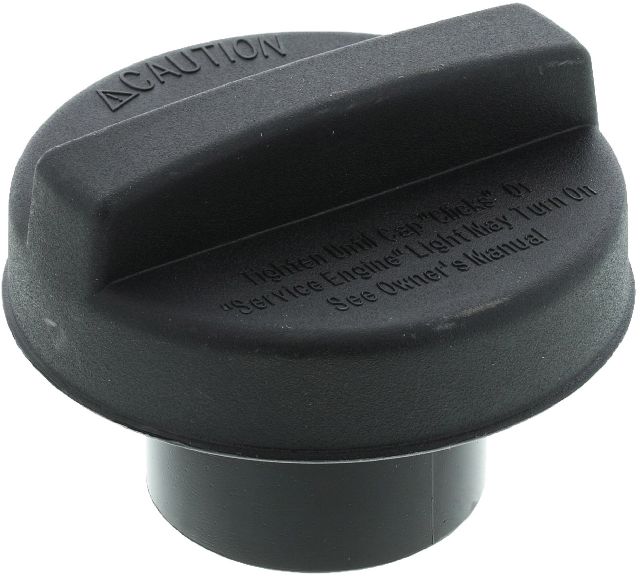
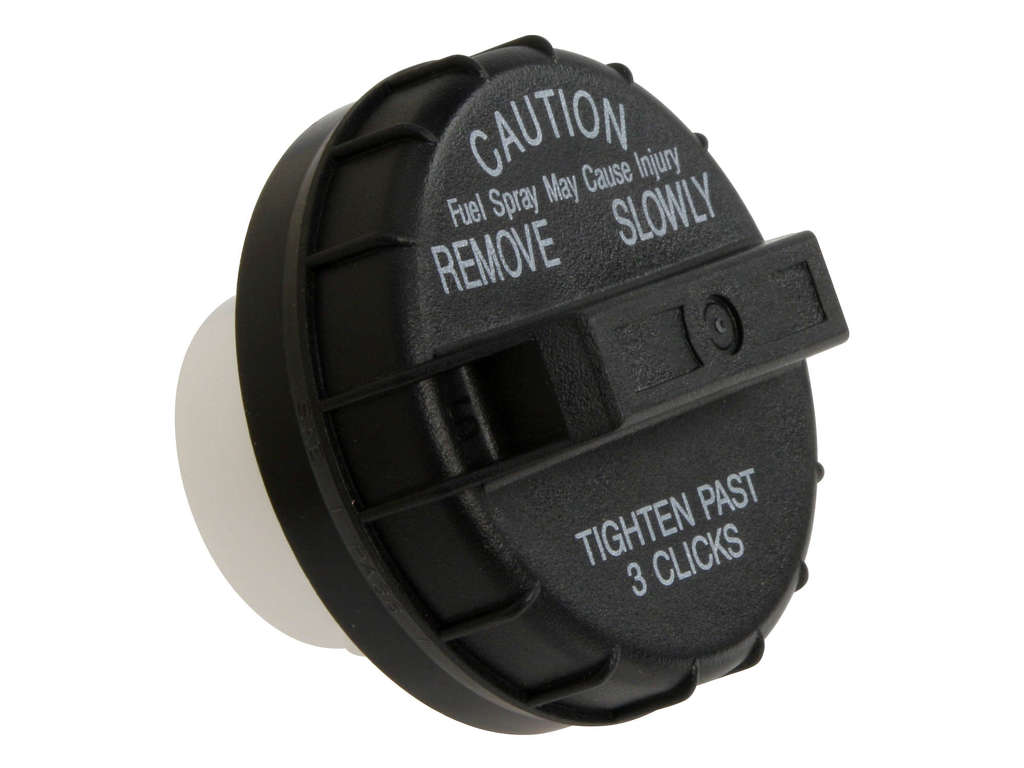
- Loose or Faulty Gas Cap 🔴 High Probability → Shop Fuel Tank Cap The gas cap is the most frequently used and removed part of the EVAP system. Its rubber seal can degrade, crack, or get dirty over time, preventing a proper seal. This is the most common cause for P0440 across all vehicles.
How to confirm: Ensure the gas cap is tightened until it clicks at least three times. Inspect the rubber O-ring on the cap for cracks, stiffness, or damage. A new, OEM-spec cap is a cheap and effective diagnostic step. Many owner forum threads confirm that an aftermarket cap failed to solve the problem, while a Mopar-branded cap did.
Typical fix: Replace the gas cap. It is highly recommended to use an OEM Mopar cap (Part number may vary, check with dealer), as aftermarket caps are known to cause persistent EVAP codes on Chrysler vehicles.
Est. part cost: $15-$40 - Cracked EVAP Hoses or Fittings 🟡 Medium Probability After years of exposure to engine heat and the elements, the rubber and plastic hoses in the EVAP system become brittle and crack. Small 'T' fittings and elbow connectors are especially common failure points on the PT Cruiser. The most common failure spot is often the small rubber lines connected to and surrounding the purge solenoid in the engine bay.
How to confirm: Visually inspect all accessible EVAP hoses in the engine bay and running to the charcoal canister for obvious cracks or disconnections. A smoke test is the most effective way to find a leak that isn't visible. Pay close attention to the lines near the purge valve.
Typical fix: Replace the cracked section of hose or the faulty fitting. Sometimes this requires replacing a pre-formed hose assembly from the dealer.
Est. part cost: $10-$60 - Faulty EVAP Purge Solenoid/Valve 🟡 Medium Probability → Shop Vapor Canister The purge solenoid is an electronic valve that can get stuck open or closed, or develop internal leaks over time. This is a common failure item on many Chrysler products from this era, often leading to P0441 as well.
How to confirm: With the engine running, you can disconnect the vacuum line from the solenoid and feel for suction; there should be none at idle. A more definitive test involves using a scan tool to command the valve open and closed while checking for flow or listening for a click. A stuck-open valve will create a vacuum leak, potentially affecting idle.
Typical fix: Replace the EVAP purge solenoid. It is typically located in the engine bay and is a relatively simple replacement.
Est. part cost: $25-$70 - Faulty Leak Detection Pump (LDP) or EVAP System Integrity Monitor (ESIM) ⚪ Low Probability → Shop Evaporative Emissions System Leak Detection Pump These components are responsible for the self-test that detects leaks. The LDP (pre-2007) is a mechanical pump that can fail, while the ESIM (2007+) is a switch that can get stuck. The ESIM is particularly sensitive to mounting orientation and must be vertical.
How to confirm: Diagnosis is specific to the component. For ESIM systems, a smoke test requires pinching off the vent hose to the filter. A scan tool can help monitor the switch state on an ESIM. The LDP may require more advanced electrical testing to confirm failure.
Typical fix: Replace the LDP or ESIM assembly, which is typically located on or near the charcoal canister under the vehicle.
Est. part cost: $50-$150
Rare But Worth Checking
- Cracked Charcoal Canister: → Shop Vapor Canister The canister itself can develop cracks from age, road debris, or impact, creating a leak. This is less common than hose or valve failures but should be inspected, especially if a smoke test reveals a leak in that area.
- Damaged Fuel Filler Neck: → Shop Fuel Filler Neck Rust or physical damage to the metal tube leading from the gas cap to the tank can prevent the gas cap from sealing properly, causing a leak. This is more common in areas that use road salt in winter.
- Rollover Valve Failure: A manufacturer report (NHTSA ODI #11164028) describes a situation where a "Gas Cap" light and P0440 code appeared after an owner noticed something loose on top of the fuel tank; the rollover valve had popped off, creating a significant leak point.
Diagnosis Steps
- Check for other stored DTCs. Codes like P0441, P0455, or P0456 can help pinpoint the issue.
- Inspect the gas cap. Remove it, check for cracks in the seal, and ensure it's the correct cap for the vehicle. Ensure it clicks when tightened. Many owners report that only an OEM Mopar cap will solve the issue.
- Clear the code and drive. If you retightened or replaced the gas cap, clear the code and drive for a few days to see if it returns. The EVAP monitor may take several drive cycles to run.
- Visually inspect EVAP hoses. Check all vacuum and vapor hoses in the engine bay and under the vehicle near the charcoal canister. Pay close attention to rubber elbows and plastic 'T' fittings for cracks, especially the lines attached to the purge solenoid.
- Test the purge solenoid. With the engine running, disconnect the hose from the intake manifold side and feel for vacuum. There should be none at idle. A scan tool can also be used to command the valve on and off to verify operation.
- Perform a smoke test. If no obvious issues are found, a smoke test is the most reliable method. This involves injecting low-pressure smoke into the EVAP system service port and looking for where it escapes. This can identify hard-to-see cracks in hoses or the charcoal canister.
- Inspect the charcoal canister and LDP/ESIM. While performing the smoke test, check the canister body and the leak detection pump/module for any smoke, indicating a crack or bad seal.
Parts You'll Likely Need
- Gas Cap
(OEM #5278630AA (Verify with dealer))— This is the most common failure point and the easiest and cheapest part to replace. The seal wears out over time. Aftermarket caps are notoriously problematic on Chrysler vehicles.
Trusted brands: Mopar, Stant
OEM price range: $25-$40
Aftermarket price range: $15-$25 - EVAP Purge Solenoid (Vapor Canister Purge Valve)
(OEM #4669569 (Verify with dealer))— This valve frequently gets stuck or fails electronically, causing a leak or flow issue. It's a common failure on Chrysler vehicles of this era.
Trusted brands: Mopar, Dorman, Standard Motor Products
OEM price range: $40-$60
Aftermarket price range: $25-$45 - EVAP Vacuum Hose — Rubber hoses become brittle and crack with age, creating vacuum leaks. Small elbow and 'T' connectors are particularly prone to failure, especially the lines around the purge solenoid in the engine bay.
OEM price range: $20-$50
Aftermarket price range: $5-$20 - Evaporative System Integrity Monitor (ESIM)
(OEM #4891734AB (For 2007+ models, verify with dealer))— For 2007 and later models, this component which runs the leak test can fail, causing a persistent P0440 code.
Trusted brands: Mopar, Dorman
OEM price range: $50-$90
Aftermarket price range: $40-$70
Related Codes That Often Appear With This One
- P0441 — This code indicates incorrect purge flow and often appears with P0440 if the purge solenoid is stuck or failing.
- P0455 — Indicates a large EVAP leak. If the problem causing P0440 (like a bad hose) worsens, it may eventually be flagged as a large leak.
- P0456 — Indicates a very small EVAP leak. This is the most common companion code, often triggered by the exact same issues like a failing gas cap seal or tiny cracks in vacuum lines.
Technical Service Bulletins (TSBs) & Recalls
- TSB 25-001-07 REV. A — While not directly for the PT Cruiser or code P0440, this TSB for 2005-2006 Jeep Wranglers addresses an issue where the OBD system will not indicate readiness for I/M emissions testing. This can be a related symptom for owners struggling to get their EVAP monitor to run after a repair, and it details a wiring modification in the Power Distribution Center. It highlights the complexity of the Chrysler OBD system of this era.
- TSB Bulletin #1809223 — A manufacturer bulletin notes that for certain Chrysler vehicles, P0440, P0441, P0455, and P0456 may be set simultaneously, and the recommended procedure involves reprogramming the PCM with the latest available software.
Platform-Specific Known Issues
- The transition from LDP (pre-2007) to ESIM (2007+) systems means you must correctly identify which system your PT Cruiser has before ordering parts like the LDP or ESIM. The wrong part will not work.
- Many owners on forums like ptcruiserclub.com report that only an OEM Mopar gas cap will resolve EVAP codes, with aftermarket caps often failing to seal correctly.
Mechanic-Grade Diagnostic Values
- EVAP Purge Solenoid Coil Resistance — expected: 13-16 Ohms for many Chrysler solenoids of this era. One source cited a good reading at 14.4 Ohms.. Failure: A reading of infinite resistance (OL) means an open coil, while near-zero Ohms indicates a shorted coil.
- EVAP Purge Solenoid Connector Voltage — expected: Approximately 12V (battery voltage) on the power supply pin with the key on.. Failure: No voltage suggests a wiring issue, such as an open circuit or a blown fuse.
- Fuel Tank Pressure (FTP) Sensor Voltage (Key On, Engine Off) — expected: A 5-volt reference on one pin, ground on another, and a signal voltage (typically 1.3V-1.7V at atmospheric pressure) on the third.. Failure: Missing 5V reference or ground indicates a wiring problem. A signal voltage that is stuck high or low and doesn't change when the gas cap is removed points to a faulty sensor.
- Fuel Pressure (at fuel rail) — expected: Approximately 55-60 PSI.. Failure: Pressure that is significantly lower or fluctuates wildly can indicate a failing fuel pump, which is unrelated to P0440 but can cause other driveability issues.
Hidden / Shadow Codes Worth Checking
- Mode $06, Test ID $41: This refers to the diagnostic monitor for the EVAP system. A failure reported under this test ID is what triggers codes like P0440 and P0441. Component IDs under this test can further narrow down which part of the test failed (e.g., purge flow check, leak detection). (see via A professional scan tool with Mode $06 data capability is required. The tool will display the Test ID (TID) and Component ID (CID) along with a pass/fail status or a raw data value compared against a MIN/MAX range.)
Scan Tool Commands That Help
- Chrysler DRB III / wiTECH: EVAP System Test / Purge Vapor Test — This is a forced readiness monitor test. It allows a technician to run the entire EVAP self-test sequence in the service bay to verify that a repair has been successful without needing to perform a lengthy drive cycle.
- Chrysler DRB III / wiTECH: Actuate Purge Solenoid — This bidirectional control allows you to manually command the purge solenoid open and closed. While commanding it, you can listen for a click, check for vacuum flow, or monitor the Fuel Tank Pressure sensor to confirm the solenoid is functioning electrically and mechanically.
- Chrysler DRB III / wiTECH: LDP Bay Test — For pre-2007 models with a Leak Detection Pump (LDP), this function commands the pump to run, allowing a technician to monitor its operation and the system's ability to hold pressure using the scan tool's live data, helping to diagnose the LDP itself or system leaks.
Wiring & Ground Locations
- G100 / G102 — Located at the left side of the engine compartment, near the driver's side strut tower.. These are primary engine bay ground points. Poor grounding here can cause erratic behavior in various electronic components, including the PCM and EVAP system solenoids and sensors. Corrosion at these points is common and should be cleaned as a preventative measure.
- G104 — Located at the front of the right front fender.. This ground is used by the Natural Vacuum Leak Detection (NVLD) assembly on some models. A bad ground here can cause the NVLD to malfunction and set false codes.
- Cylinder Head Ground Strap — A braided strap that typically runs from the passenger side strut tower or firewall to a bolt on the back of the cylinder head.. Provides a critical ground path for the engine itself. While not directly tied only to the EVAP system, a loose or corroded strap can cause a host of difficult-to-diagnose electrical issues.
- EVAP Purge Solenoid Connector — On non-turbo models, it's on the lower rear of the engine. On turbo models, it's higher up and more accessible near the intake manifold. The connector is a 2-pin connector.. This is where voltage and resistance tests for the purge solenoid are performed. The power-side switched wire (often White/Dark Green on LDP systems) and the ground/control wire can be tested here for continuity and proper signals from the PCM.
Real Owner Repair Stories
- YouTube channel 'Fix and clear P0440 code' (2000 Toyota Celica GT (similar EVAP principle)) — Persistent P0440 check engine light.
❌ Tried (didn't work) Replacing the gas cap., Inspecting all visible hoses in the engine compartment.
✅ What actually fixed it After dropping the gas tank, the owner discovered a crack in the plastic fuel tank vent valve assembly that sits on top of the tank. Replacing this component, which was leaking vapors, finally resolved the code after driving 400 miles. - YouTube channel 'PT Cruiser EVAP' (Chrysler PT Cruiser (year not specified)) — EVAP code (not specified as P0440 but relevant).
❌ Tried (didn't work) Initial visual inspections.
✅ What actually fixed it After dropping the fuel tank, the owner found a heat-shrunk style vent tube that was loose and spinning on its fitting on the Natural Vacuum Leak Detector (NVLD). They also found evidence of a previous, poorly-executed repair on the fuel filler neck inlet to the tank. The final fix involved replacing the NVLD and properly sealing the loose hose connection with a fuel-resistant sealer. - NHTSA ODI #11500645 — An owner reported a combination of electrical codes (U1110, U1120, U11BC) appearing alongside P0440 and P0456, suggesting that in some cases, EVAP failures may be part of a broader electrical system issue.
"I Checked Everything" — The Actual Cause
- A common scenario where a smoke test might pass is with an intermittent electrical failure in a solenoid or sensor. For example, the purge solenoid coil could have an internal break that only opens up when the engine bay gets hot, causing the valve to fail. The valve would test fine electrically when cold and would not show a leak on a smoke test if it was stuck closed. The failure only occurs during a specific operating condition.
- Another possibility is a faulty Fuel Tank Pressure (FTP) sensor. The system could be perfectly sealed (passing a smoke test), but if the FTP sensor is providing an incorrect reading to the PCM (e.g., it's stuck at a certain voltage), the computer may interpret this as a system malfunction and set a P0440 code.
OEM Part Supersession History
4891734AA→4891734AB— Component revision or change in manufacturer for the Evaporative System Integrity Monitor (ESIM).
Heads up: These parts are specific to the ESIM system (2007 and newer) and are not compatible with the earlier LDP-based systems.
Model Year Variations Within This Range
- 2001-2006: These models use a Leak Detection Pump (LDP) system for EVAP self-tests. Diagnosis often involves testing the LDP motor, solenoid, and its mechanical pump function.
- 2007-2010: These models use a passive Evaporative System Integrity Monitor (ESIM). This system is simpler mechanically but is very sensitive to its vertical mounting orientation. Diagnosis focuses on the state of its internal switches.
- 2001-2010 (All): The location of the EVAP Purge Solenoid differs between naturally aspirated and turbo models. On turbo engines, it is easily accessible on top of the engine. On non-turbo engines, it is in a difficult-to-reach location, often requiring removal of the battery and battery tray for access.
Diagnostic Flowchart
Other Known Issues on This Vehicle
Issues unrelated to this code that are worth knowing about as an owner of this generation:
- Timing Belt Failure 🔴 High — The 2.4L is an interference engine. The belt and water pump should be replaced every 90,000-105,000 miles or ~8-10 years. Failure will cause significant engine damage.
- Front Lower Control Arm Bushing Failure 🟠 Medium — The large rear bushings on the front lower control arms frequently fail, causing clunking noises, poor alignment, and uneven tire wear. Can occur as early as 40,000 miles.
- Automatic Transmission Solenoid Pack Failure 🟠 Medium — The solenoid pack on the 41TE automatic transmission is a common failure point, leading to shifting problems, getting stuck in 'limp mode', and setting transmission-specific fault codes.
- Engine Stalling / Camshaft Position Sensor Failure 🟠 Medium — A faulty camshaft position sensor can cause the engine to stall unexpectedly, sometimes while driving, or cause a no-start condition.
- TIPM (Totally Integrated Power Module) Electrical Issues 🔴 High — While more prevalent on later Chrysler models, early signs of complex electrical issues can be traced to the power distribution center, causing a wide range of erratic electrical behavior.
Used vs. New Parts: Buying Guide for This Vehicle
When a used part is the smart pick: For larger, non-wear components like the charcoal canister or fuel filler neck, a used part from a reputable junkyard can be a cost-effective option, provided it is inspected for cracks or rust.
Donor-vehicle mileage cap: roughly under 100000 miles for the part to have meaningful remaining life.
What to inspect on the donor part:
- For a charcoal canister, ensure there are no visible cracks or broken hose nipples.
- For a fuel filler neck, inspect thoroughly for rust, especially around the opening where the gas cap seals.
- Check that all electrical connectors on components like the LDP or ESIM are intact and free of corrosion.
OEM-only on this vehicle (don't cheap out):
- Gas Cap: Aftermarket gas caps are a well-documented cause of persistent EVAP codes on Chrysler vehicles. It is strongly recommended to use an OEM Mopar cap.
Aftermarket brands forum-validated for this vehicle:
- Dorman (For Purge Solenoids, ESIM, and Hoses)
- Standard Motor Products (SMP) (For Purge Solenoids and other sensors)
- Wells (For electrical connectors and solenoids)
Brands owners have reported issues with on this vehicle:
- No-name or unbranded gas caps sold on online marketplaces are frequently cited as failing to seal properly.
Real Owner Stories
Aggregated from forums and TSBs cited above. Mileages and costs reflect what owners reported in those sources.
2001-2010 Chrysler PT Cruiser
Symptoms: The owner had both P0440 and P0441 fault codes present.
What fixed it: Installing a new, tighter-fitting gas cap and driving for several weeks resolved the codes.
Source hint: YouTube video 'P0440 and P0441 Fault Codes (EVAP Valve) | PT Cruiser'
2001-2010 Chrysler PT Cruiser
Symptoms: Persistent EVAP codes that would not clear with generic parts.
What fixed it: Replacing the aftermarket gas cap with an OEM Mopar gas cap.
Source hint: ptcruiserclub.com
Related OBD-II Codes
Frequently Asked Questions
Can I use an aftermarket gas cap from a local auto parts store to fix P0440 on my PT Cruiser?
Where is the most common place for EVAP hoses to leak on the PT Cruiser?
Does TSB 25-001-07 REV. A apply to my PT Cruiser's P0440 code?
How do I know if my PT Cruiser has a Leak Detection Pump (LDP) or an EVAP System Integrity Monitor (ESIM)?
Will a faulty purge solenoid affect how my PT Cruiser idles?
Is there a specific way to install the ESIM on a 2007-2010 model?
Helpful Videos
We Have This Part in Stock


The information in this article is provided for general reference and educational purposes only. Vehicle specifications, procedures, and part compatibility can vary by production date, trim level, and region. Always consult your vehicle's factory service manual and verify part numbers before purchasing or performing repairs. Safety-critical components such as airbags, seat belts, and braking systems should be installed by a qualified professional.
- Chrysler PT Cruiser:
- 🧭 Diagnostic Flowchart
- 🎬 Helpful Videos
- 🛍️ Shop This Part
- What's Unique About the 2001-2010 Chrysler PT Cruiser
- Symptoms You May Notice
- Most Likely Causes
- Rare But Worth Checking
- Diagnosis Steps
- Parts You'll Likely Need
- Related Codes That Often Appear With This One
- Technical Service Bulletins (TSBs) & Recalls
- Platform-Specific Known Issues
- Mechanic-Grade Diagnostic Values
- Hidden / Shadow Codes Worth Checking
- Scan Tool Commands That Help
- Wiring & Ground Locations
- Real Owner Repair Stories
- "I Checked Everything" — The Actual Cause
- OEM Part Supersession History
- Model Year Variations Within This Range
- Other Known Issues on This Vehicle
- Used vs. New Parts: Buying Guide for This Vehicle
- Real Owner Stories
- 2001-2010 Chrysler PT Cruiser
- 2001-2010 Chrysler PT Cruiser
- Related OBD-II Codes
- Frequently Asked Questions
- 🎟️ Get 5% Off