

P0440 on 2001-2007 Dodge Caravan: EVAP System Malfunction Causes and Fixes
For a 2001-2007 Dodge Caravan, code P0440 most often points to cracked and brittle EVAP hoses, especially the complex assembly near the charcoal canister or smaller lines under the airbox. A loose/faulty gas cap is also a primary suspect. A thorough visual inspection of all hoses is the first step after checking the cap.
- P0440 on a 2001-2007 Caravan is a general EVAP system fault, not a specific leak size.
- Before buying any parts, always check that the gas cap is tight and its seal is intact.
- The most likely cause on these aging vans is a cracked or brittle rubber/plastic EVAP hose, especially near the rear of the vehicle by the charcoal canister.
- A visual inspection is critical. If a leak isn't obvious, a smoke test is the best way to find it.
- Do not immediately assume the Leak Detection Pump (LDP) or purge solenoid is bad; they are less likely to fail than the hoses.
What's Unique About the 2001-2007 Dodge Caravan
The 2001-2007 Dodge Caravan (fourth generation, 'RS' platform) is particularly susceptible to age-related failures of its plastic and rubber EVAP system components. After 15-20+ years, the hoses become extremely brittle and are prone to cracking. A common failure is the complex, pre-formed hose assembly that runs from the canister up over the rear frame, which is also a frequent target for rodents. The smaller vacuum lines located under the air filter box in the engine bay are also known to crack and cause leaks. The 2007 model year specifically can be a transition year, using either a Leak Detection Pump (LDP) or a newer Natural Vacuum Leak Detection (NVLD) system, which can have unique wiring failure points.
Symptoms You May Notice
- Check Engine Light is on.
- A faint smell of fuel may be noticeable around the vehicle, particularly near the rear or after refueling.
- In some related EVAP fault cases, difficulty fueling the vehicle (gas pump nozzle clicks off repeatedly) may occur. This can happen if the system test is running while you are trying to fuel up.
- On rare occasions, a user may experience hard starting after getting gas if the purge valve is stuck open.
- Replacing the purge valve or LDP before thoroughly inspecting all EVAP hoses for cracks, especially under the airbox and near the canister.
- Replacing the gas cap without checking if it was simply loose.
- Replacing parts without performing a smoke test to definitively locate the source of the leak.
Most Likely Causes
- Cracked or Disconnected EVAP Hoses 🔴 High Probability The plastic and rubber hoses used in this generation become very brittle with age and heat cycles, leading to cracks and breaks. The most common failure points are the complex assembly by the charcoal canister and the smaller vacuum lines under the airbox that connect to the purge solenoid. Rodent damage to these hoses is also a well-documented issue on these vans.
How to confirm: Visually inspect all accessible EVAP lines. In the engine bay, check the lines under the air filter housing. Under the vehicle, pay close attention to the hoses running to and from the charcoal canister located near the fuel tank. A smoke test is the most definitive way to find a leak if it's not visually obvious.
Typical fix: Replace the cracked section of hose. In many cases, a pre-formed hose assembly from the manufacturer is required due to complex bends. Some owners have success replacing broken factory plastic clamps with standard worm-gear clamps.
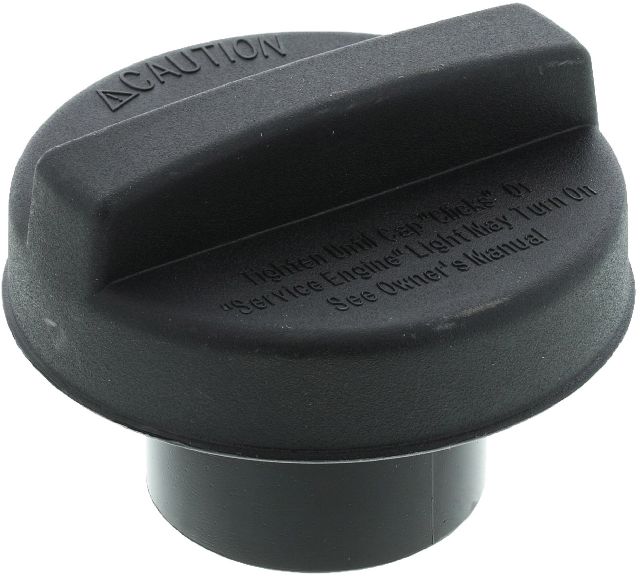
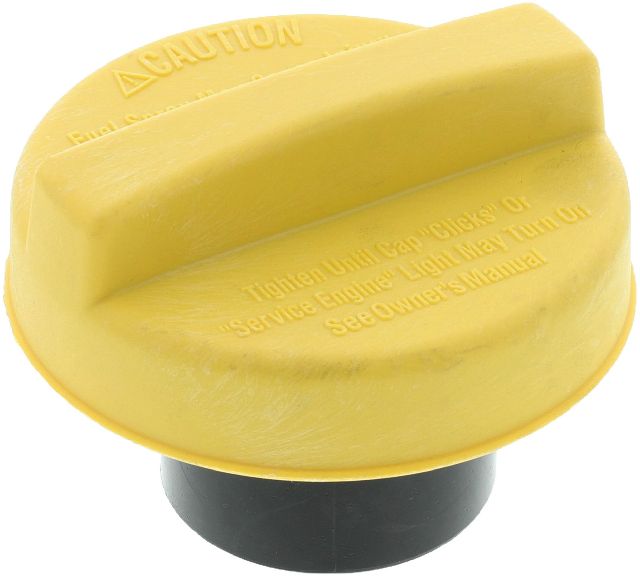
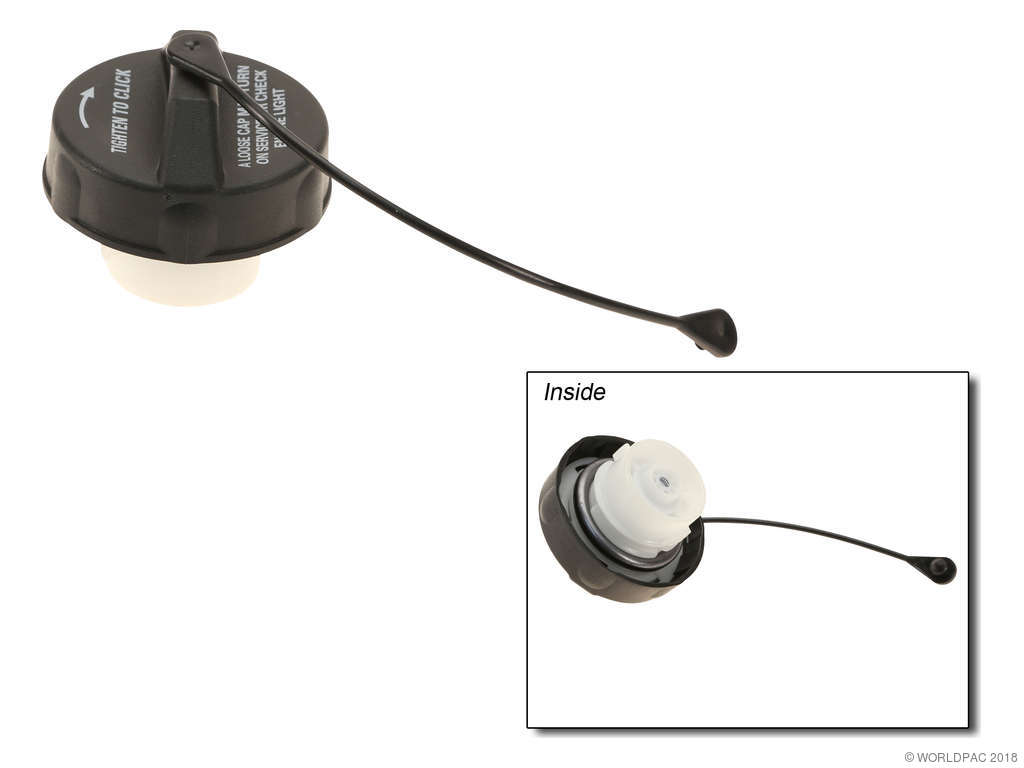
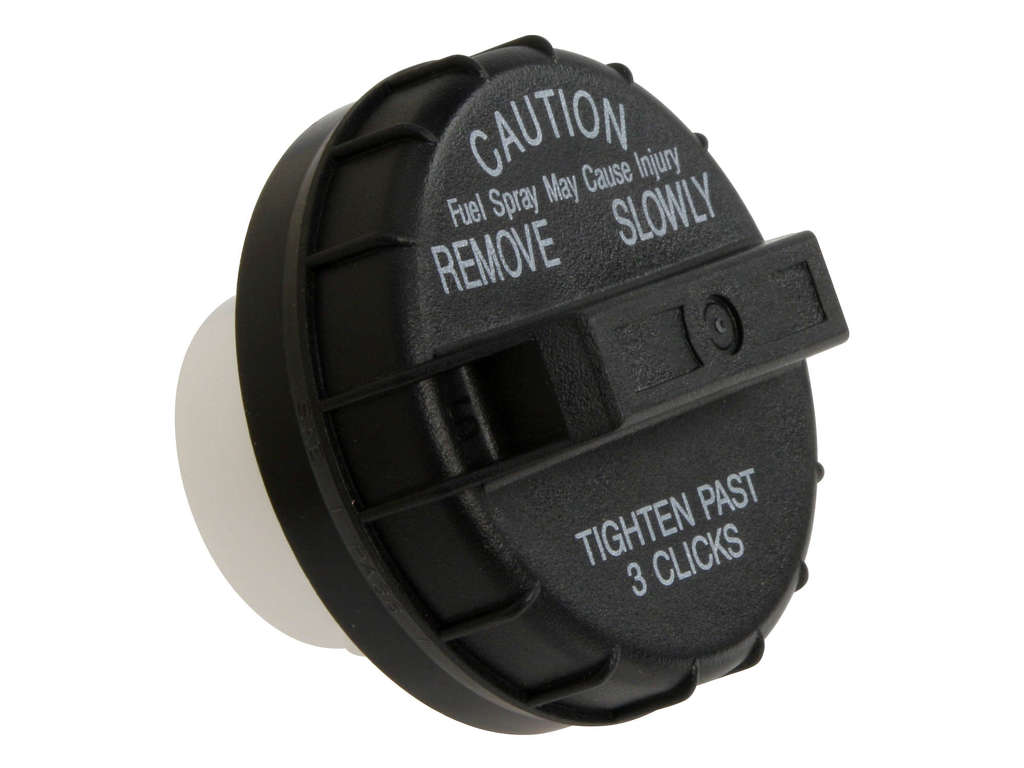
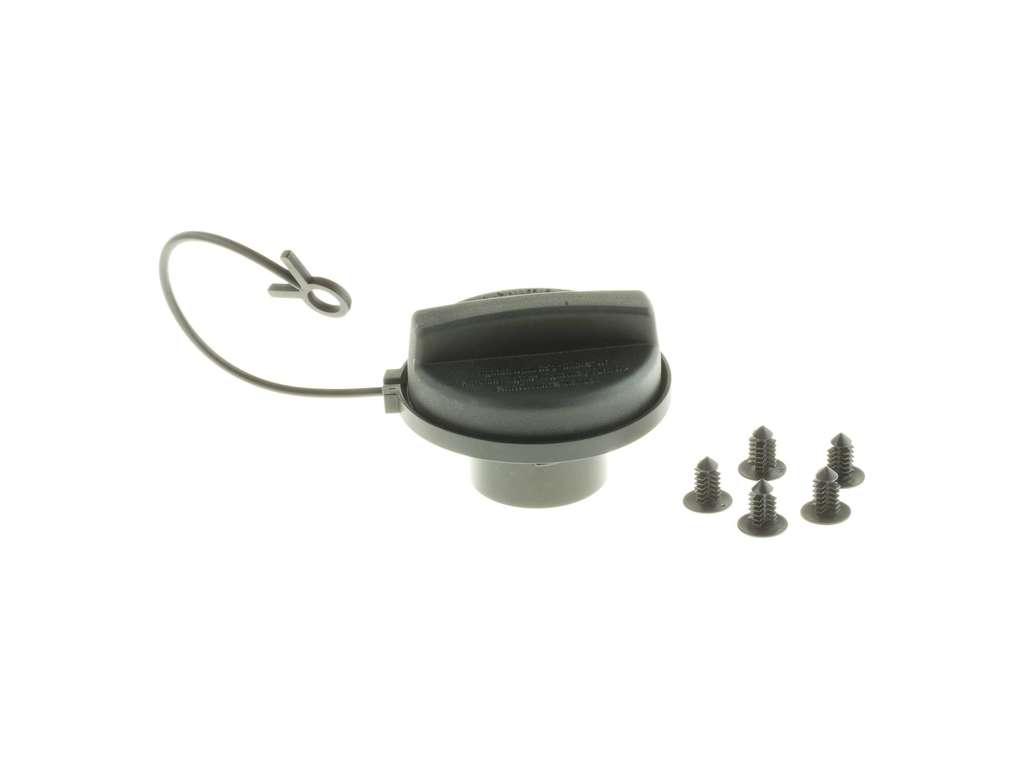
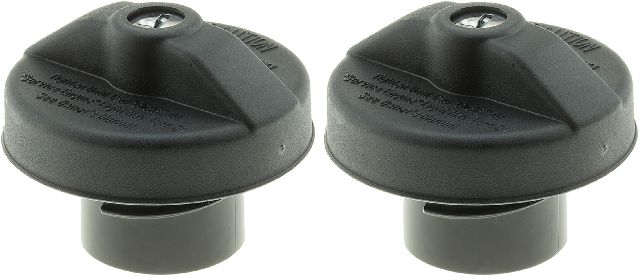
Est. part cost: $10-$75 - Loose or Faulty Gas Cap 🔴 High Probability → Shop Fuel Tank Cap This is a common failure on all vehicles. The cap's seal can degrade over time, or the cap may not have been tightened correctly after refueling. It is recommended to use an OEM or high-quality aftermarket cap, as some cheaper versions may not seal properly.
How to confirm: Ensure the gas cap is tightened until it clicks at least three times. Inspect the rubber seal on the cap for cracks, tearing, or signs of deterioration.
Typical fix: Tighten the cap. If the seal is bad or the cap is damaged, replace it with a new OEM or equivalent part.
Est. part cost: $15-$30 - Faulty Leak Detection Pump (LDP) 🟡 Medium Probability → Shop Evaporative Emissions System Leak Detection Pump The LDP is a mechanical pump with a diaphragm and internal weights that can fail over time, preventing the system from being able to test itself. It is a very high failure rate item on these vehicles when no physical leak can be found.
How to confirm: The LDP is located on or near the charcoal canister. It can be tested off the vehicle with a power source and a vacuum pump to see if the internal switch operates correctly. A critical installation note is that the pump is gravity-dependent and must be installed with the electrical connector at the 3 o'clock position to function. It's often replaced after hoses and the gas cap have been ruled out.
Typical fix: Replace the Leak Detection Pump. It typically twists into place on the charcoal canister.
Est. part cost: $40-$100 - Faulty EVAP Purge Valve/Solenoid ⚪ Low Probability → Shop Vapor Canister While not as common as hose failures for a P0440, the purge valve can stick open or closed, causing a system malfunction.
How to confirm: The purge valve is located in the engine bay, often under the airbox. It can be tested with a handheld vacuum pump to see if it holds vacuum when closed (de-energized). A scan tool can also command it to open and close to check for an audible click.
Typical fix: Replace the purge valve.
Est. part cost: $25-$60
Rare But Worth Checking
- Cracked Charcoal Canister: → Shop Vapor Canister The plastic housing of the canister itself can crack from road debris or age, creating a large leak.
- Rusted Fuel Filler Neck: → Shop Fuel Filler Neck In areas with road salt, the metal filler neck can rust through, creating a leak in the EVAP system. This is a known issue and aftermarket replacements are available.
- Faulty Fuel Tank Pressure Sensor: → Shop Fuel Tank The sensor can send incorrect readings to the computer, making it think there is a leak when there isn't one.
- Damaged Wiring: Corroded or broken wires leading to EVAP components can trigger a system malfunction. On 2007 models with the NVLD system, a break in the violet/white wire between the pump and the PCM has been documented as a specific cause of a persistent P0440.
- PCM Software Calibration: Chrysler issued TSB #18-031-08 which notes that in some cases, the P0440/P0441/P0455/P0456 codes can be set without a physical leak. The fix is to reprogram the Powertrain Control Module (PCM) with updated software that has revised EVAP diagnostics.
Diagnosis Steps
- Retrieve the code with an OBD-II scanner to confirm P0440 is present.
- Inspect the gas cap. Ensure it is tight and clicks when closed. Check the rubber O-ring for cracks or damage.
- Visually inspect the EVAP hoses in the engine bay, paying close attention to the small vacuum lines under the air filter housing that connect to the purge solenoid.
- Safely raise the vehicle and locate the charcoal canister and Leak Detection Pump (LDP) near the fuel tank, on the driver's side.
- Thoroughly inspect all rubber and plastic hoses connected to the canister and LDP for cracks, brittleness, or disconnection. Pay special attention to the complex hose assembly that routes over the frame.
- If no visual damage is found, perform a smoke test. This involves feeding low-pressure smoke into the EVAP service port and looking for where the smoke escapes. This is the most effective way to find small, hard-to-see leaks.
- If no leaks are found, test the electrical components. For 2007 models, check for a 5-volt signal on the violet/white wire at the NVLD/LDP connector; a missing signal points to a wiring fault.
- Inspect the wiring and connectors for all EVAP components for corrosion or damage.
- If no physical leaks or electrical faults are found, consult a dealer or qualified shop about Technical Service Bulletin #18-031-08, which may resolve the code by reprogramming the PCM.
Parts You'll Likely Need
- EVAP Hose Assembly
(OEM #4809567AA)— The pre-formed hoses on these vans are a very common failure point due to age-related brittleness and rodent damage.
Trusted brands: Mopar, Dorman
OEM price range: $50-$80
Aftermarket price range: $30-$60 - Gas Cap
(OEM #52124512AA)— A worn-out seal on the gas cap is a frequent and simple cause of EVAP codes. Using a quality OEM replacement is recommended.
Trusted brands: Mopar, Stant, Gates
OEM price range: $20-$35
Aftermarket price range: $10-$25 - Leak Detection Pump (LDP)
(OEM #04861962AD)— This pump is a common failure point when no leaks are found via smoke test. It supersedes several older part numbers.
Trusted brands: Mopar, Dorman, Standard Motor Products
OEM price range: $70-$120
Aftermarket price range: $40-$80
Related Codes That Often Appear With This One
- P0442 — P0442 indicates a small leak. A general P0440 fault can sometimes be accompanied by or progress to a more specific small leak code.
- P0455 — P0455 indicates a large leak. A cracked hose or a very loose gas cap can be interpreted as either a general malfunction (P0440) or a large leak.
- P0456 — Indicates a very small leak. This code often appears with P0440, as seen in owner forums where users chase multiple EVAP codes simultaneously.
Technical Service Bulletins (TSBs) & Recalls
- TSB #18-031-08: A Chrysler TSB that applies to some models which may set P0440, P0441, P0455, or P0456 due to overly sensitive PCM software logic. The prescribed fix, if no physical leak is found, is to reprogram the PCM.
Platform-Specific Known Issues
- A specific pre-formed hose assembly (Mopar 4809567AA) that runs over the frame near the charcoal canister is a known failure point, often chewed by rodents or cracking from age.
Mechanic-Grade Diagnostic Values
- EVAP Canister Purge Valve Solenoid Resistance — expected: 14-22 Ohms. Failure: A reading significantly outside this range, or an open/short circuit, indicates a failed solenoid coil.
- EVAP Canister Vent Solenoid Resistance — expected: 48-65 Ohms. Failure: A reading outside this range indicates a faulty vent solenoid.
- NVLD Switch Signal Voltage (2007 models) — expected: 5 Volts. Failure: A lack of a 5-volt signal on the violet/white wire from the NVLD pump to the PCM points to a wiring issue or a failed pump.
Scan Tool Commands That Help
- DRB III / StarSCAN or equivalent professional scanner: EVAP Purge Solenoid Actuation — Use this bidirectional command to manually open and close the purge solenoid. You should hear an audible click. When closed (de-energized), it should hold vacuum. When commanded open, it should allow vacuum to pass. This tests the solenoid's mechanical and electrical function without removal.
- DRB III / StarSCAN or equivalent professional scanner: EVAP Vent Solenoid/LDP Actuation — This command seals the EVAP system by closing the vent valve (part of the LDP assembly). It is the first step in performing a system leak test with a scanner. You can use it to trap smoke from a smoke machine or to see if the system can hold a vacuum.
- DRB III / StarSCAN or equivalent professional scanner: LDP Monitor Test — This is an automated test that uses the Leak Detection Pump to pressurize the system and monitor for pressure loss, attempting to identify leak size. It can be used to verify a repair, but note that multiple actuations can generate excess vapor and potentially mask a very small (0.020") leak.
Wiring & Ground Locations
- G101 — On the stud at the left front frame rail, under the battery tray area.. This is a primary ground for the EVAP system components, including the LDP/NVLD pump. A poor or corroded connection at this ground can cause intermittent or persistent EVAP codes, including P0440, even if all components are good.
- EVAP Canister Connector — On the driver's side of the vehicle, near the fuel tank, connecting to the charcoal canister and LDP/NVLD assembly.. This connector provides power and signal paths for the LDP/NVLD pump and its internal switch. Corrosion or damage here can interrupt the signals the PCM needs to verify system integrity, leading to a P0440.
- Violet/White (VT/WT) Wire — Runs from the LDP/NVLD connector to the Powertrain Control Module (PCM).. On 2007 NVLD-equipped models, this wire carries the 5-volt switch signal. It is known to corrode and break, often inside the harness where it's not visible, causing a persistent P0440 that can be difficult to trace without a specific voltage test at the connector.
Real Owner Repair Stories
- YouTube channel 'Chris Edwards Restoration' (2005 Dodge Grand Caravan SXT 3.8L with 97,519 miles) — Check Engine Light with code P0440.
❌ Tried (didn't work) The owner had previously replaced a different chewed hose.
✅ What actually fixed it The owner discovered squirrels had chewed through the complex, heat-shielded EVAP hose that runs from the charcoal canister over the frame near the exhaust. Replacing this specific pre-formed hose assembly (Mopar part shown in video) resolved the code.
"I Checked Everything" — The Actual Cause
- On a 2007 Dodge Caravan, the EVAP system repeatedly set a P0440 but would pass a smoke test. The root cause was found to be a corroded and broken violet/white wire that runs from the NVLD pump to the PCM. The wire had a hole rotted in it from corrosion inside the harness, preventing the 5-volt signal from reaching the PCM. The fix was to repair the broken section of wire.
OEM Part Supersession History
4861962AA, 4861962AB, 4861962AC, 4891685AA, 4891685AB→04861962AD— Standard part evolution for design improvements, material changes, or manufacturing updates.
Heads up: 04861962AD is the current replacement for a wide range of Chrysler/Dodge/Jeep vehicles, including the 2001-2007 Caravan. When replacing, ensure you are using this latest part number or a direct cross-reference from a reputable aftermarket brand.
Model Year Variations Within This Range
- 2001-2006 (approx.): These model years primarily use the vacuum-actuated Leak Detection Pump (LDP) system. This system uses engine vacuum to power a diaphragm pump to pressurize the EVAP system for testing.
- 2007 (and later): The 2007 model year began the transition to the Natural Vacuum Leak Detection (NVLD) system. This system works differently, using the natural vacuum created in the fuel tank as it cools after the engine is shut off. It has different components and wiring, notably the 5-volt signal wire to the PCM that is a known failure point.
Diagnostic Flowchart
Real Owner Stories
Aggregated from forums and TSBs cited above. Mileages and costs reflect what owners reported in those sources.
2005 Dodge Grand Caravan SXT 3.8L — 97519 miles
Symptoms: Check engine light is on, code P0440 stored and pending.
What fixed it: Replaced a heat-shielded vacuum hose that runs from the charcoal canister through the frame after a squirrel chewed through it.
Source hint: YouTube comment by Chris Edwards Restoration
2002 Dodge Caravan 3.3L
Symptoms: Check engine light illuminated with code P0440.
What fixed it: Found and replaced split vacuum lines located under the air box, which is a common failure point for these vans.
Source hint: 2CarPros Forum - I Got This Code P0440 What Does It Mean and How Can I Fix It?
2001-2007 Dodge Caravan
Symptoms: Triggered a P0440 code due to a leak near the charcoal canister.
What fixed it: Replaced broken factory plastic hose clamps near the canister with standard worm-gear clamps, which temporarily resolved the code.
Source hint: DodgeForum.com - HELP!!Code P0440
Related OBD-II Codes
Frequently Asked Questions
Does TSB #18-031-08 apply to my 2001-2007 Dodge Caravan for code P0440?
Why do rodents keep causing a P0440 code on my Dodge Caravan?
I'm replacing the Leak Detection Pump (LDP) on my Caravan. Is there a specific way it needs to be installed?
How can I test the wiring for the EVAP system on my 2007 Dodge Caravan?
Where are the most common places to find an EVAP vacuum leak on this generation of Caravan?
Can a P0440 code cause the gas pump to keep clicking off when I try to refuel my Caravan?
We Have This Part in Stock

The information in this article is provided for general reference and educational purposes only. Vehicle specifications, procedures, and part compatibility can vary by production date, trim level, and region. Always consult your vehicle's factory service manual and verify part numbers before purchasing or performing repairs. Safety-critical components such as airbags, seat belts, and braking systems should be installed by a qualified professional.
- Dodge Caravan:
- 🧭 Diagnostic Flowchart
- 🛍️ Shop This Part
- What's Unique About the 2001-2007 Dodge Caravan
- Symptoms You May Notice
- Most Likely Causes
- Rare But Worth Checking
- Diagnosis Steps
- Parts You'll Likely Need
- Related Codes That Often Appear With This One
- Technical Service Bulletins (TSBs) & Recalls
- Platform-Specific Known Issues
- Mechanic-Grade Diagnostic Values
- Scan Tool Commands That Help
- Wiring & Ground Locations
- Real Owner Repair Stories
- "I Checked Everything" — The Actual Cause
- OEM Part Supersession History
- Model Year Variations Within This Range
- Real Owner Stories
- 2005 Dodge Grand Caravan SXT 3.8L — 97519 miles
- 2002 Dodge Caravan 3.3L
- 2001-2007 Dodge Caravan
- Related OBD-II Codes
- Frequently Asked Questions
- 🎟️ Get 5% Off