

P0440 on 2008-2020 Dodge Grand Caravan: EVAP System Malfunction Causes and Fixes
On a 2008-2020 Dodge Grand Caravan, code P0440 is most often caused by a faulty EVAP purge valve solenoid in the engine bay or a loose/worn gas cap. Start by checking the gas cap, but expect to replace the purge valve for around $25-$75. If neither fixes it, the ESIM on the charcoal canister is the next likely culprit.
- Always check the gas cap first; make sure it's tight and the seal is intact.
- The most likely part to have failed after the gas cap is the EVAP purge valve solenoid in the engine bay, a common issue for these vans.
- A smoke test is the best way to find physical leaks in hoses if a visual inspection doesn't reveal anything.
- If there are no leaks, the EVAP System Integrity Module (ESIM) on the charcoal canister is the next most probable cause.
- Do not 'top off' your fuel tank after the pump clicks off, as this can flood the charcoal canister with liquid fuel and cause EVAP system problems.
What's Unique About the 2008-2020 Dodge Grand Caravan
The 2008-2020 Grand Caravan (RT platform) uses an EVAP System Integrity Module (ESIM), also known as a leak detection pump, to test the system for leaks when the vehicle is off. While many issues can cause a P0440, this platform is particularly known for failures of two specific components: the engine bay-mounted purge valve solenoid (especially on the 3.6L Pentastar engine) and the ESIM itself. Unlike many other vehicles where a P0440 points to a random leak, on these minivans, the purge valve is a high-probability culprit after the gas cap has been checked.
Generation note: This guide covers the fifth generation (RT) of the Dodge Grand Caravan (2008-2020). This generation used several engines, including the 3.3L, 3.8L, 4.0L, and most commonly the 3.6L Pentastar V6 (2011-2020). The primary difference for this code is the location and specific part number of the EVAP purge solenoid in the engine bay, which varies by engine. The location for the 3.3L engine is on the left (driver's) corner under the hood.
Symptoms You May Notice
- Check Engine Light is on
- A faint fuel odor, especially near the rear of the vehicle or after refueling
- Difficulty starting immediately after refueling (if the purge valve is stuck open)
- Difficulty fueling (gas pump nozzle clicks off repeatedly)
- Remote start may be disabled
- Engine hesitation and a sudden drop in power (as noted in NHTSA ODI #10212134)
- Replacing the charcoal canister when only a small hose or the ESIM attached to it has failed.
- Assuming a major leak exists when the cause is a stuck-open purge valve.
- Replacing the fuel tank pressure sensor when the issue is a simple leak elsewhere in the system.
Most Likely Causes
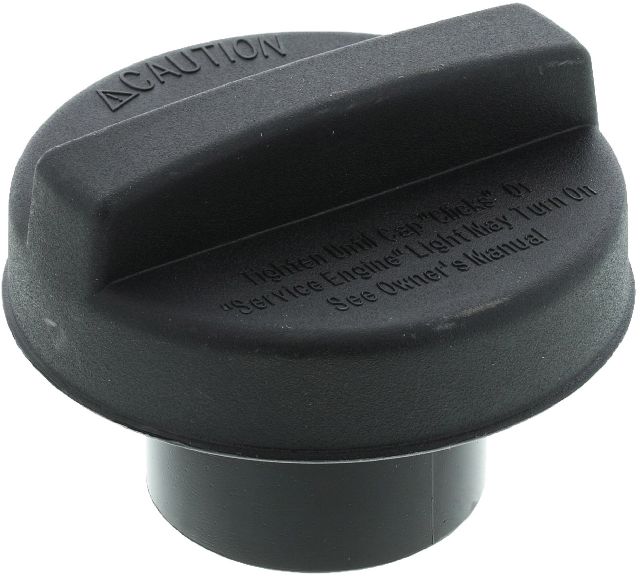
- Loose or Worn Gas Cap 🔴 High Probability → Shop Fuel Tank Cap The gas cap is a frequently handled part, and its seal can wear out over time, preventing the EVAP system from holding a vacuum. This is the simplest and most common cause for any EVAP code.
How to confirm: Ensure the cap is tightened until it clicks multiple times. Inspect the rubber O-ring on the cap for any cracks, stiffness, or visible damage. Check the fuel filler neck for rust or debris that could prevent a good seal.
Typical fix: Replace the gas cap. It is highly recommended to use an OEM Mopar cap (such as part number 52124512AA), as many owners report that aftermarket caps fail to seal properly and do not resolve the code.
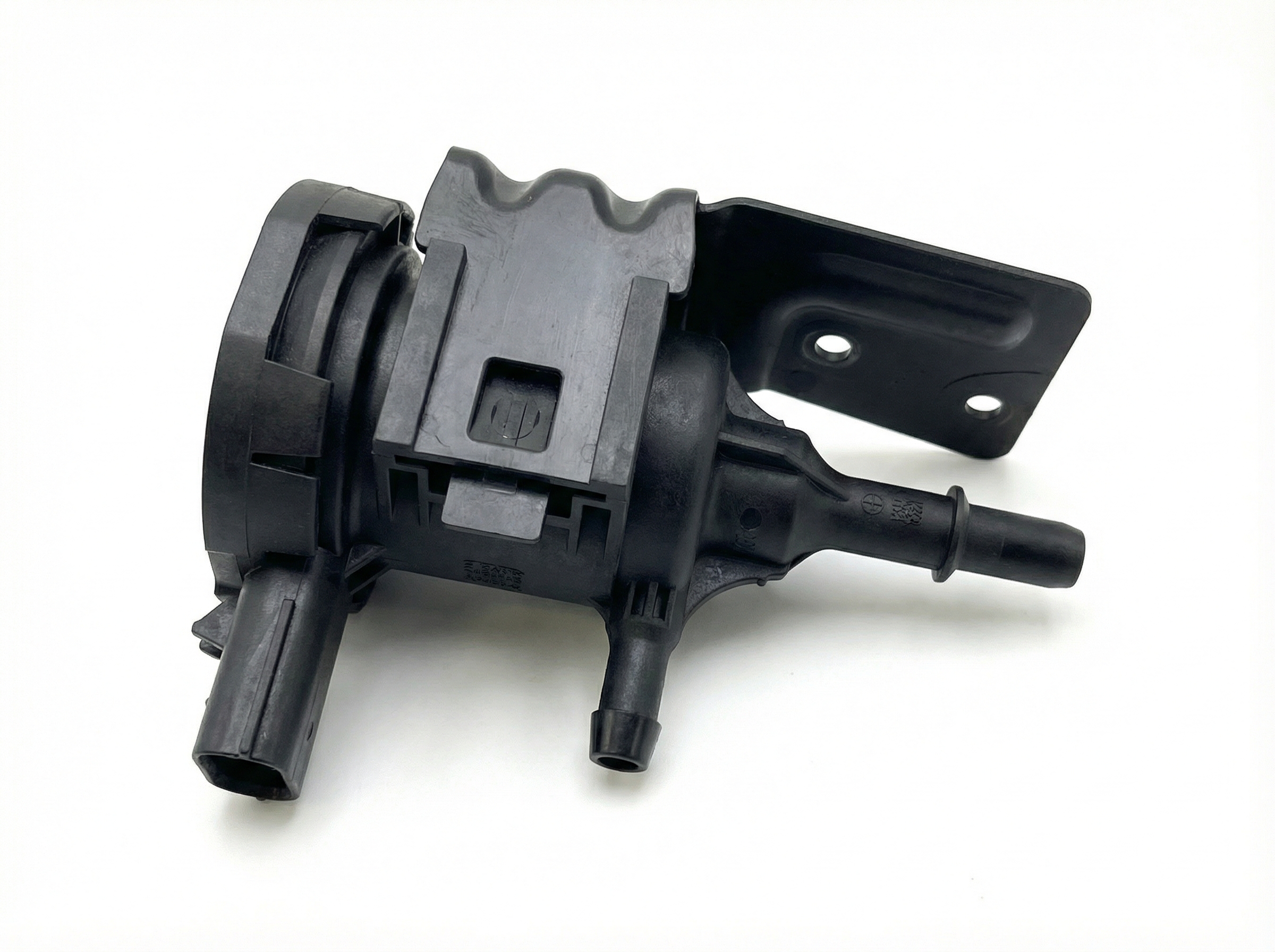
Est. part cost: $15-$35 - Faulty EVAP Purge Valve / Solenoid 🔴 High Probability → Shop Vapor Canister This is a very common failure item on the RT platform, especially with the 3.6L Pentastar engine. The solenoid gets stuck open or closed, causing an incorrect purge flow (P0441) or a constant leak path that triggers P0440.
How to confirm: The purge valve is located in the engine bay. With the engine running, you can sometimes hear it clicking. A definitive test involves removing the valve and trying to blow through it; it should be closed and not allow air to pass when de-energized. A scan tool can also command it open and closed to test function. A multimeter can be used to check the resistance between the two pins on the valve; a normal reading is between 14 and 30 Ohms.
Typical fix: Replace the purge valve solenoid. An owner report in NHTSA ODI #11350522 mentions replacing the purge valve after the check engine light threw the P0440 code twice.
Est. part cost: $25-$75 - Cracked or Disconnected EVAP Hoses 🟡 Medium Probability Rubber and plastic hoses become brittle over time due to heat and age, leading to cracks. This is common in the engine bay near the purge valve and under the vehicle near the charcoal canister. Rodents are also known to chew on these hoses.
How to confirm: Visually inspect all accessible EVAP hoses for cracks, brittleness, or disconnection. Pay close attention to the lines running from the purge valve to the intake manifold. A smoke test is the most effective way to find a leak that isn't obvious visually.
Typical fix: Replace the damaged section of hose or the entire hose assembly. Small cracks can sometimes be repaired with a section of new rubber fuel hose and clamps.
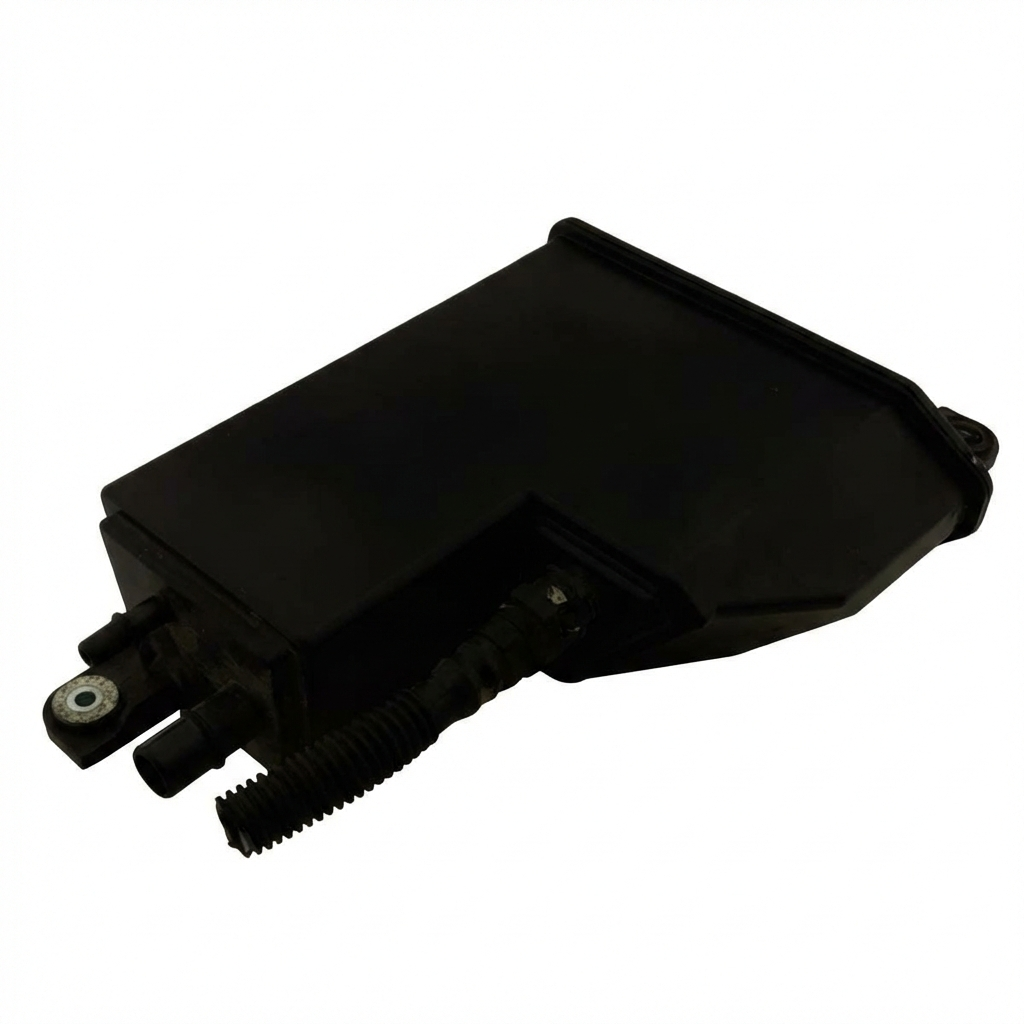
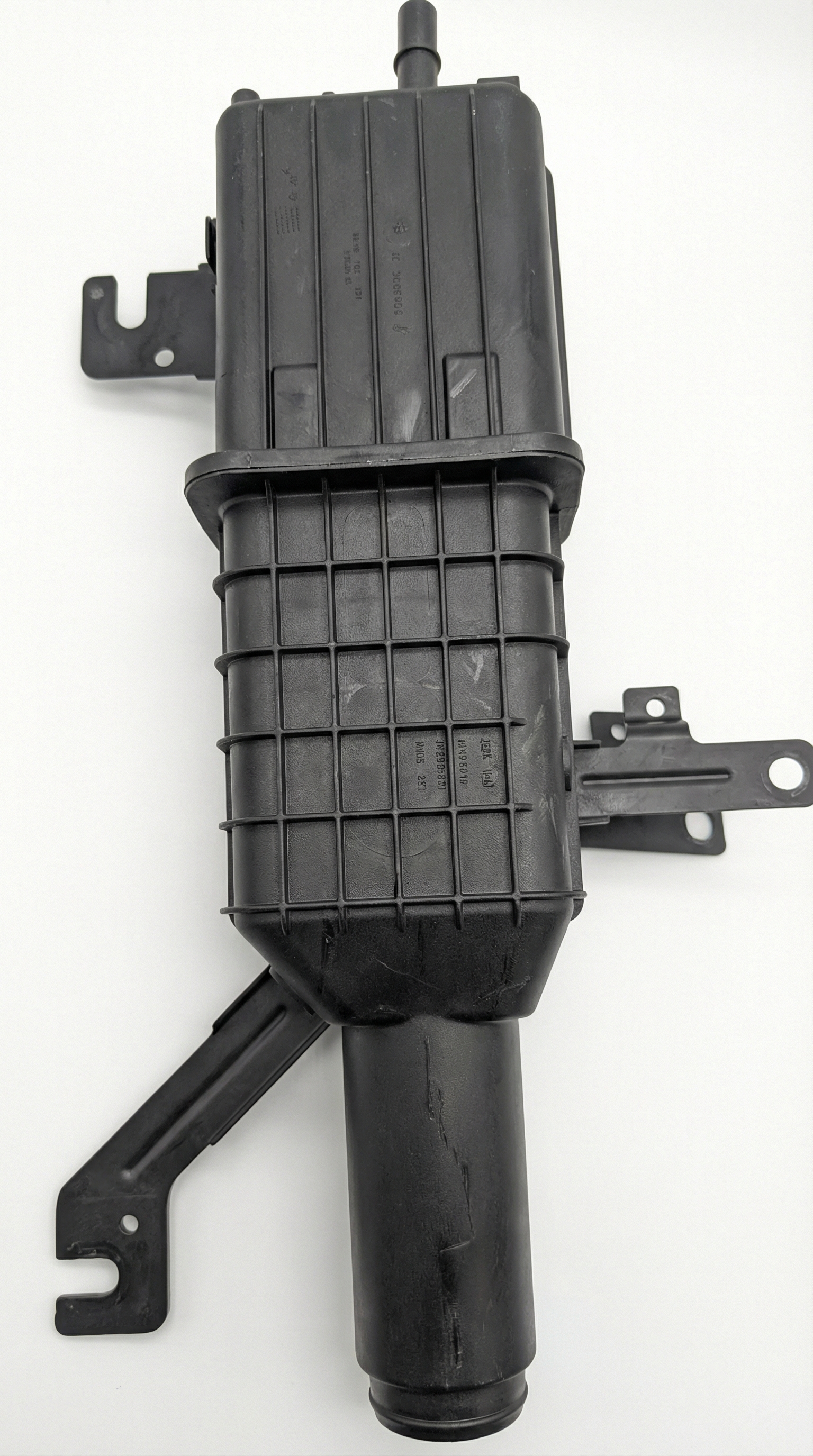
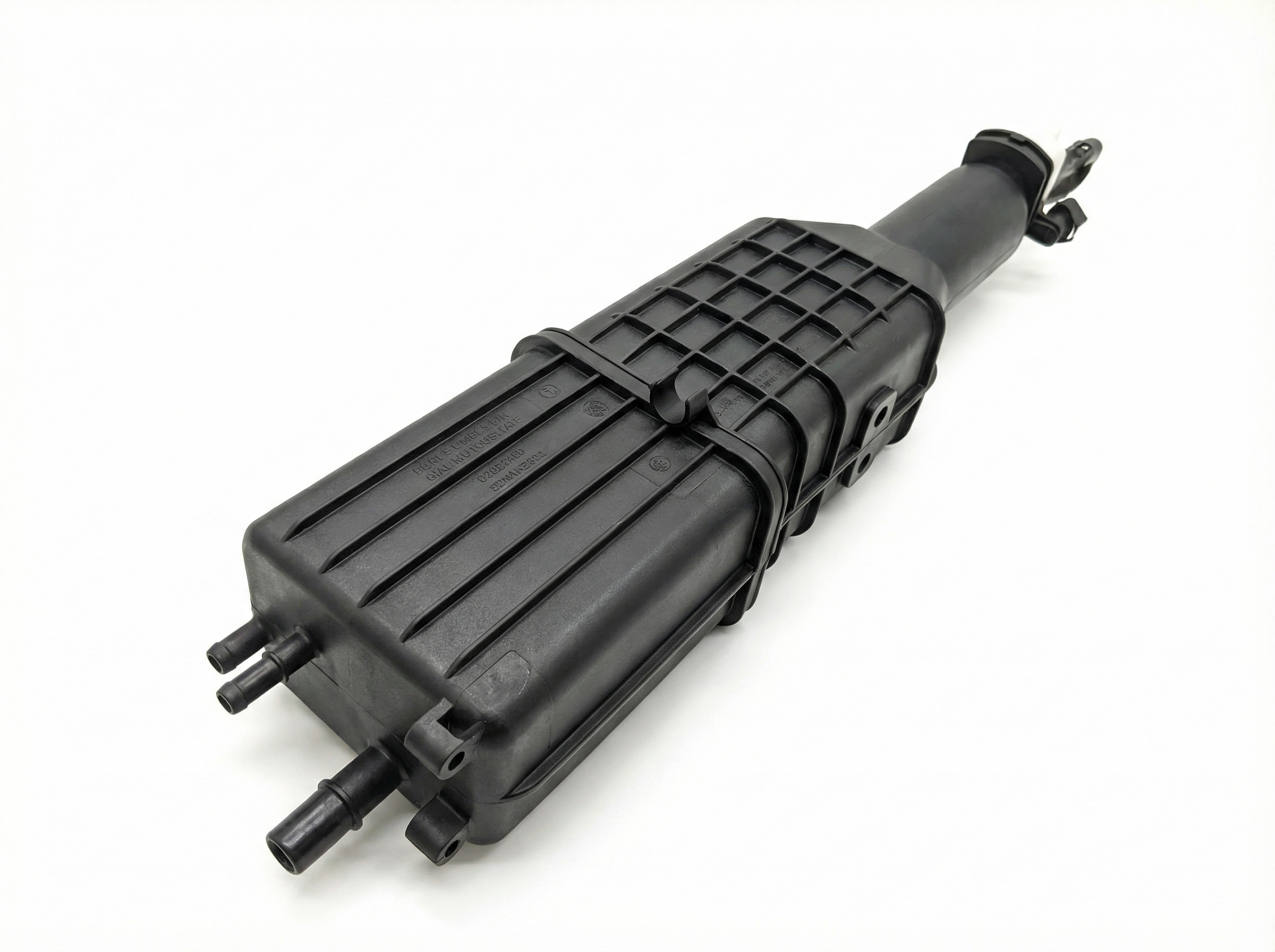
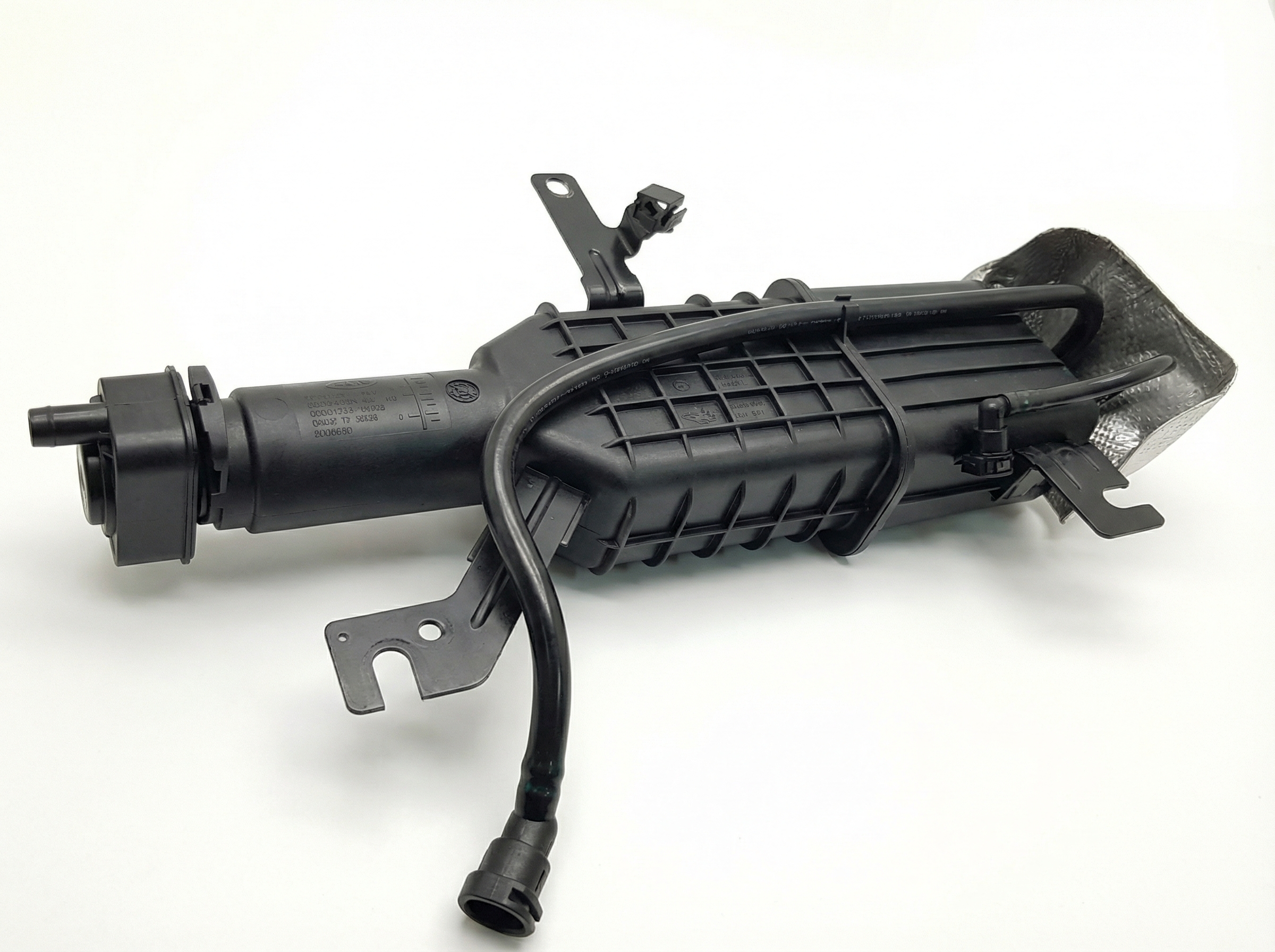
Est. part cost: $10-$100 - Faulty EVAP System Integrity Module (ESIM) 🟡 Medium Probability → Shop Vapor Canister The ESIM (also called a leak detection pump) is a known failure point on many Chrysler/Dodge vehicles. The internal switch or diaphragm can fail, causing the system to incorrectly report a fault even when no physical leak exists.
How to confirm: The ESIM is located on the charcoal canister under the driver's side of the vehicle. It can be tested with a capable scan tool or by applying vacuum/pressure and checking for a signal with a multimeter. 🎬 See how to test and understand the ESIM system. Often, it is replaced after other, simpler causes are ruled out.
Typical fix: Replace the ESIM. It twists about a quarter turn to lock into place on the charcoal canister. Ensure the new module is installed with the electrical connector at the 3 o'clock position, as it is gravity-dependent and will not function correctly otherwise. 🎬 Watch: How to replace the ESIM leak detection pump.
Est. part cost: $30-$60
Rare But Worth Checking
- Cracked Charcoal Canister: → Shop Vapor Canister The canister itself can develop cracks from road debris or age, creating a large leak. This is usually found during a smoke test after other components have been checked.
- Corroded or Damaged Wiring: A corroded wire or bad ground for an EVAP component (like the ESIM or purge valve) can mimic a component failure. This is more common in regions with heavy road salt use and should be investigated if replacing a part doesn't solve the code. A corroded wire to the NVLD pump (an earlier version of the ESIM) was found to be the cause of a P0440 on a 2007 Caravan.
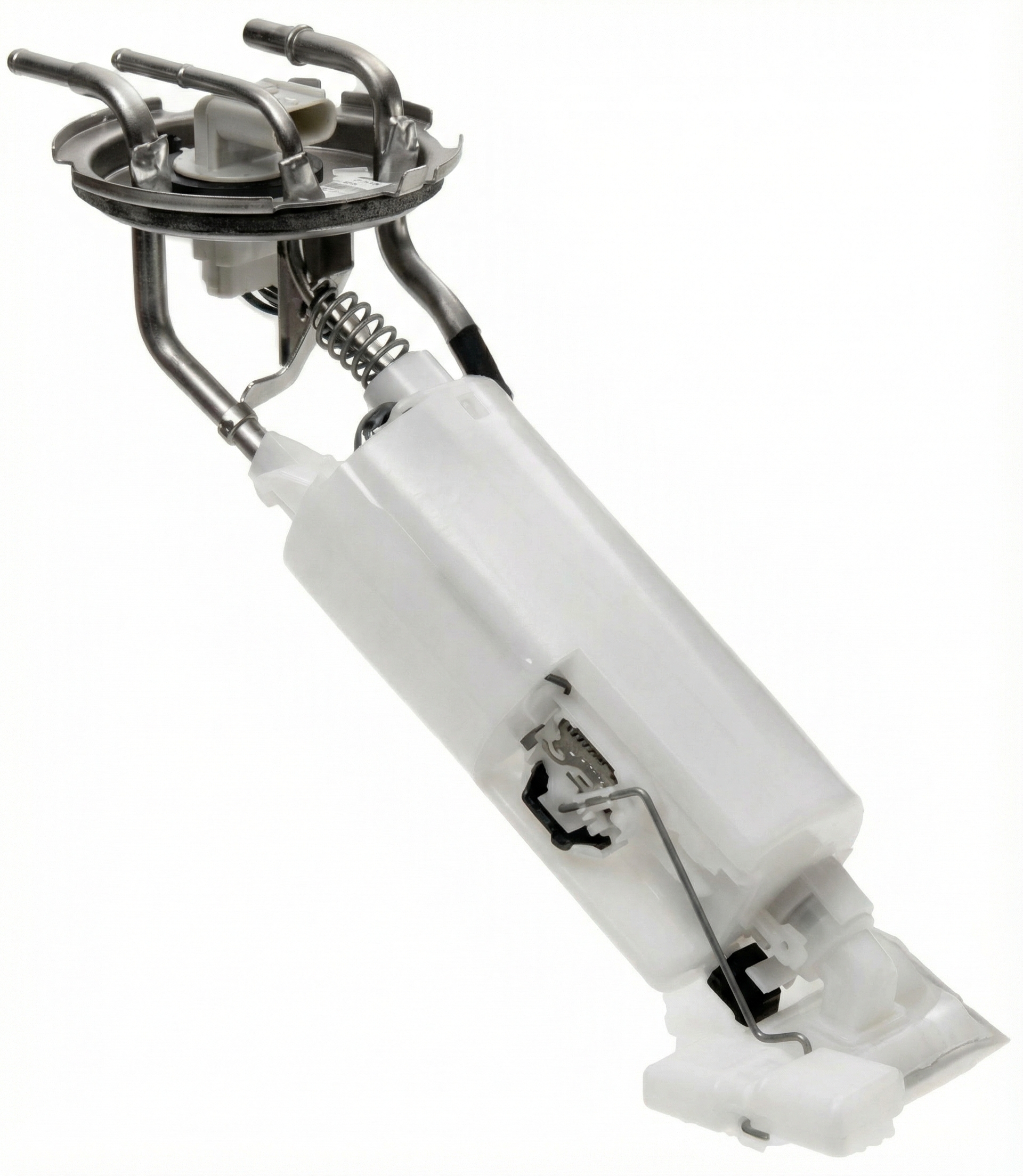
- Leaking Fuel Tank Pressure Sensor: → Shop Fuel Tank The sensor itself or its seal on the fuel pump module can degrade and cause a leak, triggering the code. This is less common than other component failures.
Diagnosis Steps
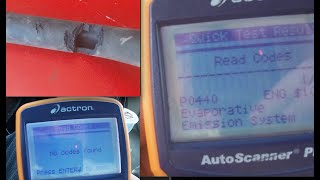
- Confirm the P0440 code is present using an OBD-II scanner.
- Inspect the gas cap. Ensure it is tight and clicks when closed. Remove it and check the rubber seal for cracks or damage. Replace with an OEM cap if in doubt.
- Clear the code and drive for a few days to see if it returns. Some vehicles require several drive cycles for the EVAP monitor to run.
- Visually inspect the EVAP purge solenoid and its connecting hoses in the engine bay. On the 3.6L engine, this is on the passenger side near the firewall, behind the airbox. On older 3.3L/3.8L engines, it's often on the driver's side near the radiator cap.
- Test the purge solenoid. Unplug it and remove it. With the valve de-energized, you should not be able to blow through it. If you can, it's stuck open and must be replaced. Alternatively, test the resistance across its pins; a reading of 14-30 Ohms is normal.
- Safely raise the vehicle and locate the charcoal canister under the driver's side, near the fuel tank.
- Thoroughly inspect all rubber and plastic hoses connected to the canister and ESIM for cracks, brittleness, or loose connections.
- If no visual damage is found, perform a smoke test on the EVAP system. This will force low-pressure smoke into the system and reveal the exact location of any hard-to-see leaks from hoses, the canister, or the fuel filler neck.
- If the smoke test shows no leaks, the ESIM on the charcoal canister is the most likely remaining cause. Replace it, ensuring the new part is oriented correctly (connector at 3 o'clock).
Parts You'll Likely Need
- EVAP Purge Valve / Solenoid
(OEM #04891731AC (for 3.6L Pentastar, verify by VIN))— This is a very high-frequency failure item on this platform that causes P0440 and P0441 codes.
Trusted brands: Mopar, Dorman, Standard Motor Products
OEM price range: $50-$90
Aftermarket price range: $25-$75 - Fuel Cap
(OEM #52124512AA (Common, but verify by VIN))— A worn seal on the gas cap is a simple and very common cause for all EVAP codes. Aftermarket caps are a frequent source of recurring issues.
Trusted brands: Mopar, Stant
OEM price range: $20-$35
Aftermarket price range: $15-$25 - EVAP System Integrity Module (ESIM)
(OEM #04861962AD (Common, but verify by VIN))— This leak detection pump is another common failure point that can set a P0440 code even when a smoke test reveals no leaks. The Mopar part number 04861962AD supersedes part number 04861962AC.
Trusted brands: Mopar, Dorman
OEM price range: $40-$70
Aftermarket price range: $30-$60
Related Codes That Often Appear With This One
- P0456 — A very small leak detected. A deteriorating component like a gas cap seal or a failing ESIM can initially trigger a P0456 before it worsens and is flagged as a general P0440 fault.
- P0441 — Incorrect purge flow. This code is very common alongside P0440 because it is often caused by the same faulty purge valve that is stuck open or closed.
- P0455 — A large leak detected. A very loose gas cap or a completely disconnected hose can sometimes trigger a P0455 instead of, or along with, a P0440.
Technical Service Bulletins (TSBs) & Recalls
- TSB 09-008-15: While not directly for P0440, this TSB addresses diagnosing oil leaks from the 3.6L engine's oil filter housing. An oil leak in this area can saturate and degrade nearby EVAP vacuum lines, causing a leak that could trigger a P0440 code.
- Bulletin #1809423: This manufacturer bulletin notes that P0440 (General Evap System Failure) may be set alongside P0455, P0456, or P0441, and involves reprogramming the PCM with the latest software.
- Bulletin #1807422: A manufacturer service bulletin states that if DTC P0440 is present along with P0456, technicians should use the wiTECH Small Leak Verification Test (SLVT) to determine the cause.
Platform-Specific Known Issues
- A user on DodgeForum.com with a 2017 Grand Caravan reported an oil leak that was diagnosed as a cracked oil filter housing, a common platform issue, but EVAP hose damage can also occur in the same area from heat and age.
- On the forum '2carpros.com', a technician notes that on these vans, the vacuum lines under the airbox for the purge solenoid are extremely prone to splitting and cracking.
Documented NHTSA Reports
- NHTSA ODI #11455058 describes a check engine light coming on with code P0440 for the Evaporative Emission System, leading the owner to investigate if a recall had been issued for the vehicle.
- NHTSA ODI #10212134 reports a P0440 General Evap System Failure occurring alongside codes for manifold pressure and transmission control, resulting in vehicle hesitation and power loss.
Mechanic-Grade Diagnostic Values
- EVAP Purge Valve Solenoid Coil Resistance — expected: 14 to 30 Ohms. Failure: An open circuit (infinite resistance) or a short circuit (near zero resistance) indicates a failed solenoid.
- EVAP Purge Valve Solenoid Connector Voltage — expected: 11-12 Volts DC (with key on, engine off). Failure: No voltage suggests a problem with the wiring or the Powertrain Control Module (PCM).
- ESIM Switch Signal Voltage (at PCM) — expected: 5.0V or 12.0V (depending on configuration) when the switch is open.. Failure: 0V when the switch should be open, or voltage that does not drop to near 0V when vacuum is applied, points to a faulty switch or wiring.
- Purge Solenoid Control Circuit Continuity — expected: Less than 5.0 Ohms. Failure: High resistance indicates a break or corrosion in the control wire between the solenoid and the PCM.
Scan Tool Commands That Help
- wiTECH (or capable high-end scanner): Small Leak Verification Test (SLVT) — This is the mandatory dealer-level test to run before and after a repair for a small leak code (like P0456, often related to P0440). It confirms if a leak is actually present and verifies the fix, as a normal drive cycle test is not sufficient.
- wiTECH (or capable high-end scanner): EVAP Purge Solenoid Actuation Test — This command manually opens and closes the purge solenoid. It's used to verify the solenoid clicks and to confirm it seals properly when commanded closed during a smoke or vacuum test.
- wiTECH (or capable high-end scanner): ESIM Force Monitor Test — This test is crucial when a smoke test shows no leaks. It directly commands the ESIM to check its internal switch state. A scan tool can show if the switch is stuck open or closed, confirming an electrical failure of the ESIM itself.
Wiring & Ground Locations
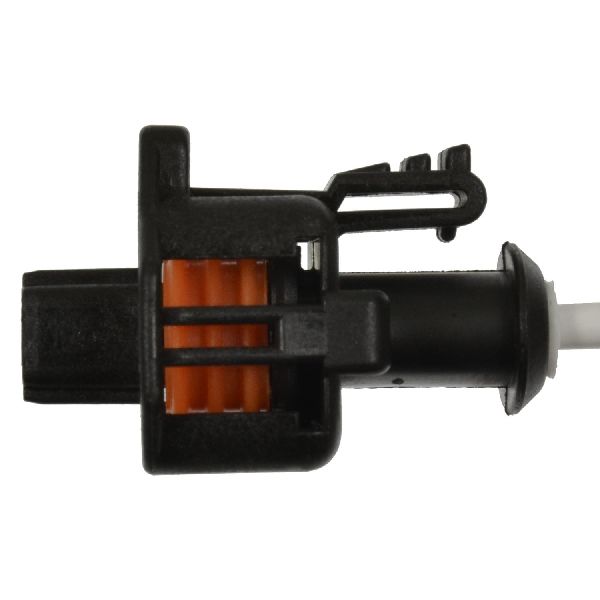
- EVAP Purge Solenoid Connector — On the purge solenoid, located on the passenger side of the engine bay, behind the air filter box (3.6L).. Pin 1 is the EVAP Purge Control circuit (K52, 20DB/WT wire) and Pin 2 is the return circuit (K70, 20DB/BR wire). Testing for voltage and continuity at these pins is essential for diagnosing a circuit fault vs. a failed solenoid.
- S303 / S353 — Splice points located in the body harness at the driver's side kick panel.. These are common splice points for various data lines and sensor grounds. Corrosion or a bad connection here can cause intermittent communication issues with EVAP components.
- G302 — A primary body ground point, often located in the driver's side rear quarter panel area.. The Power Liftgate Module (PLM) and other rear-body components ground here. While not directly the EVAP ground, a poor connection at G302 can introduce electrical noise and issues for nearby components like the ESIM and charcoal canister wiring.
Real Owner Repair Stories
- YouTube user comment (2005 Dodge Grand Caravan SXT 3.8L, 97,519 miles) — Check engine light with code P0440.
❌ Tried (didn't work) Initial diagnosis was unclear.
✅ What actually fixed it Replaced a heat-shielded vacuum hose that runs from the charcoal canister through the frame after discovering a squirrel had chewed through it. - YouTube video (2000 Toyota Celica GT (demonstrates a similar P0440 issue)) — Persistent P0440 check engine light.
❌ Tried (didn't work) Replaced gas cap, Inspected engine bay hoses, Replaced multiple other EVAP system parts
✅ What actually fixed it After dropping the gas tank, a hairline crack was discovered on the fuel tank vent valve where it seals to the tank. Replacing this valve finally resolved the code. - NHTSA ODI #11350522 — An owner reported that at 69,000 miles, the check engine light came on and code P0440 was thrown twice. The owner replaced the purge valve at their own cost to address the issue.
"I Checked Everything" — The Actual Cause
- In a documented case on a similar Chrysler platform (Jeep Wrangler), a P0440 was present but the system passed a smoke test with no leaks found. The technician then used a bidirectional scan tool to run the 'ESIM Force Monitor Test'. The scan tool revealed the ESIM's internal switch was stuck in the 'Open' position when it should have been closed. Replacing the ESIM resolved the code, confirming that the ESIM can fail electronically in a way that a physical smoke test cannot detect.
OEM Part Supersession History
04861962AC→04861962AD— Revision of the ESIM for improved reliability or manufacturing process.
Heads up: The parts are interchangeable; 04861962AD is the correct service replacement for the earlier part number.Previous versions→04861963AD— Revision of the 3.6L purge valve solenoid.
Heads up: This part number is for a P0443 (circuit fault) but is the same physical part that can cause a P0440. It is the current replacement for earlier versions on the 3.6L engine.
Model Year Variations Within This Range
- 2008-2010 vs 2011-2020: The primary difference is the main engine offered. Pre-2011 models used the 3.3L, 3.8L, and 4.0L V6 engines, while 2011 and newer models primarily used the 3.6L Pentastar V6. The location of the EVAP purge solenoid differs significantly. On the 3.3L/3.8L, it is often on the driver's side of the engine bay, while on the 3.6L, it is on the passenger side, behind the airbox.
Diagnostic Flowchart
Other Known Issues on This Vehicle
Issues unrelated to this code that are worth knowing about as an owner of this generation:
- Cracked Oil Filter Housing / Cooler Assembly (3.6L Pentastar) 🔴 High — Extremely common, especially on 2011-2014 models. The plastic housing cracks from heat cycles, causing a major oil leak into the engine valley, often mistaken for a rear main seal leak. (Ref: TSB 09-008-15 helps diagnose oil pooling in the engine valley.)
- 62TE Automatic Transmission Failures 🔴 High — Widespread across the vehicle's lifespan. Symptoms include harsh shifting (especially 2-3), shuddering, delayed engagement, and outright failure. Problems are often traced to the solenoid pack, valve body, or torque converter.
- Totally Integrated Power Module (TIPM) Failure 🔴 High — Common on earlier models (approx. 2008-2013). A faulty internal fuel pump relay can cause intermittent no-start conditions or engine stalling while driving. Other electrical gremlins like non-operative lights or windows are also symptoms. (Ref: Recalls were issued for some related vehicles (like Durango/Grand Cherokee), but not all Grand Caravans were covered despite similar issues.)
- Premature Brake Wear 🟠 Medium — Widely reported on 2008 and newer models. Owners complain of needing to replace pads and rotors far more frequently than expected, sometimes in under 20,000 miles, due to an undersized system for the vehicle's weight. (Ref: A recall was issued for some 2018-2019 models for a rear brake caliper piston issue, but the general wear problem is more widespread.)
Used vs. New Parts: Buying Guide for This Vehicle
When a used part is the smart pick: Used parts can be a cost-effective option for larger, non-wear items like a charcoal canister (if visually inspected for cracks) or a complete hose assembly from a low-mileage, rust-free donor vehicle. A fuel filler neck from a dry-climate vehicle can also be a good value.
Donor-vehicle mileage cap: roughly under 75000 miles for the part to have meaningful remaining life.
What to inspect on the donor part:
- For hoses, squeeze the rubber to ensure it is still pliable and not hard or brittle.
- For canisters, check for any physical cracks, especially around the hose ports.
- For electrical connectors, ensure there is no green or white corrosion on the pins.
- Avoid parts from vehicles in the salt belt, as corrosion on wiring and metal components (like the filler neck) is a major concern.
OEM-only on this vehicle (don't cheap out):
- Fuel Cap: This is the most critical part to buy OEM (Mopar). Aftermarket caps are widely reported on forums to seal improperly, causing the P0440 code to return.
Aftermarket brands forum-validated for this vehicle:
- Dorman: Often cited as a reliable aftermarket option for the ESIM (leak detection pump) and purge valve.
- Standard Motor Products (SMP): A well-regarded brand for emissions components, including purge valves and canisters.
Brands owners have reported issues with on this vehicle:
- Unbranded, low-cost gas caps from online marketplaces are frequently reported as failing to fix EVAP codes.
Real Owner Stories
Aggregated from forums and TSBs cited above. Mileages and costs reflect what owners reported in those sources.
2017 Dodge Grand Caravan 3.6L
Symptoms: Oil leak diagnosed as a cracked oil filter housing.
What fixed it: While the primary fix was the housing, the context notes this area's heat and oil saturation can damage EVAP hoses, requiring inspection of the vacuum lines.
Source hint: DodgeForum.com - '5th Gen 08+ Oil Filter Housing Leaking - 2017 Grand Caravan'
2007 Dodge Caravan 3.3L
Symptoms: P0440 and P0456 codes present simultaneously.
What fixed it: The owner sought help for these specific EVAP codes on a 3.3L model.
Source hint: Reddit r/MechanicAdvice - 'P0440 P0456 2007 dodge caravan 3.3L help'
2008-2020 Dodge Grand Caravan
Symptoms: Vacuum lines under the airbox splitting and cracking.
What fixed it: Replacing the vacuum lines for the purge solenoid located under the airbox.
Source hint: 2CarPros.com - 'I Got This Code P0440 What Does It Mean and How Can I Fix It?'
2018 Dodge Platform
Symptoms: Check engine light came on at 69,000 miles.
What fixed it: The owner reported that code P0440 was thrown twice, and they replaced the purge valve to resolve the issue (NHTSA ODI #11350522).
Related OBD-II Codes
Frequently Asked Questions
I have a 2017 Dodge Grand Caravan with an oil leak; could this be causing my P0440 code?
Which gas cap should I buy for my Grand Caravan to fix this code?
Where is the EVAP System Integrity Module (ESIM) located on my van?
Is there a specific way to install the ESIM on a Dodge Grand Caravan?
Why does the gas pump nozzle keep clicking off when I try to fill my Grand Caravan?
Can a bad purge valve cause my Grand Caravan to struggle to start after getting gas?
Helpful Videos
Used OEM Parts in Stock
New Aftermarket Parts Available


The information in this article is provided for general reference and educational purposes only. Vehicle specifications, procedures, and part compatibility can vary by production date, trim level, and region. Always consult your vehicle's factory service manual and verify part numbers before purchasing or performing repairs. Safety-critical components such as airbags, seat belts, and braking systems should be installed by a qualified professional.
- Dodge Grand Caravan:
- 🧭 Diagnostic Flowchart
- 🎬 Helpful Videos
- 🛍️ Shop This Part
- What's Unique About the 2008-2020 Dodge Grand Caravan
- Symptoms You May Notice
- Most Likely Causes
- Rare But Worth Checking
- Diagnosis Steps
- Parts You'll Likely Need
- Related Codes That Often Appear With This One
- Technical Service Bulletins (TSBs) & Recalls
- Platform-Specific Known Issues
- Documented NHTSA Reports
- Mechanic-Grade Diagnostic Values
- Scan Tool Commands That Help
- Wiring & Ground Locations
- Real Owner Repair Stories
- "I Checked Everything" — The Actual Cause
- OEM Part Supersession History
- Model Year Variations Within This Range
- Other Known Issues on This Vehicle
- Used vs. New Parts: Buying Guide for This Vehicle
- Real Owner Stories
- 2017 Dodge Grand Caravan 3.6L
- 2007 Dodge Caravan 3.3L
- 2008-2020 Dodge Grand Caravan
- 2018 Dodge Platform
- Related OBD-II Codes
- Frequently Asked Questions
- 🎟️ Get 5% Off