

P0440 on 1998-2002 Honda Accord: EVAP Malfunction Causes and Fixes
On a 1998-2002 Honda Accord, P0440 is a general EVAP system fault. It is most often a precursor to, or accompanied by, the more specific Honda code P1457, which points to a leak in the canister area. The overwhelming cause is a corroded EVAP Canister Vent Shut (CVS) Valve located under the car. Check the gas cap first, but expect to replace the vent valve, which costs about $40-$90 for the part.
- Start with the simplest fix: check that your gas cap is tight and the seal is not cracked. This resolves a large percentage of EVAP issues.
- The most likely failed part on a 1998-2002 Accord for code P0440 is the EVAP canister vent shut valve, located on the charcoal canister under the rear of the car.
- P0440 is a generic code. If you also have a P1456 or P1457, it will help you focus your diagnosis on either the fuel tank side or the canister side of the system.
- This code will not affect how your car drives, but it will cause you to fail an emissions test.
- If a visual inspection doesn't reveal the problem, a smoke test is the most effective way to find the exact source of the leak.
What's Unique About the 1998-2002 Honda Accord
For the 6th generation Honda Accord (1998-2002), the P0440 code is often a sign of a failing EVAP canister vent shut valve (CVS). This component is located under the car near the rear driver's side wheel, where it is highly susceptible to rust, dirt, and road salt. This corrosion causes the valve to seize or stick, preventing the EVAP system from sealing properly for its self-test. While P0440 is a general code, Honda's system is more specific; a fault in the canister area will almost always set a P1457 code. If you only have P0440, it may be an intermittent issue, but the vent shut valve remains the most likely component-level failure. Honda acknowledged this widespread issue in Technical Service Bulletin (TSB) 03-001.
Symptoms You May Notice
- Check Engine Light is on.
- A faint smell of fuel, especially around the rear of the car or in the cabin.
- Vehicle will automatically fail an emissions/smog test.
- Difficulty starting after refueling (rare).
- Replacing the O2 sensors. O2 sensors have nothing to do with the EVAP system.
- Replacing the purge valve in the engine bay when the more common failure is the vent valve at the rear of the car. The P1457 code specifically points to the canister side of the system.
- Replacing the gas cap for a P1457 code. While a cheap first step, P1457 is almost always a canister-area leak, not a tank/cap leak (which is P1456).
Most Likely Causes
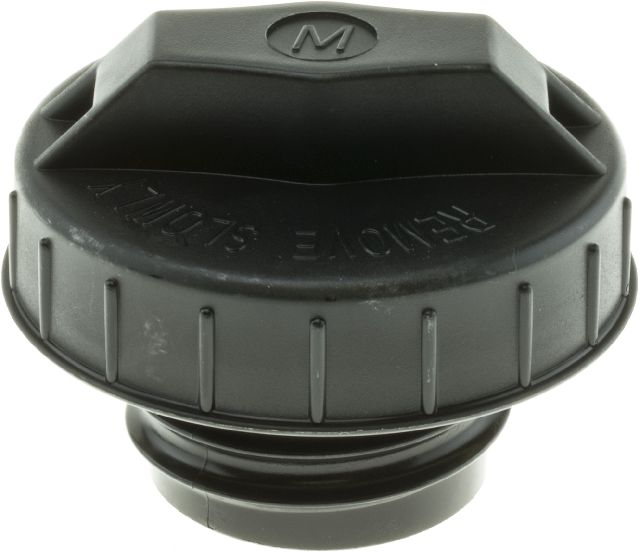
- Loose or Faulty Gas Cap 🔴 High Probability → Shop Fuel Tank Cap This is a common cause for EVAP codes on any vehicle due to user error (not tightening enough) or simple wear of the cap's O-ring seal. On Hondas, this more typically sets a P1456 code (tank-side leak), but it can sometimes trigger a general P0440 first.
How to confirm: Ensure the gas cap is tightened until it clicks at least three times. Inspect the rubber seal on the cap for cracks, stiffness, or damage. A hissing sound when opening the cap is normal and indicates the tank was sealed.
Typical fix: Tighten the cap and clear the code. If the code returns, replace the gas cap with a new OEM or high-quality aftermarket part.
Est. part cost: $15-$30 - Faulty EVAP Canister Vent Shut Valve (CVS Valve) 🔴 High Probability → Shop Vapor Canister The valve is mounted on the EVAP canister under the car, exposing it to road grime, salt, and moisture. This leads to severe corrosion that causes the valve to stick open or closed. Honda TSB 03-001 was issued specifically for this problem, noting its prevalence in salt-belt regions.
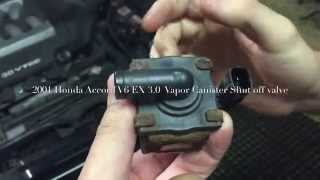
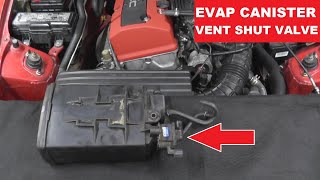
How to confirm: Locate the valve on the charcoal canister under the car, ahead of the driver's side rear wheel. Apply 12V power to its two terminals; a healthy valve will make an audible click. If it doesn't click, it has failed. It is normally open, so if you can't blow air through it when de-energized, it is stuck closed.
Typical fix: Replace the canister vent shut valve. Be prepared for the two Phillips head screws holding it to be rusted solid. They often strip or break off, which may require drilling them out or replacing the entire canister assembly 🎬 See how to handle rusted-on screws during this repair. if the housing breaks.
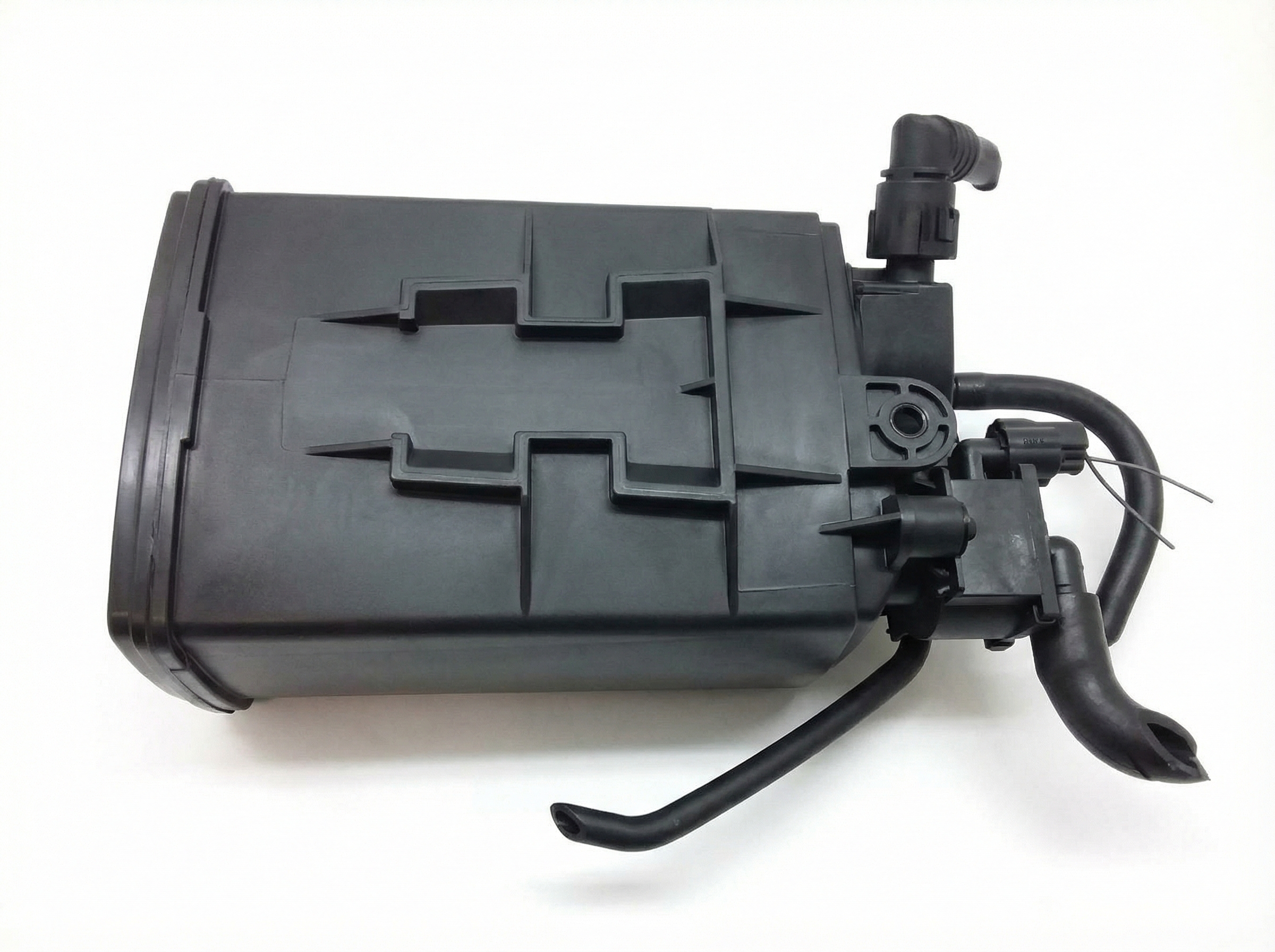
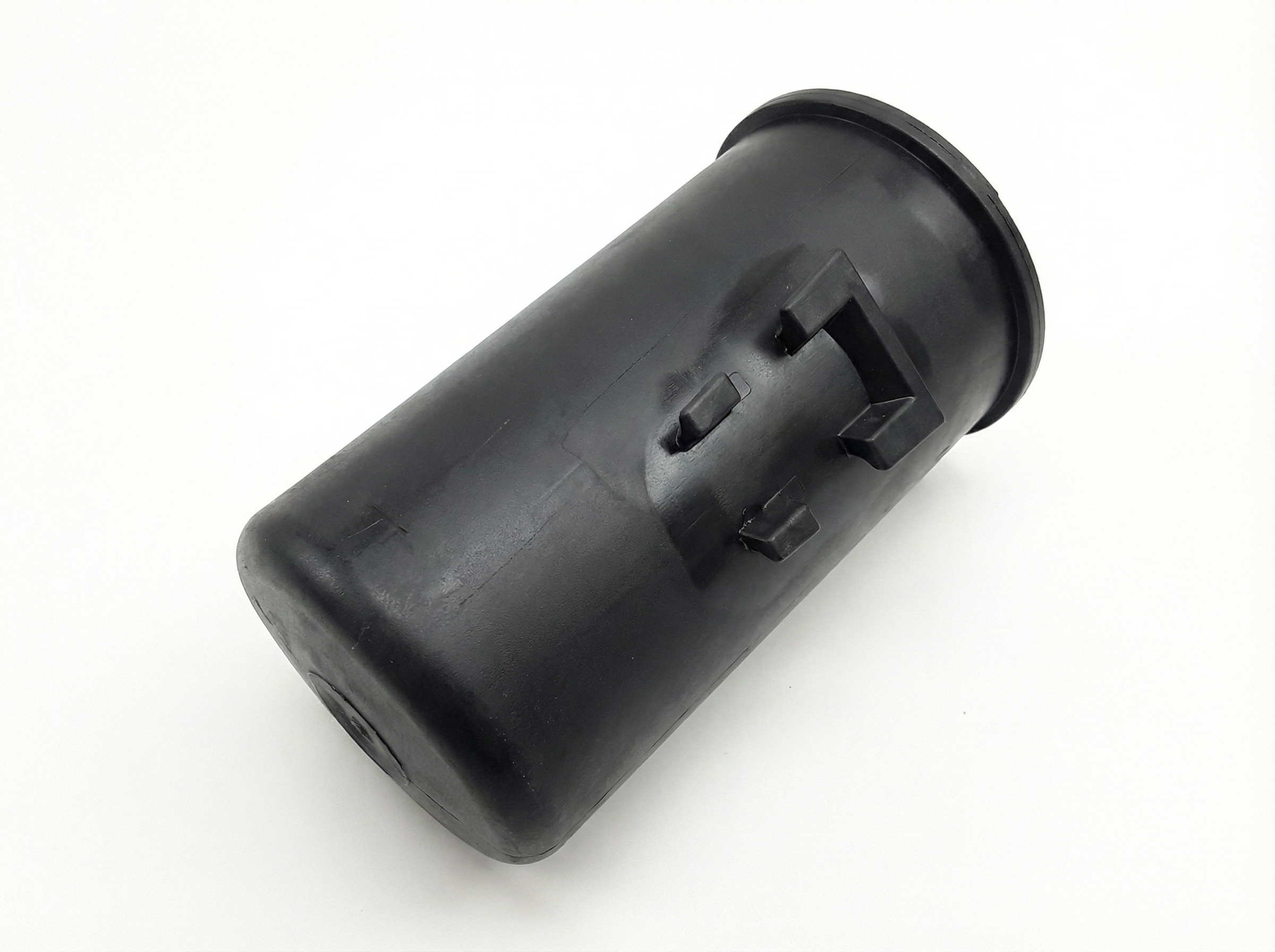
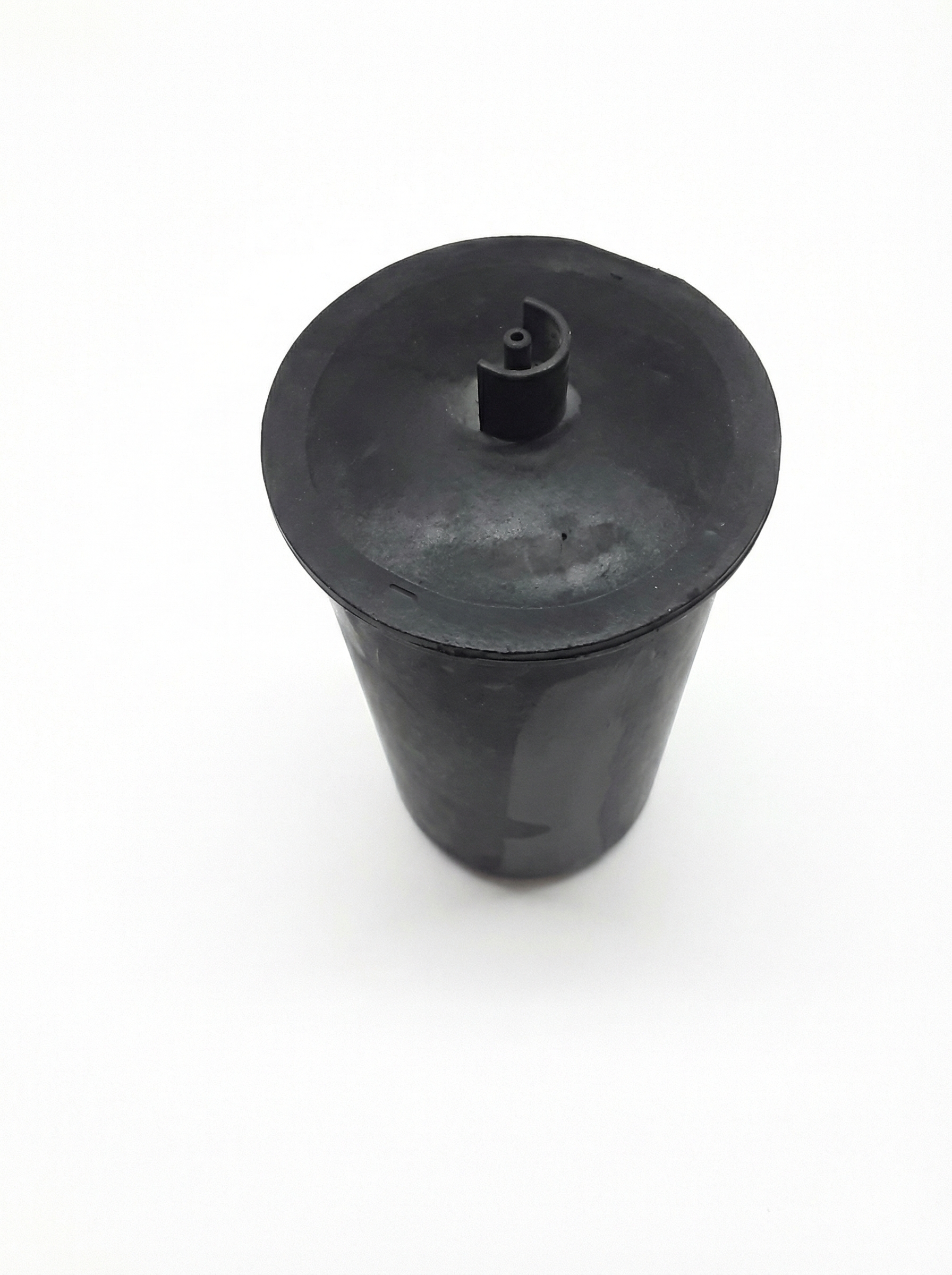
Est. part cost: $40-$90 - Cracked or Leaking EVAP Charcoal Canister 🟡 Medium Probability → Shop Vapor Canister The plastic canister can become brittle with age and develop cracks. More commonly, the canister must be replaced because the brass inserts for the vent valve screws break loose or the housing cracks when trying to remove the rusted screws.
How to confirm: A visual inspection may reveal cracks. The definitive method is a smoke test, which will show smoke leaking from the canister body. Often, the need for replacement is only discovered after breaking it during a vent valve repair attempt.
Typical fix: Replace the entire EVAP canister assembly.
Est. part cost: $180-$270 - Faulty EVAP Purge Control Solenoid Valve ⚪ Low Probability → Shop Vapor Canister While less common than the rear vent valve, this solenoid, located in the engine bay near the throttle body, can fail by sticking open or closed.
How to confirm: With the engine running, disconnect the vacuum hose from the valve; there should be no vacuum at idle. You can also test it with a hand vacuum pump to see if it holds vacuum when de-energized. Using a scan tool, you can command it to open and listen for a clicking sound.
Typical fix: Replace the purge control solenoid valve.
Est. part cost: $50-$100 - Rusted or Cracked Fuel Filler Neck ⚪ Low Probability → Shop Fuel Filler Neck In areas with heavy road salt use (the "rust belt"), the metal filler neck can corrode and perforate, creating a large EVAP leak that typically sets a P1456 code but can also cause P0440.
How to confirm: Visually inspect the entire length of the filler neck (from the gas cap to the tank) for rust, flaking, or visible holes. A smoke test is the most effective way to confirm a small pinhole leak.
Typical fix: Replace the fuel filler neck.
Est. part cost: $70-$150
Rare But Worth Checking
- Faulty Fuel Tank Pressure (FTP) Sensor: → Shop Fuel Tank This is rare. The sensor can fail and give false readings, making the computer think there's a leak when there isn't. This usually sets other specific sensor-related codes (like P0452 or P0453) but is a possibility if all other components test good.
- Damaged Powertrain Control Module (PCM): Extremely rare, but TSB 03-001 warns that a severely corroded and shorted EVAP vent/bypass valve can damage the driver circuit within the PCM, requiring PCM replacement. This is a last resort after confirming the valve and wiring are good.
Diagnosis Steps
- Check the Gas Cap: Ensure it is an OEM or equivalent cap and is tightened until it clicks multiple times. Inspect the seal for cracks or damage. Clear the code and drive for a few days.
- Scan for Honda-Specific Codes: Use an OBD-II scanner to check for pending or stored codes. The presence of P1457 immediately directs your attention to the EVAP canister area at the rear of the car, while P1456 points to the gas cap or fuel tank area.
- Visual Inspection: Look under the car, just in front of the driver's side rear wheel, for the black plastic EVAP canister. Check all attached rubber hoses for cracks or disconnections. Inspect the canister and the vent valve mounted to it for obvious rust or damage.
- Test the Canister Vent Shut (CVS) Valve: This is the most likely culprit for P1457. Locate the valve on the canister. Disconnect its electrical connector and apply 12V power and a ground to the two pins. You should hear a solid click. 🎬 Watch: How to test and replace the vent shut valve. If it's silent, it's bad. Be aware that the screws holding it are notoriously difficult to remove due to rust.
- Test the Purge Valve: Locate the purge valve in the engine bay near the intake manifold. With the engine off, try to blow through it; it should be closed. With the engine running at idle, it should also be closed (no vacuum on the canister side). You can command it open with a capable scan tool to hear it click.
- Perform a Smoke Test: If the leak is not obvious, the definitive diagnostic method is to use an EVAP smoke machine. Feed low-pressure smoke into the EVAP service port (usually a green cap in the engine bay) and command the vent valve closed with a scan tool. Watch for smoke escaping from any hose, seal, or component, which will pinpoint the leak.
Parts You'll Likely Need
- EVAP Canister Vent Shut Valve
(OEM #17310-S0X-A02 (Note: This part is often confused with the Two-Way Valve. Verify by diagram))— This is the most frequent failure point on 6th generation Accords that causes a P1457/P0440 code. It's exposed to the elements and prone to sticking from corrosion.
Trusted brands: Honda (Genuine), Dorman (911-752), Standard Motor Products (CVS126)
OEM price range: $70-$90
Aftermarket price range: $40-$60 - Fuel Cap
(OEM #17670-S84-A01)— A worn-out seal on the gas cap is a very common cause of all EVAP leak codes (P0440, P1456) and is the easiest and cheapest part to replace first.
Trusted brands: Honda (Genuine), Stant, Gates
OEM price range: $25-$35
Aftermarket price range: $15-$25 - EVAP Charcoal Canister
(OEM #17011-S84-A00)— Usually only replaced when it is cracked or if the housing breaks while trying to remove the rusted screws for the vent shut valve.
Trusted brands: Honda (Genuine)
OEM price range: $180-$270
Aftermarket price range: $120-$200
Related Codes That Often Appear With This One
- P1457 — This is the most common partner code. P1457 is a Honda-specific code for a leak detected in the EVAP canister system. If you have P0440 and P1457, the problem is almost certainly the Canister Vent Shut (CVS) valve or the canister itself.
- P1456 — P1456 is a Honda-specific code for a leak detected in the fuel tank system. It often appears instead of P0440 and strongly points to a bad gas cap or a rusted fuel filler neck.
Technical Service Bulletins (TSBs) & Recalls
- 03-001: Titled 'MIL Comes On With DTC P1457: EVAP Bypass Solenoid Valve Failure', this TSB details the common failure of the canister-mounted valve due to corrosion from road salt, particularly in Northeastern US states. It covers testing, replacement, and the rare possibility of PCM damage.
Platform-Specific Known Issues
- Rusted and Breaking Vent Valve Screws: A very common repair story involves the two Phillips head screws holding the Canister Vent Shut (CVS) valve to the canister. They rust into the brass fittings inside the plastic canister. Attempts to remove them often result in stripping the heads or breaking the screws off entirely. Owners report having to use vice grips, cutting the screws off, or drilling them out. If the plastic housing of the canister cracks during this process, the entire canister must be replaced.
- Honda TSB 03-001: Official Recognition of the Problem: Honda released Technical Service Bulletin 03-001 for the P1457 code, which applies to 1998-2002 Accords and other models. It identifies the cause as corrosion within the EVAP bypass solenoid valve (another name for the vent shut valve) due to water and road salt intrusion. The TSB provides diagnostic steps and, in rare cases, warns that an internal short in the valve could damage the PCM.
Mechanic-Grade Diagnostic Values
- EVAP Canister Vent Shut (CVS) Valve coil resistance — expected: 25 to 30 Ohms. Failure: A reading significantly outside this range, or an open/infinite reading, indicates a failed coil.
- EVAP Purge Control Solenoid Valve coil resistance — expected: 30 to 38 Ohms. Failure: A reading outside this range indicates a faulty solenoid coil.
- Fuel Tank Pressure (FTP) Sensor voltage at atmospheric pressure (key on, engine off) — expected: Approximately 2.45 to 2.55 Volts. Failure: Voltage significantly different from this range indicates a potential sensor or wiring issue.
Hidden / Shadow Codes Worth Checking
- 90-2 (Honda-specific scanner code): This is the proprietary Honda diagnostic system's equivalent code for the OBD-II code P1457, indicating a leak in the EVAP canister area. (see via This code is displayed on older Honda PGM-FI system testers or professional scan tools that can read manufacturer-specific codes.)
Scan Tool Commands That Help
- Honda Diagnostic System (HDS) or equivalent professional scan tool: EVAP System Functional Test — This command allows the technician to manually activate individual EVAP components, such as the Purge Valve and the Canister Vent Shut Valve, to test their operation. You can command the CVS valve closed and listen for a click, or command the purge valve open to check for flow.
Wiring & Ground Locations
- G101 (2.3L) / G107 (3.0L) — Located in the left front of the engine compartment. G101 is a common ground point for many engine-related components.. A corroded or loose G101 can cause intermittent electrical issues for various engine sensors and solenoids, including potentially the EVAP purge valve circuit which receives power via the main relay grounded through this point.
- PCM Connector A, Pin A4 — On the Powertrain Control Module (PCM), which is typically located behind the center console or under the passenger-side dashboard.. This is the ground control pin for the EVAP Canister Vent Shut (CVS) Valve. The PCM grounds this pin to energize and close the valve. A technician can check for continuity from this pin to the CVS valve connector to diagnose a wiring break.
- PCM Connector A, Pin A6 — On the Powertrain Control Module (PCM).. This is the ground control pin for the EVAP Purge Control Valve. The PCM grounds this pin to open the valve and purge vapors. Checking for a ground signal at this pin with a scan tool command can verify PCM function.
Real Owner Repair Stories
- YouTube user '2005llyduramax' (1998 Honda Accord 3.0 V6) — Check Engine Light with code P1457.
❌ Tried (didn't work) The user went straight for the most common cause.
✅ What actually fixed it The EVAP Canister Vent Shut Valve was replaced. The video highlights the extreme difficulty of removing the two Phillips head screws holding the valve to the canister due to rust. The user had to use multiple pairs of vice grips, clamping them as tightly as possible and rocking them back and forth to break the screws loose after the heads stripped. This is the most common challenge in this specific repair.
OEM Part Supersession History
17310-S84-A01, 17310-S84-A02, 17310-S01-A01→17310-S0X-A02— Consolidation of part numbers for multiple vehicle platforms and potential design improvements for durability.
Heads up: The final part number, 17310-S0X-A02, is the correct service replacement for all 1998-2002 Accords. The older numbers have been replaced by this one.
Model Year Variations Within This Range
- 2001-2002: The 2001-2002 models received a minor facelift which included different front/rear bumpers and a revised gauge cluster. However, the EVAP system components, locations, and common failure points (P0440/P1457 from the vent valve) remained consistent with the 1998-2000 models.
Diagnostic Flowchart
Real Owner Stories
Aggregated from forums and TSBs cited above. Mileages and costs reflect what owners reported in those sources.
1999 Honda Accord 2.3L
Symptoms: Received the dreaded P1457 code and attempted to replace the shut-off valve.
What fixed it: Rusted screws forced a complete EVAP canister replacement. A P1456 code appeared shortly after, showing how fixing one EVAP issue can reveal another.
Source hint: honda-tech.com: Thread 'The dreaded P1457 Code - 99 Accord 2.3'
1998-2002 Honda Accord
Symptoms: Diagnosing a P1457 code to determine which valve to replace on the EVAP canister.
What fixed it: Replaced the canister vent shut valve, noting the high probability of the retaining screws breaking during removal, which potentially requires replacing the entire canister.
Source hint: driveaccord.net: Thread 'P1457 Code - Which Valve should I replace?'
Related OBD-II Codes
Frequently Asked Questions
Does Honda TSB 03-001 apply to my 1998-2002 Accord for EVAP codes?
Why did my mechanic say I need a whole new EVAP canister when only the vent shut valve failed?
I have a P0440 code, but my scanner also shows P1456 and P1457. What do these mean on a Honda?
Can a faulty EVAP vent valve damage my Accord's computer (PCM)?
Where is the Canister Vent Shut (CVS) valve located on my Accord?
Helpful Videos

Used OEM Parts in Stock
New Aftermarket Parts Available


The information in this article is provided for general reference and educational purposes only. Vehicle specifications, procedures, and part compatibility can vary by production date, trim level, and region. Always consult your vehicle's factory service manual and verify part numbers before purchasing or performing repairs. Safety-critical components such as airbags, seat belts, and braking systems should be installed by a qualified professional.
- Honda Accord:
- 🧭 Diagnostic Flowchart
- 🎬 Helpful Videos
- 🛍️ Shop This Part
- What's Unique About the 1998-2002 Honda Accord
- Symptoms You May Notice
- Most Likely Causes
- Rare But Worth Checking
- Diagnosis Steps
- Parts You'll Likely Need
- Related Codes That Often Appear With This One
- Technical Service Bulletins (TSBs) & Recalls
- Platform-Specific Known Issues
- Mechanic-Grade Diagnostic Values
- Hidden / Shadow Codes Worth Checking
- Scan Tool Commands That Help
- Wiring & Ground Locations
- Real Owner Repair Stories
- OEM Part Supersession History
- Model Year Variations Within This Range
- Real Owner Stories
- 1999 Honda Accord 2.3L
- 1998-2002 Honda Accord
- Related OBD-II Codes
- Frequently Asked Questions
- 🎟️ Get 5% Off