

P0440 on 2006-2011 Hyundai Accent: EVAP System Malfunction Causes and Fixes
For a 2006-2011 Hyundai Accent, code P0440 is most often caused by a faulty canister close valve (CCV) located near the charcoal canister, or a simple loose gas cap. Checking the gas cap is free, while a new CCV costs around $30-$80. The CCV is a known weak point on this platform.
- P0440 on your Accent means there's a general problem in the fuel vapor recovery system.
- Always check that your gas cap is tight and its seal is intact before attempting any repairs. This is the most common fix.
- The second most likely culprit is the Canister Close Valve (CCV) located at the back of the car by the charcoal canister.
- Driving with this code is not dangerous, but it will cause you to fail an emissions test.
- A smoke test is the fastest way for a mechanic to find the exact source of a leak if it's not the gas cap.
What's Unique About the 2006-2011 Hyundai Accent
On Hyundai vehicles of this era, the EVAP system components, particularly the valves, are common failure points. While a loose gas cap is always the first suspect, the Canister Close Valve (CCV) located at the rear of the car near the fuel tank is a frequent culprit. A Technical Service Bulletin (TSB 18-FL-002) for the subsequent generation of Accent specifically addresses failures of this valve for similar EVAP codes, suggesting a pattern of weakness in this component design that likely affects the 2006-2011 models as well. Forum discussions and owner repair videos for the 'MC' generation Accent confirm the CCV is a primary suspect for P0440 after the gas cap has been checked.
Symptoms You May Notice
- Check Engine Light is on
- A faint smell of fuel, especially around the rear of the car or after refueling
- Possible slight decrease in fuel economy over time
- Difficulty starting immediately after refueling (in cases where the purge valve is stuck open)
- Replacing the oxygen (O2) sensors. O2 sensors are not part of the EVAP system and will not cause a P0440 code.
- Replacing the catalytic converter. This is an expensive exhaust component and is unrelated to the fuel vapor system.
Most Likely Causes
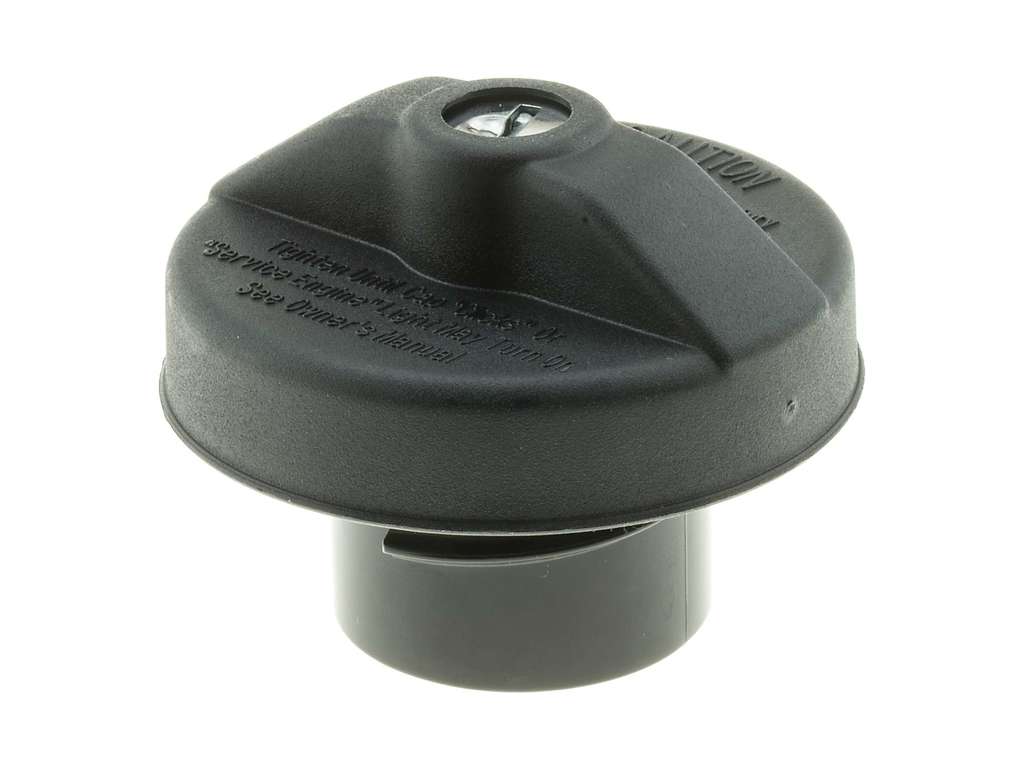
- Loose or Faulty Gas Cap 🔴 High Probability → Shop Fuel Tank Cap This is the most common cause for any EVAP code on any vehicle. The cap's seal can degrade over time or it may simply not have been tightened correctly after refueling. It's the first thing to check due to being free and easy.
How to confirm: Ensure the gas cap is tightened until it clicks at least once. Inspect the rubber O-ring on the cap for cracks, stiffness, or damage. A visual inspection is usually sufficient. If the seal looks worn, a replacement is a cheap and effective diagnostic step.
Typical fix: Tighten or replace the gas cap.
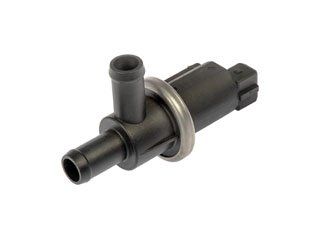
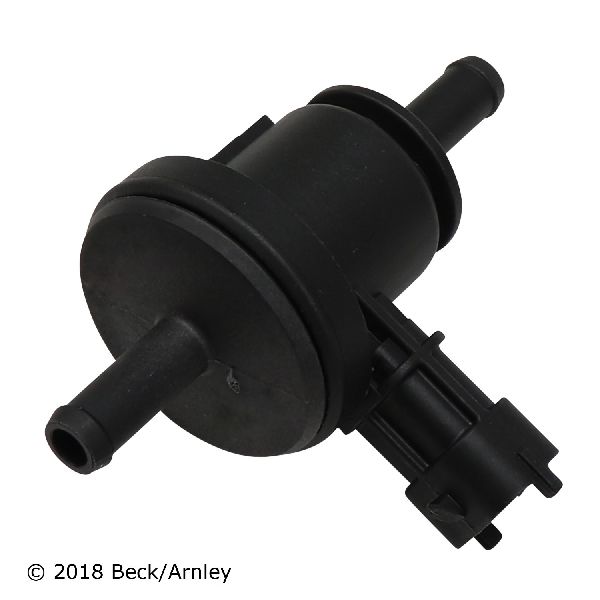
Est. part cost: $10-$25 - Faulty Canister Close Valve (CCV) / Vent Solenoid 🔴 High Probability → Shop Vapor Canister This valve, located near the charcoal canister, is a known failure point on many Hyundai models. A TSB for the next-generation Accent targets this part for similar issues. The plastic housing can crack or the solenoid can fail, leaving it stuck open or closed. A YouTube repair video for a 2006 Accent specifically shows this part failing and its replacement.
How to confirm: Visually inspect the valve (located near the charcoal canister by the spare tire) for cracks. A mechanic can command the valve to open and close with a scan tool to test its function. A smoke test will often reveal a leak at the valve body. A DIY test involves applying 12V power to the valve's terminals to see if it clicks open and closed.
Typical fix: Replace the canister close valve.
Est. part cost: $30-$80 - Faulty Purge Control Solenoid Valve (PCSV) 🟡 Medium Probability → Shop Vapor Canister Purge Solenoid This valve is located in the engine bay and is subject to high temperatures, which can cause it to fail over time. It can get stuck open, causing a constant vacuum leak, or stuck closed, preventing vapors from being purged.
How to confirm: With the engine running, you can sometimes feel for vacuum at the port when it should be closed. A definitive test involves a hand-held vacuum pump or using a scan tool to command it open and closed while checking for flow. If the valve is stuck open, it can cause difficulty starting after getting gas.
Typical fix: Replace the purge control solenoid valve.
Est. part cost: $25-$60 - Cracked or Disconnected EVAP Hoses ⚪ Low Probability Rubber and plastic hoses become brittle with age and exposure to the elements, leading to cracks. This is common on any older vehicle.
How to confirm: Visually inspect all accessible EVAP lines from the engine bay to the charcoal canister at the rear. A smoke test is the most effective way to find a small crack in a hard-to-see location.
Typical fix: Replace the cracked section of hose.
Est. part cost: $5-$30
Rare But Worth Checking
- Cracked Charcoal Canister: → Shop Vapor Canister The canister itself can be damaged by road debris or develop cracks from age, causing a significant leak. This is usually found during a smoke test if other components check out.
- Faulty Fuel Tank Pressure Sensor: → Shop Fuel Tank The sensor that monitors system pressure can fail and send incorrect data to the computer, triggering the code even if there is no leak. This is uncommon and should be suspected only after leaks and valves have been ruled out.
Diagnosis Steps
- Retrieve the code with an OBD-II scanner to confirm P0440 is present.
- Inspect the gas cap. Remove it, check the seal for damage, and reinstall it, ensuring it clicks several times. Clear the code and drive for a few days to see if it returns.
- If the code returns, perform a visual inspection of the engine bay. Look for any obvious cracked or disconnected vacuum and EVAP hoses, particularly around the purge solenoid valve (PCSV).
- Locate the charcoal canister and Canister Close Valve (CCV) at the rear of the vehicle, usually near the spare tire well and accessible from underneath the car. Visually inspect the CCV and surrounding hoses for cracks or damage.
- The most effective professional diagnostic step is to perform a smoke test. This involves injecting pressurized smoke into the EVAP system and watching for where it escapes, pinpointing the exact location of the leak.
- If no leaks are found, test the function of the purge solenoid and vent valve (CCV). The PCSV in the engine bay can be tested by feeling for vacuum when it should be closed. The CCV can be tested by applying 12V power and listening for a click.
- If all components test good and no leaks are found, the fuel tank pressure sensor may be faulty. This is rare and should be the last component to be investigated.
Parts You'll Likely Need
- Canister Close Valve / Vent Valve
(OEM #31453-3K500)— This is a very common failure point on Hyundai vehicles of this vintage, often cracking or failing electronically, causing a leak detected by the system. Its location under the car exposes it to road debris and weather.
Trusted brands: Genuine Hyundai, Dorman, Standard Motor Products (CVS148), Wells
OEM price range: $60-$90
Aftermarket price range: $30-$50 - Fuel Cap
(OEM #31010-3L600)— The seal on the gas cap is the most common and simple failure point in the EVAP system. It's always the first part to check and replace due to its low cost and high probability.
Trusted brands: Genuine Hyundai, Stant, Gates, Motorad (MGC837T)
OEM price range: $20-$30
Aftermarket price range: $10-$20 - Canister Purge Solenoid Valve
(OEM #28910-26900)— Located in the hot engine bay, this valve can stick open or closed, disrupting the EVAP system's function and triggering a general fault code. A stuck-open valve is a common cause of difficulty starting after refueling.
Trusted brands: Genuine Hyundai, Dorman (911-808), Bosch (0280142451), Standard Motor Products (CP545)
OEM price range: $50-$75
Aftermarket price range: $25-$50
Related Codes That Often Appear With This One
- P0441 — P0441 indicates incorrect purge flow. If the purge valve is stuck open or closed, it can trigger both a general malfunction code (P0440) and an incorrect flow code.
- P0455 — P0455 indicates a large leak. Sometimes a component failure that triggers P0440 can worsen and be re-classified by the ECU as a large leak.
- P0442 — Indicates a small leak. This can be triggered along with P0440 if the ECU's self-test is able to narrow down the fault to a small-sized leak after initially flagging a general malfunction.
Technical Service Bulletins (TSBs) & Recalls
- 18-FL-002: While for the 2012-2016 Accent, this TSB addresses EVAP leak codes (P0455, P0456, P0449) by inspecting and replacing the Canister Close Valve (CCV), indicating it's a known problem area for the Accent platform.
Platform-Specific Known Issues
- DIY CCV Replacement Experience: A user on YouTube ('bigdaddyelectric') posted a video titled 'Evap canister purge valve replacement 2006 hyundai accent', which correctly identifies the Canister Close Valve (not the purge valve) as the faulty component for their check engine light. The video shows the part's location under the rear of the car and the process of replacing it, confirming it as a common DIY fix.
- Forum Confirmation of Common Causes: Threads on the Hyundai Forums website frequently discuss EVAP codes. While specific P0440 threads for the MC Accent are sparse, related discussions for codes like P0444 (Purge circuit open) and general EVAP questions point towards the purge and close valves as the primary suspects after the gas cap.
Mechanic-Grade Diagnostic Values
- EVAP Purge (PCSV) or Vent (CCV) Solenoid Coil Resistance — expected: 12-15 Ω. Some sources state a wider range of 15-30 Ω is acceptable.. Failure: A reading of infinite resistance (open circuit) or significantly outside the expected range indicates a failed solenoid coil.
- Fuel Tank Pressure (FTP) Sensor Voltage (Key On, Engine Off, Gas Cap Off) — expected: Approximately 2.5V to 3.0V.. Failure: Voltage stuck near 0V or 5V suggests a faulty sensor or a wiring issue.
- Purge Control Solenoid Valve (PCSV) DIY Flow Test (Engine Off) — expected: With no power applied, you should NOT be able to blow air through the valve. It should be completely sealed.. Failure: If air can be blown through the valve when it is disconnected, it is stuck open and has failed.
Scan Tool Commands That Help
- Hyundai GDS (or advanced aftermarket scanner): EVAP System Leak Test — This is an automated test function that commands the vent valve closed and the purge valve open to apply engine vacuum to the EVAP system. It then monitors the fuel tank pressure sensor to see if the system holds vacuum, allowing the technician to verify a leak's presence without a smoke machine.
- Hyundai GDS (or advanced aftermarket scanner): Canister Purge Activate / Purge Solenoid Actuation Test — This bidirectional control allows a technician to manually command the purge valve to open and close. It is used to verify if the valve clicks and operates, helping to distinguish between a failed valve and a wiring or ECM control issue.
- Hyundai GDS (or advanced aftermarket scanner): Vent Valve / CCV Actuation Test — Similar to the purge valve test, this command manually opens and closes the canister close valve. This is critical during a smoke test to seal the system or to verify the valve's electronic function by listening for a click.
Wiring & Ground Locations
- ECM (Engine Control Module) — Located in the left rear of the engine compartment.. The ECM provides the control signals (ground) to the purge and vent solenoids and interprets the data from the fuel tank pressure sensor. A wiring fault between the ECM and a component can mimic a failed part.
- G13 — Main ground point located in the left front corner of the engine compartment.. A poor engine bay ground can cause erratic behavior in various electronic components, including EVAP system solenoids and sensors. Ensuring this ground is clean and secure is a fundamental diagnostic step.
- Purge Control Solenoid Valve (PCSV) Connector — A 2-pin connector on the valve itself, located on the right rear of the intake manifold.. This is where voltage and resistance tests are performed. One pin receives ~12V power from the main relay with the key on, and the other is the control wire that the ECM grounds to activate the valve.
OEM Part Supersession History
31453-3K700→31453-3K500— Part consolidation and potential minor internal updates for reliability.
Heads up: The parts are interchangeable for this application.28910-22040→28910-26900— Standard part evolution and consolidation for use across multiple Hyundai/Kia platforms.
Heads up: The 28910-26900 is the correct service part for the 2006-2011 Accent. Be aware that the Dorman aftermarket part 911-800 is often confused but will not fit; the correct Dorman equivalent is 911-808.31430-29100→31430-29200— The newer part features minor internal seal and spring modifications to reduce sticking issues that were common in the older units.
Diagnostic Flowchart
Other Known Issues on This Vehicle
Issues unrelated to this code that are worth knowing about as an owner of this generation:
- Automatic Transmission Issues 🟠 Medium — Reported by some owners, includes rough shifting, hesitation, or delayed engagement from Park to Drive. Often appears after 40,000 miles. Can sometimes be mitigated with fluid changes using OEM fluid.
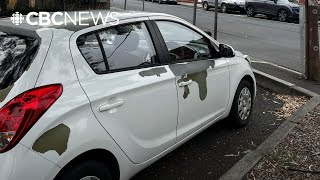
- Peeling White Paint 🟡 Low — While more prominent on other Hyundai models and later years, some owners of white Accents have reported clear coat and paint peeling/flaking, a problem acknowledged by Hyundai for other models via warranty extensions. This is a cosmetic issue. (Ref: 22-BD-010H (for later models, but indicates a known issue with Hyundai's white paint process))
- Faulty Brake Light Switch 🟠 Medium — A widespread issue leading to a major recall. The switch can fail, causing brake lights to not illuminate, the shifter to be stuck in Park, and cruise control to not disengage with the brake pedal. (Ref: Hyundai Recalls 09V122000, 13V113000)
- Premature Wear of Suspension Components 🟡 Low — Some owners report premature wear on struts and bushings, leading to a rough ride and increased noise over time.
- Ignition Coil and Spark Plug Failure 🟡 Low — Can cause engine misfires and rough idling. This is a common maintenance issue on many vehicles, but noted as a frequent problem area for the Accent's 1.6L engine.
Used vs. New Parts: Buying Guide for This Vehicle
When a used part is the smart pick: For this repair, obtaining a used Canister Close Valve (CCV) or Purge Control Solenoid Valve (PCSV) from a junkyard can be a cost-effective option, especially given that these are simple electronic solenoids. A used charcoal canister is also a viable option if your original is physically cracked, as they are not typically a wear item.
Donor-vehicle mileage cap: roughly under 80000 miles for the part to have meaningful remaining life.
What to inspect on the donor part:
- For valves (CCV, PCSV), inspect the plastic housing for any hairline cracks or brittleness.
- Check electrical connector pins for corrosion or damage.
- If possible, bring a 12V power source (like a portable jump starter) to test the valve on the spot; you should hear a distinct 'click' when power is applied.
- For a charcoal canister, ensure there are no visible cracks and shake it gently to listen for loose charcoal pellets, which indicates internal failure.
OEM-only on this vehicle (don't cheap out):
- Fuel Tank Pressure Sensor - While aftermarket sensors exist, OEM sensors are often recommended for critical measurement components to avoid calibration issues that could cause the code to return.
Aftermarket brands forum-validated for this vehicle:
- Standard Motor Products (SMP)
- Dorman (ensure correct part number, e.g., 911-808 for the PCSV)
- Bosch
- Gates
Brands owners have reported issues with on this vehicle:
- Unbranded, 'white-box' parts from online marketplaces can have high failure rates and may not meet OEM specifications for flow and sealing, leading to the code returning.
Real Owner Stories
Aggregated from forums and TSBs cited above. Mileages and costs reflect what owners reported in those sources.
2006 Hyundai Accent
Symptoms: Check engine light was on; identified as an EVAP system issue.
What fixed it: Replacement of the Canister Close Valve (CCV) located under the rear of the car.
Source hint: YouTube video by 'bigdaddyelectric' titled 'Evap canister purge valve replacement 2006 hyundai accent'
Related OBD-II Codes
Frequently Asked Questions
Does TSB 18-FL-002 apply to my 2006-2011 Hyundai Accent?
I have a 2006 Accent and it's hard to start after I fill up the gas tank. Is this related to P0440?
Where is the Canister Close Valve located on my 2006-2011 Accent?
Can I use parts from a Kia Rio to fix my P0440 code?
Is there a recall for the EVAP system on this vehicle?
My white 2009 Accent has P0440 and the paint is peeling. Are these related?
Helpful Videos

![How to Fix HYUNDAI P0440 Engine Code in 3 Minutes [2 DIY Methods / Only $4.73]](https://img.youtube.com/vi/v1XJfslI9MU/mqdefault.jpg)

Used OEM Parts in Stock
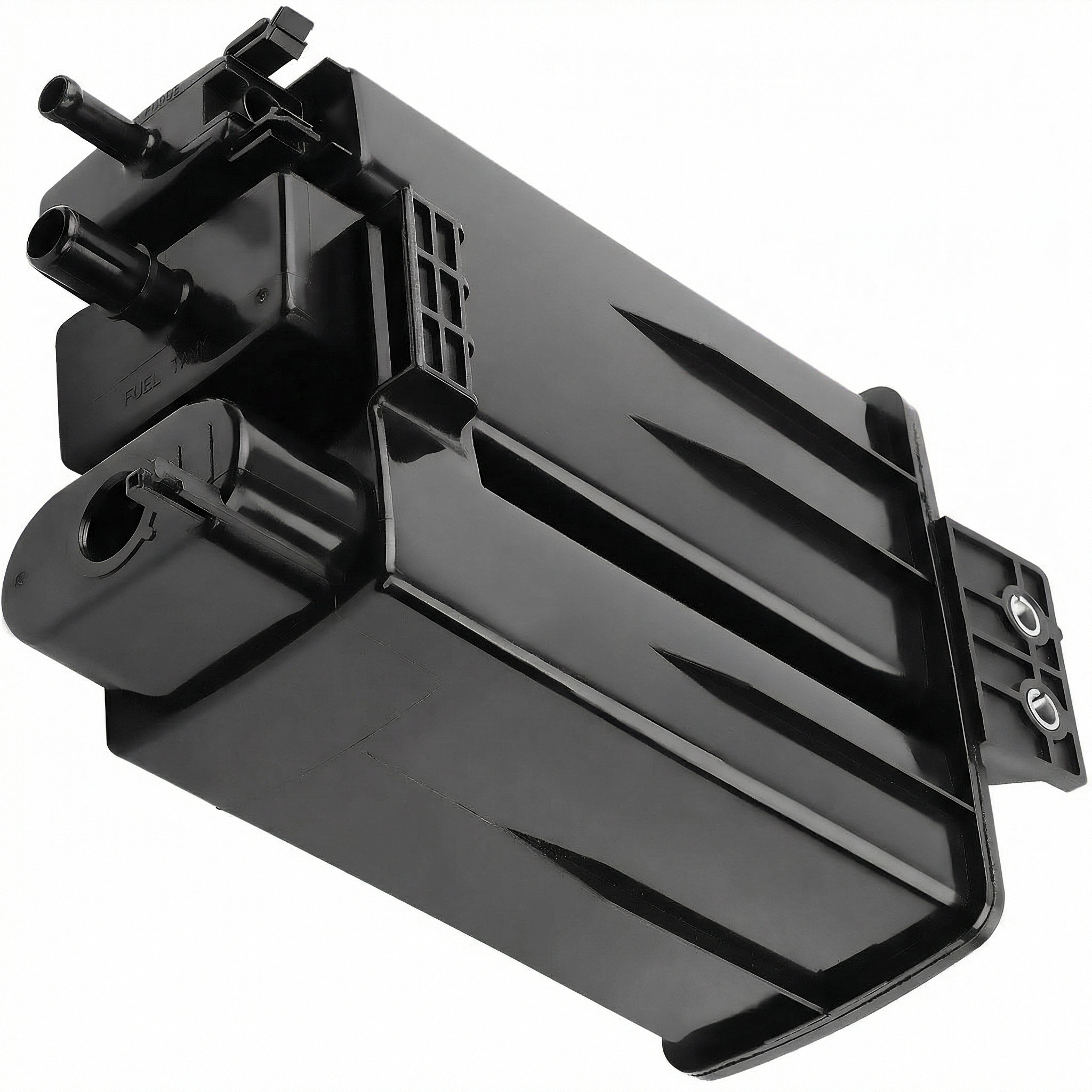
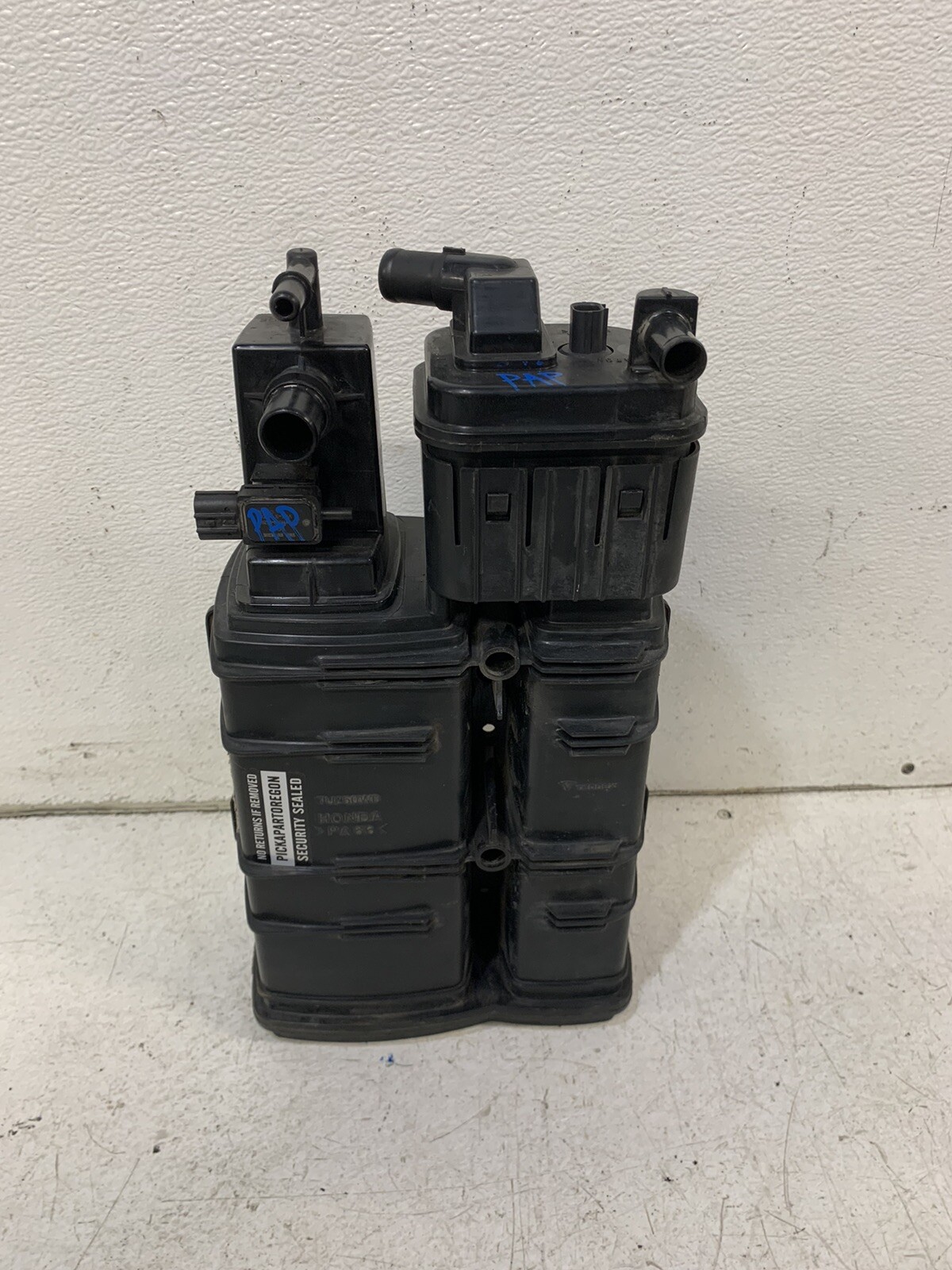
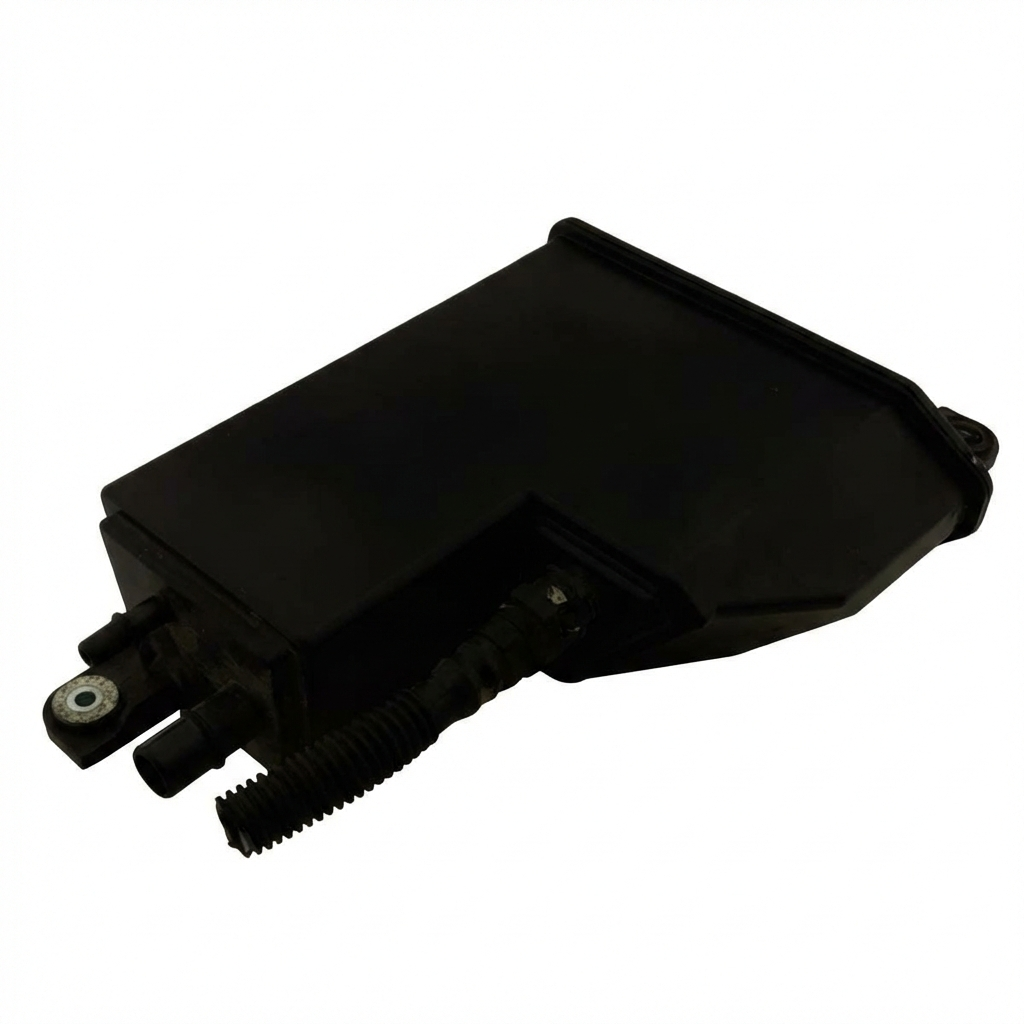
New Aftermarket Parts Available

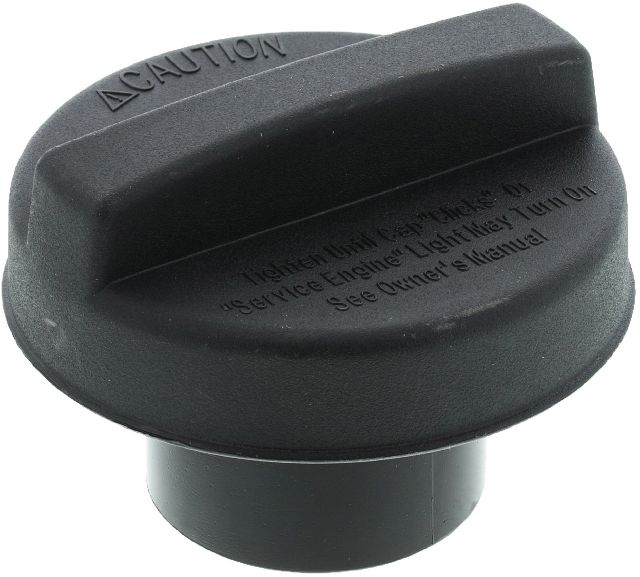

The information in this article is provided for general reference and educational purposes only. Vehicle specifications, procedures, and part compatibility can vary by production date, trim level, and region. Always consult your vehicle's factory service manual and verify part numbers before purchasing or performing repairs. Safety-critical components such as airbags, seat belts, and braking systems should be installed by a qualified professional.
- Hyundai Accent:
- 🧭 Diagnostic Flowchart
- 🎬 Helpful Videos
- 🛍️ Shop This Part
- What's Unique About the 2006-2011 Hyundai Accent
- Symptoms You May Notice
- Most Likely Causes
- Rare But Worth Checking
- Diagnosis Steps
- Parts You'll Likely Need
- Related Codes That Often Appear With This One
- Technical Service Bulletins (TSBs) & Recalls
- Platform-Specific Known Issues
- Mechanic-Grade Diagnostic Values
- Scan Tool Commands That Help
- Wiring & Ground Locations
- OEM Part Supersession History
- Other Known Issues on This Vehicle
- Used vs. New Parts: Buying Guide for This Vehicle
- Real Owner Stories
- 2006 Hyundai Accent
- Related OBD-II Codes
- Frequently Asked Questions
- 🎟️ Get 5% Off