

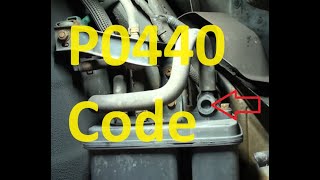
P0440 on 2013-2018 Hyundai Santa Fe: EVAP System Malfunction Causes and Fixes
For a 2013-2018 Santa Fe, P0440 is most often caused by a faulty canister purge valve located on the engine or a loose/bad gas cap. Start by checking the gas cap for tightness and a good seal, but expect to replace the purge valve for a permanent fix, as it is a very common failure point on this platform.
- P0440 on a 2013-2018 Santa Fe means the EVAP system has a fault, but it's not a critical issue for driving.
- Always check the gas cap first. Make sure it's tight and the seal is not cracked.
- The most likely failed part is the canister purge valve on the engine. This is a common failure on this vehicle.
- If you have trouble starting the car right after getting gas, the purge valve is almost certainly the problem.
- If the gas cap and purge valve are not the issue, a smoke test is needed to find the leak elsewhere in the system.
What's Unique About the 2013-2018 Hyundai Santa Fe
On this generation of Hyundai Santa Fe, the canister purge valve is a well-documented, high-failure item that frequently causes EVAP codes like P0440. While a loose gas cap is always the first thing to check, many owners find the ultimate solution is replacing the purge valve. Additionally, Hyundai issued a Technical Service Bulletin (TSB 21-01-037H) for an issue with the Onboard Refueling Vapor Recovery (ORVR) system on these models, which involves installing an auxiliary canister to increase system capacity, indicating a known sensitivity in the platform's emissions control design.
Symptoms You May Notice
- Check Engine Light is on.
- A faint smell of fuel, particularly around the rear of the vehicle or near the gas cap.
- Difficulty starting the engine immediately after refueling (this often points to a stuck-open purge valve flooding the intake with vapor). 🎬 See why a stuck valve makes your car hard to start.
- Slight decrease in fuel economy as unburned vapors escape.
- Replacing oxygen (O2) sensors or the mass air flow (MAF) sensor. These parts are not typically related to a P0440 code.
- Immediately replacing the expensive charcoal canister without performing a smoke test to confirm it is the source of the leak.
Most Likely Causes
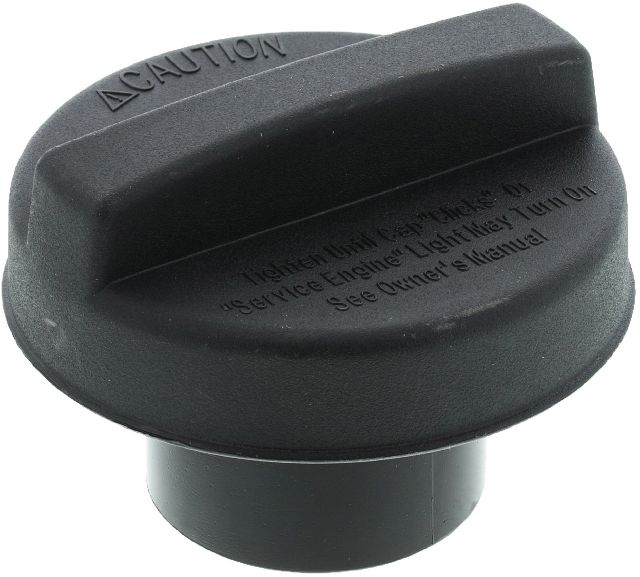
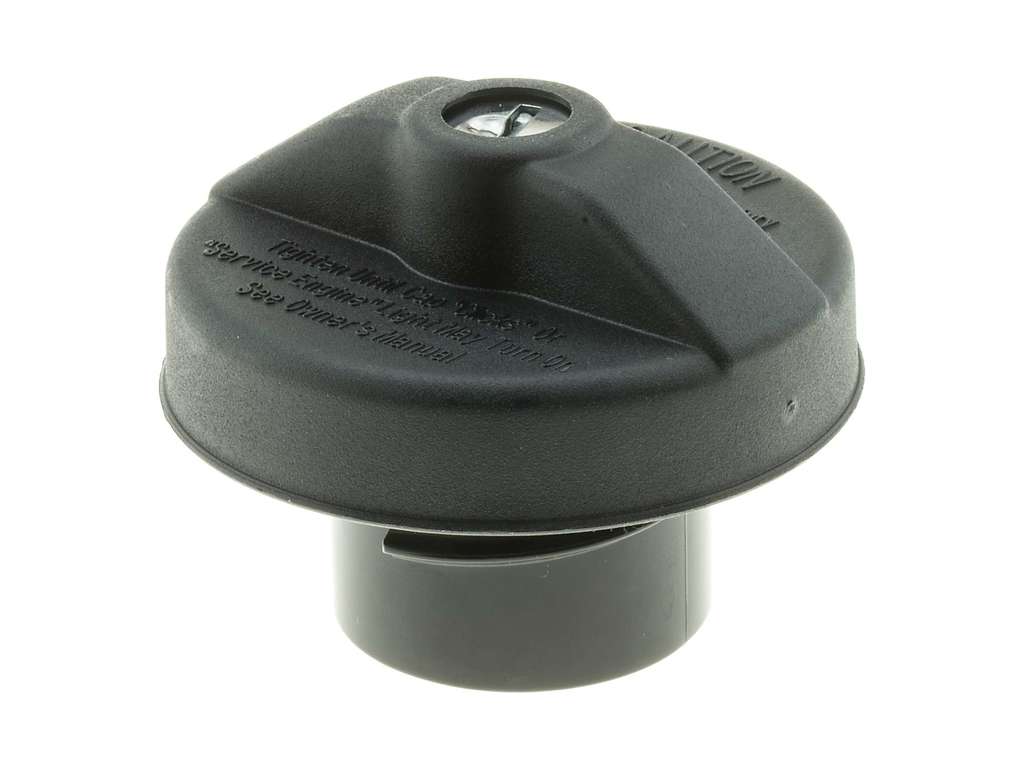
- Loose or Faulty Gas Cap 🔴 High Probability → Shop Fuel Tank Cap This is the most common cause for an EVAP code on any vehicle due to user error or simple wear of the cap's seal. The rubber O-ring can crack or harden over time, preventing a proper seal.
How to confirm: Ensure the gas cap clicks at least once when tightened. Inspect the rubber seal on the cap for cracks, stiffness, or damage. Also, check the fuel filler neck for rust or debris that could prevent a good seal.
Typical fix: Tighten the cap. If the seal is damaged, the cap is faulty, or the code returns, replace the gas cap with a new OEM or equivalent part. After replacement, the code may need to be cleared with a scanner or may clear on its own after several drive cycles.
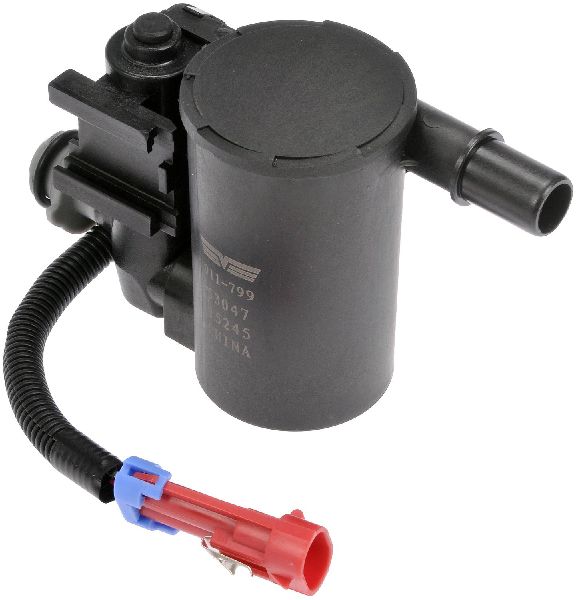
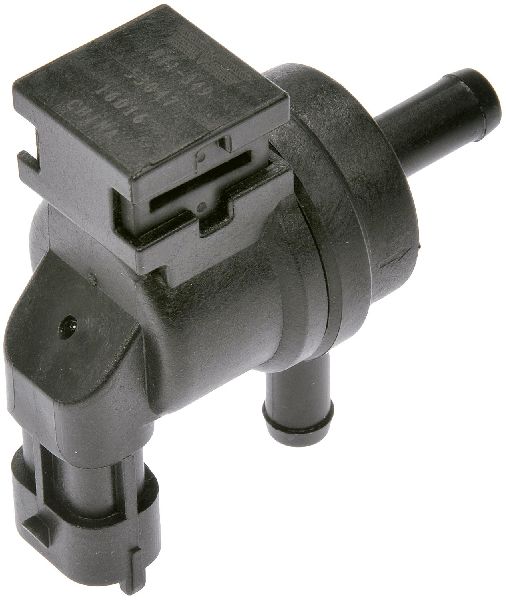
Est. part cost: $15-$40 - Faulty Canister Purge Valve (Purge Solenoid) 🔴 High Probability → Shop Vapor Canister This is a very common failure point on many Hyundai/Kia models of this era, including the Santa Fe. The valve, which is normally closed, can get stuck open or closed, or fail electronically.
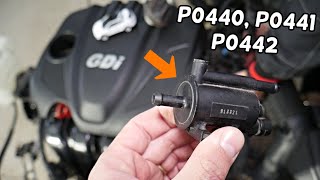
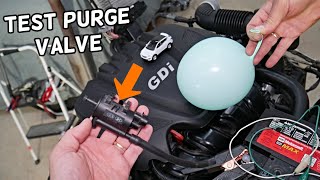
How to confirm: The valve is located on the engine's intake manifold. A simple test is to remove the valve and try to blow through it; if air passes, it's stuck open. You can also test it by applying 12V (or a 9V battery for a quick check) to its electrical connector and listening for a click. If it's stuck open, it will often cause difficult starting after filling the gas tank.
Typical fix: Replacement of the canister purge valve. It is typically held by a small bracket and connected by two hoses and an electrical connector, making it a relatively easy DIY job. 🎬 Watch: Step-by-step guide to removing and replacing the purge valve.
Est. part cost: $40-$100 - Cracked or Disconnected EVAP Hoses 🟡 Medium Probability Over time, the rubber and plastic hoses in the engine bay and underneath the vehicle can become brittle from heat and age, leading to cracks or loose connections.
How to confirm: Visually inspect all accessible EVAP lines, especially around the purge valve and charcoal canister, for any signs of cracking, disconnection, or damage. A smoke test is the most effective way to find a leak that isn't obvious.
Typical fix: Replace the damaged section of hose and any broken connectors.
Est. part cost: $10-$50 - Faulty Charcoal Canister ⚪ Low Probability → Shop Vapor Canister Habitually 'topping off' the fuel tank can force liquid gasoline into the canister, saturating the charcoal and causing it to fail. It can also crack from age or road debris impact.
How to confirm: A visual inspection may reveal cracks on the canister body. If you have trouble refueling (gas pump clicks off constantly), the canister or its associated vent valve may be clogged. A smoke test will confirm a leak in the canister itself.
Typical fix: Replacement of the charcoal canister assembly, which is located under the vehicle near the fuel tank.
Est. part cost: $250-$400
Rare But Worth Checking
- Faulty Canister Close Valve (Vent Valve): → Shop Vapor Canister This valve works with the charcoal canister and is normally open, but closes to allow the system to be tested for leaks. It can get stuck or fail, triggering a code. It's often located on or near the charcoal canister.
- Leaking Fuel Tank or Filler Neck: → Shop Fuel Tank Rust or physical damage can cause the fuel filler neck or the tank itself to leak vapors, triggering the code. This is more common in regions with heavy road salt use and is usually found with a smoke test.
- Faulty Fuel Tank Pressure Sensor: → Shop Fuel Tank The sensor that monitors the pressure in the EVAP system can fail and send incorrect readings to the ECU, causing it to believe there is a leak when there isn't one.
Diagnosis Steps
- Read the code with an OBD-II scanner to confirm P0440 is present. Note any other codes. 🎬 Watch: How to diagnose and fix common Hyundai EVAP codes.
- Inspect the gas cap. Remove it, check the seal for cracks or damage, and reinstall it, ensuring it clicks. Also inspect the fuel filler neck for rust or debris.
- If the code returns, locate the canister purge valve on the engine's intake manifold. Visually inspect its hoses and electrical connector.
- Test the purge valve. A simple bench test is to remove the valve and try blowing through it. It should be closed (no air passes). Apply voltage (9V or 12V) to the pins; it should click open and allow air to pass. If it's stuck open or doesn't actuate, it must be replaced.
- If the gas cap and purge valve are good, perform a visual inspection of all accessible EVAP hoses and the charcoal canister under the car for obvious cracks or damage.
- If no obvious faults are found, the most reliable next step is to have a professional perform a smoke test on the EVAP system. This will force low-pressure, UV-dyed smoke into the system, revealing the exact location of any hard-to-find leaks.
Parts You'll Likely Need
- Canister Purge Valve
(OEM #28910-25100 or 28910-2E000 (Verify by VIN))— This is the most common part to fail on this vehicle that causes a P0440 code, after the gas cap has been ruled out. Part numbers can vary by engine and year, so always verify with your vehicle's VIN.
Trusted brands: Hyundai (OEM), Kia (OEM), Bosch, Dorman
OEM price range: $70-$120
Aftermarket price range: $40-$80 - Fuel Cap
(OEM #31010-3L600)— A worn seal on the gas cap is a very common cause for all EVAP codes and is the easiest and cheapest part to replace first.
Trusted brands: Hyundai (OEM), Stant, Gates
OEM price range: $25-$40
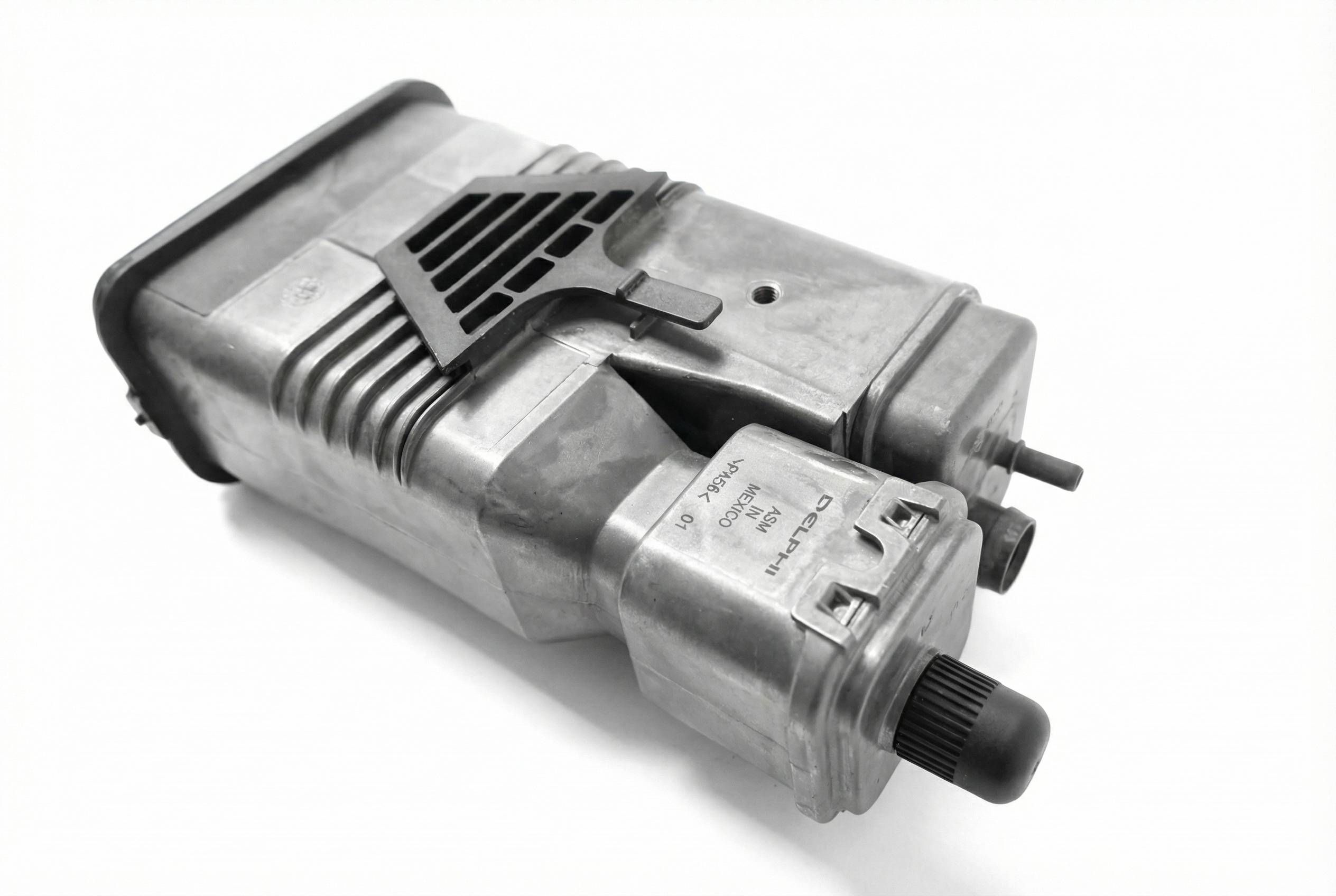
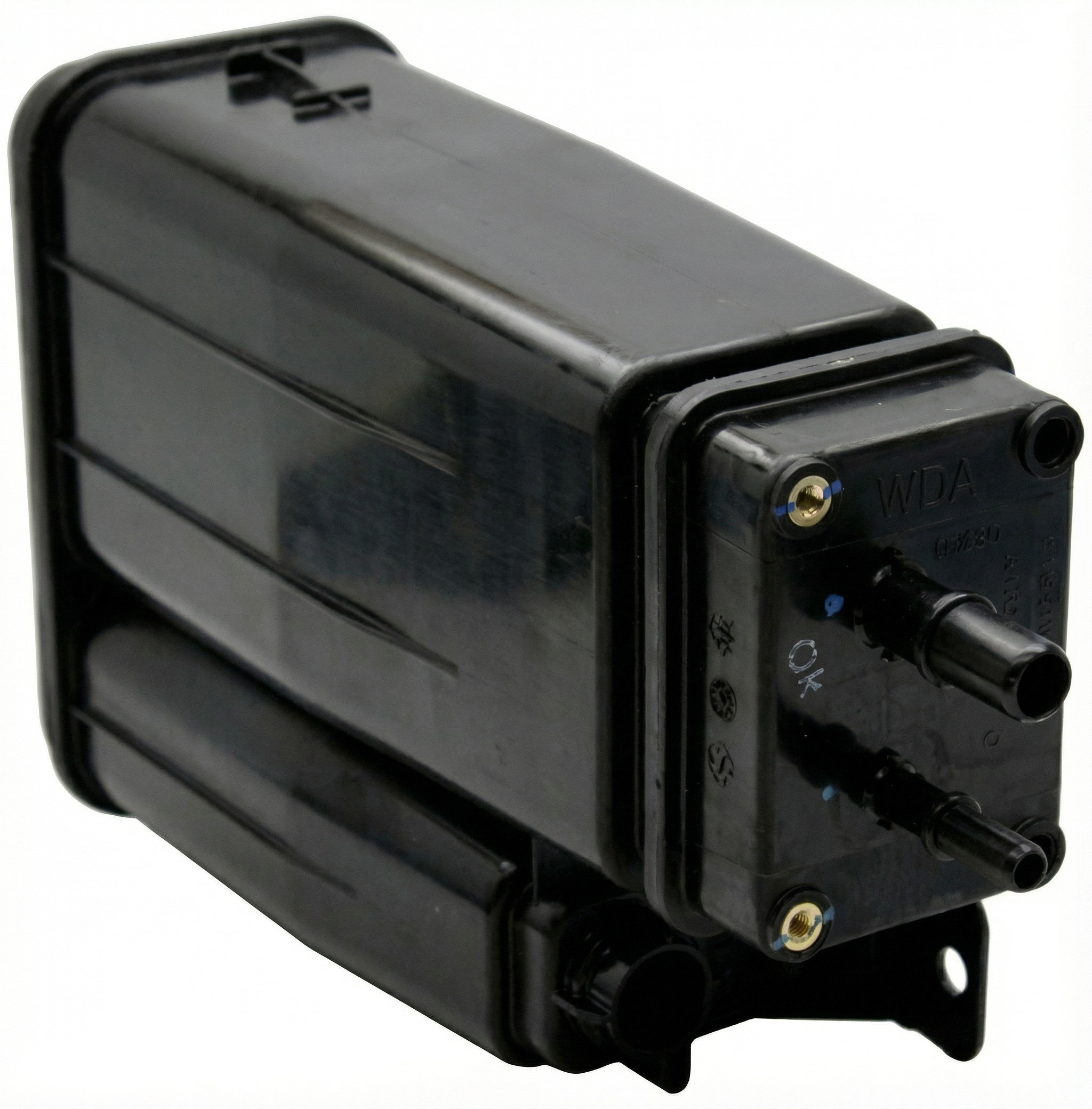
Aftermarket price range: $15-$25 - Charcoal Canister — This part can fail if saturated with fuel from overfilling the tank or can crack with age, causing a leak. It is a less common but necessary replacement if a smoke test indicates it is leaking.
Trusted brands: Hyundai (OEM), Standard Motor Products, Dorman
OEM price range: $280-$400
Aftermarket price range: $150-$250
Related Codes That Often Appear With This One
- P0441 — P0441 indicates 'Incorrect Purge Flow,' which is often caused by the same faulty purge valve that can trigger a general P0440 fault.
- P0442 — P0442 indicates a 'Small EVAP Leak.' If the system has a small leak from a cracked hose or bad seal, it might initially set a general P0440 before a more specific code is triggered during a subsequent drive cycle.
- P0455 — P0455 indicates a 'Large EVAP Leak.' This can be caused by a very bad seal, a disconnected hose, or leaving the gas cap off entirely.
Technical Service Bulletins (TSBs) & Recalls
- TSB 21-01-037H (Campaign 961): Addresses a potential weakness in the Onboard Refueling Vapor Recovery (ORVR) system by installing an auxiliary canister kit to increase capacity.
Platform-Specific Known Issues
- High Failure Rate of Canister Purge Valve: → Shop Vapor Canister The canister purge valve (solenoid) is the most common component to fail and trigger a P0440 code on this Santa Fe generation, after ruling out the gas cap. Many owners report replacing this part as the final fix.
- EVAP System Sensitivity (ORVR): Hyundai issued TSB 21-01-037H (Campaign 961) to address the Onboard Refueling Vapor Recovery (ORVR) system's capacity being exceeded in certain situations. The fix involves installing an auxiliary canister kit. This indicates the factory EVAP system can be sensitive, even if a specific leak isn't present.
Mechanic-Grade Diagnostic Values
- Canister Purge Valve (Solenoid) Coil Resistance — expected: 15 to 30 Ohms (Ω). Failure: An infinite reading (open circuit) or near-zero reading (short circuit) indicates a failed solenoid coil.
- Canister Close Valve (Vent Solenoid) Coil Resistance — expected: 48 to 65 Ohms (Ω). Failure: A reading outside this specified range suggests the solenoid coil is faulty.
- Fuel Tank Pressure Sensor (FTPS) Voltage (Key On, Engine Off, Gas Cap Open) — expected: 1.3V to 1.7V (approx. 1.5V is ideal). Failure: A reading stuck near 0V may indicate a wiring issue. A reading stuck near 5V, even with the cap off, points to a faulty sensor.
- Canister Purge Valve Connector Voltage — expected: ~12V (Battery Voltage). Failure: Significantly lower or no voltage indicates a wiring or ECU driver circuit issue.
Scan Tool Commands That Help
- Hyundai GDS or equivalent bidirectional scanner: EVAP System Functional Test / Actuation Test — To definitively test for a mechanically stuck-open purge valve. With the engine idling, command the purge valve OFF (closed) and the vent valve ON (closed). Monitor the Fuel Tank Pressure sensor data. If vacuum builds (pressure drops), it confirms the purge valve is leaking engine vacuum into the sealed EVAP system and must be replaced.
Wiring & Ground Locations
- GE01 — Left side of the engine compartment.. This is a major ground point in the engine bay. A corroded or loose connection here could potentially affect the circuit for the engine-mounted canister purge valve, leading to intermittent electrical faults.
- GM03 / GM04 — Behind the center of the dashboard.. These are primary interior ground points. While less likely to be the cause, they provide grounding for various control modules and could be a factor in complex electrical issues affecting the EVAP system monitoring.
Real Owner Repair Stories
- YouTube channel 'جلال شريف Jalal Sharif' (2017 Hyundai Santa Fe Sport) — Check Engine Light with code P0455 (Large Leak).
❌ Tried (didn't work) Initial diagnosis pointed towards common EVAP components.
✅ What actually fixed it The leak was traced to a bad seal on the fuel pump assembly itself, located at the top of the fuel tank. The rubber gasket was not sealing correctly, allowing vapors to escape. Replacing this seal resolved the large leak code.
"I Checked Everything" — The Actual Cause
- If a smoke test shows no leaks but a P0440 code persists, the issue is likely non-physical. The two most probable causes are a faulty Fuel Tank Pressure Sensor (FTPS) providing incorrect readings to the ECU, or an electrical failure within the Canister Purge Valve (e.g., a bad coil with incorrect resistance) that doesn't cause a physical leak but is detected as a circuit malfunction by the ECU.
Model Year Variations Within This Range
- 2013-2018: The Canister Purge Valve part number is different depending on the engine. The 2.4L/2.0L Turbo I4 engines in the 'Santa Fe Sport' typically use OEM part number 28910-25100. The 3.3L V6 engine in the 3-row 'Santa Fe' or 'Santa Fe XL' often uses OEM part number 28910-3C200. Always verify with the vehicle's VIN before ordering.
- 2013-2018: The Canister Close Valve (Vent Valve), OEM part number 31453-3Q500, appears to be consistent across both the 4-cylinder and V6 models within this generation.
Diagnostic Flowchart
Other Known Issues on This Vehicle
Issues unrelated to this code that are worth knowing about as an owner of this generation:
- Theta II Engine Failure (2.0T & 2.4L) 🔴 High — Widespread issue affecting a large number of 2013-2018 Santa Fe Sport models. Failure can occur at various mileages, often starting with a knocking sound. (Ref: Multiple recalls (e.g., NHTSA 17V-226) and a class-action settlement led to extended warranties (10yr/120k miles) and a Knock Sensor Detection System (KSDS) software update (Campaign 953).)
- Peeling White Paint 🟠 Medium — Very common on vehicles with white or pearl white paint. Paint delaminates in large sheets, often on the hood and roof, typically after 3-5 years. (Ref: Hyundai USA offered a warranty extension for this issue on certain models/years, but coverage can be inconsistent.)
- Corroded Secondary Hood Latch 🔴 High — Common enough to trigger a safety recall. Corrosion can cause the secondary latch to bind and not secure the hood properly. (Ref: NHTSA Recall 21V-703 affects 2013-2017 Santa Fe models.)
- Crankshaft Position Sensor Failure 🟠 Medium — A fairly common failure part that leads to sudden engine stalling or a no-start condition. (Ref: No specific recall, but a well-documented failure pattern.)
- Turbocharger Actuator Failure (2.0T) 🟠 Medium — Affects turbocharged models, leading to significant power loss and a check engine light (often code P2562). (Ref: No recall, but a known failure point for the 2.0T engine.)
Used vs. New Parts: Buying Guide for This Vehicle
When a used part is the smart pick: For this repair, used parts are generally not recommended for the key electronic components. However, a used charcoal canister from a verified low-mileage, non-salt-belt vehicle can be a cost-effective option if the original is physically cracked. Structural components like brackets or undamaged hoses are also acceptable to source from a salvage yard.
Donor-vehicle mileage cap: roughly under 60000 miles for the part to have meaningful remaining life.
What to inspect on the donor part:
- For a used charcoal canister, shake it to ensure there are no rattling sounds, which would indicate broken internal charcoal media.
- Smell the ports of the canister; a strong odor of liquid fuel means the canister is saturated and should be avoided.
- Visually inspect the plastic body for any hairline cracks or damage from road debris.
- Verify the OEM part number on the donor part matches your original exactly.
OEM-only on this vehicle (don't cheap out):
- Gas Cap: The cost is low and the seal is a critical wear item; always buy new.
- Canister Purge Valve: This is a high-failure electronic solenoid. The risk of getting a used part that is already near the end of its life is very high. Given the low cost of a new part, buying used is poor economy.
Aftermarket brands forum-validated for this vehicle:
- Dorman
- Bosch
- Standard Motor Products (SMP)
- A-Premium
Real Owner Stories
Aggregated from forums and TSBs cited above. Mileages and costs reflect what owners reported in those sources.
2013-2018 Hyundai Santa Fe
Symptoms: Owner experienced P0440 symptoms including hard starting immediately after refueling the vehicle.
What fixed it: The owner performed a DIY test of the purge valve using a 9V battery to confirm it was faulty and replaced the valve.
Source hint: Reddit r/MechanicAdvice thread titled 'Need help diagnosing P0440 code'
2013-2017 Hyundai Santa Fe
Symptoms: The secondary hood latch was binding and not securing the hood properly due to corrosion.
What fixed it: Addressed via NHTSA Recall 21V-703.
Source hint: NHTSA Recall 21V-703
Related OBD-II Codes
Frequently Asked Questions
My 2013-2018 Santa Fe is hard to start specifically after I fill up the gas tank. Is this related to P0440?
Does Hyundai TSB 21-01-037H (Campaign 961) apply to my EVAP system issues?
Where is the purge valve located on the 2013-2018 Santa Fe for a DIY inspection?
I've heard about Theta II engine recalls; could an engine issue cause my P0440 code?
Can 'topping off' my gas tank damage the EVAP system on this model?
Is it safe to continue driving my Santa Fe with a P0440 code?
Helpful Videos
Used OEM Parts in Stock
New Aftermarket Parts Available


The information in this article is provided for general reference and educational purposes only. Vehicle specifications, procedures, and part compatibility can vary by production date, trim level, and region. Always consult your vehicle's factory service manual and verify part numbers before purchasing or performing repairs. Safety-critical components such as airbags, seat belts, and braking systems should be installed by a qualified professional.
- Hyundai Santa Fe:
- 🧭 Diagnostic Flowchart
- 🎬 Helpful Videos
- 🛍️ Shop This Part
- What's Unique About the 2013-2018 Hyundai Santa Fe
- Symptoms You May Notice
- Most Likely Causes
- Rare But Worth Checking
- Diagnosis Steps
- Parts You'll Likely Need
- Related Codes That Often Appear With This One
- Technical Service Bulletins (TSBs) & Recalls
- Platform-Specific Known Issues
- Mechanic-Grade Diagnostic Values
- Scan Tool Commands That Help
- Wiring & Ground Locations
- Real Owner Repair Stories
- "I Checked Everything" — The Actual Cause
- Model Year Variations Within This Range
- Other Known Issues on This Vehicle
- Used vs. New Parts: Buying Guide for This Vehicle
- Real Owner Stories
- 2013-2018 Hyundai Santa Fe
- 2013-2017 Hyundai Santa Fe
- Related OBD-II Codes
- Frequently Asked Questions
- 🎟️ Get 5% Off