

P0440 on 2010-2015 Hyundai Tucson: EVAP System Malfunction Causes and Fixes
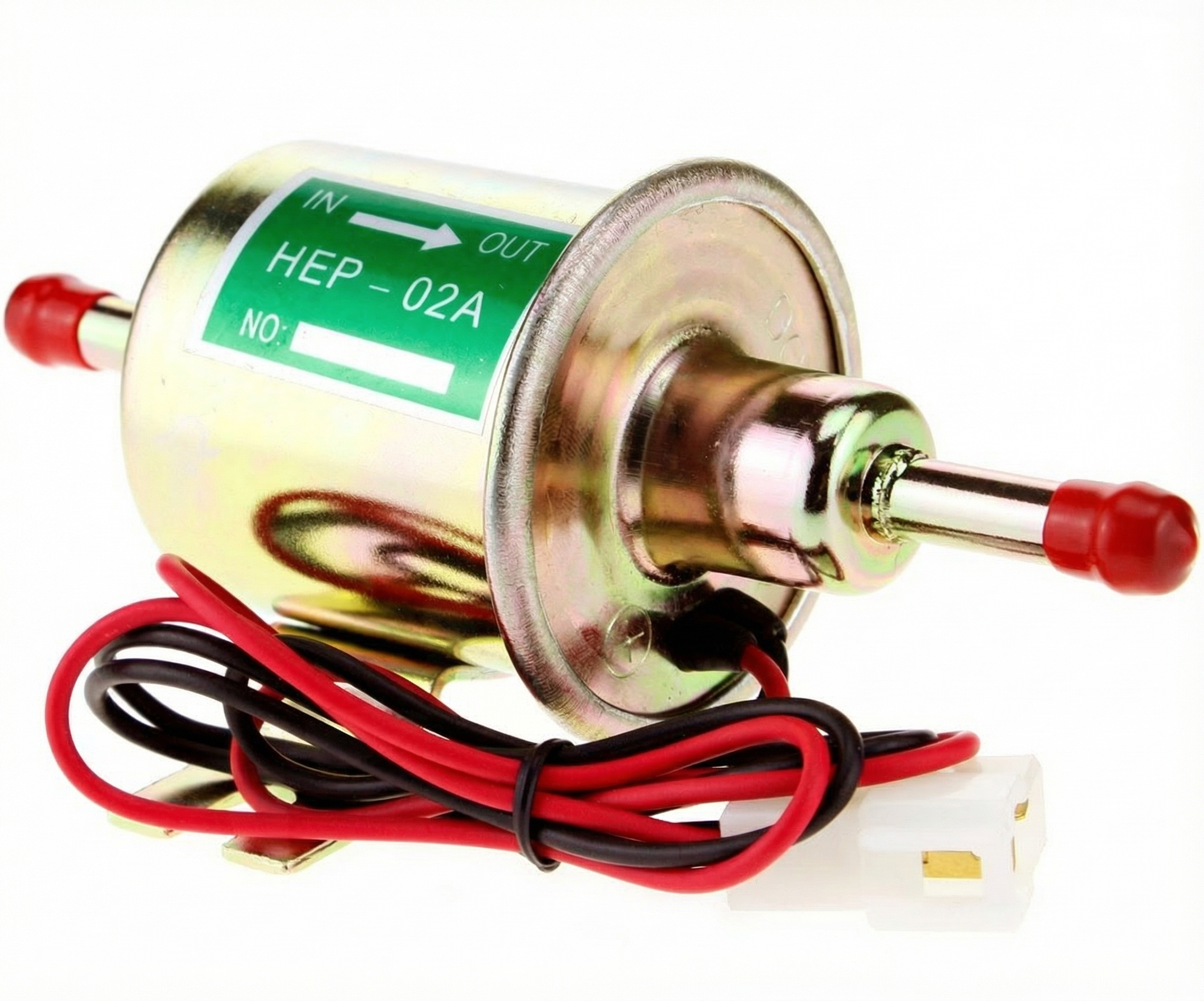
For a 2010-2015 Hyundai Tucson, the P0440 code is most often caused by a loose or worn-out gas cap. If that doesn't fix it, the next most likely culprit is a faulty canister purge solenoid valve (PCSV), a common failure item. A new gas cap is under $25, while a purge valve is typically $50-$80 for an aftermarket part.
- Start with the simplest fix: check that your gas cap is tight. If the seal looks old or cracked, replace it.
- P0440 will not affect how your car drives, but it will cause an automatic failure on an emissions test.
- The second most likely cause is a faulty canister purge solenoid valve in the engine bay, which is a straightforward DIY replacement.
- If the gas cap and purge valve are good, the issue may be a cracked hose or a faulty canister close valve, which may require a smoke test to diagnose accurately.
What's Unique About the 2010-2015 Hyundai Tucson
On the second-generation Hyundai Tucson (2010-2015), the P0440 code does not point to a single, unique platform-specific failure. Instead, it follows the typical pattern for most vehicles, with the most common faults being simple components like the gas cap or the easily accessible purge control valve located in the engine bay. Owners often resolve this code with basic DIY-friendly repairs before needing to investigate more complex parts like the canister or vent valve. A frequently cited issue is the cracking of the rubber hose attached to the purge valve.
Symptoms You May Notice
- Check Engine Light is on
- A faint smell of fuel, especially around the rear of the vehicle or after refueling.
- Difficulty starting the engine immediately after filling the gas tank (this is a classic symptom of a stuck-open purge valve).
- Slight decrease in fuel efficiency.
- Rough or unstable idle.
- Replacing the oxygen (O2) sensors. O2 sensors are not part of the EVAP system and will not cause a P0440 code.
- Replacing the catalytic converter. This is an expensive repair related to exhaust efficiency codes (like P0420), not EVAP system codes.
Most Likely Causes
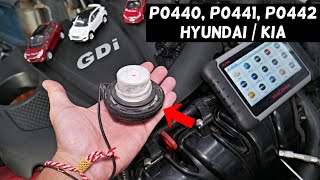
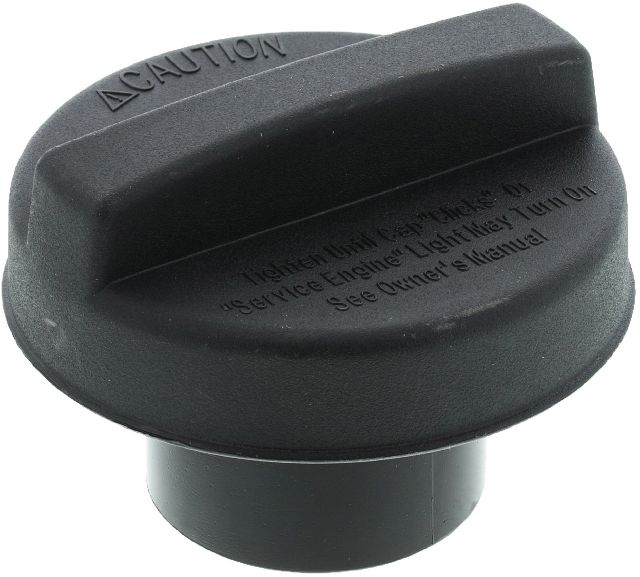
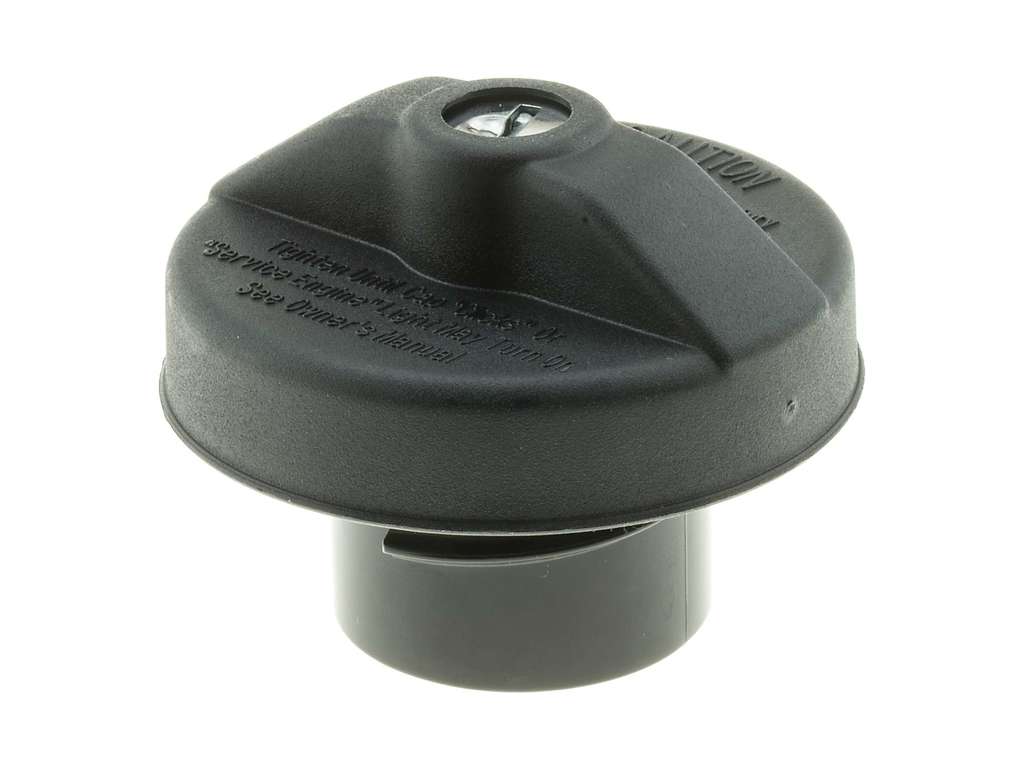
- Loose, Damaged, or Incorrect Gas Cap 🔴 High Probability → Shop Fuel Tank Cap The gas cap seal is a rubber O-ring that degrades, cracks, or stiffens over time, leading to a pressure loss that the EVAP system detects as a leak. This is the most common and cheapest fix for a P0440 code on any vehicle. 🎬 Watch: How to inspect and fix your gas cap.
How to confirm: Ensure the cap is tightened until it clicks several times. Remove the cap and inspect the rubber seal for cracks, stiffness, or damage.
Typical fix: Tighten the existing cap or replace it with a new one. It is often recommended to use an OEM or high-quality aftermarket cap, as cheaper versions can cause sealing issues.
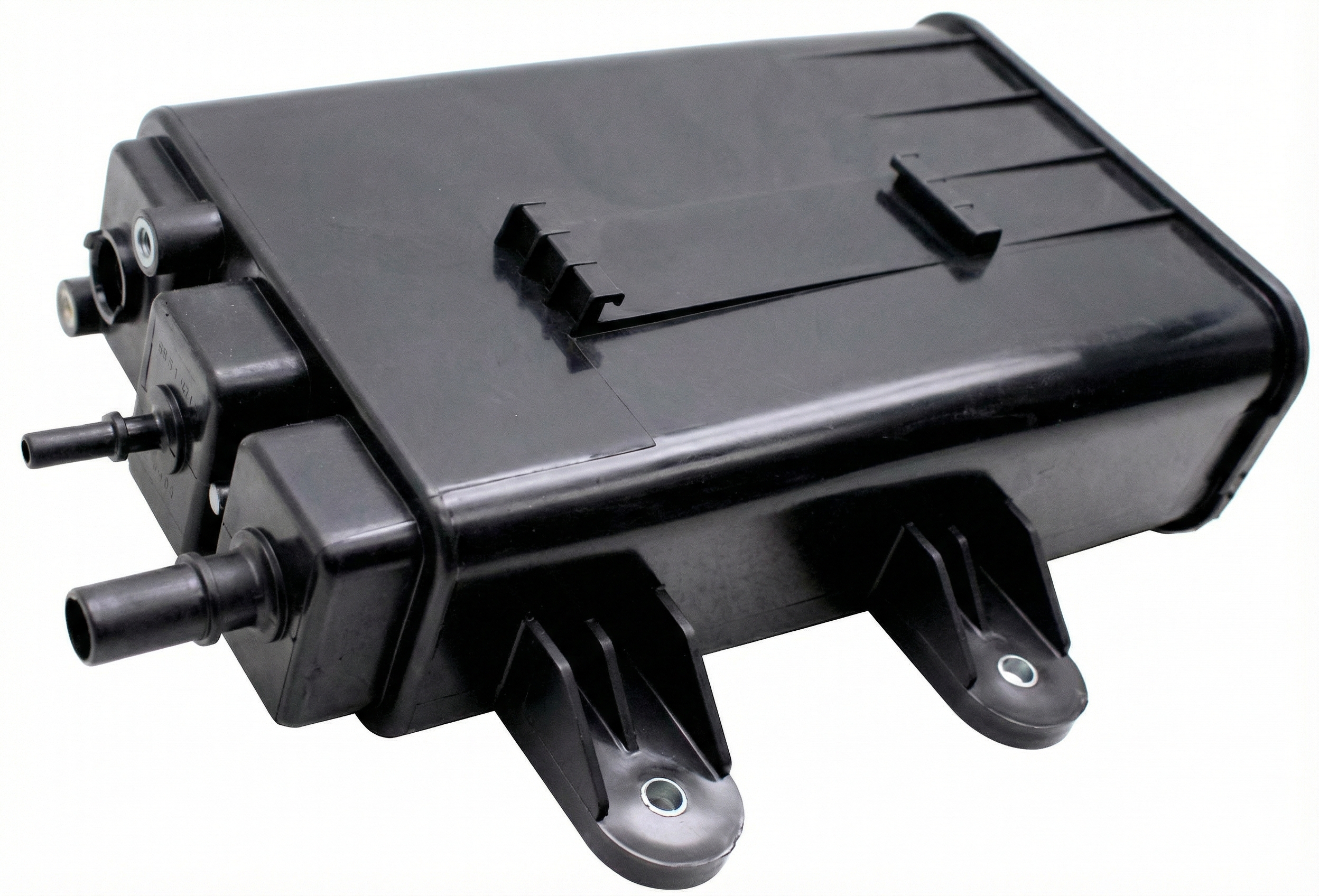
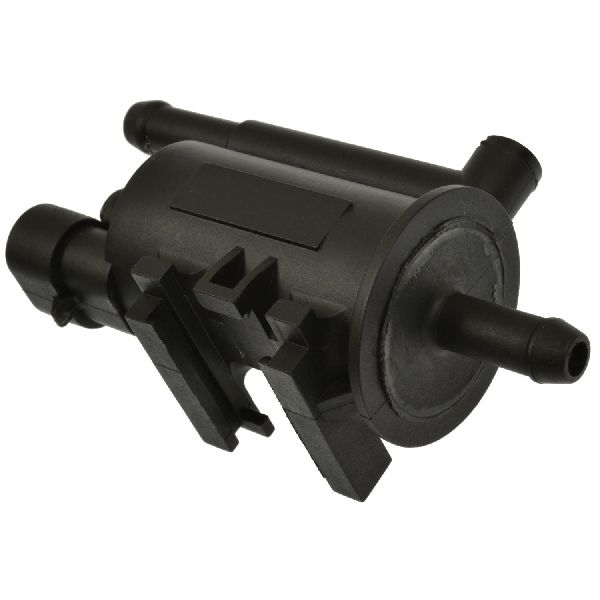
Est. part cost: $10-$25 - Faulty Canister Purge Solenoid Valve (PCSV) 🟡 Medium Probability → Shop Vapor Canister This valve cycles frequently during engine operation and can fail by sticking open or closed. It's a very common failure point on many Hyundai models, including this Tucson, and is often the next part to check after the gas cap.
How to confirm: The PCSV is located in the engine bay, making it easy to access. With the engine idling, disconnect the vapor line from the valve and feel for suction with your finger; there should be no vacuum at idle when the valve is supposed to be closed. A valve that is stuck open will cause a constant vacuum leak.
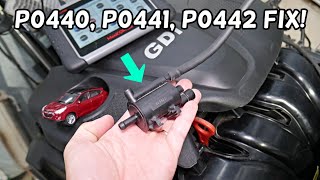
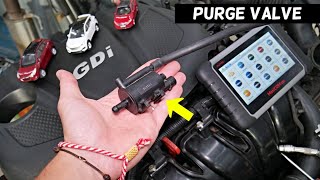
Typical fix: Replacement of the purge solenoid valve. This is a simple DIY repair involving disconnecting two hoses and one electrical connector. 🎬 See this walkthrough for replacing the purge control valve.
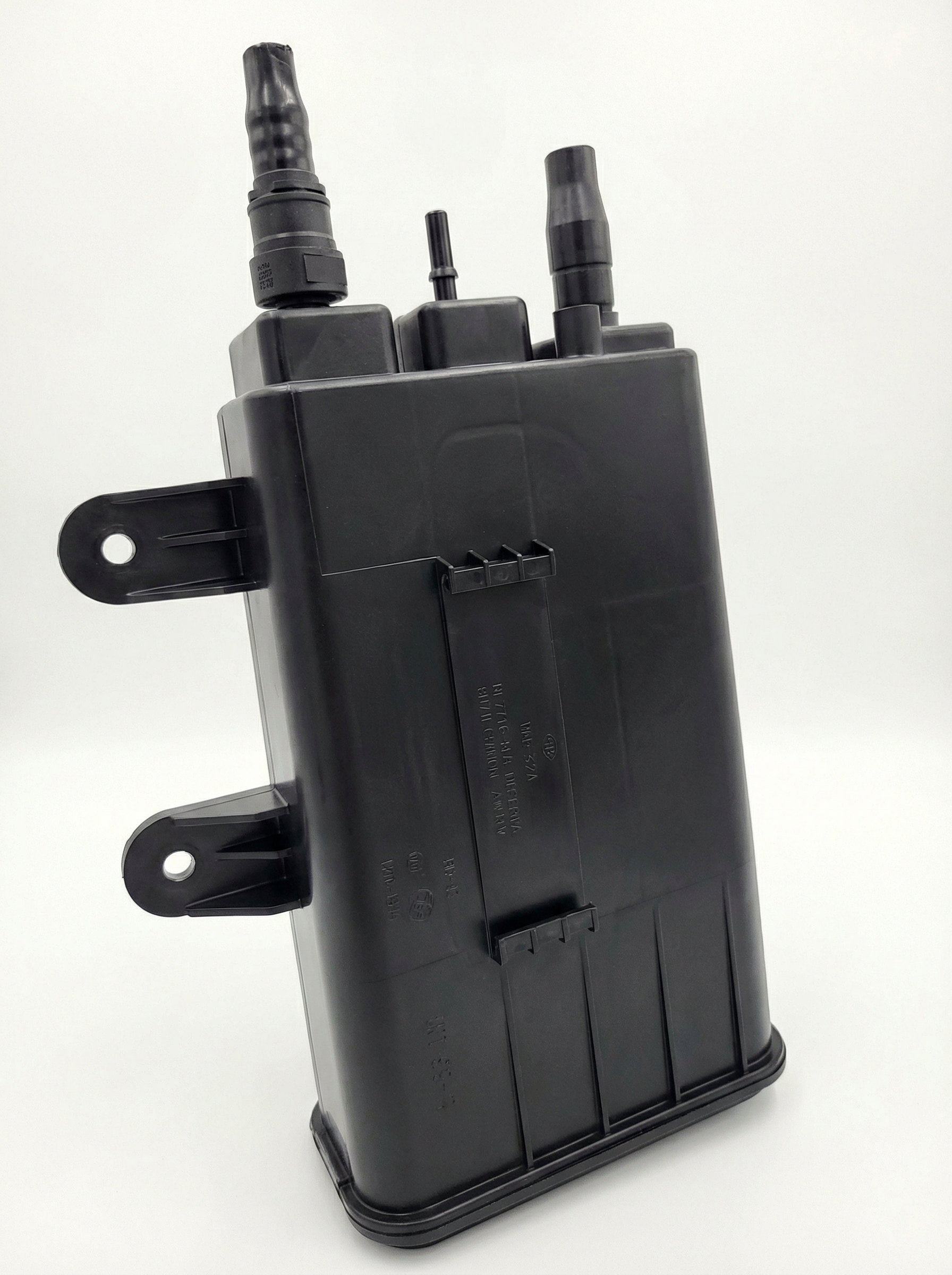
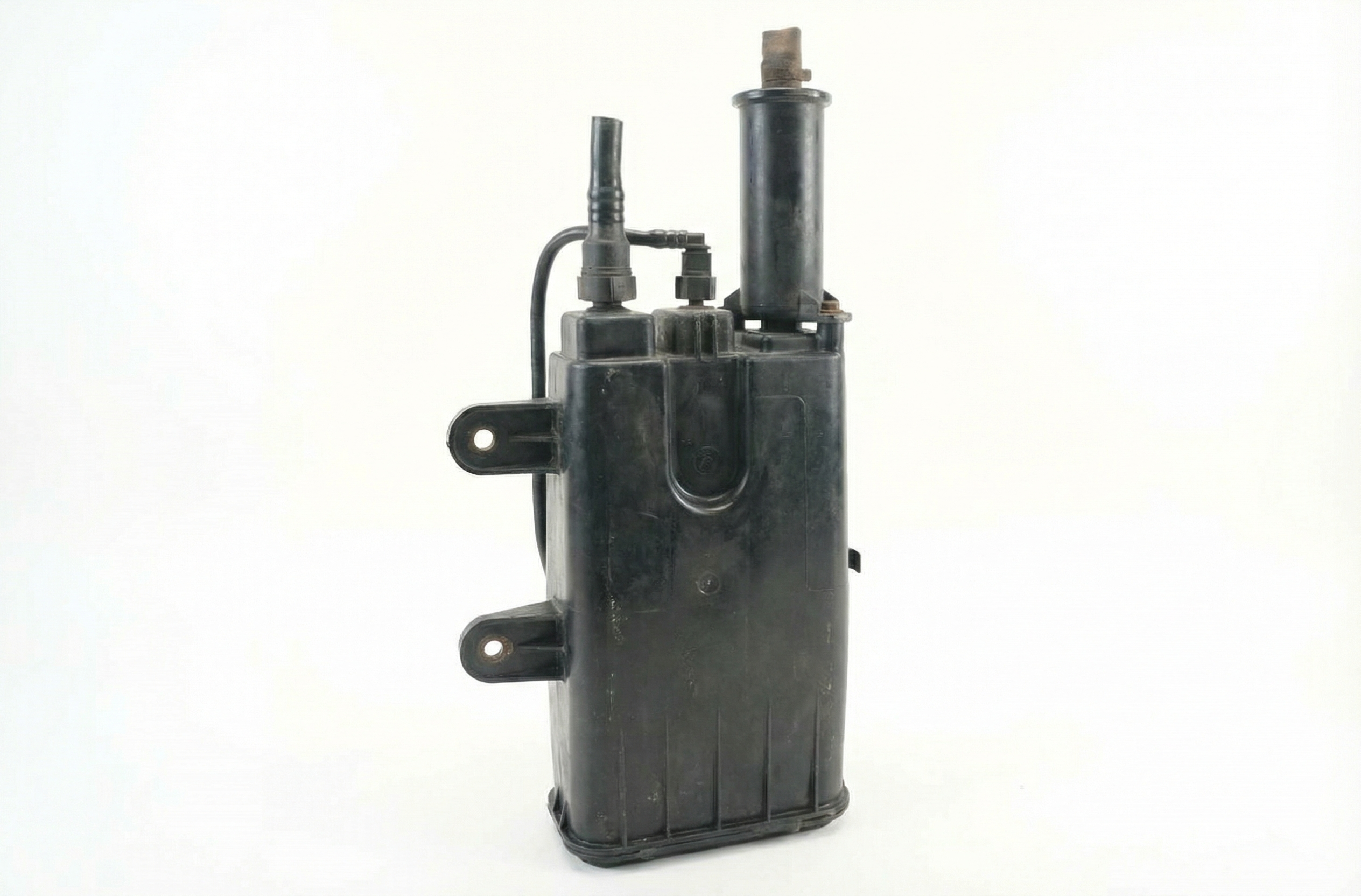
Est. part cost: $50-$90 - Faulty Canister Close Valve (CCV) / Vent Valve ⚪ Low Probability → Shop Vapor Canister Located under the vehicle near the charcoal canister, this valve is exposed to road debris, salt, and moisture, which can cause it to fail electrically or mechanically, or its connector to corrode.
How to confirm: The valve can be tested with a capable scan tool that can command it to open and close. You can also remove it and test its solenoid by applying 12V power to see if it actuates (clicks). Visual inspection for cracks or corrosion is also recommended.
Typical fix: Replace the canister close valve. Accessing it requires safely raising the rear of the vehicle. It is often mounted directly on or next to the charcoal canister.
Est. part cost: $60-$100 - Cracked or Disconnected EVAP Hoses ⚪ Low Probability Rubber and plastic hoses become brittle with age and heat cycles, leading to cracks. A hose that is frequently mentioned in forums and videos for the Tucson is the short rubber line connecting to the purge valve in the engine bay, which is prone to cracking.
How to confirm: Visually inspect all accessible EVAP lines from the engine bay to the charcoal canister for obvious cracks, breaks, or loose connections. For very small, hard-to-find leaks, a professional smoke test is the most effective diagnostic method.
Typical fix: Replace the damaged section of hose or reconnect a loose fitting.
Est. part cost: $5-$50
Rare But Worth Checking
- Cracked Charcoal Canister: → Shop Vapor Canister The canister itself can develop cracks from road debris impact or age, creating a significant leak. This is less common than valve failures but should be inspected if other components check out. In many cases, the vent valve is sold as part of the canister assembly.
- Faulty Fuel Tank Pressure Sensor (FTPS): → Shop Fuel Tank The sensor that monitors the system's pressure can fail and send incorrect readings to the computer, triggering the code even if no leak exists. On the Tucson, this sensor is located on top of the fuel tank and may require removing the rear seat to access.
Diagnosis Steps
- Read the code with an OBD-II scanner to confirm P0440 is present and check for any other related codes.
- Inspect the gas cap. Ensure it is tight and clicks several times. Remove it and check the seal for any cracks, tears, or signs of wear. If in doubt, it's an inexpensive first part to replace.
- Clear the code and drive the vehicle for a few days to see if the light returns. Sometimes a loose cap is the only issue.
- If the light returns, perform a visual inspection of the EVAP hoses in the engine bay, especially the rubber hose connected to the purge solenoid valve, for any obvious cracks or disconnections.
- Test the Canister Purge Solenoid Valve (PCSV) located in the engine bay. With the engine at idle, disconnect the hose on the valve's inlet port and check for vacuum. A functioning valve should be closed with no vacuum present.
- Inspect the Canister Close Valve (CCV) and charcoal canister under the rear of the vehicle for any visible damage, corrosion on the electrical connector, or cracked hoses.
- If the cause is still not apparent, the most reliable method to find a leak is to have the system tested with a smoke machine. This will force smoke through the EVAP system and reveal the exact location of any small cracks or leaks.
Parts You'll Likely Need
- Gas Cap
(OEM #31010-3L600)— This is the most frequent cause due to the rubber seal wearing out over time, causing a pressure leak.
Trusted brands: Hyundai (OEM), Gates, Stant
OEM price range: $20-$30
Aftermarket price range: $10-$20 - Canister Purge Solenoid Valve
(OEM #28910-25100)— This valve is a common failure item that can get stuck open or closed, triggering a system malfunction. It is shared across many Hyundai and Kia models.
Trusted brands: Hyundai (OEM), Dorman, Standard Motor Products (SMP), GPD
OEM price range: $60-$85
Aftermarket price range: $20-$65 - Canister Close Valve (Vent Valve)
(OEM #31453-3K500)— This valve, located under the car, can fail due to exposure to the elements, preventing the EVAP system from sealing properly for its self-test. This part number is widely used on various Hyundai/Kia vehicles.
Trusted brands: Hyundai (OEM), Dorman, Beck/Arnley
OEM price range: $70-$98
Aftermarket price range: $60-$90
Related Codes That Often Appear With This One
- P0441 — P0441 indicates 'Incorrect Purge Flow.' It often appears alongside P0440 if the purge valve is stuck open or closed, as this condition is both a general system malfunction and a specific flow problem.
- P0455 — P0455 indicates a 'Large EVAP Leak.' While P0440 is a general malfunction, some systems may log both codes if a very large leak (like a missing gas cap or a completely failed canister) is detected.
Platform-Specific Known Issues
- Cracked Purge Valve Hose: → Shop Vapor Canister Multiple owner reports and mechanic videos specifically mention that the short rubber hose connecting to the canister purge solenoid valve (PCSV) in the engine bay becomes brittle and cracks, creating a vacuum leak that can trigger P0440 or P0441. This should be one of the first visual inspection points after checking the gas cap. 🎬 Watch: Mechanic's guide to fixing P0440 and P0441 codes.
Mechanic-Grade Diagnostic Values
- Canister Purge Solenoid (PCSV) or Canister Close Valve (CCV) coil resistance — expected: 12-15 Ω. Failure: A reading significantly outside this range indicates a faulty solenoid coil.
- Fuel Tank Pressure Sensor (FTPS) signal voltage during manual PCSV test — expected: > 1.5V. Failure: If voltage drops below 1.5V while the PCSV control wire is manually grounded for 25 seconds (engine running), it indicates a restriction in the EVAP system.
- Fuel Tank Pressure Sensor (FTPS) 5V Reference and Ground — expected: Approximately 5V reference and good ground continuity.. Failure: If the reference voltage or ground is missing with the Key On, Engine Off, the wiring or PCM may be at fault, not the sensor itself.
Hidden / Shadow Codes Worth Checking
- Mode $06 Data: Mode $06 does not show a specific 'shadow code' but provides the raw results from the PCM's self-tests for non-continuously monitored systems, including the EVAP system. A test result that is close to its minimum or maximum limit, even if it hasn't failed yet, can indicate a component that is degrading and may soon cause a DTC like P0440. (see via A professional-level scan tool that can access Mode $06 data is required. The specific Test IDs (TIDs) and Component IDs (CIDs) are manufacturer-specific and may require service information to interpret correctly.)
Scan Tool Commands That Help
- Hyundai GDS or capable professional scanner: EVAP System Active Test / Bidirectional Control — This function is used to manually command the Canister Purge Solenoid Valve (PCSV) and Canister Close Valve (CCV) to open or close. It is a critical step to verify if the valves are responding to commands and are not mechanically stuck. For example, you can command the CCV closed and the PCSV open to see if the system can hold a vacuum, or command them individually and listen for an audible 'click'.
Wiring & Ground Locations
- Canister Close Valve (CCV) — Located under the vehicle, behind the fuel tank, typically mounted on or near the charcoal canister.. The CCV's wiring and connector are exposed to road debris and moisture, making them susceptible to corrosion and damage, which can cause a P0440 code.
- Canister Purge Solenoid Valve (PCSV) — On the left side of the engine, in the engine bay.. Its location in the hot engine bay can cause attached rubber hoses to become brittle and crack, a common source of leaks for this code.
- GHG05 (Ground) — Located at the left rear of the engine compartment.. This is a general engine control ground. A poor connection here could potentially affect the readings of various sensors, including those in the EVAP system, leading to erroneous codes.
- GF02 (Ground) — Located at the base of the left 'B' pillar.. This is an interior/chassis ground point. While less likely to directly cause an EVAP code, ensuring all grounds are clean and secure is a best practice in diagnosing any electronic fault.
"I Checked Everything" — The Actual Cause
- In some cases, a P0440 code can be triggered even if a smoke test shows no leaks in the system. The cause can be a faulty Fuel Tank Pressure Sensor (FTPS). The sensor may send incorrect pressure readings to the engine computer, making the computer believe there is a leak when the system is actually sealed. Diagnosis involves testing the sensor's voltage output against specifications rather than just searching for a physical leak.
OEM Part Supersession History
31453-3K700→31453-3K500— Part update or revision by the manufacturer.
Heads up: The new part number (31453-3K500) is the correct replacement for the old one.
Model Year Variations Within This Range
- 2014: The 2014 model year, which was a mid-cycle refresh, may use a different Canister Purge Valve (PCSV) than other years in this range. Parts catalogs list both the common 28910-25100 and a different number, 28910-2E000, for the 2014 Tucson. This is likely dependent on the engine (2.0L vs 2.4L, MPI vs GDI). It is critical to verify the correct part number by VIN for the 2014 model year.
Diagnostic Flowchart
Related OBD-II Codes
Frequently Asked Questions
Why is my 2010-2015 Hyundai Tucson hard to start right after I fill up the gas tank?
I have a P0440 code on my Tucson; which EVAP hose is most likely to be cracked?
Where is the Canister Close Valve (CCV) located on my 2010-2015 Tucson?
Can I test the purge valve on my Tucson's engine myself?
Are there other vehicles that share this exact EVAP system and P0440 issues?
Should I buy an aftermarket gas cap to fix the P0440 code on my Tucson?
Helpful Videos
Used OEM Parts in Stock
New Aftermarket Parts Available


The information in this article is provided for general reference and educational purposes only. Vehicle specifications, procedures, and part compatibility can vary by production date, trim level, and region. Always consult your vehicle's factory service manual and verify part numbers before purchasing or performing repairs. Safety-critical components such as airbags, seat belts, and braking systems should be installed by a qualified professional.
- Hyundai Tucson:
- 🧭 Diagnostic Flowchart
- 🎬 Helpful Videos
- 🛍️ Shop This Part
- What's Unique About the 2010-2015 Hyundai Tucson
- Symptoms You May Notice
- Most Likely Causes
- Rare But Worth Checking
- Diagnosis Steps
- Parts You'll Likely Need
- Related Codes That Often Appear With This One
- Platform-Specific Known Issues
- Mechanic-Grade Diagnostic Values
- Hidden / Shadow Codes Worth Checking
- Scan Tool Commands That Help
- Wiring & Ground Locations
- "I Checked Everything" — The Actual Cause
- OEM Part Supersession History
- Model Year Variations Within This Range
- Related OBD-II Codes
- Frequently Asked Questions
- 🎟️ Get 5% Off