

P0440 on 1998-2004 Isuzu Rodeo: EVAP System Malfunction Causes and Fixes
On a 1998-2004 Isuzu Rodeo, code P0440 is most often caused by a loose or faulty gas cap. If tightening or replacing the cap (~$15-$30) doesn't work, the next most likely culprit is a failed vapor canister purge solenoid in the engine bay. Also check for cracked EVAP hoses and a damaged canister near the rear axle.
- Always start with the simplest fix: check that your gas cap is tight and its seal is intact. This resolves the P0440 code a surprising amount of the time.
- If the gas cap isn't the issue, the vapor canister purge solenoid in the engine bay is the next most likely part to have failed.
- Be aware of the recall concerning the EVAP hose near the exhaust; inspect this area carefully for cracked rubber.
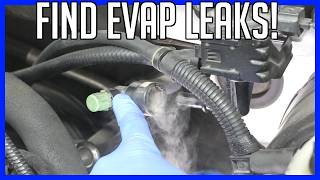
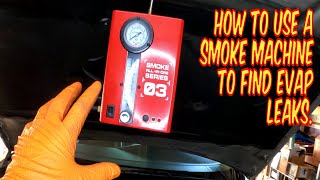
- A smoke test is the most reliable way to find a leak if a visual inspection doesn't reveal the cause.
- This code does not affect how the vehicle drives, but it must be fixed to pass an emissions inspection.
What's Unique About the 1998-2004 Isuzu Rodeo
For the second-generation Rodeo, the EVAP system components are known for specific failure points. The vapor canister purge solenoid, located in the engine bay near the throttle body on V6 models, is a common weak spot. Additionally, the EVAP canister and its associated vent solenoid are mounted behind the rear axle, between it and the spare tire, 🎬 See: Isuzu Rodeo emissions component locations making them vulnerable to damage from road debris or corrosion. Most notably, Isuzu issued a recall (NHTSA Campaign 99V259000) for some V6 models because an EVAP purge hose was routed too close to the exhaust, causing it to crack and leak. A Technical Service Bulletin also exists for 2001-2002 models for a leaking fuel pump O-ring seal at the top of the tank, which can be difficult to diagnose with a standard smoke test.
Symptoms You May Notice
- Check Engine Light is on.
- A faint smell of fuel may be noticeable around the vehicle, particularly near the gas cap or rear.
- No impact on vehicle performance or drivability.
- Difficulty filling the fuel tank (nozzle clicks off prematurely) can sometimes be a symptom if the vent solenoid is stuck closed.
- Replacing oxygen (O2) sensors. The P0440 code is unrelated to the O2 sensors or the exhaust system.
- Replacing the fuel pump. While the fuel pump assembly seal can leak, the pump itself is not a cause for this code.
Most Likely Causes
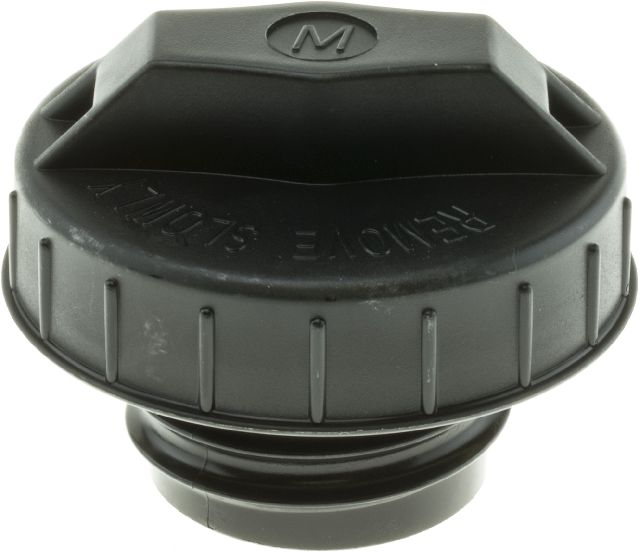
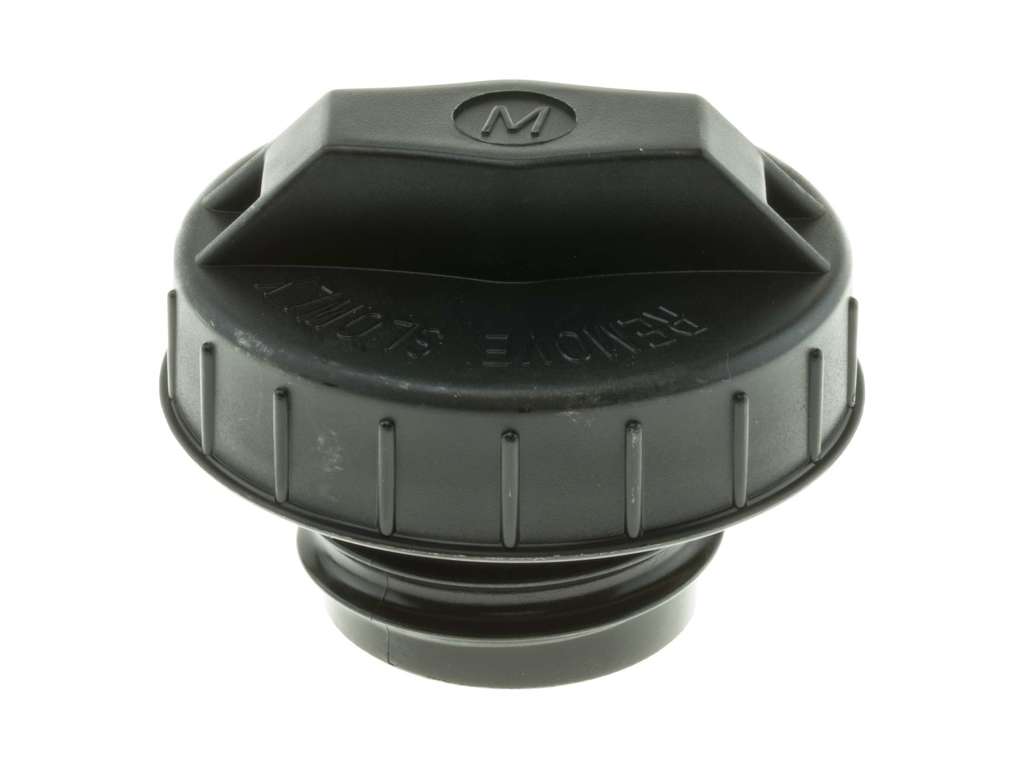
- Loose or Faulty Gas Cap 🔴 High Probability → Shop Fuel Tank Cap This is the most common cause on any vehicle. The rubber O-ring on the cap degrades, cracks, or stiffens over time, preventing a proper seal. Aftermarket caps are also a known source of issues, with many owners on forums reporting that only an OEM cap solved their problem.
How to confirm: Ensure the gas cap is tightened until it clicks several times. Inspect the cap's seal for cracks or damage. Check the fuel filler neck for rust or debris that could prevent a seal. A Reddit user with a 2001 Rodeo confirmed a loose cap was their issue.
Typical fix: Tighten the cap. If the code returns, replace the gas cap, preferably with an OEM part (Isuzu P/N 8-97329-333-0 or equivalent).
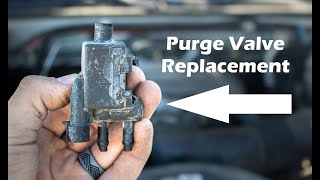
Est. part cost: $15-$35 - Faulty Vapor Canister Purge Valve/Solenoid 🟡 Medium Probability → Shop Vapor Canister This is a very common failure point on Isuzu V6 models and their Honda Passport counterparts. The solenoid, which meters fuel vapor into the engine, can get stuck open or closed, or fail electrically.
How to confirm: The valve is located in the engine bay on the V6, near the throttle body, with two vacuum hoses and an electrical connector. With the engine idling, you can disconnect the hose leading to the canister and feel for vacuum; there should be none. A constant clicking or no clicking at all can also indicate failure. A proper diagnosis involves testing it with a scan tool or a hand-held vacuum pump.
Typical fix: Replace the vapor canister purge valve. 🎬 Watch: How to replace your purge valve
Est. part cost: $40-$90 - Cracked or Disconnected EVAP Hoses 🟡 Medium Probability Rubber hoses become brittle and crack with age and heat exposure. A specific recall for V6 models (NHTSA Campaign 99V259000) noted that a purge hose could crack due to its proximity to the exhaust pipe.
How to confirm: Visually inspect all EVAP lines in the engine bay and running along the frame to the rear of the vehicle. Pay close attention to bends and connection points, especially on the underside where they are exposed. A smoke test is the most effective way 🎬 Watch: How to use a smoke machine to find leaks to find a small crack or a leak that isn't visually obvious.
Typical fix: Replace the cracked section of hose. If related to the recall, the updated hose and pipe assembly should be installed.
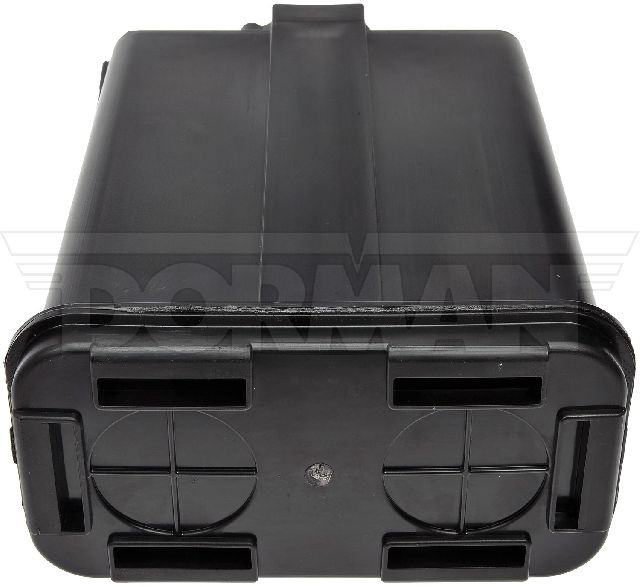
Est. part cost: $10-$50 - Cracked EVAP Canister or Faulty Vent Solenoid ⚪ Low Probability → Shop Vapor Canister The canister is a plastic box located behind the rear axle, making it vulnerable to being struck and cracked by road debris. The vent solenoid attached to it can also fail, getting stuck open or closed.
How to confirm: Visually inspect the black plastic canister and the attached vent solenoid for any cracks or physical damage. A forum user on IsuzuForums.com reported a cracked canister was the cause of their P0440 code after a new gas cap didn't fix it. A scan tool can command the vent solenoid to close for testing.
Typical fix: Replace the cracked EVAP canister and/or the vent solenoid.
Est. part cost: $100-$200
Rare But Worth Checking
- Rusted Fuel Filler Neck: → Shop Fuel Filler Neck Rust can form on the metal filler neck where the gas cap seals, creating an uneven surface that prevents a proper seal even with a new cap. This is more common in regions that use road salt. Inspect the lip of the filler neck for corrosion or pitting and clean it thoroughly.
- Leaking Fuel Pump O-Ring: → Shop Fuel Pump The seal for the fuel pump assembly on top of the fuel tank can degrade and cause an EVAP leak. This is less common and usually produces a strong fuel smell inside or outside the vehicle. Isuzu issued a TSB for this exact issue on 2001-2002 models.
- Faulty Fuel Tank Pressure Sensor: → Shop Fuel Tank The sensor that monitors pressure in the EVAP system can fail and send incorrect data to the PCM, causing it to believe there is a leak when there isn't one. This is less common than a physical leak but can be a cause if all other components check out.
Diagnosis Steps
- Retrieve the P0440 code using an OBD-II scanner.
- Inspect the gas cap to ensure it is tight. Remove it, inspect the rubber seal for cracks or damage, and clean the sealing surface on the fuel filler neck. Clear the code and drive to see if it returns.
- If the code returns, consider replacing the gas cap with a new, OEM-quality cap. This is a cheap and very common fix.
- Visually inspect all accessible EVAP hoses in the engine bay and under the vehicle for cracks, brittleness, or loose connections. On V6 models, pay special attention to the purge hose near the exhaust per the recall notice.
- Locate the vapor canister purge solenoid in the engine bay, near the throttle body. With the engine running, listen for any abnormal clicking sounds or feel for vacuum on the tank-side port (there should be none at idle).
- Inspect the EVAP canister and vent solenoid at the rear of the vehicle, located between the rear axle and spare tire, for any obvious physical damage or cracks.
- If no visual faults are found, the most effective next step is to have a smoke test performed on the EVAP system. This will introduce smoke into the system under low pressure, and any leaks from cracked hoses, the canister, or seals will be visible as smoke escapes.
Parts You'll Likely Need
- Fuel Cap
(OEM #8-97329-333-0)— This is the most frequent cause. The seal fails over time, and it's the simplest and cheapest part to replace first. Using an OEM cap is highly recommended as forum users report issues with aftermarket cap seals.
Trusted brands: Isuzu (OEM), Stant, ACDelco
OEM price range: $25-$40
Aftermarket price range: $15-$25 - Vapor Canister Purge Valve / Solenoid
(OEM #8-01997-201-0)— A very common failure point on the Isuzu V6 engine that will cause a P0440 code. It gets stuck or fails electrically. This part is also used on the Honda Passport.
Trusted brands: ACDelco (often OEM supplier), Dorman (911-072), Standard Motor Products (CP208)
OEM price range: $70-$110
Aftermarket price range: $40-$90 - EVAP Canister
(OEM #8-17113-327-0)— Its location behind the rear axle makes it susceptible to damage from road debris, leading to cracks and leaks. This part number is also shared with the Honda Passport.
Trusted brands: Isuzu (OEM), Standard Motor Products (CP1050), Dorman
OEM price range: $160-$220
Aftermarket price range: $100-$160
Related Codes That Often Appear With This One
- P0441 — P0441 (Incorrect Purge Flow) can be caused by the same faulty purge solenoid that triggers a P0440, as the solenoid is either stuck open or closed.
- P0442 — P0442 indicates a small EVAP leak. The same failing components (like a bad gas cap seal or a slightly cracked hose) can sometimes be interpreted by the PCM as either a general malfunction (P0440) or a small leak (P0442).
- P0455 — P0455 indicates a large EVAP leak. A completely missing gas cap, a large crack in the canister, or a disconnected hose could trigger either P0440 or P0455 depending on the vehicle's specific diagnostic logic.
Technical Service Bulletins (TSBs) & Recalls
- NHTSA Campaign ID 99V259000 (Transport Canada Recall 1999259): 'The rubber purge hose of the Enhanced Evaporative Emission Control System (EVAP) may crack, due to proximity of the exhaust pipe.' This affects 1998-1999 V6 Rodeos.
- Isuzu TSB SBO2-02-S001: Details a leaking fuel pump O-ring on 2001-2002 Rodeos (prior to VIN 924312426) that causes P0440 or P0442. Provides a specific diagnostic procedure using a Tech 2 scanner and lists updated part numbers for the seal.
Platform-Specific Known Issues
- Recall for V6 models: A rubber EVAP purge hose may crack due to its close proximity to the exhaust pipe, causing a leak. The fix involves installing a revised pipe and hose assembly. (NHTSA Campaign ID: 99V259000)
Mechanic-Grade Diagnostic Values
- Vapor Canister Purge Valve / Vent Solenoid Resistance — expected: 15 to 30 Ohms. Failure: A reading significantly outside this range, or an open circuit (infinite resistance), indicates a failed solenoid coil.
- Fuel Tank Pressure Sensor (FTPS) Voltage at atmospheric pressure — expected: 1.42 to 1.58 Volts. Failure: A voltage outside this range with the gas cap off and engine on indicates a faulty sensor or wiring issue.
- Fuel Tank Pressure Sensor (FTPS) Voltage during system pulldown test — expected: Rises to 3.50 Volts. Failure: If the voltage fails to reach 3.50V while running the engine at 2500 RPM with the vent solenoid commanded closed, it indicates a significant leak, a plugged purge solenoid, or a stuck-open vent solenoid.
Scan Tool Commands That Help
- GM Tech 2: EVAP Service Bay Test — This function forces the EVAP system to run its self-test procedures in a service bay, which is useful for verifying a repair or diagnosing an intermittent issue without performing a full, lengthy drive cycle.
- GM Tech 2: Command EVAP Canister Vent Solenoid ON (Closed) — This bidirectional command is used to manually seal the EVAP system. It's a critical step when performing a smoke test or when using the engine's vacuum to test for leaks, as described in TSB SBO2-02-S001.
- GM Tech 2: Monitor Fuel Tank Pressure Sensor (FTPS) Voltage — Used in conjunction with bidirectional commands to see live data from the pressure sensor. This allows a technician to see if the system is building vacuum/pressure as expected during a test.
Wiring & Ground Locations
- G117 — On the right rear of the engine (for 2.2L models).. A poor ground connection for engine sensors or the PCM can cause erratic behavior and false codes. While not directly tied to the EVAP system in the diagram, ensuring engine grounds are clean and tight is a fundamental step.
- G302 — Below the center console (for 3.2L V6 models).. Interior grounds can affect the operation of the PCM and other control units. A loose G302 could potentially cause a variety of difficult-to-diagnose electronic issues.
- Canister Vent Solenoid Connector — At the EVAP canister, behind the rear axle.. The Brown/White wire at this connector can be manually grounded with a jumper wire to force the vent solenoid closed for diagnostic purposes, per a TSB. Wires in this exposed location can also break internally from corrosion or stress.
Real Owner Repair Stories
- Isuzu Technical Service Bulletin SBO2-02-S001 (2001-2002 Isuzu Rodeo (prior to VIN 924312426)) — Check Engine Light with DTC P0440 or P0442.
❌ Tried (didn't work) Replacing the gas cap., Performing a standard smoke test (the leak may be too small or difficult to see).
✅ What actually fixed it Replacing the fuel pump O-ring seal on top of the fuel tank with an updated part. The bulletin notes there are two different mold types for the seal and tank, and they must be matched correctly for a proper repair.
"I Checked Everything" — The Actual Cause
- On 2001-2002 models, a P0440 or P0442 code can be set even if a smoke test appears clean. The actual cause was identified in a TSB as a leaking O-ring that seals the fuel pump assembly to the fuel tank. The leak is often too small or located in a way that makes it difficult to spot with smoke, but it is sufficient to cause the system to fail its pressure/vacuum self-test. The fix requires dropping the fuel tank and replacing the seal with a revised part.
OEM Part Supersession History
Unknown (original fuel pump seal)→8-97329-935-0 (for Rodeo Sport) or one of two mold types for Rodeo/Axiom— The original fuel pump O-ring seal was prone to leaking, causing P0440/P0442 codes.
Heads up: Crucially, there are two different fuel tank and seal designs ('mold 1' and 'mold 2'). The correct updated seal must be used with the corresponding tank mold type to ensure a proper seal.
Model Year Variations Within This Range
- 2000: A cosmetic refresh occurred, resulting in redesigned front and rear fascias. All models moved to 16-inch tires. This does not affect the P0440 diagnosis but is relevant for identifying the vehicle.
- 2001-2002: These model years, prior to a specific VIN, are subject to TSB SBO2-02-S001 for a leaking fuel pump O-ring causing P0440/P0442.
- 2004: The 2.2L 4-cylinder engine was discontinued. A new, more powerful 3.5L V6 (250 hp) became available as an option alongside the standard 3.2L V6.
Diagnostic Flowchart
Other Known Issues on This Vehicle
Issues unrelated to this code that are worth knowing about as an owner of this generation:
- Severe Frame Rust 🔴 High — Very common, especially in the rust belt. The rear section of the frame, particularly around the rear suspension mounts and fuel tank, is prone to catastrophic corrosion. A recall (NHTSA Campaign ID 10V065000) was issued for this. (Ref: NHTSA Campaign ID: 10V065000)
- 4L30-E Automatic Transmission Failure 🔴 High — The GM-sourced 4L30-E transmission is a known weak point. Common complaints include harsh shifting, slipping, loss of forward gears, and failure to engage reverse. Problems can stem from failed solenoids, brittle internal wiring harnesses, or complete mechanical failure.
- Excessive Oil Consumption (V6) 🟠 Medium — The 3.2L (6VD1) and 3.5L (6VE1) V6 engines are known to consume oil, often due to issues with piston rings or valve stem seals. Owners frequently report needing to add oil between changes.
Used vs. New Parts: Buying Guide for This Vehicle
When a used part is the smart pick: For larger, more expensive plastic components like the EVAP Canister, a used part from a junkyard can be a cost-effective option. It is critical to inspect it thoroughly for any cracks, brittleness, or broken hose nipples before purchase.
Donor-vehicle mileage cap: roughly under 120000 miles for the part to have meaningful remaining life.
What to inspect on the donor part:
- For EVAP Canisters: Check for any hairline cracks, especially around mounting points and hose connections. Ensure the plastic is not overly brittle or sun-faded.
- For Solenoids: Visually inspect the connector for corrosion or damage. If possible, test resistance with a multimeter before buying (should be 15-30 ohms).
- Look for donor vehicles from dry climates to minimize rust and corrosion on associated metal parts and fasteners.
OEM-only on this vehicle (don't cheap out):
- Fuel Cap: This is the most critical part to buy OEM. Aftermarket gas caps are a widely reported cause of persistent EVAP codes on Isuzu and other vehicles because their seals often do not meet the precise pressure-holding specifications of the original.
Aftermarket brands forum-validated for this vehicle:
- Solenoids: Dorman, Standard Motor Products (SMP), and ACDelco are reputable aftermarket brands that are generally considered reliable for these components.
- Gas Caps: Stant is often cited as a reliable aftermarket alternative if an OEM cap is unavailable, though OEM is still preferred.
Brands owners have reported issues with on this vehicle:
- Avoid generic, unbranded, or 'white-box' store-brand gas caps, as they are the most likely to have sealing issues that will not resolve the P0440 code.
Real Owner Stories
Aggregated from forums and TSBs cited above. Mileages and costs reflect what owners reported in those sources.
2001 Isuzu Rodeo
Symptoms: Check Engine Light with OBD code P0440.
What fixed it: Tightening the gas cap.
Source hint: reddit.com - 2001 Isuzu Rodeo- OBD P0440
1998 Isuzu Rodeo V6
Symptoms: Check Engine Light with P0440 code, particularly when the gas level is low. No other running issues or gas smell.
What fixed it: Replacing a cracked EVAP canister after a new gas cap failed to fix the issue.
Source hint: IsuzuForums.com - P0440 thread
Related OBD-II Codes
Frequently Asked Questions
Is there a recall for the EVAP system on my 1998-1999 Isuzu Rodeo V6?
My 2001 Rodeo has a P0440 code; could it be the fuel pump seal?
Should I use an aftermarket gas cap to fix the P0440 code?
Where is the EVAP canister located on the Rodeo?
Can I use Honda Passport parts to fix my Rodeo's EVAP system?
Why does my Rodeo have trouble filling up with gas at the pump?
Helpful Videos

We Have This Part in Stock


The information in this article is provided for general reference and educational purposes only. Vehicle specifications, procedures, and part compatibility can vary by production date, trim level, and region. Always consult your vehicle's factory service manual and verify part numbers before purchasing or performing repairs. Safety-critical components such as airbags, seat belts, and braking systems should be installed by a qualified professional.
- Isuzu Rodeo:
- 🧭 Diagnostic Flowchart
- 🎬 Helpful Videos
- 🛍️ Shop This Part
- What's Unique About the 1998-2004 Isuzu Rodeo
- Symptoms You May Notice
- Most Likely Causes
- Rare But Worth Checking
- Diagnosis Steps
- Parts You'll Likely Need
- Related Codes That Often Appear With This One
- Technical Service Bulletins (TSBs) & Recalls
- Platform-Specific Known Issues
- Mechanic-Grade Diagnostic Values
- Scan Tool Commands That Help
- Wiring & Ground Locations
- Real Owner Repair Stories
- "I Checked Everything" — The Actual Cause
- OEM Part Supersession History
- Model Year Variations Within This Range
- Other Known Issues on This Vehicle
- Used vs. New Parts: Buying Guide for This Vehicle
- Real Owner Stories
- 2001 Isuzu Rodeo
- 1998 Isuzu Rodeo V6
- Related OBD-II Codes
- Frequently Asked Questions
- 🎟️ Get 5% Off