

P0440 on 1996-2002 Isuzu Trooper: EVAP System Malfunction Causes and Fixes
For a P0440 code on an Isuzu Trooper, the most likely cause is a loose or faulty gas cap. If a new gas cap (~$20) doesn't fix it, the next most common failure is the vapor canister purge solenoid, an inexpensive part located in the engine bay. A smoke test is the most effective way to find less obvious leaks.
- This guide applies to 1996-2002 Isuzu Troopers, not earlier OBD-I models.
- Always start with the simplest fix: check that your gas cap is tight, and if the code returns, replace the cap.
- The second most likely culprit is the vapor canister purge solenoid in the engine bay, which is an affordable and DIY-friendly replacement.
- If the simple fixes don't work, inspect hoses and the charcoal canister at the rear of the vehicle for cracks and damage.
- This code will not affect how your Trooper drives, but it will cause an automatic failure on an emissions test.
What's Unique About the 1992-2002 Isuzu Trooper
On the 1996-2002 Trooper, the EVAP system components are known for being relatively straightforward and accessible. While a loose gas cap is the universal first suspect, many owners report that the vapor canister purge solenoid, located in the engine bay under the throttle body, is a frequent and inexpensive failure point. Additionally, the charcoal canister is mounted under the rear of the vehicle between the axle and spare tire, making it and its associated hoses susceptible to road debris and rust, which has been a documented cause of this code for Trooper owners.
Generation note: This guide covers the OBD-II equipped years of the Isuzu Trooper, which includes the end of the first generation (1996-1997) and the full second generation (1998-2002). The primary components related to code P0440, such as the purge solenoid and gas cap, are largely the same or very similar across this year range, making the diagnostic process consistent.
Symptoms You May Notice
- Check Engine Light is on.
- A faint fuel or gasoline smell may be noticeable, especially around the rear of the vehicle or after refueling.
- The vehicle will automatically fail an emissions inspection.
- A whooshing sound of escaping vapor may be absent when removing the gas cap, indicating the system is not holding pressure.
- Replacing the O2 sensors. P0440 is strictly an EVAP system code and has no connection to the oxygen sensors.
- Replacing the fuel pump. While a faulty fuel tank pressure sensor (sometimes part of the pump assembly) can cause EVAP codes, it's much less common for a general P0440 leak code than a simple physical leak in a hose, cap, or valve.
Most Likely Causes
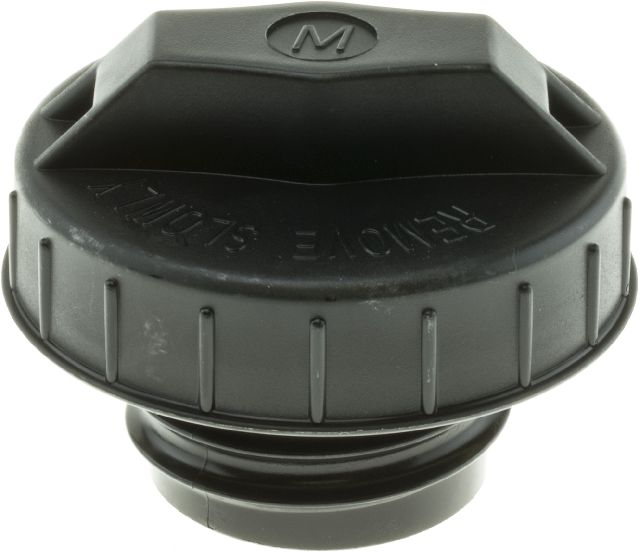
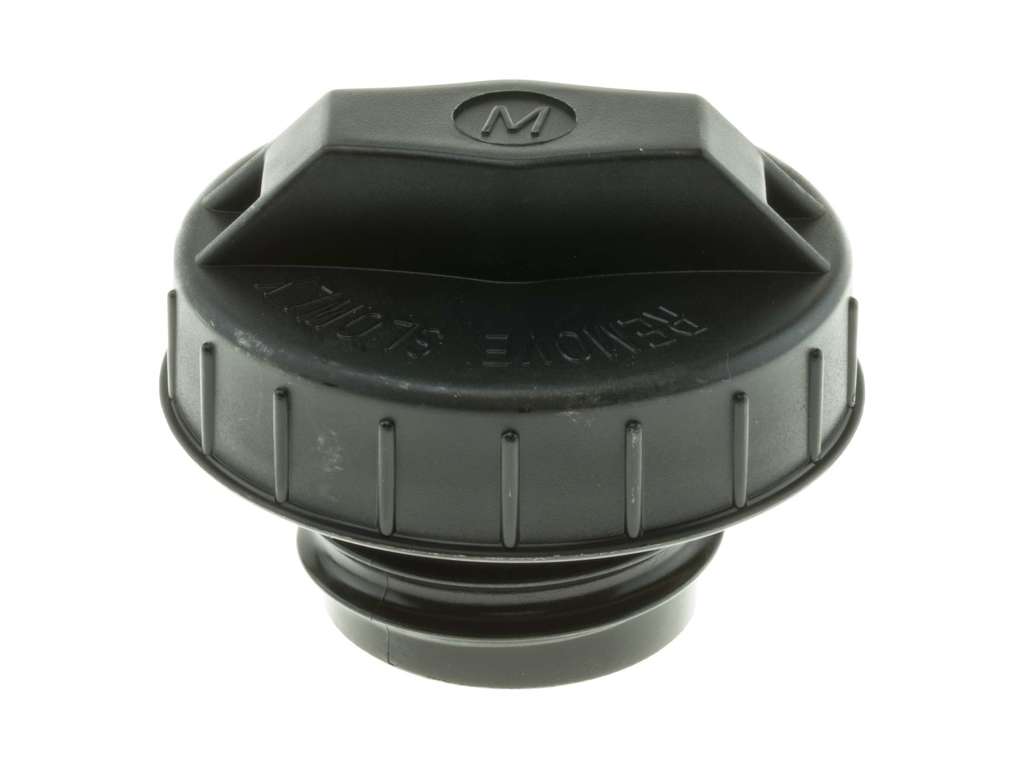
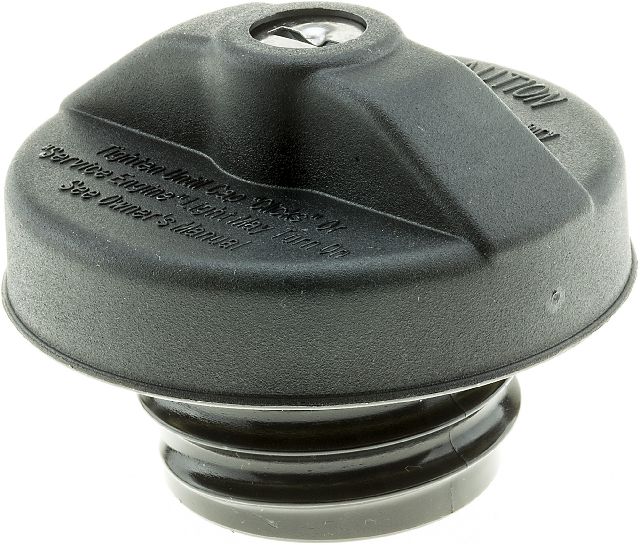
- Loose or Faulty Gas Cap 🔴 High Probability → Shop Fuel Tank Cap This is the most common cause for P0440 on any vehicle. The cap's rubber O-ring seal can degrade, crack, or stiffen over time, preventing a proper seal. It may also simply not have been tightened correctly after refueling.
How to confirm: Ensure the gas cap is tightened until it clicks at least once. Inspect the rubber O-ring on the cap for cracks, stiffness, or damage. Also, inspect the fuel filler neck for rust or debris that could prevent a good seal. If the light returns after tightening and cleaning, the cap itself is likely faulty.
Typical fix: Replace the gas cap. It is highly recommended to use an OEM or high-quality aftermarket cap, as poorly made caps are a common source of repeat P0440 codes. An OEM-equivalent cap can often be purchased for under $20.
Est. part cost: $15-$30 - Faulty Vapor Canister Purge Valve/Solenoid 🟡 Medium Probability → Shop Vapor Canister This is a very common failure point on 1998-2002 Troopers and related Isuzu V6 models like the Rodeo and Honda Passport. The solenoid, which meters fuel vapor into the engine, can get stuck open or closed, causing the EVAP system test to fail.
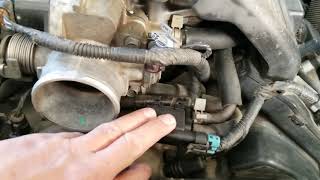
How to confirm: The purge solenoid is located in the engine bay, typically under the throttle body assembly. 🎬 Watch: How to locate and replace the purge solenoid. With the engine running at idle, you can disconnect the hose coming from the canister and feel for vacuum; there should be none. A more definitive test involves a hand-held vacuum pump or using a scan tool to command the valve to open and close to test its function.
Typical fix: Replace the vapor canister purge solenoid. This is generally an easy repair involving disconnecting two hoses and an electrical connector. Access requires removing the large intake tube between the air filter box and the throttle body.
Est. part cost: $20-$50 - Cracked or Disconnected EVAP Hoses 🟡 Medium Probability The rubber hoses become brittle and crack with age and exposure to heat cycles in the engine bay and elements under the vehicle. Forum users often report finding cracked hoses near the canister or the purge solenoid.
How to confirm: Visually inspect all EVAP hoses, starting from the purge solenoid in the engine bay and tracing them back towards the charcoal canister at the rear. Look for obvious cracks, loose connections, or damage. A smoke test is the most effective way to find small, hard-to-see leaks.
Typical fix: Replace the damaged section of hose. Ensure connections are secure with clamps.
Est. part cost: $5-$25 - Cracked Charcoal Canister ⚪ Low Probability → Shop Vapor Canister The canister is located under the vehicle between the rear axle and the spare tire, making it vulnerable to being struck by road debris or damaged by rust jacking. Owners on Isuzu forums have confirmed finding cracked canisters to be the source of their P0440 code.
How to confirm: Visually inspect the black plastic canister at the rear of the vehicle for any visible cracks, especially around the hose connections or mounting points. A smoke test is the definitive method and will show smoke billowing from any cracks.
Typical fix: Replace the charcoal canister. This is more expensive than other components. Some owners have sourced used units from salvage yards successfully.
Est. part cost: $150-$250 - Faulty EVAP Vent Solenoid ⚪ Low Probability → Shop Vapor Canister Like the canister it's attached to, the vent solenoid is exposed to the elements under the vehicle, leading to corrosion and failure. It can get stuck closed, preventing the system from venting properly.
How to confirm: The vent solenoid is located on or next to the charcoal canister. It can be tested with a capable scan tool or by applying 12V power to see if the valve clicks open and closed. It should be normally open, so if it cannot be blown through with no power applied, it is stuck closed.
Typical fix: Replace the vent solenoid.
Est. part cost: $40-$80
Rare But Worth Checking
- Rusted Fuel Filler Neck: → Shop Fuel Filler Neck On older vehicles in rust-prone areas, the metal filler neck where the gas cap screws on can rust and pit, creating a leak that even a new cap cannot seal. Check this area carefully if you live in a region where salt is used on roads. A light sanding and application of grease can sometimes restore the seal.
- Spider Nests in Vent Hose: Though less documented on Troopers specifically, a well-known cause for EVAP codes on many vehicles is spiders building nests inside the EVAP vent hose outlet, causing a blockage. This can trigger a P0440 or related codes like P0446. The hose outlet is typically located near the fuel filler neck or on the frame rail.
Diagnosis Steps
- Read the code with an OBD-II scanner to confirm it is P0440.
- Inspect the gas cap. Ensure it is tight and clicks. Remove it and inspect the rubber seal for cracks or hardness. Check the filler neck for rust or dirt. If there is any doubt, replace the cap with an OEM or quality part, clear the code, and drive for a few days.
- If the code returns, perform a visual inspection of the engine bay. Remove the intake ducting to get a clear view of the purge solenoid under the throttle body. Check its connected hoses for cracks or loose fittings.
- Proceed to the rear of the vehicle. Inspect the hoses going to and from the charcoal canister, which is located above the rear axle, often between it and the spare tire.
- Inspect the charcoal canister itself for any visible cracks or damage, paying close attention to the plastic nipples where hoses connect. 🎬 Watch: How to test and replace the charcoal canister.
- If no visible faults are found, test the purge and vent solenoids. The purge solenoid can be tested for vacuum at idle (should be none). Both can be tested with a scan tool that can actuate them, or by applying 12V power and listening for a click.
- If all components seem to test well, a smoke test is the definitive way to find the source of the leak. This involves feeding low-pressure smoke into the EVAP system (usually via a service port) and watching for where it escapes. This is the most effective method for finding hairline cracks in hoses or the canister.
Parts You'll Likely Need
- Fuel Tank Cap
(OEM #8-97248-989-0 (Superseded by newer numbers))— This is the most frequent cause of P0440 due to a worn seal or improper tightening. It is the cheapest and easiest part to replace first.
Trusted brands: Stant (e.g., 10837), Gates (e.g., 31832), Duralast (e.g., 4817BT), Motorad (e.g., MGC817T)
OEM price range: $25-$40
Aftermarket price range: $10-$25 - Vapor Canister Purge Solenoid
(OEM #8-97228-082-1 (Replaces 8-97228-082-0))— A common failure item on this platform that gets stuck, causing a system integrity failure. It is relatively inexpensive and easy to access in the engine bay.
Trusted brands: Standard Motor Products (e.g., CP208, 84675MS), Dorman, ACDelco (e.g., 214-2137), Carquest Premium (e.g., CPA1039)
OEM price range: $70-$130
Aftermarket price range: $20-$50
Platform-Specific Known Issues
- Purge Solenoid Location and Replacement: → Shop Vapor Canister On the 3.2L and 3.5L V6 engines, the purge solenoid is tucked under the throttle body. While accessible, it requires removing the main air intake hose that runs from the air filter box. A YouTube video by user 'quicknsimple13' provides a clear, step-by-step guide for this specific repair on a 1998-2002 Trooper, confirming the ease of the job and the low cost of the part.
Mechanic-Grade Diagnostic Values
- Vapor Canister Purge or Vent Solenoid Coil Resistance — expected: 12-15 Ω (Ohms). Failure: A reading outside this range (e.g., an open circuit or a short) indicates a faulty solenoid coil.
- Fuel Tank Pressure (FTP) Sensor Voltage at Atmospheric Pressure — expected: 1.3V to 1.7V (1.5V is ideal). Failure: A reading stuck low (e.g., 0.3V) or high (e.g., 5V) with the gas cap off indicates a faulty sensor or wiring issue.
- Fuel Tank Pressure (FTP) Sensor Voltage under light vacuum — expected: Voltage should decrease from its atmospheric reading (e.g., from 2.5V down towards 1.6V).. Failure: If the voltage does not change when light vacuum is applied, the sensor is faulty. Do not apply excessive vacuum or pull the voltage below 1.5V, as this can damage the sensor.
Scan Tool Commands That Help
- Tech 2 or equivalent professional scan tool: EVAP System Test / Purge/Seal — This bidirectional command allows the technician to manually close the vent solenoid and command the purge solenoid on/off. It is used to seal the system for a leak test (monitoring the FTP sensor for pressure decay) and to verify the individual function of each solenoid without having to remove them.
Wiring & Ground Locations
- Canister Purge Valve — On 2000+ models, located at the top left front of the engine, under the throttle body.. This is a common failure point. Its location requires removing the air intake tube for access. The electrical connector and its two vacuum hoses are frequent points of failure due to heat and age.
- Underhood Fuse/Relay Box — Located on the right side of the engine compartment, on the inner fender panel.. This box contains the fuses and relays that power the EVAP system components. A blown fuse or faulty relay for the purge or vent solenoid circuit can cause a P0440 code.
- Charcoal Canister & Vent Solenoid — Located under the vehicle, above and behind the rear axle, between the axle and the spare tire.. This location makes the canister, vent solenoid, and associated hoses vulnerable to damage from road debris, moisture, and corrosion, which can cause physical cracks or electrical failures.
Real Owner Repair Stories
- YouTube user 'quicknsimple13' (1998 Isuzu Trooper (applies to 1998-2002 V6 models)) — Check Engine Light with code P0440.
❌ Tried (didn't work) Not specified, went straight to diagnosing the common part.
✅ What actually fixed it Replacing the vapor canister purge solenoid located under the throttle body. The part was inexpensive (around $20-$30) and fixed the code. - Isuzu forum user 'Gizmo42' relaying another's fix (Isuzu Trooper (year not specified, but in a thread for a 1998 model)) — Persistent P0440 code.
❌ Tried (didn't work) Replacing the gas cap.
✅ What actually fixed it The charcoal canister, located between the rear axle and spare tire, was found to be cracked. Replacing it with a salvage (used) unit resolved the P0440 code.
"I Checked Everything" — The Actual Cause
- If a smoke test reveals no leaks, the cause is likely not a physical hole in a hose or component. The next most probable cause is an electrical or component failure that doesn't produce an external leak. The primary suspect in this scenario is a faulty Fuel Tank Pressure (FTP) sensor. The sensor can fail internally and send an incorrect voltage signal to the computer (e.g., stuck at 0.3V), making the ECU believe there is a large leak when the system is actually sealed. Another possibility is a vent or purge solenoid that is stuck internally but not leaking to the atmosphere, which would also cause the system's self-test to fail.
OEM Part Supersession History
8-97228-082-0→8-97228-082-1— Standard part revision by the manufacturer.
Heads up: The new part number (8-97228-082-1) is a direct replacement for the old one and should be fully compatible.
Model Year Variations Within This Range
- 1998-2002: The EVAP system on the 3.2L and 3.5L V6 engines used in the second-generation Trooper (and related Honda Passport/Acura SLX) is very similar. The purge solenoid is consistently located under the throttle body, and the charcoal canister is at the rear. Diagnostics and common failure points are consistent across these years. Earlier OBD-II models (1996-1997) may have minor differences but generally follow the same principles.
Diagnostic Flowchart
Used vs. New Parts: Buying Guide for This Vehicle
When a used part is the smart pick: For large, expensive, non-electronic components like the charcoal canister, a used part from a salvage yard can be a smart, cost-effective choice. Forum members have reported success using salvaged canisters to fix a P0440 code. It is also a good option for brackets or specific hoses that may be discontinued.
Donor-vehicle mileage cap: roughly under 80000 miles for the part to have meaningful remaining life.
What to inspect on the donor part:
- For a charcoal canister, visually inspect it for any cracks, especially around the hose nipples and mounting tabs.
- Ensure the donor vehicle is from a dry climate to minimize the risk of internal moisture saturation or rust damage to attached components.
- Check that all hose connection points are intact and not brittle.
- If possible, get the attached vent solenoid with the canister, but be prepared to test and possibly replace it separately.
OEM-only on this vehicle (don't cheap out):
- Fuel Tank Cap: While many aftermarket caps work, a persistent P0440 code after replacing with an aftermarket cap is often solved by switching to an OEM cap. The tolerances for the seal are critical.
Aftermarket brands forum-validated for this vehicle:
- ACDelco (often the OEM supplier for GM-related parts)
- Standard Motor Products (SMP)
- Denso
Brands owners have reported issues with on this vehicle:
- No-name, unbranded 'white box' electronic parts (solenoids, sensors) from online marketplaces are frequently reported as dead-on-arrival or failing prematurely.
Real Owner Stories
Aggregated from forums and TSBs cited above. Mileages and costs reflect what owners reported in those sources.
2001 Isuzu Rodeo
Symptoms: Check Engine Light was on with code P0440.
What fixed it: The code was resolved simply by tightening the gas cap.
Source hint: Reddit (r/MechanicAdvice): Thread '2001 Isuzu Rodeo- OBD P0440' (2018)
1998-2002 Isuzu Trooper
Symptoms: Check Engine Light on with P0440 code, likely due to a faulty purge solenoid.
What fixed it: Replaced the vapor canister purge solenoid located under the throttle body.
Cost: $20-$50
Source hint: YouTube video by user 'quicknsimple13' for a 1998-2002 Trooper
1992-2002 Isuzu Trooper
Symptoms: Persistent P0440 Check Engine Light.
What fixed it: After inspection, the black plastic charcoal canister itself was found to be cracked. Replacing the canister fixed the issue.
Source hint: Isuzu Forums (isuzuforums.com): Thread titled 'P0440' (2006)
1992-2002 Isuzu Trooper
Symptoms: P0440 code returned even after trying a new gas cap.
What fixed it: The problem was traced to the fuel filler neck, which had rust and debris preventing a good seal with the gas cap. Cleaning the filler neck resolved the leak.
Source hint: Isuzu Forums (isuzuforums.com): Thread titled 'P0440' (2006)
Related OBD-II Codes
Frequently Asked Questions
Where is the vapor canister purge solenoid located on my 1999 Isuzu Trooper V6?
I can't find the charcoal canister. Where should I be looking?
I replaced the gas cap but the P0440 code came back. What is the next most common part to check?
Does it matter what brand of gas cap I use as a replacement?
I can't see any cracked hoses or damage. What is the best way to find a hidden EVAP leak?
Will the information for the Trooper's P0440 code apply to my Honda Passport?
Helpful Videos
We Have This Part in Stock


The information in this article is provided for general reference and educational purposes only. Vehicle specifications, procedures, and part compatibility can vary by production date, trim level, and region. Always consult your vehicle's factory service manual and verify part numbers before purchasing or performing repairs. Safety-critical components such as airbags, seat belts, and braking systems should be installed by a qualified professional.
- Isuzu Trooper:
- 🧭 Diagnostic Flowchart
- 🎬 Helpful Videos
- 🛍️ Shop This Part
- What's Unique About the 1992-2002 Isuzu Trooper
- Symptoms You May Notice
- Most Likely Causes
- Rare But Worth Checking
- Diagnosis Steps
- Parts You'll Likely Need
- Platform-Specific Known Issues
- Mechanic-Grade Diagnostic Values
- Scan Tool Commands That Help
- Wiring & Ground Locations
- Real Owner Repair Stories
- "I Checked Everything" — The Actual Cause
- OEM Part Supersession History
- Model Year Variations Within This Range
- Used vs. New Parts: Buying Guide for This Vehicle
- Real Owner Stories
- 2001 Isuzu Rodeo
- 1998-2002 Isuzu Trooper
- 1992-2002 Isuzu Trooper
- 1992-2002 Isuzu Trooper
- Related OBD-II Codes
- Frequently Asked Questions
- 🎟️ Get 5% Off