

P0440 on 2007-2018 Jeep Wrangler: EVAP System Malfunction Causes and Fixes
For a 2007-2018 Jeep Wrangler, P0440 usually points to a faulty gas cap or a bad EVAP System Integrity Module (ESIM), also known as a leak detection pump. Start with a new OEM gas cap (~$25). If that doesn't work, the ESIM is a common failure and an easy DIY replacement (~$40-$70). A smoke test is the definitive way to find other, less obvious leaks.
- Always start with the simplest and cheapest fix: check that your gas cap is tight. If in doubt, replace it with an OEM Mopar cap.
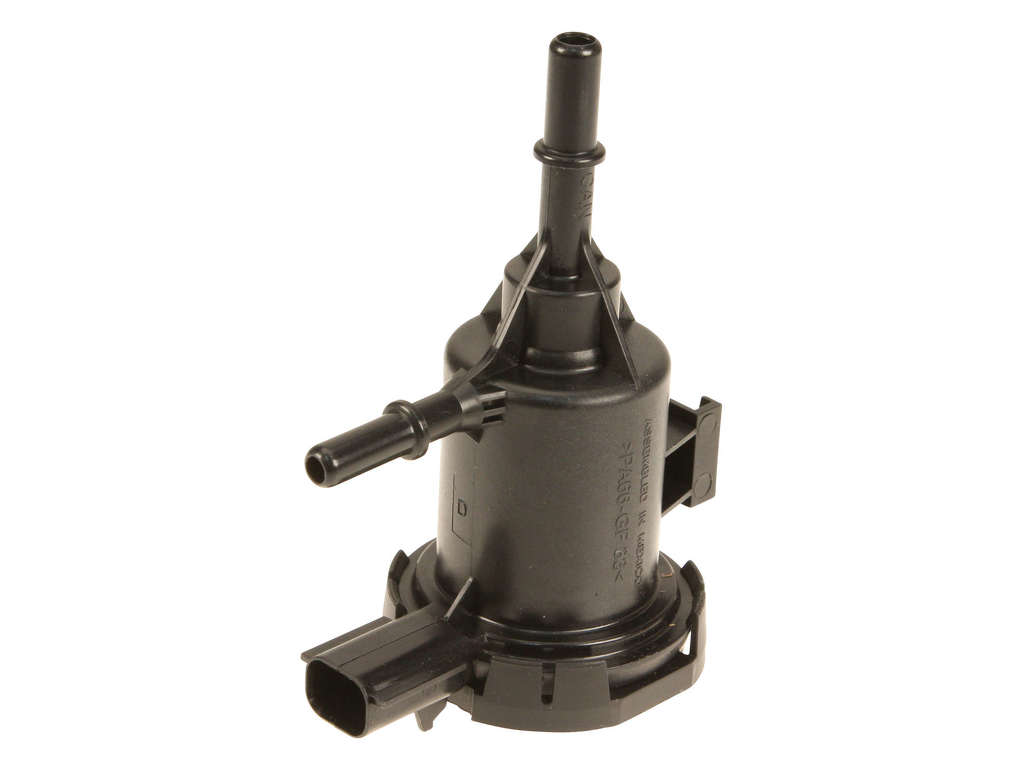
- If the gas cap doesn't fix it, the most likely cause on a 2007-2018 Wrangler is a faulty EVAP System Integrity Module (ESIM), also called a leak detection pump.
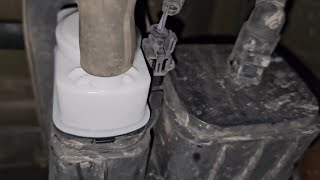
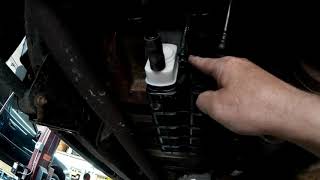
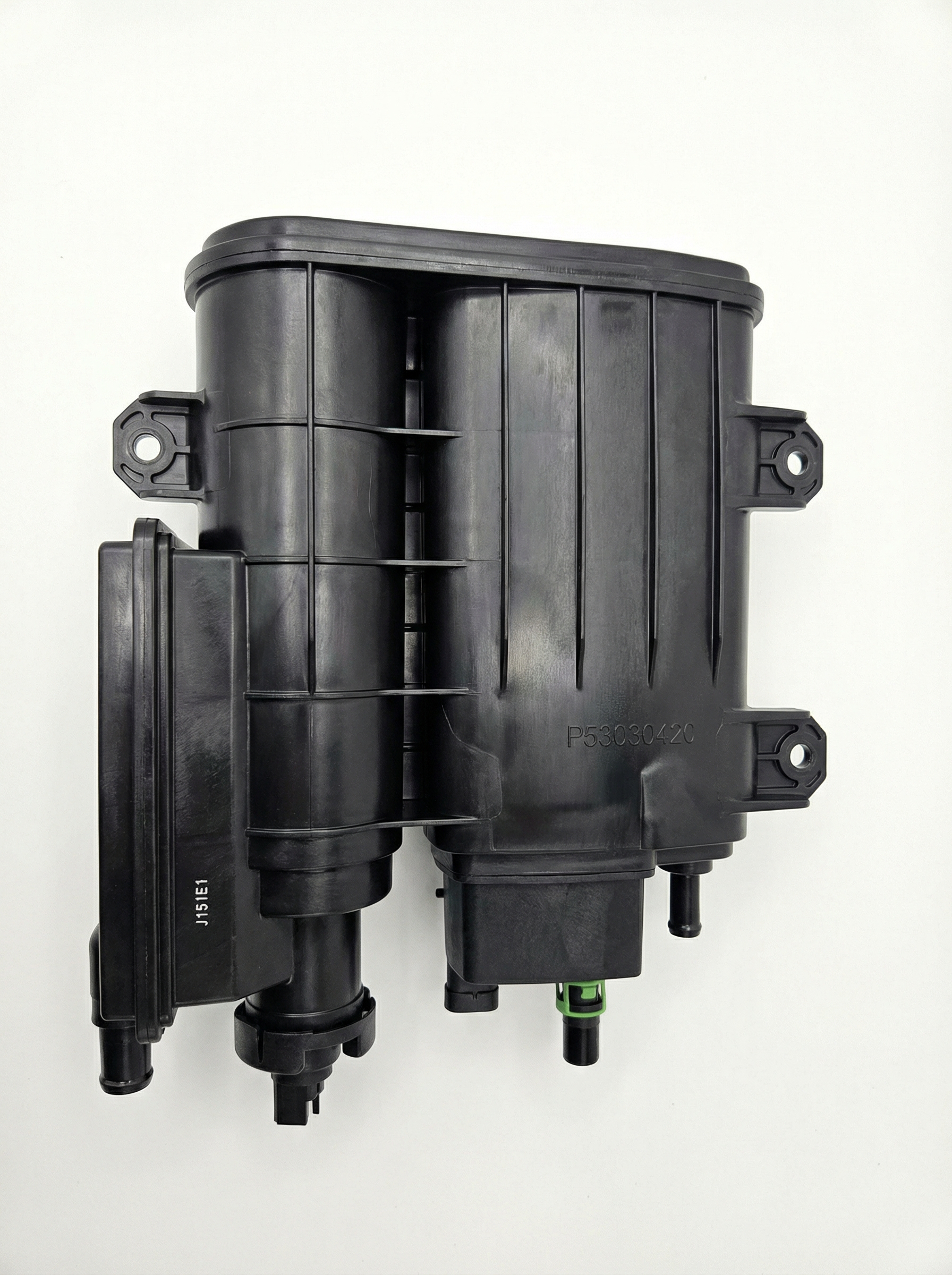
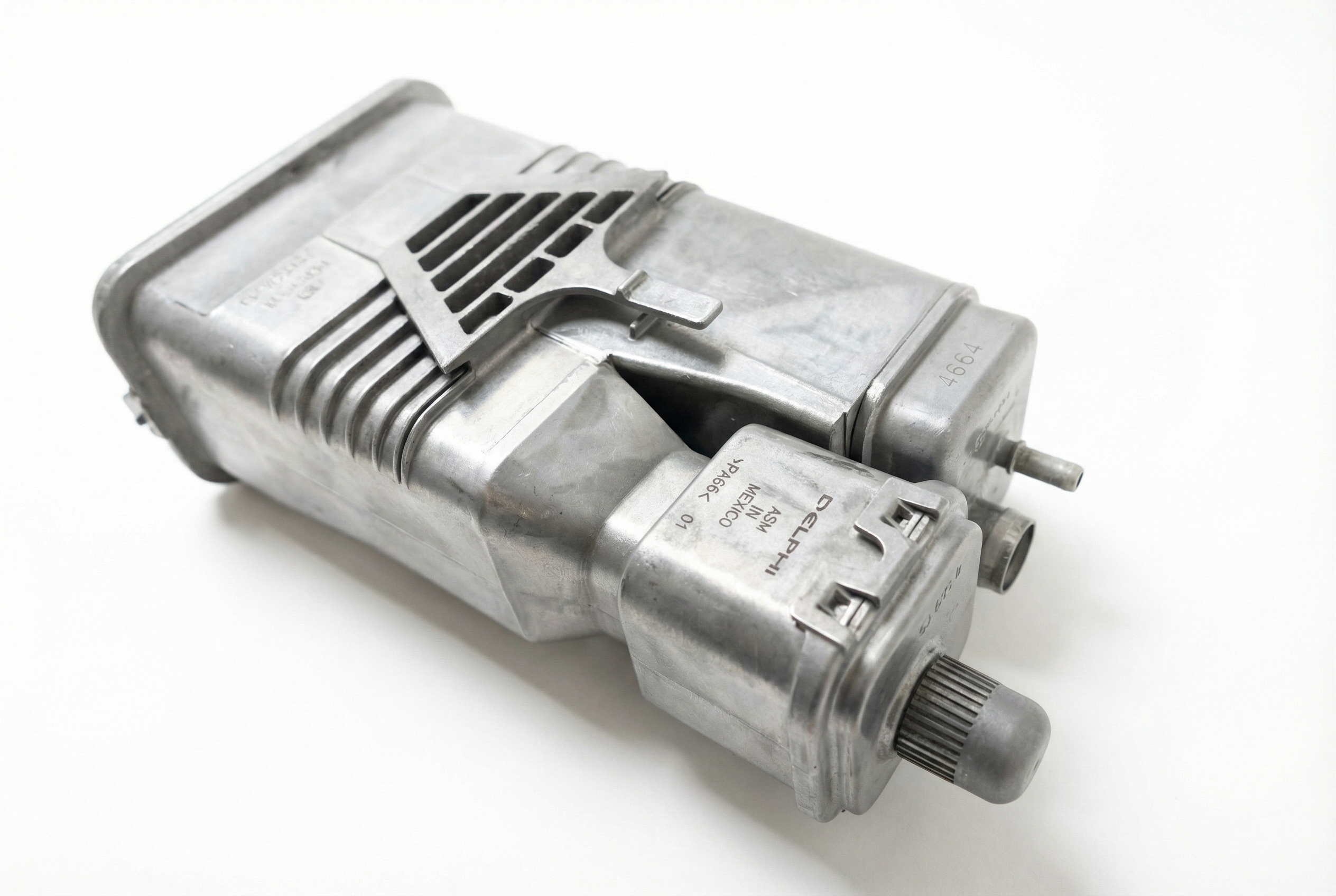
- Replacing the ESIM is a simple, 30-minute DIY job with basic tools, located on the charcoal canister in front of the driver's side rear wheel.
- While other issues like cracked hoses or a bad purge valve can cause P0440, they are less common on this specific vehicle than the gas cap and ESIM.
- You can safely drive with this code, but you won't pass an emissions test and your remote start might not work.
What's Unique About the 2007-2018 Jeep Wrangler
The 2007-2018 Jeep Wrangler (JK generation) is known for being susceptible to various EVAP codes, with P0440 being a specifically listed code for this model, which is not the case for all vehicles. A key component prone to failure on the JK is the Evaporative System Integrity Module (ESIM), also called a Leak Detection Pump (LDP). This part is a frequent culprit for P0440 and related EVAP codes and is a well-documented failure point in owner forums and repair guides. The ESIM is a simple switch with a spring-loaded valve that Chrysler used to monitor system integrity, which is a less sophisticated (and more failure-prone) method than the fuel tank pressure sensors used by other manufacturers like GM.
Generation note: The 2007-2018 year range covers the entire 'JK' generation of the Jeep Wrangler. While the core EVAP system design is similar, there can be minor variations in component location and configuration on later JK models (post-2012 with the 3.6L Pentastar engine) compared to the early ones (2007-2011 with the 3.8L engine). However, the common causes, particularly the ESIM and gas cap, are generally applicable across the entire generation.
Symptoms You May Notice
- Check Engine Light is on
- A 'gascap' message may appear on the instrument cluster, even if the cap is tight
- A faint fuel odor near the vehicle
- Remote start may be disabled
- Difficulty fueling, with the pump clicking off repeatedly (can indicate a clogged canister or faulty ESIM)
- Fuel spitting back or overflowing when the tank is nearing full, as reported in NHTSA ODI #10493346.
- Replacing the purge valve when the ESIM is the actual culprit. Many generic guides point to the purge valve first, but on the JK Wrangler, the ESIM is a more frequent point of failure for this code.
- Replacing the gas cap with a cheap aftermarket version, which often doesn't seal correctly and fails to resolve the code.
Most Likely Causes
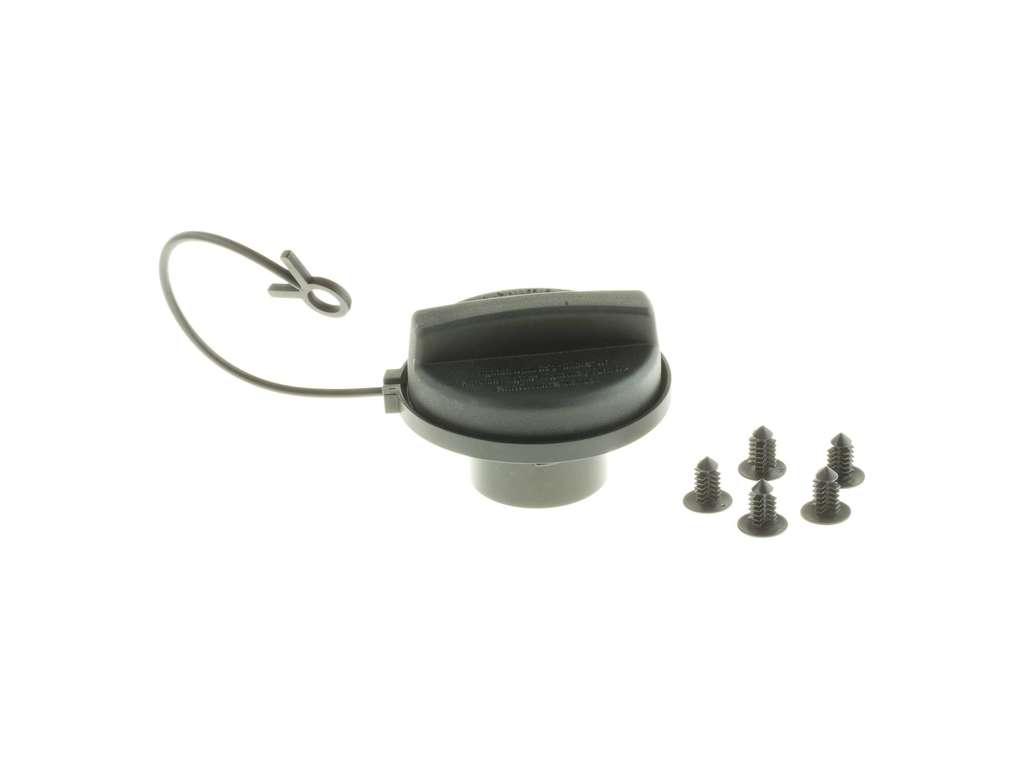
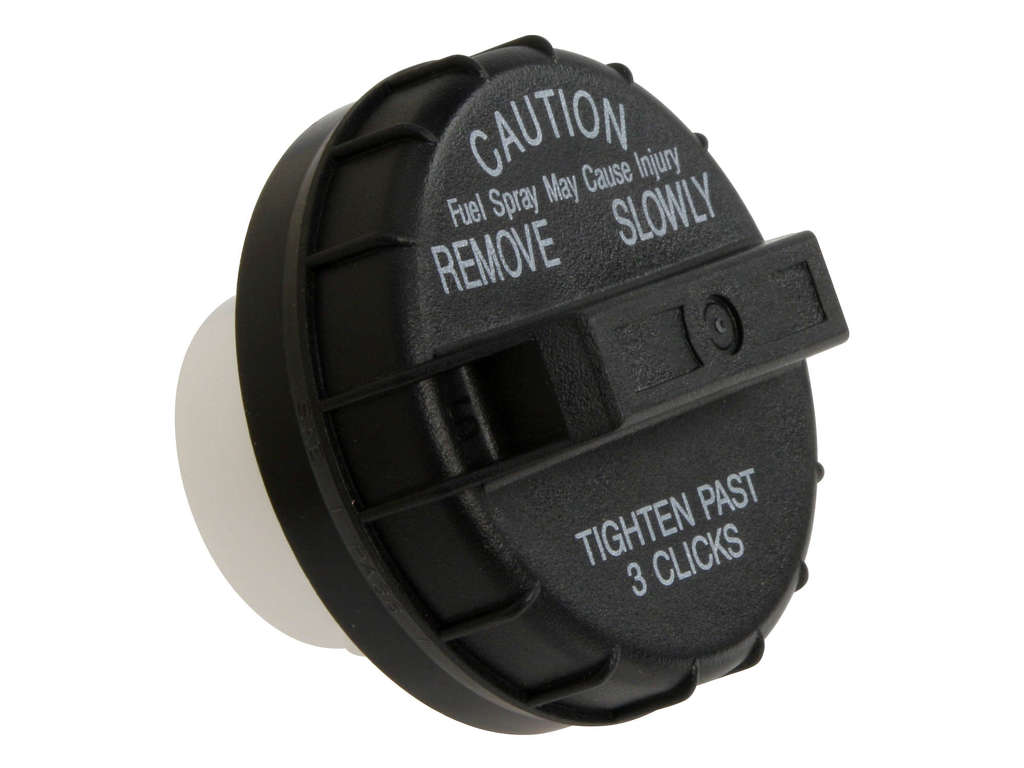
- Loose or Faulty Gas Cap 🔴 High Probability → Shop Fuel Tank Cap The gas cap seal degrades over time, and due to the Wrangler's off-road nature, the cap and filler neck are exposed to more dirt and debris, which can compromise the seal. Aftermarket caps are also a frequent source of problems.
How to confirm: Ensure the cap is tightened until it clicks. Inspect the rubber seal on the cap for cracks, stiffness, or tearing. If there is any doubt, it's the cheapest part to replace first. Always use a genuine Mopar cap for best results.
Typical fix: Replace the gas cap with a new OEM Mopar part.
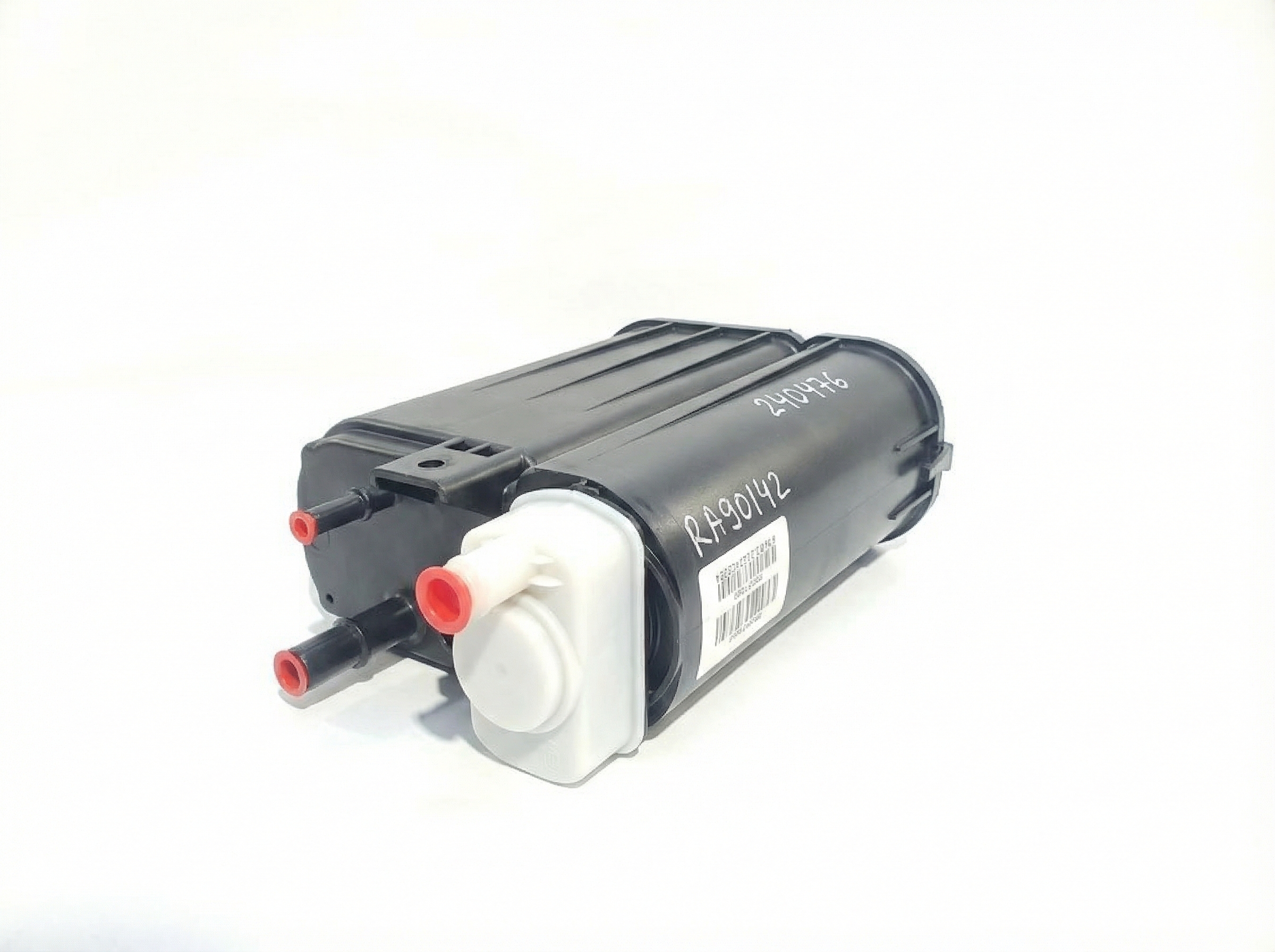
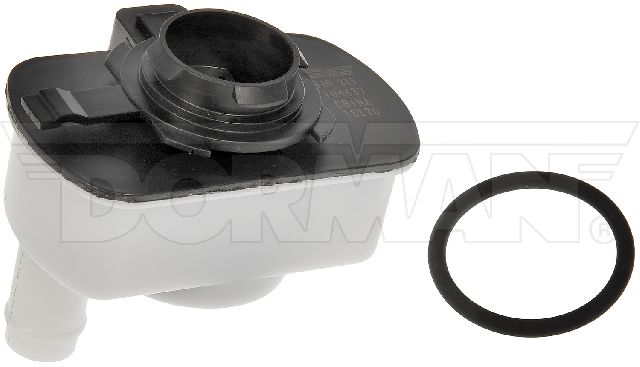
Est. part cost: $20-$35 - Faulty EVAP System Integrity Module (ESIM) / Leak Detection Pump (LDP) 🔴 High Probability → Shop Vapor Canister This specific component is a very common failure point on the JK Wrangler, often triggering general EVAP faults when it can no longer properly test the system's integrity. The internal diaphragm or switch can fail, causing an internal leak that a smoke test won't reveal.
How to confirm: A capable OBD-II scanner can run an EVAP system test and show if the ESIM switch is opening and closing correctly. However, since the part is relatively inexpensive and a known issue, many owners replace it after ruling out the gas cap. A failed ESIM can also cause issues with filling the gas tank.
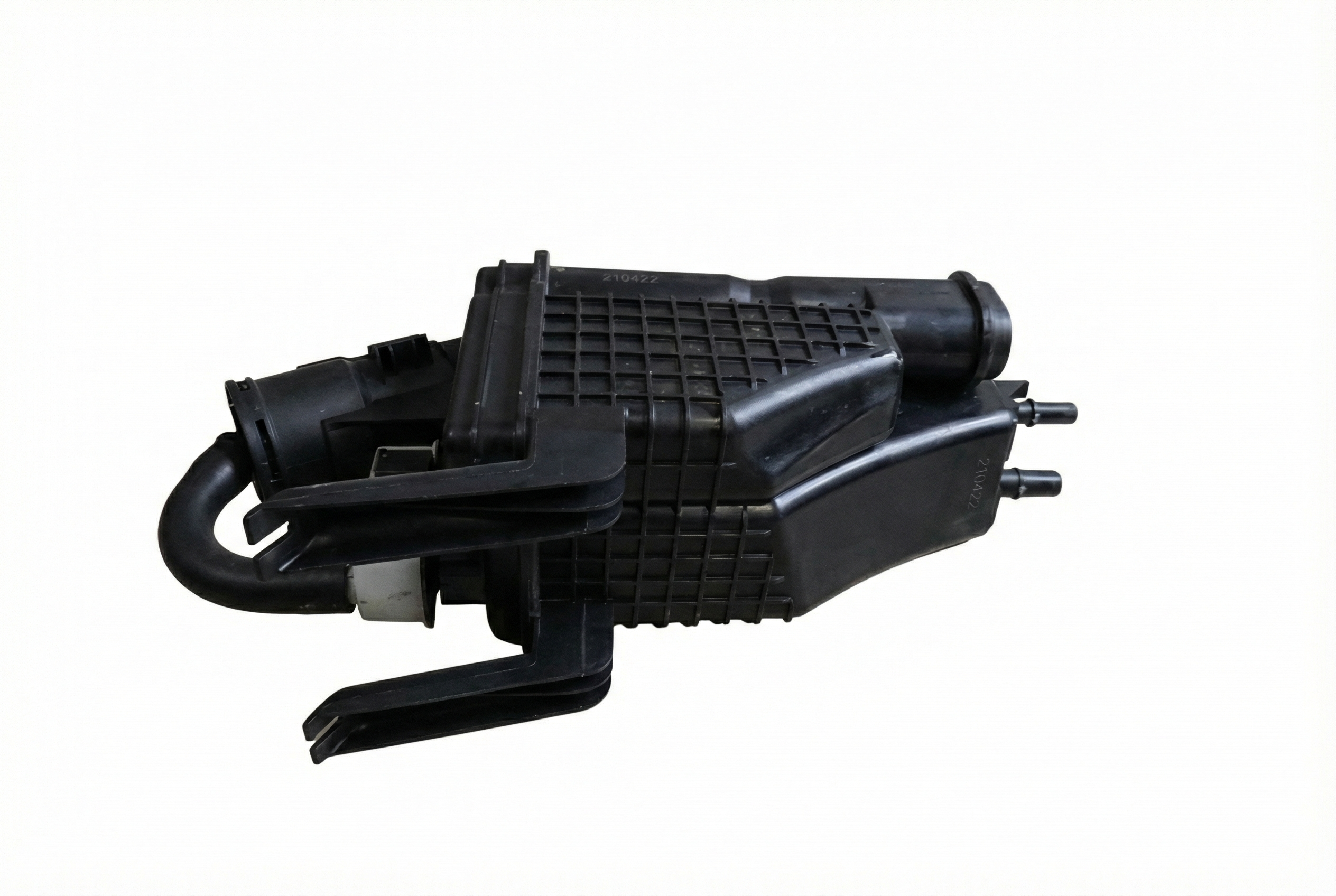
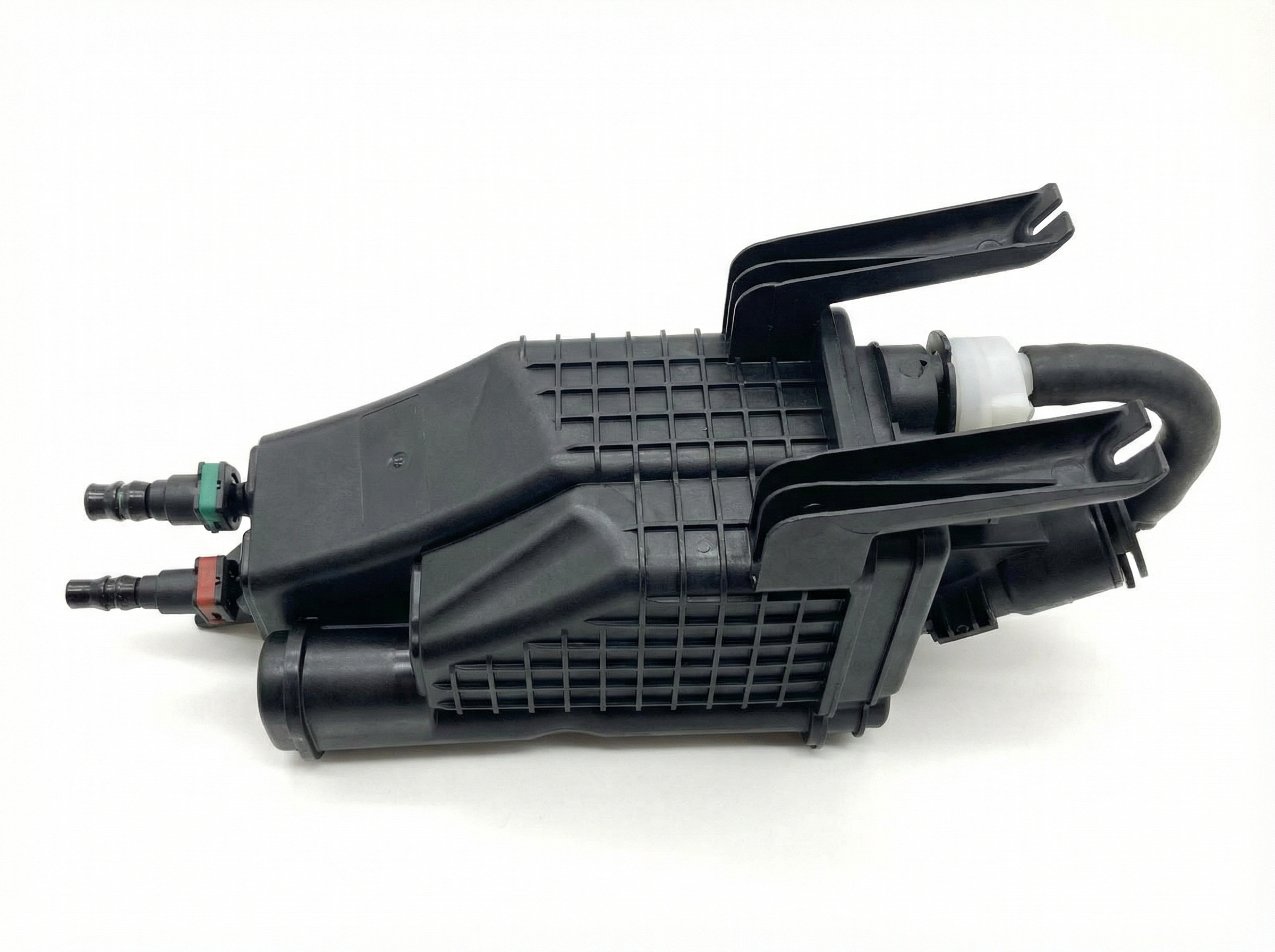
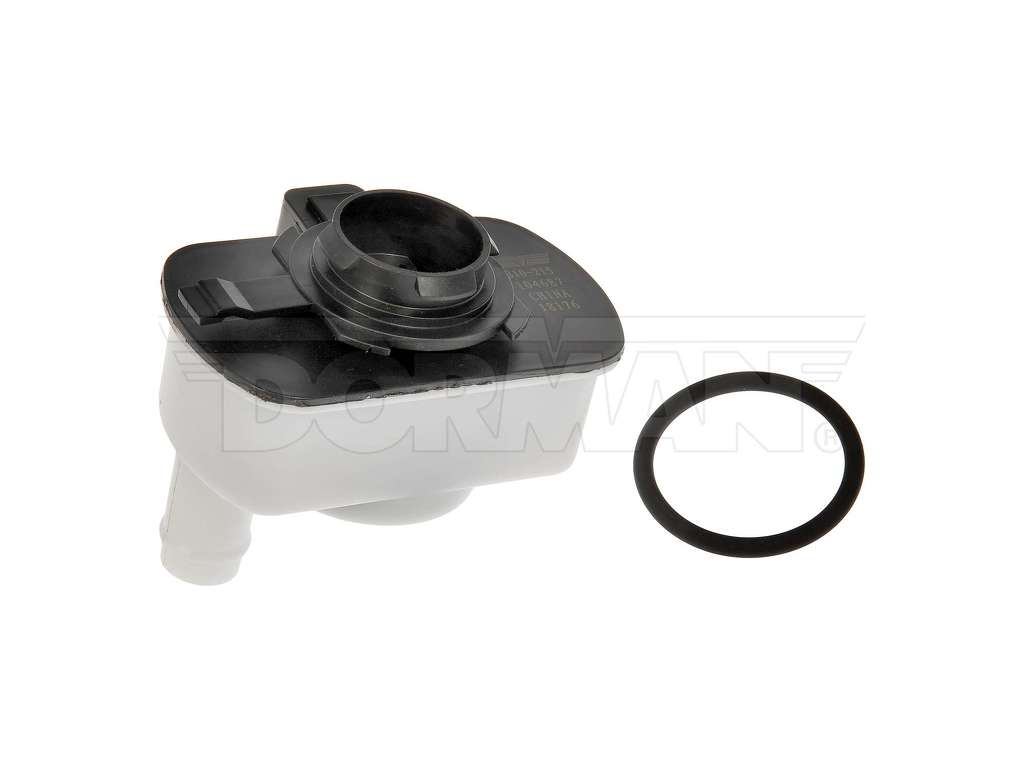
Typical fix: Replace the ESIM and its O-ring seal. The module is located on the charcoal canister, in front of the rear driver's side wheel, and is easily accessible for DIY replacement with a simple twist-lock motion. 🎬 Watch: How to replace the ESIM on your Wrangler.
Est. part cost: $40-$70 - Cracked or Disconnected EVAP Hoses 🟡 Medium Probability The plastic EVAP lines, especially the one running near the battery and along the frame, become brittle with age and heat cycles and can crack. Forum users frequently report finding cracks in the hose assembly in the engine bay.
How to confirm: Visually inspect all accessible EVAP lines from the engine bay to the charcoal canister for cracks, brittleness, or loose connections. Pay close attention to the line between the battery and the fuse box. A smoke test is the most definitive way to find a leak.
Typical fix: Replace the damaged section of hose or the entire hose assembly. Some owners splice in a section of rubber fuel hose as a durable repair. Secure connections with clamps.
Est. part cost: $10-$50 - Faulty EVAP Purge Valve/Solenoid ⚪ Low Probability → Shop Vapor Canister The purge valve can get stuck open or closed, causing a system malfunction. While a common EVAP failure on many cars, it's less frequently the primary cause of P0440 on the JK compared to the ESIM.
How to confirm: With the engine running, you can sometimes hear or feel it clicking. A more definitive test involves removing the hose from the intake side and feeling for suction when the engine is first started (it should be closed with no suction). A scan tool can also command it open and closed to verify function.
Typical fix: Replace the purge valve. It is located in the engine bay between the battery and fuse box and is typically easy to access and replace. 🎬 See this quick DIY guide for replacing the purge valve.
Est. part cost: $25-$60
Rare But Worth Checking
- Cracked Charcoal Canister: → Shop Vapor Canister While the canister itself is durable, off-roading impacts or stress fractures can cause cracks in the canister body, creating a leak that is difficult to spot without a smoke test.
- Damaged Fuel Filler Neck: → Shop Fuel Filler Neck Rust or physical damage to the metal tube where the gas cap seals can prevent a proper seal, mimicking a bad gas cap. This is more common in areas with heavy road salt use and has been the confirmed fix for some owners after replacing other parts.
- Faulty Fuel Tank Pressure Sensor: → Shop Fuel Tank Though the JK Wrangler primarily relies on the ESIM for leak detection, a faulty fuel tank pressure sensor (if equipped on certain sub-models or configurations) could theoretically provide bad data to the PCM, triggering a P0440 code.
Diagnosis Steps
- Read the code with an OBD-II scanner to confirm P0440 and check for any other related codes.
- Inspect the gas cap. Ensure it is tight and the rubber O-ring is not cracked or damaged. Clean the filler neck sealing surface.
- If the gas cap is old or suspect, replace it with an OEM Mopar part, clear the code, and drive for a few days to see if it returns. This is the cheapest and most common fix.
- Visually inspect all visible EVAP hoses in the engine bay (especially the brittle plastic line near the battery) and under the vehicle near the charcoal canister (driver's side, in front of the rear axle). Look for obvious cracks, damage, or disconnections.
- If the gas cap replacement does not solve the issue, the next most likely culprit is the EVAP System Integrity Module (ESIM) on the charcoal canister. It can be replaced as a probable cause due to its high failure rate.
- If the code persists, a smoke test is the most effective way to find the source of the leak. This involves injecting smoke into the EVAP system and looking for where it escapes. This can identify cracked hoses, a bad canister, or a leaking filler neck.
- Test the purge valve in the engine bay. Disconnect the electrical connector and the hose coming from the canister. Start the engine and feel the port on the valve; there should be no vacuum. If there is, the valve is stuck open and needs replacement.
Parts You'll Likely Need
- Gas Cap
(OEM #52124512AA)— This is the most frequent and simplest fix. The seal wears out over time, preventing the system from holding pressure. Using an OEM cap is highly recommended.
Trusted brands: Mopar
OEM price range: $20-$35
Aftermarket price range: $15-$25 - EVAP System Integrity Module (ESIM) / Leak Detection Pump
(OEM #4861962AD)— This is a very common failure item on the JK Wrangler that directly causes general EVAP faults like P0440. It's often the fix when the gas cap isn't the issue. This part number supersedes previous versions (AA, AB, AC).
Trusted brands: Mopar, Dorman (310-215), Standard Motor Products (SMP) (LDP14)
OEM price range: $60-$80
Aftermarket price range: $40-$60 - EVAP Purge Valve / Solenoid
(OEM #4891735AD)— Can get stuck open or closed, causing a system fault. It's a possible cause, though less common than the ESIM for this specific code on
Related Codes That Often Appear With This One
- P0456 — EVAP System Small Leak Detected. A failing ESIM or a small hose crack can often trigger both the general P0440 and the specific P0456 code.
- P0457 — EVAP System Leak Detected (Gas Cap Loose/Off). This code strongly points to the gas cap as the issue and may appear alongside P0440.
- P0441 — EVAP System Incorrect Purge Flow. This often points more directly to a problem with the purge valve or a blockage in the purge line, and can accompany P0440.
Technical Service Bulletins (TSBs) & Recalls
- TSB Bulletin #S2008000112 notes that the Malfunction Indicator Lamp (MIL) may illuminate with DTCs P0440, P0441, P0456, and P0457 stored in the system.
Platform-Specific Known Issues
- The ESIM (Leak Detection Pump) is notoriously prone to failure on the 2007-2018 JK platform, making it a much higher probability cause for P0440 than on other vehicles.
- The plastic EVAP line that runs next to the battery in the engine bay is known to become brittle and crack, causing a hard-to-see leak that is a common source of P0440.
- Unlike the later JL Wrangler, where the EVAP canister is tucked inside the wheel well, the JK's canister and ESIM are more exposed underneath the vehicle, in front of the driver's side rear wheel, making them slightly more vulnerable but also easier to access.
Mechanic-Grade Diagnostic Values
- EVAP Purge and Vent Solenoid Coil Resistance — expected: 12-15 Ω. Failure: A reading outside of this range indicates a faulty solenoid coil.
- ESIM Switch Resistance (when closed) — expected: ~1 ohm. Failure: An open circuit (infinite resistance) or significantly higher resistance when the switch should be closed indicates a faulty ESIM.
Scan Tool Commands That Help
- WITECH or capable aftermarket scanner (e.g., Autel): ESIM Force Monitor Test — This is the primary bidirectional test to confirm ESIM functionality. The scan tool commands the EVAP system test to run and monitors the ESIM switch status. During the test, the 'ESIM Switch' data PID should change from 'Open' to 'Closed'. If it remains 'Open', it's a strong indication the ESIM has failed.
- WITECH or capable aftermarket scanner: Large Leak Test — Forcing a large leak test allows a technician to verify if the ESIM switch goes to 'closed' on the scan tool data. If it does, the ESIM is likely good both electrically and mechanically. If it does not, the ESIM is suspect.
Wiring & Ground Locations
- G104 — On the engine block (for 3.8L). This is a primary engine ground point.. A poor engine ground can cause a variety of sensor and actuator issues. While not directly tied to the EVAP system components under the body, it can affect the PCM's readings and control of the purge solenoid in the engine bay.
- G201 / G203 — Under the kick panel in the passenger footwell.. These are interior body ground points. While the main EVAP components ground elsewhere, issues with main body grounds can create floating voltages and unpredictable electronic problems that could, in rare cases, affect PCM operation.
- General Frame/Body Grounds — Various points on the frame and body tub.. The main EVAP components (ESIM, canister) are located near the rear of the vehicle. The ESIM has a ground wire in its harness. Ensuring the body and frame have solid, corrosion-free grounds is critical for all electronic components to function correctly. Technicians often add extra ground straps on modified Jeeps to ensure good connectivity.
Real Owner Repair Stories
- Jeeps.net Forum user 'Jgolden93' (Jeep Wrangler JK (year not specified)) — Initially P0456/P0457 and 'gascap' message. After fixes, changed to P0440 with no 'gascap' message.
❌ Tried (didn't work) Replaced fuel filler neck at dealership., Replaced gas cap at dealership., Passed a smoke test at the dealership., Replaced the ESIM (leak detection pump)., Replaced the purge valve.
✅ What actually fixed it The user was left with only the charcoal canister itself to replace, after all other components in the system had been swapped. The final resolution was not posted, but the story is a valuable example of how P0440 can persist even after replacing all the most common culprits and passing a smoke test. - NHTSA ODI #10493346 — An owner reported that when fueling the vehicle, fuel would spit back and overflow every time the tank was nearing full, while also triggering a P0440 check engine light.
- NHTSA ODI #10443750 — A report describes a vehicle sporadically tripping OBD-2 check engine codes for emission evaporative components in the P0440 to P0456 range.
"I Checked Everything" — The Actual Cause
- In one documented case on a 2012 Wrangler, a smoke test passed with no leaks found. The technician then used a bidirectional scan tool to run the 'ESIM Force Monitor Test'. The scan tool showed the ESIM switch was stuck 'Open' during the test procedure when it should have been 'Closed'. Replacing the ESIM resolved the P0440 code. This confirms the ESIM can fail internally in a way that a smoke test will not detect.
OEM Part Supersession History
4861962AA, 4861962AB, 4861962AC→4861962AD— Standard part revision and improvement over time.
Heads up: The latest version, 4861962AD, is the correct service replacement for all prior versions on the JK Wrangler and is backward compatible.
Model Year Variations Within This Range
- 2007-2011 (3.8L Engine): The EVAP purge solenoid is located in the engine bay, but its specific plumbing and bracketry are tied to the 3.8L engine architecture. The fundamental components (ESIM, canister, lines) are functionally very similar to later models.
- 2012-2018 (3.6L Pentastar Engine): The EVAP purge solenoid location and connecting hoses in the engine bay were changed to fit the 3.6L Pentastar engine. While the part functions identically, its physical shape and mounting may differ from the 3.8L version. The canister and ESIM in the rear of the vehicle remain largely the same in function.
Diagnostic Flowchart
Real Owner Stories
Aggregated from forums and TSBs cited above. Mileages and costs reflect what owners reported in those sources.
2007 Jeep Wrangler 3.8L 4WD
Symptoms: Vehicle was brought into the shop specifically for an evaporative emission code P0440 stored in the computer.
What fixed it: Required diagnosis of the evaporative emission system to locate the fault.
Source hint: YouTube - 'The G Automotive And More'
2010 Jeep Wrangler
Symptoms: Triggered a P0440 code and needed diagnostic help after checking the EVAP hoses.
What fixed it: Community consensus pointed directly to replacing the leak detection pump (ESIM) as the primary fix due to its known failure rate.
Source hint: JK-Forum.com - 'P0440 code need a little help?'
Jeep Wrangler JK
Symptoms: Chased P0457 and P0456 codes that eventually turned into a persistent P0440 code.
What fixed it: Replaced the filler neck, LDP (ESIM), purge solenoid, and gas cap before suspecting the charcoal canister itself.
Source hint: JK-Forum.com - 'Evap System kicking my butt!! P0440 now'
Jeep Wrangler JK
Symptoms: Experienced various EVAP codes that culminated in a P0440 code.
What fixed it: Replaced the filler neck, gas cap, ESIM, and purge valve in that order during a long diagnostic journey.
Source hint: Jeeps.net Forum - 'P0440 EVAP problem'
Related OBD-II Codes
Frequently Asked Questions
Why does my 2007-2018 Wrangler show a 'gascap' message on the dash with a P0440 code even when the cap is tight?
I replaced the gas cap on my JK Wrangler, but the P0440 code came back. What is the next most likely cause?
Where is the ESIM located on my JK Wrangler, and can I replace it myself?
I'm having trouble filling my gas tank and the pump keeps clicking off. Is this related to the P0440 code?
Are there any specific EVAP hoses under the hood of the Wrangler that are known to crack and cause a P0440?
Can a bad purge valve cause a P0440 on my Wrangler, and how do I test it?
Helpful Videos
Used OEM Parts in Stock
New Aftermarket Parts Available


The information in this article is provided for general reference and educational purposes only. Vehicle specifications, procedures, and part compatibility can vary by production date, trim level, and region. Always consult your vehicle's factory service manual and verify part numbers before purchasing or performing repairs. Safety-critical components such as airbags, seat belts, and braking systems should be installed by a qualified professional.
- Jeep Wrangler:
- 🧭 Diagnostic Flowchart
- 🎬 Helpful Videos
- 🛍️ Shop This Part
- What's Unique About the 2007-2018 Jeep Wrangler
- Symptoms You May Notice
- Most Likely Causes
- Rare But Worth Checking
- Diagnosis Steps
- Parts You'll Likely Need
- Related Codes That Often Appear With This One
- Technical Service Bulletins (TSBs) & Recalls
- Platform-Specific Known Issues
- Mechanic-Grade Diagnostic Values
- Scan Tool Commands That Help
- Wiring & Ground Locations
- Real Owner Repair Stories
- "I Checked Everything" — The Actual Cause
- OEM Part Supersession History
- Model Year Variations Within This Range
- Real Owner Stories
- 2007 Jeep Wrangler 3.8L 4WD
- 2010 Jeep Wrangler
- Jeep Wrangler JK
- Jeep Wrangler JK
- Related OBD-II Codes
- Frequently Asked Questions
- 🎟️ Get 5% Off