

P0440 on 2010-2013 Kia Forte: EVAP System Malfunction Causes and Fixes
For a 2010-2013 Kia Forte, code P0440 most often points to a faulty canister purge valve or a loose gas cap. Check the gas cap first. If the light returns, the purge valve is the next likely failure, costing $40-$80 for the part and is an easy DIY replacement.
- Always start with the simplest fix: check that your gas cap is tight and its seal is not cracked or worn.
- The most likely failed part on a 2010-2013 Forte for code P0440 is the canister purge valve, located in the engine bay.
- You can easily test the purge valve at home by removing it and trying to blow through it; if air passes, the valve is bad.
- If you live in an area with road salt, pay close attention to the canister close valve (under the car) for rust and corrosion.
- Driving with P0440 is not dangerous, but you will not pass an emissions inspection until the issue is resolved.
What's Unique About the 2010-2013 Kia Forte
The 2010-2013 Kia Forte belongs to the first generation (TD). For this platform, while a loose gas cap is a universal starting point for any EVAP code, a failing canister purge valve is a very common component failure leading to P0440. Another component prone to failure, especially in regions with road salt, is the canister close valve (CCV) located near the rear of the vehicle, which can corrode and get stuck. This generation of Forte also shares its platform and many components with the Hyundai Elantra (HD/MD), which is known to experience similar EVAP system issues.
Symptoms You May Notice
- Check Engine Light is on
- A faint smell of fuel, particularly around the rear of the car or after refueling.
- Difficulty starting the engine immediately after refueling (if the purge valve is stuck open)
- Your vehicle will automatically fail a state emissions test.
- Replacing the charcoal canister when only the canister close valve (which is often attached to it) has failed.
- Replacing O2 sensors, which are not related to the EVAP system.
- Assuming a smoke test finding no leaks means the system is fine; a faulty Fuel Tank Pressure Sensor could still be the culprit.
Most Likely Causes
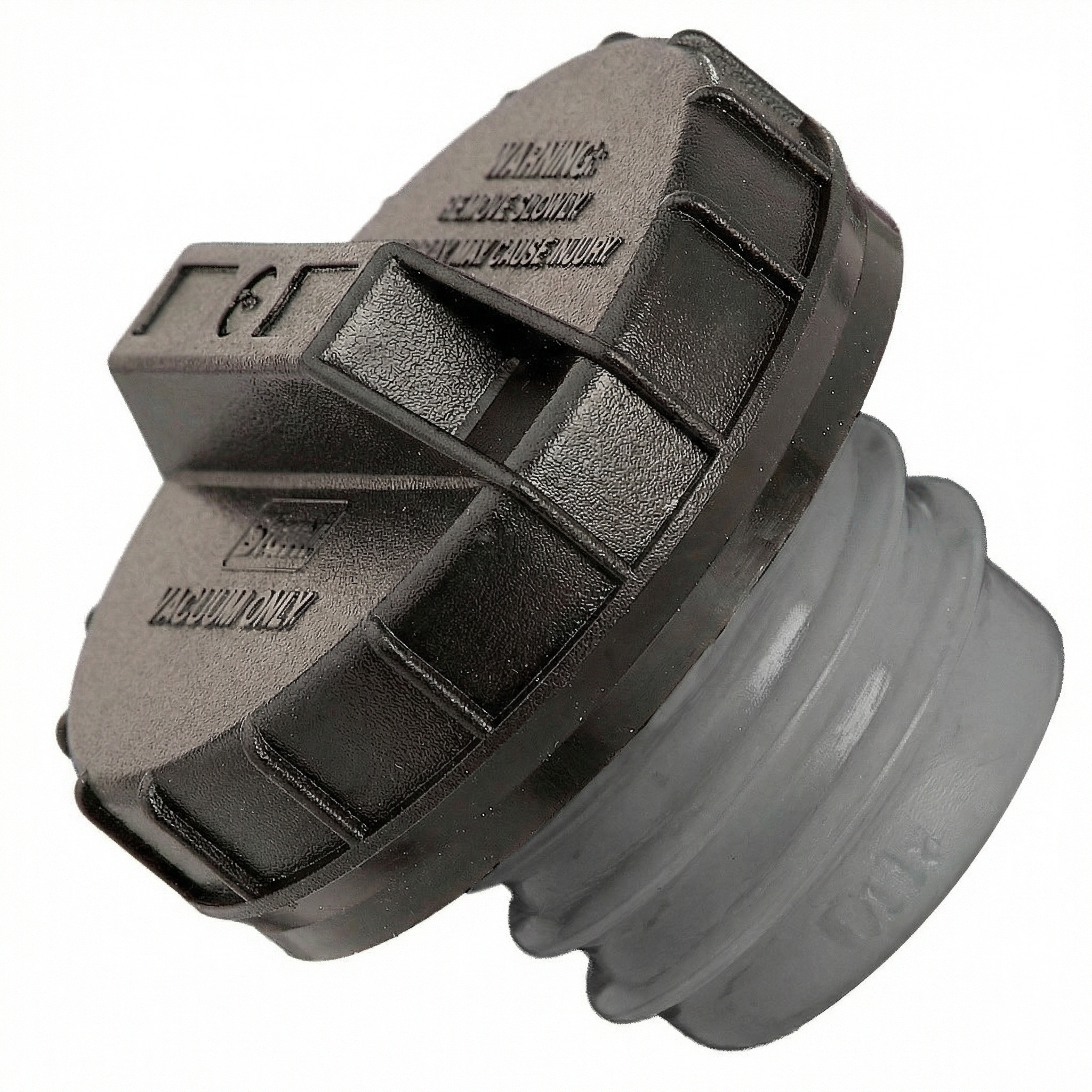
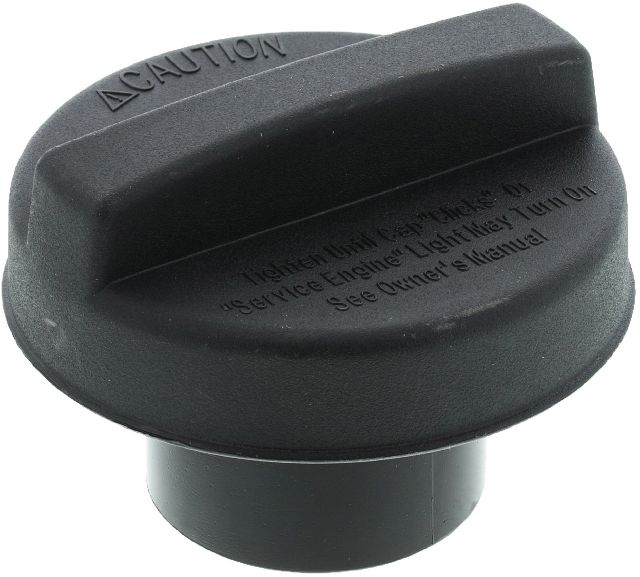
- Loose or Faulty Gas Cap 🔴 High Probability → Shop Fuel Tank Cap This is the most common cause for EVAP codes on all vehicles. The cap's seal can wear out, crack, or become hard over time, or it may simply not have been tightened correctly after refueling.
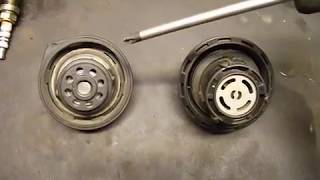
How to confirm: Ensure the gas cap is tightened until it clicks at least once. Remove the cap and inspect the rubber O-ring for any cracks, stiffness, or visible damage.
Typical fix: Tighten the cap and clear the code. If the code returns, replace the gas cap with a new OEM or equivalent part.
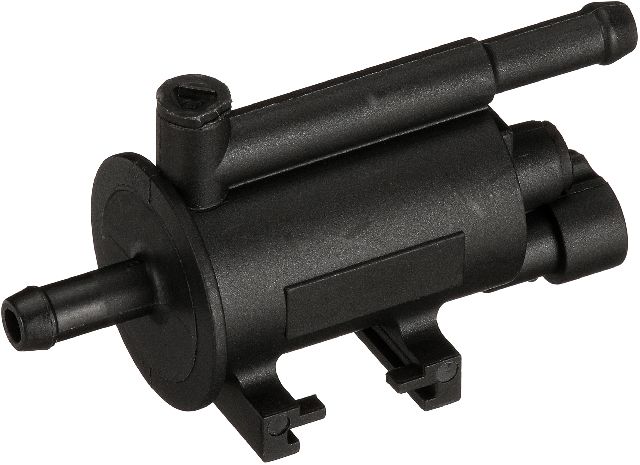
Est. part cost: $15-$30 - Faulty Canister Purge Valve (or Purge Control Solenoid Valve - PCSV) 🔴 High Probability → Shop Vapor Canister This is a very common failure item on many Kia and Hyundai models of this era, including the Forte. The valve's internal solenoid can fail, causing it to get stuck open or closed, which disrupts the flow of fuel vapors.
How to confirm: The purge valve is located in the engine bay on or near the intake manifold. Disconnect the valve's electrical connector and hoses. With no power applied, it should be closed and not allow air to pass. If you can blow through it, it's stuck open and is faulty.
Typical fix: Replace the canister purge valve. This is generally an easy repair requiring basic hand tools. 🎬 See this walkthrough for replacing the purge valve.
Est. part cost: $40-$80 - Faulty Canister Close Valve (CCV) / Vent Valve 🟡 Medium Probability → Shop Vapor Canister Located under the vehicle near the charcoal canister, this valve is exposed to road debris, moisture, and salt, which can lead to corrosion and failure, causing it to stick open or closed.
How to confirm: Visually inspect the valve and its electrical connector for rust or damage. The valve can be tested by applying 12V power to see if it actuates (clicks). A professional smoke test is the most reliable way to confirm if it's leaking or failing to seal.
Typical fix: Replace the canister close valve. This can be more difficult than the purge valve due to rust on the mounting hardware.
Est. part cost: $50-$100 - Cracked or Disconnected EVAP Hoses ⚪ Low Probability Over time, the rubber and plastic hoses in the EVAP system can become brittle, crack, or disconnect, causing a leak. This is especially true for the lines running underneath the car.
How to confirm: Visually inspect all accessible EVAP lines in the engine bay and under the car running to and from the charcoal canister. A smoke test is the most effective way to find small, hard-to-see leaks.
Typical fix: Replace the damaged section of hose or reconnect it securely.
Est. part cost: $10-$50
Rare But Worth Checking
- Cracked Charcoal Canister: → Shop Vapor Canister The canister itself can develop cracks from road debris or age, causing a leak. In some cases, the internal structure can fail, releasing charcoal pellets that clog the EVAP lines and valves. This is usually found with a smoke test after other components have been ruled out.
- Faulty Fuel Tank Pressure Sensor: → Shop Fuel Tank The sensor can fail and send incorrect readings to the computer, making it think there is a leak when there isn't one. This is often a cause when a smoke test reveals no leaks but the code persists.
- Leaking Fuel Filler Neck: → Shop Fuel Filler Neck In areas with heavy road salt use, the metal fuel filler neck can rust and develop small holes, creating an EVAP leak. This is a known issue on similar Kia/Hyundai platforms. A smoke test is the best way to identify a leak in this area.
Diagnosis Steps
- Retrieve the P0440 code using an OBD-II scanner.
- Inspect the gas cap. Ensure it is tight and clicks. Remove it and check the seal for cracks or damage. If in doubt, it's a cheap part to replace as a first step.
- Clear the code and drive for a few days to see if it returns. If it does, proceed with further diagnosis.
- Locate the canister purge valve in the engine bay. Visually inspect its hoses and electrical connector.
- Test the purge valve by disconnecting it and attempting to blow air through it. It should be sealed shut. If air passes, it needs to be replaced.
- If the purge valve is good, visually inspect the underside of the vehicle. Check the charcoal canister, canister close valve (CCV), and all connected hoses for obvious cracks, rust, or damage.
- If no visual faults are found, the most effective next step is to have a professional mechanic perform a smoke test. This involves injecting pressurized smoke into the EVAP system to quickly reveal the exact location of any leaks. 🎬 Watch a mechanic perform a professional EVAP smoke test.
- Based on the smoke test results, replace the leaking component, which could be the CCV, a hose, the fuel filler neck, or the charcoal canister itself.
- If a smoke test shows no leaks, the Fuel Tank Pressure Sensor should be tested for proper operation.
Parts You'll Likely Need
- Canister Purge Valve / Purge Control Solenoid Valve
(OEM #28910-2E000)— This is a very common failure point on this generation of Forte, often getting stuck open or closed. This part number is shared with many other Kia/Hyundai vehicles.
Trusted brands: Kia (OEM), Dorman, Standard Motor Products
OEM price range: $45-$85
Aftermarket price range: $35-$60 - Fuel Cap
(OEM #31010-3L600 (Verify with VIN))— A worn or loose gas cap is the simplest and most frequent cause of all EVAP codes.
Trusted brands: Kia (OEM), Gates, Stant
OEM price range: $20-$30
Aftermarket price range: $15-$25 - Canister Close Valve / Vent Valve
(OEM #31430-1D500)— Its location under the car makes it susceptible to corrosion and failure, especially in rust-belt states. It often gets stuck and prevents the system from sealing for its self-test.
Trusted brands: Kia (OEM), Dorman, SKP
OEM price range: $80-$110
Aftermarket price range: $50-$75
Related Codes That Often Appear With This One
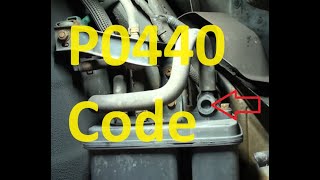
- P0441 — This code for 'Incorrect Purge Flow' often points directly to a faulty purge valve, which can also trigger the general P0440 malfunction code. 🎬 Watch: Quick tips for diagnosing P0441 and P0440 codes.
- P0442 — Indicates a small leak. If the system detects a general fault that happens to be a small leak, both codes can appear.
- P0455 — Indicates a large leak. A very bad gas cap seal or a completely disconnected hose could trigger both the general P0440 and the specific P0455.
Platform-Specific Known Issues
- Owner Experience: CCV Failure: A user on the BobIsTheOilGuy forums with a Forte identified the Canister Close Valve (P/N 31430-1D500) as the cause of their EVAP system issue, preventing the monitor from becoming ready. They noted the dealer quoted nearly $200 for the repair, highlighting it as a known failure point.
Mechanic-Grade Diagnostic Values
- Canister Purge Solenoid Valve (PCSV) Coil Resistance — expected: 26.2 to 36 Ohms. Failure: A reading of infinity (open circuit) or zero (short circuit) indicates a failed coil.
- Canister Close Valve (CCV) / Vent Valve Coil Resistance — expected: 48 to 65 Ohms. Failure: A reading significantly outside this range suggests a failed internal coil.
- Fuel Tank Pressure Sensor (FTPS) Signal Voltage (Key On, Engine Off, Gas Cap Off) — expected: Approximately 1.5V (Normal range 1.3V - 1.7V). Failure: Voltage outside the specified range with 5V reference and ground confirmed suggests a faulty FTPS.
- Fuel Tank Pressure Sensor (FTPS) Signal Voltage (Atmospheric Pressure) — expected: Approximately 2.5V at 0 kPa pressure. Failure: Significant deviation from 2.5V at atmospheric pressure indicates a sensor calibration issue.
Scan Tool Commands That Help
- Kia GDS (Global Diagnostic System): EVAP Leakage Test — To have the vehicle's computer manually run the entire EVAP system self-test on command, which can confirm if a repair was successful or help diagnose an intermittent issue without waiting for a full drive cycle.
- Bidirectional Scan Tool (e.g., Kia GDS, advanced aftermarket): Actuation Test: Purge Solenoid Valve — To manually command the purge valve to open and close. This allows a technician to check for an audible click and verify if the valve is responding to commands from the ECM, helping to distinguish between a faulty valve and a wiring problem.
- Bidirectional Scan Tool (e.g., Kia GDS, advanced aftermarket): Actuation Test: Vent Solenoid/Canister Close Valve — To manually command the vent valve to close from its normally open state. This is a critical step in sealing the system to perform a smoke test or to check if the valve is stuck.
Wiring & Ground Locations
- ECM (Engine Control Module) — In the engine compartment, on the driver's side, mounted to the firewall typically behind the battery and battery tray.. The ECM provides the control signals (power and ground) to the purge and vent valves. A poor connection or corrosion at the ECM connectors could mimic a component failure.
- Main Chassis Ground — A common grounding point is a bolt located to the right of the interior fuse panel, where multiple ground wires are connected.. A poor ground connection can cause erratic voltage readings from sensors like the Fuel Tank Pressure Sensor and improper operation of solenoids, leading to false codes. While not a primary cause, it's a crucial check for persistent, hard-to-diagnose electrical issues.
- EVAP System Component Connectors — At the Purge Valve (engine bay), Canister Close Valve (under car, near canister), and Fuel Tank Pressure Sensor (on fuel tank/pump assembly).. Corrosion or damage to the wiring or connectors for any of these components can cause an open or short circuit, preventing the part from functioning and triggering a P0440 code.
"I Checked Everything" — The Actual Cause
- In cases where a smoke test reveals no leaks, the P0440 code can be caused by a faulty Fuel Tank Pressure Sensor (FTPS). The sensor may provide incorrect readings to the ECM, making the system believe there is a leak when the physical integrity of the hoses and components is fine. Technicians confirm this by monitoring the sensor's voltage output to see if it corresponds correctly to atmospheric pressure and vacuum/pressure applied during testing.
OEM Part Supersession History
28910-22040→28910-2E000 (for some applications)— Part consolidation and design updates across Hyundai/Kia platforms.
Heads up: While 28910-2E000 is listed for 2012-2013 Fortes, the 2.4L engine may use a different part (28910-25100). It is critical to verify the part number by VIN, as using the wrong valve can lead to incorrect flow rates even if it fits physically.
Model Year Variations Within This Range
- 2010-2013: The canister purge valve part number may differ between the 2.0L and 2.4L engines available in the Forte. While many catalogs point to 28910-2E000 for the 2.0L, the 2.4L engine may require 28910-25100. Always confirm with the vehicle's VIN before purchasing.
Diagnostic Flowchart
Other Known Issues on This Vehicle
Issues unrelated to this code that are worth knowing about as an owner of this generation:
- Engine Knocking / Seizure (Theta II Engine) 🔴 High — A significant issue for the 2.0L and 2.4L Theta II engines, leading to a class-action lawsuit and recalls/warranty extensions. Often presents as a knocking noise that can lead to catastrophic failure. (Ref: Multiple recalls and warranty extensions exist, including NHTSA campaign SC165.)
- Airbag Control Unit (ACU) Failure 🔴 High — A recall was issued because the ACU could short circuit in a crash, preventing frontal airbags and seatbelt pretensioners from deploying. (Ref: NHTSA Recall ID: 18V363000 (Kia recall number SC165))
- Faulty Brake Light Switch / Stopper Pad 🟠 Medium — A very common issue where the brake pedal stopper pad deteriorates, causing the brake lights to stay on and allowing the shifter to move out of park without depressing the brake. (Ref: NHTSA Recall ID: 17V773000 (Kia recall number SC158))
- Clock Spring Failure 🟠 Medium — Failure of the clock spring in the steering column can cause the airbag warning light to illuminate and steering wheel controls to stop working. While not part of the 2010-2013 recall, it's a known Kia issue and a warranty extension was issued for later models, indicating a pattern. (Ref: Warranty Extension Program (W.E.P.) for some other Kia models (e.g., 2014-2015 Forte).)
- Hydraulic Electronic Control Unit (HECU) Fire Risk 🔴 High — A recall was issued for a potential electrical short in the HECU, which could lead to an engine compartment fire while parked or driving. (Ref: NHTSA Recall ID: 20V514000 (Kia recall number SC200))
Used vs. New Parts: Buying Guide for This Vehicle
When a used part is the smart pick: For this repair, used parts are generally not recommended for electronic solenoids or rubber/plastic components. The cost savings are minimal compared to the risk of receiving a part that has already failed or is near the end of its service life. A used fuel filler neck or charcoal canister from a low-mileage, rust-free donor vehicle could be considered if a new part is prohibitively expensive or unavailable.
Donor-vehicle mileage cap: roughly under 60000 miles for the part to have meaningful remaining life.
What to inspect on the donor part:
- For a charcoal canister, ensure there are no visible cracks in the plastic housing.
- Check that all hose connection nipples are intact and not brittle or broken.
- For a fuel filler neck, inspect thoroughly for any signs of rust, especially at the seams and mounting brackets.
- Avoid parts from vehicles that show significant underbody corrosion or have been in a major collision.
OEM-only on this vehicle (don't cheap out):
- Fuel Cap - Aftermarket gas caps are a notorious source of persistent, difficult-to-diagnose EVAP codes. Always use a genuine Kia (OEM) cap to ensure a proper seal.
Aftermarket brands forum-validated for this vehicle:
- Standard Motor Products (SMP)
- Dorman (often cited as a reliable alternative for these specific valves)
Brands owners have reported issues with on this vehicle:
- Unbranded, 'white-box' parts from online marketplaces. While Dorman is generally acceptable, some users report variable quality, suggesting it's a hit-or-miss alternative to OEM or other established brands.
Real Owner Stories
Aggregated from forums and TSBs cited above. Mileages and costs reflect what owners reported in those sources.
2016 Kia Forte 1.8L — 40173 miles
Symptoms: Check engine light was on; after clearing the codes, the engine experienced a lot of vibration.
What fixed it: The owner did not report a fix; they were describing the problem after clearing the codes.
Source hint: Opinautos
Kia Forte 2.4L
Symptoms: The EVAP system monitor was unable to become ready, preventing the vehicle from passing emissions testing.
What fixed it: Replacement of the Canister Close Valve (P/N 31430-1D500).
Cost: $150-$200
Source hint: BobIsTheOilGuy forums thread titled 'Forte 2.4L EVAP Canister Close Valve replacement questions'
Related OBD-II Codes
Frequently Asked Questions
Where is the canister purge valve located on my 2010-2013 Kia Forte?
Is the Canister Close Valve (CCV) a known issue for this model?
Why does my Forte have trouble starting only after I fill up the gas tank?
Are there any recalls for the 2010-2013 Kia Forte that I should be aware of while fixing this code?
Can I test the purge valve myself before buying a new one?
Does the 2010-2013 Kia Forte share EVAP components with other vehicles?
Helpful Videos
Used OEM Parts in Stock
New Aftermarket Parts Available


The information in this article is provided for general reference and educational purposes only. Vehicle specifications, procedures, and part compatibility can vary by production date, trim level, and region. Always consult your vehicle's factory service manual and verify part numbers before purchasing or performing repairs. Safety-critical components such as airbags, seat belts, and braking systems should be installed by a qualified professional.
- Kia Forte:
- 🧭 Diagnostic Flowchart
- 🎬 Helpful Videos
- 🛍️ Shop This Part
- What's Unique About the 2010-2013 Kia Forte
- Symptoms You May Notice
- Most Likely Causes
- Rare But Worth Checking
- Diagnosis Steps
- Parts You'll Likely Need
- Related Codes That Often Appear With This One
- Platform-Specific Known Issues
- Mechanic-Grade Diagnostic Values
- Scan Tool Commands That Help
- Wiring & Ground Locations
- "I Checked Everything" — The Actual Cause
- OEM Part Supersession History
- Model Year Variations Within This Range
- Other Known Issues on This Vehicle
- Used vs. New Parts: Buying Guide for This Vehicle
- Real Owner Stories
- 2016 Kia Forte 1.8L — 40173 miles
- Kia Forte 2.4L
- Related OBD-II Codes
- Frequently Asked Questions
- 🎟️ Get 5% Off