

P0440 on 2006-2011 Kia Rio: EVAP System Malfunction Causes and Fixes
For a 2006-2011 Kia Rio, code P0440 is most often caused by a loose gas cap or a faulty canister purge solenoid valve in the engine bay. First, tighten the gas cap. If the code returns, the purge valve is the next likely culprit, costing between $25 and $90. This is a very common DIY fix.
- The P0440 code on a 2006-2011 Kia Rio is not a serious mechanical issue and the car is safe to drive.
- Always check the gas cap first. Ensure it is tight and the seal is not cracked. This is the simplest and most common fix.
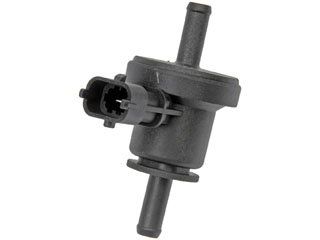
- The most likely failed part on this specific car is the canister purge solenoid valve (P/N 28910-26900) located in the engine bay.
- You can test the purge valve yourself by removing it and trying to blow through it; if air passes, it's bad.
- If the gas cap and purge valve are good, the next step is a smoke test to find the leak, rather than replacing more parts randomly.
What's Unique About the 2006-2011 Kia Rio
The 2006-2011 Kia Rio (generation 'JB') and its twin, the Hyundai Accent, have a simple EVAP system where one component is a very frequent point of failure. While a loose gas cap is always the first suspect for any P0440 code, the canister purge solenoid valve (PCSV) located in the engine bay is a notoriously common failure item on this specific platform. Owners often report related codes like P0496 (EVAP Flow During Non-Purge) which points directly to this valve being stuck open.
Symptoms You May Notice
- Check Engine Light is on
- A faint smell of fuel, particularly around the rear of the car or near the gas cap.
- Difficulty starting immediately after refueling 🎬 Watch: How to fix a hard start after refueling by replacing the purge valve. (this is a classic symptom of the purge valve being stuck open, which can also trigger codes like P0496).
- Rough idle, especially if the purge valve is stuck open creating a vacuum leak.
- Replacing the charcoal canister before performing a smoke test. The canister is expensive and rarely the cause of the leak compared to the valves and hoses.
Most Likely Causes
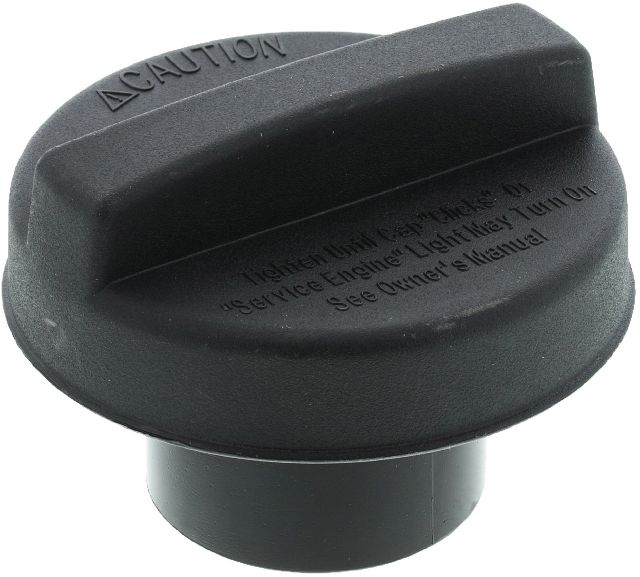
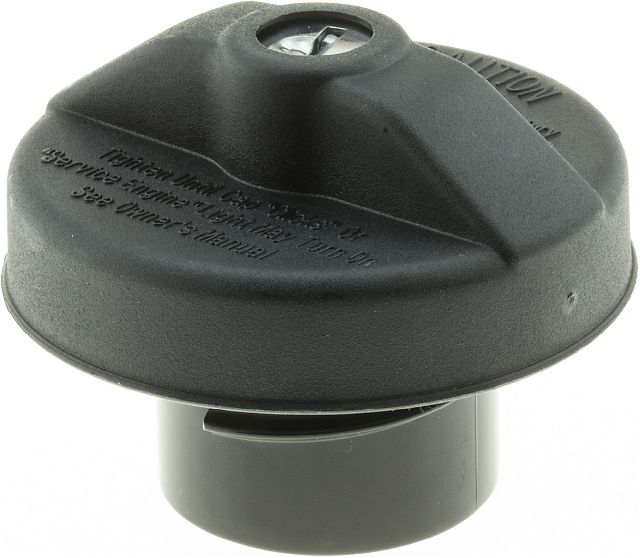
- Loose or Faulty Gas Cap 🔴 High Probability → Shop Fuel Tank Cap This is the most common cause for P0440 on all vehicles. The rubber seal on the cap can dry out, crack, or the cap may not have been tightened properly after refueling. It is highly recommended to use a genuine OEM Kia gas cap if replacing, as some aftermarket caps are known to cause sealing issues.
How to confirm: Remove the gas cap and inspect the rubber O-ring for cracks or damage. Ensure it clicks at least three times when tightening. Also inspect the rim of the fuel filler neck for rust or debris that could prevent a good seal.
Typical fix: Tighten or replace the gas cap.
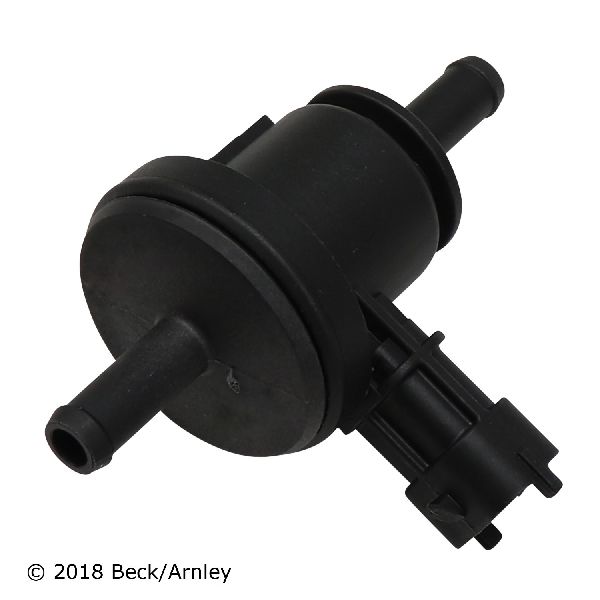
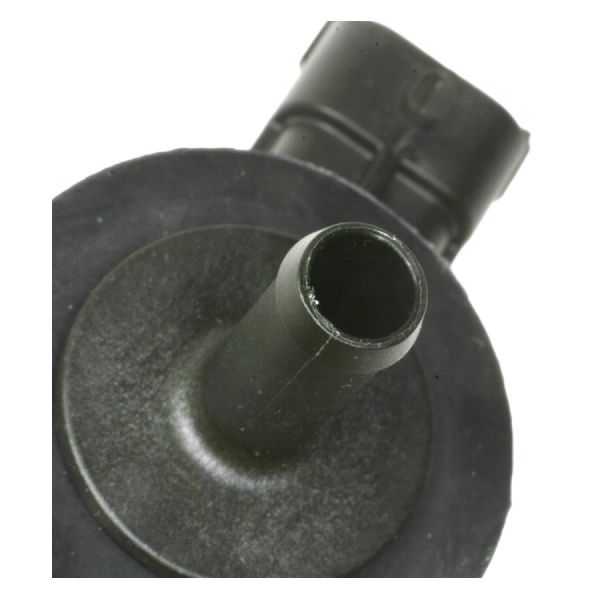
Est. part cost: $15-$35 - Faulty Canister Purge Solenoid Valve (PCSV) 🔴 High Probability → Shop Vapor Canister This specific part is a well-documented, high-failure item on the 2006-2011 Kia Rio and its Hyundai Accent counterpart. It frequently gets stuck open, causing an EVAP system leak and often a P0496 code.
How to confirm: The valve is located on the rear of the intake manifold in the engine bay. Disconnect the valve's electrical connector and hoses. Try to blow air through it. If air passes through, the valve is stuck open and has failed. While the engine is running, you can also place a finger on the vacuum port; if you feel suction, the valve is stuck open. 🎬 See this quick trick to test for a stuck valve without any tools.
Typical fix: Replace the canister purge solenoid valve. It is a simple DIY job requiring only basic tools, often just pliers, and takes less than 30 minutes.
Est. part cost: $25-$90 - Cracked or Disconnected EVAP Hoses 🟡 Medium Probability The vacuum hoses, especially those connected to the purge valve in the hot engine bay, can become brittle and crack over time.
How to confirm: Visually inspect all accessible EVAP hoses in the engine bay and under the vehicle for cracks, loose connections, or signs of perishing. A smoke test is the most effective way to find a hard-to-see leak.
Typical fix: Replace the damaged section of hose and secure with clamps.
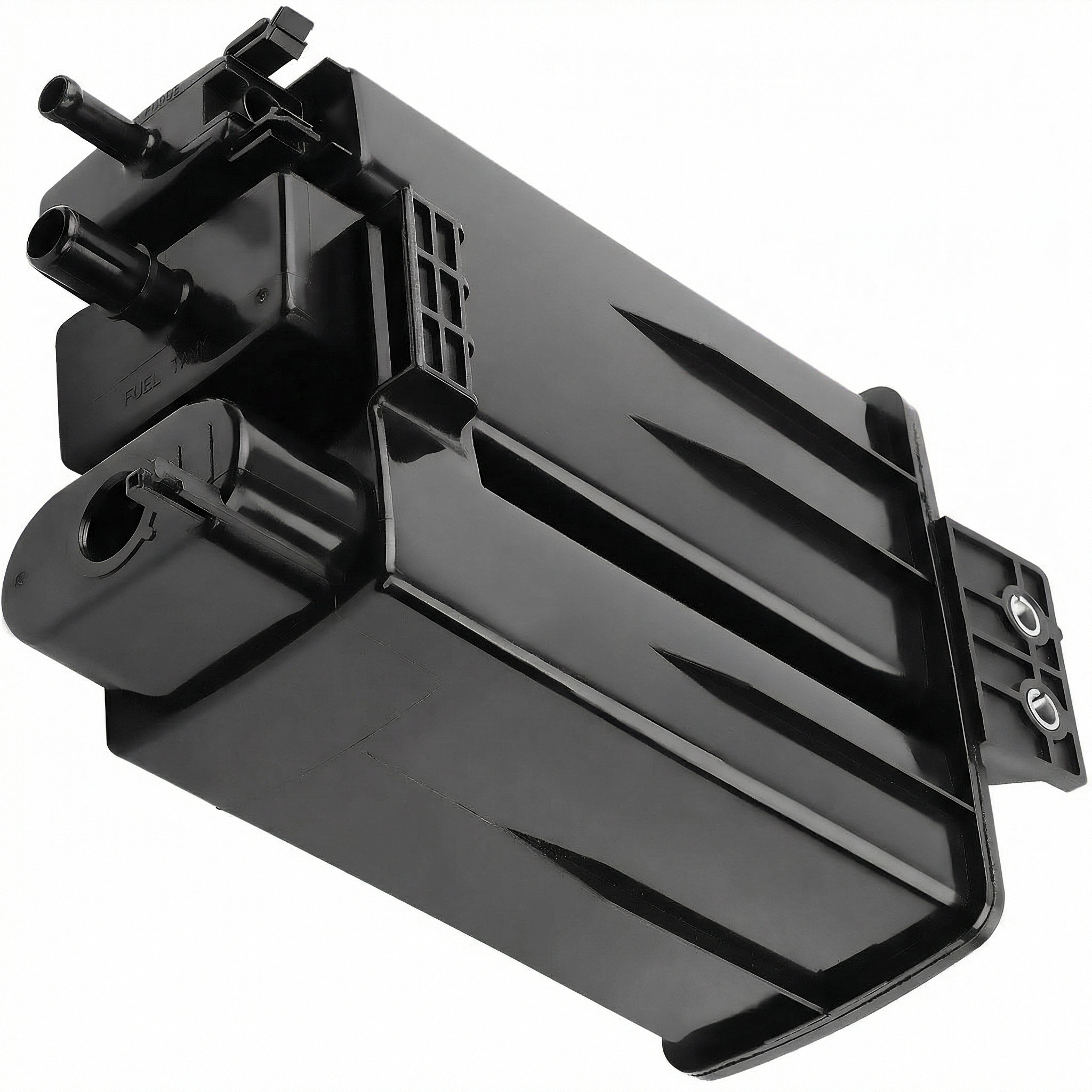
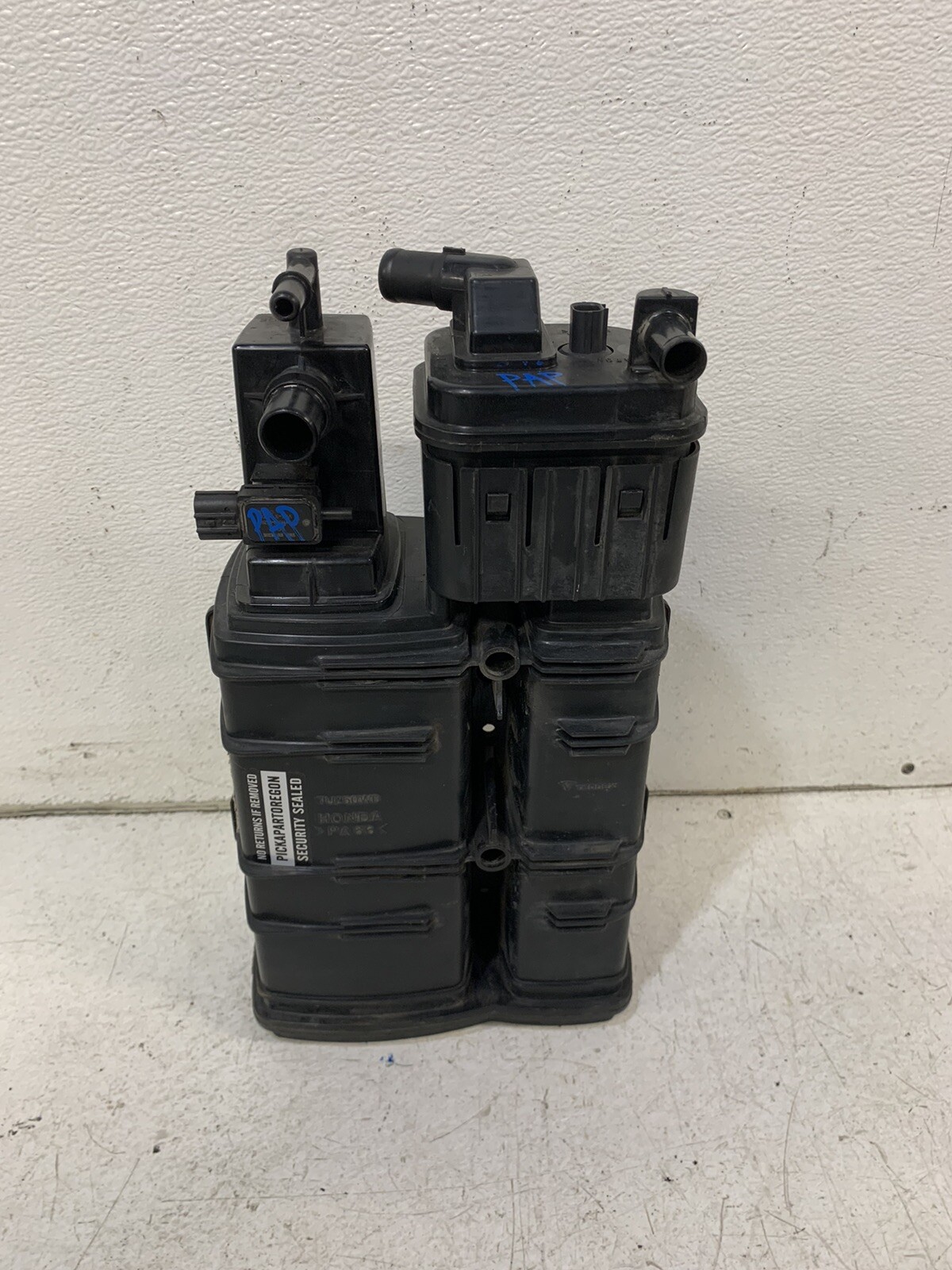
Est. part cost: $5-$30 - Faulty Canister Close Valve (CCV) / Vent Valve ⚪ Low Probability → Shop Vapor Canister This valve is located near the charcoal canister at the rear of the vehicle, exposing it to road salt and debris which can cause it to fail or its wiring to corrode. While less common than the purge valve on this model, it is still a possible failure point.
How to confirm: The valve should be open when the vehicle is off. It can be tested with a scan tool that can command it to close, or by applying 12V to its terminals to check for operation. A smoke test will reveal if it is stuck open.
Typical fix: Replace the canister close valve.
Est. part cost: $40-$80
Rare But Worth Checking
- Cracked Charcoal Canister: → Shop Vapor Canister The canister itself can develop cracks from road debris or age, creating a leak. This is usually found during a smoke test after all other components have been checked.
- Leaking Fuel Tank or Filler Neck: → Shop Fuel Tank In areas with heavy road salt use, the fuel filler neck can rust and perforate, creating a leak large enough to trigger P0440. While less common, a cracked fuel tank has also been reported by owners. This is typically found via a smoke test or visual inspection.
Diagnosis Steps
- Read the code with an OBD-II scanner to confirm P0440 is the only code present.
- Inspect the gas cap. Remove it, check the seal for cracks, and retighten it until it clicks several times. Clear the code and drive for a few days to see if it returns.
- If the code returns, locate the canister purge solenoid valve (PCSV) on the rear of the intake manifold.
- Visually inspect the vacuum hoses connected to and around the purge valve for any obvious cracks or disconnections.
- Test the purge valve. Disconnect the valve's electrical connector and hoses. Try to blow through the valve. If air passes through, it is faulty and must be replaced.
- If the purge valve is good, visually inspect the EVAP canister and hoses at the rear of the vehicle for damage.
- If no obvious faults are found, the most effective next step is to have a professional mechanic perform a smoke test. This test will pressurize the EVAP system with visible smoke, making even the smallest leaks easy to find.
Parts You'll Likely Need
- Canister Purge Solenoid Valve
(OEM #28910-26900)— This is the most common component to fail on the 2006-2011 Kia Rio that causes EVAP codes like P0440 and P0496.
Trusted brands: Kia (OEM), Standard Motor Products (SMP), Dorman, Wells, AUXITO
OEM price range: $60-$90
Aftermarket price range: $12-$50 - Gas Cap
(OEM #31010-3L600U)— A worn or loose gas cap is the most common cause of P0440 on any vehicle and is the first and cheapest part to check. The OEM part number 31010-3L600U is a common modern replacement for many older Kia models.
Trusted brands: Kia (OEM), Stant, Gates
OEM price range: $20-$35
Aftermarket price range: $10-$25
Related Codes That Often Appear With This One
- P0441 — Indicates incorrect purge flow, often caused by the same faulty purge valve that can trigger a general P0440.
- P0442 — Indicates a small EVAP leak. The computer may set the general P0440 code if the leak size is intermittent or borderline.
- P0455 — Indicates a large EVAP leak. A very bad gas cap seal or a completely disconnected hose could trigger both P0440 and P0455.
- P0496 — Indicates 'EVAP Flow During a Non-Purge Condition,' which on this vehicle almost always points directly to a purge valve that is stuck open.
Technical Service Bulletins (TSBs) & Recalls
- No specific TSBs for P0440 on the 2006-2011 (JB) Rio were found. A related TSB, FUE040, exists for the next generation 2012-2017 Rio (UB) for different EVAP leak codes (P0455/P0456) caused by a faulty Canister Close Valve (CCV), which is a different part and issue.
Platform-Specific Known Issues
- A common repair story involves getting a P0440 or related code, replacing the gas cap with no success, then replacing the canister purge valve (P/N 28910-26900) which resolves the issue. The symptom of a hard start after refueling is a very strong indicator that this specific valve has failed.
Mechanic-Grade Diagnostic Values
- Canister Purge Solenoid Valve (PCSV) Coil Resistance — expected: 15 to 30 Ohms. Failure: A reading of infinity (open circuit) or near-zero (short circuit) indicates a failed coil.
- Fuel Tank Pressure Sensor (FTPS) Signal Voltage (Key On, Engine Off, Gas Cap Off) — expected: ~2.5V (Atmospheric Pressure). Failure: Voltage significantly different, 0V, or 5V. 0V may indicate a wiring issue or loss of the 5V reference or ground.
Scan Tool Commands That Help
- Kia GDS (Global Diagnostic System): EVAP System Leak Test (S/W Actuation) — This is the dealer-level method to force the vehicle to run its internal EVAP leak test. The tool commands the Canister Close Valve (CCV) to seal the system and then monitors the Fuel Tank Pressure Sensor (FTPS) for a pressure drop, simulating the same test the ECU runs automatically. This allows a technician to verify system integrity without waiting for the ECU to initiate the test during a drive cycle.
- Kia GDS (or advanced bidirectional scanner): Actuator Test: Purge Control Solenoid Valve (PCSV) — This command allows the technician to manually cycle the PCSV on and off while the engine is running. This is used to confirm the valve is responding to electrical commands and to check if it is mechanically stuck. While cycling the valve, the technician can monitor engine RPM and short-term fuel trim; a noticeable change indicates the valve is opening and allowing vapor to flow.
Wiring & Ground Locations
- G-06 — On the left side of the engine compartment, near the strut tower.. This is a primary engine bay ground point. A corroded or loose connection here can cause intermittent electrical issues for various engine components, including the Canister Purge Solenoid Valve (PCSV), potentially leading to incorrect operation and triggering EVAP codes.
- PCSV Connector — Two-pin connector on the Canister Purge Solenoid Valve, located on a bracket at the rear of the intake manifold.. One pin should show battery voltage with the key on (power supply), and the other is the control wire that the ECU grounds to activate the valve. Checking for power at this connector is a key step in diagnosing a non-responsive valve.
Real Owner Repair Stories
- NC4x4 forum user 'Tim C' (2011 Kia Rio) — Car has a hard time starting after filling up at the gas station. Must feather the throttle to get it started and keep RPMs above 1500 to prevent it from dying. Runs perfectly fine between fill-ups.
❌ Tried (didn't work) The owner was seeking advice before trying any parts.
✅ What actually fixed it Replacing the canister purge valve (PCSV) under the hood. The user confirmed the old valve was bad by blowing through it while it was unplugged and air passed through, indicating it was stuck open.
OEM Part Supersession History
28910-26900→28910-26900 (current)— This part number has remained stable for the specified vehicle range and also fits other Kia/Hyundai models from the era, such as the Soul and Accent.
Diagnostic Flowchart
Other Known Issues on This Vehicle
Issues unrelated to this code that are worth knowing about as an owner of this generation:
- Faulty Passenger Airbag OCS Sensor 🔴 High — Very common on 2006-2008 models, leading to a recall. The sensor mat in the passenger seat cracks, disabling the passenger airbag. (Ref: NHTSA Recall #12V244000 (Kia Campaign SC097))
- Timing Belt Failure 🔴 High — The 1.6L is an interference engine. The timing belt has a recommended 60,000-mile replacement interval. Failure to replace it can lead to catastrophic engine damage if the belt snaps.
- Engine Hesitation and Misfires 🟠 Medium — Often occurs after 40,000-50,000 miles due to worn spark plugs or failing ignition coils. Symptoms include rough idle and hesitation during acceleration.
- Suspension Noise 🟡 Low — Clunking or rattling noises over bumps are a common complaint as the vehicle ages, often related to worn shocks, struts, or bushings.
Used vs. New Parts: Buying Guide for This Vehicle
When a used part is the smart pick: For this specific repair, a used Canister Purge Solenoid Valve (PCSV) from a junkyard is a reasonable option if on a tight budget. The part is easily accessible and can be tested before purchase by attempting to blow through it; if no air passes, it is likely good. Given the low cost of new aftermarket parts, however, most owners opt for new.
Donor-vehicle mileage cap: roughly under 80000 miles for the part to have meaningful remaining life.
What to inspect on the donor part:
- For a used PCSV, ensure the plastic housing is not cracked and the hose ports are intact.
- Check the electrical connector pins for corrosion.
- Attempt to blow through the valve with your mouth. A good, de-energized valve should be fully closed and allow no air to pass.
OEM-only on this vehicle (don't cheap out):
- Gas Cap - While aftermarket caps are available, many forum users report persistent sealing issues and recommend using a genuine Kia OEM cap (P/N: 31010-3L600U) to guarantee a proper seal.
Aftermarket brands forum-validated for this vehicle:
- Standard Motor Products (SMP)
- Dorman
Brands owners have reported issues with on this vehicle:
- No-name, ultra-low-cost parts from online marketplaces like AliExpress or eBay are a gamble; while some may work, failure rates are higher.
Real Owner Stories
Aggregated from forums and TSBs cited above. Mileages and costs reflect what owners reported in those sources.
2011 Kia Rio Stylus 1.5L — 74565 miles
Symptoms: Check Engine Light with code P0440.
What fixed it: Owner was seeking the location of the purge valve to perform a repair.
Source hint: Opinautos - Mi kia rio stylus me presenta falla codigo error p0440
2006-2011 Kia Rio 1.6L
Symptoms: Hard start immediately after refueling.
What fixed it: Replacing the canister purge valve (P/N 28910-26900).
Source hint: Vehicle-specific issues section
2009 Kia Rio
Symptoms: Fuel pressure issues and a cracked fuel tank.
What fixed it: Repairing/replacing the fuel tank.
Source hint: Honest John Forums - 'Kia Rio - Advice please!'
Related OBD-II Codes
Frequently Asked Questions
Does TSB FUE040 apply to my 2006-2011 Kia Rio for the P0440 code?
Is there a specific part number I should look for when replacing the purge valve on my 2006-2011 Rio?
Why does my Kia Rio have trouble starting only after I fill up the gas tank?
Should I use an aftermarket gas cap to fix the P0440 code?
Where is the purge valve located on the 2006-2011 Rio engine?
Is the P0440 code related to the airbag recall on my 2007 Rio?
Helpful Videos

Used OEM Parts in Stock
New Aftermarket Parts Available


The information in this article is provided for general reference and educational purposes only. Vehicle specifications, procedures, and part compatibility can vary by production date, trim level, and region. Always consult your vehicle's factory service manual and verify part numbers before purchasing or performing repairs. Safety-critical components such as airbags, seat belts, and braking systems should be installed by a qualified professional.
- Kia Rio:
- 🧭 Diagnostic Flowchart
- 🎬 Helpful Videos
- 🛍️ Shop This Part
- What's Unique About the 2006-2011 Kia Rio
- Symptoms You May Notice
- Most Likely Causes
- Rare But Worth Checking
- Diagnosis Steps
- Parts You'll Likely Need
- Related Codes That Often Appear With This One
- Technical Service Bulletins (TSBs) & Recalls
- Platform-Specific Known Issues
- Mechanic-Grade Diagnostic Values
- Scan Tool Commands That Help
- Wiring & Ground Locations
- Real Owner Repair Stories
- OEM Part Supersession History
- Other Known Issues on This Vehicle
- Used vs. New Parts: Buying Guide for This Vehicle
- Real Owner Stories
- 2011 Kia Rio Stylus 1.5L — 74565 miles
- 2006-2011 Kia Rio 1.6L
- 2009 Kia Rio
- Related OBD-II Codes
- Frequently Asked Questions
- 🎟️ Get 5% Off