

P0440 on 2018-2023 Kia Rio: EVAP System Malfunction Causes and Fixes
For a 2018-2023 Kia Rio, a P0440 code is most often caused by a loose or faulty gas cap. Always check this first. If tightening or replacing the gas cap (approx. $20) doesn't work, the canister purge valve (Part No. 28910-2M322) is the next most likely culprit and a common failure point on this platform (approx. $40-$60). Both are easy DIY fixes.
- P0440 on a 2018-2023 Kia Rio means there's a general fault in the evaporative emissions system.
- Always start with the simplest fix: check that your gas cap is tight and its seal is intact. This resolves the issue a majority of the time.
- If the gas cap isn't the problem, the canister purge valve is the next most likely part to have failed.
- The vehicle is safe to drive with this code, but it will not pass an emissions inspection.
- For hard-to-find leaks, a smoke test performed by a mechanic is the most reliable diagnostic method.
What's Unique About the 2018-2023 Kia Rio
The fourth-generation Kia Rio (2018-2023, chassis YB) and its platform-mate, the Hyundai Accent, share a fundamental EVAP system design with many other modern Kia/Hyundai vehicles. While no major platform-specific defects are widely reported for this code, owner experiences and mechanic reports frequently point to the canister purge valve (solenoid) as a common failure point after the gas cap has been ruled out. A teardown of a 2019 Rio engine showed significant varnish buildup, suggesting that poor maintenance could potentially accelerate the failure of emission system components. A TSB for the previous generation Rio (UB) noted issues with the Canister Close Valve (CCV) causing similar EVAP codes, but this specific TSB does not apply to the 2018+ models.
Symptoms You May Notice
- Check Engine Light is on.
- A faint smell of fuel, particularly around the outside of the vehicle near the gas cap or under the hood.
- In some cases, a faulty purge valve that is stuck open might cause a rough idle or difficulty starting immediately after refueling.
- Slight decrease in fuel efficiency over time.
- Replacing the charcoal canister without performing a smoke test. The canister is expensive and rarely the cause of the problem unless there is visible physical damage or it has been contaminated with liquid fuel from overfilling the tank.
Most Likely Causes
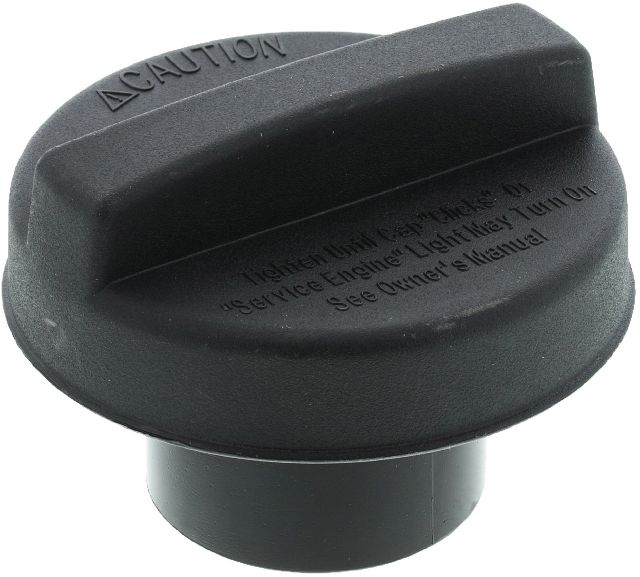
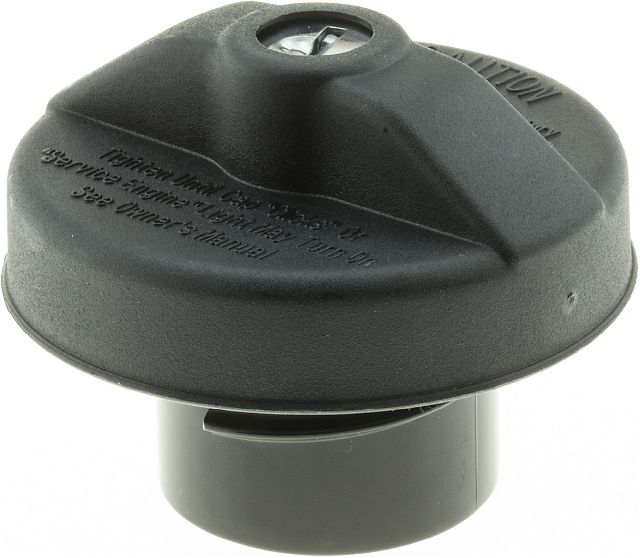
- Loose or Faulty Gas Cap 🔴 High Probability → Shop Fuel Tank Cap This is the most common cause for P0440 on virtually all vehicles, not specific to the Rio. The cap's rubber O-ring can degrade, crack, or stiffen over time, or it may simply not have been tightened correctly until it clicks after refueling.
How to confirm: Ensure the gas cap is tightened until it clicks at least once. Remove the cap and inspect the rubber O-ring for any visible cracks, stiffness, or damage. Check the filler neck for rust or debris that could prevent a good seal.
Typical fix: Tighten the cap and clear the code. If the code returns, replace the gas cap. It is a low-cost, high-probability fix.
Est. part cost: $15-$25 - Faulty Canister Purge Valve (Purge Solenoid) 🟡 Medium Probability → Shop Vapor Canister The purge valve is a very common failure point on many modern Kia and Hyundai models, including the Rio and Accent. It can get stuck open or closed, leading to this general EVAP system fault code. Overfilling the fuel tank can also contribute to its premature failure.
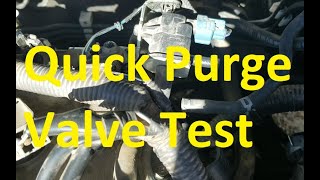
How to confirm: The valve is located in the engine bay, on or near the intake manifold. With the engine off, disconnect the valve and try to blow through it; it should be closed (no air passes). With the engine running, you can disconnect the hose from the intake manifold side and check for vacuum with your finger; there should be no vacuum at idle. A definitive test involves applying 12V to its electrical connector 🎬 Watch: How to test the purge valve with no tools. to see if it clicks open and closed.
Typical fix: Replace the canister purge valve. This is a simple DIY job requiring minimal tools.
Est. part cost: $40-$80 - Cracked or Disconnected EVAP Hose ⚪ Low Probability Rubber hoses can become brittle and crack over time due to heat cycles and age. This is a general automotive issue. Check the hoses connected to the purge valve in the engine bay first, as they are most exposed to heat.
How to confirm: Visually inspect all accessible EVAP lines running from the engine bay to the charcoal canister near the fuel tank. A definitive diagnosis requires a smoke test to find the source of a small, hard-to-see leak.
Typical fix: Replace the cracked section of hose.
Est. part cost: $5-$30
Rare But Worth Checking
- Faulty Canister Vent Valve / Canister Close Valve (CCV): → Shop Vapor Canister Located near the charcoal canister under the car, this valve can fail due to exposure to road debris and moisture. It works in tandem with the purge valve to seal the system for testing. A TSB was issued for the previous generation Rio for this part, indicating a potential area of concern.
- Cracked Charcoal Canister: → Shop Vapor Canister Physical damage from road debris or internal failure can cause the canister itself to crack and leak fuel vapors. This is uncommon unless the vehicle has sustained an undercarriage impact.
- Faulty Fuel Tank Pressure Sensor: → Shop Fuel Tank The sensor itself may not cause a leak, but it can send incorrect data to the computer, tricking it into thinking a leak exists when one does not.
- Spider Nests or Debris in Vent Hose: Spiders are known to build nests inside the EVAP vent hoses, causing a blockage that can trigger various EVAP codes. This is a known, albeit strange, issue across many car brands.
Diagnosis Steps
- Check the Gas Cap: This is the number one cause. Ensure it is tight and has clicked. Remove it and inspect the seal for cracks or damage. If in doubt, it's a cheap part to replace as a first step. Clear the code and drive.
- Clear the Code: Use an OBD-II scanner to clear the P0440 code and drive the vehicle for a few days to see if it returns. The EVAP monitor only runs under specific conditions (e.g., fuel level between 15-85%, stable ambient temperature), so it may take several trips for the light to come back on.
- Visual Inspection: If the code returns, visually inspect the EVAP hoses in the engine bay, especially those connected to the purge valve, for any obvious cracks, disconnections, or damage.
- Test the Purge Valve: Locate the purge valve in the engine bay. With the engine off, it should be closed (no air passes through). With the engine running at idle, there should be no vacuum felt at the intake port. This is a very common failure point.
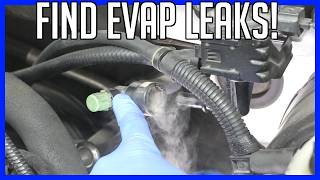
- Perform a Smoke Test: If the simple checks do not reveal the problem, the most effective way to find the leak is to have a professional (or a well-equipped DIYer) perform a smoke test. This involves injecting low-pressure, UV-dyed smoke into the EVAP system's service port and watching for where it escapes. 🎬 See this walkthrough on how to find an EVAP leak.
Parts You'll Likely Need
- Fuel Tank Cap
(OEM #31010-3L600U)— This is the most frequent cause of P0440. The seal wears out or the cap is not tightened properly. This part number is a general Kia cap used on many models from 2000-2024.
Trusted brands: Kia (Genuine), MotoRad, Stant, Gates
OEM price range: $18-$26
Aftermarket price range: $10-$20 - Canister Purge Valve / Purge Control Valve
(OEM #28910-2M322)— This is the most common component failure after the gas cap for this specific vehicle. It can stick open or closed, causing the system to fail its self-test. Verified to fit the 2018-2023 Rio 1.6L.
Trusted brands: Kia (Genuine), Standard Motor Products (SMP), Dorman, Bosch
OEM price range: $38-$55
Aftermarket price range: $30-$60
Related Codes That Often Appear With This One
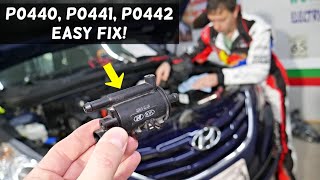
- P0441 — Indicates incorrect purge flow, often pointing directly to a faulty purge valve, which can also trigger the general P0440 code.
- P0442 — Indicates a small EVAP leak. If the leak is intermittent or on the borderline, the system might set either the general P0440 or the more specific P0442. 🎬 Watch: Troubleshooting common EVAP codes on Hyundai and Kia vehicles.
- P0455 — Indicates a large EVAP leak. A very loose gas cap or a completely disconnected hose could trigger both P0440 and P0455.
Technical Service Bulletins (TSBs) & Recalls
- FUE040: A TSB for the 2012-2017 Rio (previous generation) addressed replacing the Canister Close Valve (CCV) for codes P0455 and P0456. While not directly applicable to the 2018+ models, it highlights a known issue with a related component in the Rio family.
Platform-Specific Known Issues
- A YouTube video from 'Importapart' shows a teardown of a 2019 Kia Rio 1.6L engine with only 83k miles that had significant internal sludge and varnish, indicating potential issues from poor maintenance that could affect sensitive emissions components.
- On forums like Kia-Forums.com and Reddit's /r/kia, when P0440 is discussed for this generation, the conversation quickly moves from the gas cap to the purge valve (28910-2M322) as the accepted 'next step' and common fix.
Mechanic-Grade Diagnostic Values
- Canister Purge Valve / Vent Valve Solenoid Coil Resistance — expected: 12 - 15 Ω. Failure: A reading outside this range (e.g., open circuit or short) indicates a faulty solenoid coil.
Scan Tool Commands That Help
- Kia GDS (Global Diagnostic System) or equivalent professional scanner: EVAP System Leak Test — This is a dealer-level bidirectional command that forces the EVAP system into its self-test mode. It manually closes the vent valve and activates the purge valve to seal the system, then monitors the fuel tank pressure sensor to check for a leak down. This is the most definitive way to test the system's integrity without a smoke machine.
Wiring & Ground Locations
- EVAP System Wiring Diagram — Available in service manuals or through online resources.. A wiring diagram is essential for diagnosing electrical faults within the EVAP system, such as a break in the wire to the purge valve, vent valve, or pressure sensor. It allows a technician to trace circuits, check for power and ground, and test continuity between the component and the ECU. A 2019 Kia Rio wiring diagram is confirmed to be available.
Model Year Variations Within This Range
- 2018-2019: These model years used a 1.6L engine paired with a traditional 6-speed automatic or manual transmission.
- 2020-2023: For the 2020 model year, Kia introduced a new, more efficient 1.6L engine and replaced the automatic transmission with an Intelligent Variable Transmission (IVT). While the core EVAP components like the purge valve (28910-2M322) appear to remain consistent, any changes in engine management or ECU software could slightly alter diagnostic procedures. A facelift for 2021 brought cosmetic changes but no major powertrain differences.
Diagnostic Flowchart
Other Known Issues on This Vehicle
Issues unrelated to this code that are worth knowing about as an owner of this generation:
- Vehicle Theft Vulnerability (key-start models) 🔴 High — Affects all 2018-2021 models with traditional key ignition. 2022+ models have immobilizers from the factory. (Ref: NHTSA Campaign Number 23V656000; Kia has released a free software update and offers steering wheel locks to mitigate the issue.)
- Brake Master Cylinder Failure 🔴 High — Affects certain 2020-2021 models. (Ref: NHTSA Recall 21V936000: The master cylinder may have sharp edges that can damage an inner seal, leading to reduced braking performance.)
- Steering Column Detachment 🔴 High — Affects certain 2021-2022 models. (Ref: NHTSA Recall 22V304000: A bolt may not be properly secured, potentially causing a loss of steering.)
- Engine Oil Consumption and Sludge 🟠 Medium — Some owners of the 1.6L Gamma II engine report varnish and sludge buildup, potentially due to extended oil change intervals. A broader class-action lawsuit alleges oil consumption issues across several Kia/Hyundai engine families, including the Gamma.
- Trunk Latch Failure 🟡 Low — Affects certain 2018-2019 4-door models. (Ref: NHTSA Recall 21V622000: The trunk latch may become damaged, preventing the internal trunk release from working.)
Used vs. New Parts: Buying Guide for This Vehicle
When a used part is the smart pick: Used parts can be a cost-effective option for larger, more expensive components like the charcoal canister, especially if sourced from a low-mileage, accident-damaged vehicle. Simple mechanical or electrical parts like purge valves or vent valves can also be sourced used, but their remaining lifespan is uncertain.
Donor-vehicle mileage cap: roughly under 60000 miles for the part to have meaningful remaining life.
What to inspect on the donor part:
- For charcoal canisters, visually inspect the plastic housing for any cracks, especially around the hose ports.
- Gently shake the canister; there should be no rattling sounds, which would indicate broken internal charcoal.
- The canister should not smell strongly of raw fuel or be wet, which indicates saturation.
- For valves and sensors, ensure connectors are not corroded or have broken locking tabs.
OEM-only on this vehicle (don't cheap out):
- Fuel Tank Pressure Sensor - Given its critical role in diagnosis and the potential for inaccurate readings from lower-quality aftermarket units, sticking with an OEM sensor is often recommended to avoid misdiagnosis.
Aftermarket brands forum-validated for this vehicle:
- Standard Motor Products (SMP): Often cited in forums as a reliable alternative to OEM for various sensors and valves, including EVAP components.
- Bosch: A reputable OEM supplier for many brands, their version of the purge valve is a solid choice.
Brands owners have reported issues with on this vehicle:
- Unbranded/White-box parts: Forum discussions frequently warn against the cheapest available parts from online marketplaces, citing poor fitment, incorrect electrical connectors, and high premature failure rates.
Real Owner Stories
Aggregated from forums and TSBs cited above. Mileages and costs reflect what owners reported in those sources.
2019 Kia Rio 1.6L — 83000 miles
Symptoms: Significant internal sludge and varnish found during engine teardown; vehicle-specific discussions link this generation's EVAP issues to the purge valve.
What fixed it: While the teardown was for catastrophic failure, forum consensus for P0440 on this model points to replacing the purge valve (28910-2M322) after checking the gas cap.
Source hint: YouTube: Are These JUNK TOO? 1.6L Hyundai / KIa GAMMA II GDI Engine Teardown
Related OBD-II Codes
Frequently Asked Questions
Does TSB FUE040 apply to my 2018-2023 Kia Rio?
Is there a specific part number I should look for if I need to replace the purge valve on my Rio?
Could my 2019 Kia Rio's internal engine sludge be related to the P0440 code?
I have a 2018 Kia Rio with a traditional key start; are there other major issues I should be aware of while fixing this code?
Can overfilling my gas tank cause the P0440 code on my Rio?
Will a faulty gas cap always cause a P0440 on the Rio?
Helpful Videos
Used OEM Parts in Stock

New Aftermarket Parts Available


The information in this article is provided for general reference and educational purposes only. Vehicle specifications, procedures, and part compatibility can vary by production date, trim level, and region. Always consult your vehicle's factory service manual and verify part numbers before purchasing or performing repairs. Safety-critical components such as airbags, seat belts, and braking systems should be installed by a qualified professional.
- Kia Rio:
- 🧭 Diagnostic Flowchart
- 🎬 Helpful Videos
- 🛍️ Shop This Part
- What's Unique About the 2018-2023 Kia Rio
- Symptoms You May Notice
- Most Likely Causes
- Rare But Worth Checking
- Diagnosis Steps
- Parts You'll Likely Need
- Related Codes That Often Appear With This One
- Technical Service Bulletins (TSBs) & Recalls
- Platform-Specific Known Issues
- Mechanic-Grade Diagnostic Values
- Scan Tool Commands That Help
- Wiring & Ground Locations
- Model Year Variations Within This Range
- Other Known Issues on This Vehicle
- Used vs. New Parts: Buying Guide for This Vehicle
- Real Owner Stories
- 2019 Kia Rio 1.6L — 83000 miles
- Related OBD-II Codes
- Frequently Asked Questions
- 🎟️ Get 5% Off