

P0440 on 2010-2013 Kia Soul: EVAP System Malfunction Causes and Fixes
For a 2010-2013 Kia Soul, the P0440 code is most often caused by a loose gas cap or a faulty canister purge valve. Always check the gas cap first. If the light returns, the purge valve is the next likely failure, costing around $40-$80 for the part. In some cases, especially on the 2.0L engine, the canister close valve near the rear of the car is the culprit.
- Always check that your gas cap is tight and its seal is in good condition before attempting any other repairs. This is the most common and cheapest fix.
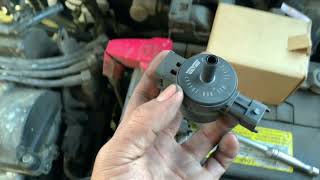
- If the gas cap isn't the issue, the Canister Purge Valve (PCSV) is the next most likely part to fail on a 2010-2013 Soul.
- A key symptom of a bad purge valve is having trouble starting the car right after you fill up the gas tank.
- If you live in an area with road salt, pay close attention to the Canister Close Valve (CCV) under the rear of the car, as it is prone to corrosion.
- If you can't find the leak visually, a smoke test is the most reliable way to diagnose the problem without replacing unnecessary parts.
What's Unique About the 2010-2013 Kia Soul
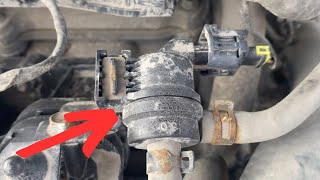
On the first-generation Kia Soul, like many Hyundai/Kia vehicles from this era, the two most common component failures for EVAP issues are the canister purge valve (PCSV) located in the engine bay and the canister close valve (CCV) located at the rear of the vehicle near the charcoal canister. While a loose gas cap is always the first suspect, these two valves are well-documented failure points for this platform. The PCSV can be in different locations depending on the engine: on some 2.0L models it is tucked behind the intake manifold, while on other 1.6L/2.0L versions it is easily accessible on top.
Symptoms You May Notice
- Check Engine Light is on
- A faint smell of fuel, especially around the gas cap or rear of the vehicle.
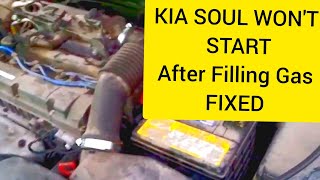
- Difficulty starting the engine immediately after refueling 🎬 Watch: Troubleshooting a Soul that won't start after refueling. (a classic sign of a stuck-open purge valve).
- Slight decrease in fuel efficiency.
- Rough idle, though less common.
- Replacing the charcoal canister when the actual problem is a much cheaper and simpler component like the canister close valve or a cracked hose.
- Replacing O2 sensors, which are not related to the EVAP system.
Most Likely Causes
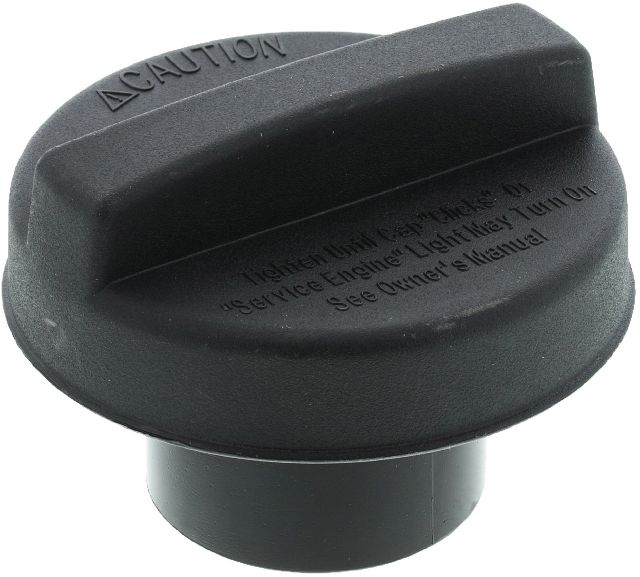
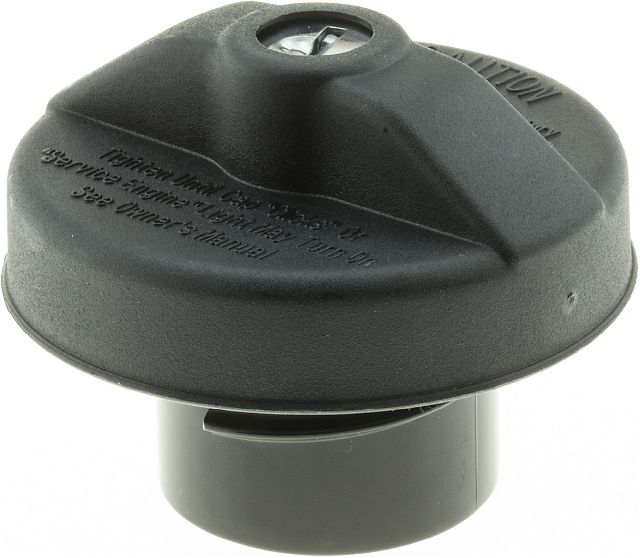
- Loose or Faulty Gas Cap 🔴 High Probability → Shop Fuel Tank Cap This is the most common cause on all vehicles. The rubber O-ring seal on the cap can dry out, crack, or get dirty over time, preventing a proper seal.
How to confirm: Ensure the gas cap is tightened until it clicks several times. Remove the cap and inspect the rubber seal for any cracks, stiffness, or debris. Clean the seal and the fuel filler neck flange.
Typical fix: Tighten the cap. If the seal is damaged, replace the gas cap. Using a genuine OEM cap is often recommended to avoid persistent issues.
Est. part cost: $15-$30 - Faulty Canister Purge Valve (PCSV) 🔴 High Probability → Shop Vapor Canister This is a very common failure item on Hyundai and Kia vehicles of this period. The valve can get stuck open or closed, disrupting the flow of fuel vapors. A stuck-open valve is a frequent cause of hard starting after getting gas.
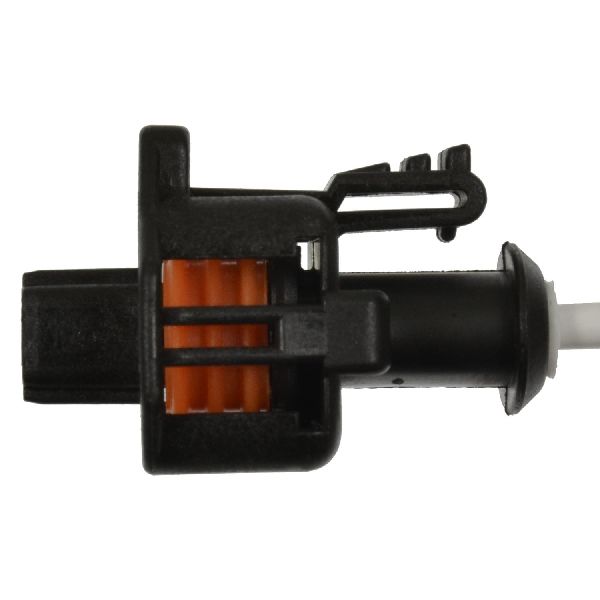
How to confirm: Locate the valve in the engine bay. On some 2010-2013 models, it may be tucked behind the intake manifold, while on others it is on top and easily visible. Disconnect the electrical connector and hoses. The valve is normally closed, so try to blow through it. If air passes through, the valve is stuck open and has failed. A multimeter test should show a coil resistance of approximately 26 Ohms.
Typical fix: Replace the canister purge valve. This is a simple DIY job for most owners.
Est. part cost: $40-$80 - Faulty Canister Close Valve (CCV) / Vent Valve 🟡 Medium Probability → Shop Vapor Canister This valve is located underneath the rear of the car by the charcoal canister, making it highly susceptible to corrosion and damage from road salt and debris.
How to confirm: Locate the valve near the charcoal canister at the rear of the vehicle. Inspect the valve and its electrical connector for rust or damage. The valve is normally open, so it should allow air to pass when unpowered. Applying 12V power should cause it to click and close. A professional scan tool can also command the valve to close for testing.
Typical fix: Replace the canister close valve. Ensure you get the correct part as there can be variations.
Est. part cost: $50-$100 - Cracked or Disconnected EVAP Hoses ⚪ Low Probability Over time, the rubber and plastic hoses that make up the EVAP system can become brittle from heat and age, leading to cracks and leaks.
How to confirm: Visually inspect all accessible EVAP lines in the engine bay and under the vehicle. Look for obvious cracks, breaks, or loose connections. A smoke test is the most effective way to find small, hard-to-see leaks.
Typical fix: Replace the damaged section of hose.
Est. part cost: $10-$50
Rare But Worth Checking
- Cracked Charcoal Canister: → Shop Vapor Canister The canister itself can develop cracks from road debris impact or age, creating a significant leak. This is usually found during a smoke test if other components check out.
- Faulty Fuel Tank Pressure Sensor: → Shop Fuel Tank The sensor can fail and send incorrect readings to the computer, making it think there is a leak when there isn't one. This is often a cause when a smoke test reveals no leaks.
- Corroded Fuel Filler Neck: → Shop Fuel Filler Neck In regions with heavy road salt use, the metal fuel filler neck can rust and perforate, creating a leak that is difficult to spot. This is a known issue on related Kia/Hyundai platforms.
Diagnosis Steps
- Read the code with an OBD-II scanner to confirm P0440 is present.
- Inspect the gas cap. Remove it, check the seal for damage, and retighten it until it clicks multiple times. Clear the code and drive for a few days to see if it returns.
- If the code returns, perform a visual inspection of all accessible EVAP hoses in the engine bay and under the car. Look for any obvious cracks, loose fittings, or damage.
- Test the Canister Purge Valve (PCSV) in the engine bay. Disconnect it and attempt to blow through it. If air passes, it is faulty and needs replacement. Confirm with a multimeter; resistance should be ~26 Ohms.
- Inspect and test the Canister Close Valve (CCV) at the rear of the vehicle. Check for corrosion on the valve and its connector. It is a normally open valve that should close when 12V is applied.
- If the cause is still not apparent, the most effective next step is to have a professional mechanic perform a smoke test. This involves injecting pressurized smoke into the EVAP system to quickly and accurately reveal the location of any leaks.
Parts You'll Likely Need
- Gas Cap
(OEM #31010-3L600U)— This is the most frequent and simplest cause of a P0440 code due to a worn or damaged seal. Using an OEM cap is highly recommended.
Trusted brands: Stant, Gates, Genuine Kia
OEM price range: $25-$40
Aftermarket price range: $15-$30 - Canister Purge Valve / Solenoid (PCSV)
(OEM #29010-2B000)— A very common failure point on this platform that gets stuck open or closed. Confirmed to fit 2009-2011 Soul with 1.6L engine, but may fit others. Always verify with VIN.
Trusted brands: Dorman, Standard Motor Products, Genuine Kia
OEM price range: $60-$90
Aftermarket price range: $40-$80 - Canister Close Valve / Vent Solenoid (CCV)
(OEM #31430-3J500)— Its location under the car makes it prone to failure from rust and road debris. This part is confirmed to fit 2010-2013 Soul models with both 1.6L and 2.0L engines.
Trusted brands: Dorman, Standard Motor Products, Genuine Kia
OEM price range: $80-$120
Aftermarket price range: $50-$100
Related Codes That Often Appear With This One
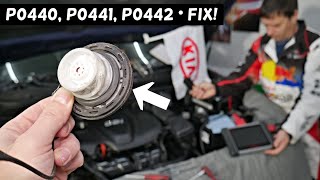
- P0441 — This code for 'Incorrect Purge Flow' often points directly to a failing Canister Purge Valve, 🎬 Watch: Diagnosing P0441 and EVAP system leaks. which can also trigger the general P0440 fault.
- P0442 — This code indicates a 'Small EVAP Leak.' The underlying cause (like a failing gas cap seal or a small hose crack) can sometimes be interpreted by the computer as either a small leak or a general system fault.
- P0455 — This code indicates a 'Large EVAP Leak.' A very loose gas cap or a completely disconnected hose could trigger both P0440 and P0455.
Technical Service Bulletins (TSBs) & Recalls
- ENG135
Platform-Specific Known Issues
- Purge Valve Location Varies: → Shop Vapor Canister Owners report different locations for the Canister Purge Valve depending on the engine and model year. On some 2010-2011 2.0L models, it is located under the throttle body, requiring removal of the air intake tube for access. On some 2012-2013 models (especially 1.6L), it is located in plain sight on top of the engine, making replacement extremely easy. 🎬 See this walkthrough for replacing the 1.6L purge valve. Always visually confirm the location on your specific vehicle before starting the repair.
- Aftermarket Purge Valve Mounting Bracket Mismatch: → Shop Vapor Canister A DIY repair video for a 2010 Soul showed that an aftermarket purge valve from O'Reilly's came with a vertical mounting bracket, while the OEM part had a sideways mount. The mechanic had to swap the rubber mounting grommet from the old part to the new one to make it fit correctly.
Mechanic-Grade Diagnostic Values
- Canister Purge Solenoid Valve (PCSV) coil resistance — expected: ~26 Ohms. Failure: A reading of infinity (open circuit), zero (short circuit), or significantly different from 26 Ohms indicates a faulty coil.
- Fuel Tank Pressure Sensor (FTPS) signal voltage — expected: Approximately 1.5V (normal range 1.3V - 1.7V) with Key On, Engine Off, and the gas cap removed.. Failure: Voltage is stuck high (near 5V) or low (near 0V), or does not change when vacuum is applied.
- Canister Close Valve (CCV) coil resistance — expected: 48 - 65 Ohms. Failure: Resistance is significantly outside this range, open, or shorted.
Scan Tool Commands That Help
- Kia GDS (Global Diagnostic System) or equivalent professional scanner: Evap. Leakage Test — This is a guided, automated test that commands the EVAP system valves to seal the system and monitors pressure to confirm a leak. It is the dealer-level method for confirming the presence of a leak before performing a smoke test.
- Professional bidirectional scan tool: Canister Close Valve (CCV) On/Off Command — To manually test the function of the CCV. A technician can command the normally-open valve to close. If a clicking sound is heard and a smoke test then holds pressure, the valve is likely working. If it doesn't click or still leaks smoke, the valve is faulty.
Wiring & Ground Locations
- ECM Connector Pin 26 — At the Engine Control Module (ECM), which is typically located in the engine bay near the battery.. This is the specific pin where the signal from the Fuel Tank Pressure Sensor (FTPS) is received. A technician can back-probe this pin to test the sensor's voltage output directly at the computer, which helps differentiate between a faulty sensor and a wiring problem in between.
- Fuel Pump Assembly Connector — On top of the fuel pump assembly, accessible by removing the rear seat cushion and a service cover.. This is the primary connection point for the Fuel Tank Pressure Sensor (FTPS), which is mounted on the fuel pump assembly. Checking for power, ground, and signal at this connector is the first step before testing at the ECM.
Real Owner Repair Stories
- YouTube channel 'T NK' (2011 Kia Soul 2.0L) — Check Engine Light with code P0441 (Insufficient Purge Flow), a code often seen with P0440.
❌ Tried (didn't work) The video starts with the diagnosis already pointing to the purge valve.
✅ What actually fixed it The Canister Purge Valve (PCSV) was replaced. The video confirms the location on this model is under the throttle body, requiring removal of the air intake tube for access. An aftermarket part was used.
"I Checked Everything" — The Actual Cause
- A common scenario that stumps technicians is when a full EVAP system smoke test reveals no leaks, yet the P0440 code persists. In this case, the fault often lies with the Fuel Tank Pressure Sensor (FTPS). The sensor may be electrically faulty, sending irrational voltage signals to the computer. The ECM interprets this bad data as a system leak, triggering the code even though the system is physically sealed. The fix is to test the FTPS voltage at the sensor or ECM; if it's out of the expected 1.3V-1.7V range (at atmospheric pressure), the sensor itself is the culprit, not a physical leak.
OEM Part Supersession History
20910-2B000→29010-2B000— Part number consolidation across Hyundai/Kia platforms.
Heads up: Part numbers 20910-2B000 and 29010-2B000 are considered identical and interchangeable for the Canister Purge Valve (PCSV) on these models. However, another part, 29015-2B000, is also listed for the 1.6L engine, indicating a possible assembly difference. Always verify the correct part by VIN.
Model Year Variations Within This Range
- 2012-2014: The Engine Control Module (ECM) software may be overly sensitive and falsely trigger EVAP codes. Kia issued TSB ENG135 to resolve this with a software update, which can only be performed by a dealer.
- 2010-2013: The cataloging for the Canister Close Valve (PN 31430-3J500) differs by year and engine, even though the part may be physically identical. It is listed for '2.0L, 2010-11' and '1.6L. 2.0L, 2012-13', suggesting a need to be precise when ordering.
Diagnostic Flowchart
Other Known Issues on This Vehicle
Issues unrelated to this code that are worth knowing about as an owner of this generation:
- Steering Coupler Failure 🟠 Medium — Very common. A clicking or clunking noise from the steering column when turning is the primary symptom. The flexible rubber coupler inside the electronic power steering motor disintegrates over time. (Ref: While not an official recall on all models, it is a widely known service issue. Many owners perform a DIY replacement of the small rubber part.)
- Catalytic Converter Failure / Engine Damage (1.6L GDI) 🔴 High — Affects 2012-2016 models with the 1.6L GDI engine. High exhaust temperatures can damage the catalytic converter, leading to debris entering the engine, causing piston damage, oil loss, and potential for fire. (Ref: Recall SC176 / NHTSA 18V-363. The fix involves a software update (ECU logic) and, if necessary, replacement of the catalytic converter and/or engine.)
- Stop Lamp Switch Failure 🟠 Medium — Common on 2010-2011 models. A faulty switch can cause brake lights to not work, cruise control to not disengage, push-button start to be intermittent, and the ESC light to illuminate. (Ref: Recall SC098 / NHTSA 13V-114. Dealers will replace the faulty switch free of charge.)
- Sunroof Headliner Plate Detachment 🟡 Low — Affects 2010-2013 models equipped with a sunroof. The headliner plate may detach during curtain airbag deployment, increasing injury risk. (Ref: Recall SC112 / NHTSA 14V-822. Dealers will add adhesive strips to better secure the plate.)
- Speaker Light Wiring Harness 🟡 Low — Affects some 2010 models with advanced lighting speakers. Improperly soldered wiring harnesses could cause a short circuit. (Ref: NHTSA 10V-388.)
Used vs. New Parts: Buying Guide for This Vehicle
When a used part is the smart pick: For purely structural, non-electronic, and non-sealing components, a used part can be a cost-effective option. This includes the plastic charcoal canister housing (if inspected for cracks), mounting brackets, or a fuel filler neck from a rust-free donor vehicle.
Donor-vehicle mileage cap: roughly under 80000 miles for the part to have meaningful remaining life.
What to inspect on the donor part:
- For a charcoal canister, ensure there are no visible cracks or damage to the housing or hose ports.
- For a fuel filler neck, inspect thoroughly for any signs of rust, especially at the seams and where it meets the gas cap.
- Verify the donor vehicle is from a dry, salt-free climate to minimize the risk of corrosion on all parts.
OEM-only on this vehicle (don't cheap out):
- Gas Cap: Many owners and technicians strongly recommend using a genuine OEM gas cap (31010-3L600U). Aftermarket caps are a frequent cause of persistent, hard-to-diagnose small leak codes because their seals may not meet the exact pressure specifications.
Aftermarket brands forum-validated for this vehicle:
- Standard Motor Products (SMP)
- Dorman
Brands owners have reported issues with on this vehicle:
- Unbranded, low-cost gas caps from online marketplaces are frequently reported as failing to seal correctly.
Real Owner Stories
Aggregated from forums and TSBs cited above. Mileages and costs reflect what owners reported in those sources.
2010 Kia Soul 2.0L
Symptoms: The owner found that the aftermarket purge valve had a vertical mounting bracket that didn't match the original sideways mount.
What fixed it: Swapped the rubber mounting grommet from the old OEM part to the new aftermarket part to make it fit correctly.
Source hint: vehicle_specific_issues - DIY repair video for a 2010 Soul
2010-2011 Hyundai Accent (Platform Mate)
Symptoms: Experienced P0440 and P0441 failure symptoms identical to the Kia Soul.
What fixed it: Replacement of the purge control valve (P/N 29010-2B000).
Source hint: platform_mates - 2010-2011 Hyundai Accent
2011-2013 Hyundai Elantra (Platform Mate)
Symptoms: High rate of P0440, P0441, and P0442 codes.
What fixed it: Traced back to and resolved by replacing the purge valve and canister close valve.
Source hint: platform_mates - 2011-2013 Hyundai Elantra
Related OBD-II Codes
Frequently Asked Questions
Where is the Canister Purge Valve located on my 2010-2013 Kia Soul?
Why does my Soul have trouble starting only after I fill up the gas tank?
Is there a specific TSB for engine issues related to my 2012 1.6L GDI Soul?
Can I use an aftermarket purge valve for my 2010 Soul DIY repair?
What should the resistance be if I test the purge valve with a multimeter?
Why is my Canister Close Valve (CCV) prone to failure?
Helpful Videos
Used OEM Parts in Stock
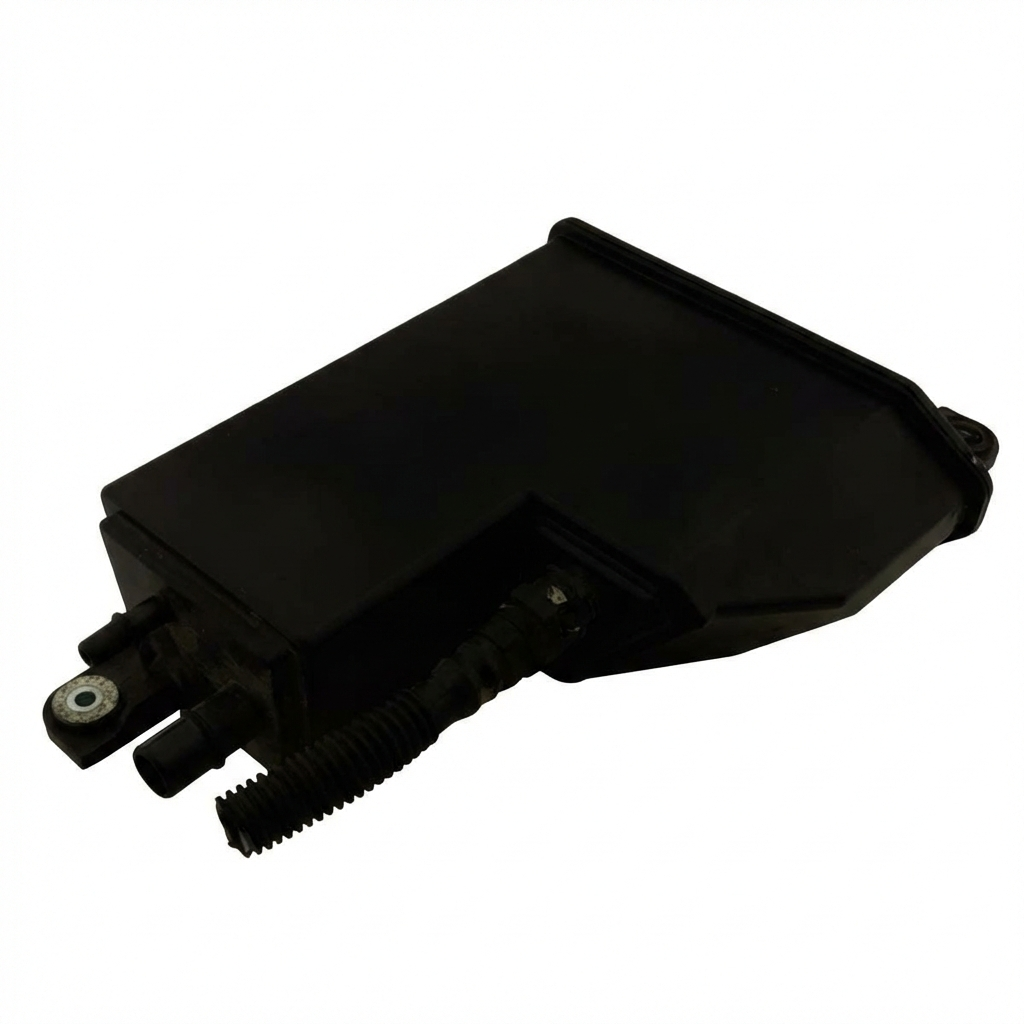
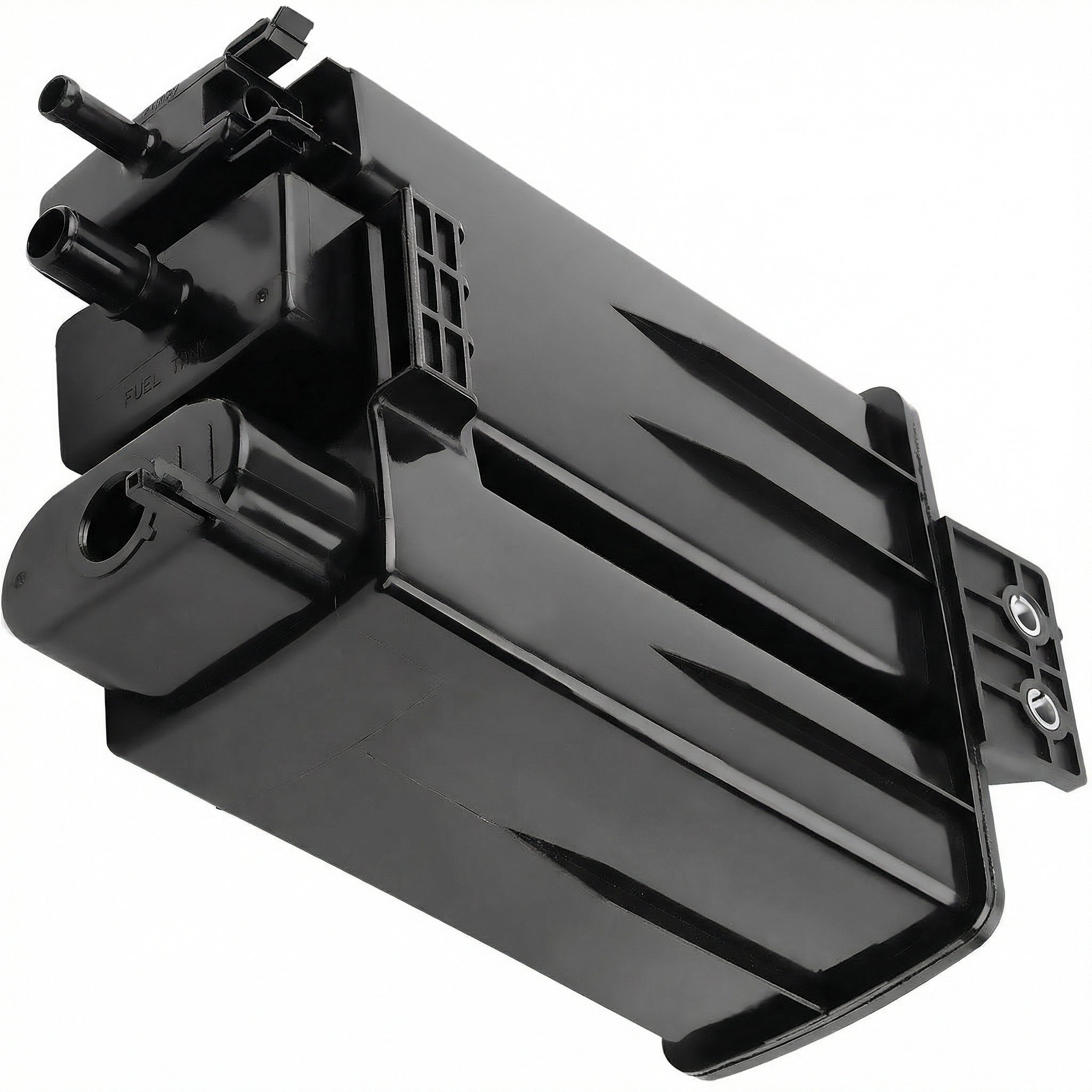
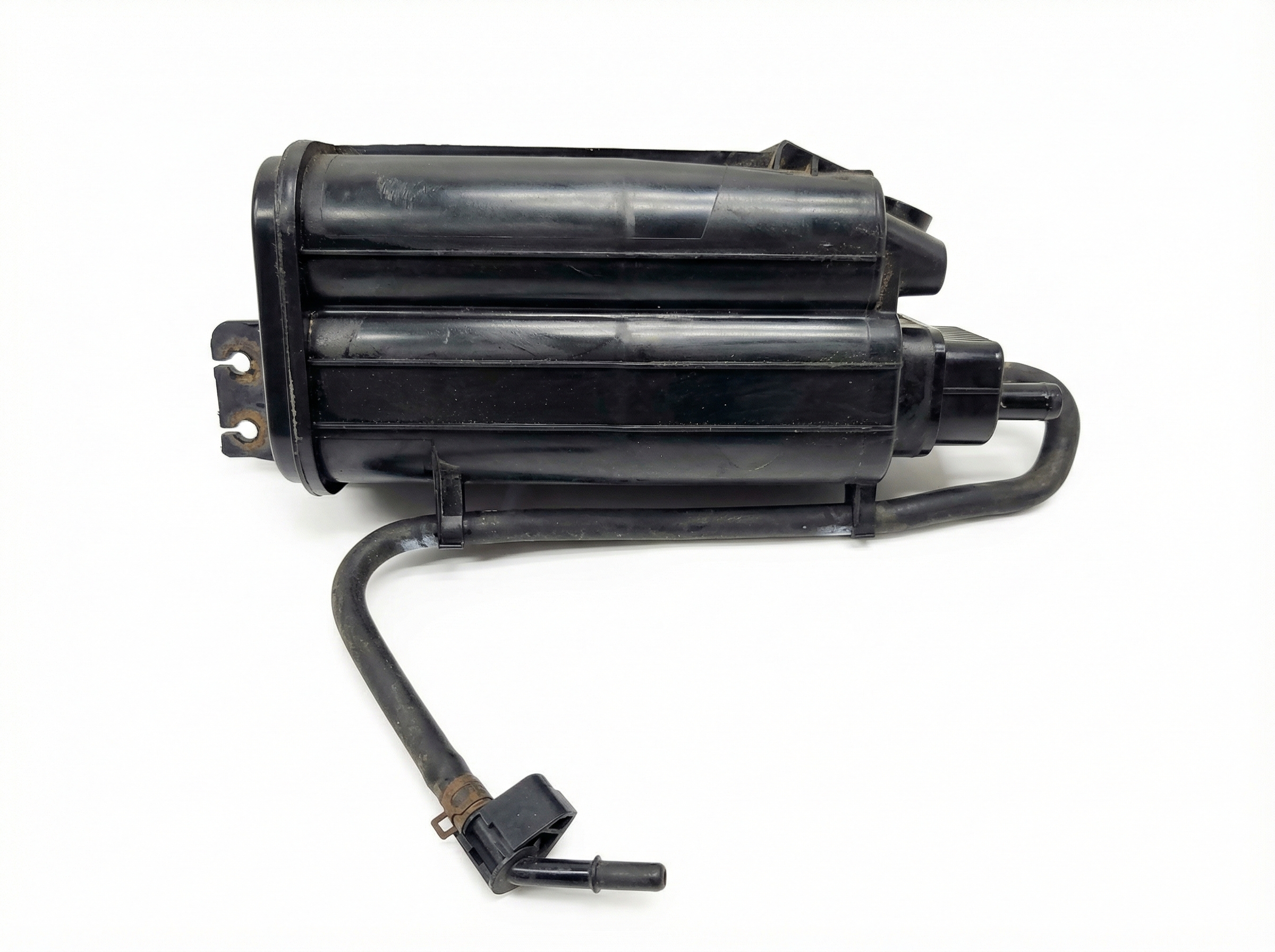
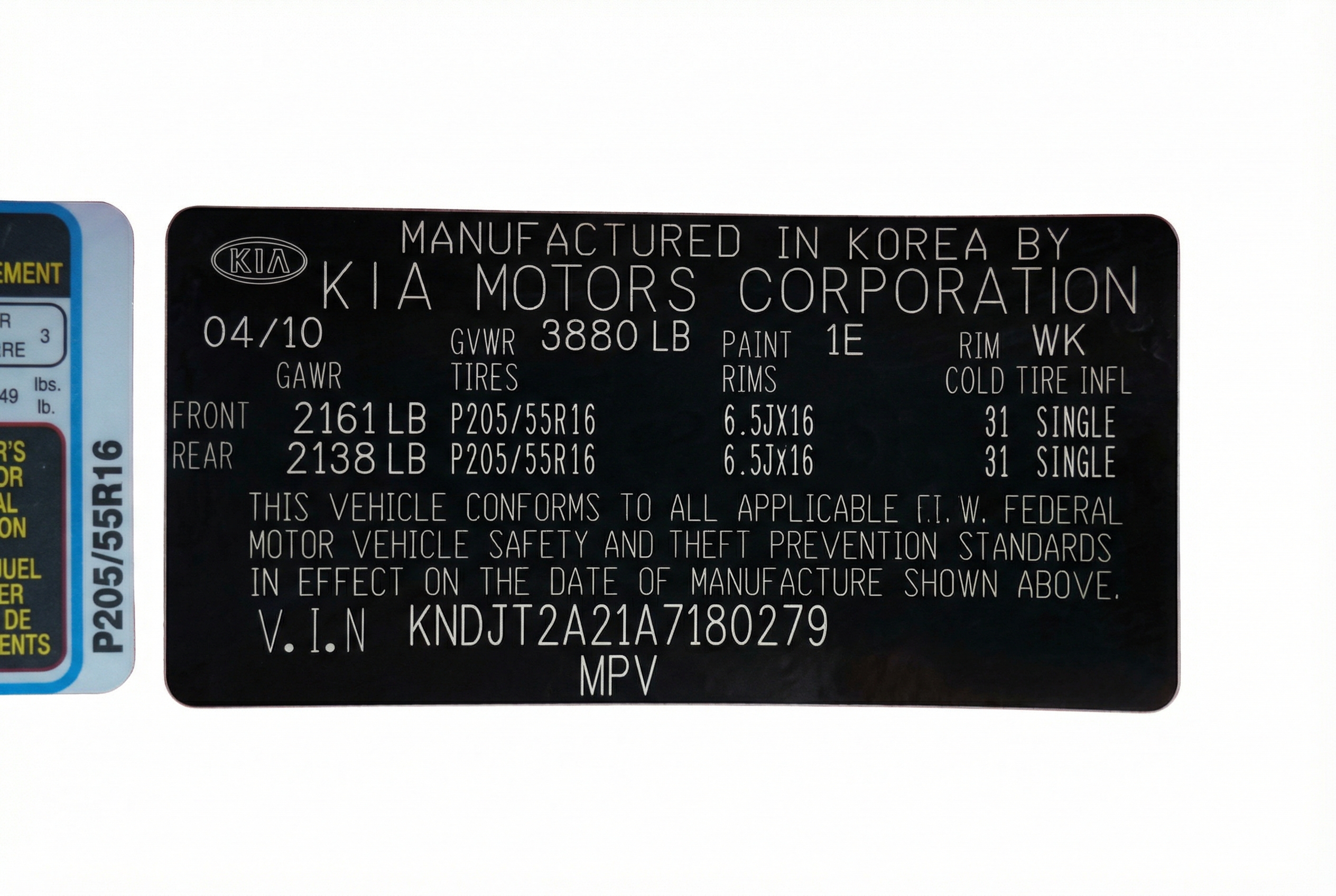
New Aftermarket Parts Available


The information in this article is provided for general reference and educational purposes only. Vehicle specifications, procedures, and part compatibility can vary by production date, trim level, and region. Always consult your vehicle's factory service manual and verify part numbers before purchasing or performing repairs. Safety-critical components such as airbags, seat belts, and braking systems should be installed by a qualified professional.
- Kia Soul:
- 🧭 Diagnostic Flowchart
- 🎬 Helpful Videos
- 🛍️ Shop This Part
- What's Unique About the 2010-2013 Kia Soul
- Symptoms You May Notice
- Most Likely Causes
- Rare But Worth Checking
- Diagnosis Steps
- Parts You'll Likely Need
- Related Codes That Often Appear With This One
- Technical Service Bulletins (TSBs) & Recalls
- Platform-Specific Known Issues
- Mechanic-Grade Diagnostic Values
- Scan Tool Commands That Help
- Wiring & Ground Locations
- Real Owner Repair Stories
- "I Checked Everything" — The Actual Cause
- OEM Part Supersession History
- Model Year Variations Within This Range
- Other Known Issues on This Vehicle
- Used vs. New Parts: Buying Guide for This Vehicle
- Real Owner Stories
- 2010 Kia Soul 2.0L
- 2010-2011 Hyundai Accent (Platform Mate)
- 2011-2013 Hyundai Elantra (Platform Mate)
- Related OBD-II Codes
- Frequently Asked Questions
- 🎟️ Get 5% Off