

P0440 on 2006-2008 Lexus RX400h: EVAP System Malfunction Causes and Fixes
For a 2006-2008 Lexus RX400h, code P0440 usually points to a faulty gas cap or a cracked charcoal canister. Always check the gas cap first (OEM Part #77300-48010). If the light returns, the charcoal canister assembly (OEM Part #77740-48140) is the next most likely culprit, which is an expensive part known to fail on this platform and its Toyota Highlander Hybrid sibling.
- P0440 means there is a general leak or fault in the EVAP (emissions) system.
- Always start by checking if the gas cap is tight; replacing a worn gas cap is an easy and inexpensive first step.
- If the gas cap isn't the issue, the problem on a 2006-2008 RX400h is very often a cracked or failed charcoal canister assembly, which is expensive to replace.
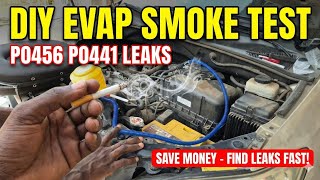
- A smoke test is the best way to confirm the exact source of the leak before buying expensive parts.
- Driving with this code is safe for the engine, but the vehicle will not pass an emissions inspection.
What's Unique About the 2006-2008 Lexus RX400h
On this generation of Lexus RX, including the RX400h and its platform-mate the Toyota Highlander Hybrid, the charcoal canister assembly is a known, high-frequency failure point that leads to the P0440 code. This assembly, located under the rear of the vehicle, integrates several valves and a vapor pressure sensor that can become brittle, crack, or fail over time. While a loose gas cap is always the first thing to check, owners often find that a persistent P0440 code ultimately leads to replacing the entire, and costly, charcoal canister assembly, as its components are often not sold separately.
Symptoms You May Notice
- Check Engine Light is on
- VSC and/or Trac Off lights may illuminate. This is a standard safety precaution on many Toyota/Lexus vehicles; when the main Check Engine Light is triggered, the vehicle's computer often disables the Vehicle Stability Control and Traction Control systems as well.
- A faint fuel smell may be noticeable, particularly near the rear driver's side of the vehicle or after being parked in an enclosed space like a garage.
- Slight decrease in fuel economy.
- Replacing the oxygen (O2) sensors. O2 sensors are not part of the EVAP system and will not fix a P0440 code.
- Replacing the purge valve without confirming it has failed. While the purge valve can cause this code, the charcoal canister assembly is a much more frequent point of failure on the RX400h.
- Assuming any check engine light with a gas smell is a catalytic converter. A mechanic incorrectly diagnosed a P0440 as a catalytic converter issue in one forum post.
Most Likely Causes
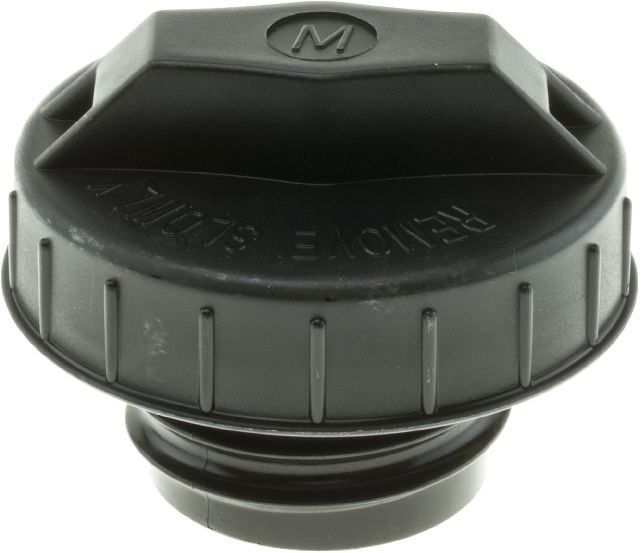
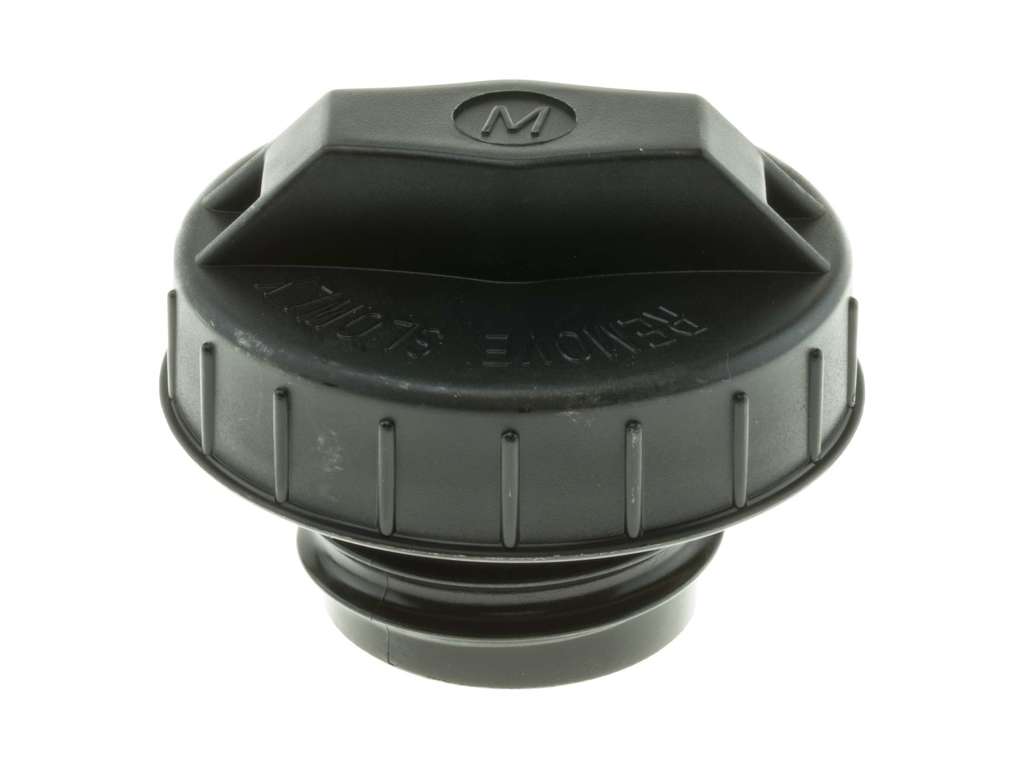
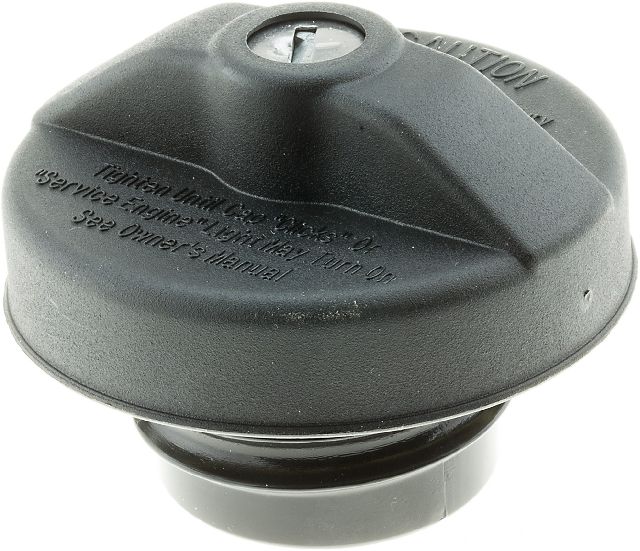
- Loose or Faulty Gas Cap 🔴 High Probability → Shop Fuel Tank Cap Gas cap seals are rubber and degrade over time with exposure to fuel and the elements, which is common to all vehicles. Using a non-OEM cap can also cause sealing issues.
How to confirm: Inspect the gas cap for cracks in the seal or body. Ensure it is tightened until it clicks at least once. If the seal is worn, stiff, or cracked, it needs replacement. An OEM replacement is highly recommended.
Typical fix: Replace the gas cap. This is the cheapest and easiest first step. The OEM part number is 77300-48010.
Est. part cost: $25-$50 - Cracked or Failed Charcoal Canister Assembly 🟡 Medium Probability → Shop Vapor Canister The canister is a large plastic assembly mounted under the vehicle, making it susceptible to physical damage from road debris or corrosion of its integrated components. The plastic can become brittle with age, leading to cracks. The valves and sensors built into the canister are also common failure points.
How to confirm: A visual inspection may reveal cracks in the canister housing. A professional smoke test is the most definitive way to confirm a leak in the canister or its associated valves. The canister is located under the rear of the vehicle, somewhat shielded by the subframe.
Typical fix: Replacement of the entire charcoal canister assembly (Lexus Part #77740-48140). 🎬 Watch this step-by-step charcoal canister replacement walkthrough. This is a costly part, and on this vehicle, individual components on the canister are generally not sold separately.
Est. part cost: $750-$1050 - Cracked or Disconnected EVAP Hoses ⚪ Low Probability Rubber hoses become brittle and crack with age and heat cycles. This is a common issue on older vehicles. A hose can also be knocked loose during other maintenance.
How to confirm: Visually inspect all accessible EVAP hoses for cracks, especially at connection points near the engine and around the canister. A smoke test is the most effective method for finding small or hidden hose leaks.
Typical fix: Replace the cracked section of hose.
Est. part cost: $10-$50
Rare But Worth Checking
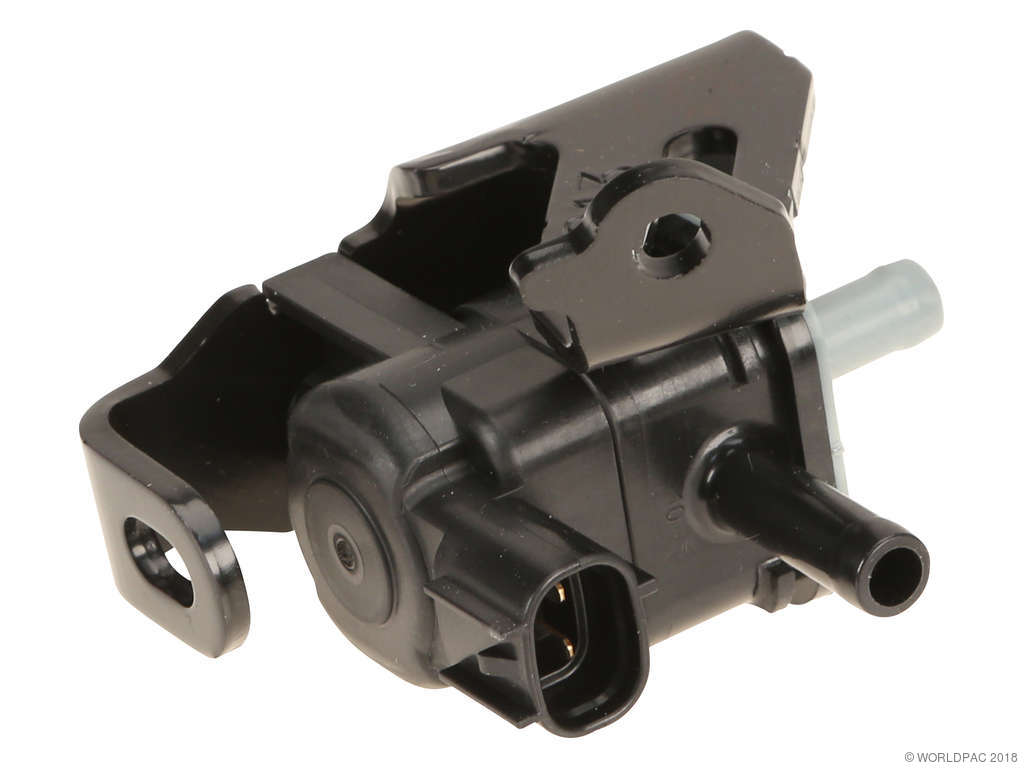
- Faulty EVAP Purge Valve / Solenoid: → Shop Vapor Canister This valve controls the flow of stored vapors to the engine. If it sticks open or closed, it can cause a system fault. It's less common than canister failure on this model but worth checking if other causes are ruled out. It is typically located in the engine bay. 🎬 Watch: How to replace the EVAP purge valve.
- Failed Vapor Pressure Sensor: This sensor monitors the pressure within the EVAP system to detect leaks. On the RX400h, this sensor is integrated into the charcoal canister assembly and is not sold separately. If the sensor fails, the entire canister assembly must be replaced, which is a common reason for the high repair cost associated with this code.
Diagnosis Steps
- Check the gas cap. Remove and reinstall it, making sure it clicks. Inspect the rubber seal for cracks or wear. If in doubt, replace it with an OEM cap (Part #77300-48010).
- If the code returns, perform a visual inspection of the EVAP system. Look under the rear of the vehicle at the charcoal canister (a black plastic box, Part #77740-48140) for any visible cracks or damage.
- Inspect all accessible vacuum and vapor hoses connected to the intake manifold, purge valve, and charcoal canister for cracks, disconnections, or brittleness.
- If no obvious issues are found, the most effective next step is a professional smoke test. This involves injecting vaporized smoke into the EVAP system to pinpoint the exact location of any leaks. 🎬 See how a professional EVAP smoke test is performed. This is the most reliable way to condemn the expensive charcoal canister.
- Based on the smoke test results, the leak will likely be traced to a hose, the gas cap seal, or, most commonly on this vehicle, the charcoal canister assembly itself.
- Test the purge and vent valves for proper operation using a bi-directional scan tool or by applying 12V power to see if they click open and closed. The vapor pressure sensor can also be tested with a multimeter and a hand vacuum pump if removed from the vehicle.
Parts You'll Likely Need
- Charcoal Canister Assembly
(OEM #77740-48140)— This is a very common failure point on the RX400h that causes a P0440 code. The assembly often includes integrated valves and sensors that fail over time, and the plastic housing can crack.
Trusted brands: Lexus (OEM)
OEM price range: $750-$1055
Aftermarket price range: $450-$700 - Fuel Tank Cap (Gas Cap)
(OEM #77300-48010)— A worn or loose gas cap is the most common cause for any EVAP leak code across all vehicles and should always be the first part checked and replaced. An OEM cap is recommended for proper sealing.
Trusted brands: Lexus (OEM), Stant, Gates
OEM price range: $30-$50
Aftermarket price range: $15-$30 - EVAP Canister Purge Valve / Solenoid
(OEM #90910-12259)— This valve can stick, causing a leak or flow issue in the EVAP system. It is a possible but less common cause than the canister itself.
Trusted brands: Lexus (OEM), Denso
OEM price range: $90-$120
Aftermarket price range: $40-$80
Related Codes That Often Appear With This One
- P0441 — Indicates incorrect purge flow, which can be caused by the same faulty valves, blockages, or leaks that trigger P0440.
- P0446 — Indicates a fault in the vent control circuit of the EVAP system. Since the vent control valve is part of the charcoal canister assembly on the RX400h, P0446 often appears alongside P0440 when the canister is failing.
Technical Service Bulletins (TSBs) & Recalls
- EG003-07: While not directly for P0440, this TSB for other models shows Toyota/Lexus addressing emissions component issues and providing detailed repair procedures.
- EG003-02: This TSB provides detailed drive cycle patterns needed to get the EVAP monitor to run and confirm a repair, which is useful after fixing a P0440 code to ensure the Check Engine Light does not return.
Platform-Specific Known Issues
- The charcoal canister is located under the driver's side of the vehicle, near the rear axle. Its plastic construction makes it vulnerable to cracking from age, heat cycles, and impacts from road debris.
- The vapor pressure sensor, which is critical for the EVAP system's self-test, is integrated into the canister and not sold separately by Lexus. A failed sensor necessitates replacing the entire expensive assembly.
Mechanic-Grade Diagnostic Values
- EVAP Canister Purge Valve Resistance — expected: 30 to 38 ohms (when engine is cool). Failure: A reading outside this range indicates a faulty valve coil.
- EVAP Canister Vent Solenoid Resistance — expected: 48 to 65 ohms. Failure: A reading outside this range suggests the solenoid coil is bad.
- Voltage at EVAP Vent Valve Connector — expected: Approximately 12V (battery voltage) at one terminal with the ignition on.. Failure: No voltage suggests a wiring issue or blown fuse upstream from the valve.
Hidden / Shadow Codes Worth Checking
- Mode 6, Test $02: This is not a separate trouble code, but a test result within the onboard diagnostics. A 'Fail' result for the EVAP monitor's Test ID $02 indicates the system failed the pressure/vacuum decay test, which is what triggers the P0440 code. It confirms the ECM detected a leak but doesn't specify the location. (see via An advanced scan tool capable of displaying Mode 6 data, such as Toyota's Techstream software.)
Scan Tool Commands That Help
- Toyota Techstream: Evaporative System Check Utility — This utility allows a technician to manually command the EVAP system to perform its self-test without waiting for the specific drive cycle conditions. It can operate the purge and vent valves (VSVs) independently and monitor the vapor pressure sensor, helping to isolate a leak to a specific part of the system (e.g., tank side vs. canister side).
Wiring & Ground Locations
- Ground Points (e.g., 'EA', 'EB') — According to Lexus wiring diagrams, ground point codes begin with a letter indicating location: 'E' for Engine Compartment, 'I' for Instrument Panel area, and 'B' for the Body. For the EVAP system, key grounds would be in the 'E' (for the purge valve) and 'B' (for the canister assembly) areas. Specific diagrams for the 2006-2008 RX400h (like EWD608U) are needed to pinpoint the exact locations, such as 'EB' in the left front of the engine compartment.. A poor ground connection for the purge valve, vent valve, or vapor pressure sensor can cause erratic operation or incorrect readings, leading to a false P0440 code.
- Charcoal Canister Connector — The main connector for the charcoal canister assembly is a 10-pin plug, though only about 7 pins are actively used on the RX400h. It is located on the canister itself, under the driver's side rear of the vehicle.. This connector provides power and signal lines for the integrated vent valve, vapor pressure sensor, and leak detection pump. Corrosion or damage to this connector or its wiring pigtail can cause P0440 and related EVAP codes.
Real Owner Repair Stories
- ClubLexus Forum (Lexus RX400h (year not specified, but within the generation)) — Check Engine light with P0440 code.
❌ Tried (didn't work) Sealing a visible crack in the canister was attempted, but the fix was not specified as successful or permanent.
✅ What actually fixed it The charcoal canister case was cracked due to impact from road debris. The final fix was the replacement of the entire charcoal canister assembly, quoted at over $1100 for the part alone. - NHTSA ODI #10381931 (Cross-model reference) — An owner reported a recurring P0440 code alongside P0441 and P0446. While initial inspections blamed a loose gas cap, the issue was ultimately resolved by replacing a shorted-out canister switching valve.
"I Checked Everything" — The Actual Cause
- In one documented case (on a different Lexus model), a user reported having a P0440 code and a gas smell, but a smoke test showed no leaks. The user suspected the issue might be the charcoal canister becoming saturated with fuel from over-topping the gas tank, which wouldn't necessarily present as a leak but would prevent the system from functioning correctly. The resolution was not definitively posted, but it highlights a scenario where a smoke test can be inconclusive.
Model Year Variations Within This Range
- 2006 vs 2007-2008: The core engine, hybrid system, and EVAP components are the same across the 2006-2008 model years. Minor differences exist in other areas: the 2006 model did not have a Tire Pressure Monitoring System (TPMS) and used a lower-resolution Gen 4 navigation system, while 2007 and later models received TPMS and the Gen 5 navigation system. These differences do not affect the diagnosis or repair of a P0440 code.
Diagnostic Flowchart
Other Known Issues on This Vehicle
Issues unrelated to this code that are worth knowing about as an owner of this generation:
- Hybrid Inverter Failure 🔴 High — Occurs frequently enough to warrant a recall (NHTSA #13V396000) and is a well-documented failure point, often around 100,000 miles. Can cause sudden loss of power. (Ref: Safety Recall for 2006-2008 models to inspect and replace the Intelligent Power Module (IPM) within the inverter due to inadequately soldered transistors.)
- Brake Actuator Assembly Failure 🔴 High — A common failure causing an array of brake-related warning lights and potentially affecting braking performance. Occurs at various mileages. (Ref: Warranty Enhancement Program (not a full recall) was issued by Lexus to extend coverage for this specific part due to high failure rates.)
- Water Leaks into Rear/HV Battery Area 🟠 Medium — Less common, but documented cases of water intrusion from rear hatch seals or sunroof drains can damage electronics or the hybrid battery located under the rear seat.
Used vs. New Parts: Buying Guide for This Vehicle
When a used part is the smart pick: For the expensive charcoal canister assembly (Part #77740-48140), a used part from a reputable auto wrecker is a reasonable choice to save significant cost, especially if the vehicle is older. Since the failure is often a physical crack or an internal valve/sensor failure, a used part can be a viable alternative to a new part costing over $1000.
Donor-vehicle mileage cap: roughly under 120000 miles for the part to have meaningful remaining life.
What to inspect on the donor part:
- Visually inspect the entire plastic housing for any cracks, stress marks (especially around mounting points), or signs of previous repair (like epoxy or sealant).
- Ensure all hose ports and electrical connector sockets are intact and free of damage.
- If possible, source the part from a vehicle in a dry, salt-free climate to reduce the chance of corrosion on internal components and electrical pins.
- Ask the seller if the donor vehicle had any EVAP-related trouble codes prior to being dismantled.
OEM-only on this vehicle (don't cheap out):
- Gas Cap: Aftermarket gas caps are a frequent cause of persistent, hard-to-diagnose EVAP codes. It is strongly recommended to use a genuine Lexus/Toyota OEM gas cap (Part #77300-48010) to ensure a perfect seal.
Aftermarket brands forum-validated for this vehicle:
- Denso: For the engine-bay mounted Purge Valve (Part #90910-12259), Denso is the original equipment manufacturer and is a reliable alternative to dealer-sourced parts.
Brands owners have reported issues with on this vehicle:
- Generic/unbranded charcoal canisters from online marketplaces should be avoided. Their internal charcoal quality and valve calibration may not meet OEM specifications, leading to persistent codes.
Real Owner Stories
Aggregated from forums and TSBs cited above. Mileages and costs reflect what owners reported in those sources.
2008 Lexus RX400h — 124738 miles
Symptoms: Check engine light with codes P0440, P0441, P0446.
What fixed it: Reconnected the evap hose that was disconnected behind the air filter box.
Source hint: ClubLexus - Tells Us About Your Car And Its Mods Or Problems
2006-2008 Lexus RX400h
Symptoms: A persistent P0440 code that lasted for a year; code returned even after the dealer replaced the charcoal canister and a fuel overfill check valve.
What fixed it: The source describes this as a frustrating saga where the code returned despite professional replacement of the canister and check valve, illustrating the difficulty of diagnosis.
Source hint: ClubLexus.com - Thread: 'Help with P0440 code, experts please chime in.'
Related OBD-II Codes
Frequently Asked Questions
Why did my VSC and Trac Off lights come on at the same time as the P0440 Check Engine Light?
Can I use an aftermarket gas cap to fix the P0440 code on my RX400h?
Is there a specific drive cycle I need to follow to clear the P0440 code and pass emissions?
The dealer says I need a whole new charcoal canister because of a sensor. Can I just buy the sensor?
Where is the charcoal canister located on the 2006-2008 RX400h?
Is the P0440 issue on my RX400h similar to the one on the Toyota Highlander Hybrid?
Helpful Videos

We Have This Part in Stock


The information in this article is provided for general reference and educational purposes only. Vehicle specifications, procedures, and part compatibility can vary by production date, trim level, and region. Always consult your vehicle's factory service manual and verify part numbers before purchasing or performing repairs. Safety-critical components such as airbags, seat belts, and braking systems should be installed by a qualified professional.
- Lexus RX400h:
- 🧭 Diagnostic Flowchart
- 🎬 Helpful Videos
- 🛍️ Shop This Part
- What's Unique About the 2006-2008 Lexus RX400h
- Symptoms You May Notice
- Most Likely Causes
- Rare But Worth Checking
- Diagnosis Steps
- Parts You'll Likely Need
- Related Codes That Often Appear With This One
- Technical Service Bulletins (TSBs) & Recalls
- Platform-Specific Known Issues
- Mechanic-Grade Diagnostic Values
- Hidden / Shadow Codes Worth Checking
- Scan Tool Commands That Help
- Wiring & Ground Locations
- Real Owner Repair Stories
- "I Checked Everything" — The Actual Cause
- Model Year Variations Within This Range
- Other Known Issues on This Vehicle
- Used vs. New Parts: Buying Guide for This Vehicle
- Real Owner Stories
- 2008 Lexus RX400h — 124738 miles
- 2006-2008 Lexus RX400h
- Related OBD-II Codes
- Frequently Asked Questions
- 🎟️ Get 5% Off