

P0440 on 1999-2003 Mazda Protege: EVAP System Malfunction Causes and Fixes
On a 1999-2003 Mazda Protege, a P0440 code is most often caused by a loose/faulty gas cap or a rusted fuel filler neck. Inspect the gas cap first, then carefully check the filler neck for corrosion before suspecting other parts like the purge or vent valves. This is a very common issue for this platform due to rust.
- Always start your diagnosis by checking the gas cap; it's the easiest and cheapest potential fix.
- For a 1999-2003 Protege, the most likely cause after the gas cap is a rusted-out fuel filler neck. A thorough visual inspection is required.
- Do not replace expensive components like the charcoal canister without first confirming the location of the leak with a smoke test.
- The purge solenoid is in the engine bay, while the more expensive vent valve is at the rear of the car with the charcoal canister.
What's Unique About the 1999-2003 Mazda Protege
The third-generation (BJ) Mazda Protege is highly susceptible to rust, particularly in the fuel filler neck. This pipe, connecting the gas cap to the fuel tank, corrodes over time due to trapped moisture and road salt, creating leaks that trigger EVAP codes. While P0455 (large leak) is the most common code associated with a rusted filler neck, the underlying fault can also present as the more general P0440 code. This makes a thorough visual inspection of the filler neck a critical and unique diagnostic step for this specific vehicle. Many owners on forums like Mazdas247 have documented this exact failure.
Symptoms You May Notice
- Check Engine Light is on
- A faint smell of fuel, especially around the rear of the car
- Failure to pass an emissions inspection
- Difficulty filling the fuel tank (gas pump clicks off repeatedly), which can point to a blocked vent valve or charcoal canister.
- Replacing the charcoal canister before performing a smoke test. The canister is expensive and less likely to fail than the valves attached to it or the hoses connected to it.
- Replacing parts randomly without diagnosis. Many owners replace the gas cap, purge valve, and vent valve hoping to fix the issue, when a simple smoke test could have pinpointed a cracked hose or rusted filler neck.
Most Likely Causes
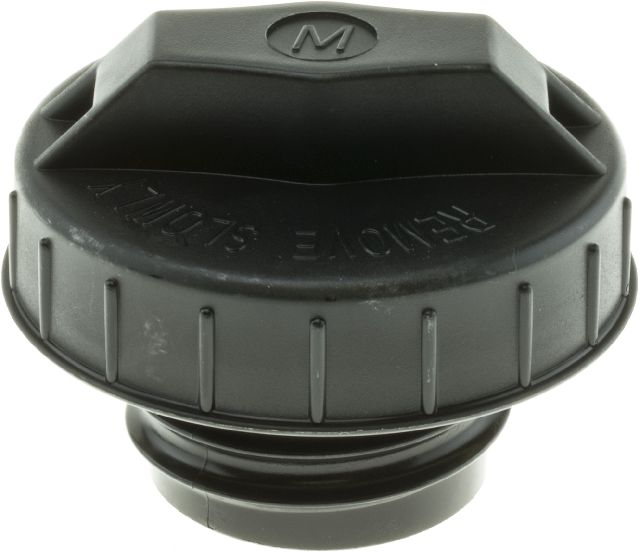
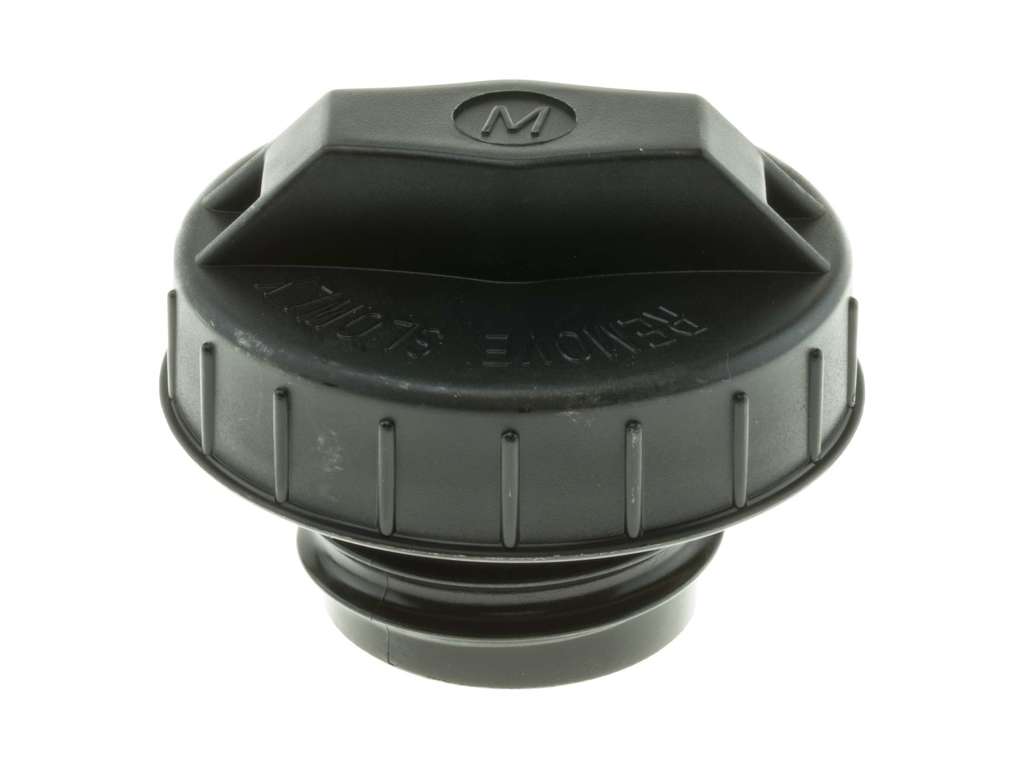
- Loose, Damaged, or Incorrect Gas Cap 🔴 High Probability → Shop Fuel Tank Cap
How to confirm: Check if the gas cap clicks when tightened. Inspect the cap and its rubber seal for cracks, brittleness, or damage. Ensure it is the correct type of cap for the vehicle. This is the most common cause for any P0440 code on any car.
Typical fix: Tighten the cap until it clicks several times. If the seal is damaged or the cap is incorrect, replace it. Clear the code and see if it returns.
Est. part cost: $15-$40 - Rusted or Cracked Fuel Filler Neck 🔴 High Probability → Shop Fuel Filler Neck The design of the third-generation Protege makes this area prone to trapping moisture and road salt, leading to significant corrosion over time. This is a well-documented weak point on this platform.
How to confirm: Visually inspect the entire length of the fuel filler neck for rust, flaking paint, or visible holes. This requires removing the driver's side rear wheel and plastic splash shield for a clear view. A smoke test will definitively show a leak from this area.
Typical fix: The rusted section of the filler neck must be replaced. 🎬 Watch: Step-by-step fuel filler neck replacement guide This is a common repair for this vehicle. Aftermarket parts from brands like Dorman are widely available.
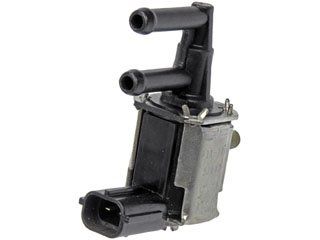
Est. part cost: $50-$150 - Faulty EVAP Purge Solenoid Valve 🟡 Medium Probability → Shop Vapor Canister
How to confirm: The purge valve is located in the engine bay. With the engine idling, you can sometimes hear or feel it clicking. A stuck-open valve creates a vacuum leak which can sometimes cause a slightly rough idle. It can be tested with a handheld vacuum pump or by applying 12V to see if it actuates. A faulty purge valve can also cause the engine to shake or stall when stopped.
Typical fix: Replace the purge solenoid valve.
Est. part cost: $60-$120 - Faulty Canister Vent Valve/Solenoid 🟡 Medium Probability → Shop Vapor Canister
How to confirm: The vent valve is located on or near the charcoal canister. On the Protege, the canister is often found in the spare tire well or just ahead of the driver's side rear wheel. It is normally open and should close when 12V is applied. If it's stuck open, it will cause a leak. If it's stuck closed, it can cause issues with filling the fuel tank.
Typical fix: Replace the canister vent valve.
Est. part cost: $230-$270 - Cracked or Disconnected EVAP Hoses ⚪ Low Probability Hoses become brittle with age and can crack or slip off their connections.
How to confirm: Visually inspect all accessible EVAP hoses, particularly those connected to the charcoal canister, purge valve, and fuel filler neck. A smoke test is the most effective way to find small cracks or leaks that are not obvious.
Typical fix: Replace the damaged section of hose and secure with clamps.
Est. part cost: $10-$30
Rare But Worth Checking
- Cracked Charcoal Canister: → Shop Vapor Canister The canister itself can develop cracks from road debris or age, creating a leak. This is usually found during a smoke test after other, more common components have been ruled out. Over-filling the gas tank can also saturate the canister with raw fuel, causing it to fail.
- Faulty Fuel Tank Pressure Sensor: → Shop Fuel Tank The system may be perfectly sealed, but if the sensor provides incorrect data to the ECU, it can falsely trigger a P0440 code.
Diagnosis Steps
- Check the Gas Cap: Ensure the gas cap is tight. Remove it and inspect the rubber O-ring for cracks or damage. If it looks worn, replace it. This is the simplest and most common fix. Clear the code and drive for a few days to see if it returns.
- Inspect the Fuel Filler Neck: This is a critical step for the Protege. Remove the driver's side rear wheel and the plastic inner fender liner to get a clear view of the metal fuel filler neck. Carefully inspect the entire pipe, especially around any mounting brackets, for heavy rust, flaking, or pinholes.
- Inspect the Purge Solenoid (Engine Bay): Locate the purge solenoid valve in the engine compartment, typically near the intake manifold. Check for any obvious cracks in the valve body or its connecting hoses. With the engine running, you can disconnect the hose leading from the canister and check for vacuum with your finger. There should be no vacuum at idle with the valve de-energized. If there is, the valve is stuck open.
- Inspect the Vent Valve (Rear of Car): Locate the charcoal canister, which is often in the spare tire well or just ahead of the driver's side rear wheel. The vent valve is mounted on or next to it. Check its electrical connector and hoses for damage. The valve should be open with the car off; you should be able to blow through it. 🎬 Watch: How to test and replace the vent valve
- Perform a Smoke Test: If the leak is not obvious from a visual inspection, the most effective way to find it is with an EVAP smoke machine. This involves injecting low-pressure smoke into the EVAP system (often through the purge valve line or a dedicated service port) and watching for where it escapes. This can reveal hidden leaks in hoses, the charcoal canister, the filler neck, or the fuel tank seals.
- Test Valve Functionality: If a smoke test reveals no leaks, the valves themselves may be malfunctioning electrically. Using a capable scan tool, you can command the purge and vent valves to open and close to test their function. Alternatively, they can be removed and bench-tested by applying 12-volt power and checking if they open/close and hold vacuum/pressure correctly.
Parts You'll Likely Need
- Fuel Filler Neck
(OEM #BL8M42210A (for 2001-2003 models))— This is the most common failure point specific to the 1999-2003 Protege, frequently rusting through and causing large EVAP leaks.
Trusted brands: Spectra Premium (e.g., FN522), Dorman (e.g., 577-288 for 2001-2003 models)
OEM price range: $150-$250
Aftermarket price range: $50-$150 - Gas Cap
(OEM #BJ0E-42-250B)— A worn or damaged gas cap seal is a very common cause for all EVAP codes on any vehicle.
Trusted brands: Mazda OE, Stant, Gates
OEM price range: $25-$40
Aftermarket price range: $15-$25 - Vapor Canister Purge Solenoid
(OEM #Z504-18-741A)— This valve, located in the engine bay, controls the flow of fuel vapors to the engine and can get stuck open or closed, causing a system fault. This part number is also used on other Mazdas of the era like the Miata and 626.
Trusted brands: Mazda OE, Dorman, Standard Motor Products
OEM price range: $120-$160
Aftermarket price range: $40-$90
Related Codes That Often Appear With This One
- P0455 — P0455 indicates a large EVAP leak. Since P0440 is a general EVAP malfunction, a large leak from a common cause like a rusted filler neck can trigger either code.
- P0171 — A System Too Lean code can be triggered if the EVAP purge valve is stuck open, creating a significant vacuum leak that the ECU cannot compensate for.
- P0442 — P0442 indicates a small EVAP leak. If the source of the leak is minor, like a small crack in a hose or a slightly degraded gas cap seal, it might be flagged as a small leak before being identified as a general system fault.
Platform-Specific Known Issues
- Fuel Filler Neck Rust: The third-generation Protege is well-documented in owner forums for severe rust issues on the fuel filler neck, leading to EVAP codes P0440 and P0455. The area is poorly protected from wheel spray, accelerating corrosion.
Mechanic-Grade Diagnostic Values
- EVAP Purge Solenoid (engine bay) coil resistance — expected: 30-38 Ohms. Failure: A reading significantly outside this range (e.g., open circuit or short) indicates a failed solenoid coil.
- EVAP Canister Vent Solenoid (near canister) coil resistance — expected: 48-65 Ohms. Failure: A reading outside this range indicates a failed solenoid coil.
- Fuel Tank Pressure (FTP) Sensor Signal Voltage — expected: 2.5V - 2.8V (Key On, Engine Off, at normal atmospheric pressure). Failure: Voltage stuck high (e.g., 5V) or low (e.g., <1V) regardless of actual tank pressure suggests a failed sensor or wiring issue.
Scan Tool Commands That Help
- Professional Scan Tool (e.g., Mazda WDS/IDS or equivalent): Output State Control (OSC) / Actuator Test — After a smoke test shows no leaks, use this function to command the purge and vent solenoids to open and close. This verifies electrical control and mechanical function of the valves without having to remove them for bench testing.
Wiring & Ground Locations
- Main Engine/Transmission Ground — A primary ground cable runs from the negative battery terminal to a bracket on top of the transmission (for manual transmission models).. A poor main ground can cause erratic behavior in various sensors and solenoids, including those in the EVAP system. Ensuring this connection is clean and tight is a fundamental electrical diagnostic step.
- Passenger Side Ground — There is a ground point on the passenger side motor mount.. This ground serves components on the passenger side of the engine bay. While less likely to be the sole cause for an EVAP code, it's part of the overall ground circuit integrity check.
- Engine Control Module (ECM/PCM) — The ECM is located behind the passenger side of the dashboard.. Knowing the ECM location is critical for advanced diagnostics, such as checking for voltage and continuity at the control module's connector pins for the FTP sensor, purge solenoid, and vent solenoid circuits.
OEM Part Supersession History
Z504-18-740, Z504-18-741→Z504-18-741A— Standard part revision and consolidation by the manufacturer.BL8M42210 (Mazda OE)→BL8M42210A (Mazda OE)— Part revision for the fuel filler neck.
Heads up: Aftermarket parts like Dorman 577-288 and Spectra Premium FN522 are listed as replacements for the later BL8M42210A part number, primarily for 2001-2003 models.
Model Year Variations Within This Range
- 1999-2000 vs 2001-2003: The standard engine was updated for the 2001 facelift, with the 1.8L FP-DE being replaced by the 2.0L FS-DE. While the EVAP system functions similarly, some part numbers for solenoids or hoses may differ between these engine platforms.
- 2001-2003: The commonly available aftermarket fuel filler neck (Dorman 577-288) is specified for 2001-2003 models, indicating a potential difference in the part for 1999-2000 models. Owners of earlier models should double-check part fitment.
Diagnostic Flowchart
Other Known Issues on This Vehicle
Issues unrelated to this code that are worth knowing about as an owner of this generation:
- Automatic Transmission Failure 🔴 High — Common across all 1999-2003 model years, particularly the 2000 and 2002 models. Symptoms include rough shifting, hesitation, getting stuck in gear, and complete failure.
- Leaking Valve Cover Gasket 🟠 Medium — Very common as the vehicle ages. The gasket becomes brittle from heat cycles and allows oil to leak externally and into the spark plug wells, which can cause misfires.
- Engine Mount Failure 🟠 Medium — The hydraulic engine mounts are prone to leaking and collapsing over time, leading to excessive engine vibration felt in the cabin, especially at idle.
- Variable Tumble Control System (VTCS) Screw Ingestion (2.0L FS-DE) 🔴 High — On the 2.0L engine, small screws holding the butterfly valves in the intake manifold can loosen and fall into the engine, causing catastrophic damage. This was a particular issue on the 2003 model.
- General Rust Issues 🔴 High — Beyond the fuel filler neck, these cars are known for significant rust in the rear quarter panels, rocker panels, and subframes, especially in regions that use road salt.
Used vs. New Parts: Buying Guide for This Vehicle
When a used part is the smart pick: A used fuel filler neck is an excellent, cost-effective choice, but ONLY if sourced from a vehicle in a dry, salt-free climate to avoid pre-existing rust issues. Other simple mechanical components like brackets or hoses can also be sourced used.
Donor-vehicle mileage cap: roughly under 150000 miles for the part to have meaningful remaining life.
What to inspect on the donor part:
- For a fuel filler neck, inspect the entire length for any bubbling paint, flaking, or surface rust, especially where mounting brackets are welded to the pipe.
- Check the gas cap sealing surface for pitting or corrosion.
- Ensure all hose connection nipples are intact and not cracked or brittle.
OEM-only on this vehicle (don't cheap out):
- No specific parts for this repair are considered 'OEM-only'; quality aftermarket replacements are widely available and effective.
Aftermarket brands forum-validated for this vehicle:
- Dorman (for fuel filler neck, purge/vent solenoids)
- Spectra Premium (for fuel filler neck)
- Standard Motor Products (for solenoids and sensors)
Brands owners have reported issues with on this vehicle:
- No specific brands have widespread negative reports for this particular repair, but ultra-low-cost, unbranded electronic parts from online marketplaces can have higher failure rates.
Real Owner Stories
Aggregated from forums and TSBs cited above. Mileages and costs reflect what owners reported in those sources.
1999-2003 Mazda Protege
Symptoms: Persistent P0440 code even after multiple smoke tests showed no visible leaks.
What fixed it: Replacing the purge valve resolved the issue.
Source hint: Reddit user mentioned in the article context
2002-2003 Mazda Protege5
Symptoms: P0442 (small leak) code present.
What fixed it: The issue was caused by rust on the gas tank where the fuel pump seals.
Source hint: Mazdas247 forums
1999-2003 Mazda Protege
Symptoms: Large EVAP leak (P0455) accompanied by stalling issues.
What fixed it: The purge valve was stuck open.
Source hint: ClubProtege.com
Related OBD-II Codes
Frequently Asked Questions
Why is the fuel filler neck such a common problem on the 1999-2003 Mazda Protege?
Where is the charcoal canister located on my Protege if I need to inspect the vent valve?
Can a faulty purge solenoid cause my Protege to idle poorly?
I'm having trouble filling my gas tank; the pump clicks off repeatedly. Is this related to P0440?
What specific part should I look for if I suspect the purge solenoid is the issue?
Do I need to remove anything to see the fuel filler neck rust?
Helpful Videos

![How to Fix P0440 Engine Code in 3 Minutes [2 DIY Methods / Only $4.73]](https://img.youtube.com/vi/-kSpB9clrrs/mqdefault.jpg)

We Have This Part in Stock


The information in this article is provided for general reference and educational purposes only. Vehicle specifications, procedures, and part compatibility can vary by production date, trim level, and region. Always consult your vehicle's factory service manual and verify part numbers before purchasing or performing repairs. Safety-critical components such as airbags, seat belts, and braking systems should be installed by a qualified professional.
- Mazda Protege:
- 🧭 Diagnostic Flowchart
- 🎬 Helpful Videos
- 🛍️ Shop This Part
- What's Unique About the 1999-2003 Mazda Protege
- Symptoms You May Notice
- Most Likely Causes
- Rare But Worth Checking
- Diagnosis Steps
- Parts You'll Likely Need
- Related Codes That Often Appear With This One
- Platform-Specific Known Issues
- Mechanic-Grade Diagnostic Values
- Scan Tool Commands That Help
- Wiring & Ground Locations
- OEM Part Supersession History
- Model Year Variations Within This Range
- Other Known Issues on This Vehicle
- Used vs. New Parts: Buying Guide for This Vehicle
- Real Owner Stories
- 1999-2003 Mazda Protege
- 2002-2003 Mazda Protege5
- 1999-2003 Mazda Protege
- Related OBD-II Codes
- Frequently Asked Questions
- 🎟️ Get 5% Off