

P0440 on 2000-2005 Mitsubishi Eclipse: EVAP System Malfunction Causes and Fixes
For a 2000-2005 Mitsubishi Eclipse, a P0440 code most often points to a loose or faulty gas cap. If that's not the issue, suspect the vapor canister purge solenoid or the EVAP vent solenoid. A new gas cap is under $20, while solenoids can range from $30 to $90 for aftermarket parts.
- Always check your gas cap first. Make sure it's tight and the seal is intact before buying any parts.
- The P0440 code is a general fault. If you also have a P0446 code, the problem is very likely the EVAP vent solenoid or its wiring.
- The vapor canister purge solenoid is in the engine bay, while the EVAP vent solenoid is at the rear of the car with the charcoal canister.
- A smoke test is the most reliable way to find a leak if the cause isn't immediately obvious.
What's Unique About the 2000-2005 Mitsubishi Eclipse
The third-generation Eclipse (2000-2005) shares its platform with the Mitsubishi Galant, Chrysler Sebring Coupe, and Dodge Stratus Coupe of the same era. While no specific TSB for the P0440 code on the Eclipse is widely documented, a TSB for the Galant (TSB-00-17-003) provided updated EVAP component diagrams, suggesting that technicians may have had difficulty locating parts on this shared platform. This code is often a general fault, and on this vehicle, it frequently precedes more specific EVAP codes like P0446 (Vent Control Circuit) if the issue is with the vent solenoid.
Symptoms You May Notice
- Check Engine Light is on
- A faint smell of fuel, especially around the gas cap area or in the cabin
- Vehicle will fail an emissions test
- Difficulty filling the fuel tank (nozzle clicks off prematurely) can occur if the vent solenoid is the cause.
- Replacing oxygen sensors or other unrelated emissions components before thoroughly checking the EVAP system for simple issues like a loose gas cap.
Most Likely Causes
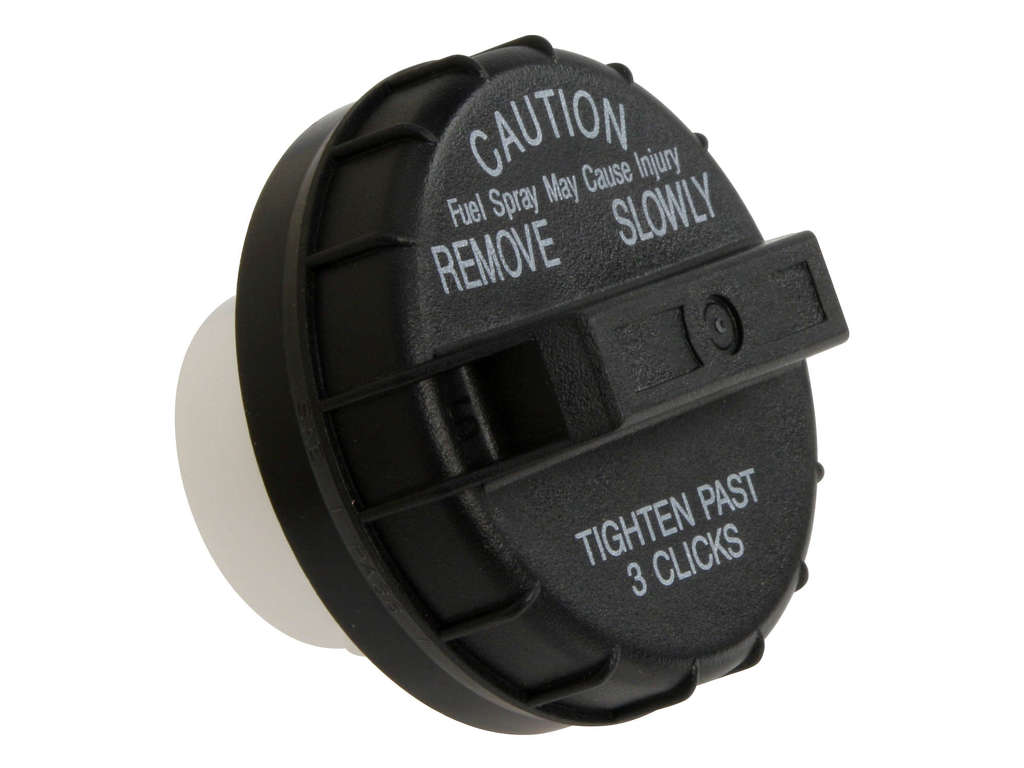
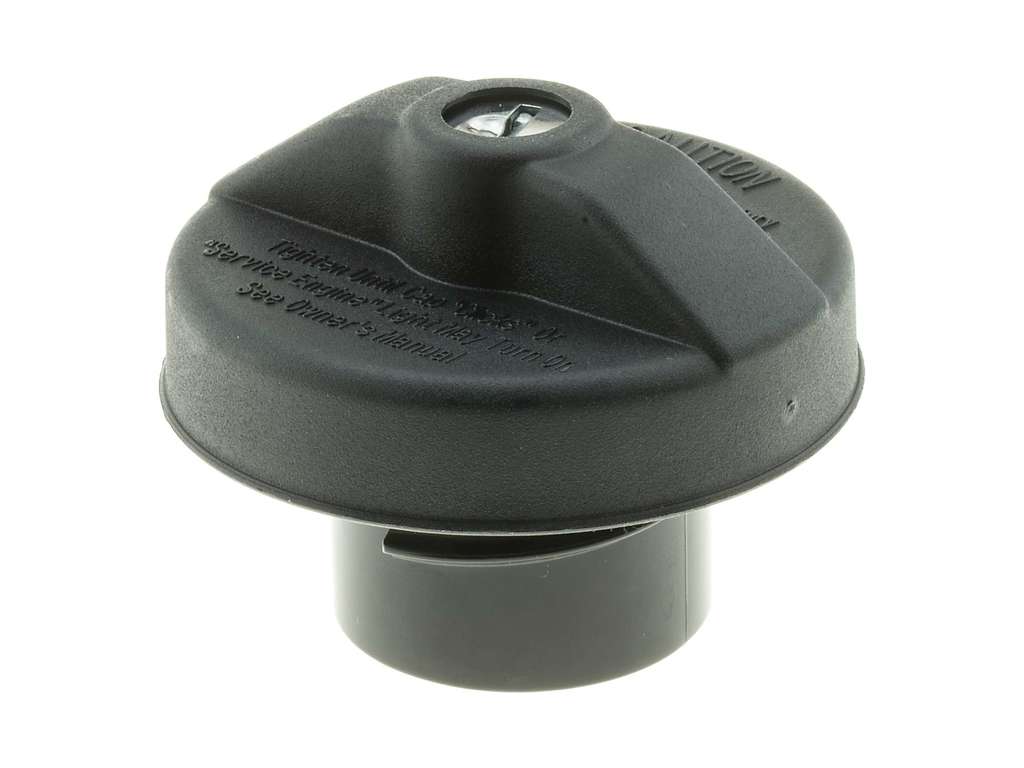
- Loose or Faulty Gas Cap 🔴 High Probability → Shop Fuel Tank Cap The gas cap is the most frequently handled part of the EVAP system, and its seal can degrade over time or it may not be tightened correctly after refueling. This is the most common cause for a P0440 code across most vehicles.
How to confirm: Check if the gas cap clicks at least once when tightened. Inspect the rubber O-ring on the cap for cracks, stiffness, or damage. A visual inspection is often sufficient.
Typical fix: Tighten the gas cap until it clicks. If the seal is damaged, replace the gas cap. After replacement, the code may take a few drive cycles to clear.
Est. part cost: $10-$25 - Failed Vapor Canister Purge Solenoid 🟡 Medium Probability → Shop Vapor Canister This solenoid is located in the engine bay and is subject to heat and vibration, which can lead to failure over time. It can get stuck open or closed, disrupting the system's ability to manage vapors.
How to confirm: With the engine running, you can sometimes feel for a clicking sound from the valve. A more definitive test involves applying 12V power to see if the solenoid audibly clicks open and closed. You can also use a hand-held vacuum pump to see if it holds vacuum when de-energized (it should be normally closed).
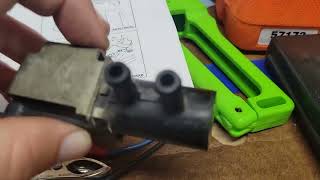
Typical fix: Replace the vapor canister purge solenoid. On the 3G Eclipse, it is typically located on the driver's side of the engine bay, making it relatively easy to access. 🎬 Watch: How to test the old and new purge valve
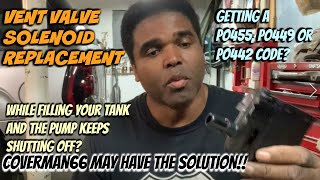
Est. part cost: $30-$80 - Failed EVAP Vent Solenoid 🟡 Medium Probability → Shop Vapor Canister Located under the rear of the vehicle near the charcoal canister, this solenoid is exposed to road debris and moisture, which can cause corrosion and failure. A failure of this part often triggers a more specific P0446 code, but can also present as a general P0440.
How to confirm: Listen for a click when the valve is commanded on and off with a scan tool. You can also test its resistance with a multimeter (a healthy solenoid should read between 17-21 ohms). Check for power at the connector (Pin 2 should have battery voltage with the ignition on).
Typical fix: Replace the EVAP vent solenoid, which is attached to the charcoal canister, located behind the driver's side rear wheel.
Est. part cost: $40-$90 - Cracked or Disconnected EVAP Hoses ⚪ Low Probability The rubber hoses in the EVAP system can become brittle and crack with age and exposure to the elements, particularly the hoses connected to the purge solenoid in the engine bay and around the charcoal canister.
How to confirm: Perform a visual inspection of all accessible EVAP hoses for cracks, holes, or loose connections. A smoke test is the most effective way to find small, hard-to-see leaks.
Typical fix: Replace the damaged section of hose.
Est. part cost: $5-$30
Rare But Worth Checking
- Cracked Charcoal Canister: → Shop Vapor Canister Overfilling the fuel tank can saturate the charcoal canister with liquid fuel, causing it to fail. Physical damage from road debris can also crack the canister housing, creating a leak.
- Faulty Fuel Tank Pressure Sensor: → Shop Fuel Tank While less common, the sensor that monitors EVAP system pressure can fail and send incorrect readings to the ECU, triggering a P0440 code when no leak is present.
- Leaking Fuel Filler Neck: → Shop Fuel Filler Neck The metal tube leading to the gas tank can rust and develop pinhole leaks over time, especially in regions that use road salt. This will prevent the system from sealing properly.
Diagnosis Steps
- Check the gas cap to ensure it is tight and the seal is in good condition. If in doubt, a new gas cap is an inexpensive first step. Clear the code and see if it returns after a few drive cycles.
- Visually inspect all accessible EVAP hoses in the engine bay and around the charcoal canister at the rear of the vehicle for any obvious cracks, damage, or disconnections.
- If you have a capable OBD-II scanner, command the EVAP vent and purge solenoids to activate and listen for an audible click from each.
- Locate the EVAP vent solenoid near the charcoal canister. Test its resistance with a multimeter (should be 17-21 ohms). Check for 12V power at its connector with the key on.
- Locate the purge solenoid in the engine bay. Test it for function by applying 12V and ground and listening for a click. Test if it holds vacuum when de-energized.
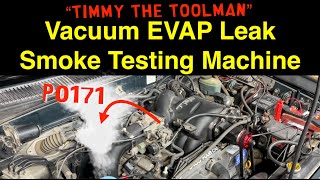
- If no issues are found with the solenoids or visible hoses, the most effective next step is to have a smoke test performed on the EVAP system. This will force smoke through the system and reveal the location of any leaks, 🎬 Watch: How to perform an EVAP smoke test including from the filler neck or fuel tank seals.
- If the smoke test reveals no leaks, further testing of the fuel tank pressure sensor may be required.
Parts You'll Likely Need
- Fuel Tank Cap
(OEM #1711A004)— This is the most common failure point due to frequent use and degradation of the seal over time.
Trusted brands: Gates, Stant, Motorad
OEM price range: $35-$50
Aftermarket price range: $10-$25 - Vapor Canister Purge Solenoid
(OEM #MR507781)— This solenoid cycles frequently and is located in the hot engine bay, leading to eventual failure.
Trusted brands: Standard Motor Products, Dorman, A-Premium
OEM price range: $70-$110
Aftermarket price range: $30-$80 - EVAP Vent Solenoid
(OEM #MR404963)— Its location under the car makes it susceptible to damage from moisture and road debris, a known issue for this platform.
Trusted brands: Standard Motor Products, Dorman
OEM price range: $60-$100
Aftermarket price range: $40-$90
Related Codes That Often Appear With This One
- P0442 — Indicates a small leak in the EVAP system. If the source of the P0440 fault is a small crack in a hose, this code may appear as well.
- P0455 — Indicates a large leak in the EVAP system. This can be triggered if the gas cap is missing entirely or if a major hose is disconnected.
- P0446 — Specifically points to a fault in the EVAP vent control circuit. On the 2000-2005 Eclipse, this is a very common related code and strongly suggests the vent solenoid or its wiring is the problem.
- P0441 — Indicates incorrect purge flow, often pointing directly to a faulty vapor canister purge solenoid that is stuck open or closed.
Technical Service Bulletins (TSBs) & Recalls
- TSB-00-17-003: While not directly for the Eclipse, this TSB for the related Mitsubishi Galant platform provided updated diagrams for EVAP component locations, indicating potential confusion in servicing the system.
Platform-Specific Known Issues
- Difficulty Locating EVAP Components: As evidenced by the TSB for the sister platform Galant (TSB-00-17-003), some owners and technicians have reported difficulty locating the EVAP components, particularly the vent solenoid and charcoal canister, as they are tucked away behind the driver's side rear wheel well liner.
Mechanic-Grade Diagnostic Values
- EVAP Vent Solenoid Coil Resistance — expected: 17 - 21 Ohms. Failure: An open circuit (infinite resistance) or a reading significantly outside this range indicates a failed solenoid coil.
- Vapor Canister Purge Solenoid Resistance — expected: 22 - 26 Ohms (at 68°F/20°C). Failure: A reading outside this specification indicates a faulty solenoid.
- Voltage at EVAP Vent Solenoid Connector (F-19) — expected: Approximately 12V (battery voltage) at Pin 2 with the ignition on.. Failure: No voltage suggests a problem with the power supply from the MFI relay or associated wiring.
Wiring & Ground Locations
- F-19 — The 2-pin electrical connector at the EVAP vent solenoid, located near the charcoal canister at the rear of the vehicle.. This is the primary test point for the vent solenoid circuit. Pin 2 is power from the MFI relay, and Pin 1 is the ground control wire to the ECM.
- B-109 (Pin 117) — The main engine control module (ECM) connector, located in the passenger side footwell area.. Pin 117 is the specific terminal for the EVAP vent solenoid ground control circuit. Checking continuity between F-19 (Pin 1) and this pin is the definitive test for a broken ground wire.
Real Owner Repair Stories
- Club3G.com forum user 'my2kGTeclipse' (2000 Mitsubishi Eclipse GT) — Persistent P0446 (EVAP Vent Solenoid Circuit Malfunction), which is often seen with or can cause a P0440.
❌ Tried (didn't work) Replacing the EVAP vent solenoid
✅ What actually fixed it The user tested the wiring and found 12V power at the solenoid connector, but discovered the ground wire was broken somewhere inside the harness between the solenoid and the front of the car. Repairing the broken wire resolved the code.
Diagnostic Flowchart
Other Known Issues on This Vehicle
Issues unrelated to this code that are worth knowing about as an owner of this generation:
- Automatic Transmission Failure (V6 Models) 🔴 High — A known weak point, particularly in 2000-2003 models, is the failure of an internal 'wave cushion spring' in the automatic transmission, which can lead to catastrophic failure requiring a full rebuild or replacement.
- Clear Coat / Paint Peeling 🟡 Low — Many 3G and 4G Eclipses, particularly in darker colors, suffer from premature peeling and failure of the factory clear coat, especially on the roof, hood, and spoiler. This is a cosmetic issue but is very common.
- Timing Belt Maintenance (Interference Engines) 🔴 High — Both the 2.4L 4G64 and 3.0L 6G72 are interference engines. Failure to replace the timing belt at the recommended 60,000-mile interval can lead to the belt snapping, causing catastrophic engine damage (bent valves).
- Oil Leaks from Valve Cover Gaskets 🟠 Medium — As the vehicles age, the valve cover gaskets on both the 4-cylinder and V6 engines are prone to hardening and leaking oil. This is a common maintenance item.
- Noisy Hydraulic Lash Adjusters (Lifters) 🟡 Low — The 6G72 V6 engine is known for developing a 'ticking' sound from the hydraulic lash adjusters (lifters), especially on cold starts. While often not detrimental to engine health, it is a common annoyance.
Used vs. New Parts: Buying Guide for This Vehicle
When a used part is the smart pick: For major structural components like the charcoal canister or fuel filler neck, a used part from a dry, salt-free climate can be a cost-effective option if the part is in excellent visual condition. Used solenoids are generally not recommended due to their low cost new and the difficulty in assessing their remaining lifespan.
Donor-vehicle mileage cap: roughly under 100000 miles for the part to have meaningful remaining life.
What to inspect on the donor part:
- For a charcoal canister, ensure there are no cracks in the plastic housing and all hose nipples are intact.
- For a fuel filler neck, inspect thoroughly for any signs of rust, pitting, or previous repairs. The area where the gas cap seals must be perfectly smooth.
- Check that all electrical connectors on used parts are free of corrosion and that the locking tabs are not broken.
OEM-only on this vehicle (don't cheap out):
- Fuel Tank Pressure Sensor (if needed) - Aftermarket sensors can have different voltage readings, potentially causing persistent codes.
Aftermarket brands forum-validated for this vehicle:
- Standard Motor Products (SMP) for solenoids and valves is a well-regarded brand often recommended in forums.
Brands owners have reported issues with on this vehicle:
- While Dorman is widely available, owner experiences can be mixed, with some reporting premature failure of rubber components or electrical parts. It's often considered a last resort if other brands are unavailable.
Real Owner Stories
Aggregated from forums and TSBs cited above. Mileages and costs reflect what owners reported in those sources.
2000-2005 Mitsubishi Eclipse
Symptoms: The owner noted that the P0446 code, which often accompanies or relates to P0440, was present.
What fixed it: Replacing the vent solenoid or repairing its specific wiring.
Source hint: Club3G.com forum discussions regarding third-generation Eclipse EVAP codes
1999-2003 Mitsubishi Galant (Platform Mate)
Symptoms: Technicians and owners reported difficulty even finding the EVAP components to begin the repair.
What fixed it: Using updated diagrams from TSB-00-17-003 to locate and service the vent solenoid and charcoal canister behind the rear wheel well liner.
Source hint: TSB-00-17-003
Related OBD-II Codes
Frequently Asked Questions
I'm having trouble finding the EVAP components on my 3G Eclipse; does TSB-00-17-003 apply to my car?
Is it true that the gas cap is usually the problem on the 3G Eclipse when P0440 or P0446 pops up?
Where is the purge solenoid located on the 2000-2005 Eclipse?
I'm having trouble filling my gas tank and the nozzle keeps clicking off; is this related to P0440?
Are there other Mitsubishi models that share these same EVAP issues?
How can I test if my Eclipse's vent solenoid is bad?
Helpful Videos
We Have This Part in Stock


The information in this article is provided for general reference and educational purposes only. Vehicle specifications, procedures, and part compatibility can vary by production date, trim level, and region. Always consult your vehicle's factory service manual and verify part numbers before purchasing or performing repairs. Safety-critical components such as airbags, seat belts, and braking systems should be installed by a qualified professional.
- Mitsubishi Eclipse:
- 🧭 Diagnostic Flowchart
- 🎬 Helpful Videos
- 🛍️ Shop This Part
- What's Unique About the 2000-2005 Mitsubishi Eclipse
- Symptoms You May Notice
- Most Likely Causes
- Rare But Worth Checking
- Diagnosis Steps
- Parts You'll Likely Need
- Related Codes That Often Appear With This One
- Technical Service Bulletins (TSBs) & Recalls
- Platform-Specific Known Issues
- Mechanic-Grade Diagnostic Values
- Wiring & Ground Locations
- Real Owner Repair Stories
- Other Known Issues on This Vehicle
- Used vs. New Parts: Buying Guide for This Vehicle
- Real Owner Stories
- 2000-2005 Mitsubishi Eclipse
- 1999-2003 Mitsubishi Galant (Platform Mate)
- Related OBD-II Codes
- Frequently Asked Questions
- 🎟️ Get 5% Off