

P0440 on 2014-2020 Nissan Rogue: EVAP System Malfunction Causes and Fixes
For a 2014-2020 Nissan Rogue, the P0440 code most often points to a loose or faulty gas cap. If tightening or replacing the gas cap (around $15-$40) doesn't fix it, the next most likely culprit is a failed EVAP canister purge valve in the engine bay or the EVAP vent control valve at the rear of the vehicle.
- Always check your gas cap first for code P0440. Make sure it's tight and the seal is in good condition. This is the simplest and most common fix.
- If the gas cap isn't the issue, the two most likely culprits are the EVAP purge valve (in the engine bay) or the EVAP vent valve (on the canister at the rear).
- This code will not stop you from driving the car, but you won't be able to pass an emissions inspection until it's resolved.
- A smoke test is the most reliable way to find a leak if the cause isn't an obvious component failure or a bad gas cap.
What's Unique About the 2014-2020 Nissan Rogue
On the second-generation Nissan Rogue (2014-2020), the EVAP system components are relatively straightforward to access. The purge valve is located in the engine bay on the top front side of the intake manifold, while the vent valve is near the charcoal canister at the rear of the vehicle. While no specific TSB for P0440 was found for this model, a broader Nissan TSB for similar EVAP codes (P0442, P0455, P0456), NTB13-097J, points towards the fuel cap and EVAP vent control valve being common failure points across many models from this era, which is useful diagnostic context for Rogue owners. Additionally, TSB NTB17-082E specifically addresses a P0456 code caused by a leaking vent control valve O-ring, further highlighting this component as a weak point.
Symptoms You May Notice
- Check Engine Light is on
- A faint fuel smell may be noticeable around the vehicle, particularly near the rear.
- Possible slight decrease in fuel economy.
- Difficulty starting the engine immediately after refueling (if the purge valve is stuck open).
- Replacing the charcoal canister when only the much cheaper vent control valve attached to it has failed.
- Replacing multiple EVAP components without first checking for a loose or faulty gas cap.
- Using a cheap, aftermarket gas cap that does not seal correctly, causing the code to return.
Most Likely Causes
- Loose or Faulty Gas Cap 🔴 High Probability → Shop Fuel Tank Cap The gas cap seal is a simple rubber O-ring that can dry out, crack, or get dirty over time, preventing a proper seal. This is the most common and cheapest-to-fix cause for any EVAP-related code.
How to confirm: Remove the gas cap and inspect the rubber seal for any cracks, stiffness, or debris. Ensure it clicks at least once when tightened. If the seal is damaged or the cap is suspect, replacement is the easiest and cheapest first step. Many forums recommend using an OEM cap, as aftermarket ones can sometimes fail to seal properly.
Typical fix: Tighten the cap until it clicks. If the code returns or the cap seal is visibly damaged, replace the gas cap with a genuine OEM part.
Est. part cost: $15-$40 - Faulty EVAP Canister Purge Valve/Solenoid 🟡 Medium Probability → Shop Vapor Canister
How to confirm: The purge valve is located in the engine bay, mounted near the intake manifold. It should be normally closed when the engine is off. You can test it by applying 12V power to its terminals to see if it clicks open. Alternatively, with the engine running, you can disconnect the vacuum line to feel for suction; if there's constant suction at idle, the valve is stuck open and is faulty.
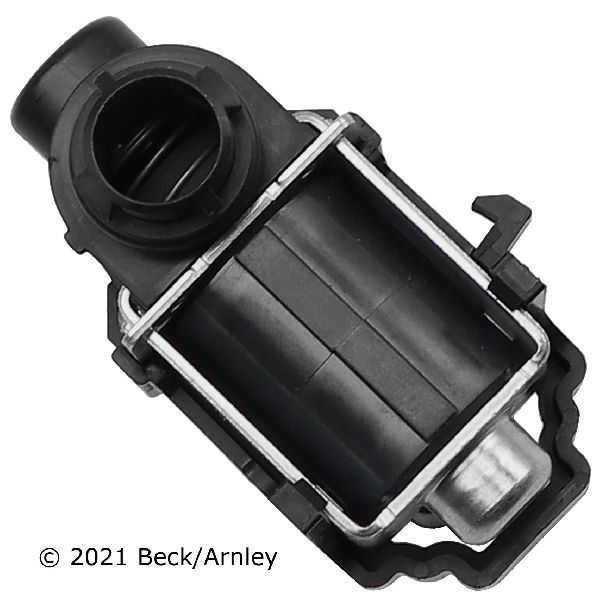
Typical fix: Replace the EVAP canister purge valve. It is typically held in place by one or two 10mm bolts and has two hose connections and an electrical connector. 🎬 Watch: How to replace the engine bay purge valve.
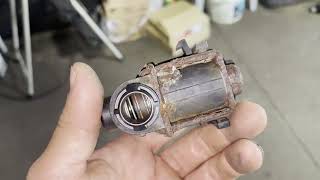
Est. part cost: $50-$170 - Faulty EVAP Vent Control Valve/Solenoid 🟡 Medium Probability → Shop Vapor Canister This valve is located at the rear of the vehicle on the charcoal canister and is exposed to road debris and moisture, which can cause it to fail or get stuck. A broader Nissan TSB for EVAP leaks (NTB13-097J) and a specific one for the O-ring (NTB17-082E) highlight this as a common failure point.
How to confirm: Locate the valve on the EVAP canister near the fuel tank on the passenger side. It can be tested with a capable scan tool that can command it to open and close. You should hear an audible click. If it doesn't respond or is stuck, it needs replacement. Visually inspect the O-ring for damage.
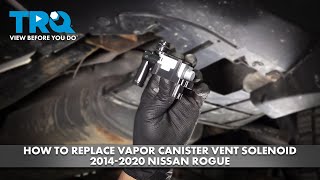
Typical fix: Replace the vent control valve. This involves removing a plastic shield, disconnecting a hose and electrical connector, and then twisting the valve to release it from the canister. 🎬 See this walkthrough for replacing the vent control valve.
Est. part cost: $60-$120 - Cracked or Disconnected EVAP Hoses ⚪ Low Probability
How to confirm: Visually inspect all accessible EVAP lines running from the engine bay to the fuel tank area for any obvious cracks, brittleness, or loose connections. The most definitive way to find a small leak is with a professional smoke test, which forces smoke into the EVAP system to reveal the source of the leak.
Typical fix: Replace the cracked section of hose or reconnect any loose fittings. A smoke test is often required to find the exact location of the leak.
Est. part cost: $10-$50 for a hose section
Rare But Worth Checking
- Cracked Charcoal Canister: → Shop Vapor Canister The canister itself can develop a crack, usually from road debris impact or physical damage. This is less common than valve failure but will cause a persistent leak code. A smoke test is the best way to confirm a cracked canister.
- Faulty Fuel Tank Pressure Sensor: → Shop Fuel Tank The sensor that monitors pressure in the system can fail and send incorrect data to the ECM, falsely triggering the P0440 code even if there is no leak. This often requires a more advanced scan tool to diagnose by observing live data.
Diagnosis Steps
- Read the code with an OBD-II scanner to confirm P0440 is present.
- Inspect the gas cap. Ensure it is tight and clicks. Check the rubber seal for cracks or damage. If in doubt, replace it with an OEM cap, clear the codes, and drive for a few days.
- If the code returns, perform a thorough visual inspection of all visible EVAP hoses and lines in the engine bay and under the vehicle, near the fuel tank.
- Locate and test the EVAP canister purge valve in the engine bay. Check for clicking when 12V is applied and ensure it's not stuck open.
- Locate and test the EVAP vent control valve on the charcoal canister at the rear of the vehicle. Use a scan tool to command it on and off, listening for a click. A video of the replacement process shows its location and removal.
- If all components test good and no visible leaks are found, the most effective next step is to have a smoke test 🎬 Watch: A professional mechanic's guide to diagnosing EVAP leaks. performed on the EVAP system to pinpoint the exact location of the leak.
Parts You'll Likely Need
- Fuel Filler Cap
(OEM #17251-4BA0B)— This is the most common failure point for any EVAP code due to the seal wearing out over time.
Trusted brands: Nissan (OEM), Stant, Motorad
OEM price range: $30-$45
Aftermarket price range: $15-$25 - EVAP Canister Purge Valve
(OEM #14930-JA10D)— This valve cycles frequently and can get stuck open or closed, causing a system malfunction. It is a common failure item.
Trusted brands: Nissan (OEM), Dorman (PV654), Hitachi, Bosch
OEM price range: $150-$170
Aftermarket price range: $50-$100 - EVAP Canister Vent Control Valve
(OEM #14935-JF02C)— Located at the rear of the vehicle, this valve is prone to failure from dirt and moisture, preventing the system from sealing for its self-test.
Trusted brands: Nissan (OEM), Dorman, SKP
OEM price range: $60-$90
Aftermarket price range: $40-$70
Related Codes That Often Appear With This One
- P0455 — P0455 indicates a 'Gross Leak Detected.' If the malfunction causing P0440 is a large leak (like a completely missing gas cap or a disconnected hose), P0455 may appear alongside it.
- P0456 — P0456 indicates a 'Very Small Leak.' Sometimes, a borderline fault in a component like a vent valve O-ring can trigger both a general malfunction code (P0440) and a specific leak size code.
Technical Service Bulletins (TSBs) & Recalls
- NTB13-097J: While not for P0440 specifically, this TSB for other EVAP leak codes (P0442, P0455, P0456) on 2012+ Nissan models identifies the fuel cap and EVAP vent control valve as primary diagnostic checks, which is relevant context.
- NTB17-082E: This TSB directly addresses DTC P0456 (Very Small Leak) being caused by a leak at the EVAP vent control valve O-ring on various Nissan models, including the Rogue. This corroborates that the vent valve is a known weak point.
Platform-Specific Known Issues
- Vent Valve Failure is Common: A user on the NICOclub forums provided a detailed step-by-step guide with photos for replacing the vent control valve on a Rogue to fix a P0455 code, noting that the replacement part had an updated design, suggesting Nissan was aware of a flaw in the original. This is a very common repair for this platform.
- Aftermarket Gas Caps Can Be Problematic: → Shop Fuel Tank Cap Multiple forum threads and mechanic videos emphasize the importance of using a genuine Nissan (OEM) gas cap for replacement. Aftermarket caps are frequently reported to have sealing issues that cause EVAP codes to persist or return shortly after replacement.
Mechanic-Grade Diagnostic Values
- EVAP Purge or Vent Solenoid Coil Resistance — expected: 12 - 15 Ω (general specification). Failure: A reading significantly outside this range suggests a faulty coil in the solenoid.
- Fuel Tank Pressure (FTP) Sensor Voltage (Key On, Engine Off) — expected: 1.3V - 1.7V (Ideal is ~1.5V). Failure: A reading stuck low (near 0.3V) can indicate a wiring issue or leak, while a reading stuck high (near 5.0V) even with the gas cap off can indicate a faulty sensor.
Scan Tool Commands That Help
- Nissan CONSULT or capable bidirectional scanner: EVAP System Leak Test / Vent Valve Control — This function is used to command the EVAP vent valve closed, sealing the system. This is a required step before performing a smoke test to ensure the system is properly sealed for an accurate leak diagnosis.
- Nissan CONSULT or capable bidirectional scanner: Purge Volume Control Valve Test — This allows the technician to command the purge valve open and closed to listen for an audible click and verify its mechanical operation without having to remove it from the vehicle.
Wiring & Ground Locations
- Ground Point E21 — Located in the left (driver's side) front of the engine compartment.. A poor or corroded ground at this location can cause erratic behavior or failure of EVAP system components that rely on it for a complete electrical circuit.
- Fuse #37 (in IPDM E/R) — Located in the Intelligent Power Distribution Module Engine Room (the main fuse/relay box in the engine compartment).. This fuse provides power to the EVAP vent control valve. A short in the circuit can blow this fuse, causing a vent valve circuit malfunction and preventing the EVAP system from sealing.
- Wiring Harness Chafe Point — The engine wiring harness where it runs along the back side of the valve cover.. On some 2017 Rogues, this harness can rub through on a sharp edge of the valve cover, potentially shorting the wire for the EVAP vent valve to ground and blowing Fuse #37.
Real Owner Repair Stories
- YouTube user 'Check Engine Light' (Car with a persistent P0440 code (model not specified, but procedure is relevant).) — Persistent P0440 Check Engine Light.
❌ Tried (didn't work) Replaced gas cap, Inspected engine bay hoses, Replaced various electronic EVAP components from a salvage yard
✅ What actually fixed it The final cause was a cracked fuel tank vent valve, which is a component attached directly to the top of the fuel tank itself. The owner had to drop the gas tank to access and replace this part, after which the code was resolved after driving about 400 miles. - NHTSA ODI #10212046 — An owner of a Nissan vehicle reported a P0440 code and a fuel smell near the left rear side of the vehicle, specifically near the fuel cap area. The report notes an inquiry regarding a faulty fuel fill tube, which may provide additional context for persistent leaks in the filler neck area.
"I Checked Everything" — The Actual Cause
- A faulty Fuel Tank Pressure (FTP) sensor can send incorrect readings to the computer, making it believe there is a leak when the system is perfectly sealed. The computer triggers P0440 based on this bad data, not an actual leak that a smoke test would find.
- A crack in the fuel tank's own vent valve assembly, a part physically on the gas tank, can be the culprit. This is often missed as it requires dropping the tank to inspect and is separate from the more commonly checked charcoal canister and its associated vent solenoid.
OEM Part Supersession History
14935-JF00A→14935-JF02C— Part has been revised multiple times by Nissan. The letter at the end of the part number (e.g., JF00A, JF00B, JF00C) indicates a revision. 14935-JF02C is one of the latest compatible versions.
Heads up: All versions from 14935-JF00A through 14935-JF02C are reported to be physically and functionally compatible for this application.
Diagnostic Flowchart
Other Known Issues on This Vehicle
Issues unrelated to this code that are worth knowing about as an owner of this generation:
- CVT Transmission Failure/Shudder 🔴 High — Very common. Can occur at various mileages, often starting as shuddering or hesitation during acceleration. Overheating is a primary cause. (Ref: Nissan extended the warranty on some CVTs and issued multiple TSBs, such as NTB15-087a for valve body replacement on some model years.)
- Automatic Emergency Braking (AEB) Phantom Activation 🔴 High — Widespread enough to trigger a NHTSA investigation, primarily affecting 2017-2018 models but reported on others. The vehicle may brake suddenly and aggressively with no obstacle present. (Ref: Nissan issued service campaigns and software updates to address the issue, but no full recall was mandated. NHTSA has received over 1,400 complaints.)
- Clogged Sunroof Drains Causing Interior Water Leaks 🟠 Medium — Common problem, especially for vehicles parked outdoors under trees. Leads to water staining on the headliner and A-pillars, and wet carpets. (Ref: A known issue, with TSB NTB21-084 issued for the 2021 model, but the problem is well-documented on 2014-2020 models. The fix involves clearing small drain tubes that run down the A-pillars.)
- Poor Interior Heating at Idle 🟡 Low — A frequent complaint where the heater blows warm air while driving but cools down when the vehicle is stopped. Often caused by air pockets in the cooling system. (Ref: No specific TSB, but the common fix is a thorough coolant system bleed procedure.)
- Loose or Disconnected Air Intake Duct 🟡 Low — Can cause whistling or hissing noises during acceleration and potentially a check engine light. (Ref: TSB NTB20-043a addresses a missing or improperly installed retention clip on the air duct assembly.)
Used vs. New Parts: Buying Guide for This Vehicle
When a used part is the smart pick: A used charcoal canister can be a cost-effective option, as they are durable components that don't typically fail unless physically damaged or saturated with fuel.
Donor-vehicle mileage cap: roughly under 100000 miles for the part to have meaningful remaining life.
What to inspect on the donor part:
- For a charcoal canister, inspect the plastic housing thoroughly for any cracks or signs of impact.
- Ensure all hose connection nipples and electrical ports on the canister are intact and not brittle or broken.
- Gently shake the canister; significant rattling of the internal charcoal media is a bad sign.
- Ask the seller if the donor vehicle was in an accident; avoid parts from vehicles with rear-end damage.
OEM-only on this vehicle (don't cheap out):
- Fuel Filler Cap: Aftermarket gas caps are a very common reason for persistent EVAP codes on Nissans. It is strongly recommended to use a genuine OEM Nissan cap to ensure a proper seal.
Aftermarket brands forum-validated for this vehicle:
- Standard Motor Products (SMP): Often cited in forums as a reliable alternative to OEM for electronic parts like EVAP valves.
- Dorman: A widely available aftermarket option. While some have reported issues with Dorman electrical parts, their EVAP valves are commonly used, and the lifetime warranty offered by many retailers is a major benefit.
Brands owners have reported issues with on this vehicle:
- Unbranded/white-box gas caps from online marketplaces should be avoided, as their sealing performance is highly inconsistent.
Real Owner Stories
Aggregated from forums and TSBs cited above. Mileages and costs reflect what owners reported in those sources.
2014-2020 Nissan Rogue
Symptoms: The owner noted a P0455 code and identified that the vent control valve was a common failure point on this platform.
What fixed it: Replaced the vent control valve with an updated design part. The process involved removing a plastic shield, disconnecting a hose and electrical connector, and twisting the valve to release it from the canister.
Source hint: NICOclub Forums - 'Vent Control Valve Replacement Step-by-Step' - URL: https://forums.nicoclub.com/vent-control-valve-replacement-step-by-step-t513933.html
2014-2020 Nissan Rogue
Symptoms: The owner experienced a recurring P0440 code and sought the best plan for a safe repair when the cause wasn't immediately obvious.
What fixed it: Discussion confirmed P0440 is a general EVAP fault and suggested checking common failure points like the gas cap and valves.
Source hint: Reddit r/MechanicAdvice - 'Check engine code p0440 - best plan for this?' - URL: https://www.reddit.com/r/MechanicAdvice/comments/1b017b9/check_engine_code_p0440_best_plan_for_this_safe/
2014-2020 Nissan Rogue
Symptoms: The owner dealt with a recurring P0440 code that persisted after basic checks.
What fixed it: The consensus among owners was the necessity of a smoke test to pinpoint the exact location of the leak when the gas cap is not the culprit.
Source hint: Reddit r/AskMechanics - 'Recurring P0440 Code' - URL: https://www.reddit.com/r/AskMechanics/comments/elx2v4/recurring_p0440_code/
Related OBD-II Codes
Frequently Asked Questions
Does TSB NTB17-082E apply to my Nissan Rogue if I have an EVAP leak code?
Can I use an aftermarket gas cap to fix the P0440 code on my 2014-2020 Rogue?
Where is the EVAP canister purge valve located on the 2014-2020 Rogue?
Why is the vent control valve so prone to failure on this specific vehicle?
Is there a specific TSB for the Rogue regarding the fuel cap and vent valve?
What should I do if replacing the gas cap doesn't clear my P0440 code?
Helpful Videos
Used OEM Parts in Stock
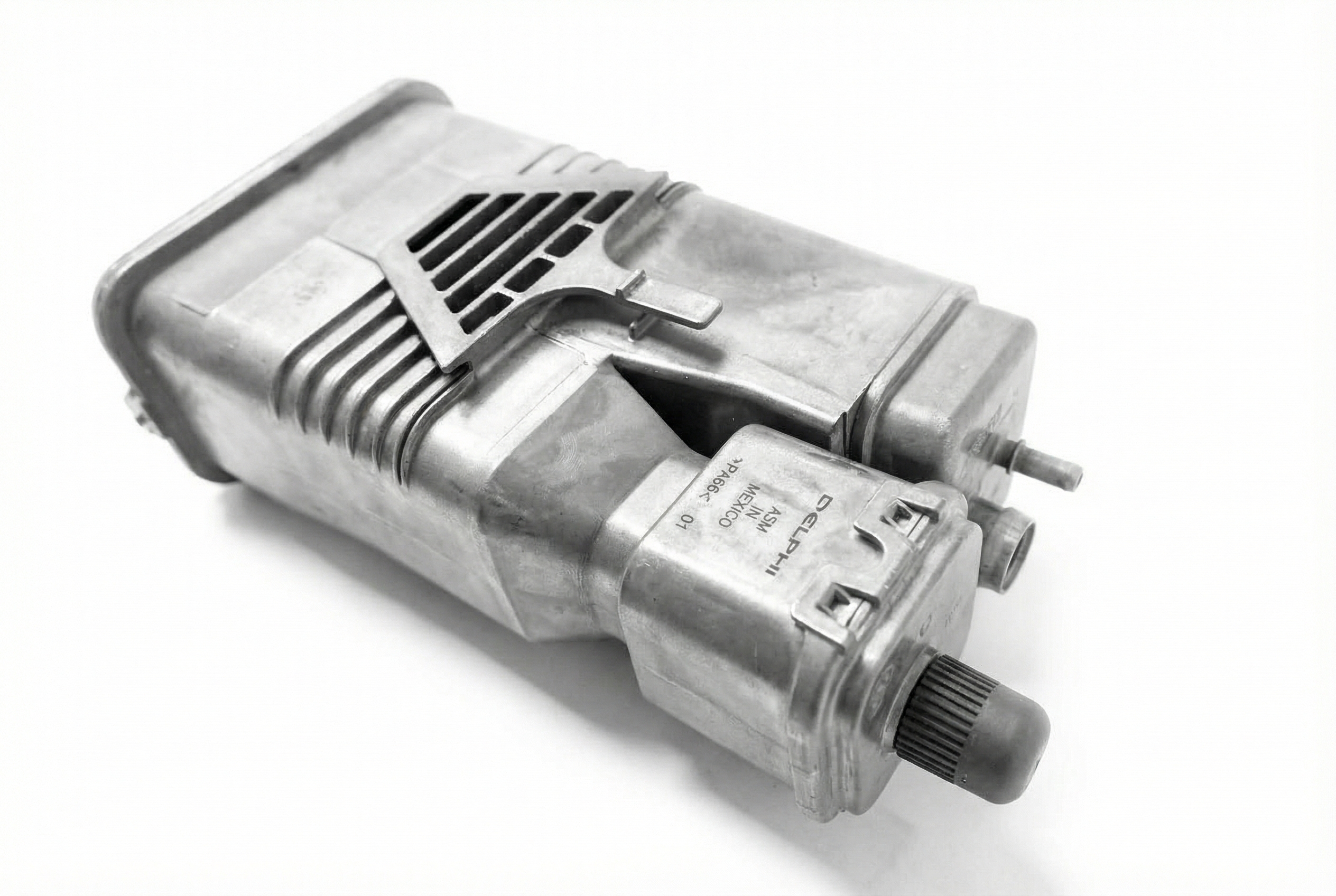
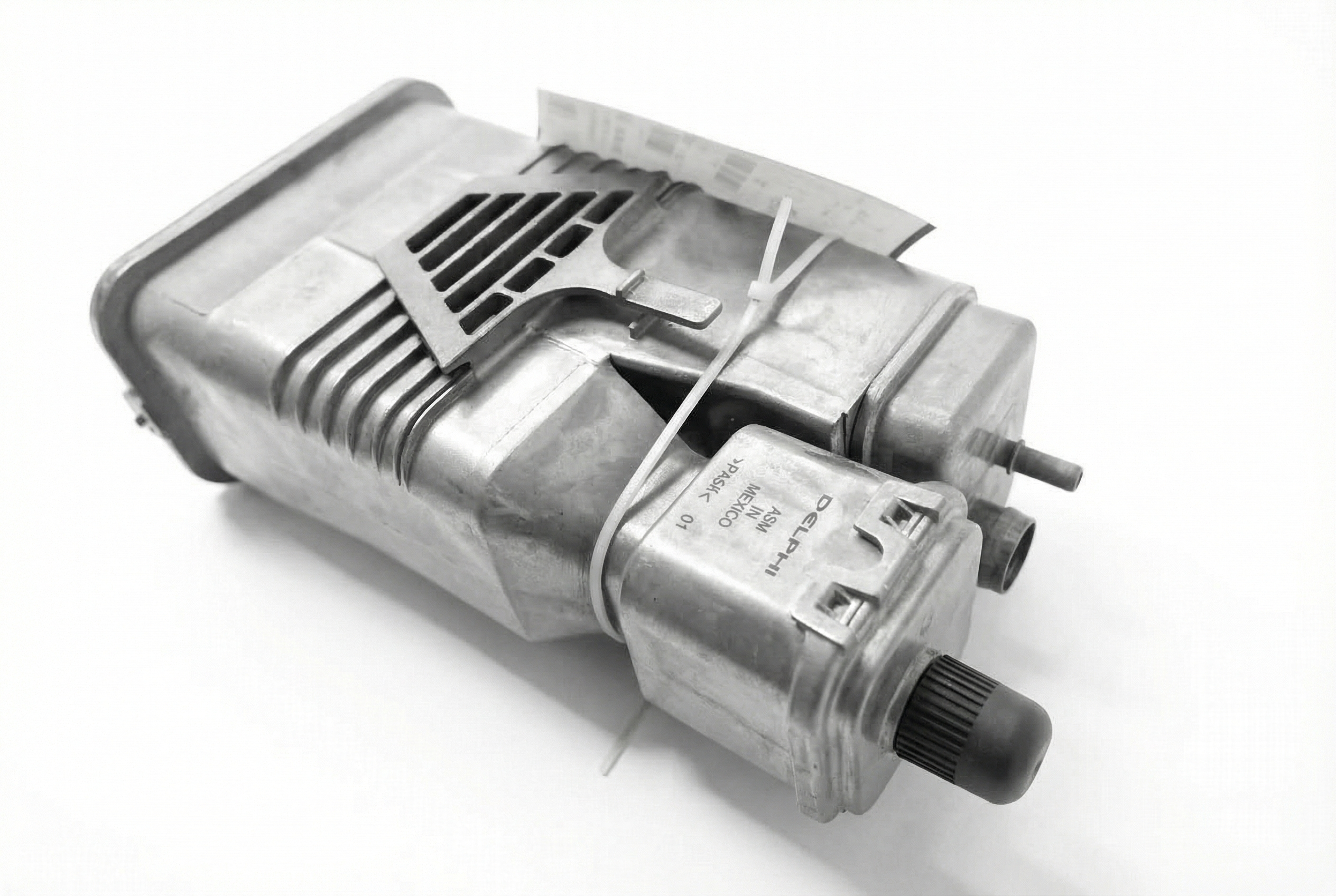
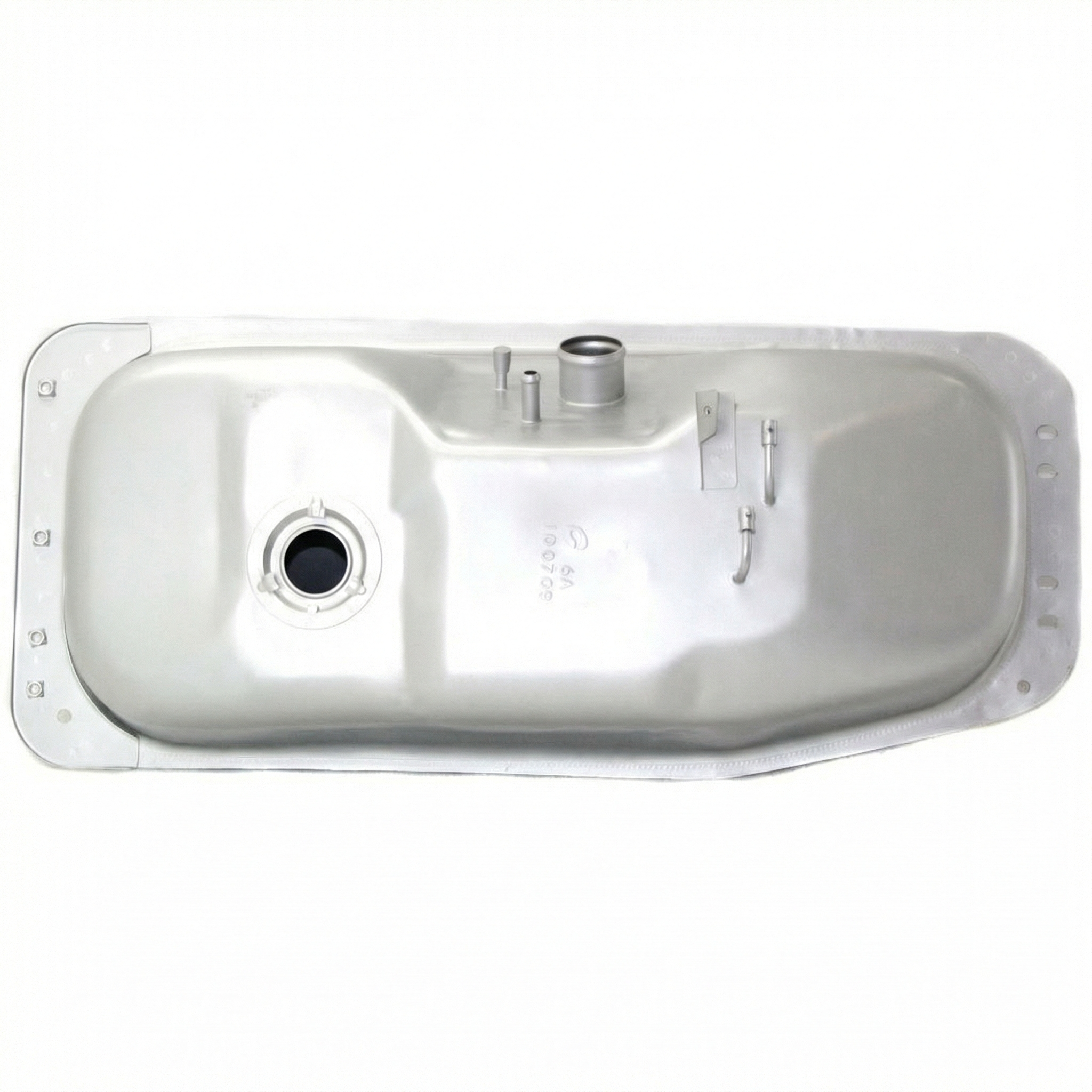
New Aftermarket Parts Available


The information in this article is provided for general reference and educational purposes only. Vehicle specifications, procedures, and part compatibility can vary by production date, trim level, and region. Always consult your vehicle's factory service manual and verify part numbers before purchasing or performing repairs. Safety-critical components such as airbags, seat belts, and braking systems should be installed by a qualified professional.
- Nissan Rogue:
- 🧭 Diagnostic Flowchart
- 🎬 Helpful Videos
- 🛍️ Shop This Part
- What's Unique About the 2014-2020 Nissan Rogue
- Symptoms You May Notice
- Most Likely Causes
- Rare But Worth Checking
- Diagnosis Steps
- Parts You'll Likely Need
- Related Codes That Often Appear With This One
- Technical Service Bulletins (TSBs) & Recalls
- Platform-Specific Known Issues
- Mechanic-Grade Diagnostic Values
- Scan Tool Commands That Help
- Wiring & Ground Locations
- Real Owner Repair Stories
- "I Checked Everything" — The Actual Cause
- OEM Part Supersession History
- Other Known Issues on This Vehicle
- Used vs. New Parts: Buying Guide for This Vehicle
- Real Owner Stories
- 2014-2020 Nissan Rogue
- 2014-2020 Nissan Rogue
- 2014-2020 Nissan Rogue
- Related OBD-II Codes
- Frequently Asked Questions
- 🎟️ Get 5% Off