

P0440 on 2013-2019 Nissan Sentra: EVAP System Malfunction Causes and Fixes
P0440 on a 2013-2019 Nissan Sentra indicates a general fault in the evaporative emissions (EVAP) system. The most common and simple first step is to tighten or replace a worn gas cap. If that doesn't resolve the issue, the next most likely culprits are the EVAP canister purge valve located in the engine bay or the vent control valve near the fuel tank.
- P0440 means your Sentra's emissions system has a general fault; it is safe to drive but needs fixing to pass inspection.
- Always start with the simplest fix: check that your gas cap is tight. If the light comes back, a new OEM gas cap is the best next step.
- If the gas cap isn't the issue, the EVAP purge valve (in the engine bay) or the vent valve (at the rear) are the next most likely culprits.
- Do not overfill your fuel tank. Stop fueling when the pump clicks off the first time to avoid damaging the charcoal canister.
- For leaks that aren't obvious, a professional smoke test is the fastest and most accurate way to find the problem.
What's Unique About the 2013-2019 Nissan Sentra
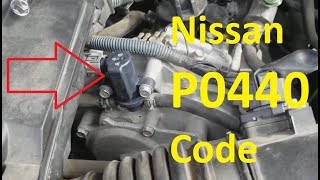
For the 2013-2019 (B17 generation) Nissan Sentra, the P0440 code follows the standard diagnostic path for most modern vehicles. 🎬 Watch: Overview of Nissan P0440 causes and common fixes. There are no major design flaws that make this model uniquely susceptible to this code. However, owner experiences suggest that like many cars, the gas cap and purge valve are frequent points of failure. Overfilling the fuel tank past the first click of the pump nozzle is a known way to saturate the charcoal canister with liquid fuel, which can damage EVAP components and cause this code on Nissans. Some forum users also report that rust on the fuel filler neck can prevent a good seal, even with a new gas cap. A notable issue on this platform is the potential for water to collect in the EVAP canister area, which can short out the vent control valve, a problem detailed in a TSB for the related P0448 code.
Symptoms You May Notice
- Check Engine Light is on.
- A faint smell of fuel, especially around the rear of the car or near the gas cap.
- Vehicle will not pass an emissions inspection.
- A whooshing sound of air when removing the gas cap, which can sometimes indicate the system is holding a vacuum but may also point to a venting issue.
- Replacing the oxygen sensors. O2 sensors are not related to the EVAP system.
- Replacing the catalytic converter. This is an expensive and incorrect repair for a P0440 code.
- Replacing the Mass Air Flow (MAF) sensor. While MAF sensor issues are common on this Sentra generation, they typically set codes like P0101 and are unrelated to the EVAP system.
Most Likely Causes
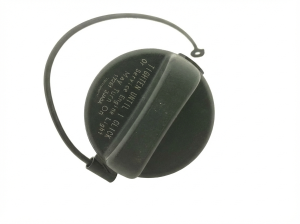
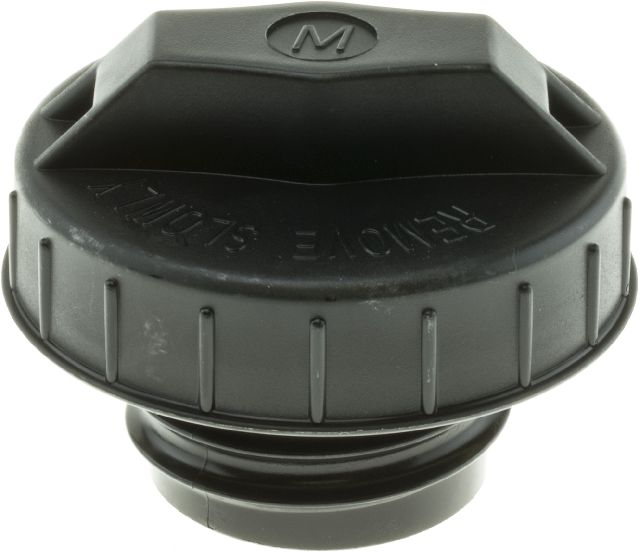
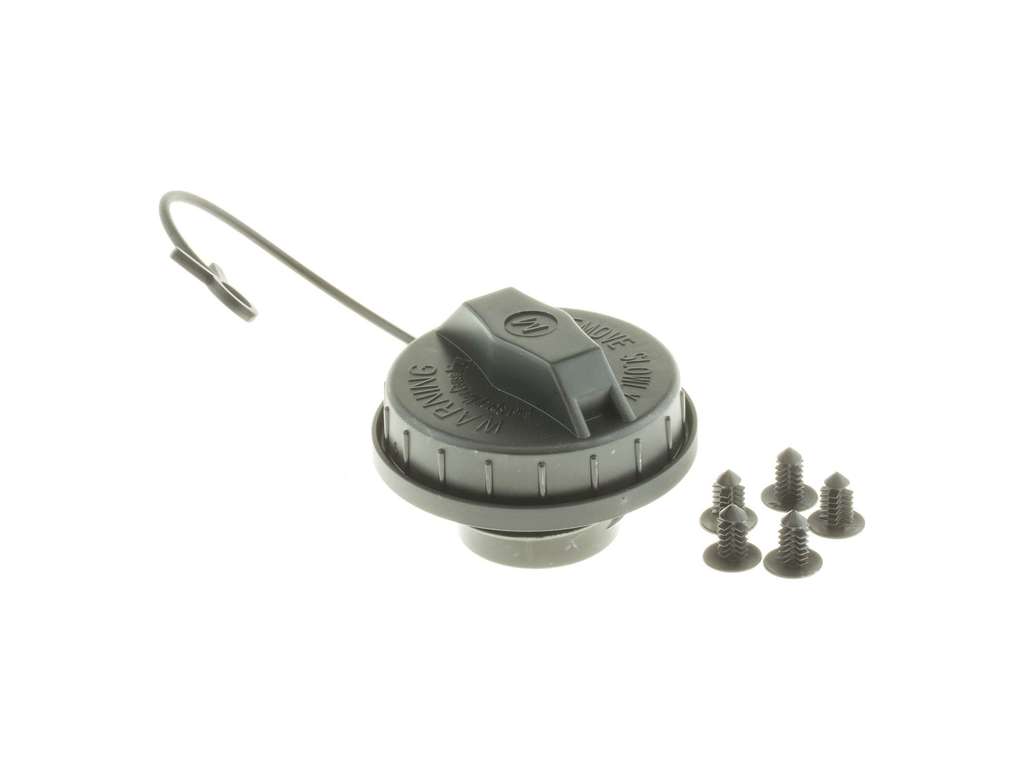
- Loose or Faulty Gas Cap 🔴 High Probability → Shop Fuel Tank Cap The gas cap's rubber O-ring seal can dry out, crack, or become hard over time, preventing a proper seal. This is the most common and inexpensive cause for any EVAP code.
How to confirm: First, ensure the cap is tightened until it clicks at least once. If the light returns, visually inspect the rubber seal on the cap for any cracks, tears, or signs of hardening. Also, check the fuel filler neck for rust or debris that could prevent a good seal.
Typical fix: Replace the gas cap. It is highly recommended to use an OEM (Original Equipment Manufacturer) cap from Nissan, as some aftermarket caps are known to cause sealing issues.
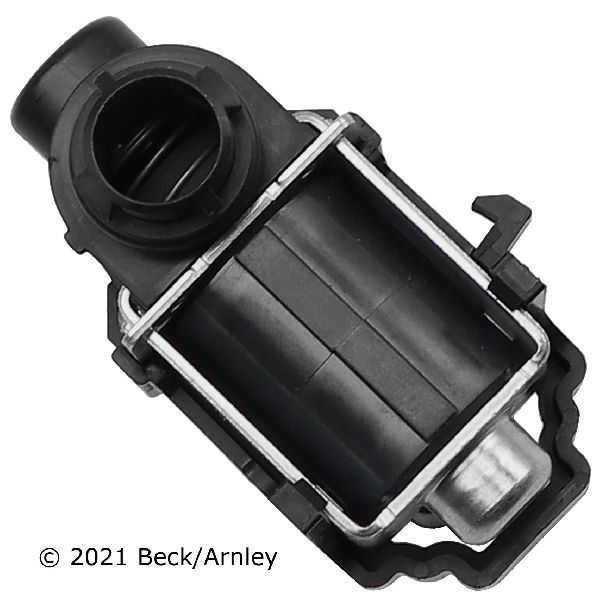
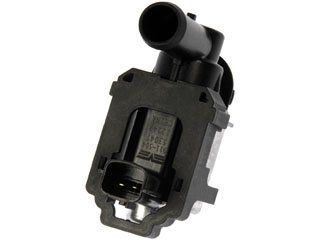
Est. part cost: $15-$40 - Faulty EVAP Canister Purge Valve 🟡 Medium Probability → Shop Vapor Canister This solenoid valve, located in the engine bay, can get stuck open or closed due to age or carbon buildup. It's a common failure point in many modern EVAP systems.
How to confirm: The purge valve is located in the engine bay, typically mounted on or near the intake manifold. With the engine running at idle, you can disconnect the hose from the valve and feel for suction; there should be none. A more definitive test involves applying 12V power to the valve's electrical connector to see if it clicks open and closed. A capable scan tool can also command the valve to cycle for testing.
Typical fix: Replace the EVAP canister purge valve. This is typically held in place by one or two 10mm bolts and is relatively easy to access.
Est. part cost: $50-$120 - Faulty EVAP Vent Control Valve (Vent Solenoid) 🟡 Medium Probability → Shop Vapor Canister Vent Valve Located near the charcoal canister at the rear of the vehicle, this valve is exposed to road debris, moisture, and dirt, which can cause it to fail, stick, or become clogged. This model can be susceptible to water intrusion in the canister area, shorting out the valve.
How to confirm: This valve is normally open and closes when the ECM runs its self-test. You can test it by applying 12V power to see if it actuates (clicks). Accessing it is more difficult than the purge valve as it's located near the fuel tank. Resistance across the valve's pins should be between 15-30 Ohms.
Typical fix: Replace the vent control valve. It is often sold as an assembly with the charcoal canister, but can sometimes be purchased separately.
Est. part cost: $40-$100 - Cracked or Disconnected EVAP Hoses ⚪ Low Probability Rubber hoses can become brittle and crack over time due to heat cycles and age, especially in the engine bay or under the car where they are exposed to the elements.
How to confirm: Visually inspect all accessible EVAP lines running from the engine bay to the fuel tank area for obvious cracks, disconnections, or damage. The most effective way to find a small leak is with a professional smoke test, where a machine fills the system with visible smoke to reveal the exact source of the leak.
Typical fix: Replace the cracked section of hose. Small repairs can be done with new hose and clamps.
Est. part cost: $5-$20
Rare But Worth Checking
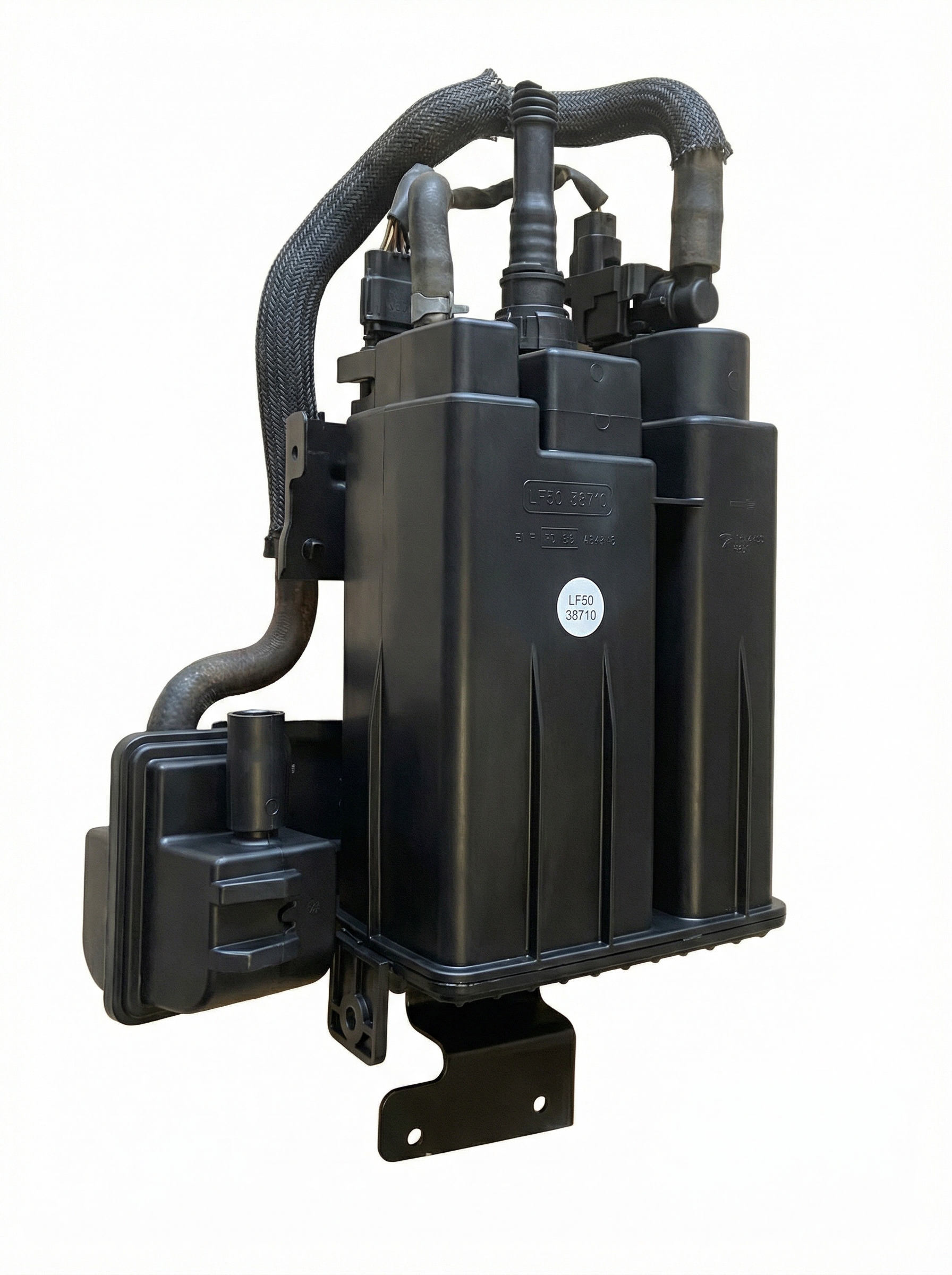
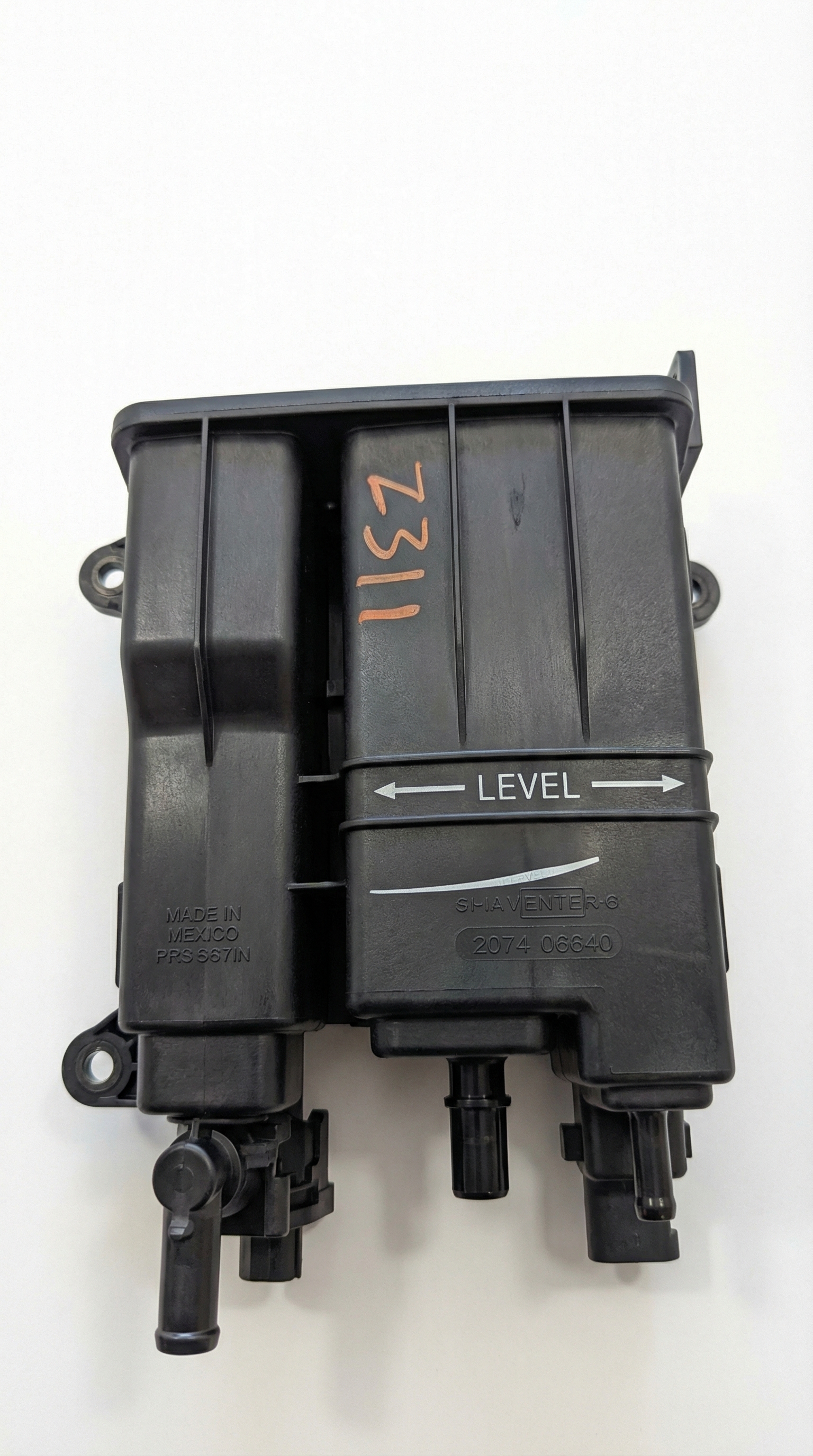
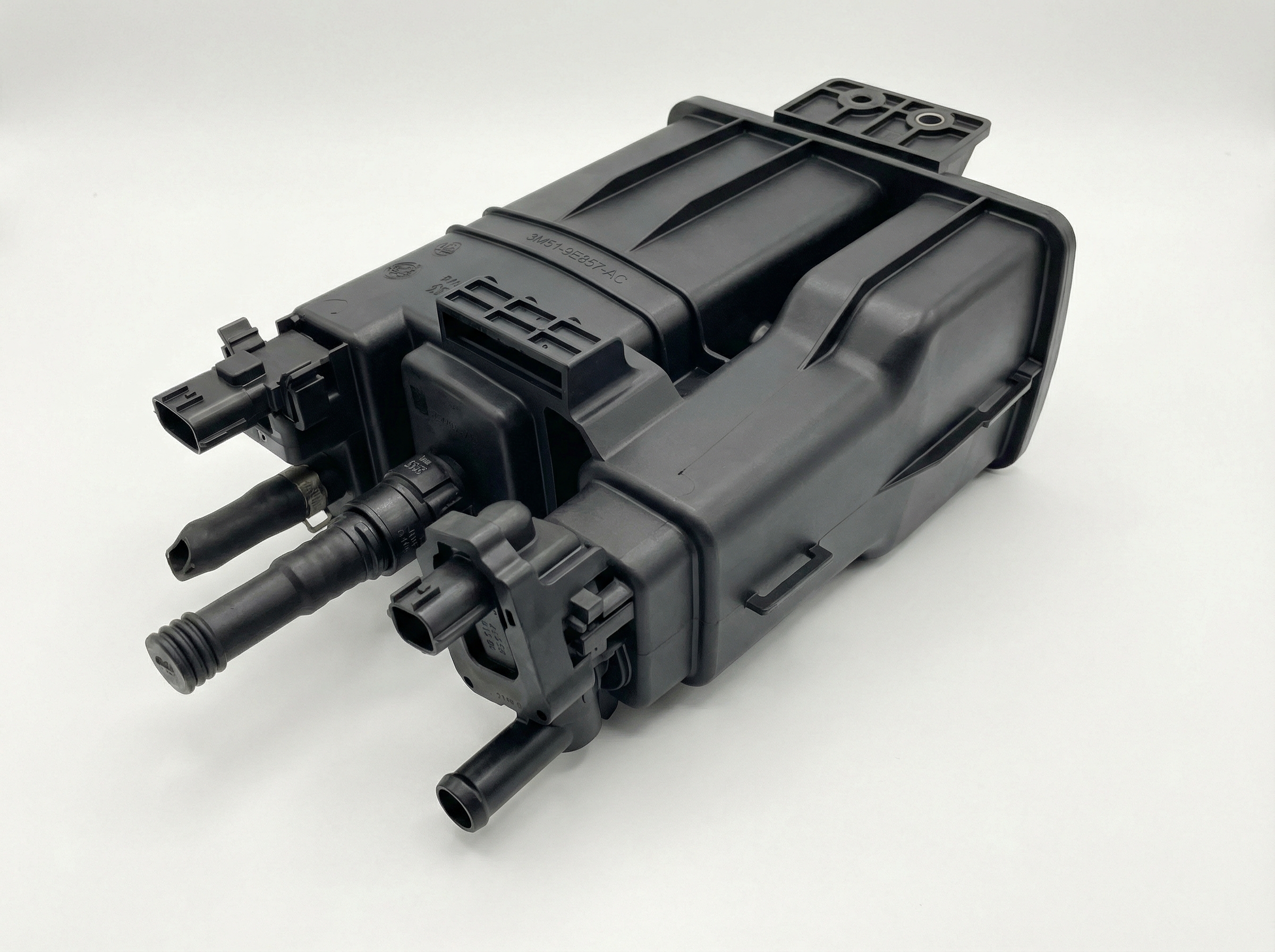
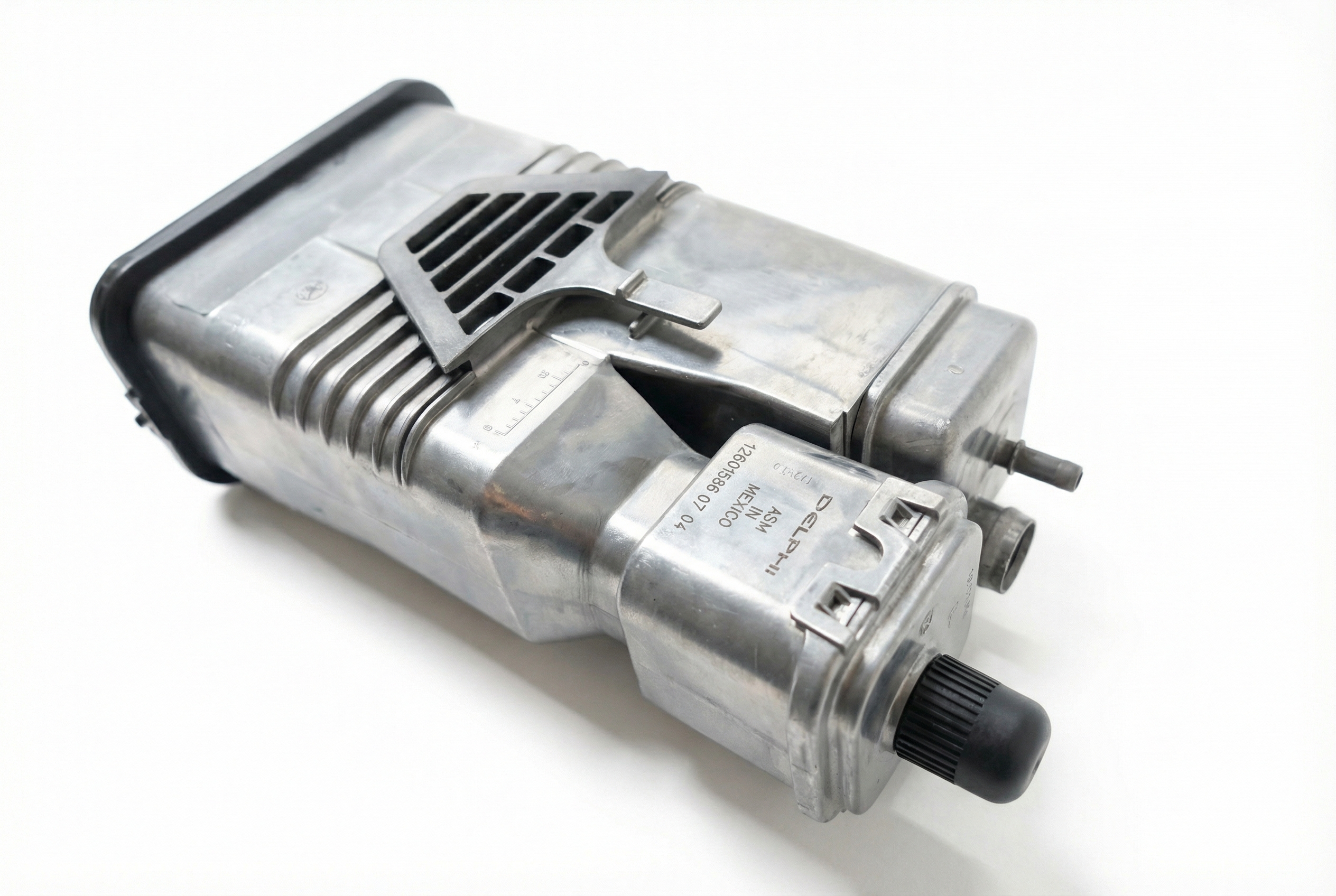
- Cracked Charcoal Canister: → Shop Vapor Canister This can happen from road debris impact or if the vehicle has been in an accident. Repeatedly overfilling the gas tank can also saturate the canister with liquid fuel, causing it to fail internally.
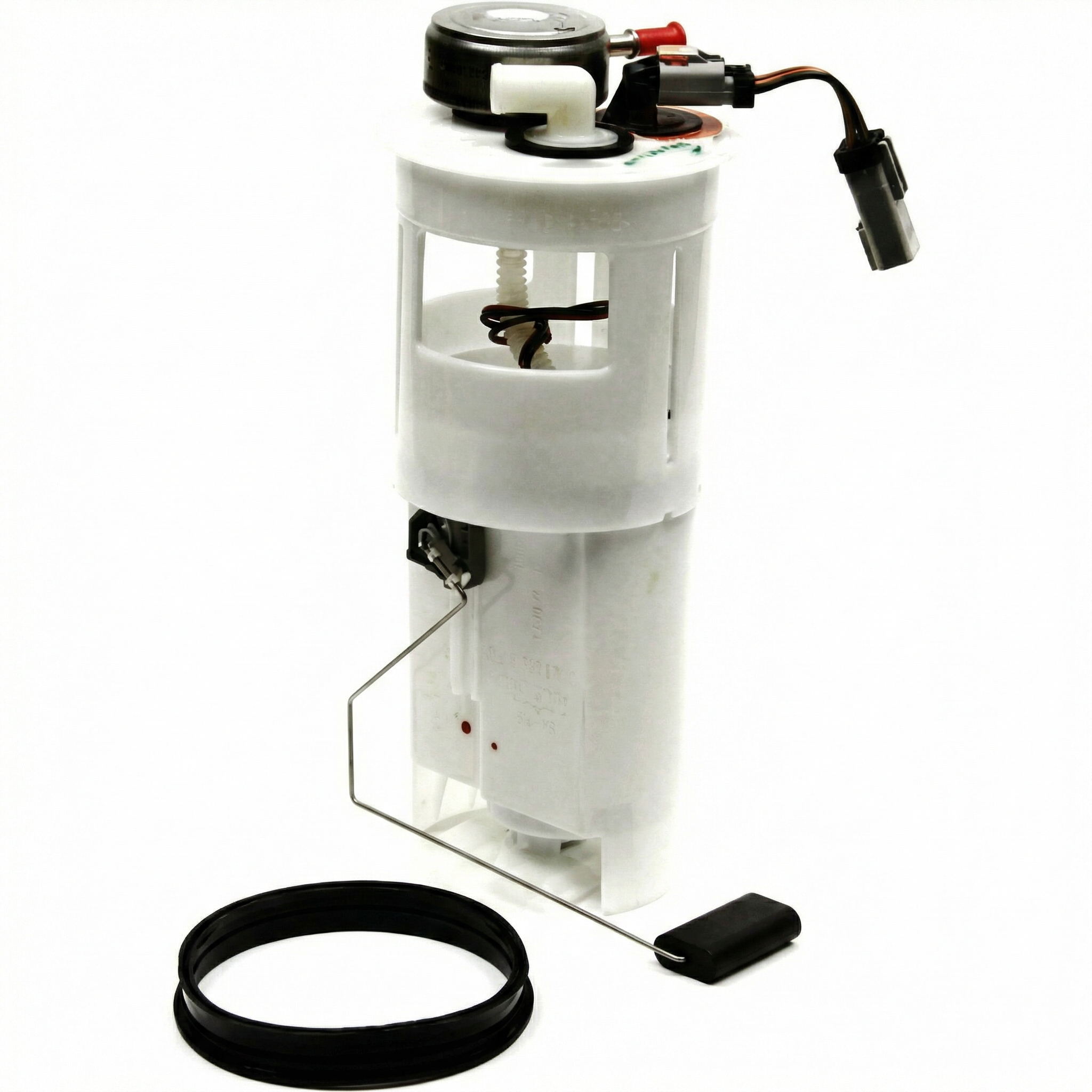
- Faulty Fuel Tank Pressure Sensor: → Shop Fuel Tank Less common, but the sensor that monitors system pressure can fail, sending incorrect data to the ECM and falsely triggering the P0440 code.
- Leaking Fuel Filler Neck: → Shop Fuel Filler Neck Rust or corrosion on the metal filler neck where the gas cap seals can create a leak path, preventing a proper seal even with a new cap.
Diagnosis Steps
- Read the code with an OBD-II scanner to confirm P0440 is present. Note any other codes.
- Inspect the gas cap. Remove it, check the seal for cracks or damage, and inspect the filler neck for rust. Reinstall the cap, ensuring it clicks at least once. Clear the code and drive for a few days to see if it returns.
- If the code returns, replace the gas cap with a new OEM part as a low-cost, high-probability first step.
- Visually inspect all visible EVAP hoses in the engine bay and under the vehicle near the fuel tank for obvious cracks, disconnections, or damage.
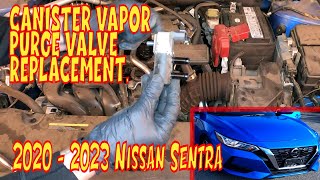
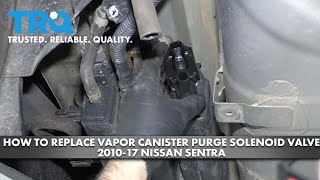
- Locate the EVAP canister purge valve in the engine bay. With the engine off, try to blow through it; it should be closed. Test for proper operation by applying 12V power and listening for a click, or by using a scan tool to command it open and closed. 🎬 Watch: How to replace the vapor canister purge valve.
- Locate the EVAP vent control valve near the charcoal canister at the rear of the vehicle. Test its operation by applying 12V and listening for a click. Check its filter for blockages from dirt or debris.
- If no obvious issues are found with the valves or hoses, the most reliable next step is to have a professional smoke test performed. This will pressurize the system with a light, visible smoke and quickly reveal the location of any hard-to-find leaks from hoses, the canister, or the fuel tank itself.
Parts You'll Likely Need
- Fuel Cap
(OEM #17251-3JA0A)— This is the most common cause of a P0440 code due to its seal wearing out over time. It's the cheapest and easiest part to replace first.
Trusted brands: Nissan (OEM)
OEM price range: $25-$40
Aftermarket price range: $15-$25 - Vapor Canister Purge Valve
(OEM #14930-3YM0A)— This solenoid is a common failure point. It gets stuck open or closed, causing the EVAP system self-test to fail.
Trusted brands: Hitachi, Bosch, Standard Motor Products, Dorman
OEM price range: $80-$120
Aftermarket price range: $40-$70 - EVAP Canister Vent Control Valve
(OEM #14935-JF00B (supercedes 14935-JF02C))— This valve, located near the rear of the car, often fails due to exposure to the elements, getting stuck and preventing the system from sealing for its test.
Trusted brands: Dorman, Standard Motor Products, Nissan (OEM)
OEM price range: $70-$100
Aftermarket price range: $30-$60
Related Codes That Often Appear With This One
- P0446 — P0446 indicates a fault specifically in the EVAP vent control circuit. If both codes are present, it strongly points to an issue with the vent valve or its wiring.
- P0455 — P0455 indicates a large leak was detected. This is a more specific version of the general P0440 fault. A very loose or missing gas cap is a common cause.
- P0456 — P0456 indicates a very small leak was detected. If the leak is intermittent or on the borderline of the test parameters, both P0440 and P0456 could potentially appear.
Mechanic-Grade Diagnostic Values
- EVAP Canister Vent Control Valve solenoid resistance — expected: 15 - 30 Ohms. Failure: A reading outside this range, or an open/infinite (OL) reading, indicates a faulty valve solenoid.
- EVAP Canister Purge Valve solenoid resistance — expected: ~15 - 30 Ohms at room temperature. Failure: A reading significantly outside this range, or an open/infinite (OL) reading, suggests a faulty solenoid coil.
Scan Tool Commands That Help
- Nissan CONSULT or advanced bidirectional scanner (e.g., Autel, Snap-on): EVAP System Test / Vent Valve Control / Purge Valve Control — This function is used to actively command the EVAP vent and purge valves to open or close. It allows a technician to confirm if the solenoids are physically working (by listening for a click) and to seal the system for a smoke or pressure test without having to manually apply voltage at the component connector.
Wiring & Ground Locations
- EVAP Canister Vent Control Valve — Under the left rear of the vehicle, mounted directly on the EVAP charcoal canister.. This valve is critical for sealing the EVAP system for the self-test. Its location makes it vulnerable to road debris, moisture, and corrosion, which can damage the valve or its connector, leading to a P0440.
- EVAP Control System Pressure Sensor — Under the left rear of the vehicle, near the EVAP canister.. This sensor reports the system pressure/vacuum to the ECM. If the sensor fails or its wiring is compromised, the ECM may receive false data and set a P0440 code even if no leak exists.
- EVAP Canister Purge Valve (Purge Volume Control Solenoid) — In the engine bay, typically on or near the intake manifold, with two hoses and an electrical connector.. This valve controls the flow of fuel vapors to the engine. If it gets stuck open, it creates a vacuum leak that the ECM will detect during the EVAP self-test, triggering a P0440.
OEM Part Supersession History
14935-JF00B→14935-JF02C (and others like 14935-JF00C/D/E)— Part revision and consolidation across multiple Nissan models.
Heads up: Part supersession for this valve is confusing. Some sources state 'B' is replaced by 'C', while others list a long chain of interchangeable numbers. Due to the inconsistency, it is critical to verify the correct, most current part number with a dealer using the vehicle's VIN before ordering.
Diagnostic Flowchart
Other Known Issues on This Vehicle
Issues unrelated to this code that are worth knowing about as an owner of this generation:
- Continuously Variable Transmission (CVT) Failure 🔴 High — Very common across the 2013-2017 model years. Problems can start as shuddering, hesitation, or stalling and lead to complete transmission failure, often before 100,000 miles. (Ref: Multiple class-action lawsuits and extended warranties have been issued, but no universal recall.)
- Mass Air Flow (MAF) Sensor Malfunction (P0101) 🟠 Medium — A very common issue for this generation, causing rough idle, hesitation, and poor fuel economy. It is often caused by a dirty throttle body or a software bug, not necessarily a failed sensor. (Ref: Nissan TSB NTB16-027d addresses this issue, recommending cleaning the throttle body and reprogramming the ECM.)
- Premature Front Strut Failure 🟡 Low — Owners report hearing banging or clunking noises from the front suspension when going over bumps. The struts or strut mounts may wear out earlier than expected.
- Faulty Brake Master Cylinder 🔴 High — Primarily reported on 2013 models, where the brake pedal may feel soft or go to the floor before engaging, indicating a premature failure of the master cylinder.
- Automatic Emergency Braking (AEB) System Malfunction 🟠 Medium — Some later models in this generation with AEB may experience phantom braking (slowing or stopping for no reason) or system deactivation warnings.
Used vs. New Parts: Buying Guide for This Vehicle
When a used part is the smart pick: Used parts for this repair are generally not recommended for electronic components. However, a used fuel filler neck from a dry-climate, low-mileage donor car could be a cost-effective solution if the original is rusted beyond repair. A used charcoal canister might be considered if it's confirmed to be dry (not fuel-saturated) and physically intact.
Donor-vehicle mileage cap: roughly under 60000 miles for the part to have meaningful remaining life.
What to inspect on the donor part:
- For a filler neck: Check for zero rust or pitting on the sealing surface where the gas cap sits.
- For a charcoal canister: Ensure there are no physical cracks in the plastic housing. It should not feel heavy or slosh, which would indicate saturation with liquid fuel.
- For any part: Check that electrical connectors are not cracked, corroded, or have broken locking tabs.
OEM-only on this vehicle (don't cheap out):
- Fuel Cap: Aftermarket gas caps are a frequent source of EVAP codes due to improper sealing pressure. Using a genuine Nissan OEM cap is highly recommended to avoid this common issue.
Aftermarket brands forum-validated for this vehicle:
- Hitachi
- Bosch
- Standard Motor Products (SMP)
Brands owners have reported issues with on this vehicle:
- Dorman: While a major supplier, some forum users across various car brands have reported fitment issues with Dorman EVAP components. It's not a definite 'avoid,' but a 'verify fitment carefully' brand.
Real Owner Stories
Aggregated from forums and TSBs cited above. Mileages and costs reflect what owners reported in those sources.
Nissan Sentra
Symptoms: P0440 and P0446 MIL codes present; owner noted the importance of not overfilling the tank.
What fixed it: Replacing the gas cap was identified as the logical first step, and checking for rust on the fuel filler neck.
Source hint: Car Talk Community thread titled 'nissan-sentra-p0440-p0446-mil-code-evap-leak'
Nissan Owner Report
Symptoms: A check engine code P0440 was detected along with a fuel smell near the left rear side of the vehicle, specifically near the fuel cap area.
What fixed it: NHTSA ODI #10212046 describes an owner inquiring about a faulty fuel fill tube campaign in relation to these symptoms and the P0440 code.
Related OBD-II Codes
Frequently Asked Questions
Is there a specific TSB for the P0101 code that often accompanies EVAP issues on my 2013-2019 Sentra?
Can overfilling my gas tank cause the P0440 code on my Nissan Sentra?
Should I use an aftermarket gas cap to fix the P0440 code on my Sentra?
Why is my Sentra's vent control valve prone to failure?
What should the resistance be for a healthy vent control valve on this model?
Could a rusty fuel filler neck be the reason my P0440 light won't stay off?
Helpful Videos
Used OEM Parts in Stock
New Aftermarket Parts Available


The information in this article is provided for general reference and educational purposes only. Vehicle specifications, procedures, and part compatibility can vary by production date, trim level, and region. Always consult your vehicle's factory service manual and verify part numbers before purchasing or performing repairs. Safety-critical components such as airbags, seat belts, and braking systems should be installed by a qualified professional.
- Nissan Sentra:
- 🧭 Diagnostic Flowchart
- 🎬 Helpful Videos
- 🛍️ Shop This Part
- What's Unique About the 2013-2019 Nissan Sentra
- Symptoms You May Notice
- Most Likely Causes
- Rare But Worth Checking
- Diagnosis Steps
- Parts You'll Likely Need
- Related Codes That Often Appear With This One
- Mechanic-Grade Diagnostic Values
- Scan Tool Commands That Help
- Wiring & Ground Locations
- OEM Part Supersession History
- Other Known Issues on This Vehicle
- Used vs. New Parts: Buying Guide for This Vehicle
- Real Owner Stories
- Nissan Sentra
- Nissan Owner Report
- Related OBD-II Codes
- Frequently Asked Questions
- 🎟️ Get 5% Off