

P0440 on 1999-2004 Oldsmobile Alero: EVAP System Malfunction Causes and Fixes
For a P0440 code on a 1999-2004 Oldsmobile Alero, the most likely causes are a loose or worn-out gas cap, a faulty vapor canister purge solenoid on the engine, or a rusted fuel filler neck. Start by checking the gas cap; if that doesn't fix it, the purge solenoid is a common and affordable DIY replacement. In rust-belt states, carefully inspect the fuel filler neck for corrosion where the cap seals.
- Always start with the simplest fix: check that your gas cap is tight and the seal is in good condition. A new gas cap is a cheap and easy first step.
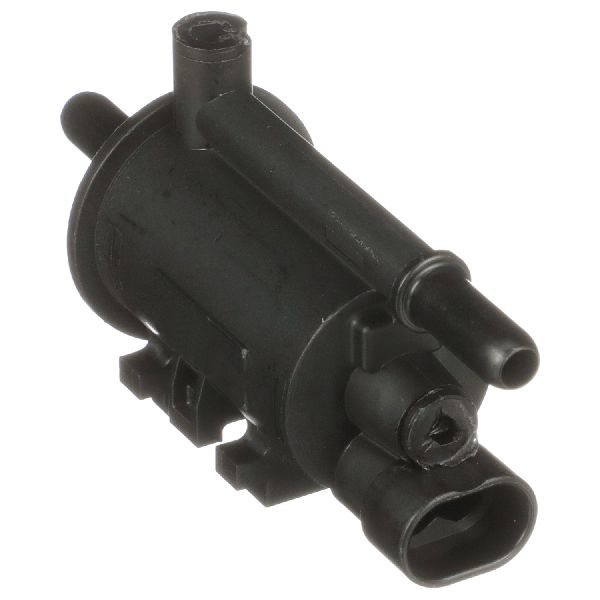
- The second most likely culprit on an Alero is the purge solenoid located on top of the engine. It's an affordable part and generally easy to replace for a DIYer.
- If you live in an area with snow and road salt, carefully inspect your fuel filler neck for rust where the gas cap seals. This is a known weak point.
- A smoke test is the most definitive way to find a leak if visual inspection of the cap, filler neck, and hoses doesn't reveal the problem.
What's Unique About the 1999-2004 Oldsmobile Alero
On the GM N-body platform, which includes the Alero and Pontiac Grand Am, the P0440 code is frequently traced back to a few specific weak points. Beyond the universally common gas cap issue, these cars are known for having the vapor canister purge solenoid fail. Additionally, vehicles operated in rust-belt regions are highly susceptible to a rusted fuel filler neck, which creates a pitted surface that prevents the gas cap from creating a proper seal. Some owners have also reported strong fuel smells on startup, which were traced to cracked rubber hoses near the charcoal canister.
Symptoms You May Notice
- Check Engine Light is on
- A faint to strong fuel smell, especially around the rear of the car or inside the cabin after starting.
- Difficulty starting the engine immediately after refueling (a classic symptom of a stuck-open purge solenoid).
- Rough idle (less common, but can be caused by a faulty purge solenoid introducing un-metered vacuum).
- Audible "Check Gas Cap" message on the driver information center, if equipped.
- Replacing the oxygen sensors. O2 sensors are part of the exhaust system and have no connection to the EVAP system.
- Replacing the charcoal canister when only a solenoid has failed. The vent solenoid is often attached to the canister but can usually be replaced separately.
Most Likely Causes
- Loose, Damaged, or Incorrect Gas Cap 🔴 High Probability → Shop Fuel Tank Cap This is the most common and simple cause for P0440 on any vehicle. The cap's rubber O-ring seal can dry out, crack, or get lost over time, preventing a proper seal.
How to confirm: Ensure the cap is tightened until it clicks at least once. Inspect the rubber O-ring on the cap for cracks, stiffness, or damage. Check for a 'whoosh' sound when opening the tank; a lack of any pressure or vacuum can indicate a leak. An aftermarket or incorrect cap can also be the cause.
Typical fix: Replace the gas cap. This is an inexpensive and simple first step. An OEM-spec cap is recommended.
Est. part cost: $10-$25 - Faulty Vapor Canister Purge Solenoid/Valve 🔴 High Probability → Shop Vapor Canister This is a very frequently failing component on the Alero and related GM models. It can get stuck open or closed, or leak internally, causing a failed system test.
How to confirm: The purge solenoid is located on top of the engine near the intake manifold. When the engine is running, a stuck-open valve may cause a constant vacuum hiss or a rough idle. Difficulty starting after getting gas is a strong indicator of this part failing, as raw fuel vapor is drawn into the engine. You can test it by applying 12V to its terminals and listening for a click.
Typical fix: Replacement of the purge solenoid. It is typically held by one bolt and has two hose connections, making it an easy DIY job. 🎬 Watch: This video shows how to replace the purge solenoid.
Est. part cost: $25-$50 - Rusted Fuel Filler Neck 🟡 Medium Probability → Shop Fuel Filler Neck The steel filler neck is prone to rusting, especially in areas where road salt is used. The rust creates a pitted, uneven surface that the gas cap's rubber gasket cannot seal against, causing a leak.
How to confirm: Remove the gas cap and visually and physically inspect the metal lip of the filler neck. Look and feel for rust, bubbling paint, or pitting. On some related GM models, the metal flange has been known to separate from the plastic filler tube itself.
Typical fix: The fuel filler neck must be replaced. This is a more involved repair but is well-documented in DIY forums for similar GM cars. 🎬 See this walkthrough on how to replace a rusted filler neck.
Est. part cost: $50-$100 - Cracked or Disconnected EVAP Hoses 🟡 Medium Probability Rubber hoses become brittle and crack with age and exposure to engine heat and the elements. This is a common issue on older vehicles. Forum users have specifically found cracked hoses near the charcoal canister to be the source of a P0440 and fuel smell.
How to confirm: Visually inspect all accessible EVAP lines, from the engine bay back to the charcoal canister near the fuel tank. Pay close attention to rubber elbows and connection points. A smoke test is the most effective way to find small cracks.
Typical fix: Replace the cracked section of hose. In many cases, generic vacuum hose of the correct diameter can be used.
Est. part cost: $5-$20 - Faulty Vapor Canister Vent Solenoid/Valve ⚪ Low Probability → Shop Vapor Canister Vent Solenoid This valve is located underneath the car near the charcoal canister and is exposed to road debris and moisture, which can cause it to fail or its filter to clog with dirt.
How to confirm: The vent solenoid is normally open and closes when the PCM runs a system test. It is located near the charcoal canister, which is under the rear of the car, in front of the spare tire well. It can be tested for functionality with a scan tool that can command it closed, or by applying 12V to see if it actuates.
Typical fix: Replace the vent solenoid assembly. It is usually mounted on or near the charcoal canister.
Est. part cost: $25-$50
Rare But Worth Checking
- Cracked Charcoal Canister: → Shop Vapor Canister The plastic body of the charcoal canister can be damaged by road debris, causing a large leak. This is less common than component failure but should be checked if a large leak is suspected.
- Faulty Fuel Tank Pressure Sensor: → Shop Fuel Tank While rare, the sensor that monitors the EVAP system's pressure can fail and send incorrect readings to the computer, triggering the P0440 code even if there is no leak.
- Overfilling the Fuel Tank: → Shop Fuel Tank Consistently 'topping off' the fuel tank after the pump clicks off can force liquid gasoline into the charcoal canister, which is designed only for vapor. This can saturate the carbon pellets, causing a blockage and triggering a P0440 code.
Diagnosis Steps
- Check the Gas Cap: Ensure it is tight and clicks. Remove it and inspect the rubber seal for cracks or damage. If in doubt, replace it with an OEM-spec cap, clear the code, and drive for a few days.
- Inspect the Fuel Filler Neck: With the cap off, carefully check the metal lip of the filler neck for any rust, bubbling, or pitting that would prevent a good seal.
- Visual Inspection (Engine Bay): Open the hood and locate the EVAP purge solenoid on top of the engine. Inspect the hoses connected to it for cracks or loose connections.
- Visual Inspection (Under Vehicle): Safely raise the vehicle and locate the charcoal canister and vent solenoid. On the Alero, this is typically at the rear, in front of the spare tire well. Inspect all attached rubber hoses for cracks, especially at the connection points, as this has been a confirmed fix in forums.
- Test the Purge Solenoid: With the engine running, listen for a clicking sound from the solenoid (a scan tool may be needed to command it on/off). A stuck-open valve may cause a rough idle or difficulty starting after refueling.
- Test the Vent Solenoid: This valve is normally open. A scan tool can command it closed to test its function. You can also apply 12V power to the terminals to check if the solenoid clicks closed. 🎬 Watch: How to fix a P0440 by replacing the vent valve.
- Perform a Smoke Test: If no obvious faults are found, the most reliable way to find the source of the leak is to use an automotive smoke machine. This tool feeds low-pressure smoke into the EVAP system, and the leak will be revealed by where the smoke escapes.
Parts You'll Likely Need
- Fuel Tank Cap
(OEM #ACDelco GT261 (GM Part #19207873))— This is the most frequent cause of EVAP codes and the easiest part to replace. The seal wears out over time.
Trusted brands: ACDelco, Stant, Gates
OEM price range: $15-$25
Aftermarket price range: $10-$20 - Vapor Canister Purge Solenoid
(OEM #ACDelco 214-641 (or superseded numbers))— A very common failure point on this platform, leading to P0440 and sometimes starting issues after refueling.
Trusted brands: ACDelco, Delphi, Dorman (e.g., 911-030), Standard Motor Products
OEM price range: $40-$55
Aftermarket price range: $20-$40 - Vapor Canister Vent Solenoid
(OEM #ACDelco 214-2117)— Located under the car, it's exposed to the elements and can fail or get clogged, preventing the EVAP system from sealing for its self-test.
Trusted brands: ACDelco, Dorman, Standard Motor Products
OEM price range: $30-$50
Aftermarket price range: $20-$40
Related Codes That Often Appear With This One
- P0441 — Incorrect Purge Flow. This often points more directly to a problem with the purge solenoid or a blockage in the line.
- P0442 — Small Leak Detected. If the system has a very small leak, it may set this code along with or instead of the general P0440. This is often seen with a rusted filler neck.
- P0455 — Large Leak Detected. This indicates a significant leak, often caused by a very loose gas cap or a disconnected hose.
Mechanic-Grade Diagnostic Values
- EVAP Purge Solenoid Coil Resistance — expected: 30-38 Ohms (generic GM spec). Failure: A reading significantly outside this range, or an open (infinite) reading, indicates a failed coil.
- EVAP Vent Solenoid Coil Resistance — expected: 48-65 Ohms (generic GM spec). Failure: A reading significantly outside this range, or an open (infinite) reading, indicates a failed coil.
- Fuel Tank Pressure (FTP) Sensor Voltage (Key On, Engine Off) — expected: ~1.45 - 1.5 Volts (at atmospheric pressure). Failure: A voltage that is stuck high (5V) or low (0V), or does not change when vacuum is applied during testing, indicates a faulty sensor.
Scan Tool Commands That Help
- Tech 2 (or equivalent emulator like VCX Nano): EVAP Service Bay Test — This is a guided, functional test that forces the PCM to run its internal EVAP leak test on command, rather than waiting for specific drive cycle conditions. It commands the vent valve closed and the purge valve open to create a vacuum and test the system's integrity. It can confirm a leak exists or verify a repair was successful. Note: Per TSB #02-06-04-014, this function was removed from the Tech 2 for many 2000-2002 GM models, including the Alero platform, due to accuracy issues. It may be present on 2003-2004 models.
- Tech 2 / Professional Scan Tool: Vent Valve Solenoid Control — This bidirectional command allows the technician to manually open and close the vent valve. This is used to confirm the solenoid is not stuck and is responding to the PCM's command. It's a crucial step before performing a smoke test to ensure the system is properly sealed by the valve.
- Tech 2 / Professional Scan Tool: Purge Valve Solenoid Control — Allows for manual control of the purge solenoid, typically in duty cycle percentage. This helps test if the valve is stuck open or closed and if it responds correctly to the PCM. It can be used with the engine running to see if commanding it open affects idle, indicating it's functioning.
Wiring & Ground Locations
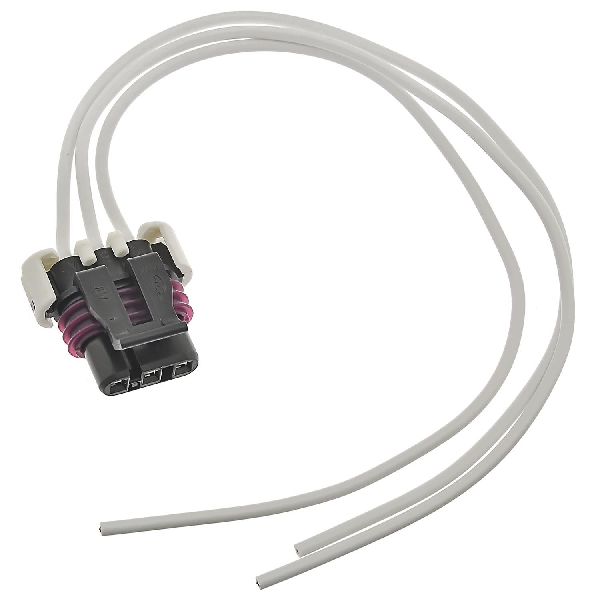
- EVAP Canister Purge Solenoid Connector — On top of the engine, mounted to the upper intake plenum.. This is the connection point for testing power and ground to the purge solenoid. One wire should have 12V with the ignition on, and the other is the ground control from the PCM.
- EVAP Canister Vent Solenoid Connector — Under the rear of the vehicle, near the charcoal canister, in front of the spare tire well.. This connector is exposed to road salt and moisture, making it a prime location for corrosion. A bad connection here will prevent the vent valve from closing, causing the EVAP test to fail and setting a P0440.
- Fuel Tank Pressure Sensor Connector — On the fuel tank, often part of the fuel pump module assembly.. Provides the 5V reference, signal, and ground to the sensor that monitors system pressure. A fault here can cause an incorrect pressure reading, tricking the PCM into setting a P0440 even with no leak.
- G103 / G102 — G103 is on a transmission stud on the left side of the 3.4L V6. G102 is in front of the starter on the 3.4L V6.. These are primary engine and engine-area grounds. A poor connection at these points can cause erratic behavior or failure of engine-mounted components, including the EVAP purge solenoid which relies on a solid ground path to function correctly.
Real Owner Repair Stories
- Car Talk Community user (2000 Oldsmobile Alero) — Check engine emissions light on.
❌ Tried (didn't work) Replacing the gas cap., A smoke test performed by a mechanic found no leaks.
✅ What actually fixed it A second trip to a GM service center found the vent valve solenoid was sticking. They replaced the vent valve solenoid, which resolved the issue. - Car Talk Community user (2001 Oldsmobile Alero) — P0440 code, strong gasoline smell in and around the car on cold starts.
❌ Tried (didn't work) The user was advised to check the gas cap and consider a professional diagnosis.
✅ What actually fixed it The thread ended before a final fix was confirmed, but the symptoms strongly pointed towards a saturated charcoal canister or a stuck-open purge valve allowing raw vapors into the intake.
"I Checked Everything" — The Actual Cause
- In one documented case for a 2000 Alero, the vehicle passed a smoke test, which typically indicates no leaks are present. However, the check engine light for the EVAP system persisted. The ultimate cause was found to be a sticking vent valve solenoid. A smoke test can't always identify an intermittent or electrically failed component, only a physical leak in a hose or seal.
OEM Part Supersession History
Unknown→ACDelco 214-2117 (GM 15142482)— Standard part lifecycle replacement.
Heads up: This part is widely used across GM N-body cars of the era, including the Pontiac Grand Am and Chevrolet Malibu.Unknown→ACDelco 214-641— Standard part lifecycle replacement for the purge solenoid.
Heads up: This part is also common to many GM vehicles with the 2.4L and 3.4L engines. Aftermarket equivalents like Dorman 911-030 are available.
Model Year Variations Within This Range
- 2002-2004: A 140-hp 2.2L Ecotec L61 I4 engine replaced the previous 150-hp 2.4L LD9 I4 engine. While the EVAP system components are largely the same, wiring and specific locations may have minor differences.
- 1999-2002: According to GM TSB #02-06-04-014, the 'Service Bay Test' for the EVAP system was disabled and removed from the Tech 2 scan tool for many GM vehicles of this era, including the Alero's platform, due to diagnostic accuracy issues. Technicians working on these earlier models must rely on manual testing or waiting for the system's natural drive cycle monitor to run.
Diagnostic Flowchart
Used vs. New Parts: Buying Guide for This Vehicle
When a used part is the smart pick: For this vehicle, obtaining a used fuel filler neck from a junkyard in a dry, rust-free region can be a smart and cost-effective repair, as the primary failure mode is corrosion. Structural plastic parts like the charcoal canister body (if not cracked) are also good candidates for used parts.
Donor-vehicle mileage cap: roughly under 80000 miles for the part to have meaningful remaining life.
What to inspect on the donor part:
- For a fuel filler neck, inspect the donor vehicle's location of origin (avoid rust-belt states). Check the sealing surface where the gas cap sits for any signs of bubbling paint, pitting, or rust.
- For electronic solenoids, check for obvious corrosion on the electrical pins and cracks in the plastic housing.
- Inspect rubber hoses for any signs of dry rot, cracking, or sponginess before purchasing.
OEM-only on this vehicle (don't cheap out):
- Gas Cap: While aftermarket caps are available, many owners report persistent issues until an OEM-spec (ACDelco) cap is used. The tolerances for the seal are critical.
Aftermarket brands forum-validated for this vehicle:
- Solenoids: ACDelco (OEM), Delphi, and Standard Motor Products (SMP) are well-regarded. Dorman is a common, budget-friendly option that is generally reliable for these components.
Brands owners have reported issues with on this vehicle:
- Ultra-cheap, unbranded gas caps and solenoids from online marketplaces are frequently cited as being defective out of the box or failing shortly after installation.
Real Owner Stories
Aggregated from forums and TSBs cited above. Mileages and costs reflect what owners reported in those sources.
2001 Oldsmobile Alero
Symptoms: A strong gas fume smell on startup, getting 'choked out by gas fumes'.
What fixed it: The owner found and replaced cracked, dry-rotted hoses near the charcoal canister.
Source hint: Car Talk Community - '01 Olds Alero - EVAP problem - Getting choked out by gas fumes!
2000 Pontiac Grand Am
Symptoms: Engine stalling along with P0440 and P0442 codes.
What fixed it: The source notes that a significant EVAP leak, such as a stuck-open purge valve, can cause these drivability issues, implying this was the likely cause.
Source hint: 2CarPros - Troubleshooting stalling engine, codes P0440 and P0442
Related OBD-II Codes
Frequently Asked Questions
Where are the main EVAP system parts located on my 1999-2004 Alero?
My Alero is hard to start right after I fill it up with gas. Is this related to the P0440 code?
I live in a state that uses road salt. Are there any P0440 causes that are more common on my Alero because of this?
I've already replaced the gas cap. What is the next most likely part to have failed on my Alero?
I smell a strong fuel odor in my Alero. Can this be caused by the P0440 code?
Are the P0440 issues on my Alero the same as on a Pontiac Grand Am?
Helpful Videos
We Have This Part in Stock


The information in this article is provided for general reference and educational purposes only. Vehicle specifications, procedures, and part compatibility can vary by production date, trim level, and region. Always consult your vehicle's factory service manual and verify part numbers before purchasing or performing repairs. Safety-critical components such as airbags, seat belts, and braking systems should be installed by a qualified professional.
- Oldsmobile Alero:
- 🧭 Diagnostic Flowchart
- 🎬 Helpful Videos
- 🛍️ Shop This Part
- What's Unique About the 1999-2004 Oldsmobile Alero
- Symptoms You May Notice
- Most Likely Causes
- Rare But Worth Checking
- Diagnosis Steps
- Parts You'll Likely Need
- Related Codes That Often Appear With This One
- Mechanic-Grade Diagnostic Values
- Scan Tool Commands That Help
- Wiring & Ground Locations
- Real Owner Repair Stories
- "I Checked Everything" — The Actual Cause
- OEM Part Supersession History
- Model Year Variations Within This Range
- Used vs. New Parts: Buying Guide for This Vehicle
- Real Owner Stories
- 2001 Oldsmobile Alero
- 2000 Pontiac Grand Am
- Related OBD-II Codes
- Frequently Asked Questions
- 🎟️ Get 5% Off