

P0440 on 2003-2010 Porsche Cayenne: EVAP System Malfunction Causes and Fixes
For a 2003-2010 Porsche Cayenne, code P0440 most often points to a faulty gas cap or a failing EVAP purge valve. First, check that the gas cap is tight and its seal is intact. If that doesn't solve it, the purge valve (regeneration valve) is the next likely culprit. The V8 models use Bosch part 0280142431 (OEM 94811020201), while the V6 uses a different valve (OEM 95560551700).
- P0440 on a Cayenne is an EVAP system leak, most often caused by a simple loose or bad gas cap.
- If the gas cap isn't the problem, the EVAP purge valve is the next most likely component to have failed.
- Symptoms can include a fuel smell or, more specifically to this platform, difficulty starting after refueling.
- The part number and replacement procedure for the purge valve are different for V6 and V8 engines.
- A smoke test is the best way to find a leak if the gas cap and purge valve are not the cause.
What's Unique About the 2003-2010 Porsche Cayenne
On the first-generation Cayenne, P0440 is frequently traced to a faulty EVAP purge valve, sometimes called a regeneration valve. While a loose gas cap is a universal cause, many Cayenne owners report that replacing the purge valve resolves the issue, especially if accompanied by symptoms like difficult starting after refueling. The design and location of this valve differ significantly between the V6 (Base) and V8 (S, GTS, Turbo) models, affecting the complexity of the replacement. The V8 purge valve is a common Bosch part also used on platform mates like the VW Touareg and Audi Q7.
Generation note: The 2003-2010 model years cover the entire first generation of the Porsche Cayenne, which includes the 955 (2003-2006) and the facelifted 957 (2007-2010). While the core causes of P0440 are the same, part numbers for components like the EVAP purge valve can differ based on the engine (V6 vs. V8) rather than just the 955/957 chassis. The V8 purge valve is shared with other VW/Audi group vehicles of the era. The 957 facelift introduced revised engines, including a 3.6L VR6 replacing the 3.2L, and a 4.8L V8 replacing the 4.5L, along with Direct Fuel Injection (DFI) for the V8s.
Symptoms You May Notice
- Check Engine Light is on.
- A noticeable smell of fuel around the vehicle, especially near the rear or after refueling.
- Difficulty starting the engine, particularly a long crank time after getting gas.
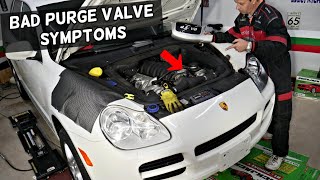
- Intermittent whistling sound at light to medium throttle, which 🎬 Watch: A breakdown of common bad purge valve symptoms. could indicate a vacuum leak from a faulty valve.
- Replacing the oxygen sensors. O2 sensors are not related to the EVAP system and will not fix a P0440 code.
- Replacing the fuel injectors. While a faulty purge valve can cause starting issues similar to a leaky injector, the P0440 code specifically points to the emissions system.
Most Likely Causes
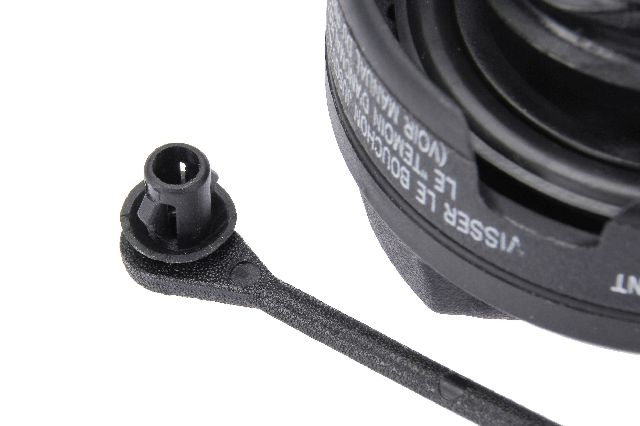
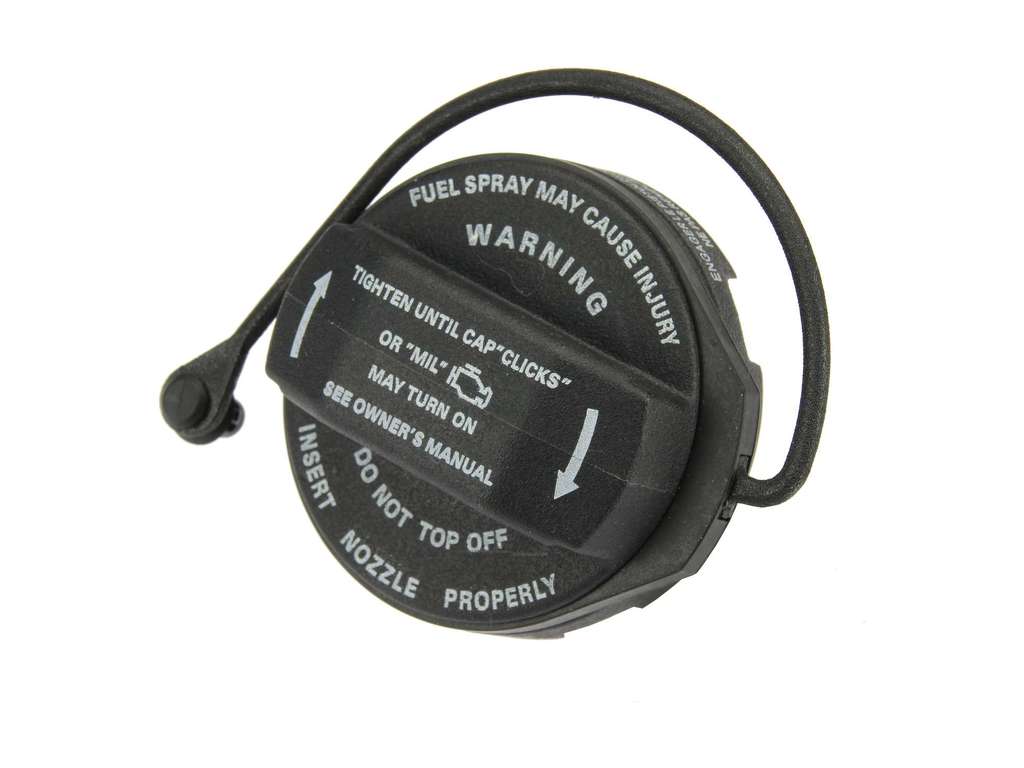
- Loose or Faulty Gas Cap 🔴 High Probability → Shop Fuel Tank Cap This is the most common cause for an EVAP leak code on any vehicle. The rubber O-ring on the cap can dry out, crack, and fail to create a proper seal over time. Even a cap that is not tightened until it clicks can trigger the code.
How to confirm: First, ensure the cap is tightened until it clicks several times. If the code returns, visually inspect the rubber seal on the cap for any cracks, stiffness, or visible damage. Also inspect the fuel filler neck for rust or debris that could prevent a good seal.
Typical fix: Replace the gas cap. This is an inexpensive and simple first step. An OEM cap is recommended for best fitment.
Est. part cost: $25-$55 - Faulty EVAP Purge Valve (Regeneration Valve) 🔴 High Probability → Shop Vapor Canister This valve is a known failure point on many Porsche and VW/Audi group models of this era. It can become stuck open or closed, or develop an internal leak, allowing un-metered fuel vapor into the intake at the wrong time, which often causes the hard-starting symptom after refueling.
How to confirm: Remove the valve and try to blow through it. When de-energized (unplugged), it should be completely closed and not allow any air to pass. If you can blow through it, it has failed internally and must be replaced. A Porsche-specific scan tool can also be used to actuate the valve and check its operation; you should hear it click. The coil resistance should be 26 ± 4 ohms at 20°C (68°F).
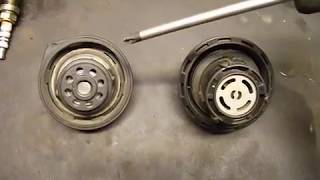
Typical fix: Replace the purge valve. On V6 models, this is a relatively accessible part at the back of the engine. 🎬 See this replacement walkthrough for the V6 Base model. On V8 models, it is located under the passenger-side engine cover and may require removing other components for access. Many owners choose to replace only the valve and reuse the existing hoses to save money.
Est. part cost: $40-$220 - Cracked or Disconnected EVAP Hoses 🟡 Medium Probability The plastic and rubber hoses in the engine bay and around the fuel tank are exposed to constant heat cycles, which can make them brittle and prone to cracking over many years. This is especially true for the lines connected directly to the purge valve.
How to confirm: A visual inspection may reveal an obvious crack or disconnected line, particularly around the purge valve. However, small leaks are best found using a smoke test, which forces low-pressure smoke into the EVAP system (often through the purge valve line) to reveal the exact location of any leak.
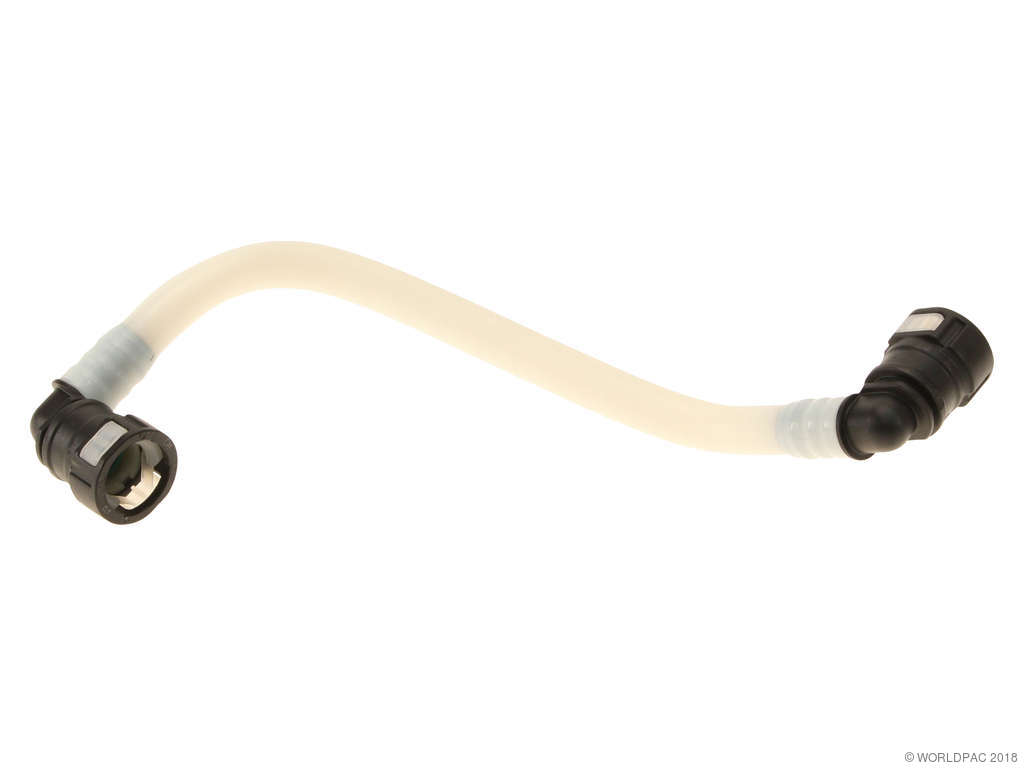
Typical fix: Replace the damaged section of hose. In some cases, the purge valve is sold with an attached hose assembly.
Est. part cost: $30-$150
Rare But Worth Checking
- Cracked Charcoal Canister: → Shop Vapor Canister The charcoal canister, which stores fuel vapors, can develop cracks from road debris or age, creating a leak. This is less common than valve or cap failures but should be checked during a smoke test if no other leaks are found.
- Faulty EVAP Vent Valve: → Shop Vapor Canister Vent Valve This valve works with the purge valve to seal and vent the system during testing. It is typically located near the charcoal canister and can get stuck open, preventing the system from holding pressure during its self-test.
- Leaking Fuel Tank Sealing Lid / Fuel Pump Gasket: → Shop Fuel Pump A Porsche technician on Rennlist noted that a common, but often overlooked, cause is a cracked fuel pump cover/sealing lid on top of the fuel tank. This can be diagnosed by filling the fuel tank completely and then checking for any wetness or fuel smell on top of the tank after removing the battery and tray. The sealing ring part number is 95520113301.
Diagnosis Steps
- Read the code with an OBD-II scanner to confirm P0440 is present.
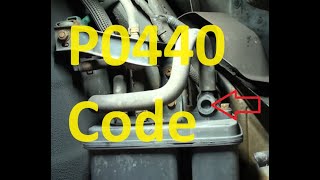
- Check the gas cap. Ensure it is tight. Remove it and inspect the rubber O-ring for cracks or damage. Also inspect the filler neck for rust. 🎬 Watch: How to diagnose and fix common P0440 leaks. If in doubt, replace it, clear the code, and drive for a few days.
- If the code returns, perform a visual inspection of all accessible EVAP hoses in the engine bay for obvious cracks or disconnections, especially near the purge valve.
- Locate the EVAP purge valve. On V6 models, it's at the rear of the engine under the cowl. On V8s, it's under the passenger-side plastic engine cover.
- Test the purge valve. Disconnect it and attempt to blow through it. If air passes, the valve is faulty and must be replaced. This is a very common failure mode. Additionally, test the coil resistance between its two pins; it should be 26 ± 4 ohms.
- If the purge valve and gas cap are good, the most effective next step is a professional smoke test. This test will fill the EVAP system with a harmless smoke, and any leaks in hoses, the charcoal canister, or the fuel tank will be made visible.
- If a smoke test reveals no leaks, consider the possibility of a faulty fuel tank pressure sensor or a cracked fuel pump sealing lid, as noted by some technicians.
- After any repair, clear the trouble codes with a scanner and perform a drive cycle to allow the EVAP monitor to run and confirm the fix.
Parts You'll Likely Need
- Fuel Cap
(OEM #95520124121)— This is the simplest and most common fix. The seal fails over time, causing a leak that triggers the code.
Trusted brands: Porsche (OEM), URO Parts, Gates
OEM price range: $45-$55
Aftermarket price range: $20-$35 - EVAP Purge Valve / Regeneration Valve
(OEM #94811020201 (V8 Models), 95560551700 (V6 Models) - Note: Verify with VIN)— A very common failure point on the Cayenne that causes P0440. It gets stuck or leaks internally, often confirmed by being able to blow air through it when de-energized.
Trusted brands: Bosch (OEM supplier, part 0280142431 for V8), Porsche (OEM)
OEM price range: $120-$220
Aftermarket price range: $40-$100
Related Codes That Often Appear With This One
- P0441 — P0441 indicates 'Incorrect Purge Flow'. This code often appears with P0440 because a faulty purge valve that is stuck open or closed will cause both a general system malfunction (P0440) and incorrect flow rates (P0441).
- P0455 — P0455 indicates a 'Gross Leak Detected'. While P0440 is often defined as a minor leak for Porsche, a large enough leak (like a missing gas cap or completely broken hose) can sometimes trigger both codes.
- P0446 — P0446 indicates 'EVAP System Vent Control Circuit Malfunction'. A shop diagnosis on Rennlist showed this code appearing with P0440 when a faulty purge valve was the root cause.
Platform-Specific Known Issues
- V6 vs V8 Purge Valve Location: → Shop Vapor Canister On the 3.2L/3.6L VR6 engine, the purge valve is located at the rear of the engine bay, underneath the plastic cowl cover, making it somewhat awkward to reach. On the 4.5L/4.8L V8 engines, it is located on the passenger side of the engine, underneath the plastic engine cover and often requires removing the secondary air injection pump pipe and other items for access.
- Real Owner Experience: Purge Valve Failure: → Shop Vapor Canister A user on Rennlist documented their P0440 and P0446 codes. A smoke test was performed by a shop, which found no external leaks but confirmed the purge valve was faulty by removing it and being able to blow air through it while it was de-energized (in its 'off' state). Replacing the valve resolved the issue.
Mechanic-Grade Diagnostic Values
- EVAP Canister Purge Valve (N80) Coil Resistance — expected: 26 ± 4 Ohms at 20°C (68°F). Failure: A reading of infinite ohms indicates an open circuit, while a reading near zero indicates a short. A value outside the specified range suggests a failing coil.
- Voltage to EVAP Purge Valve (Key On) — expected: 0 V at pin 2 to ground. Failure: If battery voltage is displayed, it indicates a short to B+ in the wiring harness.
Scan Tool Commands That Help
- PIWIS (Porsche Dealer Tool): EVAP System Leak Test — This is a guided diagnostic function that automatically seals the EVAP system by commanding the purge and vent valves closed, then uses the system's own pressure sensor (or Leak Detection Pump on some models) to check for pressure drop. It can confirm a leak exists without a smoke machine.
- PIWIS (Porsche Dealer Tool): Purge Valve Actuation — This command allows a technician to manually cycle the EVAP purge valve on and off. You should hear an audible click from the valve. This confirms the DME can control the valve and that the valve's solenoid is mechanically responding. It's used to verify electrical integrity before condemning the valve for a mechanical fault (like being stuck open).
Wiring & Ground Locations
- GP-12 / GP-14 — On the 955/957 models, these are major ground points located on the right rear and right center of the engine compartment.. The DME (engine computer) and its associated sensors/solenoids rely on clean ground connections. A corroded or loose ground at these points can cause erratic behavior in the EVAP system components, potentially leading to incorrect operation and fault codes.
- Battery Compartment Ground — Located in the battery compartment under the driver's seat.. This is a primary chassis ground point. The fuel pumps and potentially the rear-mounted EVAP components (like the vent valve or LDP) may use this or nearby grounds. A poor connection here can affect multiple systems.
- Purge Valve Connector — Two-pin connector on the EVAP purge valve solenoid.. Pin 2 is the triggering wire from the DME control module. This is the pin to test for voltage (should be 0V with key on) or shorts to ground. Pin 1 is the power supply.
Real Owner Repair Stories
- RennTech.org user (Porsche Cayenne (model year not specified, but first generation)) — Fuel smell near the rear wheel well, CEL on.
❌ Tried (didn't work) Initial diagnosis was unclear.
✅ What actually fixed it The cause was a leaking driver's side fuel tank flange (fuel pump cover). The user noted the cavity under the rear seat was full of gasoline. The fix required replacing the flange (Part # 955 620 841 00) and two sealing rings (Part # 955 201 133 01) because both sides of the saddle tank must be accessed. - YouTube channel 'Polar Doom' (2006 Porsche Cayenne S (955)) — Check Engine Light with code P0441 (Incorrect Purge Flow), intermittent extended crank when starting.
❌ Tried (didn't work) No other parts were replaced prior to the final fix.
✅ What actually fixed it The EVAP purge valve (tank vent line) was replaced. The video shows the replacement process for the V8 model, located under the passenger side engine cover. The code did not return after replacement.
"I Checked Everything" — The Actual Cause
- In a diagnostic video for a P0455 (gross leak) on a 2008 Cayenne GTS, a technician performed a smoke test on the entire EVAP system and found it to be completely sealed with no leaks. Despite the system holding pressure perfectly during the smoke test, the PIWIS tester's own guided leak test continued to fail. This indicates an intermittent or functional failure rather than a static leak. The technician suspected a faulty purge valve that was not sealing correctly under specific electronic commands, even though it appeared to work and didn't leak smoke when static.
- A common scenario described by owners is a cracked fuel pump sealing flange/cover on top of the fuel tank. A standard smoke test may not reveal this leak unless the smoke machine is run for an extended period or at a slightly higher pressure than standard. The leak is often found by a strong fuel smell inside the cabin or by visually inspecting the top of the fuel tank (under the rear seats/battery tray) for wetness, especially after filling the tank completely.
OEM Part Supersession History
94811020201→94811020203— Likely an internal revision or material improvement by Porsche to increase durability.
Heads up: The parts are interchangeable. 94811020203 is the latest revision for the V8 models (4.5L and 4.8L) in the 955/957 generation.
Model Year Variations Within This Range
- 2003-2006 (955): V8 models used a 4.5L port-injected engine (M48.00). The base model used a 3.2L VR6. EVAP components from this era are specific to these engines.
- 2008-2010 (957): The facelifted 957 models introduced new engines. V8 models (S, GTS, Turbo) moved to a 4.8L engine with Direct Fuel Injection (DFI). The base model received a larger 3.6L VR6. While the EVAP system functions similarly, some part numbers and locations may have minor differences due to the updated engine architecture.
Diagnostic Flowchart
Used vs. New Parts: Buying Guide for This Vehicle
When a used part is the smart pick: For this repair, buying used parts is generally not recommended for the key electronic or sealing components. However, structural parts like the charcoal canister mounting bracket or undamaged sections of hard plastic EVAP lines could be sourced from a salvage yard if needed.
Donor-vehicle mileage cap: roughly under 80000 miles for the part to have meaningful remaining life.
What to inspect on the donor part:
- For any hose or plastic line, inspect carefully for hairline cracks, especially at connection points.
- Verify the donor vehicle is from a dry climate to minimize plastic brittleness and corrosion on electrical connectors.
- If considering a used charcoal canister, ensure there is no physical damage, cracks, or signs of being saturated with fuel.
OEM-only on this vehicle (don't cheap out):
- Fuel Cap: Aftermarket caps are notorious for having incorrect seal durometer or thread pitch, leading to persistent codes. Always use a Genuine Porsche or OEM-supplier (e.g., Blau) cap.
- EVAP Purge Valve: While the Bosch OEM-supplier part is excellent, cheap unbranded aftermarket valves have a high failure rate. Stick to Bosch or Genuine Porsche.
Aftermarket brands forum-validated for this vehicle:
- Bosch: They are the original equipment manufacturer for the V8 purge valve (Part #0280142431), making it a reliable and more affordable alternative to the Porsche-branded part.
Brands owners have reported issues with on this vehicle:
- Unbranded/No-name eBay or Amazon parts: For critical emissions components like the purge valve or gas cap, these often fail quickly or do not work correctly out of the box, leading to wasted time and money.
Real Owner Stories
Aggregated from forums and TSBs cited above. Mileages and costs reflect what owners reported in those sources.
2004 Cayenne S
Symptoms: Check engine light with P0440 code, and an occasional smell of raw gas from the fuel tank area.
What fixed it: The owner first replaced the gas cap and then the purge valve, but the code returned. The issue was not confirmed to be fixed in the report, though another user suggested a leaking 'evaporator bellows' in the passenger rear wheel well as a possible cause.
Source hint: the Pelican Parts Forum, thread titled '04 cayenne S CEL code p0440 help - the Pelican Parts Forum!'
2003-2006 Cayenne (VR6)
Symptoms: Check Engine Light with codes P0440 and P0446.
What fixed it: A smoke test found no external leaks, but the shop confirmed the purge valve was faulty by removing it and being able to blow air through it while it was de-energized. Replacing the purge valve resolved the codes.
Source hint: Rennlist.com - https://rennlist.com/forums/cayenne-955-957-2003-2010/1301018-955-cayenne-diy-purge-valve-replacement-vr6.html
Related OBD-II Codes
Frequently Asked Questions
Where is the EVAP purge valve located on my 2003-2010 Porsche Cayenne?
My Cayenne is hard to start right after I get gas. Is this related to the P0440 code?
I replaced the gas cap, but the Check Engine Light for P0440 came back. What should I check next?
How can I test the purge valve myself to see if it's bad?
What is the most effective way to find a small EVAP hose leak?
Is this P0440 issue also common on the VW Touareg and Audi Q7?
Helpful Videos
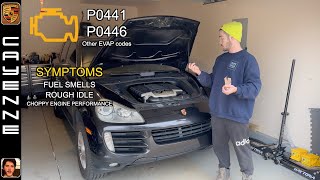
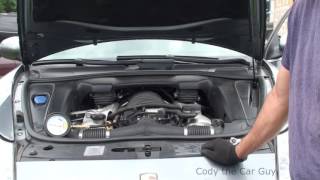
![Porsche Cayenne Purge Valve Replacement [P0441]](https://img.youtube.com/vi/lSobAOp3j6Q/mqdefault.jpg)
We Have This Part in Stock

The information in this article is provided for general reference and educational purposes only. Vehicle specifications, procedures, and part compatibility can vary by production date, trim level, and region. Always consult your vehicle's factory service manual and verify part numbers before purchasing or performing repairs. Safety-critical components such as airbags, seat belts, and braking systems should be installed by a qualified professional.
- Porsche Cayenne:
- 🧭 Diagnostic Flowchart
- 🎬 Helpful Videos
- 🛍️ Shop This Part
- What's Unique About the 2003-2010 Porsche Cayenne
- Symptoms You May Notice
- Most Likely Causes
- Rare But Worth Checking
- Diagnosis Steps
- Parts You'll Likely Need
- Related Codes That Often Appear With This One
- Platform-Specific Known Issues
- Mechanic-Grade Diagnostic Values
- Scan Tool Commands That Help
- Wiring & Ground Locations
- Real Owner Repair Stories
- "I Checked Everything" — The Actual Cause
- OEM Part Supersession History
- Model Year Variations Within This Range
- Used vs. New Parts: Buying Guide for This Vehicle
- Real Owner Stories
- 2004 Cayenne S
- 2003-2006 Cayenne (VR6)
- Related OBD-II Codes
- Frequently Asked Questions
- 🎟️ Get 5% Off