

P0440 on 2010-2016 Porsche Panamera: EVAP System Malfunction Causes and Fixes
For a 2010-2016 Panamera, P0440 usually means you have a minor leak in the evaporative emissions system. The most common and cheapest fix is replacing a worn-out gas cap. If that doesn't work, the EVAP purge valve is the next likely culprit, especially if you experience hard starting after refueling.
- Start with the gas cap. It's the most common, cheapest, and easiest fix for a P0440 code.
- If you have trouble starting the car right after refueling, the EVAP purge valve is the most likely culprit.
- A smoke test is the most reliable way to find a leak if the gas cap and purge valve are not the issue.
- This code will cause an emissions test failure, so it needs to be addressed before an inspection.
- The Panamera V8 uses a common Bosch purge valve (0280142431) that is also found on its Porsche Cayenne and VW Touareg platform mates.
What's Unique About the 2010-2016 Porsche Panamera
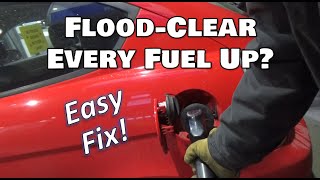
The first-generation Porsche Panamera (970) uses a sophisticated Leakage Diagnosis Pump (LDP) to pressurize the EVAP system for its self-test, which is common across the VW/Audi/Porsche group. While the underlying causes are similar to other vehicles, owners report that symptoms can sometimes include difficulty starting after refueling 🎬 Watch: Why your car won't start after getting gas, which often points directly to a failing EVAP purge valve rather than just a random leak. As with most Porsches, parts and labor can be significantly more expensive than on mainstream brands, making a correct initial diagnosis crucial. A failing mechanical vacuum pump can also cause EVAP codes on this platform, an issue less common on other makes.
Symptoms You May Notice
- Check Engine Light is illuminated
- A faint fuel smell near the rear of the car or around the gas cap
- Difficulty starting the engine immediately after refueling
- Trouble filling the fuel tank completely
- Replacing the oxygen sensors. O2 sensors are not related to the EVAP system and will not fix a P0440 code.
- Replacing the vapor canister without performing a smoke test. The canister is expensive and often blamed when a much cheaper hose or valve is the real problem.
Most Likely Causes
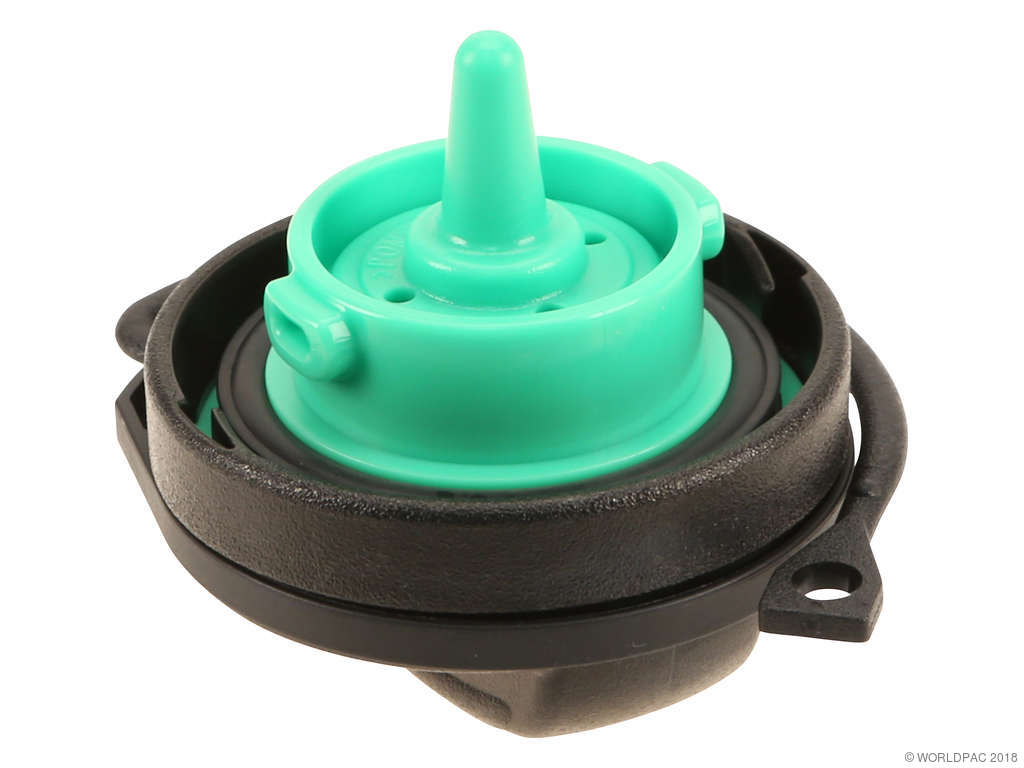
- Loose or Faulty Gas Cap 🔴 High Probability → Shop Fuel Tank Cap The rubber O-ring seal on the gas cap is a maintenance item that degrades over time, cracking and hardening, which prevents it from creating the airtight seal required by the EVAP system.
How to confirm: First, ensure the cap is tightened until it clicks several times. If the code returns, visually inspect the rubber seal on the cap for any cracks, stiffness, or visible damage. Also, check the fuel filler neck for rust or debris that could prevent a good seal.
Typical fix: Replace the gas cap with a new OEM or equivalent part.
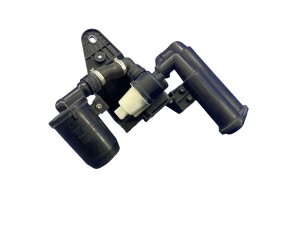
Est. part cost: $45-$60 - Faulty EVAP Purge Valve (Regeneration Valve) 🟡 Medium Probability → Shop Vapor Canister This solenoid valve is frequently actuated and can fail over time, either by sticking open or by not closing completely. This creates a constant leak in the EVAP system that the DME will detect. This is a very common failure point on Porsche models of this era.
How to confirm: The valve can be tested by removing it and attempting to blow through it; when not energized, it should be closed and allow no air to pass. A Rennlist user confirmed their new valve was sealed while the old, faulty one could be blown through. A professional may use a scan tool to actuate the valve and listen for a click. A classic symptom of failure is difficulty starting after getting gas.
Typical fix: Replace the EVAP purge valve. It is typically located in the engine bay, under the plastic engine covers.
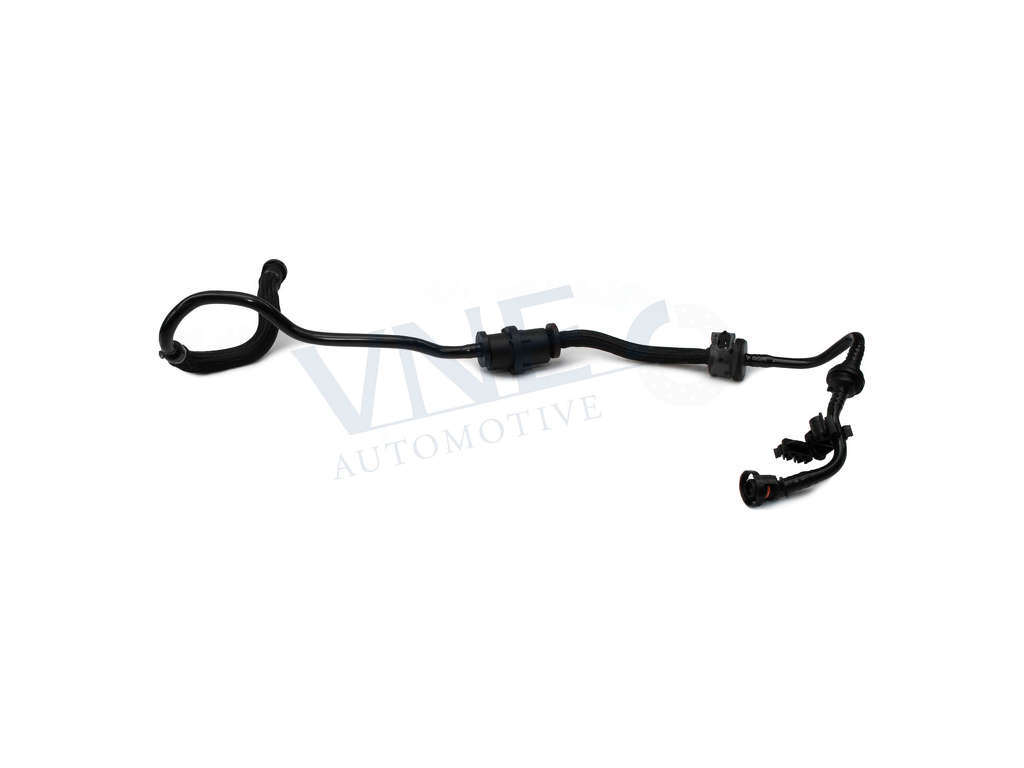
Est. part cost: $90-$150 - Cracked or Disconnected EVAP Hoses ⚪ Low Probability The plastic and rubber hoses that route fuel vapor from the tank to the charcoal canister and to the purge valve can become brittle with age and heat cycles, leading to hairline cracks.
How to confirm: A visual inspection may reveal obvious cracks, but the most effective method is a smoke test. A technician injects low-pressure smoke into the EVAP system; wherever smoke is seen escaping 🎬 See how to perform a professional EVAP smoke test is the location of the leak.
Typical fix: Replace the specific hose or line that is found to be leaking.
Est. part cost: $30-$100
Rare But Worth Checking
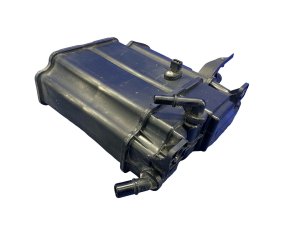
- Cracked Vapor Canister (Charcoal Canister): → Shop Vapor Canister While the canister itself is durable, physical damage from road debris or age can cause it to crack and leak. It's an expensive part, so it should only be replaced after a smoke test has confirmed it is the source of the leak.
- Faulty Leak Detection Pump (LDP): → Shop Evaporative Emissions System Leak Detection Pump The LDP is the component that pressurizes the system for the test. If the pump itself is faulty, it can lead to an incorrect diagnosis and trigger the P0440 code. This is uncommon and requires advanced diagnostics to confirm.
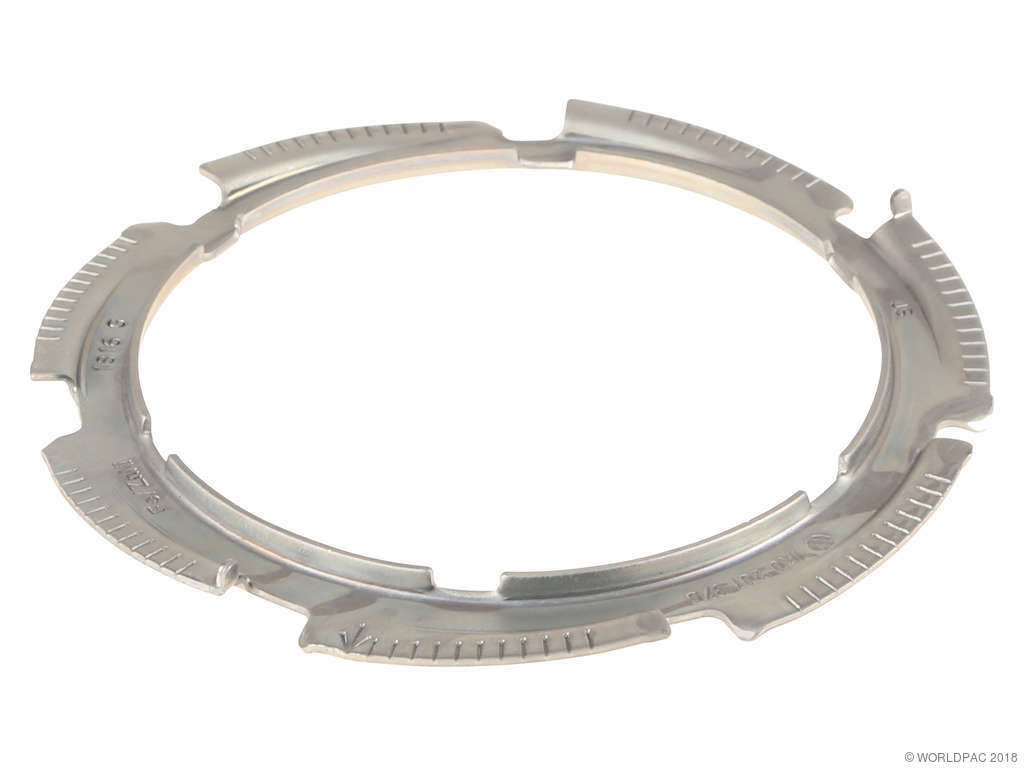
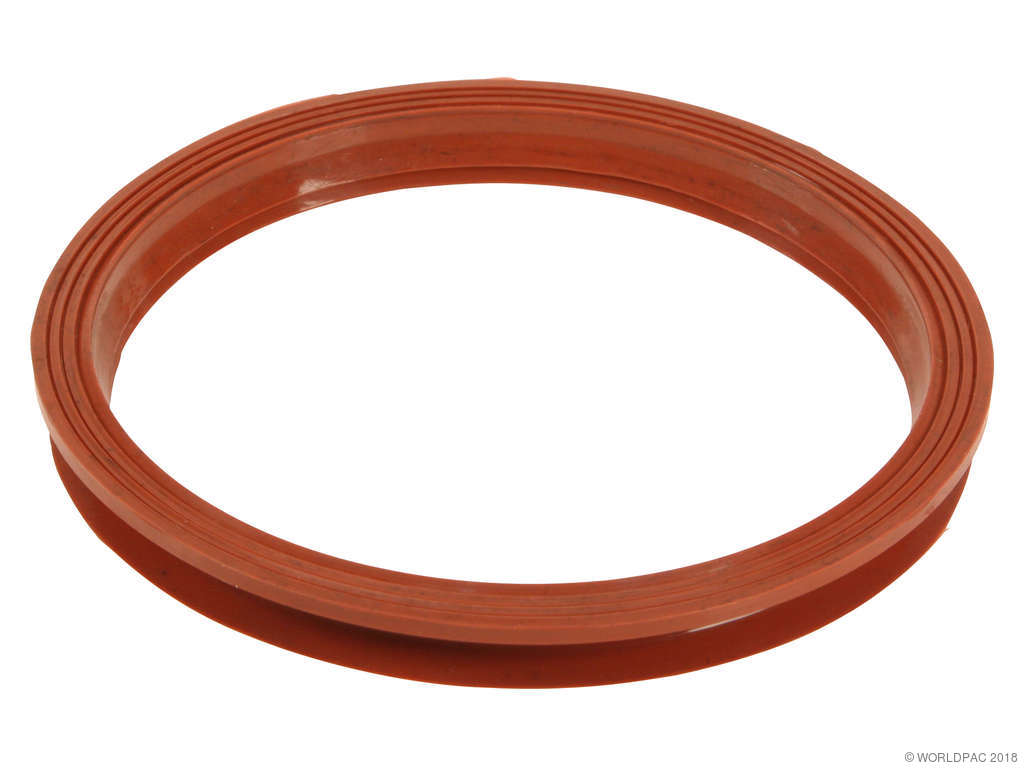
- Leaking Fuel Tank Sealing Lid / Fuel Pump Gasket: → Shop Fuel Pump A Porsche technician on a forum noted that a cracked fuel pump cover or a degraded sealing gasket on top of the fuel tank can be an overlooked cause of an EVAP leak, requiring a smoke test to identify.
Diagnosis Steps
- Read the code with an OBD-II scanner to confirm P0440 is the primary code present.
- Inspect the gas cap. Remove it, check the seal for cracks or damage, and ensure the fuel filler neck is clean. 🎬 Watch this step-by-step guide to fixing the P0440 code Reinstall the cap, making sure it clicks several times. Clear the code and drive for a few days to see if it returns.
- If the code returns, pay attention to symptoms. If you experience difficulty starting the car immediately after refueling, the EVAP purge valve is a very strong suspect.
- Visually inspect the EVAP purge valve and its connecting hoses in the engine bay for any obvious cracks or damage. The valve is located under the engine cover.
- If a visual inspection reveals nothing, the most effective next step is to have a professional perform a smoke test. This will pressurize the entire EVAP system with visible vapor, making even the smallest leaks easy to pinpoint.
- Based on the smoke test results, replace the component identified as leaking (e.g., a hose, the purge valve, the vapor canister, or the gas cap).
- After the repair, clear the code and perform a drive cycle to confirm the fix.
Parts You'll Likely Need
- Fuel Tank Cap
(OEM #99120124301)— This is the most frequent cause of P0440. The seal fails over time, causing the system to lose pressure. It's the first, easiest, and cheapest part to replace.
Trusted brands: Porsche (OEM)
OEM price range: $47-$60
Aftermarket price range: $25-$40 - EVAP Purge Valve
(OEM #94811020201 (For V8 Models))— This valve is the second most common failure point after the gas cap. It can get stuck open, causing a persistent leak detected by the DME. It is a known issue on this platform, especially when hard-starting occurs after refueling.
Trusted brands: Bosch (OEM supplier, part # 0280142431)
OEM price range: $120-$180
Aftermarket price range: $80-$120
Related Codes That Often Appear With This One
- P0441 — P0441 indicates 'Incorrect Purge Flow,' which often points directly to a malfunctioning EVAP purge valve. It's common to see both codes if the valve is stuck or not functioning correctly.
- P0455 — P0455 indicates a 'Large EVAP Leak.' If you see this instead of or along with P0440, it suggests a more significant breach, such as the gas cap being left off entirely or a major hose disconnection.
- P0446 — P0446 indicates an 'EVAP System Vent Control Circuit Malfunction.' A diagnostic report on Rennlist showed this code appearing alongside P0440, with a faulty purge valve being the ultimate root cause.
Platform-Specific Known Issues
- Real World Diagnosis: Purge Valve Confirmed by Breath Test: → Shop Vapor Canister A user on the Rennlist forums with a P0440 code took their car to a shop for a smoke test. The test found no leaks in the hoses. However, before running the smoke test, the technician removed the EVAP purge valve (also called regeneration valve) and was able to blow air through it while it was de-energized. A new valve did not allow air to pass. This confirmed the valve was stuck partially open, causing the 'minor leak'. The owner replaced the Bosch valve and resolved the issue.
Mechanic-Grade Diagnostic Values
- EVAP Canister Purge Valve (Solenoid) Resistance — expected: 26 ± 4 Ohms at 20°C (68°F). Failure: A reading significantly outside this range indicates an internal electrical fault in the solenoid.
- Low-Side Fuel Pressure (at idle) — expected: ~5.5 bar. Failure: While not directly an EVAP test, a major fuel delivery issue could be co-occurring. A significant drop under load could indicate a separate problem.
Scan Tool Commands That Help
- Porsche PIWIS Tester: EVAP System Leak Test — This is the dealer-level method to force the LDP to pressurize the system and perform the leak check on demand, rather than waiting for a drive cycle. It allows a technician to monitor system pressure directly.
- Porsche PIWIS Tester: Control unit coding ('Automatic coding') — If an electronics control unit related to the EVAP system (like the rear-end electronics control unit) is replaced or suspected of a software fault, re-coding may be necessary.
- Porsche PIWIS Tester: Malfunction Navigation — For complex faults, the PIWIS system can guide a technician through a diagnostic plan, showing relevant wiring diagrams and component locations for the specific fault code.
Wiring & Ground Locations
- EVAP Purge Valve Connector — In the engine bay, on the purge valve itself, which is typically under the plastic engine covers.. This is the connection point for testing the valve's resistance. Pin 2 is used for checking the triggering wire voltage from the DME.
- Leak Detection Pump (LDP) Location — Near the charcoal canister in the rear passenger-side wheel well area.. Physical access is required to inspect the LDP and its connections for damage or to replace the unit if it's diagnosed as faulty.
- General Ground Points — Multiple ground points exist. Key locations are in the battery compartment, behind the oil filler cap on the engine/bell housing, and under the dashboard near the steering column.. A poor ground connection for any component in the EVAP system (LDP, purge valve, pressure sensor) can cause erratic behavior and false codes. Verifying grounds is a critical step in advanced electrical diagnosis.
Real Owner Repair Stories
- Rennlist user 'Ciaka' (2013 Panamera Base, 95k miles) — P0455 (Large Leak, but principle applies to P0440), P0172/P0175 (System Too Rich), and a persistent engine ticking noise.
❌ Tried (didn't work) Replacing the gas cap, Replacing a weathered vacuum line on the intake manifold
✅ What actually fixed it Replacing the EVAP purge valve (solenoid). The old valve was confirmed to be stuck open by blowing air through it. This single fix resolved all codes, the ticking noise, and lowered the idle RPM.
"I Checked Everything" — The Actual Cause
- A well-documented case on Rennlist (for a different Porsche model but with the same Bosch components) showed that even after a smoke test passed with no leaks, the P0440 code was resolved by replacing the EVAP purge valve. The technician discovered the valve was not fully sealing when de-energized by attempting to blow through it, a leak too small for the smoke test to reveal but enough to trigger the 'minor leak' code.
OEM Part Supersession History
94811020201→94811020203— Part revision by Porsche. Often done to improve reliability or change suppliers.
Heads up: The new part number 94811020203 is the correct replacement for the original 94811020201 for V8 models. They are interchangeable.
Model Year Variations Within This Range
- 2014-2016: The Panamera S and 4S models switched from a 4.8L naturally aspirated V8 to a 3.0L twin-turbo V6 for the 2014 model year facelift (970.2). While the EVAP system function is identical, the purge valve part number and the physical routing of some hoses in the engine bay are different than the V8 models.
- 2010-2016: Gasoline-only models and the S E-Hybrid models use different vapor canisters and potentially other EVAP components due to different fuel tank systems. Parts are not interchangeable. Always verify part numbers with the vehicle's VIN.
Diagnostic Flowchart
Other Known Issues on This Vehicle
Issues unrelated to this code that are worth knowing about as an owner of this generation:
- Air Suspension Failure 🔴 High — Common failure point. Leaking air struts (bladders) or a failing compressor often occur, leading to a 'Chassis System Failure' warning and the vehicle sagging at one or more corners.
- Coolant Pipe Adhesive Failure (V8 Models) 🔴 High — Affects V8 models from approximately 2010-2014. The epoxy used to bond coolant pipes can fail, causing a sudden and massive coolant leak, which can lead to engine overheating and failure. (Ref: Subject of a class-action lawsuit (Xu et al. v. Porsche Cars North America, Inc.).)
- Camshaft Adjuster Bolt Failure (V6 & V8) 🔴 High — Primarily affects 2010-2012 models. The original aluminum bolts can shear, causing the camshaft adjuster to detach, potentially leading to catastrophic engine damage. (Ref: A recall was issued to replace the aluminum bolts with steel ones.)
- High-Pressure Fuel Pump (HPFP) Failures 🟠 Medium → Shop Fuel Pump — While recalls exist for later models, the HPFP on the 970 generation can also fail, leading to starting issues, rough running, and loss of power.
- Carbon Buildup on Intake Valves (DFI Engines) 🟡 Low — Common on Direct Fuel Injection (DFI) engines, typically becoming noticeable between 60,000 and 80,000 miles. It can cause rough idling and a loss of power.
Used vs. New Parts: Buying Guide for This Vehicle
When a used part is the smart pick: For major structural components like the charcoal canister assembly if it's confirmed to be physically intact and from a low-mileage, non-accident donor vehicle. Also, associated plastic lines and brackets that are not brittle can be sourced used.
Donor-vehicle mileage cap: roughly under 60000 miles for the part to have meaningful remaining life.
What to inspect on the donor part:
- For canisters/pumps, check for any visible cracks, stress marks, or signs of physical impact.
- For hoses, ensure they are still pliable and not hardened or brittle.
- Verify the donor vehicle was not in a major rear-end collision.
- Ask for the VIN of the donor car to cross-reference part compatibility.
OEM-only on this vehicle (don't cheap out):
- Gas Cap: Aftermarket gas caps are a frequent source of recurring EVAP codes. It is strongly recommended to use a genuine Porsche cap to ensure a perfect seal.
- Leak Detection Pump (LDP): This is a sensitive diagnostic component. Given the difficulty of access and potential for incorrect diagnoses, a new OEM part is the safest choice.
Aftermarket brands forum-validated for this vehicle:
- Bosch: Bosch is the original equipment manufacturer (OEM) for the EVAP purge valve. Buying the Bosch-branded part is often identical to the Porsche part but at a lower cost.
Brands owners have reported issues with on this vehicle:
- Unbranded, no-name electronics (valves, pumps) from online marketplaces. These often have high failure rates and may not perform to the precise specifications required by the Porsche DME, leading to recurring codes.
Real Owner Stories
Aggregated from forums and TSBs cited above. Mileages and costs reflect what owners reported in those sources.
2012 Porsche Panamera (970)
Symptoms: The owner experienced a Check Engine Light with code P0440. A smoke test was performed on the hoses and found no leaks, but the technician found the purge valve was leaking internally.
What fixed it: The technician removed the EVAP purge valve (regeneration valve) and confirmed it was stuck partially open by blowing air through it. Replacing it with a new Bosch valve resolved the issue.
Source hint: Rennlist.com Thread 'Diagnosing P0440'
2010-2016 Porsche Panamera
Symptoms: The owner reported 'Porsche fault code 93 - Fuel tank ventilation minor leak' along with difficult starting specifically after refueling the vehicle.
What fixed it: Replacement of the purge valve, which was identified as the cause for the hard start and the minor leak code.
Source hint: RennTech.org user experience linking P0440 to 'Porsche fault code 93'
2005 Porsche 911 (997.1) C2S
Symptoms: Hard starting and a CEL immediately after refueling, as well as trouble filling the fuel tank all the way.
What fixed it: Replacement of the purge valve; this shared EVAP system design failure is directly applicable to the Panamera's symptoms.
Source hint: Rennlist.com Thread '05 7.1 C2S P0440/1 codes...'
Related OBD-II Codes
Frequently Asked Questions
I'm having trouble starting my Panamera specifically after I fill up at the gas station. Is this related to P0440?
Is there a simple way to test the purge valve on my Panamera before buying a new one?
Could my P0440 code be related to the camshaft adjuster bolt recall on my 2011 Panamera?
I also have a 'Chassis System Failure' message; is that caused by the EVAP leak?
Should I replace my gas cap with an aftermarket one to fix P0440?
Where is the EVAP purge valve located on the 970 Panamera?
Helpful Videos
![How to Fix P0440 Engine Code in 3 Minutes [2 DIY Methods / Only $4.73]](https://img.youtube.com/vi/-kSpB9clrrs/mqdefault.jpg)
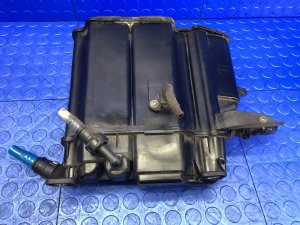
Used OEM Parts in Stock
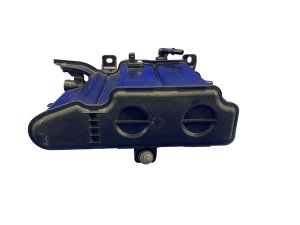
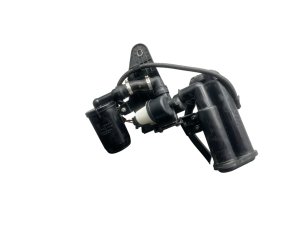
New Aftermarket Parts Available

The information in this article is provided for general reference and educational purposes only. Vehicle specifications, procedures, and part compatibility can vary by production date, trim level, and region. Always consult your vehicle's factory service manual and verify part numbers before purchasing or performing repairs. Safety-critical components such as airbags, seat belts, and braking systems should be installed by a qualified professional.
- Porsche Panamera:
- 🧭 Diagnostic Flowchart
- 🎬 Helpful Videos
- 🛍️ Shop This Part
- What's Unique About the 2010-2016 Porsche Panamera
- Symptoms You May Notice
- Most Likely Causes
- Rare But Worth Checking
- Diagnosis Steps
- Parts You'll Likely Need
- Related Codes That Often Appear With This One
- Platform-Specific Known Issues
- Mechanic-Grade Diagnostic Values
- Scan Tool Commands That Help
- Wiring & Ground Locations
- Real Owner Repair Stories
- "I Checked Everything" — The Actual Cause
- OEM Part Supersession History
- Model Year Variations Within This Range
- Other Known Issues on This Vehicle
- Used vs. New Parts: Buying Guide for This Vehicle
- Real Owner Stories
- 2012 Porsche Panamera (970)
- 2010-2016 Porsche Panamera
- 2005 Porsche 911 (997.1) C2S
- Related OBD-II Codes
- Frequently Asked Questions
- 🎟️ Get 5% Off